-
Zones of Regulation Activities
This blog post on Zones of Regulation, self-regulation strategies, and activities to support the Zones of Regulation curriculum was originally written July 20, 2020. It was most recently updated on February 11, 2026. The Zones of Regulation® program is a self-regulation tool to help kids identify, address, and use strategies to achieve self-control and emotional…
-
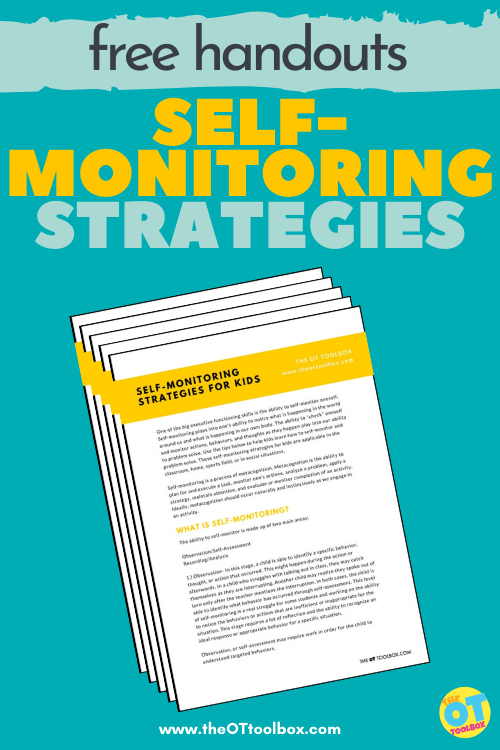
Self-Monitoring Strategies for Kids
One of the big executive functioning skills is the ability to self-monitor oneself. Self-monitoring strategies play a part in the ability to notice what is happening in the world around us and what is happening in our own body. The ability to “check” oneself and monitor actions, behaviors, and thoughts as they happen play into…
-

Fire Truck Craft Easy Shapes
Fire truck crafts are a favorite for young children, especially preschoolers who love vehicles, helpers, and hands-on art projects. This easy fire truck craft for preschoolers uses simple shapes to create a bold, recognizable fire engine while quietly building foundational fine motor skills. With cutting, grasping, and bilateral coordination built right into the activity, this fire truck shapes…
-

Olympic Rings Craft for Kids
Celebrate the Olympics with a Fine Motor Craft Get into the Olympic spirit with this engaging, low-prep activity that’s perfect for therapy sessions, classrooms, and at-home fun. This Olympic Rings Craft for Kids encourages fine motor skill development, creativity, and cultural learning, all while using simple recycled materials. Whether you’re preparing for an Olympic-themed unit…
-

What is Polyvagal Theory?
Polyvagal theory and vagus nerve exercises are common topics occupational therapists get questions on related to treatment related to regulation. For those of us working with children or parents of kids, we know that emotional regulation, stress, anxiety, and worries seem to be at an all time high. We can support these needs, and the…
-

Hand Dominance Activities 3 Simple Tips
Kids develop hand skills through play as they discover what they can do with their hands in their environment. Hand dominance occurs naturally through this discovery and play. You may have heard the terms Cross–dominance or hand confusion in a therapy report. This mixed dominance may present in a child’s motor actions when they favors one hand for some tasks…
-
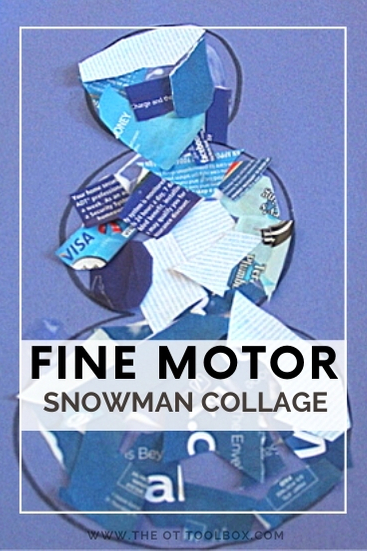
Snowman Craft for Occupational Therapy
Helping kids develop fine motor skills doesn’t require a bunch of fancy therapy equipment or carefully selected developmental toys. Here, I’ll show you how to use junk mail to help kids improve motor skills. This snowman collage is a winter craft that kids can use to work on areas like scissor skills, eye-hand coordination, visual…
-
Exercises for Focus and Attention
Studies have shown that the average attention span has declined over the past two decades. If you work with kids, you probably know that they are on short form video content more than ever. Do you notice your own attention span when watching things like TikTok, YouTube shorts, etc.? When children engage with this type…
-

What is a Sensory Diet?
Many times, parents are told that their child with sensory needs would benefit from a sensory diet. Most of the time, they respond with “what is a sensory diet?!” In this article, we’ll be talking a bit about what a sensory diet is and how it can be beneficial to kids with sensory needs. You…
-

What to Document and Observe When Fine Motor Progress Stalls
Occupational therapy practitioners focus on fine motor skills in some aspect in almost every therapy session. Sometimes fine motor development stalls or slows down. But we as therapists have to know what to observe when fine motor development is slow, and how to help the child progress in their goals. This is one reason we…