There’s no doubt that sensory play is a huge source of play-based learning and development in kids. Sensory activities support sensory processing and integration of sensory systems, but also the tactile, visual, and movement challenges impact development in all areas. Here, you’ll discover various play activities for kids of all ages. Use these ideas in occupational therapy interventions, in multisensory learning, and in the classroom.
Before we get into sensory play ideas, let’s cover some of the questions we frequently get as pediatric occupational therapists.
What is Sensory Processing
Sensory processing refers to how the nervous system receives, organizes, and interprets sensory input from the body and environment to support participation in daily occupations.
When sensory input is processed efficiently, children can attend, move, learn, and regulate emotions. When processing is inefficient, functional challenges may appear in areas such as attention, behavior, motor coordination, or self-regulation.
Clinical takeaway:
Sensory challenges are not behavioral choices. They reflect differences in neurological processing that impact functional performance.
Practice application:
Observe how sensory input affects participation before selecting strategies. Match supports to the child’s sensory needs, not the behavior alone.
What about Proprioception and Regulation?
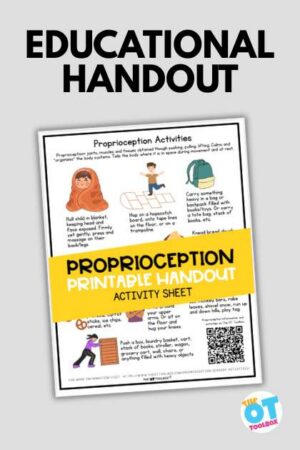
Proprioception is the sensory system that provides information about body position, force, and movement through muscles and joints.
Proprioceptive input is often organizing and regulating for the nervous system, supporting postural control, body awareness, and emotional regulation.
Clinical takeaway:
Heavy work and resistance-based activities are foundational tools for regulation across home and school settings.
Practice application:
Incorporate pushing, pulling, carrying, climbing, or resisted movement before seated or attention-demanding tasks.
How do I help my child with their Sensory Needs vs Sensory Preferences?
A sensory preference is what a child enjoys. A sensory need is what a child requires to function optimally. While preferences can be motivating, addressing sensory needs supports regulation, attention, and participation.
Clinical takeaway:
Intervention planning should prioritize sensory needs that impact occupational performance.
Practice application:
Use structured observation and caregiver input to distinguish between preference-based choices and regulation-based needs.
Is Sensory Input Is Context-Dependent?
The simple answer is yes. The same sensory input can be calming in one context and alerting in another. Each child will have different preferences and needs. Factors such as timing, intensity, duration, and environment influence how sensory input affects regulation.
Clinical takeaway:
There is no one-size-fits-all sensory strategy.
Practice application:
Trial sensory supports at different times of day and during different tasks, then adjust based on functional outcomes.
Should sensory Supports Improve Participation?
To give you another simple response, here we need to say again, yes. Remember that sensory strategies are tools, not goals. The purpose of sensory input is to support engagement in meaningful occupations such as learning, play, self-care, and social participation. Everything we do uses aspects of the sensory systems from auditory input, tactile input, proprioceptive awareness, etc. Depending on the needs of the individual, supports should help with participation, but remember that not all individuals have the same needs. It’s very individualized.
Clinical takeaway:
If a sensory strategy does not improve participation, it should be re-evaluated.
Practice application:
Ask: “What occupation does this sensory support help the child access?”
What about Sensory Processing Across the Lifespan?
Sensory processing does not end in early childhood. Adolescents and adults also rely on sensory strategies for regulation, focus, and emotional control.
Clinical takeaway:
Sensory supports are appropriate across ages and settings, including classrooms, workplaces, and community environments.
Practice application:
Teach self-advocacy and self-selected sensory strategies as children mature.
Next, let’s get into play activities and play-based strategies to support sensory needs.
Sensory Play
Stop by and check out all of these sensory ideas. Don’t see a link for what you are looking for? This page is being updated (sleep calls!). Don’t worry though–Pop a description of the image below into the search bar on the sidebar and you will find the sensory-based play ideas linked there.
I am a big advocate for sensory play with kids. There is so much learning that takes place during sensory experiences. Exploring textures, manipulating items, scents…the list can go on and on! When a child explores the world through their senses, they develop fine motor skills, gross motor skills, language abilities, self-confidence, and so much more.
While play definitely is based on the body’s senses, there are also the vestibular and proprioception senses that provide input to a child. Any experience involves the body’s ability to take in sensory input, process it, and provide appropriate responses. During all of this learning is happening!
Sensory processing is the way the nervous system receives, organizes, and responds to input from the body and the environment. Every movement, behavior, and learning experience is influenced by how efficiently the sensory systems work together. When sensory processing is well-integrated, children can participate in daily activities with confidence. When it is not, you may see challenges with attention, behavior, motor skills, and emotional regulation.
On this page, you’ll find a complete breakdown of the sensory systems, how they impact development, and practical strategies you can use right away. Use this guide to explore each system and dive deeper into targeted activities, red flags, and therapy tools.
What Are the Sensory Systems?
We often think of five senses, but there are actually eight sensory systems that support function:
- Visual (sight)
- Auditory (hearing)
- Tactile (touch)
- Gustatory (taste)
- Olfactory (smell)
- Vestibular (movement and balance)
- Proprioception (body awareness)
- Interoception (internal body signals)
Each system plays a unique role, but they work together to support participation in school, play, and daily routines.
How Sensory Processing Impacts Learning and Development
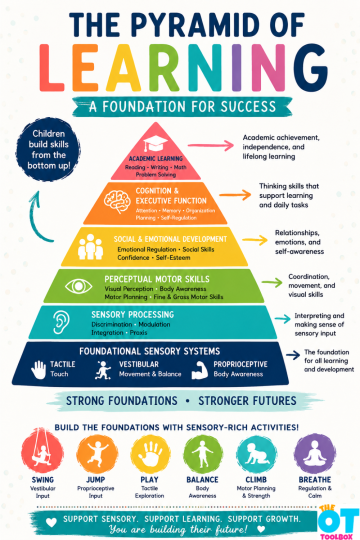
Sensory processing forms the foundation for higher-level skills like attention, behavior, motor planning, and academic performance. When children can process sensory input efficiently, they are better able to:
- Focus and attend to tasks
- Follow directions
- Engage in play and social interaction
- Develop motor coordination
- Regulate their energy and emotions
When there are differences in sensory processing, children may appear distracted, overwhelmed, under-responsive, or constantly seeking input. Understanding the “why” behind these behaviors is the first step in supporting success.
The 8 Sensory Systems Explained
We often talk about the sensory systems and how they impact function. Here’s a list of the sensory systems.
Visual System (Sight)
The visual system helps children interpret and understand what they see. This includes tracking, visual attention, visual memory, and visual perception skills.
Difficulties in visual processing may impact:
- Reading and writing
- Copying from the board
- Completing puzzles
- Finding items in a busy space
Auditory System (Hearing)
The auditory system processes sounds and helps children understand language, follow directions, and filter background noise.
Challenges may include:
- Difficulty following verbal instructions
- Sensitivity to loud environments
- Trouble with listening and comprehension
Tactile System (Touch)
The tactile system helps us interpret touch, texture, temperature, and pain.
Children may show:
- Sensitivity to clothing or textures
- Avoidance of messy play
- Seeking touch input (touching everything)
Vestibular System (Movement & Balance)
The vestibular system detects movement and head position. It is essential for balance, coordination, and spatial awareness.
Signs of vestibular challenges:
- Poor balance
- Difficulty with coordination
- Fear of movement OR constant spinning and movement
Proprioception (Body Awareness)
Proprioception tells us where our body is in space and how much force to use.
Children with proprioceptive challenges may:
- Use too much or too little force
- Bump into objects
- Have messy handwriting
Explore activities:
https://www.theottoolbox.com/proprioception/
Olfactory System (Smell)
The olfactory system processes smells and is closely linked to memory and emotional responses.
You may notice:
- Strong reactions to smells
- Avoidance of certain environments
- Seeking out strong scents
Gustatory System (Taste)
The gustatory system helps process taste and is important for feeding and food preferences.
Challenges may include:
- Picky eating
- Avoidance of certain textures or flavors
- Limited food variety
Interoception (Internal Body Awareness)
Interoception is the sense of internal body signals like hunger, thirst, temperature, and emotions.
Children may struggle with:
- Recognizing when they need the bathroom
- Identifying hunger or thirst
- Understanding internal cues related to emotions
Sensory Processing Patterns: What You Might See
Children respond to sensory input in different ways. These patterns include:
- Over-responsiveness (sensory sensitivity) – easily overwhelmed
- Under-responsiveness – may miss sensory input
- Sensory seeking – constantly looking for input
Understanding these patterns helps guide effective strategies and supports.
Sensory Strategies That Support Regulation
Sensory strategies help children reach a “just right” state for learning and participation. These supports can be used at home, in the classroom, or in therapy sessions.
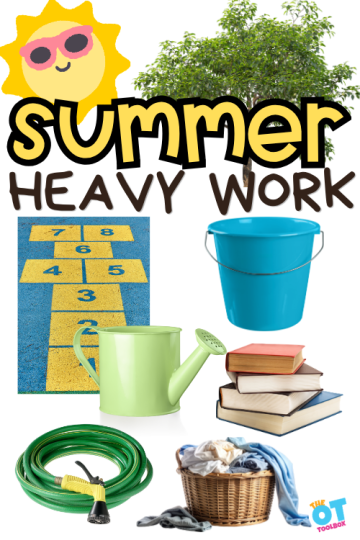
Heavy Work Activities (Proprioceptive Input)
- Carrying books or groceries
- Wall push-ups
- Moving furniture
- Animal walks
Find more ideas for heavy work to activate the proprioceptive sensory system.
Movement Breaks (Vestibular Input)
This is a great example of brain breaks in action.
- Swinging
- Jumping
- Spinning (in controlled ways)
- Obstacle courses
Calming Strategies
- Deep breathing
- Weighted items
- Quiet spaces
- Slow rocking
Sensory Diets
A sensory diet is a personalized plan of sensory activities used throughout the day to support regulation.
Sensory-Friendly Classrooms and Home Strategies
Creating a supportive sensory environment can make a huge difference in a child’s ability to learn and function.
Ideas include:
- Flexible seating options
- Quiet or calm-down areas
- Visual supports
- Reduced visual clutter
- Access to fidgets or movement tools
Why Sensory Processing Matters
Sensory processing is important because it’s how the brain and body work together to support participation. When we understand sensory needs, we can better support:
- Attention and focus
- Emotional regulation
- Motor skills
- Independence in daily tasks
- Social participation
This perspective allows us to move from “fixing behavior” to supporting the nervous system.
Sensory Activities for Kids
Sensory activities for kids support the development of foundational skills needed for participation in daily tasks, play, and learning. From an occupational therapy perspective, sensory activities are not just “play”—they are purposeful experiences that help organize the nervous system.
Children benefit from sensory activities that target:
- Regulation and arousal levels
- Attention and focus
- Motor coordination
- Body awareness
Examples of effective sensory activities for kids include sensory bins, obstacle courses, heavy work tasks, and tactile play experiences. These activities can be adapted for home, school, or therapy sessions to meet individual sensory needs.
Sensory Play and Sensory Play Ideas
Sensory play allows children to explore materials and movement in a hands-on, meaningful way. Sensory play ideas can be simple, low-cost, and highly effective in supporting development.
From an OT perspective, sensory play supports:
- Exploration and curiosity
- Motor planning and coordination
- Problem-solving skills
- Engagement in play
Sensory play ideas may include:
- Water play with cups and scoops
- Sand or rice bins
- Play dough and resistive materials
- Movement-based games
Sensory play should be matched to a child’s sensory preferences to ensure it is regulating rather than overwhelming.
Sensory Learning Activities
Sensory learning activities combine academic concepts with movement and sensory input. These are especially helpful for children who struggle with attention or traditional seated learning.
Examples include:
- Writing spelling words in shaving cream
- Jumping while counting or spelling
- Using textured materials for letter formation
- Movement-based math games
These activities improve retention by engaging multiple sensory systems at once, which strengthens neural connections and supports learning.
Sensory Processing Activities
Sensory processing activities are designed to help the brain interpret and respond to sensory input more effectively. These activities are often used in occupational therapy to target specific sensory challenges.
Examples include:
- Proprioceptive input through heavy work
- Vestibular input through swinging or spinning
- Tactile play for desensitization
- Visual scanning games
The goal of sensory processing activities is to help children achieve a “just right” level of alertness for participation.
Sensory Regulation Activities
Sensory regulation activities help children manage their energy levels, emotions, and attention. These activities are essential for supporting participation in school and daily routines.
Regulation strategies may include:
- Deep pressure input (weighted items, hugs)
- Movement breaks
- Breathing exercises
- Quiet sensory spaces
Occupational therapists often use these tools to support self-regulation and help children transition between activities.
Sensory Integration Activities
Sensory integration activities focus on how different sensory systems work together. These activities are especially important for coordination, balance, and motor planning.
Examples include:
- Obstacle courses combining movement and problem-solving
- Climbing and crawling activities
- Ball games that require timing and coordination
- Activities that combine visual and motor input
These tasks support the brain’s ability to process multiple types of input simultaneously.
OT Sensory Activities
OT sensory activities are intentionally designed to support function. These are not random activities—they are selected based on a child’s specific needs.
An occupational therapist may choose activities to target:
- Attention and focus
- Handwriting and fine motor skills
- Behavior and emotional regulation
- Independence in daily tasks
Examples of OT sensory activities include:
- Therapy putty exercises
- Scooter board activities
- Weighted tasks
- Structured sensory diets
These activities are often embedded into daily routines for maximum impact.
Sensory Training Activities
Sensory training activities involve repeated exposure to sensory input in a structured and supportive way. These are used to help children become more comfortable with sensory experiences or improve their responses.
Examples include:
- Gradual exposure to textures
- Repetitive movement patterns
- Guided participation in sensory tasks
- Structured routines with sensory input
Consistency is key when using sensory training approaches.
Sensory Activity Ideas
Sensory activity ideas can be used to quickly support regulation and engagement throughout the day. These are helpful for parents, teachers, and therapists looking for easy strategies.
Quick sensory ideas:
- Wall push-ups
- Animal walks
- Fidget tools
- Stretching exercises
- Chair push-ups
These simple strategies can be implemented as needed to support attention and behavior.
Sensory Play Activities
Sensory play activities are structured opportunities for children to engage with sensory input in a meaningful way. These can be themed, seasonal, or skill-based.
Examples include:
- Sensory bins with hidden objects
- Cooking and food-based activities
- Art projects using different textures
- Outdoor sensory exploration
These activities support engagement while addressing sensory needs.
Sensory Activities vs Sensory Play: Understanding the Difference
While often used interchangeably, there is a subtle difference:
- Sensory play is child-led exploration
- Sensory activities are often more structured and goal-oriented
Both are valuable and should be used together to support development.
How to Choose the Right Sensory Activities
Not all sensory activities work for every child. The key is understanding individual sensory preferences and responses.
Consider:
- Does the child seek or avoid certain input?
- What level of activity helps them focus?
- What environments are most challenging?
Choosing the right sensory activities ensures that interventions are supportive rather than overwhelming.
Supporting Kids Through Sensory Processing
Every child has unique sensory preferences and needs. By understanding how sensory systems work and how to support them, we can create environments where kids feel regulated, engaged, and ready to learn.
Whether you are a parent, teacher, or therapist, this page is your starting point for building meaningful, sensory-informed strategies that support real-life function.
This page is a place where we’ll share all of our sensory-friendly play and learning activities in one place. We have many more old posts to add and SO many new ideas to share with you. Stop back often so you can see what we’ve been up to.
So many of these ideas you will find on this page are perfect for using in sensory diets and sensory challenges to address sensory processing needs. Read more about how to create a sensory diet.
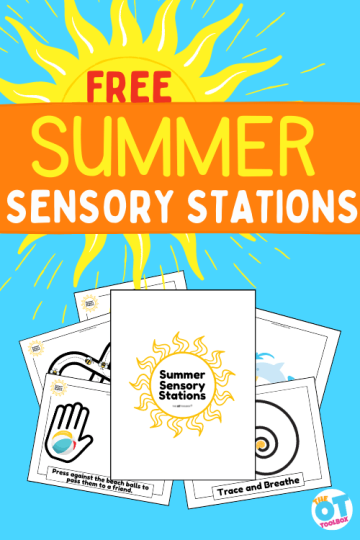
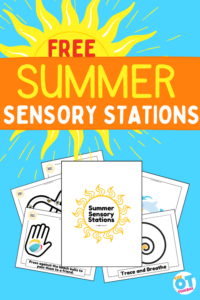
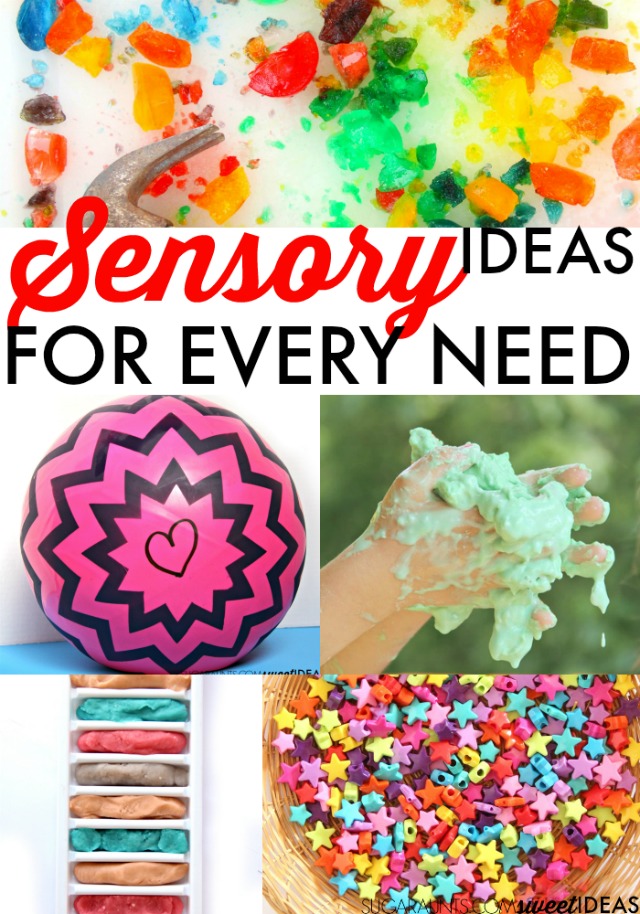
One of our most popular resources is our printable sensory paths. Check out these sensory stations as a sensory play material that kids love:
Sensory Play All Day
Carryover of sensory strategies is extremely important in both the home and in the classroom. If activities are not able to be carried out, then a different sensory strategy should be incorporated into the child’s sensory diet.
When using The Sensory Lifestyle Handbook to create and monitor sensory diets, users will find the Daily Sensory Diet Sheet and the Sensory Diet Schedule to be effective tools for carryover and monitoring strategies.
Use the Sensory Diet Effectiveness Tool, found in the Addendum of this book, to monitor sensory diet results and strategies. This form should be completed after a sensory diet has been in effect for two weeks.









Sensory Systems Ideas
Tactile Play Ideas
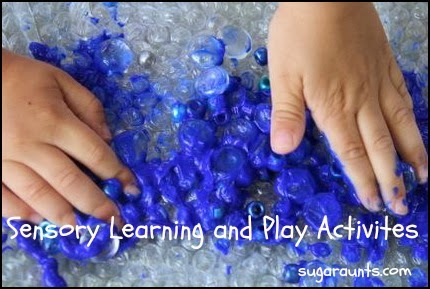
Sensory Paint Play
Valentine’s Day Goop Painting
Valentine’s Day Sensory Bin
Outdoor Dandelion Messy Water Play
Water Bin Play Series
Relaxing Lavender Water Bin
10+ Water Bin Ideas for Learning
Snowy Farm Sensory Bin
Fine Motor Sensory Water Bin
Calming Waterbead Water Bin
Color Matching Water Bin with Letters
Textured Paint Sensory Play
Blue Sensory Toddler Tray
Red, White, and Blue Goopy Dough
Purple Water bead Sensory Bin
Sensory Handwriting Practice
Make Your Own Colored Sand to use in sensory play
Spring Sensory Seek and Find
Pool Noodle Water Bin
I Spy Sight Word Sensory Bottle
Halloween Sensory Bin
Halloween Sensory Table
Egg Carton Pumpkins Fall Sensory Bins
Learning Through Play with 60+ Sensory Bins
Snowy Farm Sensory Bin
Relaxing Lavender Water Bin
Multi-Age Letter Learning Bin
3 Rainbow Sensory Bins
Letter Bin
Honey Bee Sensory Bin
The Best Sensory Activities of 2013
Candy Cane Noodle Sensory Play
Ultimate List of Christmas Sensory Ideas for Kids
Candy Cane Scented Moon Dough Sensory Activity
Gift Guide Toys to Inspire Sensory-based Play
Baby and Toddler Sensory Floor Play
Messy Sensory Ideas for Kids
Window No-Mess Sensory Spelling
Mess-Free Bubble Wrap Painting
Color Matching Water Bin
Swamp Water Bin Sensory Fun
Swamp Dough
Colors Water Play Sensory Bin
Toddler Ping Pong Visual Motor Activity
Island Luau Water Bin Sensory Play
Outdoor Dandelion Water Bin Messy Play
Tactile Sensory Backyard Activities
Sensory Bin Base Filler Ideas
Fizzy Soda Dough Activity
Visual System Play Ideas
Scented (Olfactory) Sensory Ideas
Taste (Gustatory) Sensory System Play Ideas and Oral Motor
Proprioception Sensory Ideas
Vestibular System Play Ideas
Auditory Processing Sensory Activities