-
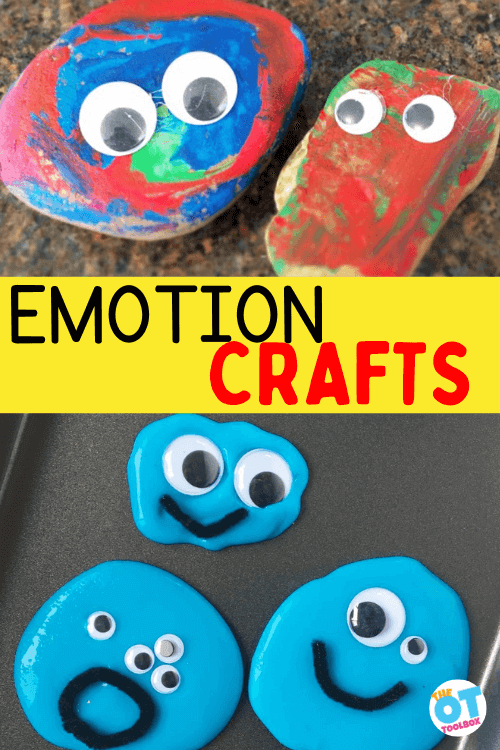
Emotion Crafts
In this blog post, we’re covering all things emotion crafts…or crafts designed to foster emotional development and emotional intelligence, through play and crafting! These emotions crafts are great tools for supporting emotional intelligence in all ages. When you think about it, crafting is a coping mechanism for many, both young and old! Let’s explore specific…
-
ADLs and Occupational Self-Care
In this blog post, we are discussing ADLs (Activities of Daily Living) for kids and teens. These occupational self care tasks are tasks that make up day to day living. Let’s break this down. For additional information on various roles, check out our article on IADLs. Occupational self care refers to many things. Occupational therapy…
-
Sensory Red Flags and Toddler Behavior Red Flags
Parents of young children may notice sensory red flags, or sensory preferences in their children that bring up a few questions. For parents of toddlers, this can be a gut feeling that milestones may be delayed, regressing, or “off”. Below, we’re covering red flags related to sensory, including toddler behavior red flags that might indicate…
-
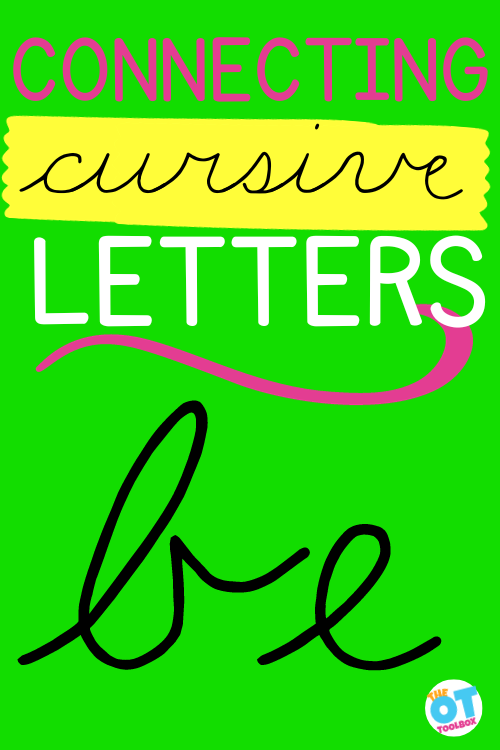
Connecting Cursive Letters
When kids are learning to write cursive letters, they need to also learn about connecting cursive letters together appropriately right from the start. In this blog post on on how to connect cursive letters, we’ll explore the tips for seamlessly joining cursive letters within a word to ensure fluid and proficient cursive handwriting. Teaching correct…
-
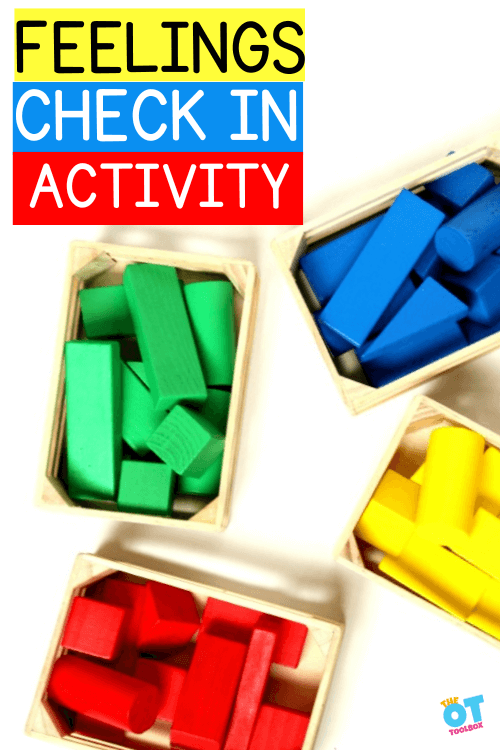
Feelings Check In
A feelings check in station in the classroom is a great way to explore emotions and develop the emotional regulation strategies to support social emotional development. The block activity that we share below is one feelings check in that can be used with preschoolers or young kids in a kindergarten classroom, but with some adaptations,…
-
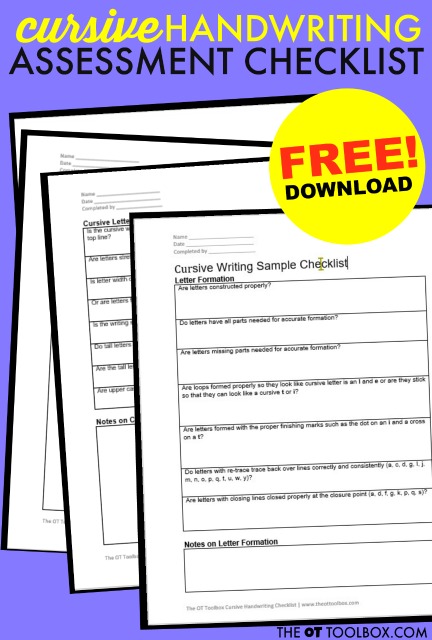
Diagnosing Cursive Writing Problems
Supporting kids by teaching cursive handwriting can be a challenge when there are problems in cursive writing. We’ve covered many issues that contribute to handwriting problems, but when you look at cursive in particular, there are differences to consider. One tool to support an educator or occupational therapy practitioner is a cursive writing screening tool.…
-
Cursive Writing Order to Teach Cursive Letters
Did you know there is a specific order to teach cursive letters to promote cursive writing legibility and carryover of cursive handwriting? Occupational therapy providers work with the occupation of handwriting and cursive letters are part of that process. In this post, you’ll learn about cursive writing order to teach letters of the alphabet, including…
-
Motor Planning and Handwriting
When a child learns to write letters, they are forming handwriting muscle memory that becomes instinctive. One important piece to the handwriting puzzle is fluid writing, or the motor planning in handwriting that makes writing letters natural, efficient, and fluid. Motor planning and the developmental skills that follow allow a child to copy the parts of…
-
Use Letter Construction Method for Accurate Letter Formation
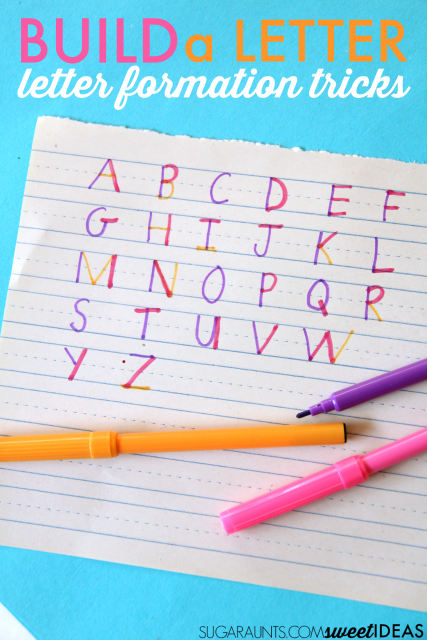
When kids are learning to write, they often times form letters in “parts”. Accuracy with letter formation starts with correct training of how to write letters. The number one essential task for kids to proceed on with legible and speedy handwriting is correct letter formation. That means starting at the top and pulling lines…
-
Letter C Worksheet
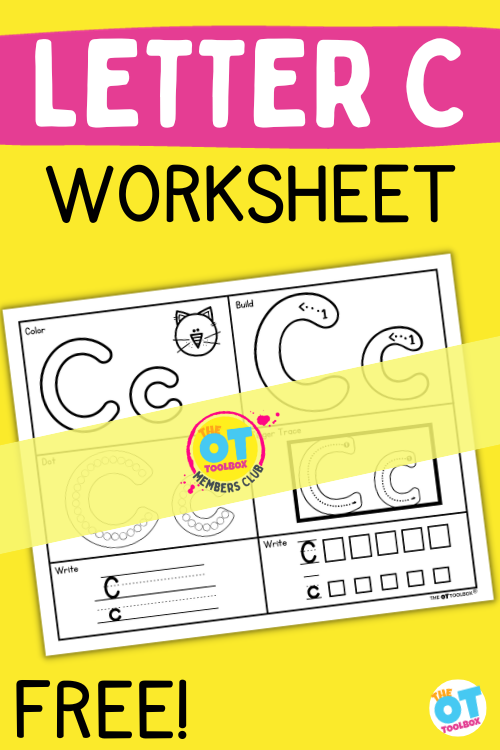
Moving through the alphabet, we are ready to learn how to teach the letter C with our free Letter C Worksheet! Keep an eye out for posts for all accurately forming all 26 letters! Each post will offer information on how to teach the highlighted letter, including a free download. Today’s post will address letter…