After a long day at school, many children come home and seem to fall apart. You might see them come home and begin crying, yelling, shutting down, or refusing to do anything. This after-school meltdown (or sensory breakdown) isn’t just about being tired or hungry.

For many kids, especially those with sensory processing challenges or executive functioning difficulties, school requires an enormous amount of self-regulation. It all becomes a fight or flight response at a certain point.
Why do After School Meltdowns Happen?
After-school meltdowns are often connected to nervous system dysregulation after a long day of managing expectations, sensory input, and social demands at school.
Many children spend the school day using a great deal of energy to stay focused, follow routines, and regulate their behavior. By the time they arrive home, their nervous system may be fatigued and less able to manage stress. From a nervous system perspective, this can mean the child shifts out of a calm, regulated state and into a more reactive state where emotions feel harder to control.
Polyvagal Theory helps explain why this happens. Throughout the day, a child’s nervous system is constantly scanning for cues of safety or stress. When a child feels safe and regulated, they are able to engage, learn, and interact with others.
However, after a long day of demands, their nervous system may move into a fight-or-flight response. This can show up as irritability, frustration, crying, or emotional outbursts when they finally reach the safety of home.
What is after school restraint collapse?
After-school restraint collapse is another term you may have heard of. This is another way to describe after school meltdowns.
It’s a pattern many families notice when children come home from school and suddenly seem overwhelmed, emotional, or exhausted. During the school day, children often work very hard to follow rules, manage sensory input, stay focused, and control their behavior in a structured environment.
This effort requires a great deal of self-regulation and energy. When the school day ends and the child returns to a safe and familiar space, the nervous system may finally release that built-up tension.
As a result, children may cry, become irritable, argue, or appear unusually tired. This response is not intentional misbehavior; rather, it reflects the body and brain decompressing after a long period of maintaining control and meeting expectations.
sensory overload after school
What’s happening here? Kids spend hours sitting still, following directions, managing transitions, and trying to fit in. By the time they get home, their emotional and sensory “cup” is empty. The meltdowns you see are often the result of holding it all together all day long. Understanding why this happens is the first step in helping kids decompress, reset, and build the tools they need to self-regulate at home.
After a long day at school, some kids come home dysregulated (in a state where regulation isn’t happening) and it can be easy to miss the signs. It might look like the child that crashes and takes a nap as soon as they walk in the door (hello, teenagers!) or the child that is clingy/whiny/jumping off the walls during the after school hours. These actions aren’t them having a “bad day” or “acting out.” It’s actually clues that the child’s nervous system is overwhelmed during daily tasks and the tasks of the day. (What we call occupations…like learning, playing, socializing, riding the bus, and managing new routines).
In today’s YouTube video and visual guide, we break down signs of dysregulation during occupation, including:
- Trouble with organization, attention, or executive function
- Sensory overload from sound, light, touch, or smell
- Irrational, impulsive, or aggressive behaviors
- Working memory difficulties
- Panic attacks, sleep troubles, or toileting challenges
- Poor fine motor skills or handwriting
- A tendency to shut down, give up, or resist tasks
- They might not hear you
Here’s the full list in our short video:
Next, let’s talk about some questions that come up from parents regarding sensory overload after school.
FAQ: After-School Meltdowns and Emotional Regulation in Kids
Why does my child melt down after school?
Many kids “hold it together” during the school day. They are working hard to suppress big emotions, masking sensory sensitivities, and meeting expectations. When they get home to their safe space, that built-up stress is released in the form of a meltdown. It’s a release of emotional pressure, not a sign of defiance or misbehavior.
How can I help my child decompress after school?
Create a predictable after-school routine with calming options: quiet time, a snack, deep pressure activities like a weighted blanket, or movement like swinging or jumping. Let your child have a choice in how they unwind. This gives them some control and supports regulation.
Try these after-school calming strategies.
What are the signs of emotional dysregulation in kids after school?
Some common signs include irritability, withdrawal, meltdowns, trouble transitioning, refusal to talk, or physical symptoms like headaches. These behaviors are often a sign that your child is overstimulated or emotionally drained.
Explore signs of dysregulation
Why does my child seem fine at school but fall apart at home?
This is known as “masking.” Many children, especially those who are neurodivergent, work hard to appear regulated in public. At home, where they feel safe, they release the emotions they’ve been suppressing. This isn’t manipulation. They are actually showing signs of emotional exhaustion.
Read more about masking and meltdowns
What calming strategies help with after-school meltdowns?
Try a sensory bin, a body sock, drawing/coloring, swinging, or deep breathing. Some children benefit from heavy work (proprioceptive) activities like wall pushes or carrying a backpack.
Check out these heavy work activities
What are after-school sensory needs and how can I support them?
Sensory needs after school may involve a need for quiet, movement, oral input (like chewing), or touch. Pay attention to your child’s behavior and give sensory-rich but calming input after school.
Use our calm down corner ideas
How can I prevent after-school meltdowns in my child?
Build in time for transition after school. Avoid rushing into homework or structured activities. Let your child decompress and refuel. Create a consistent routine, and reduce extra demands during that time.
Use a sensory-friendly visual schedule.
Why do ADHD kids hold it together at school and then crash at home?
ADHD brains are working extra hard to stay organized, focused, and quiet at school. That effort can be exhausting, and home becomes the place they release the stress. Support them with empathy and structure, not punishment.
What are some after-school routines that help neurodivergent kids?
Routines that include sensory breaks, low-demand time, a calming activity, and predictable structure help reduce meltdowns. Use visual schedules or simple picture cards to help kids know what’s next.
How do I support emotional regulation at home after school?
Normalize big feelings and teach self-regulation strategies. Use visual supports, sensory tools, and lots of co-regulation. Focus on connection before correction.
Browse self-regulation activities
How to help after school meltdowns
After-school meltdowns are common in kids who hold it together all day at school, only to release their emotions the moment they get home. If you’re wondering how to help a child who melts down after school, it starts with understanding that this behavior is a result of exhaustion from managing expectations, transitions, and sensory input throughout the day.
These after-school meltdowns in kids often happen because children are finally in a safe space where they can decompress.
One effective after-school meltdown strategy is to create a calming after-school routine with quiet time, a healthy snack, and sensory activities.
Parents searching for ways to help kids decompress after school can try setting up a predictable transition period with activities like deep breathing, stretching, or time in a sensory corner.
Knowing how to calm a child after school begins with giving them space, avoiding questions right away, and using consistent strategies that meet their unique sensory or emotional needs.
These calming techniques are not only effective in managing meltdowns after school, but also support emotional regulation in the long term.
Having a set strategy list is key. For developing kids, emotional regulation and executive functioning skills impact not just learning but function. When it comes to emotions, regulating behaviors, and the mental skills of executive functioning, you can see how all of these areas play a role in everything we do on a day to day basis.
Some other ideas for educators include being proactive in the classroom. This actually helps the student during the day because short movement breaks support learning. Educators: Set up simple brain breaks or sensory corners.
The therapist on the team can help to share supportive strategies and tools with families to help them carry over regulation strategies at home.
And finally, the parent can bring it all together by creating a transition routine to help kids shift from school to home without becoming overwhelmed. A huge component is the impact of screens too. This screentime checklist can help.
This is where co-regulation becomes important. Children often need the support of a calm adult to help their nervous system return to a regulated state.
Instead of immediately asking questions about the day or moving into homework routines, it can help to first create a transition period that allows the child’s body to reset. Quiet connection, predictable routines, and a calm presence can help signal safety to the nervous system.
Short brain breaks after school can also support regulation. Movement activities, deep breathing, outdoor play, or sensory-based activities help the body release tension and organize sensory input from the day.
Basically, I tell my parents that they need to first focus on arousal level. They are coming from a highly stimulating environment. If they are bombarded with questions about their day, expectations for homework, and rushing into the after school activities, they don’t have a chance to reset.
We can help the child by offering different types of stimulation that typically decrease arousal (slow, rhythmic, and gentle sensations, heavy work, removal of excess sensory stimulation, and deep touch pressure and proprioception).
Then, after the child is out of this fight or flight state, you can offer opportunities for safe participation. This is things that make them feel safe to allow participation.
These breaks give the nervous system an opportunity to shift out of survival mode and back toward a calmer, more regulated state where conversation, homework, and family activities become easier to manage.
Start with these resources on The OT Toolbox:
What is Dysregulation?
What is Self-Regulation?
Self-Regulation Strategies
Sensory Processing Red Flags
Emotional Regulation Games
5 Ways to Support Emotional Vocabulary
After School Brain Breaks and Sensory Snacks
Self Regulation Support
Packed with visuals, charts, and strategies kids can use throughout the day, perfect for home or school.
Get it in the shop.
Members: get it here.
Sensory Diet Cards + Sensory Activity Lists
Build a sensory strategy system that helps meet individual needs, even in busy classrooms.
Get it in the shop.
Members: get it here.
Classroom + Home Connection
Many students hold it together all day… until they don’t. When kids walk through the door after school and instantly melt down, it’s often because of underlying sensory or regulation challenges that built up throughout the day.
P.S. All of these resources (plus more) are included in your OT Toolbox Membership. It’s your one-stop spot for back-to-school therapy tools!
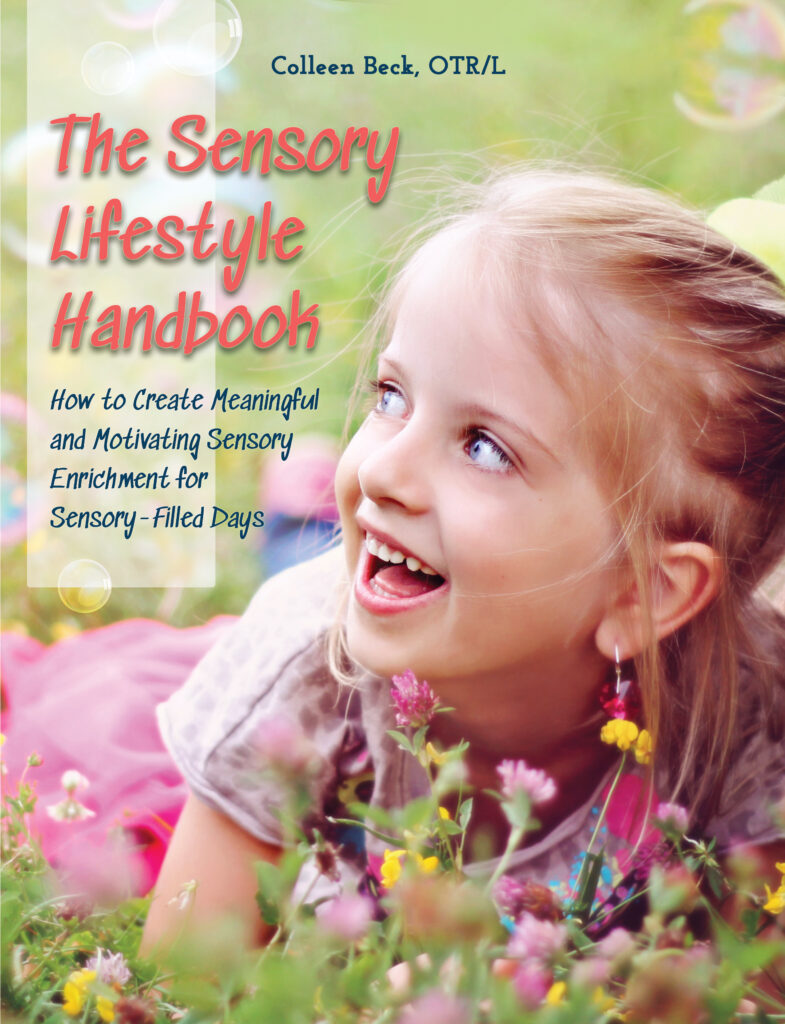
The Sensory Lifestyle Handbook walks you through sensory processing information, each step of creating a meaningful and motivating sensory diet, that is guided by the individual’s personal interests and preferences.
The Sensory Lifestyle Handbook is not just about creating a sensory diet to meet sensory processing needs. This handbook is your key to creating an active and thriving lifestyle based on a deep understanding of sensory processing.

Colleen Beck, OTR/L has been an occupational therapist since 2000, working in school-based, hand therapy, outpatient peds, EI, and SNF. Colleen created The OT Toolbox to inspire therapists, teachers, and parents with easy and fun tools to help children thrive. Read her story about going from an OT making $3/hour (after paying for kids’ childcare) to a full-time OT resource creator for millions of readers. Want to collaborate? Send an email to contact@theottoolbox.com.