Did you know pencil control is a huge part of handwriting legibility? Here, we’ll cover the definition of pencil control, how to impact this important handwriting skill, and strategies to make pencil movements fluent and dexterous using handwriting activities are all dedicated to improving pencil strokes needed for improved legibility. Be sure to check out these pencil control exercises we’ve previously shared.
What is Pencil Control?
Pencil control refers to the handwriting skill needed to hold and manipulate a pencil during handwriting tasks. Controlled pencil movements requires the ability to hold a pencil with a functional grasp during handwriting.
This includes underlying components such as sensory processing, visual motor and fine motor aspects in order to:
- Manipulate the writing utensil within the hand
- Efficiently and effectively stopping and starting on lines
- Form letters including pencil turns in direction
- Managing minute pencil strokes within a given writing space
- Writing at functional speeds
- Moving the pencil within the hand to adjust or rotate the pencil
- Moving the pencil within the hand to erase and then write again
- Shifting the pencil up and down within the pencil grasp
- Writing at an appropriate pencil pressure
All of these motor skills require control of the writing utensil, with input from the proprioceptive sensory system. Each area above requires fine motor skills.
Essentially, it is the development of pre-writing skills that enable control which allow a student to consistently write legibly even when required to write at faster writing speeds.
When those pre-writing skills are not established during the younger years, controlled pencil movements are an issue that impacts handwriting legibility in the older ages.
These are skills that should be incorporated into handwriting practice.
Pencil Control Worksheets
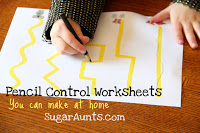
In pencil control worksheets, like in our Fine Motor Kits, you’ll discover many fine motor worksheets that can be used to work on controlled pencil movements, changes in direction, pencil pressure, and shift within the hand. These activities use a handwriting/fine motor worksheet to improve fine motor dexterity and pencil manipulation.
Pencil control worksheets on our site include:
- Pencil control worksheets you can make at home
- Pencil Control Strips and Self-Assessment
- Fall Fine Motor Worksheets
- Spring Fine Motor Worksheets
- Christmas pencil control worksheets
Ideas for quick and easy ways to improve controlled pencil movements include:
- Using graph paper to make squares and diagonal lines
- Drawing small shapes
- Mazes
- Word searches
- Crossword puzzle
- Box-dot handwriting
- Ghost writing activities
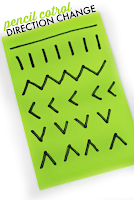
- Direction change activities on worksheets
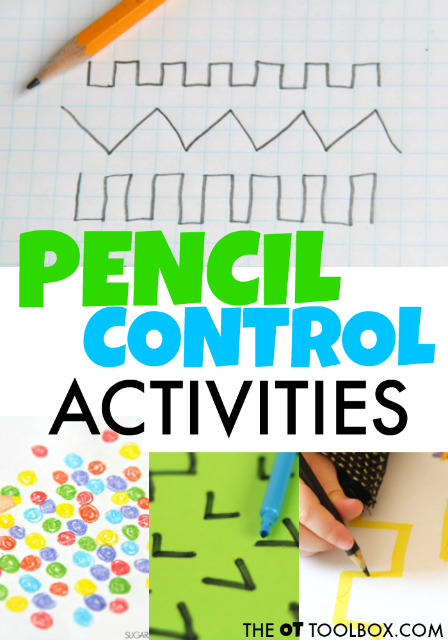
Pencil Control Activities
Working on dexterity and manipulation skills in handwriting? Why not start a handwriting club for kids? Kids can work on handwriting skills in a fun way. Here’s how to start a handwriting club kids will WANT to join!

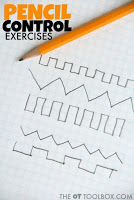
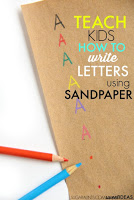
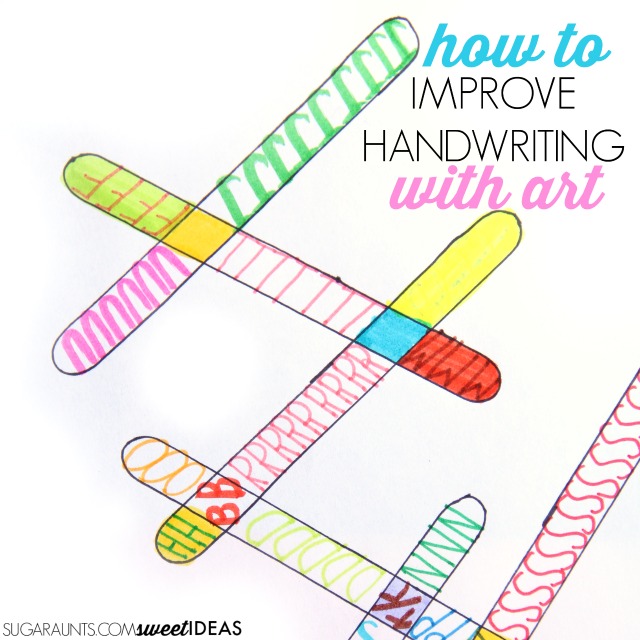
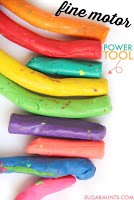
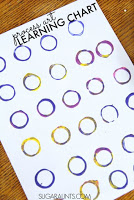
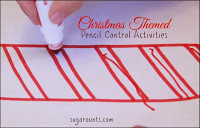

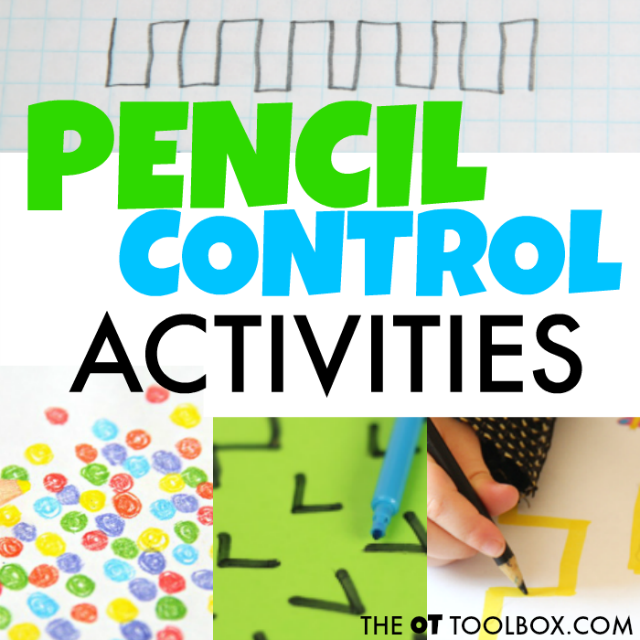
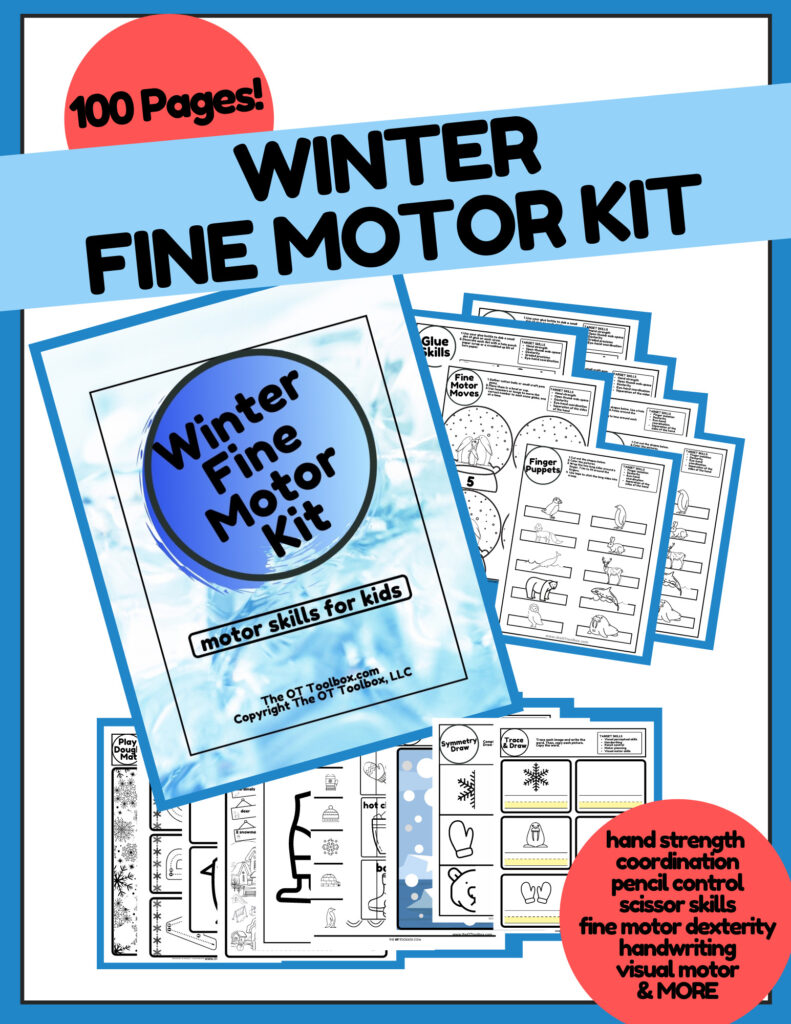
Pencil skills are one of the main fine motor and precision skills addressed in our Fine Motor Kits. Each kit includes pencil precision worksheets that help with functional handwriting.
Working on fine motor skills, visual perception, visual motor skills, sensory tolerance, handwriting, or scissor skills? Our Fine Motor Kits cover all of these areas and more.
Check out the seasonal Fine Motor Kits that kids love:
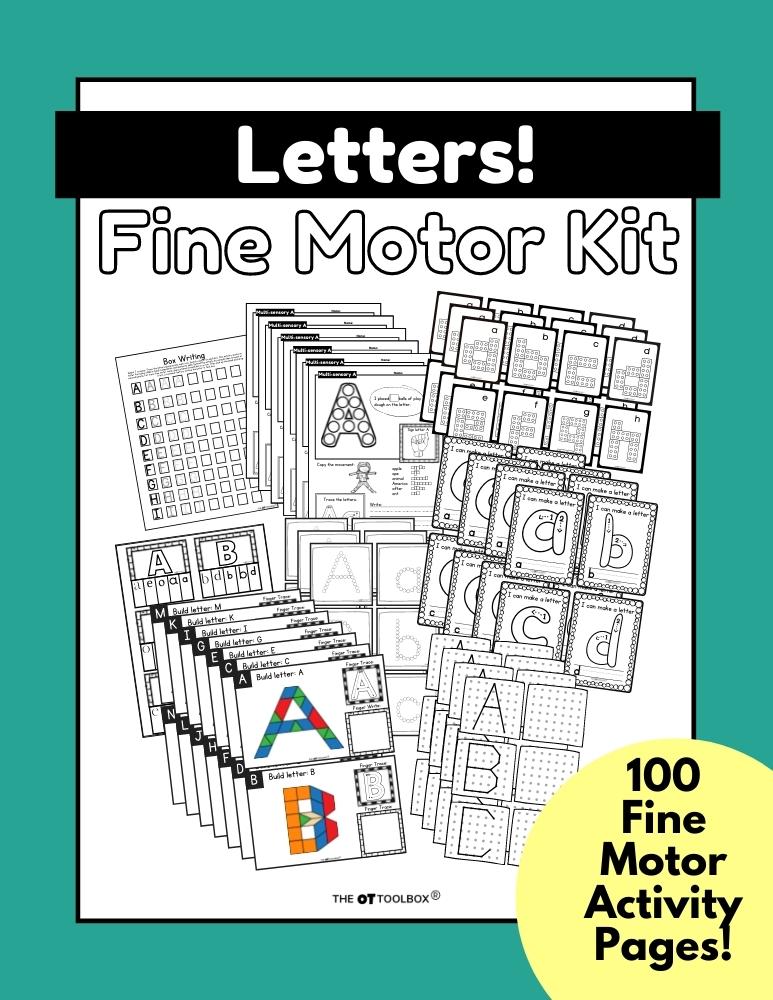
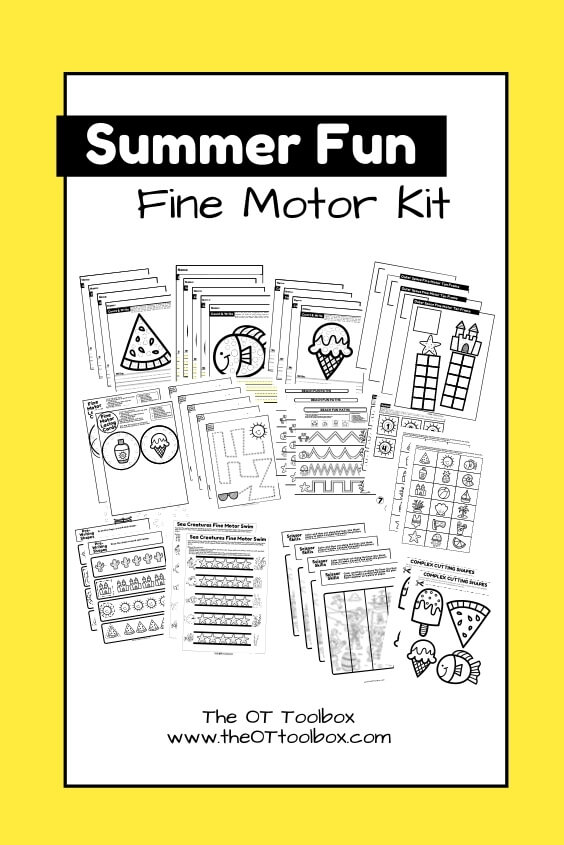
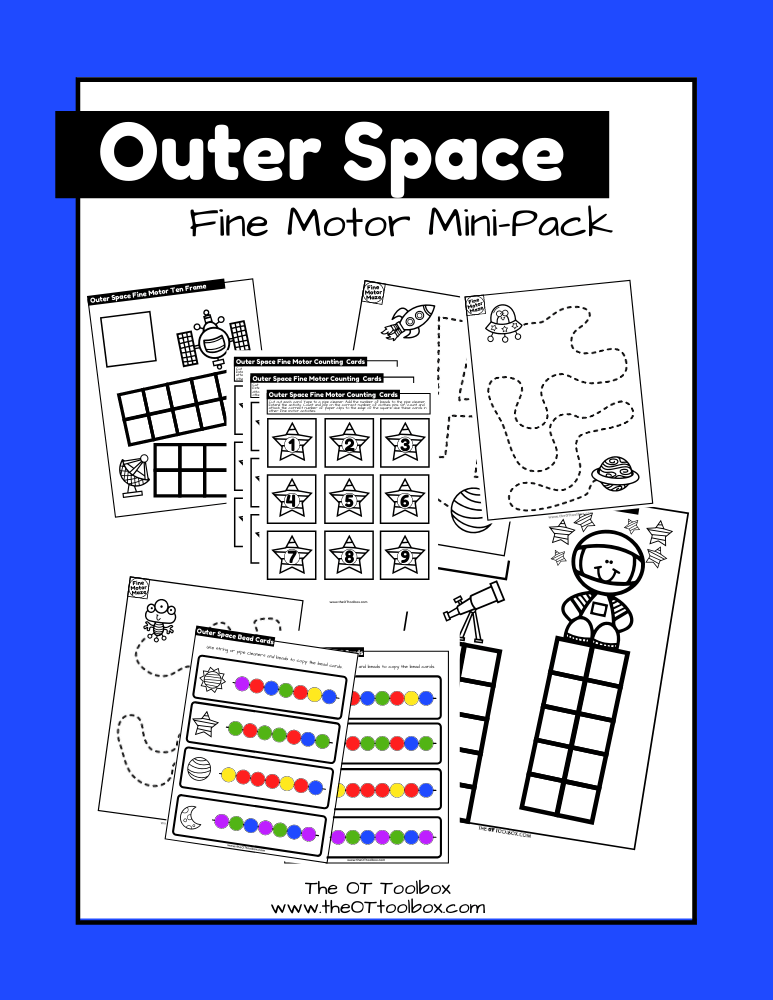
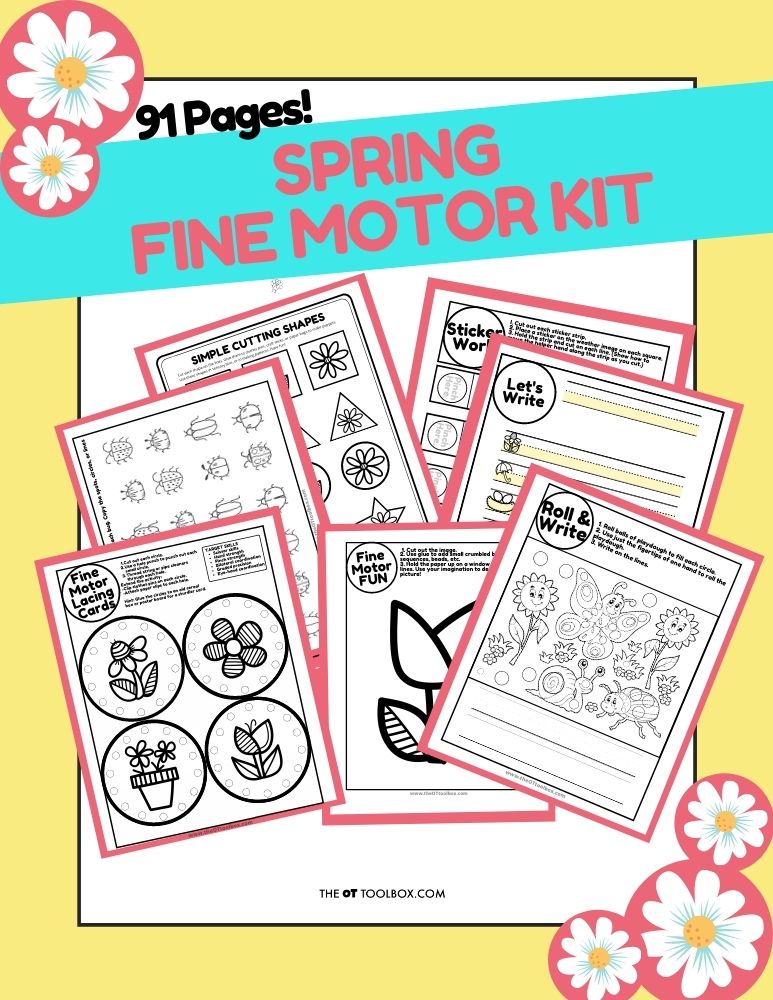
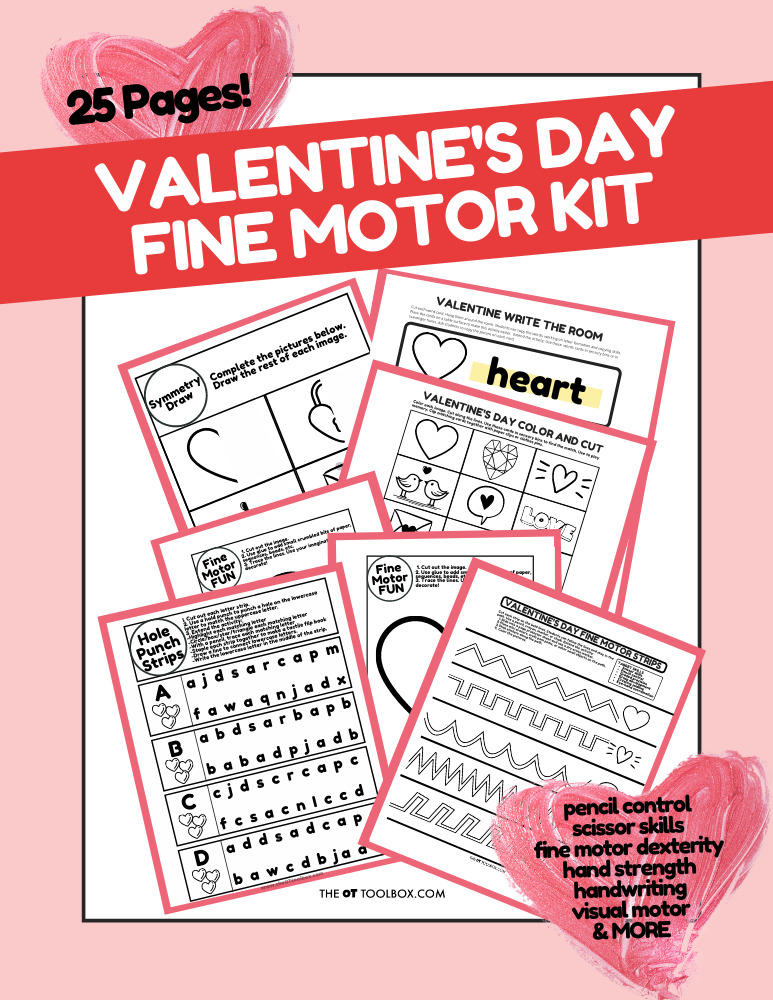
Or, grab one of our themed Fine Motor Kits to target skills with fun themes:
- Frogs Fine Motor Kit
- Unicorns Fine Motor Kit
- Vehicles Fine Motor Kit
- Apple Fine Motor Kit
- Back to School Kit
- Sports Fine Motor Kit
- Outer Space Fine Motor Kit
- Fairytale Fine Motor Kit
- Plus more in our shop!
Want access to all of these kits…and more being added each month? Join The OT Toolbox Member’s Club!
Pencil Control Activities Videos
We have some resources on our YouTube channel that show pencil control activities. We love to use just simple and everyday materials to work on functional tasks, and this definitely is true for these pencil control activities…Check them out:
This first video has three pencil control exercises you can do right now. Did you know pencil control is a huge part of handwriting legibility? Here, we’ll cover 3 quick exercises to improve handwriting legibility and precision in letter formation using pencil control exercises. These strategies help to make pencil movements more fluent and dexterous when writing for improved legibility.
This next video shows a pencil control activity that helps with writing on the lines and stopping the pencil at the top line, middle line, and bottom line. This controlled movement of the pencil is where we see issues with size awareness and writing letters all over the writing space.
You might remember playing the “dot game” as a kid. We see these dot game activities on restaurant kids’ menus sometimes. I love that as a pediatric OT! Check it out:
This next pencil control exercise helps with line awareness and size awareness that is a benefit of having pencil control skills. We used colored pencils for this exercise:
This next video continues with colored pencils, but we are focusing on the amount of pressure used on the pencil. This is a pencil control skill that isn’t often considered…it’s that pencil pressure that makes the writing too light to be read or too heavy and dark that is also related to handwriting legibility. Here’s our pencil control exercise for pressure:
Pencil Control Self Assessment
After you work with kids on pencil control, it’s important for them to carry this skill over to their day to day handwriting tasks. That’s the hardest part!
One tool we have in our OT toolbox is to encourage kids to do a self assessment. By that, we mean that they are checking on how their handwriting looks and fixing any errors. Then, we can see the automaticity develop.
We have a resource on our shop and in the membership: The Pencil Control Self-Assessment.


Colleen Beck, OTR/L has been an occupational therapist since 2000, working in school-based, hand therapy, outpatient peds, EI, and SNF. Colleen created The OT Toolbox to inspire therapists, teachers, and parents with easy and fun tools to help children thrive. Read her story about going from an OT making $3/hour (after paying for kids’ childcare) to a full-time OT resource creator for millions of readers. Want to collaborate? Send an email to contact@theottoolbox.com.