Interoception is a sensory term you may not have heard of before…but you have certainly felt or been impacted by the processing of our interoceptive sense! Internal feelings of hunger, fatigue, thirst, body temperature, digestion, and other internal systems offer a certain “feeling”, right? This is your interoception sensory system at work! Here, we’re covering everything you need to know about this complex sense, and taking a detailed look at how interoception impacts function.

How Interoception Affects Mental Health
One thing that I wanted to share is some information I’ve been hearing about on various podcasts. It seems like, recently, there is an upshift in environmental input that we’re all trying to process. It’s the never-ending distractions of notifications, more visual clutter, constant notifications, and an overwhelming stream of opinions coming from every direction. With the increase in phone use and social media scrolling, many people are tuning outward instead of inward. We’re checking for reactions, updates, and validation from others, instead of pausing to notice how we feel inside.
This constant outward focus chips away at our ability to notice internal cues like hunger, fatigue, anxiety, or even calm. The result is a kind of sensory and emotional overload that leaves our nervous systems in a chronic state of activation. When the brain is flooded with external sensory information and social comparison, there’s less space to process our own internal signals.
Over time, this can impact emotional regulation, self-awareness, and mental health, especially in children whose brains are still developing. Helping kids tune into interoceptive signals is one way we can start to counterbalance that overload and support their emotional and cognitive well-being.
That’s where emotional health and interoception comes in.
Interoception, the ability to sense internal signals like hunger, heart rate, or the need to use the bathroom, is foundational to emotional health and mental well-being. When the brain accurately interprets signals from the body, it helps a person understand their emotional state, manage stress, and make decisions that support regulation. For kids with ADHD or executive functioning challenges, the connection between brain development and interoceptive awareness is especially important.
Difficulty noticing or interpreting internal cues can lead to emotional outbursts, anxiety, or trouble with impulse control. One thing I heard in a recent podcast is the mind-body connection. This is where the vagus nerve plays a key role: it links the brain to many internal organs and helps regulate the body’s stress response.
Part of it is just being more aware of our internal ticking. Strengthening interoceptive awareness through body-based strategies supports the development of the prefrontal cortex. This is the part of the brain responsible for attention, planning, and self-control. By focusing on interoception, we’re supporting body awareness AND laying the groundwork for improved executive functioning and emotional regulation.
Let’s talk more about what interoception is…
Interoception The 8th sense
Did you know that the five senses we were taught in school is not actually a complete list of a human’s senses? In fact, there are 7 or 8 senses that humans experience, depending on who you ask.
Understanding our many senses helps us comprehend how we and others experience the world around us. For the sense we are highlighting today, it is how we understand what is going on inside of us. Check out this post on the OT Toolbox regarding Multisensory Learning: Emotion Activities.
Definition of the interoception sense
Interoception is the sense of oneself; it is the ability to understand the body’s physical signals that tell you when you are hungry or full, thirsty or quenched, hot or cold, scared or calm, etc.
Interoception refers to the body’s ability to identify and process internal actions of the organs and systems inside the body. This lesser-known sensory system helps you understand and feel what’s going on inside your body. You can then make essential decisions about eating when you are hungry, drinking when you are thirsty, going into the restroom when you need to toilet, and other physical actions.
There are nerves throughout the body that send these signals to the brain to help regulate the body, and promote homeostasis.
Some of these signals require a conscious act, like drinking water when we are thirsty, while others are non-conscious, like sweating when we are hot.
Interoception comes into play when we consciously realize, “Oh, I am sweating because I feel hot, I should take off my jacket to cool down.”
How Does Interoception Impact Function?
Interoception can be thought of as a mind-body connection. Having a strong interoceptive sense would mean that you have a strong sense of the physical self, and what you need to promote comfort at any given time.
Being able to confidently act on your body’s needs, makes everything a bit easier. You are likely able to make it to the bathroom before an accident, eat food before you feel light-headed, and stop eating before you feel sick.
But what about individuals who are not able to accurately process the bodies internal signals? They may find it more challenging to be potty trained, have a healthy diet, or emotionally regulate.
The ability to understand and respond to our body’s needs is a huge factor in our independence. If we don’t quite know what our bodies need, it makes everyday activities much more challenging, and focus on school or work tasks may dwindle.
Interoception even has to do with how our body moves, the action of bones in the skeleton, bone growth (growing pains have a lot of “pain” that is felt internally for kiddos who are rapidly growing! Be sure to check out this related blog on bone names to help tach kids about this concept.
Functionally, interoception impacts so many areas of everyday tasks:
- Eating
- Drinking
- Sleep
- Toileting
- Getting dressed (putting on temperature-appropriate clothing, or taking off clothing before becoming overheated)
- So many more considerations!
Interoception and Emotion
Interoception has a strong connection to emotional processing because of the physical way that we experience emotions. Our muscles clench when we are angry, quiver when we are scared, and relax when we are calm.
Likewise, the stomach may feel upset when we are nervous, and one might get a headache from frustration. People with good interoception can relate these physical feelings to emotions.
If a person sensory processing differences, the signals from the body may not be accurately represented or relayed to the brain. They may be muddied or confusing, leading to a misunderstanding of what the body is trying to tell the brain. Because of this, a tickle may feel like pain, or a person may not know why they are experiencing discomfort.
Without interoception, labelling emotions is then a bit more challenging, as well as understanding how to remedy undesired feelings.
Children may act out in aggression, cry or scream uncontrollably, or show other signs of sensory dysregulation, potentially due to a lack of interoception.
If you know a child who has multiple characteristics of reduced interoception, like potty accidents, over/under eating, and emotional dysregulation, they may benefit from therapeutic intervention to improve their body awareness.
The interoception system plays a part in feelings and emotions, too.
When we feel anxious or worried, we might feel a tenseness about us. Our heart rate might speed up, and we feel that anxiety coursing through our systems.
But for the child with difficulty expressing these feelings, they can’t tell us what they are feeling on the inside. They don’t have the words to identify specific interoceptive feelings they are having.
Others might not recognize a racing heart. They might not realize that physical implication of anxiety or worry because they can’t actually feel their racing heart (when it is very much racing).
When one feels anxious about a situation or an idea, we can help them to focus on their heart beat. We can help them take deep breaths to calm down. This focus on how their body is responding can help their internal state match the environment.
Other ways to help with interoceptive identification include habit and routines to help us feel organized. When we know what to expect, we feel a lot more organized. The body is able to modulate better.
As we increase the challenge, we have to also increase our supports. We can use some external organizational strategies (deep breaths, awareness, mindfulness, heavy work, routines) to help compensate for the lack of internal ability to organize ourselves.
When we are disorganized, this is where we can fall apart. We have to be mindful ahead of time, and be accommodating and accepting of immature nervous systems, whether this is with our children, our spouse, or ourselves.
Tips for Improving Interoception
There are all sorts of activities you can do with children to help increase their interoception skills. Below you will find tips for improving interoception, including mindfulness, and children’s books on topics like emotions, potty training, and problem solving.
- Modelling how you understand your bodies signals may also help – be sure to emphasize how you are feeling, and what you will do about it!
- Mindfulness – the act of intentionally connecting to oneself and/or the world around them. This can help an individual get “out of their head” and feel more grounded in the present moment. By doing so, it may improve self-awareness and a positive mood. Mindfulness is not just great for improving interoception – see this article for more information
- This video guides a progressive muscle relaxation. Intentionally contracting and releasing muscles brings more awareness to the physical body, and deepens the connection that we feel to it.
- Here we have another video that guides mindfulness, in the form of a “body scan”. It also adds a great piece of education for children on what it means to understand their bodies signals, and why it is important.
- The OT Toolbox has this great list of more active ways to explore mindfulness through gross motor play.
- Focus on awareness- So often, parents, children, clients, educators, and even professionals are not aware of ALL of the ways that the interoceptive sense impacts everyday functioning, learning, and daily participation in everything one does throughout the day. Educate, educate, educate! Then, bring that awareness to a full circle with activities that take the concept of interoception in daily tasks home. For example, you can cover how sleep is impacted by interoception and incorporate a few of our hibernation activities. Without interoception, animals that hibernate would not instinctively know to fill up on foods before winter and to keep eating even when they may feel full. Then that sleep that allows them to slumber through the winter is in effect. It’s all related!
- Try calm down toys– Use a variety of supports in the form of play to support regulation needs. This can offer heavy work, regulating movement, or calming input.
Books to Improve Interoception
Below are Amazon affiliate links to resources and books on interoception and internal states.
- We Listen to Our Bodies is a book that follows a young girl as she feels emotions through her day. The physical representations of emotions are highlighted in ways that are familiar to young children.
- For a similar read pick up this book, that follows a boy and his day full of feelings at the zoo!
- Time to Pee by Mo Williams is a great book that helps kids understand how to respond when they have that ‘funny feeling’ in their tummies.
- I Feel… activity books have been praised by therapists for their ability to make learning mindfulness fun! The activity book linked here focuses on sickness in the body and what it feels like to be sick in different ways.
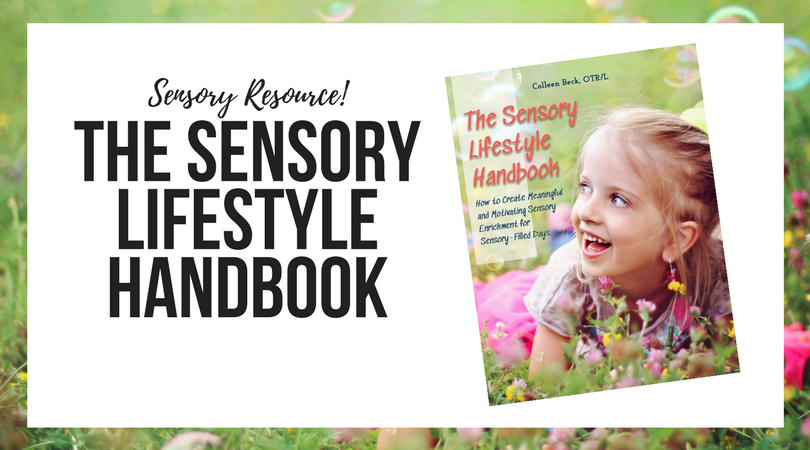
- The OT Toolbox has a great resource called the Sensory Lifestyle Handbook to tie sensory processing together
- For more children’s books on mindfulness to elicit peace and calm, check out this resource:
While interoception is new and lesser known, it is an important sense to have.
3 Easy Interoception Exercises
Here are 3 simple, OT-informed interoception exercises you can add to your blog post to help kids or adults build awareness of internal signals connected to mental health and emotional regulation:
1. Heartbeat Check-In
Purpose: Build awareness of internal rhythms
How to do it:
- Sit or lie down in a quiet space.
- Place your hand on your chest or wrist and try to feel your heartbeat.
- After some light movement (like running in place or doing 10 jumping jacks), stop and notice the change in heart rate.
- Ask: Can you feel your heart beating faster? What does it feel like inside your body?
This builds connection between physical exertion and interoceptive feedback which helps the brain tune in to emotional states like anxiety or excitement.
2. Breath Awareness with Temperature Shift
Purpose: Increase mindfulness of breath and physical sensations
How to do it:
- Take a slow breath in through your nose and out through your mouth.
- Place your hand in front of your lips and notice the temperature of your breath as you exhale.
- Alternate between fast and slow breathing.
- Ask: What do you feel? Warm air or cool air? How does your body feel when you breathe slowly vs quickly?
Noticing temperature, speed, and rhythm of breath can help kids understand when they feel calm vs overwhelmed.
3. Stomach Signals Scan
Purpose: Tune into hunger, fullness, and emotional gut feelings
How to do it:
- Before a snack or meal, pause and ask: What do you feel in your stomach? Is it growling? Empty? Full? Comfortable?
- After eating, check in again: How does it feel now?
- Practice describing the sensations with emotion words too: Does nervous feel like butterflies? Does sad feel like a heavy feeling?
This exercise helps strengthen the connection between body cues and emotional labels. This is critical for emotional regulation and self-awareness.
What do you think? Would these simple interoception exercises help you?

Sydney Thorson, OTR/L, is a new occupational therapist working in school-based therapy. Her
background is in Human Development and Family Studies, and she is passionate about
providing individualized and meaningful treatment for each child and their family. Sydney is also
a children’s author and illustrator and is always working on new and exciting projects.