Body Awareness Activities Using Proprioception

Body awareness activities

Let’s talk body awareness activities using proprioception, or heavy work to bring awareness to where the body is, how the body moves, and awareness of self. Proprioception is one of the senses that is involved with everything we do. This sensory system plays a major role in body awareness. Below you’ll find body awareness occupational therapy activities to support this motor concept.

Be sure to check out a related resource, our self awareness games blog post for activities to support overall awareness of self.

Take a quick moment to stop and consider the position you are in right now.  Are you lounging back on a couch?  Sitting at a desk?  Bouncing on a city bus as you glance at your mobile device?  Are you perched in an office chair with your legs folded under you? Are you hanging out at the playground and glancing at your phone while your kids run in circles?

body awareness and proprioception go hand in hand. Image is a picture of a body with arrows. Text reads: body awareness

Here’s one of my favorite OT tips for supporting proprioception and body awareness skills: If you need activities that provide proprioceptive input, and for quick grab-and-go options, our Heavy Work Activity Cards make movement breaks easy and visual.

What is Body Awareness?

The definition of body awareness is this…
Body awareness refers to being aware of the body’s position in space at rest and during movement. This concept can be broken down into having an awareness of body parts by name, movement, discrimination of sides of the body, and movement throughout space.

Related, are the concepts of dominance and mixed dominance vs. ambidexterity.

How does body awareness work?

Let’s break it down:

Being aware of our body position is something that happens automatically and naturally.  That body awareness occurs naturally.  The proprioceptive sense allows us to position our bodies just so in order to enable our hands, eyes, ears, and other parts to perform actions or jobs at any given moment. Proprioception activities help with body awareness.

The proprioceptive sense sends information about our body’s position to the brain so that we inherently know that our foot is tapping the ground as we wait on the bus or that our leg is curled under the other on the couch even while we do other actions or tasks.


This awareness allows us to walk around objects in our path, to move a spoon to our mouth without looking at it, and to stand far enough away from others while waiting in a line at the grocery store.  It enables a student to write without pressing too hard or too lightly on their pencil when writing, and it helps us to brush our hair with just the right amount of pressure.


Proprioception is essential for everything we do!


Sometimes, the proprioceptive system does not do it’s job.


When the proprioceptive system isn’t functioning properly, body awareness and motor planning can be a problem.
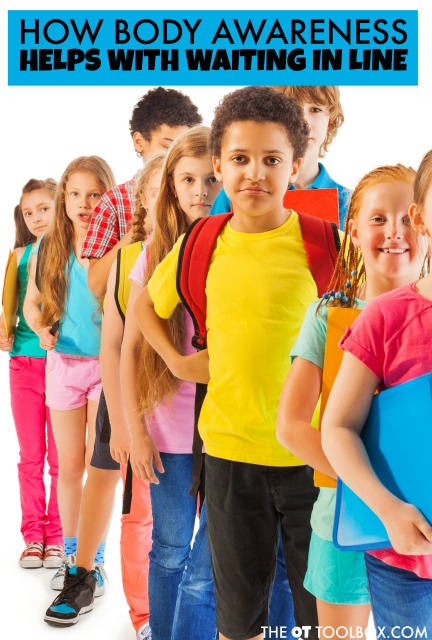
Kids need heavy work and propriocpetion to help with body awareness needed for skills like standing in line, motor control, and spatial awareness in school and in the community.

When a child needs to pay attention to where their body is in space at all times, they can not attend to other important information like what is happening in their world around them.  He or she can not automatically adjust to environmental changes.  The child then needs to visually compensate in order to adjust his or her body.  This can result in a child being clumsy, fearful, are even scared in certain situations.

Examples of Body awareness


Below are two situations that describe a child with proprioception challenges.  In both, imagine a child who struggles to know where their body is in space.


Body awareness navigating bleachers- Imagine you are sitting on a set of bleachers in a crowd of wiggly, moving, and LOUD students.  There is a lot going on around you, whether you are at a sporting event or in a gymnasium.  

But, you also notice the bleachers don’t have a bottom to the steps; that is, you can see directly down to the ground below you.  Kids are standing up, sitting down, jumping, roughhousing, and you are SCARED.  

Your body doesn’t know how to position itself in a safe manner. You don’t know what action will come next and you don’t know where to look. You don’t know where your feet are or if your hands are supporting you.

Climbing up and down the bleachers is downright terrifying! For the child with proprioceptive struggles, just sitting on a set of bleachers can be challenging and overwhelming.


Body awareness sitting at a classroom desk- Now think about the child who is sitting at their desk and is required to write a journal entry.  For the child with proprioceptive challenges, this can be a task with many “self-checks”.

They need to look at their feet to make sure they are under their desk so they don’t get in trouble for almost tripping someone between the desk aisles.  They need to make sure they are sitting upright in their chair and that their back is touching the chair’s backrest.  

They need to hold the paper and the pencil like they were taught.  They need to align the paper and the words and then think about how hard to press on the paper, how to make the lines for individual letters, and how to string together letters to make words.  

What a workout it is just to get settled in and started on a writing task!  By now they might have lost several minutes of the writing time and they still don’t know what they are even writing about!


Both of these situations happen on an every day basis.  

For the child with proprioception difficulties, the ability to be aware of their body in space and plan out motor actions is very much a struggle.  These kids might appear fidgety, unsure, overwhelmed, clumsy, awkward, uncoordinated, or lazy.


Body awareness is related to visual spatial relations.
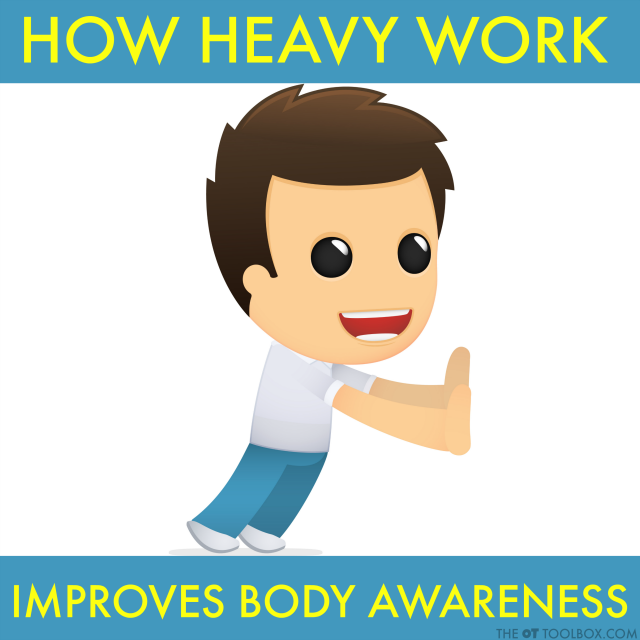
How to use proprioception activities to help with body awareness

Body Awareness Goals in Occupational Therapy

When children or adults struggle with awareness of body positioning or movement patterns during activities, functional tasks can be a struggle. Every day tasks are difficult or impaired.

Occupational therapists work with individuals of all ages on functional tasks that occur in all aspects of daily living. Movement is part of the daily task completion, so it is likely that if body awareness is an issue, there are functional impairments at play.

Occupational therapy professionals will focus body awareness goals on the functional task that is impaired.

OT goals for body awareness can be specifically focused on improving body awareness during those functional tasks. Activities that address those goals can include heavy work, attention to task, motor planning, fine or gross motor skills, sensory input in the way of organizing proprioceptive input or vestibular input, visual cues and prompts. There are many ways this skill area can be addressed and these goals will be individualized for the child or adult.

Additionally, OT goals for body awareness may focus on motor planning. Proprioception is very closely aligned with body awareness and motor planning.

Need more information on proprioception and the other sensory systems and how they impact independence? Grab this free sensory processing disorder information booklet and free email series on sensory processing. 

CLICK HERE to get the free sensory processing information booklet.

Body Awareness Activities

In this blog post, we are specifically discussing how to use proprioception activities to help with body awareness.

The proprioceptive system is alerted through heavy work activities that involve heavy pressure, firm sensations, large, forceful motor movements, and pushing or pulling activities. These actions can be calming and organizing.

Try these proprioception activities to help with body awareness at home, in the classroom, or in play.

Proprioception activities at home

  • Carry full laundry baskets to the laundry area
  • Empty wet clothes into the dryer
  • Change sheets
  • Pull weeds
  • Pull garbage cans to and from the curve
  • Carry in grocery bags
  • Carry donations to the car
  • Wash windows
  • Scrub carpets
  • Shovel snow
  • Rake leaves
  • Mop floors
  • Vacuum
  • Rearrange furniture

Proprioception activities in the classroom

  • Carry piles of books
  • Rearrange furniture
  • Help gym teacher move mats
  • Carry bin of lunchboxes to/from the lunch room
  • Wall push-ups
  • Chair push-ups
  • Clap erasers
  • Stack books in the library
  • Place chairs on desks at the end of the day, pull them down again in the morning

Proprioception games and actions

Looking for more ways to add proprioception activities into play and therapy? Try the ideas below. Just click on the images to read more. 
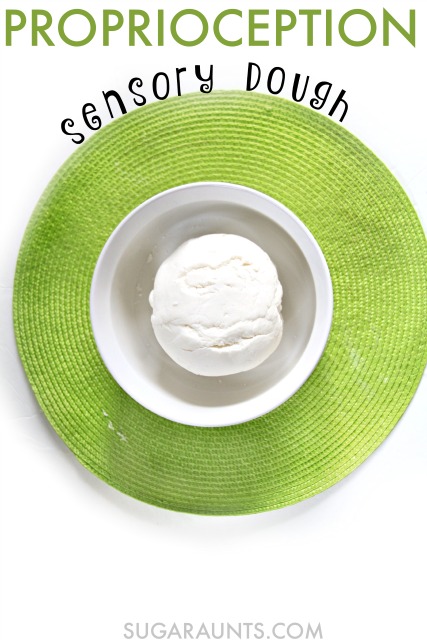
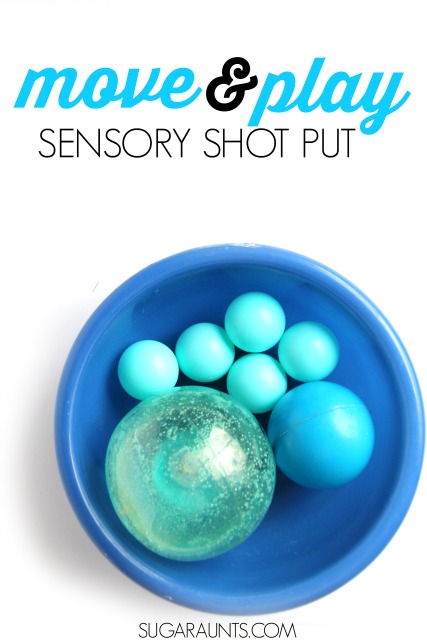
proprioception sensory dough marshmallow   Snowball Shot Put Sensory Play for Kids
 
 
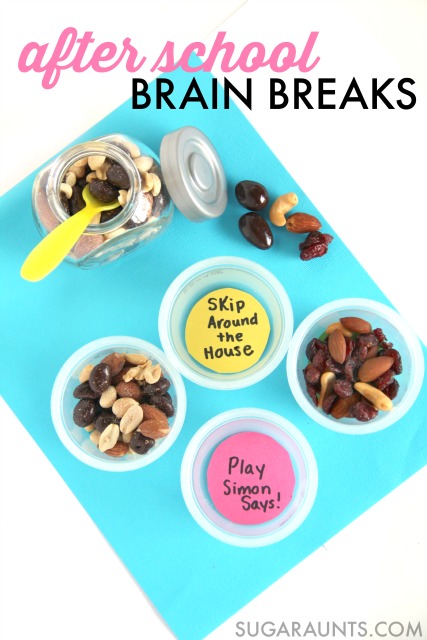
DIY Ice Wobble Balance Disk for Proprioceptive and Vestibular Sensory Play  After school brain breaks and activities for kids 
 
 
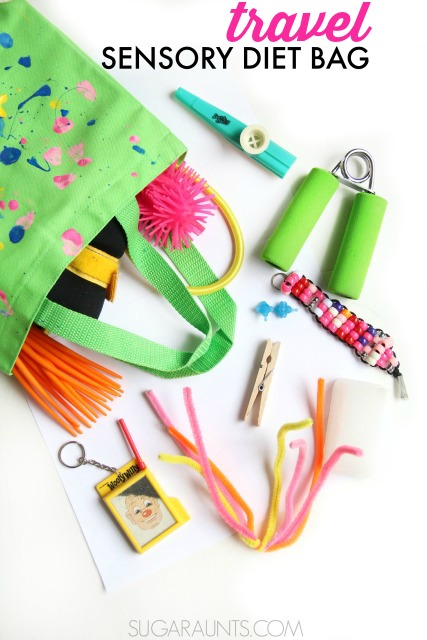
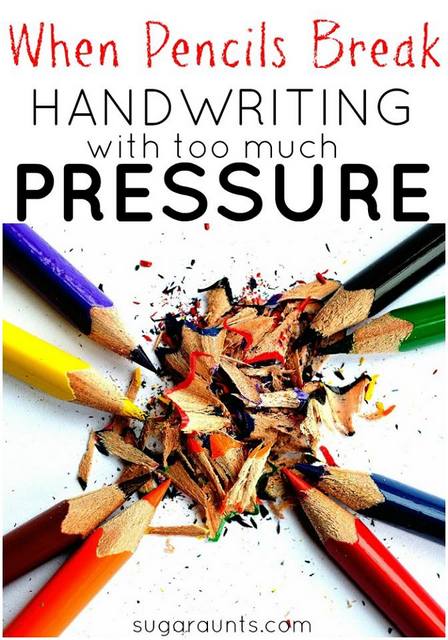
Travel Sensory Diet Proprioception and Handwriting 
 
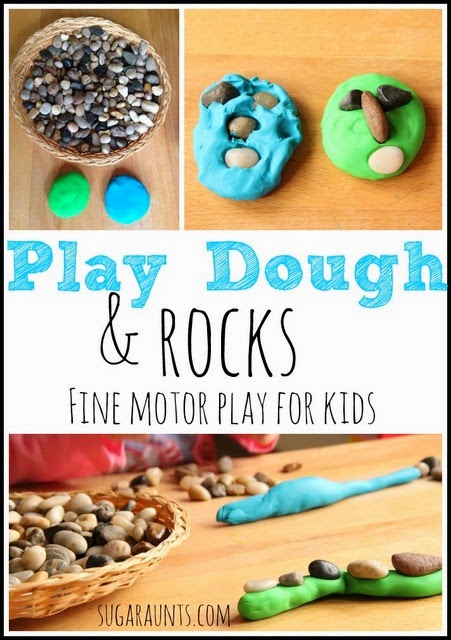
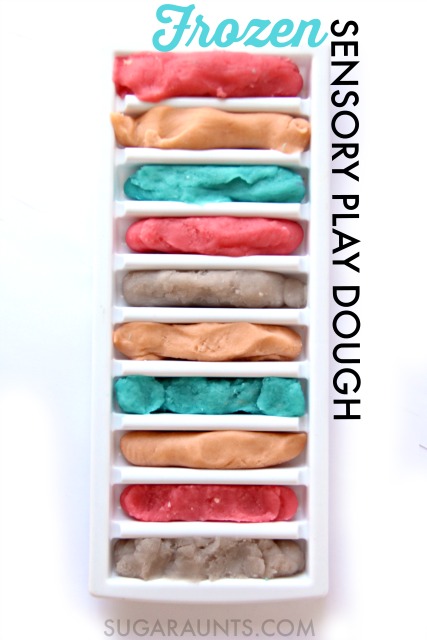
Fine Motor Proprioception Play Dough Rocks Frozen Play Dough

In the Sensory Lifestyle Handbook, we cover motor planning and body awareness concepts as they are deeply related to sensory processing. Much like the body awareness activities listed in this blog post, the book discusses how to integrate functional tasks within the day that offer organizing and regulating input through functional activities.

Not only are these activities regulation tools, they are also activities that support development of body position in space and awareness of the body’s movements.

Click here to get your copy of the Sensory Lifestyle Handbook.
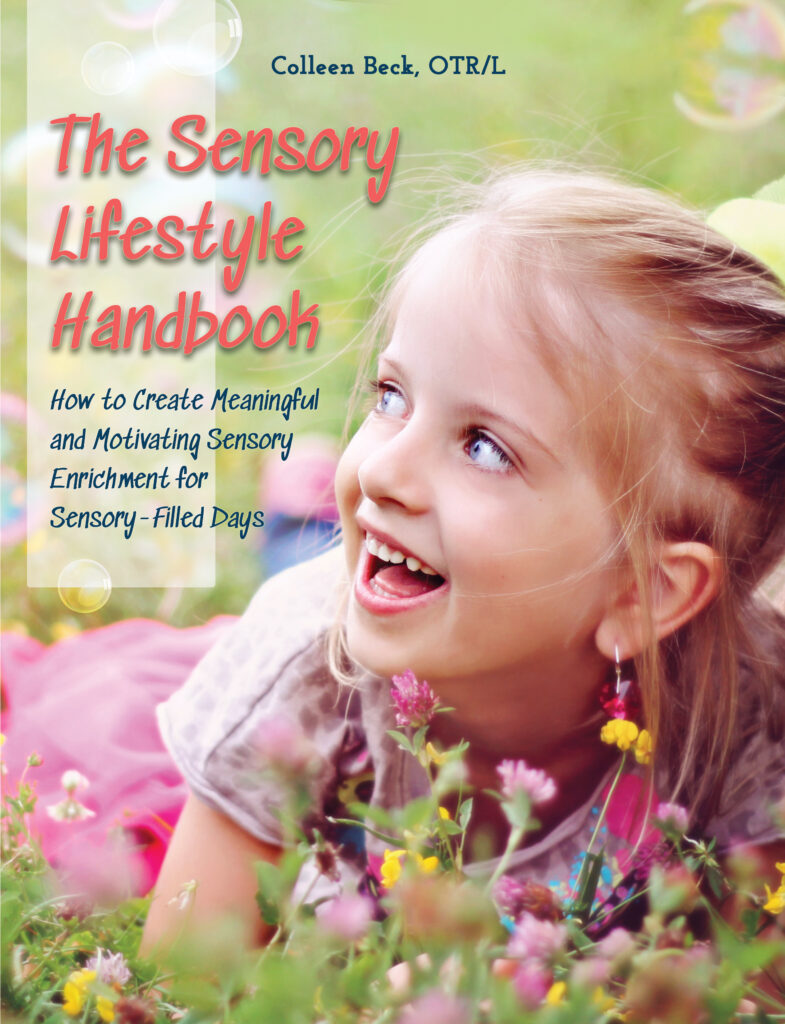
The Sensory Lifestyle Handbook walks you through sensory processing information, each step of creating a meaningful and motivating sensory diet, that is guided by the individual’s personal interests and preferences.

The Sensory Lifestyle Handbook is not just about creating a sensory diet to meet sensory processing needs. This handbook is your key to creating an active and thriving lifestyle based on a deep understanding of sensory processing.

Body Scheme and Body Awareness

Another way that you may have heard body awareness phrased is “body scheme”. This is just another way to explain the awareness one has of their body and the various parts of the body. Body scheme allows us to be aware of the spatial relationships of where the body is in space in a given activity.

Body scheme involves proprioceptive awareness so that we can move and interact in the world around us.

We can define body scheme as the awareness of body parts and the position of the body and it’s parts in relation to themselves and to the objects in the environment.

When there are deficits in body scheme, we may see certain difficulties:

  • challenges with apraxia, or difficulty with purposeful movement in relation to sensory input, movement, and coordination.
  • The individual might not recognize body parts or the relationship between them. This is especially observed in neuromuscular disturbances such as a CVA (stroke)
  • Movements may be considered unsafe. We might see difficulties with intentional movement and problems navigating busy hallways, stadium steps, bleachers, etc.

There are typically related deficits related to body scheme or body awareness difficulties. These may include:

  • Body awareness challenges like moving and utilizing the body without looking at or thinking about how the body needs to move. This awareness of the body in space results in functional and efficient movements with coordination.
  • Right/left disorientation or poor left/right discrimination in activities
  • Trouble identifying body parts. Try this body part identification activity to support this awareness.

Challenges with body scheme may be a cause of brain damage or brain injury such as a neuromuscular impairment. However, difficulties with body scheme may be a result of other deficits as well, including visual-spatial deficits, sensory processing challenges, verbal, or conceptual considerations.

Using Heavy Work Cards for Proprioceptive Input and Sensory Regulation

Proprioception is the body’s ability to sense its position in space, and when kids engage in heavy work activities, like pushing, pulling, lifting, or jumping. These types of activities activate the sensory processing system. This input supports better motor planning, coordination, and self-regulation. Our Heavy Work Activity Cards are a simple way to offer proprioceptive input through movement-rich activities that can be done in short bursts throughout the day.

Colleen Beck, OTR/L has been an occupational therapist since 2000, working in school-based, hand therapy, outpatient peds, EI, and SNF. Colleen created The OT Toolbox to inspire therapists, teachers, and parents with easy and fun tools to help children thrive. Read her story about going from an OT making $3/hour (after paying for kids’ childcare) to a full-time OT resource creator for millions of readers. Want to collaborate? Send an email to contact@theottoolbox.com.

Heavy Work Activities

heavy work

Did you know the important role that heavy work activities play in our ability to learn, focus, attend, and participate in everyday tasks? It’s true. We all need calming and organizing sensory input in the form of heavy work tasks that provide proprioceptive input through the muscles and joints. Here, we’ll cover what heavy work is, when heavy work is needed, and specific heavy work strategies that kids of all ages can do at home, in the classroom, or in their therapy session.

Heavy work is a powerful support for organizing input in self-regulation. The heavy work resources here can be added to your self regulation strategies.

TABLE OF CONTENTS

Heavy Work Activities

WHAT is HEAVY WORK?

WHEN TO DO HEAVY WORK

Why Heavy Work?

How to use heavy work activities

Pushing Heavy Work Activities

Pulling Heavy Work activities

Jumping heavy work Activities

Lifting heavy work strategies

Chewing and Sucking heavy work input

More Heavy Work Tools

Free Heavy Work Activities Printable

FREE Information Packet on Heavy Work Activities

WordPress Table of Contents by Topic
heavy work ideas for calming and regulation

Heavy work can be so many things! Below you’ll find ideas for pushing, pulling, lifting, jumping, chewing, and other ideas for adding organizing proprioceptive input.

Want printable versions of these activities to use at home, in the classroom, or therapy? Try our Heavy Work Activity Cards for easy access to movement-based sensory input.

Heavy Work Activities

In a different world children would be ready to learn at all times. In an alternate universe children would not have temper tantrums or meltdowns in shopping centers. In another time and place all of us would be well-regulated all day and all night!

But that’s not how things work and anyone spending time with children will know that there are moments when they are out-of-sync and not quite with the program.

We all experience dysregulation at one point or another! We cover more on this in our recent blog on on the Alert program, which also has ideas for heavy work input.

And that’s all part of their journey of growing, developing and learning. You will be happy to know that when you are faced with these rather challenging times there is a powerful tool you can use to help children become more regulated…heavy work!

heavy work

You can rely on heavy work to help you out to organize a dysregulated nervous system.

WHAT is HEAVY WORK?

Heavy work is activity that requires effort from our muscles and these tasks usually involve activation of the muscles and joints of the body through the proprioceptive system by movements such as pushing, pulling or lifting. The movement activities create resistance input to the muscles and this feedback is ultimately what calms and regulates the sensory system.

The sensory system that is activated during heavy work activities is called the proprioceptive system. The proprioceptive system receives messages when the muscles move to do work. These messages flow back and forth to the brain. The brain decides how much force a muscle should use based on the task at hand.

This allows children to use the correct amount of force when they need to hold something gently or when they need to lift something heavy.

It’s a complex system that is constantly adjusting to make sure the brain is getting the right information from all the joints and muscles in the body and as well as making sure the muscle output is appropriate to the task. This concept is also known as body awareness and allows us to know where our body is in space and how to move our body.

The take away message about the proprioceptive system is that it is a universal and powerful regulator.

By working with the proprioceptive system you can even out disturbances in other sensory systems. You can increase energy levels if you need to and you can reduce high energy levels to help children reach a calm, comfortable space to interact with the world.

Heavy work activities for kids to impact self-regulation, attention, and functioning.

So when is heavy work appropriate to support learning and participation in daily tasks?

WHEN TO DO HEAVY WORK

The beauty of heavy work is that they are really easy to incorporate at home, in the classroom and in therapy settings. Adding heavy work to a child’s daily routine will contribute to the development of their sensory processing.

Children will also gain valuable tools that they can use when the feel that they need to regulate themselves. How often you use heavy work input will depend on the individual child. Be guided by the child’s enjoyment and response to the activity that you introduce.

Consider including a heavy work activity in the morning before going to school and again in the afternoon when children arrive home from school. Heavy work can also be incorporated into bedtime routines to help the sensory system feel calm and restful.

At school, heavy sensory input for the whole class can be incorporated at regular intervals during the day. Incorporating heavy work (and other sensory system input) into daily functional tasks, or setting up a sensory lifestyle, are all concepts covered in the book The Sensory Lifestyle Handbook.

Here is more information on proprioception, or heavy work and it’s impact on attention and learning.

Strategies like pushing a ball or heavy basket, or wall push ups and chair push ups are some examples of heavy work. Heavy work offers effort from the muscles and joints and requires the proprioceptive sensory system. The resistance provides feedback through the receptors in the muscles, joints, and ligaments. This is what is calming and regulating because the movements are organizing.

Why Heavy Work?

If you look at the iceberg image above, you’ll notice that the image depicts an iceberg with activity words above the water level. These tasks depict the heavy work actions that we see in action.

Heavy work may include:

  • Pushing
  • Pulling
  • Lifting
  • Carrying
  • Chewing
  • Jumping
  • Carrying
  • Squeezing
  • Climbing
  • Pinching
  • Brushing
  • Any other actions that use the muscles and joints with weight of the body or object

Under the water level, you’ll notice words and phrases that depict underlying skills. These are the components of heavy work that you might not “see” in action, but they are occurring with and through heavy work.

These are skills that we need for everyday tasks. Heavy work involves these components, and are what makes body awareness and movement happen. These are the skills that contribute to the organizing and regulating capacity of heavy work. The potential of these underlying components to contribute to the effectiveness of heavy work activities.

These underlying components include:

We like to say that it’s like the chicken and the egg saying. The underlying and contributing factors of heavy work contribute to the heavy work actions and the heavy work actions contribute to the underlying contributing factors.

How to use heavy work activities

Now you are ready to use heavy work sensory input to create happy, well regulated children!

Specific children may be given opportunities to engage in additional heavy
work activities during the day if they are struggling with sensory processing and attention the classroom.

Some deep pressure work activities require no equipment and very little space. Others may require some props and a bit of space. Select your heavy work activity according to the space and items available to you.

And have a few options available. Each child has a different sensory make up and preference and will respond differently to the heavy work input that you introduce. You will soon discover the activities that they enjoy and the activities that help them to feel calmer and more regulated.

heavy work pushing activities like wall push ups and chair push ups.

Pushing Heavy Work Activities

Pushing or pulling heavy objects, like a wagon, a weighted sled, or a suitcase, engages the muscles and joints of the proximal leg joints and the large muscle groups of the legs. These activities also engage the proximal joints and shoulder girdle of the upper extremity, as well as core strength and stability.

  • Wall push ups- stand an arm’s length away from a wall and place both hands on the wall at shoulder height. Bend your elbows and lean into the wall until your nose is touching the wall. Return to the original position. Repeat ten times.
  • Chair push ups- sit in a chair with you palms on the seat of the chair at either side of you. Push on your arms and lift your bottom and legs off the seat of the chair for a few seconds.
  • Pushing a box across the room- fill a box with books or toys and kneel in front of it. Push the box across the room.
  • Fill a laundry basket with laundry and ask your child to push it through the house.
  • Push a large therapy ball or medicine ball along the floor and up the wall as high as you can go
  • Push a wheelbarrow or trolley
  • Wheelbarrow walking
  • Pulling a wagon or sled
  • Pushing someone on a swing
  • Pushing off a wall or object while on a sensory swing
Pulling heavy work activities include yoga, tug of war, pull ups, and more.

Pulling heavy work activities include activities like some yoga moves, playing tug of war, doing pull ups, and more.

Pulling Heavy Work activities

Closely related to pushing, pulling heavy work uses the upper and lower extremities and the core.

  • Pulling on a rope- tie a rope to a tree, pole or secure door handle. Hold the rope and see how far you can lean back while pulling on the rope. You only need one person for this tug-of-war game!
  • Tug of war- if two or more children are available have a game of tug of war
  • Pull up bar- it may be tricky for children to perform pull ups but just hanging from a bar is great work for muscles.
  • Pulling and stretching a piece of theraband or stretchy material.
  • Wall push-Ups- Have children perform wall push-ups by pushing against a wall with their hands. This provides resistance and helps build upper body strength.
  • Chair push-ups- Seated push ups from the seat of a chair. This is a nice sensory strategy for the classroom.
Jumping heavy work activities include playing on a trampoline, jumping jacks, star jumps, and other jumping games.

Jumping is a great organizing heavy work activity and ideas include using a trampoline, doing jumping jacks, rocket jumps, or star jumps, and other jumping games.

Jumping heavy work Activities

Jumping activities add heavy work through the hips, knees, and feet.

  • Trampoline- this provides endless hours of heavy work activity. Wonderful proprioceptive input while children enjoy the pleasure of jumping.
  • Jumping on a mattress on the floor or couch cushions placed on the floor.
  • Rocket jumps- crouch down and place your hands on the floor next to you. Count down from ten and leap into the air raising both hands up to the sky. Repeat the rocket launch a few times.
  • Star jumps / jumping jacks are great for co-ordination and heavy work.
  • Sitting on a small therapy ball and bouncing up and down.
  • Hopper balls with handles are also a fun way to bounce around.
Lifting heavy work activities include carrying a stack of books, doing laundry, and yoga.

Lifting heavy work activities include carrying a weighted backpack or stack of books, doing laundry, and yoga.

Lifting heavy work strategies

Lifting weighted items or carrying heavy objects such as books, backpacks, or baskets of laundry offer heavy work. In addition to holding weighted items, lifting can involve the body weight as well.

  • Carrying bags- allow children opportunities to carry bags of groceries or laundry at home
  • Weighted backpack- place a few magazines in a backpack and encourage your child to walk around with the backpack for a few minutes.
  • A message could be placed in the backpack and your child could deliver this message to a family member at home or to another teacher at school.
  • Carry a stack of books
  • Carry a full laundry basket
  • Carry a full tote bag
  • Weighted stuffed animal
  • Leg lifts, raising arms over head, holding a bridge position
  • Yoga positions use lifting strategies as well

Chewing and Sucking heavy work input

Oral motor exercises and input through the mouth and face offer heavy work through the jaw, cheeks, tongue, and neck. These can be very organizing and regulating strategies.

  • Chew gum, dried mango, or other dry fruit
  • Drink think liquids through a straw e.g. yogurt, thick milkshake
  • Specially designed necklaces, bracelets and toys are available for chewing.
  • Chew on a straw
  • Blow through a straw
  • Eat crunchy snacks
  • Drink a smoothie through a sippy cup with a straw-type top
  • Use a “crazy straw” in a cup.  The smaller opening is great for oral motor input.
  • Play “Simon Says” with mouth exercises: Suck cheeks in/puff cheeks out/Make a big “O” shape/Stretch out the tongue. Use these printable Simon Says commands to target oral motor skills.
  • Chew gum
  • Use a straw to suck and pick up pieces of paper.  Transfer them carefully to a cup using only the straw.
  • Drinking through a sports water bottle

Try this resource for more information on heavy work through the mouth.

More Heavy Work Tools

Animal Walks

Activities like bear walks, crab walks, or crawling like a snake can engage the muscles and joints while being fun for kids.

Climbing Activities

Encourage climbing on playground equipment, climbing walls, or indoor climbing gyms. Other ideas include using playground equipment for sensory input, or climbing up a slide, when safe and appropriate.

Climbing provides heavy work for the upper body and core muscles.

Squeezing Activities

Using stress balls, therapy putty, or hand squeezers can help improve hand strength and provide sensory input.

Other squeezing heavy work activities include:

Weighted Blankets or Vests-

Weighted vests and compression garments can be used during quiet times or when sleeping to provide continuous deep pressure to the body.

Another idea is using a regular blanket as a sensory burrito.

Yoga and Deep Pressure Poses-

Some yoga poses, like downward dog or child’s pose, provide deep pressure to specific body parts and can be calming for children.

You can also include partner yoga poses in small groups for added heavy work.

Digging in the Garden-

Gardening activities, such as digging holes or moving soil, engage the muscles and joints. Check out our post on sensory gardening for more information on these benefits.

Bouncing on a Therapy Ball-

Sitting or bouncing on a therapy ball engages core muscles and provides sensory input.

  1. For a great resource filled with heavy work activity ideas, grab this set of heavy work activity cards that offer themed brain break cards, in 11 pages of themed heavy work activity cards, with 8 activities for each theme.
  2. Here are free (Spring themed) heavy work cards to get you started.
  3. Creating an individualized sensory diet with scheduled heavy work sensory activities (and other sensory input as needed) is part of a sensory diet. Read this resource for what a sensory diet is and this resource on how to create an effective sensory diet.
  4. This free slide deck offers a strategy to add heavy work in teletherapy sessions with children.
  5. Here are construction truck themed heavy work tasks.
  6. Kids love these dinosaur themed heavy work activities.
  7. Here are outdoor heavy work activities that can be done right in the backyard.

You will quickly discover how powerful heavy work as sensory input is and how much fun the children have when they engage in these activities. In addition to heavy work, there are various other sensory based tools that you can use to assist children who may have more complex sensory needs.

Children with sensory processing difficulties benefit from sensory diet which introduces a variety of specific sensory experience that assist with regulation.

Want to use themed heavy work activities in therapy, home, the community, games, and the classroom? Grab the Heavy Work Activity card set:

Heavy work activity cards

Use these heavy work cards to help with building body awareness, motor planning abilities, proprioceptive input, or a movement activity as a brain break to pay attention between learning activities. Included in the pack are:

  1. Trucks Heavy Work Activities
  2. Insects Heavy Work
  3. Sea Animals Heavy Work Exercises
  4. Farm Animals Heavy Work Ideas
  5. Jungle Animals Heavy Work
  6. Woodland Animals Heavy Work Tasks
  7. Superheros Heavy Work Exercises
  8. Sports Heavy Work Activities
  9. Monsters Heavy Work
  10. Summer Heavy Work Ideas
  11. Butterfly Life Cycle Heavy Work

Each activity page includes 8 movement and heavy work cards in that theme.

These heavy work strategies can be added to home programs, teletherapy activity plans, or used as brain breaks during learning and play.

Click here to get your collection of Heavy Work Activity Cards.

Free heavy work activities printable list of sensory ideas

Free Heavy Work Activities Printable

Need heavy work ideas to use on the go? Need sensory strategies to offer to a parent or caregiver? Want to print this information so you can use the printed material to educate parents, caregivers, teachers? Want a printable list of heavy work activities?

Enter your email address into the form below to grab this free printable information packet.

FREE Information Packet on Heavy Work Activities

    We respect your privacy. Unsubscribe at anytime.

    Another great information graphic that I love is this way of describing self regulation strategies. Heavy work is one of the important ways to weave self regulation and emotional regulation into the day. Other ideas include play, imagination toys, and building an emotional vocabulary. This comes from our resource on self regulation strategies for preschoolers.

    We all have sensory needs and heavy work is a great tool to have in your toolbox to meet these preferences.

    I hope this resource has been a helpful way to better understand heavy work as a tool that we all need!

    Printable Heavy Work Activities to Support Sensory Needs in Kids

    Heavy work provides deep pressure input to the joints and muscles, which can have a calming and organizing effect on the nervous system. This type of proprioceptive input is often used in occupational therapy to help kids with regulation, attention, and body awareness. Our Heavy Work Activity Cards make it easy to implement these strategies. So, if you’re building a sensory lifestyle, supporting a child before transitions, or just looking for ways to help kids feel more grounded during the day.

    Colleen Beck, OTR/L has been an occupational therapist since 2000, working in school-based, hand therapy, outpatient peds, EI, and SNF. Colleen created The OT Toolbox to inspire therapists, teachers, and parents with easy and fun tools to help children thrive. Read her story about going from an OT making $3/hour (after paying for kids’ childcare) to a full-time OT resource creator for millions of readers. Want to collaborate? Send an email to contact@theottoolbox.com.

    Calm Down Corner

    Calm down corner ideas for calming sensory strategies.

    For young (and old) children, a great calming classroom tool that supports learning, social participation, and school tasks is the calm down corner. A calming corner in the classroom can be a great sensory strategy to support emotional regulation needs in students. It’s a place to calm or re-organize in a personal bubble, meeting regulation needs so learning can happen. Let’s go over fun calm down corner ideas to support various regulation needs in the classroom.

    Calm down corner ideas and tips

    As a pediatric OT, I love easy activities that I can use over and over again. One of my favorites are my heavy work activity cards that I can print off and use different themes based on the time of the year. Stock your calm-down corner with visual supports like our Heavy Work Activity Cards, which offer quick movement options for sensory regulation.

    They are a great addition to calm down corner ideas like the ones below!

    Calm down corner ideas for calming sensory strategies.

    Calm Down Corner

    As an Amazon Influencer, I earn from qualifying purchases.

    A classroom calming area can include a variety of movement and sensory based activities or tools. 

    • A place to sit: A visual space for a child to sit in their calming area, that is large enough for one child only. This could be a bean bag chair, a cushion or a pillow. These soft spots will help make the cozy corner comfortable so children feel they can stay as long as they would like. There are so many options when it comes to Flexible Seating tools – bean bag chair, movement seat, deflated beach ball seat, couch, soft chair, floor mats, large pillows
    • Soft surfaces – yoga mat, gymnastics mat, or soft rug
    • Headphones – with or without music, sound machine
    • Visual schedule of sensory strategies
    • Emotions Playdough mats can be a great tool for a calm down corner.
    • Things to look at – books, magazines, pictures, lava lamp (refrain from electronics that have a screen, as they are alerting)
    • Calming corner printables and other visual calming strategies – Check out these calming sensory stations for Spring
    • Timer – visual timers with countdown options are great
    • Preferred sensory items such as tactile toys, chewing items, plushies, fidgets, etc.
    • Books: Looking through picture books of all kinds, helps to give children something to do, while keeping their minds calm. Most of the time that children are interested in using a cozy corner, is when they are feeling overwhelmed. These Zones of Regulation books that talk about different feelings and support regulation and processing through feelings such as sad, scared, angry and more. These empathy and friendship books are another tool to consider. Place the books in a basket or a shelf for easy access. 
    • Emotional Supports: Visual and tactile supports help people of all ages, but it is essential to have a visual space in the classroom for preschoolers to retreat to when they need time to calm down. Soothing Sammy makes creating this area simple and makes it a positive experience for children. This adorable golden retriever has his calm down house which can be placed in the cozy corner, with items that help children calm down using their sensory system. As they calm down, they can use the visuals included in the kit to explain to other children and adults how they are feeling and what they need support with.
    • Stuffed Animals or Baby Dolls: When feeling lonely, sad, scared or overwhelmed, having access to baby dolls or adorable stuffed animals makes the space less lonely. Additions such as baby doll blankets, bottles and other caretaking tools, allow children to comfort others as they work on comforting themselves. 
    • Personal space: Adding a privacy cover or even simply a boundary to the cozy corner space helps children not to be distracted by other aspects of the environment. Placing fabric, cloth or other child-safe covers over the cozy space allows children to feel like they are in charge of their own space. Some child care centers place the cozy areas in small tents, (Amazon affiliate links) canopies (affiliate link) or wooden privacy cube like this one. (affiliate link)
    • A feelings check in could be a great addition to this space. The child could enter the calm down area and identify how they are feeling and then use strategies to support those needs.

    This list is just the beginning! A calm down corner can include any item from the list above or classroom sensory diet strategies, based on the needs of the individual student.

    This article on supporting self regulation in preschoolers offers valuable information on this topic.

    Calm down corners can be quiet soothing areas to decompress for certain learners, while others need a more active calm down area in classrooms.

    How to Add movement to a calm down corner

    There are many different ways that children can calm down. Movement is one of the most beneficial and complicated ways to manage feelings and emotions.

    There are two different types of movement patterns that support the sensory system.

    Both of these types of movement activities increase awareness of where a body is in space, calms the central nervous system and regulates emotions in an amazing way. Movement is complicated as it can be alerting and calming. Picking the right activity for the desired outcome is tricky, but effective.

    Help your learner understand what they need for self regulation, rather than bouncing all over the calm down corner.

    How is movement calming?

    Have you noticed that children seem to pay attention longer after moving around for a while? This isn’t just because they are tired after completing an active task. Children and adults are able to attend for longer periods of time when movement breaks are embedded into their daily schedules due to the sensory benefits it provides.

    For adults that have desk jobs, it is widely known that every 20 minutes, they should stand up. This not only helps blood flow, but also awakens the body. When children are engaged in circle time, implementing movement based activities within circle (like freeze dancing, jumping and marching) is beneficial to improving attention.

    Movement has many benefits, including helping calm down when feeling overwhelmed with emotions. 

    When the sensory system becomes overstimulated due to internal feelings and frustrations, some people are quick to seek out movement activities to calm down. Adults may go for a walk or run, chew gum, lift weights or kick a ball. This strategy directly affects proprioceptive input.

    There are many ways the body processes movement. This impacts the central nervous system in different ways.

    • Proprioceptive inputs is one of the ways the body processes movement. It tells the brain where the body is in space. Proprioception is guided by skin, muscle, and joint receptors in the body, to connect to the brain through the nervous system. In this way, a person knows where their body is in space, and what the body is doing, without needing to watch the body parts move. A great example of proprioception, is being able to walk down the stairs without looking at ones legs or feet
    • Heavy work, or tasks that involve heavy resistance, offers input to the muscles, joints, and connective tissue, and is essential to regulating the sensory system
    • In this article on neuroplasticity, evidence suggests the sensorimotor cortex that governs proprioception is not fixed, and can be changed through external manipulation.
    • Vestibular movement, like proprioception, also helps alert us where our body is in space. This system operates through the inner ear, passing information to the brainstem, affecting many areas of the body. If a person starts jumping, rocking to music, or dancing to calm the body, it activates the vestibular system. This article on vestibular activities does a great job explaining this system.

    more about the vestibular system

    Receptors in the inner ear, found in two structures (the otolith organs and the semicircular canals), respond to linear/angular/rotational movement, gravity, head tilt, and quick movement changes. 

    The receptors in the ear, provide information to the central nervous system about the body’s position in space. Information is used to:

    • control posture, eye, and head movements
    • correct the eyes with head and body movements
    • muscle tone and postural adjustments
    • perceive motion and spatial orientation, and integrates somatosensory information

    Through the vestibular and proprioceptive systems, the body processes information about where it is space, interprets movement patterns, and recognizes touch and joint pressure. These senses greatly impact the ability to calm down by triggering pressure points through movement (such as rocking or swinging). 

    When a child (or adult) becomes upset or overwhelmed, it is helpful to utilize the vestibular and proprioceptive systems as intervention tools. This helps a person calm and self regulate, in order to process their feelings and problem solve. 

    Because children often need sensory strategies to self regulate, having a designated calm down area set up in the home/classroom makes redirecting children to the appropriate calming activities much easier.

    The Soothing Sammy program is a great way to encourage children to take part in creating their own calm down corner through a story about a dog, Sammy, a golden retriever. As children help build Sammy’s calm down area to use when overwhelmed, they are gently taught that it is okay to have a variety of feelings. As children look through the book, they learn how to use objects in their calm down corner when needed, including drinking water, wiping their face with a cloth, jumping on a small mat (proprioceptive and vestibular input) and much more. 

    There are so many items that we can add to a calm down corner and every calm down corner will be different based on individual children’s needs. In the Soothing Sammy curriculum, there are recipes for lavender bubbles, slime, tactile fidgets, paint, and others.

    Proprioception Calm Down Corner Ideas

    Here are some great proprioceptive strategies to include in a calm down corner:

    • Calming Corner Printables- Print off the sensory stations listed below. These support heavy work needs (and vestibular input)
    • Jumping mat or small trampoline. When children jump, they put pressure on their joints 
    • Weighted blanket. Weighted blankets provide deep pressure over the entire body, making this activity one of the an effective whole-body proprioceptive strategies to help children calm down
    • Watering plants. Lifting a watering can, can impact joints all over the body. As children stoop down to pick up the watering can, moving it over plants of different heights, they are getting great input
    • Weighted ball. Lifting and rolling over a weighted ball increases proprioceptive input in the hands, arms, shoulders, and core. 
    • Play Dough. Squishing, squeezing and pulling apart playdough or clay, increases proprioceptive input in hands and small joints. 

    Some of these activities can be alerting or calming, therefore some trial and error may be needed.

    Vestibular Calm Down Corner Ideas

    Movement with changes in positioning can be calming as well. Think slow, rocking movements. Here are some Vestibular strategies to include in a calm down area:

    • Farm Brain Breaks These simple, yet fun activities, provide visual ways to complete vestibular activities
    • Calming Corner Printables- Movement like yoga poses or those offering brain breaks can be just the calming input needed.
    • Swinging – Help your child move and sway in different directions with an indoor or outdoor swing. A Sensory Swing for modulation is an amazing way to provide an option to swing in a home or preschool setting
    • Trampoline – Provide a small trampoline for your child to jump on. (Amazon affiliate link:) This toddler trampoline with handle is perfect for indoors spaces
    • Dancing – Any type of movement to music, including freeze dancing or shaking instruments (such as a tambourine, bells, maracas) or using scarves, are wonderful additions to a calm down corner
    • Yoga Poses – There are several themed yoga poses perfect for children. Add a yoga book or cards like these Unicorn Yoga Poses to any calm down area

    calming corner printables

    One tool to add to a calming corner or calming space is a printable that offers a visual designed to promote calming and organizing self-regulation. These calming corner printables are easy to print off and start using right away.

    Over the years, we’ve created seasonal sensory paths, or sensory stations that support regulation needs. We’ve received wonderful words of thanks and feedback letting us know how loved these sensory stations have been.

    Check out each of these seasonal calming corner printable packets. Pick and choose the ones that support your needs in the classroom, therapy clinic, or home:

    1. Summer Sensory Stations
    2. Fall Sensory Stations
    3. Winter Sensory Stations
    4. Christmas Sensory Stations
    5. Spring Sensory Stations

    Additionally, other calming corner printables might include deep breathing posters. We have many free deep breathing exercises on the website, including:

    Finally, a brain beak printable like our popular alphabet exercises makes a great wall poster for a calming corner of the classroom.

    Keep in mInd about setting up a calming corner in classroom

    Calm down areas should incorporate all the senses, as every mood, trigger, situation and response is different. Equally important is the co-regulation aspect, which relates to responding to the mood and behavior of those around us, or the peers that may be present in a classroom or home setting.

    By utilizing a variety of calming tools in a calming corner, or calm down space within the classroom, children will be able to identify what they need, the moment they need it, while still engaging in active learning.

    It can be daunting and complicated providing for the needs of all of your different learners, however, by incorporating vestibular and proprioceptive materials in a calm down corner, children are able to use these powerful movement strategies when they need them the most, all while taking a multisensory approach to academics.

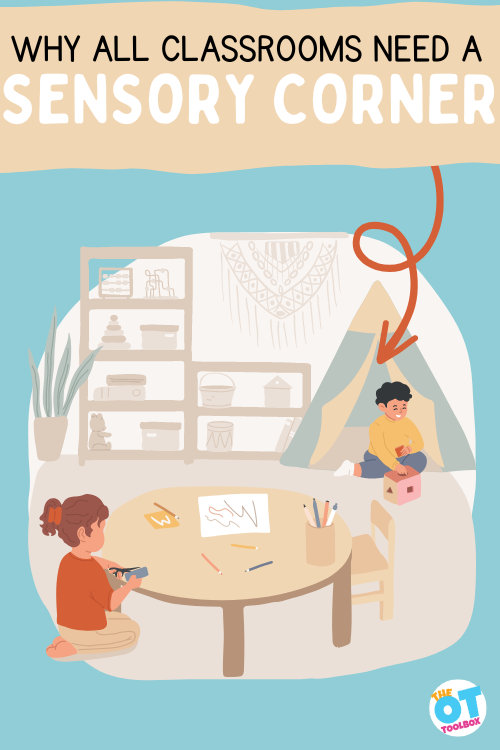
    Sensory Corner

    We’ve covered ways to set up a calming area, but what if you really want to feature the cozy aspect of a sensory space in a classroom or home? A sensory corner is very much the same concept, with different terminology. The key to a calm down space is incorporating sensory components within these areas.

    Research shows that having a designated space for children to have alone time in, during their school day, is a way to support emotional development and independence, while also teaching children that it is okay for their friends to take a break.

    When combining visual, tactile and other sensory components into the design of a cozy area, children will independently seek it out when they need a break from their peers. 

    in the classroom is a cozy or quiet space for one child to spend time independently when they feel like they need a break from the regular commotion of a preschool day. This area can be used to take a sensory break, to calm down when they are feeling upset or overwhelmed, or to just take a break. 

    This area should be accessible for all children at any time of the school day. This area is best used when it is at the child’s level, is situated in an area of the classroom that is far away from the busier/louder areas of the classroom, and includes sensory supports to encourage calming and peaceful experiences. 

    Whatever you call your safe space, and however you set it up, what matters most is your intention.

    Sensory corners

    Why Use a Sensory Corner?

    A calming corner or a sensory corner may be used for many various reasons.

    There are hundreds of reasons why children might need to take a break from other children in the classroom. They may feel sad, overstimulated or just need time to recharge.

    This may include:

    • Feeling overstimulated in the classroom
    • Overwhelming feelings
    • Needing to recharge or refocus
    • Having a bad day
    • Changes in routines
    • Feeling “out of sorts”
    • Worried about a home situation
    • Worried about a friend situation or social situation
    • Worried about a test or project in the classroom
    • Sadness about home situations
    • Missing family or pets
    • Not sure what to expect or what is expected of them

    Remember that the goal of the sensory corner is to offer a safe space, or to give children a place to calm down, feel safe, and regroup when they are overcome with big emotions at school.

    One thing to consider is that a calm down area of the classroom can be effective at the start of the school year due to transitions in the classroom when a new classroom may mean a lot of unexpected sensory input. This is a great addition to back-to-school sensory activities that support students of all abilities.

    Where to put a cozy area:

    When looking at an indoor preschool classroom set up, there are many centers that are utilized by children throughout the day. The key is to avoid adding visual noise, or visual clutter when adding a cozy area to the classroom.

    Some of the busiest areas include the circle time/gross motor area, the block area and the art areas. These areas tend to attract groups of children at once and aren’t the best spaces to put next to a calming area. 

    The library, dramatic play and animal/science areas, tend to be more quiet spaces in the classroom. Each of these spaces will support a calmer environment to build a calm down area. When deciding what wall or area to place the calm down spot, keep in mind the following environmental components:

    • Is there a window nearby that will give off too much light?
    • Are there large gross motor/sensory spots that are noisy?
    • How many pictures are on the wall, and are they soothing?
    • What are the colors of the walls by the calming area, and are they overstimulating? 
    • Is the space adequate for one child, or will more children try to encroach on their alone time? 
    • Can this space be easily visible by a teacher doing active supervision?
    • Is this space near high traffic areas, like the entry door or bathroom?

    Many spaces may feel like the perfect spot for a calm down space inside the classroom. You know your kids the best and where they spend most of their time. As the school year progresses, there may be times where you want to move your calm down area to a better spot, and that’s okay! 

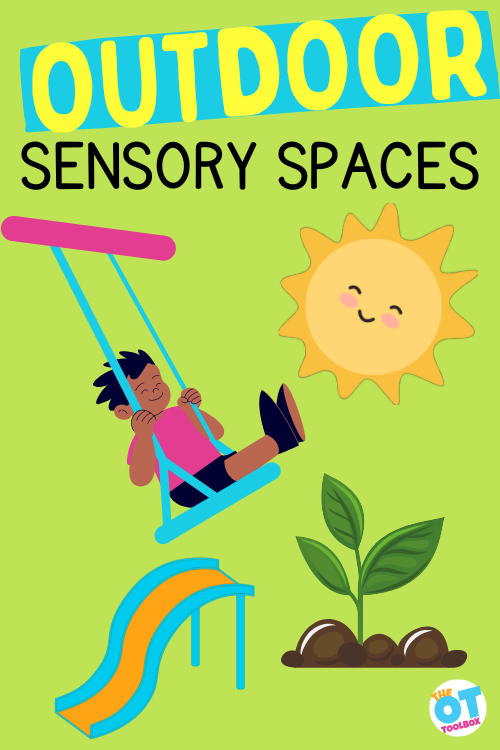
    Outdoor sensory corner ideas

    Outdoor Sensory corner Ideas

    Don’t forget about the outside as an option for a calm down space! We know the many benefits of outdoors as a calming area, so simply going outside is a great option for calming the mind and body while organizing (or regulating) the sensory motor systems. The outdoors is one way to add free sensory motor options to the classroom.

    We’ve covered outdoor sensory diets before, and this is a great article to start with when considering an outdoor sensory space for home or classroom use. In fact, we love to select specifics for the home too, when it comes to sensory diets in the backyard. Even the playground or recess is a sensory calm down space for some kids.

    Kids need quiet spaces while they are playing outdoors also. When setting up an outdoor learning environment, make sure to incorporate some independent areas in a shady area of the playground. These spaces could be near the garden, near a book reading area, under a nice shade tree or near a swing. You can even add an outdoor sensory swing as a calming option.

    When setting up an outdoor area as a sensory corner for classroom breaks, consider what science says: Research on outdoor sensory play tells us that playing outdoors supports development, but there are emotional benefits as well as benefits to learning.

    Some components to think about when setting up your outdoor calm down area include:

    • Is it sunny or shady?
    • Is it near an area where children will be running quickly?
    • Is it near a highly trafficked area, like a parking lot, walkway or door?

    Quiet cozy areas should be available for children at all times. It isn’t a punishment corner, rather a space that children can “take a break” when they need it.

    Here are 5 simple ways to incorporate cozy spaces outdoors so children have the opportunity to play on their own when needed. 

    1.Place to Sit: The first step to creating a safe space is for children to have a space to be on their own. You can create this in a similar way with an area rug or cushion like the indoors, or you can create something with more of a visual “splash” like these calming spaces in children’s swimming pools. 

    2. Gardens: Nature is a great accessory to a cozy nook area outside. Consider creating a cozy nook with a variety of plants. Adding trellis’s and arches where different vegetables and flowers and grow over a child’s safe space, incorporates natural colors and healthy foods into the safe space that children will spend their time. Sensory gardening is also a great option for a sensory break from the classroom that fosters learning!

    3. Swings: Attaching a child safe swing to a tree provides a sensory rich safe space where children have the opportunity to have quiet time and self soothe. There are so many sensory swing options including a hammock swing and a platform swing

    4. Individual Art Space: Child initiated process art in nature can be a calming and essential experience that supports children when they are overwhelmed or overstimulated. A simple way to create this individualized space is by attaching an easel to a fence and offering different mediums to use with the easel (markers, paint, chalk.) Some of these creative painting ideas are fun to try in a sensory calm down space.

    5. Sensory Table: A small sensory table or a sensory bucket is a wonderful way to encourage individual calming time while outside. You can add a variety of different materials to the sensory tub, or offer options of 5 or six sensory buckets. This could include bubbles and wands, sand, goop or some more of these sensory bin ideas. Another idea is to set up a nature table. You could even use a picnic table with a sand writing tray on top where users draw in the sand on the table surface.

    Best Practice for Calm Down Corners

    No matter what you call them: calm down corners, cozy corners, or sensory corners…and no matter where they are located: indoors or outdoors, in the home, or in the classroom, these sensory spaces are a valuable tool for promoting self-regulation and emotional well-being.

    They provide a dedicated space for students to practice calming techniques and engage in activities that help them manage their emotions. Calming corners may include tools such as breathing exercises, visual aids with coping strategies, mindfulness activities, and calming sensory items like stress balls or visual timers…or any item that offers a sense of peace.

    The key is to create an environment that is quiet, comfortable, and free from distractions, allowing students to recharge and regain focus when needed!

    If you are setting up a calm down corner for your classroom as you gear up for a new school year, be sure to check out our resource on back-to-school sensory activities as an addition to your classroom calming area.

    Heavy Work Activities for Calm Down Corners and Self-Regulation

    Including heavy work in a calm-down corner can help children reset their bodies and minds during times of dysregulation. The resistance and pressure involved in heavy work helps to activate the proprioceptive system, which is known to reduce anxiety and improve self-regulation. Use our Heavy Work Activity Cards in your calm-down space to give kids structured, calming options they can choose independently.

    Colleen Beck, OTR/L has been an occupational therapist since 2000, working in school-based, hand therapy, outpatient peds, EI, and SNF. Colleen created The OT Toolbox to inspire therapists, teachers, and parents with easy and fun tools to help children thrive. Read her story about going from an OT making $3/hour (after paying for kids’ childcare) to a full-time OT resource creator for millions of readers. Want to collaborate? Send an email to contact@theottoolbox.com.