Alphabet Dice Letter Formation Fine Motor Activity

I love to add a fine motor spin to learning activities.  When it comes to teaching kids to write letters, knowing correct formation (and the order of making lines in writing a letter) is so important for handwriting legibility and eventually speed of written work.  


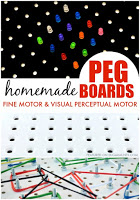
This fine motor peg board activity incorporates eye-hand coordination and tripod grasp to manipulate pegs in order to build letter formation skills, and using a dice, which adds a power in-hand manipulation component to the activity…with a bit of fun mixed in.  Overall, this was a fun activity that all four of my kiddos loved!
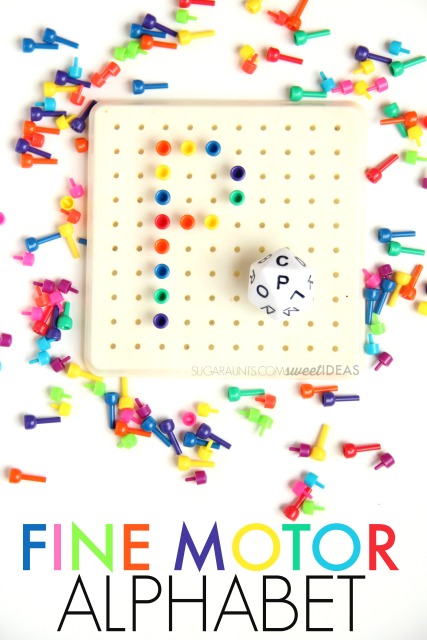


his fine motor peg board activity incorporates eye-hand coordination and tripod grasp to manipulate pegs in order to build letter formation skills, and using a dice, which adds a power in-hand manipulation component to the activity...with a bit of fun mixed in.

Fine Motor Alphabet Letter Formation Activity with Dice and a Peg Board

This post contains affiliate links.


To make the letters in this activity, I pulled out one of may favorite tools from my Occupational Therapy bag: My trusty pegboard and small pegs. The pegs are small enough to encourage a tripod grasp allow for in-hand manipulation, and removing the pegs works on intrinsic strength and arch development of the hand. We used the pegs and the alphabet dice from our Scattergories game (you can get just the dice here.) to work on forming letters with correct lines.
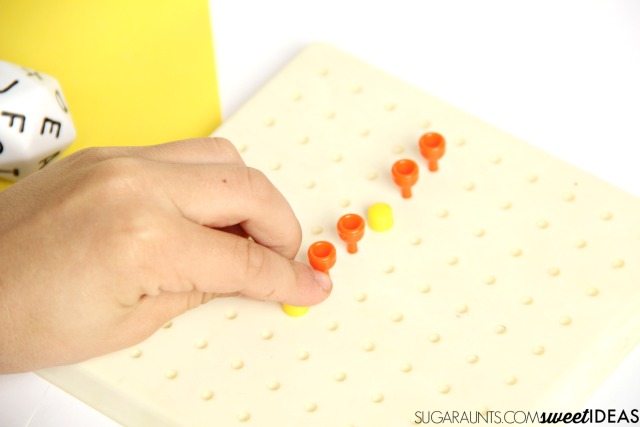
his fine motor peg board activity incorporates eye-hand coordination and tripod grasp to manipulate pegs in order to build letter formation skills, and using a dice, which adds a power in-hand manipulation component to the activity...with a bit of fun mixed in.

I had my kids take turns at this activity.  They rolled the dice and then used the pegs to form the letters.  I gave just a few verbal cues to show them how to make the curved lines of certain letters like “G” or “C”.  To make this activity easier, you can draw a letter on a piece of paper that is cut to fit the pegboard.  Kids can press the letters through the paper and into the holes of the peg board.
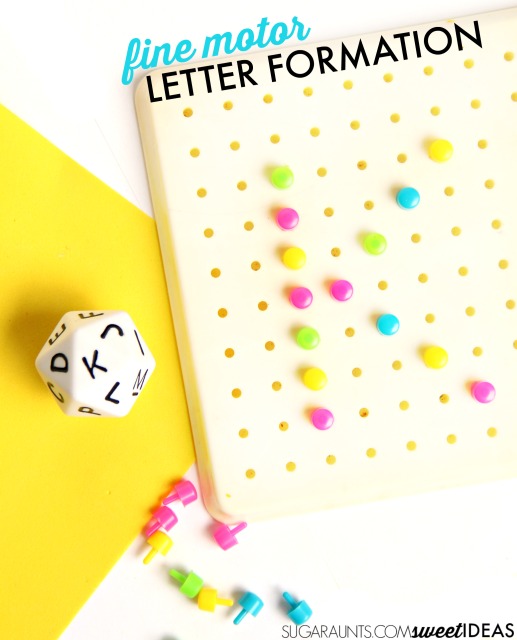
his fine motor peg board activity incorporates eye-hand coordination and tripod grasp to manipulate pegs in order to build letter formation skills, and using a dice, which adds a power in-hand manipulation component to the activity...with a bit of fun mixed in.


Fine Motor Skills When Playing with a Peg Board

Using a peg board works on so many fine motor skills. I’ve shared a ton of info on this before. A basic break down of the fine motor benefits of playing with a peg board:


Fine Motor Skills Used When Rolling a Dice

The bonus for this activity is the fine motor benefit to rolling a dice.  Cupping the palm to roll and release the dice encourages fine motor skills necessary for many functional tasks:
 
 Looking for more ways to play and learn with dice? Try these:

Place Value Game with Dice from Still Playing School 
Rainforest Dice Long and Short Vowel Reading Game from Learning 2 Walk
Preschool Rainbow Grid Game from Preschool Powol Packets
 
Fun Shapes Dice Game for Kids from School Time Snippets 
Writing Game Using Dice from Teach me Mommy 
Venn Diagram Dice Probability STEM Activity from Schooling a Monkey 
Block Stacking Dice Game from Kidz Activities 
Simple Addition Dice Game from Powerful Mothering 
DIY Dice from Sugar Spice & Glitter
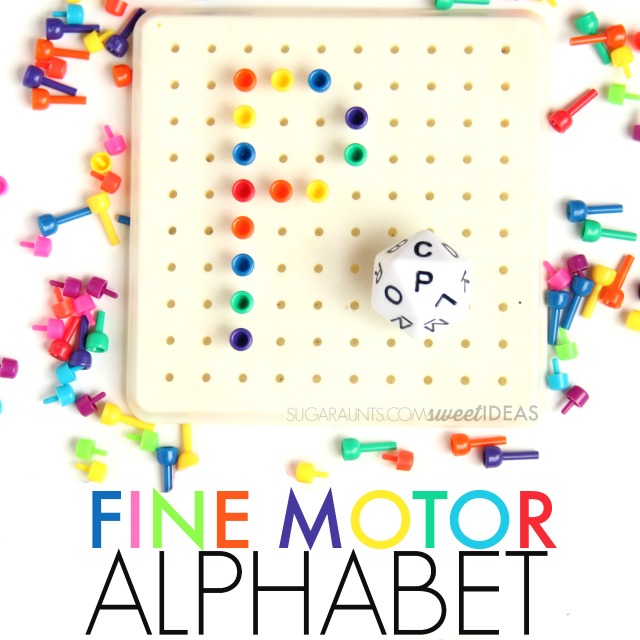
his fine motor peg board activity incorporates eye-hand coordination and tripod grasp to manipulate pegs in order to build letter formation skills, and using a dice, which adds a power in-hand manipulation component to the activity...with a bit of fun mixed in.

More Fine Motor Activities you will love: 
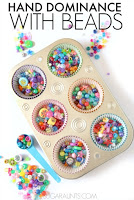
 Scooping and pouring fine motor and hand dominance with beads
  

Hand Strengthening Activity with an Egg Carton

bilateral coordination activity with an egg carton
This hand strengthening activity with an egg carton is an easy way to use a recycled egg carton to work on fine motor skills, hand strength, pincer grasp, tripod grasp development, intrinsic hand strength, eye-hand coordination, and other fine motor hand strength skills.
 

Fine Motor Activity with an Egg Carton

 
Recently, I shared how intrinsic muscle strength benefits handwriting and specifically a functional grasp on the pencil.  Today, I’ve got a super easy way to work on endurance with the lumbrical muscles that are used in maintaining a nice pencil grasp.  
 
This will enable a child to write at appropriate speeds and lengths of time without fatiguing and allow a child to color in a picture without stopping because their hands are tired.
 
The bonus to today’s activity is that the strengthening tool is very easy to re-create and (almost) completely free.
 
This would be an awesome compliment to our recent 31 Days of Occupational Therapy activities using Free or Almost Free Materials!


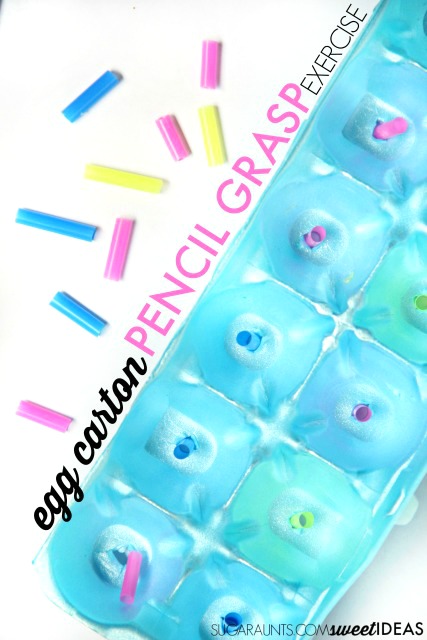
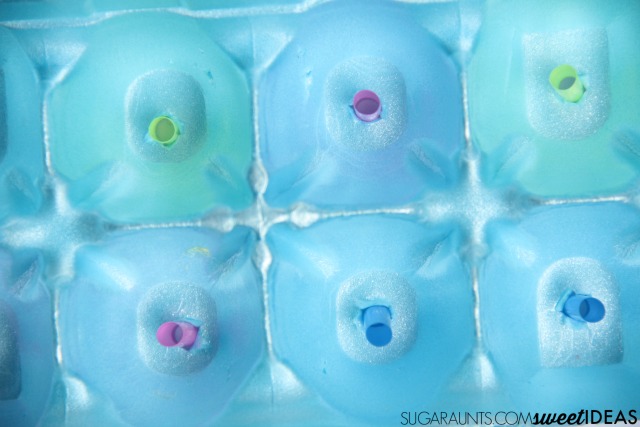
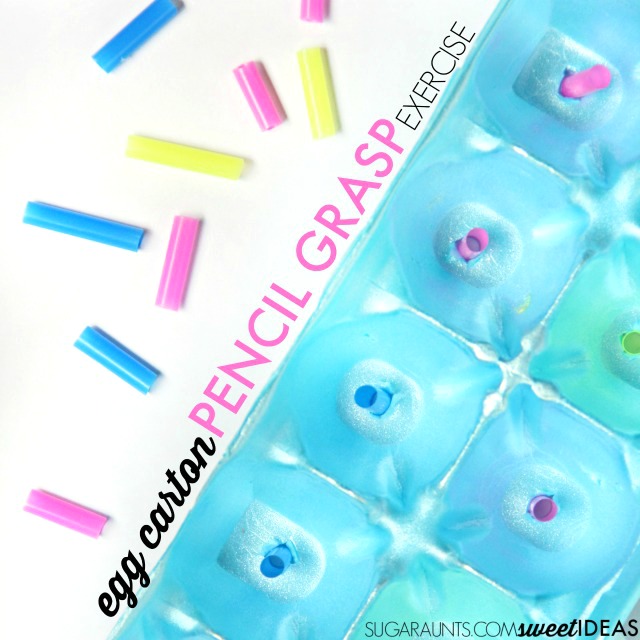
Work on pencil grasp by strengthening the intrinsic muscles of the hands including the lumbricals using a recycled egg carton and straws!


Intrinsic Muscles of the Hands Lumbricals Strengthening Exercise

This is a great finger strength exercise…and it only uses an egg carton and straws. The reason it’s such a great strength activity has to do with the lumbrical muscles in the hand.

This post contains affiliate links.
 
For this activity, we used a recycled egg carton, a wooden skewer (Amazon affiliate links), and cut pieces of straws.
 
Use the top of the egg carton and poke holes using the wooden skewer.  Wiggle the skewer until the holes are larger.  Cut the straws into one inch sized pieces, and you are ready to go!

Work on pencil grasp by strengthening the intrinsic muscles of the hands including the lumbricals using a recycled egg carton and straws!


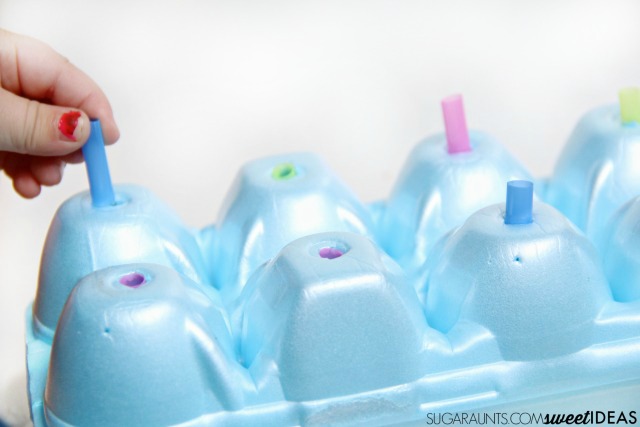
Show your kiddo how to poke the straw pieces into the holes.  We used both sides of the egg carton, but using the inside of the egg carton sections especially works on the lumbrical muscles in the hand.  
 
Holding the small straw sections requires a tripod grasp and when the child is required to push the straw through the hole in the section of the egg carton, they are positioning their hand in an Intrinsic Plus Position.  


Ask your child to hold several straw pieces in their hand at once to address in-hand manipulation. This skill is needed to manipulate the pencil and rotate the pencil during handwriting tasks.


We cut off the lid of our egg carton for this activity.  It was a good way to work on bilateral hand coordination which is necessary for holding the paper and pencil with two different hands during a hand writing task. 


Once the straws are partially in the holes of the egg carton, your child can press them the rest of the way through the hole, utilizing finger isolation.  Then, turn the egg carton over and use a tripod grasp to pull the straws the rest of the way through the holes.


Work on pencil grasp by strengthening the intrinsic muscles of the hands including the lumbricals using a recycled egg carton and straws!


Read about how and why this is great for handwriting here.
 

Need another activity with an egg carton?

Looking for more ways to recycle an egg carton?  Try these: 
 
 egg cartons 
Egg Carton Mache Molds by Teach me Mommy 
Flowers by The Gingerbread House 
Daffodils by Nemscok Farms 
Space Station by Peakle Pie 

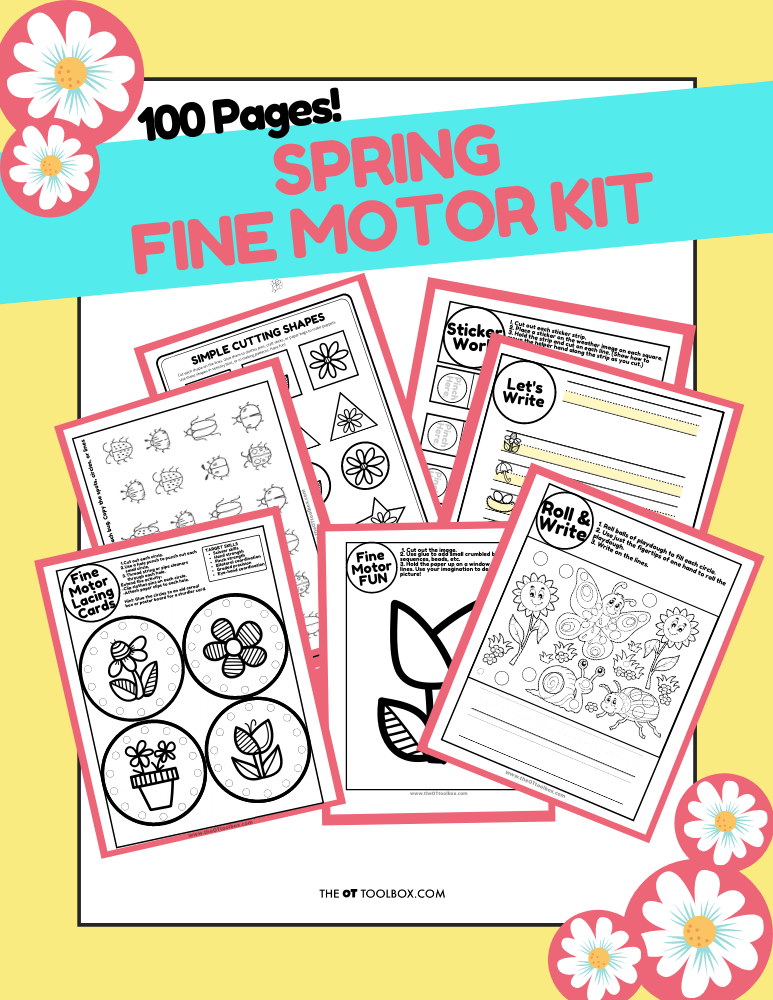
Spring Fine Motor Kit

Score Fine Motor Tools and resources and help kids build the skills they need to thrive!

Developing hand strength, dexterity, dexterity, precision skills, and eye-hand coordination skills that kids need for holding and writing with a pencil, coloring, and manipulating small objects in every day task doesn’t need to be difficult. The Spring Fine Motor Kit includes 100 pages of fine motor activities, worksheets, crafts, and more:

Spring fine motor kit set of printable fine motor skills worksheets for kids.
  • Lacing cards
  • Sensory bin cards
  • Hole punch activities
  • Pencil control worksheets
  • Play dough mats
  • Write the Room cards
  • Modified paper
  • Sticker activities
  • MUCH MORE

Click here to add this resource set to your therapy toolbox.

Spring Fine Motor Kit
Spring Fine Motor Kit: TONS of resources and tools to build stronger hands.

Grab your copy of the Spring Fine Motor Kit and build coordination, strength, and endurance in fun and creative activities. Click here to add this resource set to your therapy toolbox.

Colleen Beck, OTR/L has been an occupational therapist since 2000, working in school-based, hand therapy, outpatient peds, EI, and SNF. Colleen created The OT Toolbox to inspire therapists, teachers, and parents with easy and fun tools to help children thrive. Read her story about going from an OT making $3/hour (after paying for kids’ childcare) to a full-time OT resource creator for millions of readers. Want to collaborate? Send an email to contact@theottoolbox.com.

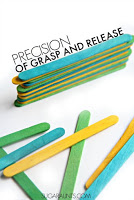
Craft Stick Tweezers to Help with Pencil Grasp

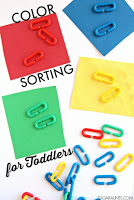
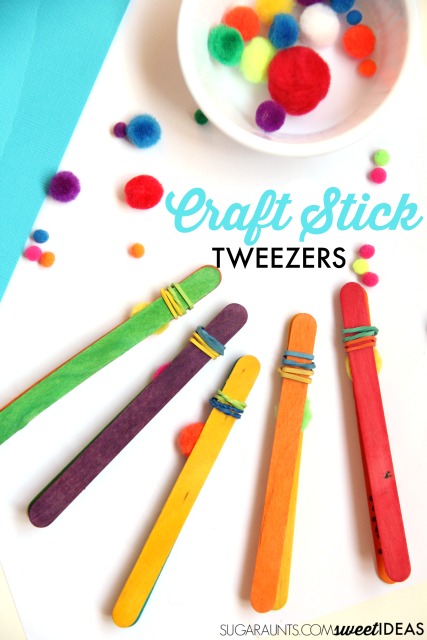
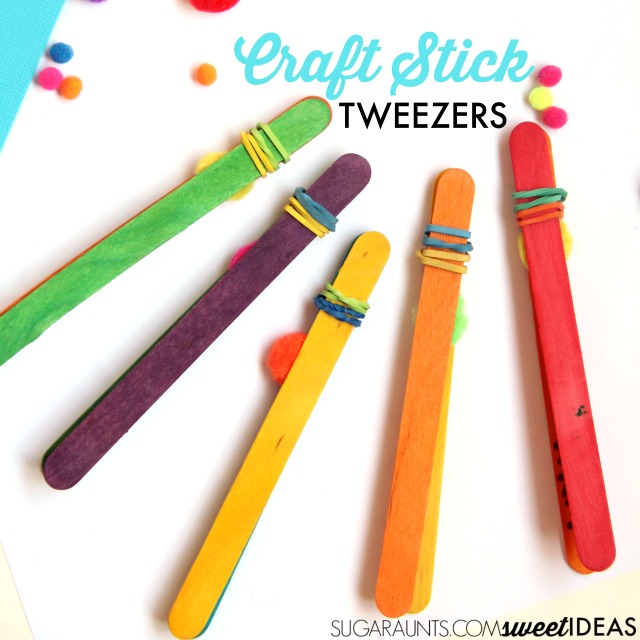
I have a fun DIY for you!  These craft stick tweezers are easy to create and a workout for finger muscles.  We made them in a rainbow of colors and you can use them for color sorting while working on the fine motor skills needed for handwriting and small motor tasks like managing clothing fasteners.


Build fine motor skills including pencil grasp using these homemade DIY tweezers made from craft sticks.

How Do Using Tweezers Help With Handwriting? 

You might know that I love to share easy, manageable tips on how to help kids with handwriting and pencil grasp.  Recently I shared a quick tip on strengthening the lumbrical muscles for more effective pencil grasp and endurance in handwriting.  Today, I’ve got an extension on that activity, using tweezers.  

So how do tweezers help with pencil grasp and handwriting?  
When a child uses tweezers to pick up small objects (using an appropriate grasp on the tweezers, of course!) they are building the skills needed for a tripod grasp.  A functional pencil grasp includes the thumb and the first and third fingers or the thumb and the first, second, third, and fourth fingers.  These grasps allow a child to move and advance the paper with small motions at an appropriate speed for writing legibly.  

Using tweezers is a great way to build the muscles needed for these grasps on the pencil.  When using a pair of tweezers to work on pencil grasp, be sure to position the tweezers as if it were a pencil.  Encourage the child to bend the tip of their thumb to build the thenar muscles of the thumb, while ensuring an open web space.  The resistance of squeezing tweezers develops the arches of the hands which are needed for a curved palm while holding a pencil.  An extended wrist provides the most functional position for writing or tweezer-ing. 

Build fine motor skills including pencil grasp using these homemade DIY tweezers made from craft sticks.

DIY Craft Stick Tweezers

Full disclosure: Affiliate links are included in this post.

Making these colorful tweezers are so easy.  We used rainbow craft sticks (ours, we received from www.craftprojectideas.com).  You’ll also need small rubber bands and a small craft pom pom.  

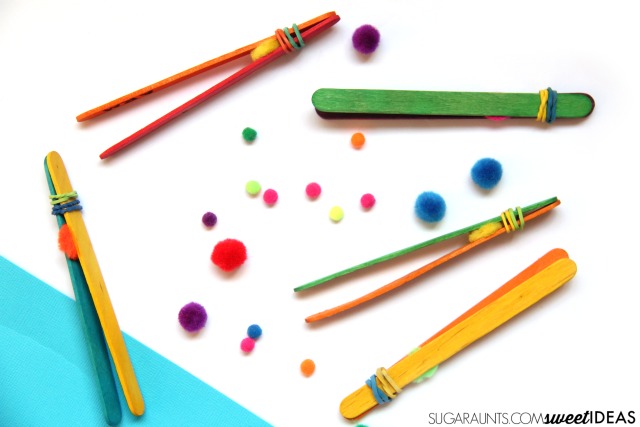
To make the tweezers, stack two craft sticks together and position the pom pom in between at one end.  Add two rubber bands to the end of the tweezers.  

A larger crafting pom pom will make the tweezers wider at the opening.  This will increase the amount of distance needed for grasping small items.  This is a great way to grade the activity.

Watch this video to see the full how-to:


Now get to building those hand muscles!

 Additional benefits to using tweezers in fine motor tasks:

Visual Scanning
Peripheral Vision
Hand-Eye Coordination
Development of the Skilled side of the hand
Stabilization of the ulnar (or power) side of the hand


Build fine motor skills including pencil grasp using these homemade DIY tweezers made from craft sticks.

Love this idea?  SHARE it on Facebook!


Looking for more ways to build the hand muscles for an improved pencil grasp?  Try these:

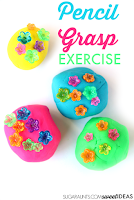
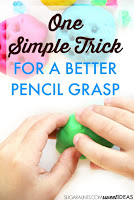
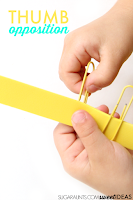
 Pencil Grasp Activity Pencil Grasp Exercise Thumb opposition activity


amzn_assoc_placement = “adunit0”;
amzn_assoc_search_bar = “true”;
amzn_assoc_tracking_id = “sugaun-20”;
amzn_assoc_ad_mode = “manual”;
amzn_assoc_ad_type = “smart”;
amzn_assoc_marketplace = “amazon”;
amzn_assoc_region = “US”;
amzn_assoc_title = “My Amazon Picks”;
amzn_assoc_linkid = “6f3c21b98ef4d0fbed62fbcaf0f65a6c”;
amzn_assoc_asins = “B0018N4CM0,B000BLJEKU,B000NNGNKA,B0074MIAXG”;

Intrinsic Hand Muscle Strengthening with Tongs

Handwriting legibility and hand strength are closely tied.  You might say they go hand-in-hand.  (I had to go there!)  

 
This easy fine motor tong activity is designed to build some of the muscles needed for managing a pencil.  The intrinsic muscles are the muscles in the hand that define the arches of the hands, bend the knuckles, and oppose with the thumbs.  


Among these muscles are a group called the lumbricals.  The lumbrical muscles have a job to bend (flex) the MCP joints and extend (straighten) the PIP and DIP joints.  When the lumbricals are in action, the hand might look like it is holding a plate with the big knuckles bent and the fingers extended.  


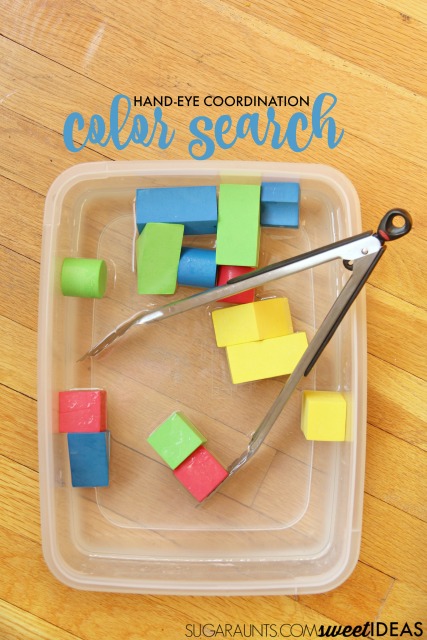
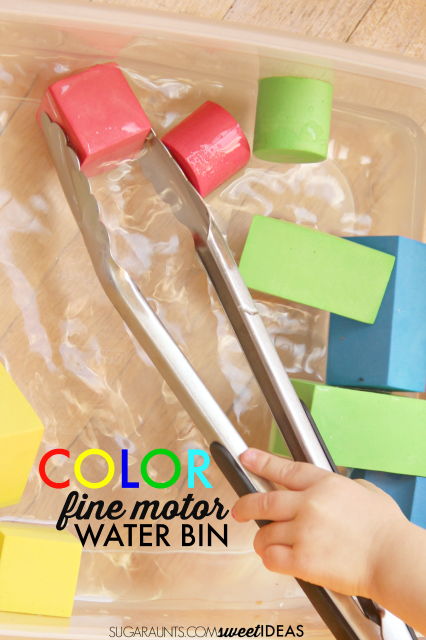
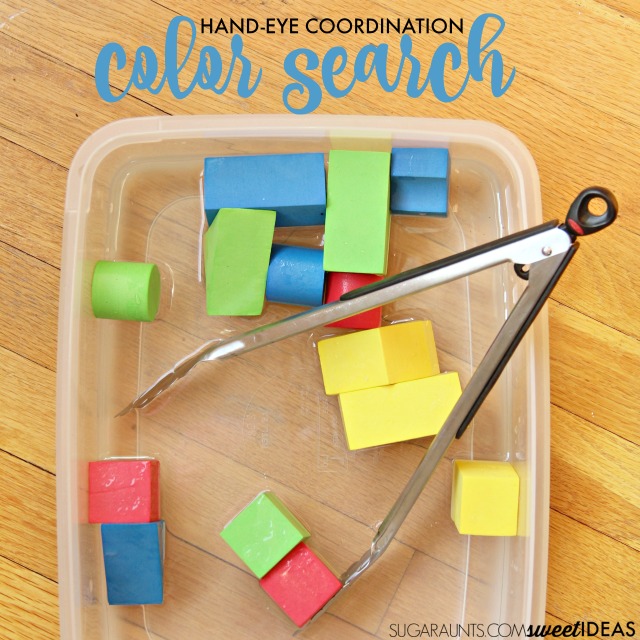
Use kitchen tongs to work on the lumbrical intrinsic muscles of the hands to build strength in handwriting, using tongs for this color search and hand eye coordination activity for kids.


Lumbrical Muscles of the Hands and Handwriting 

This post contains affiliate links.


The lumbrical muscles of the hands are important in handwriting.  They are used to hold the pencil in a functional grasp.  Advancing the pencil in an upward motion using the joints of the fingers require strength and endurance of the lumbrical muscles.  Forming letters like upstrokes in cursive letters and the re-trace of letters like a, d, g, h, m, n, p, q, r, u, v, and w require upward pencil strokes.


Hand strength can be developed through many creative, hands-on activities, like blocks and rubber bands or rolling balls of play dough.  This kitchen tong activity is another fun way to work on important skills. 
 
Use kitchen tongs to work on the lumbrical intrinsic muscles of the hands to build strength in handwriting, using tongs for this color search and hand eye coordination activity for kids.
 
 
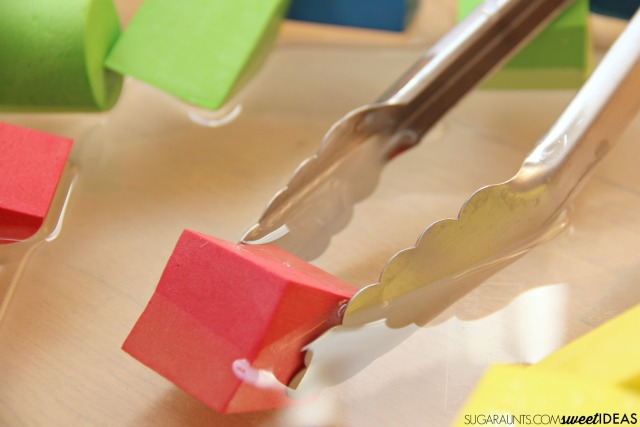
A quick and easy way to develop and strengthen the lumbricals is a tong activity like this one.  Use a large kitchen tong utensil to grasp items.  We used this kitchen tong, but any large tong would work for this strengthening activity.  Foam blocks are a nice size and make a great hand-eye coordination exercise for children with the tongs.  Fill a bin with water and add in the foam blocks.  Ask your child to grab the blocks as you call out colors for a color identification activity.


Idea:  Re-use the blocks to build MORE fine motor skill development like we did here.

Use kitchen tongs to work on the lumbrical intrinsic muscles of the hands to build strength in handwriting, using tongs for this color search and hand eye coordination activity for kids.


Using tongs to work on handwriting

It is important to notice the position of your child’s hand on the tongs in activities like this one.  You want to see a slightly extended wrist and tongs UNDER the hand to work on lumbrical muscle strength.  This is different than a task geared toward building precision and thumb intrinsic muscle strength. 

Use kitchen tongs to work on the lumbrical intrinsic muscles of the hands to build strength in handwriting, using tongs for this color search and hand eye coordination activity for kids.


More intrinsic muscles needed in handwriting

The muscles used in handwriting can be broken up into two actions.

The muscles: 
  • flexor digiti minimi, abductor digiti minimi and opponens pollicis & digiti minimi are referred to as the hypothenar muscles work to stabilize the ulnar side of the hand during handwriting. 
 
The muscles:
  • abductor pollicis brevis, flexor pollicis brevis, and opponens pollicis work to rotate the thumb for manipulation of the pencil.  
  • Adductor
    pollicis strengthens thumb opposition.
 
Looking for more ways to use tongs and fine motor tools in learning?  Try these:


Use kitchen tongs to work on the lumbrical intrinsic muscles of the hands to build strength in handwriting, using tongs for this color search and hand eye coordination activity for kids.Use kitchen tongs to work on the lumbrical intrinsic muscles of the hands to build strength in handwriting, using tongs for this color search and hand eye coordination activity for kids.


Looking for more strengthening exercises for hands?  Try these:
 

 fine motor writing activity Pencil Grasp Activity Pencil Grasp Exercise Thumb opposition activity
 

Colleen Beck, OTR/L has been an occupational therapist since 2000, working in school-based, hand therapy, outpatient peds, EI, and SNF. Colleen created The OT Toolbox to inspire therapists, teachers, and parents with easy and fun tools to help children thrive. Read her story about going from an OT making $3/hour (after paying for kids’ childcare) to a full-time OT resource creator for millions of readers. Want to collaborate? Send an email to contact@theottoolbox.com.

Large Fine Motor Threading with Recycled Spools

Looking for a fine motor activity that uses the small motor movements of the hands needed for skills like beading, handwriting, and managing clothing fasteners?  Sometimes, it can be difficult to get a kiddo to work on those areas when the very task you need to strengthen is one that is difficult to do. 

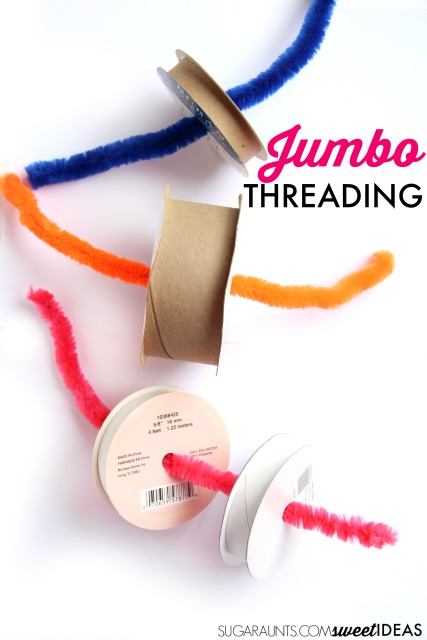
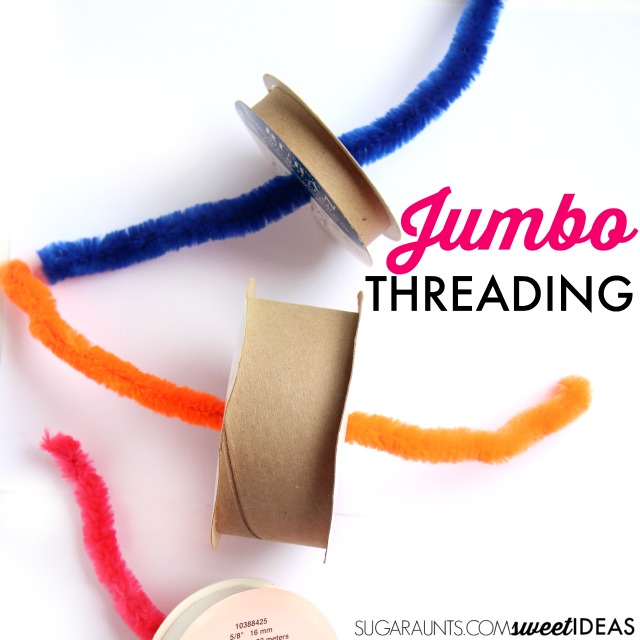
 Sometimes an activity that is a little bit different is the very thing needed for kids who need to work on fine motor skills.  This jumbo threading activity uses cardboard ribbon spools (and we do love our recycled crafts!) and can help with fine motor skill development in a big way.  


Use large pipe cleaners and recycled ribbon spools to work on fine motor skills on a large scale.

Large Fine Motor Threading Activity


Using small beads to thread on string or pipe cleaners is an excellent way to build pincer grasp, tripod grasp, bilateral coordination, hand-eye coordination, and in-hand manipulation.  But if if is hard for a child to do these tasks, they may not want to participate in small beading as much as their parent, therapist, or teacher may like.  These cardboard ribbon spools are a fun way to build the skills needed for fine motor tasks, in a different way.

This post contains affiliate links.

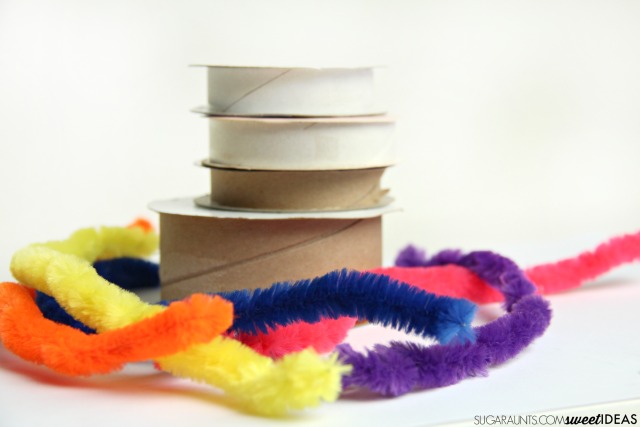
Besides the recycled cardboard spools (which hold ribbons), all we used for this activity were large fuzzy pipe cleaners.  Ours came from www.craftprojectideas.com.  

This is an easy busy bag type of activity for kids.  Set them up with a tray of spools and pipe cleaners while mom grabs a cup of coffee.  OR, for the Occupational Therapists in the crowd, this makes a nice multi-purpose activity for the OT treatment bag.  

Use large pipe cleaners and recycled ribbon spools to work on fine motor skills on a large scale.
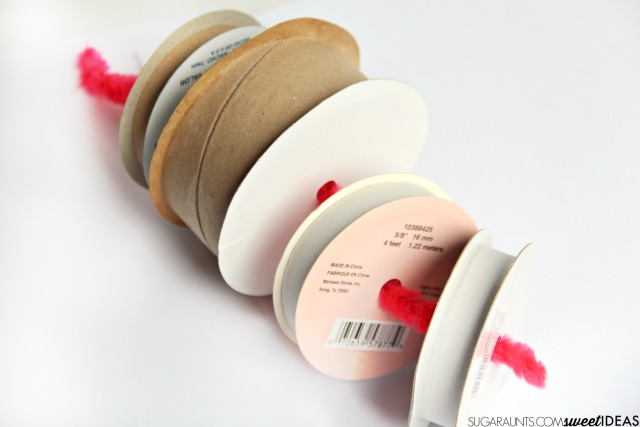
Simply show your kiddo how to thread the large pipe cleaners onto the cardboard spools.  Using different sizes of spools requires different motor movements of the hands, but using several sizes  promote graded grasp patterns.  Threading the pipe cleaners into the center of the spools allows the child to thread with a tripod grasp on a larger scale.  Children can hold the spools with their non-dominant helper hand in a whole hand grasp.  

Use large pipe cleaners and recycled ribbon spools to work on fine motor skills on a large scale.
Add more skills to this threading task by stacking the spools to work on precision.  Ask your client or child to hold the edges of the spools to incorporate a spherical grasp.  Threading by size encourages beginning math skills with visual discrimination and visual scanning. 

Areas worked on with this activity:
Hand-Eye Coordination
Crossing Midline
Tripod Grasp
Whole Hand Grasp
Visual Discrimination
Visual Scanning

Use large pipe cleaners and recycled ribbon spools to work on fine motor skills on a large scale.
Love this post?  Share it on Facebook

Looking for more Fine Motor Activities for Kids?


Be sure to sign up for our newsletter to receive activity ideas like these right in your inbox. Join us! 

Clay Fine Motor Strengthening Exercises

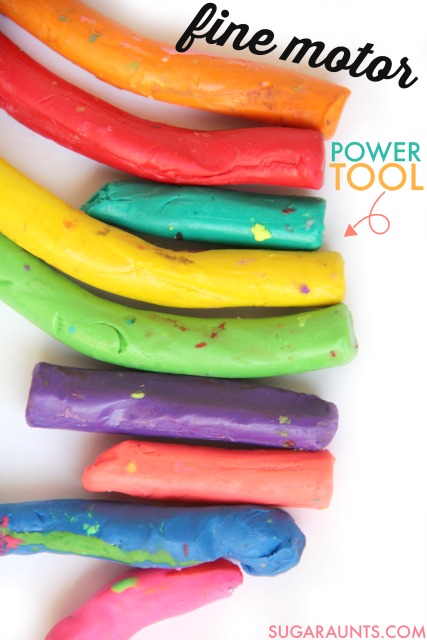
As an Occupational Therapist, I LOVE using clay with my kids in fine motor work.  Clay uses a resistance that works the small muscles of the hands and builds arch development on the hands, increasing endurance for activities like coloring and writing for longer periods of time.  Kids will often times complain of their hands being tired when they color.  They will press very lightly or switch colors overly-often, allowing themselves to sneak in breaks from coloring.  A strengthening activity like using clay is a great way to build the strength of the intrinsic muscles.


Manipulating a pencil with minute movements is essential for handwriting.  Clay is perfect for fine tuning pencil control in a fun way!


Clay fine motor activities to improve strength, scissor skills, and pencil grasp.

Hand Strengthening Exercises with Clay

We used clay to include in some finger strength exercises and grip strength exercises. Clay is such a great medium for hand strengthening activities because you can meet the needs of each individual.

Full Disclosure: This post contains Amazon affiliate links.
 

There are many ways to work on hand strength with clay:

  • Pinch small pieces from a large piece of Clay (affiliate link)
    .
  • Pinch the clay between the thumb and pointer finger.
  • Roll the clay into a long snake.
  • Use a Plastic Clay Tool (affiliate link) to carve in the clay, pressing and drawing with the tools.
  • Poke the clay with the pointer finger to work on finger isolation.
  • Press small items like beads or rocks into the Clay (affiliate link)
    like we did with play dough.
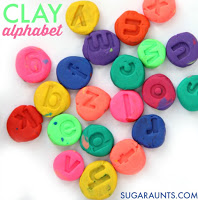
  • Press alphabet stamps into clay like we did here.
  • Add water to make the clay softer or allow the clay to dry out for a more resistive texture.
READ MORE about Fine Motor Skills HERE.
 
Work on Scissor Skills with clay:
  • Roll a long “snake”. Use scissors to cut the clay into chunks.
  • Roll a long “snake” of Clay
    . Use a pencil to mark lines. Cut on the lines.
  • Roll a long “snake” of clay.  Use the side of a plastic knife to mark lines in the clay.  Cut on the lines.
  • Smash the clay into flat disk.  Use scissors to cut across the clay.  Then, mark lines with a pencil and plastic knife to cut along the lines.
READ MORE about Scissor Skills HERE.
 
Use Clay to work on Pencil Manipulation:
  • Create a flat disk with the clay.  Use a pencil to write in the clay.  Practice letter formation.
  • Roll the Clay
    into a “snake”.  Poke a pencil into the clay, encouraging a tripod grasp on the pencil.
  • Roll small balls of clay between the thumb and pointer finger and ring finger.
  • Create a thick “stick” with the clay.  Show your child how to rotate the clay and twirl it between the thumb and fingers.
  • Use Clay Cleaning Tool Set for utensil use while providing verbal cues for appropriate grasp. NOTE: Using utensils like these may not encourage tripod grasp due to the nature of the tools. They will improve intrinsic strength and open web space.
  • Press a pencil eraser into the clay.
  • Create a flat disk from the clay.  Place a piece of paper on top of the paper.  Practice writing on the paper, encouraging your child to write lightly enough to not poke the pencil point through the paper.  This is an exercise in proprioception for the hands.
READ MORE about Handwriting HERE.

Fine motor activities with clay
 
You will love these clay ideas:
 

amzn_assoc_placement = “adunit0”;
amzn_assoc_tracking_id = “sugaun-20”;
amzn_assoc_ad_mode = “manual”;
amzn_assoc_ad_type = “smart”;
amzn_assoc_marketplace = “amazon”;
amzn_assoc_region = “US”;
amzn_assoc_textlinks = “B00MPP626E,B006CR4MC2,B004HKSYKM,B000KI7QAY,B00LV0ZQLG,0545498562,B0016N6CMU,B00380AAZY,B004JMLWY8,B001E679QW,B000ICK046,B001ED3JMS,B0000CGB68,B006CR4MC2”;
amzn_assoc_linkid = “84489356a6701535a7e4a72c971aab63”;
amzn_assoc_asins = “B000ICK046,B001ED3JMS,B0000CGB68,B006CR4MC2”;

How will you practice fine motor skills with clay? Practicing pencil grasp, scissor skills, and hand strengthening?  Let us know!


ABC Play Dough Activity

ABC play dough

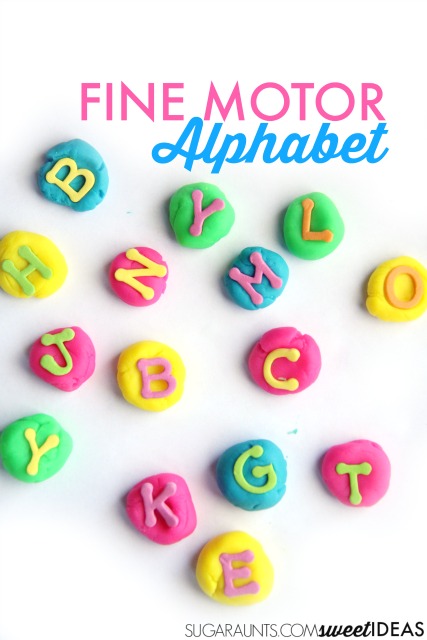
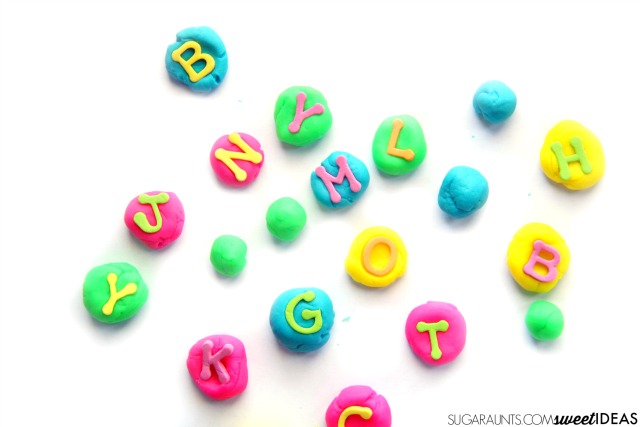
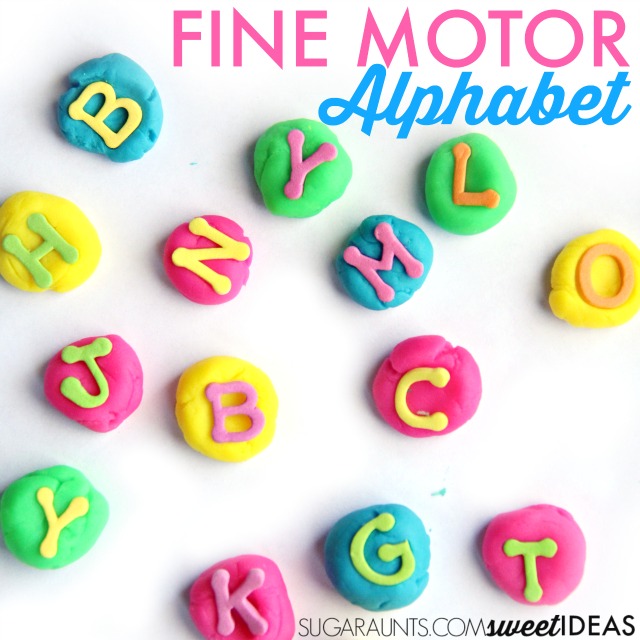
This ABC play dough activity is a fun way to build hand strength with letters of the alphabet. This Fine Motor Play Dough Alphabet activity combined a couple of our favorite things: Creative Play Dough ideas and Fine Motor Skills.  We used a handful of foam alphabet stickers that we had in the house and store bought play dough to make letters that we used in spelling words, letter identification, and alphabetical ordering.  And our play dough fun rating was 26 letters long!

ABC Play Dough Activity

Sometimes, you need play dough in your day.  Other times, you need to turn up the play dough fun notch just a bit.  (That’s a thing, right?  The play dough fun scale?  I think so.)

This ABC play dough activity uses letter manipulatives and play dough to work on fine motor skills.

Full disclosure: This post contains affiliate links.

So, we received these foam letter stickers and have been using them in a bunch of fun ways. Today, we used them with plain old fashioned Play-Doh.  

Fine Motor Skills and Play Dough

Every Occupational Therapist knows the benefits of play dough is so huge that they recommend it as a top-rated tool for fine motor development.  We’ve shared a ton of fine motor activities using play dough and I absolutely love to play with play dough with my kids for it’s use in fine motor skill development and hand strengthening.  

Play dough is perfect for refining skills like intrinsic muscles strength, finger isolation, tripod grasp development, thumb opposition, opening up the web space, bilateral hand coordination, and more.  With this activity, we specifically hit developing the intrinsic muscle strength of the hands.

Use balls of play dough with letter manipulatives

Intrinsic muscle strength and play dough

So, what is intrinsic muscle strength?   There are seventeen muscles in the hand that are responsible for fine motor skills and precision grasp, among other things like moving the thumb and fingers.  There are different groups of intrinsic muscles and they allow us to grasp items in a functional way.  The muscles of the hands work in conjunction with the muscles that originate in the forearm.  These extrinsic muscles end in your hand.  

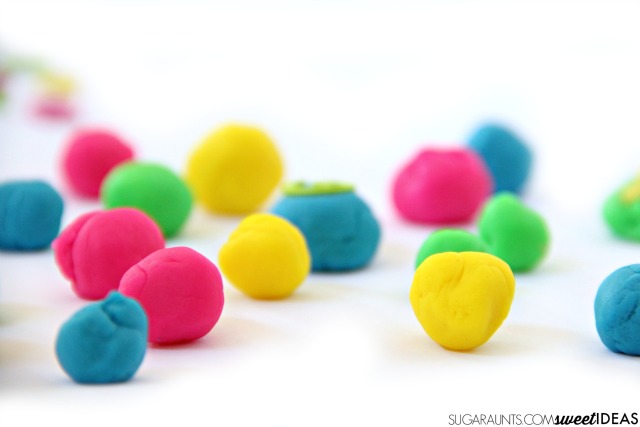
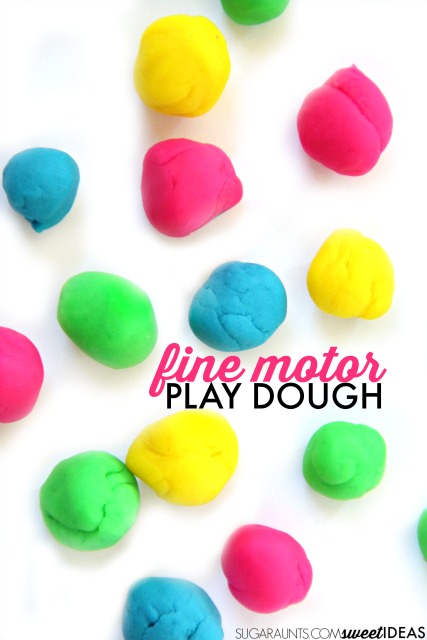
For this activity, we used different colors of play dough and created small round balls of dough.  I asked my kids (and a niece and nephew who were over for the day) to roll small, dime-sized balls using just their thumb and fingers.  

Rolling small balls of this size uses the intrinsic muscles that are responsible for moving the thumb (thenar muscles) and the muscles that bend the fingers at the knuckle (lumbricals).  Also needed for a task like this are the palmer interossi muscles that work to move the fingers in a flexed position toward the thumb.  

So, when a child is rolling a small ball of dough, with their thumb and fingers, they are working on strengthening the muscles that a child uses to write and color with a pencil or crayon.

Weakness in Writing the ABC’s

Sometimes kids complain of their hand hurting when coloring or you might see them switch crayons very often when coloring.  

These are signs of a weakness of hand strength.  Other signs of intrinsic muscle weakness are a weak grasp on the pencil or writing very lightly with a pencil.  

Try this fine motor activity with letters to practice so many hands-on learning activities with kids of all ages: spelling words, sight words, and letter identification while working on fine motor skills like intrinsic muscle strength.

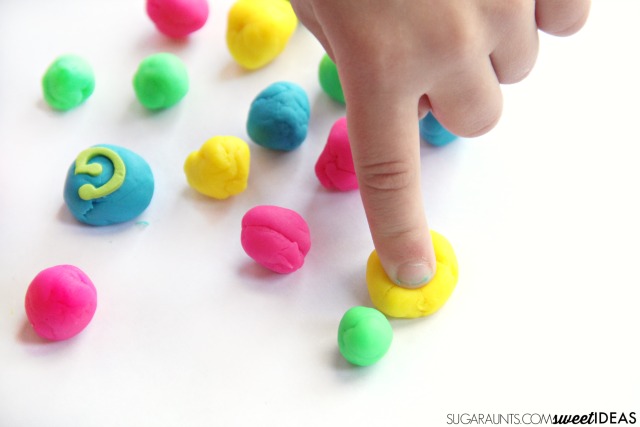
After we rolled all of the play dough balls, we used our foam letter stickers to press letters into the Play-Doh.  Pressing the letters with an extended finger (like in the picture) is a great way to work on finger isolation.  It is important to note that using the finger in an extended “pointer” uses the extrinsic muscles that originate in the forearm.  

I shared more about finger isolation here.

Try this fine motor activity with letters to practice so many hands-on learning activities with kids of all ages: spelling words, sight words, and letter identification while working on fine motor skills like intrinsic muscle strength.

We used these letters to practice spelling words with my second grader, identify sight words for my Kindergartner, practice letter identification and letter order with my preschooler, and practice not eating play dough with my toddler 😉

It was a fun day had by all!

How will you use these letters to learn and play?  

Try this fine motor activity with letters to practice so many hands-on learning activities with kids of all ages: spelling words, sight words, and letter identification while working on fine motor skills like intrinsic muscle strength.
More fun play dough ideas you will love:
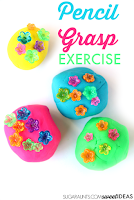
Fingerprint Christmas Tree Ornament Based on ee cummings’ Book Little Tree

You know we are big on sneaking in the fine motor skill development around here, right?  We are also a bit of book fans, so when we decided to make a book-inspired Christmas tree ornament, we went with the book, “little tree” by e.e. cummings and made a little fingerprint Christmas tree. 
 
Check out these Christmas Fine Motor Activities for more creative ways to work on fine motor skills and address development of skills this Christmas season. 
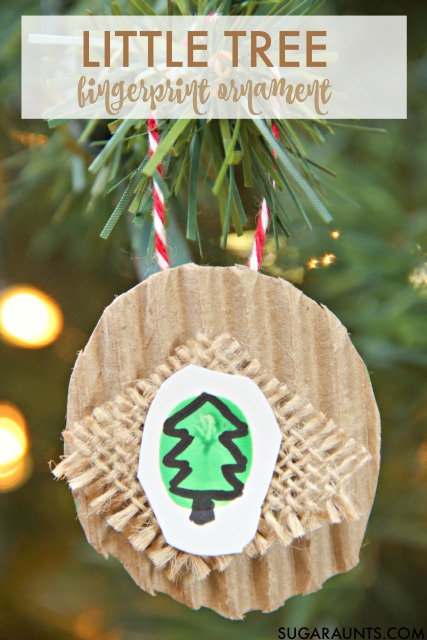
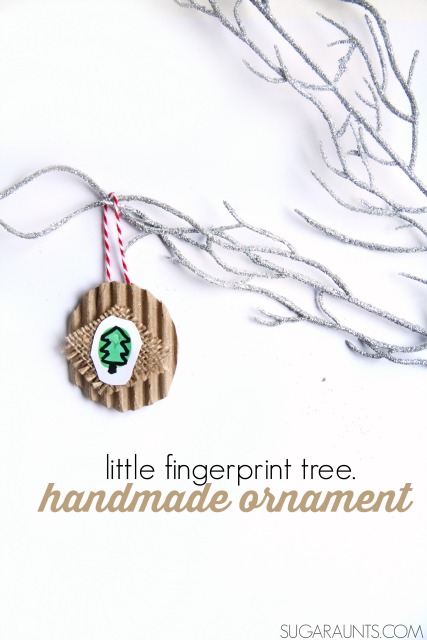
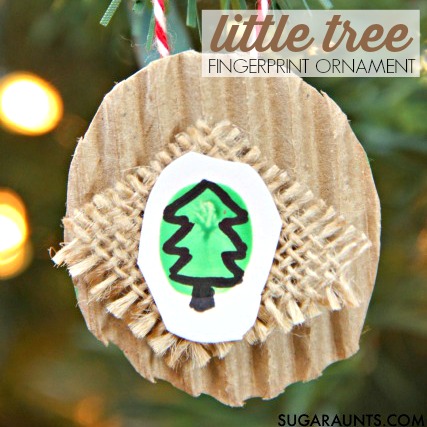
Little fingerprint Christmas tree ornament memento based on the book, little tree by e.e. cummings.  This kid-made Christmas ornament is a fine motor workout for intrinsic muscle strength, arch development, and finger isolation.

 
Full Disclosure: This post contains affiliate links.
 
We read the book, little tree by e.e. cummings (Illustrated by Deborah Kogan Ray).  This book is a poem that describes a little tree that children chose and carried home to decorate in their city apartment.  They are very loving and proud of their little tree.  The warm pencil drawings that illustrate the book make you feel the love the kids have for their Christmas tree.  This book and poem make you realize that it’s the little things and not flashy decorations that really matter this season.  
 
We made our ornament with a little fingerprint tree that can be looked back on each year.  We added to the fingerprint tree, simple and small layers that aren’t flashy or bright, but just warm and comfortable.
We love to create handmade Christmas ornaments each year with fingerprints or handprints.  I love to see their little fingerprints each year when we pull out the Christmas decorations each year.
You might have seen a recent post sharing the importance of fingerprint art in fine motor development, specifically finger isolation.  This fingerprint Christmas tree ornament is a fine motor workout! 


Fingerprint Fine Motor Skills

Little fingerprint Christmas tree ornament memento based on the book, little tree by e.e. cummings.  This kid-made Christmas ornament is a fine motor workout for intrinsic muscle strength, arch development, and finger isolation.
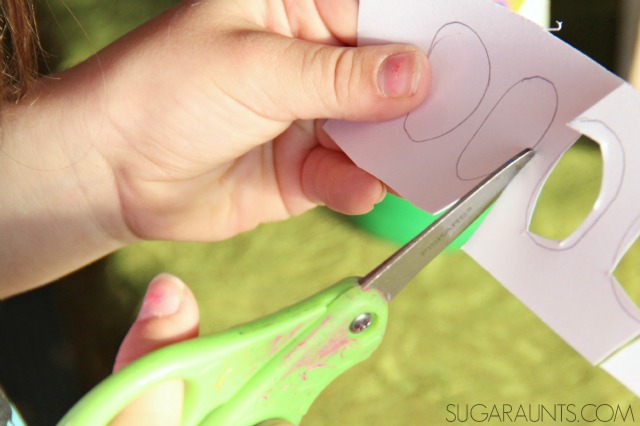
Cut small oval shapes from white cardstock.
Little fingerprint Christmas tree ornament memento based on the book, little tree by e.e. cummings.  This kid-made Christmas ornament is a fine motor workout for intrinsic muscle strength, arch development, and finger isolation.
 
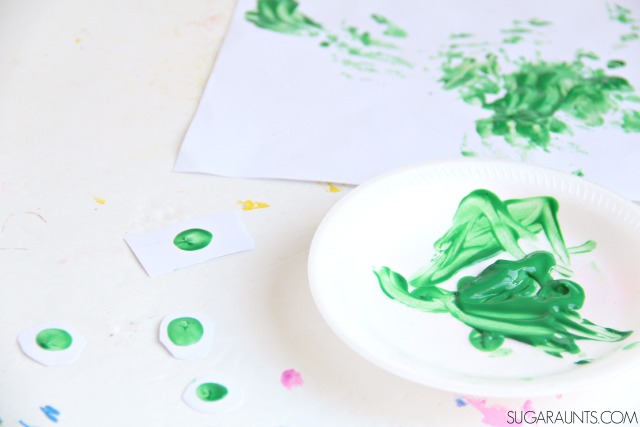
Next, have your kids make fingerprints with green paint on the ovals.


Fine Motor Arch Development

Little fingerprint Christmas tree ornament memento based on the book, little tree by e.e. cummings.  This kid-made Christmas ornament is a fine motor workout for intrinsic muscle strength, arch development, and finger isolation.
To make our fingerprint tree ornaments, we grabbed some corrugated cardboard.  Ok.  If you are looking for a fine motor activity for the kids, grab the nearest cardboard box.  This time of year, you might be receiving packages in the mail.  Save those cardboard boxes!  
 
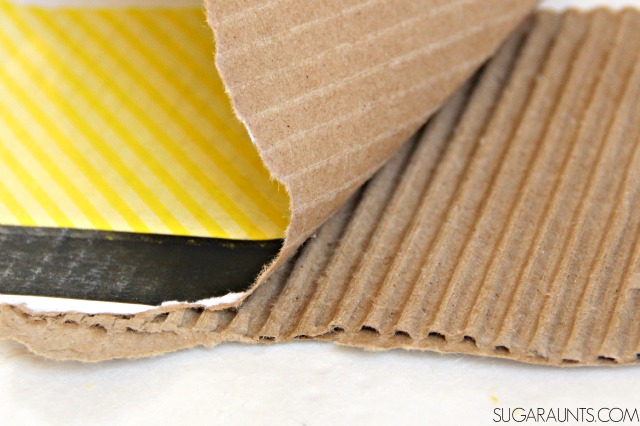
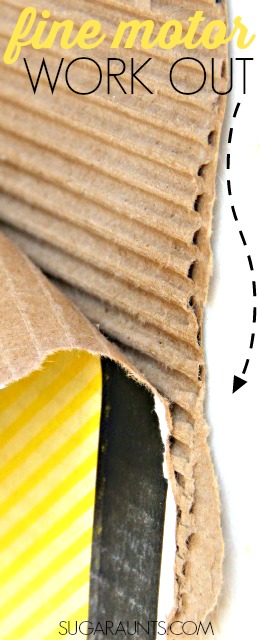
Peeling the top layer from corrugated cardboard really works on arch development of the hands and intrinsic muscle strength.  This is an activity that I love to recommend as an Occupational Therapist.
Little fingerprint Christmas tree ornament memento based on the book, little tree by e.e. cummings.  This kid-made Christmas ornament is a fine motor workout for intrinsic muscle strength, arch development, and finger isolation.
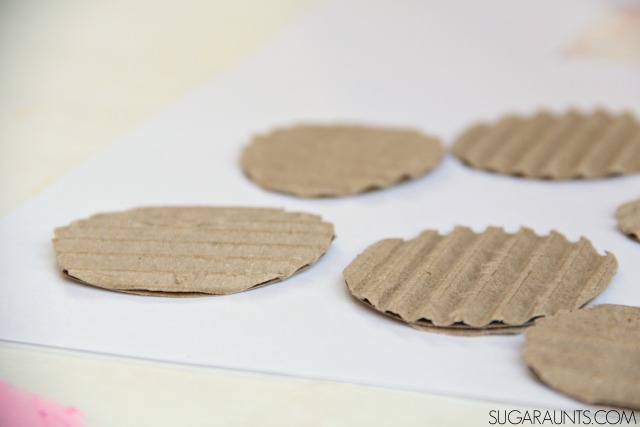
Cut the peeled cardboard into circles.
Little fingerprint Christmas tree ornament memento based on the book, little tree by e.e. cummings.  This kid-made Christmas ornament is a fine motor workout for intrinsic muscle strength, arch development, and finger isolation.
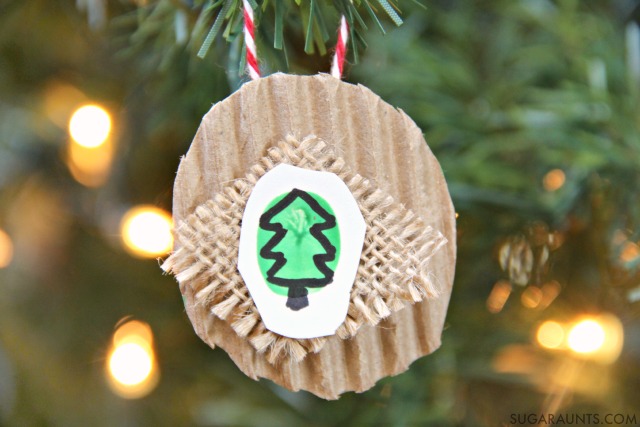
Draw a Christmas tree shape onto the fingerprint.  Add a small piece of  burlap with glue.  Tape a length of  baker’s twine to the back of the ornament. 
 
thumbprint little tree Christmas ornament
 
fingerprint-christmas-tree-ornament-for-kids
 
Hang the little trees in your Christmas tree and  notice how little your child’s fingerprints are! This is an ornament I will cherish as my babies’ (and their fingerprints grow!
This ornament is based on a Christmas book and part of the 10 Days of Kid-Made Christmas series.  
 
Check out the other bloggers who are sharing book related ornaments today:
Rainbow Fish Salt Dough from Artsy Momma
Clay Ornament from Heart of Deborah
Felt Robin Ornament from Mum in the Mad House
Santa Ornament from Inspired by Familia
Elf Peg Dolls from Rhythms of Play
Little fingerprint Christmas tree ornament memento based on the book, little tree by e.e. cummings.  This kid-made Christmas ornament is a fine motor workout for intrinsic muscle strength, arch development, and finger isolation.
 
Try this at home! Pin it here.
Little fingerprint Christmas tree ornament memento based on the book, little tree by e.e. cummings.  This kid-made Christmas ornament is a fine motor workout for intrinsic muscle strength, arch development, and finger isolation.
 
 
More Christmas ornaments you will love:
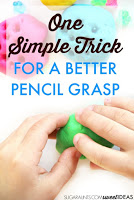
   

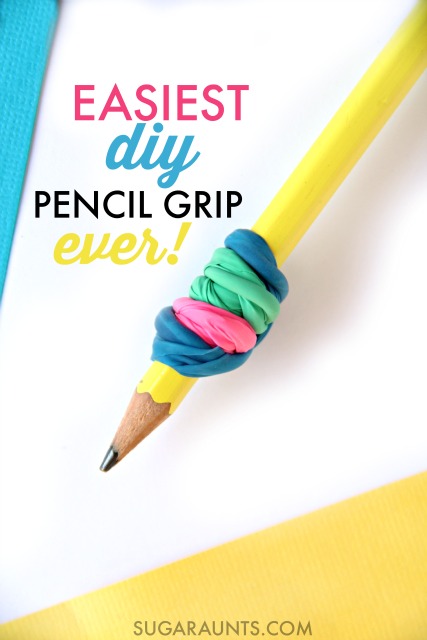
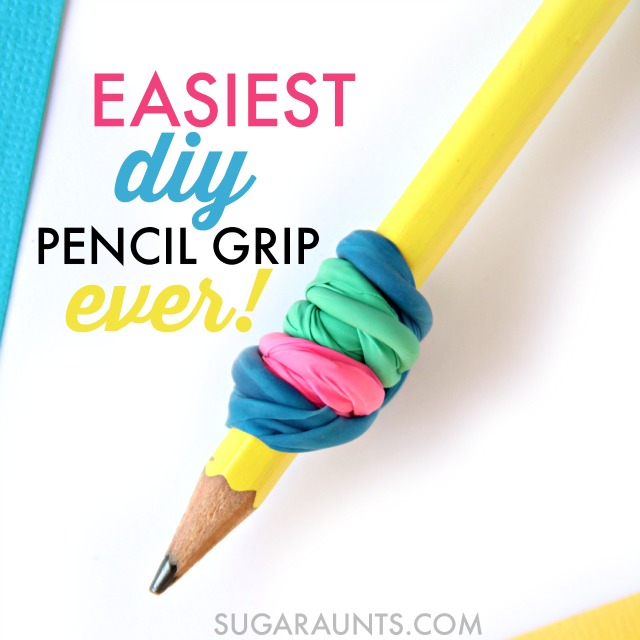
Easiest DIY Pencil Grip Ever!

You might have seen my kids around town with this brightly colored pencil wrapped in a crazy pencil gripper.  They have a new favorite pencil and have been carting it to the karate practice waiting area, the hallways of dance lessons, and even in the wagon during our daily trips to the school bus stop.  It’s our homemade pencil grip and they are loving it!


They’ve been drawing, writing, and scribbling away with a plain old pencil that I glammed up with bright colors and a delightfully press-y DIY pencil grip.


So what makes this pencil grip so appealing?  It’s soft, it’s squishy, it’s brightly colored, and it’s got a great scent that my kids can’t get enough of.  Handwriting has never been so fun!


Make a DIY Pencil Gripper with balloons to encourage a tripod grasp and proprioceptive input during handwriting.


This post contains affiliate links.

Homemade Pencil Grip

If you’ve got a kiddo who needs to work on their pencil grasp, you’ve probably tried about 2,000 pencil grips that are on the market.  There are some really great ones out there.  As an Occupational Therapist who worked in schools, I’ve tried them all.  And my kids are pretty excited that I still have a nice stock of pencil grips on hand for trying out.


Not all pencil grips are the same, and many times, a pencil grip that works for one child will not work for another.  This pencil grip is fun and easy to throw together.  It’s one that you can customize for what your child needs in the way of gripping a pencil…and best of all, it costs about 25 cents to make!


This post would be a perfect fit in our 31 Days of Occupational Therapy series. Head on over to see free and inexpensive ways to work on many Occupational Therapy goal areas.

So what is it that makes this brightly colored homemade pencil grip so fun that your kids will want to carry their pencil all over town? 

Balloons!


Make a DIY Pencil Gripper with balloons to encourage a tripod grasp and proprioceptive input during handwriting.

DIY PENCIL GRIP

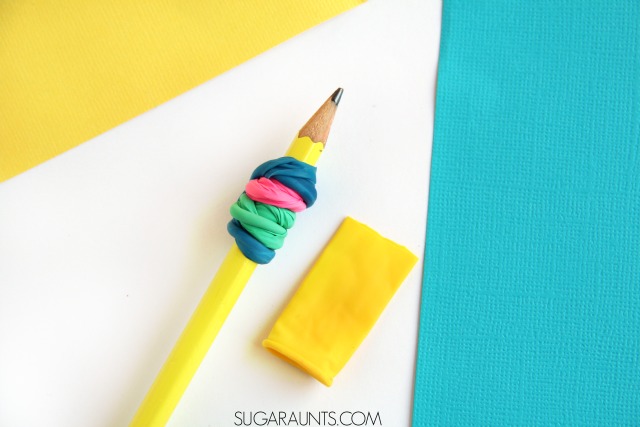
Simply snip off the end of the balloon and wrap it around the pencil two or three times (depending on the size balloon and pencil).  You can add one, two, or five balloons around the tip of the pencil.  The nice thing is that they can be adjusted to fit the grasp of your child.  The rubbery feedback of this DIY grip provides proprioceptive feedback when a child is pinching the pencil.  This is perfect for kids who might press to darkly or lightly on their pencil when writing.


SAFETY NOTE: This homemade pencil grip should ONLY be used with kids who are supervised and will not remove and put small items in their mouth.  Balloons are a HUGE choking hazard and this should not be an experiment if your child might pull off the balloons. Put the pencil and gripper away in a safe place when not using the pencil.  Please use your best judgement in deciding to try this pencil grip with your child.

Just watch!  With such a fun pencil grip, your kid will want to write at karate practice, dance lessons, and the bus stop!

Make a DIY Pencil Gripper with balloons to encourage a tripod grasp and proprioceptive input during handwriting.

More grip and handwriting activities that you will love:
 
As with all posts on this blog, this activity is meant to be used as a resource.  This blog and it’s author(s) are not responsible for adverse effects of this or any activity that is found on this site.