Colleen Beck, OTR/L is a pediatric occupational therapist and the owner and author of The OT Toolbox website. She manages all of The OT Toolbox social media accounts and runs the popular newsletter.
Read about Colleen's experience and career as an occupational therapist, including how The OT Toolbox began on our About The OT Toolbox page: https://www.theottoolbox.com/about-us/
Colleen created The OT Toolbox in 2011 and since then has written thousands of blog posts designed to support therapy providers, educators, parents, counselors, admin, and caregivers in promoting the healthy development of kids.
Check out Colleen's blog posts below:
Here, you will find a variety of information on executive functioning. These are resources curated from around the internet designed to improve executive function. I wanted to create a space that has information on executive functioning skills that can be accessed all in one place. It is my hope that this space is one where you can find strategies and tools for addressing problems with attention, organization, task initiation, planning, prioritization, and many other mental skills that cause so many individuals to struggle. Use these tools, tips, and information to work on executive functioning by starting at the beginning!
If you’ve noticed anything about The OT Toolbox, it may be that I love to share a lot of tools and resources that can help parents, teachers, and of course, occupational therapists. The information in this post are resources and tools that I share on one of our Facebook pages, Executive Functioning Toolbox. Some readers who do not have access to Facebook have asked for access to this collection of information. It’s my hope that THIS can be an executive function toolbox!
1. First, you may want to sign up for our free Executive Functioning Skills Email Course, if you haven’t already. Over the course of 5 days, we’ll cover everything from what executive function means, to the “why” behind actions, and things that may be occurring beneath the surface in the individual with executive function disorder or simply challenges with one or more of the mental skills. You’ll also get great tips and strategies to work on executive functioning skills, too.
Inhibition is a big part of executive functioning skills that play into many other EF skill areas like planning, prioritization, task initiation, perseverance, and more. Here are some Impulse Control Strategies.
Here is a self-test to help determine if you or someone else has an executive function disorder.
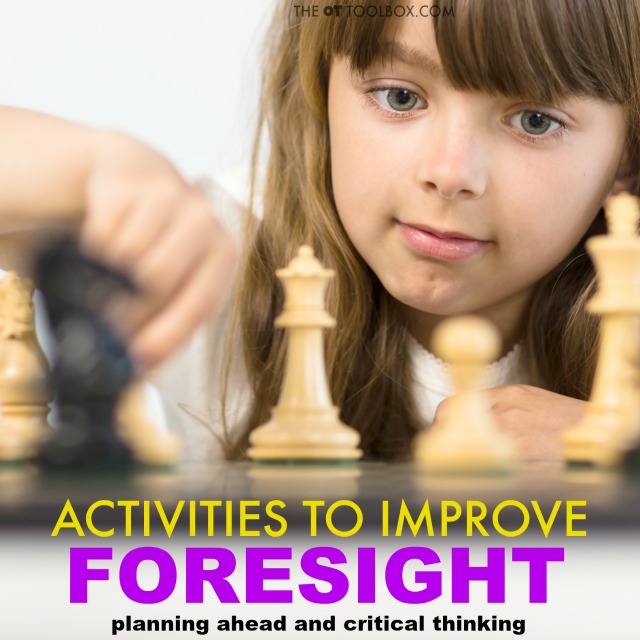
Foresight, or the ability to think ahead, is a big part of executive functioning. This skill works together with working memory, and other skills to allow us to problem solve, plan, and prioritize tasks. Here is more on foresight and activities and games to improve foresight.
“Executive function and self-regulation skills are the mental processes that enable us to plan, focus attention, remember instructions, and juggle multiple tasks successfully. Just as an air traffic control system at a busy airport safely manages the arrivals and departures of many aircraft on multiple runways, the brain needs this skill set to filter distractions, prioritize tasks, set and achieve goals, and control impulses.” Here is more information on executive function and self-regulation.
Looking to add items to your child’s holiday gift list that serve a purpose? Keep these games in mind when choosing gifts for a child who struggles with executive functioning skills.
An introduction to working memory: “Compared to short-term memory, working memory plays a more influential role in students’ academic performance. This is because many academic tasks involve multiple steps with intermediate solutions, and students need to remember those intermediate solutions as they proceed through the tasks. Examples of working memory tasks could include holding a person’s address in mind while listening to instructions about how to get there, or listening to a sequence of events in a story while trying to understand what the story means. In mathematics, a working memory task could involve keeping a formula in mind while at the same time using the formula to solve a math problem.”
Understanding what it’s like to have executive function disorder: “It only took three-and-a-half minutes of simulated executive functioning issues to bring me to tears of frustration. It still makes me panicky to think about it.”
This site has much information, resources, articles, and tools for addressing executive functioning skills and needs in these mental skill areas.
Does a lack of executive function explain why some kids fall way behind in school? This report discusses the idea.
Here is general info on EF skills, anatomy of executive functioning, and a quick list of instruments used to assess executive behavior.
What is executive function disorder, and how is it different than ADHD? Here is a nice explanation.
Here is an assessment of Sensory Processing and Executive Functions in Childhood..
Want to understand more? This article is informative: “There’s no diagnosis called executive function disorder. You won’t find it in the DSM-5, the manual clinicians use to diagnose conditions. But you can still identify weaknesses in executive function by having your child evaluated.
Executive function is complex, so it can be tricky to evaluate. But there are specific tests that look at a wide range of skills that are involved in executive function. These skills include…”
Need ideas to work on EF skills? Here are a few completely free and no-prep games that build executive functioning skills: “Parents who want to stimulate their children’s brain development often focus on things like early reading, flashcards and language tapes. But a growing body of research suggests that playing certain kinds of childhood games may be the best way to increase a child’s ability to do well in school. Variations on games like Freeze Tag and Simon Says require relatively high
levels of executive function, testing a child’s ability to pay attention, remember rules and exhibit self control — qualities that also predict academic success.”
Looking for more information on executive functioning skills? Here is all of the executive functioning skills items on this website that can help.
Colleen Beck, OTR/L has been an occupational therapist since 2000, working in school-based, hand therapy, outpatient peds, EI, and SNF. Colleen created The OT Toolbox to inspire therapists, teachers, and parents with easy and fun tools to help children thrive. Read her story about going from an OT making $3/hour (after paying for kids’ childcare) to a full-time OT resource creator for millions of readers. Want to collaborate? Send an email to contact@theottoolbox.com.
Depth perception is a pretty amazing thing. It allows us to see the world in three dimensions; for us to crawl, navigate stairs, play catch with a ball, drive and many more activities. But what happens if our depth perception is impaired? These activities become exponentially more difficult, and may be even impossible. Read more about visual problems here.
What is Depth Perception?
Depth perception is a visual processing skill that allows us to perceive visual input in multiple dimensions. The American Academy of Ophthalmology describes depth perception as the ability to see things in three dimensions (including length, width and depth), and to judge how far away an object is. Read here for more information to understand this visual skill.
When Does Depth Perception Develop?
We are not born with the ability to perceive depth. In the beginning, we are only able to see two dimensions, making everything appear flat, for the first 6 months of life. During this time, our eyes are not yet working together and monocular vision is predominant.
Around 6 months of age, our eyes begin to work together, and binocular vision, the use of the eyes together, becomes a dominant pattern. Binocular vision patterns is what allows our brains to perceive depth and view the world in a three dimensional way. This is because both sides of the brain are receiving input, and interpreting that information in synchrony.
However, our depth perception must grow and develop over time as new challenges are presented.
As we move through gross motor development from rolling, to sitting, crawling and walking, our depth perception and binocular vision is constantly challenged to meet our gross motor needs.
As the left and right sides of the brain begin to strengthen communication through the reciprocal motor patterns of crawling and walking, our binocular vision, neck strength and neck control is also then indirectly developed.
Impact of Impaired Depth Perception
Impaired depth perception can leave a child with significant challenges in life. Individuals with impaired depth perception may struggle with sports, navigating familiar and unfamiliar spaces, and may even struggle with driving. These are just a few areas that may be impacted, but in reality, all areas of a person’s life are affected by impaired depth perception.
Signs of Impaired Depth Perception
The signs of impaired depth perception are often very subtle and may be missed at a young age or passed off as “slow” to develop, with serious concerns being caught at an older age.
Signs of impaired depth perception include:
Late to crawl or walk Hesitancy or fear of surface changes Resistance to going up and down stairs Exaggerated stepping over lines in the floor or parking lot Frequent falling Inability to catch/hit a ball—early anticipation or late response Runs into furniture, walls or items in a familiar environment that have not changed position Difficulty anticipating turns or space needed to navigate playground equipment and use ride on toys Overshoot or undershoot when reaching for an item Heavy footsteps or stomping up down stairs and over items/changes in floor surface Frequent falling up or down stairs
How is Depth Perception Assessed?
Due to the complexity of monocular and binocular vision, your therapist may recommend an evaluation with a developmental optometrist if they note any of the signs of depth perception impairment above. Chances are that your therapist has also noted other vision concerns during a vision screening that has lead them to suspect poor or impaired depth perception.
Depth Perception Treatment
Depth perception impairments are treated in vision therapy as directed by a developmental optometrist or an occupational therapist with special training in vision therapy. Treatments provided by either professional utilize special equipment, lenses and activities that challenge binocular vision directly.
Final Note on Depth Perception
Poor or impaired depth perception can be identified and addressed at any time throughout childhood. Like many vision impairments, there are a wide variety of presentations and levels of severity in which your child may present with. If left unaddressed, your child may continue to struggle with self care, sports, driving, and many other tasks later in life. If you have concerns, ask your OT for a vision screening and to discuss your concerns.
What if you suspect vision problems?
Now what? When vision problems are suspected after a screening by the OT, it is best practice to refer the family to a developmental optometrist.
A developmental optometrist will complete a full evaluation and determine the need for corrective lenses, vision therapy or a home program to address vision concerns.
As occupational therapists, it is imperative that we rule out vision problems before treating handwriting or delays in visual motor integration, to ensure the best possible trajectory of development and success for the child.
Occupational Therapy Vision Screening Tool
Occupational Therapists screen for visual problems in order to determine how they may impact functional tasks. Our newest Visual Screening Tool is a useful resource or identifying visual impairments. Visual screening can occur in the classroom setting, in inpatient settings, in outpatient therapy, and in early intervention or home care.
This visual screening tool was created by an occupational therapist and provides information on visual terms, frequently asked questions regarding visual problems, a variety of visual screening techniques, and other tools that therapists will find valuable in visual screenings.
This is a digital file. Upon purchase, you will be able to access the 10 page file and print off to use over and over again in vision screenings and in educating therapists, teachers, parents, and other child advocates or caregivers.
Hi Everyone! I am originally from Upstate N.Y., but now live in Texas, and am the Lead OTR in a pediatric clinic. I have a bachelors in Health Science from Syracuse University at Utica College, and a Masters in Occupational Therapy from Utica College. I have been working with children with special needs for 8 years, and practicing occupational therapy for 4 years. I practice primarily in a private clinic, but have experience with Medicaid and home health settings also. Feeding is a skill that I learned by default in my current position and have come to love and be knowledgeable in. Visual development and motor integration is another area of practice that I frequently address and see with my current population. Looking forward to sharing my knowledge with you all! ~Kaylee Goodrich, OTR
We’ve been talking a lot about executive functioning skills here on The OT Toolbox recently. There’s a reason why: so many kids struggle with executive function disorder or just are challenged by sills that make up the executive functions. Planning and prioritizing tasks is a big concern for many kids who struggle. These skill areas are essential for initiating tasks and following through with projects.
How to teach Planning and Prioritization
We know the feeling of being stuck on a big project. It can be overwhelming when we are presented with a task so immense that we spin our wheels with fixing problems. Maybe a big house remodel or other multi-step project comes to mind. For our kids with executive functioning challenges, the smallest project or task can be overwhelming. Planning and prioritization are a big part of that.
In fact, many adults struggle with the skills of planning and prioritization, too. Recently, I’ve had many readers reach out in response to our free executive functioning skills email course. Several readers have indicated that much of the information applies to themselves (and adults) or other adults they know. Planning and prioritization are skills that can be difficult to establish well into adulthood. For the adult with executive functioning difficulties, these are common concerns and challenges. The information below can be a help to children, teens, and even adults.
Has trouble figuring out how to start a big assignment like a book report
Starts a project but then never finishes because they struggle with the steps
Has difficulty remembering and completing all of the steps to when getting dressed and ready for the day
Can’t figure out the most important assignments to complete first
Has trouble when there are more than a few items on a “to-do” list
Can’t sequence a project visually or verbally
Has trouble looking at the “big picture”
Can’t figure out how to find the important items when cleaning out a messy desk
Overwhelmed when planning out the day
The activities listed below can help with the executive functioning skills of planning and prioritization:
Prioritization is another complex executive functioning skill that, when achieved, provides kids with the ability to achieve goals. Deciding on steps of a process and thinking through that process to work toward the most important tasks is a difficult skill for many kids.
When prioritization is difficult for a person, getting every day tasks like getting dressed, completing homework, or multi-step tasks can be nearly impossible.
Prioritization allows us to make decisions about what is important so we can know what to focus on and what’s not as important. Being able to discern tasks that are necessary from those that we should do is crucial.
Prioritization is a critical skill to have, but can take some practice to achieve. Try the activities listed below to support development of this skill.
Activities to Teach Prioritization
Provide opportunities to practice prioritizing by planning simple tasks. Talk about how to build a snowman, how to make a bed, and other tasks they are familiar with.
Discuss the most important steps of tasks. What must be done before any other step can be done.
Show kids photos, and ask for their opinions about what they found to be the most important detail or big idea.
Make to-do lists to help kids plan and prioritize. Once you have everything written down, then rank tasks in order of importance.
Make a list of assignments with due dates. Highlight the things that must be done first.
Create a calendar and schedule.
Create a daily task list. Check off items as they are completed.
Try easy projects. If something seems to “big”, break it down into smaller steps.
How to Teach Planning
Planning is an executive functioning skill that refers to the ability to create a plan or a roadmap to reach a goal. Completing tasks requires the ability to have a mental plan in place so that things get done.
Planning and prioritization are EF skills that are closely related. Additionally, skills like foresight, working memory, and organization enable successful planning.
Planning can be a stumbling block for many with executive functioning challenges. Try the activities below to support the ability to plan out tasks:
Draw out plans. The drawing prompts in the Impulse Control Journal can be a great exercise in using drawing to work on real skills and goals with kids.
Teach kids to create a drawing mind map to plan out a multiple step project.
Teach kids to create lists. Using sticky notes can make planning easier and allow kids to physically move tasks to a “done” pile as they are completed.
Plan a simple task like making a peanut butter and jelly sandwich. Ask kids to write out the steps then check them off as they are completed.
Take planning and prioritization a step farther
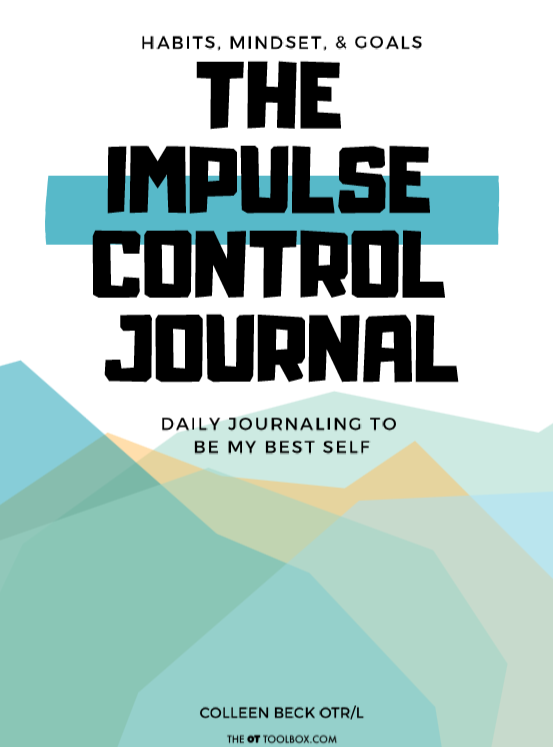
Want to really take executive function skills like planning and prioritization to the next level of success? The Impulse Control Journal is your guide to addressing the underlying skills that play into trouble with planning and prioritization.
The journal is an 80 page collection of worksheets and prompts to discover what’s really going on behind executive functioning skills like planning, organization, prioritization, working memory, and of course, impulse control.
While the guide was developed for students of all ages, this printable workbook is perfect for adults, too. It can help you discover strategies that make a real impact for all of the skills needed to get things done.
Here’s the thing; Everyone is SO different when it comes to struggles related to executive functioning and everyone’s interests, needs, challenges, strengths, and weaknesses are different too. All of these areas play into the challenges we see on the surface. And, this is where the Impulse Control Journal really hits those strengths, weaknesses, and challenges where it matters…in creating a plan that really works for kids of all ages (and adults, too!)
Check out the Impulse Control Journal, and grab it before the end of February, because you’ll get a bonus packet of Coping Cards while the journal is at it’s lowest price.
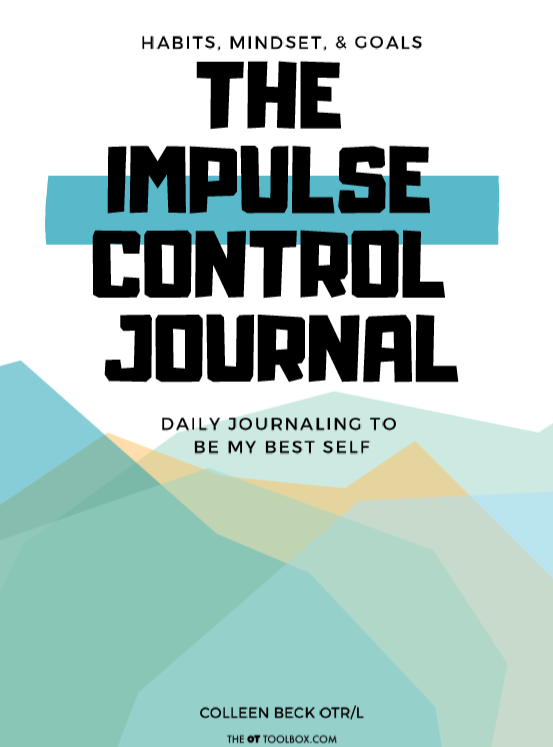
The Impulse Control Journal has been totally revamped to include 79 pages of tools to address the habits, mindset, routines, and strategies to address impulse control in kids.
More about the Impulse Control Journal:
30 Drawing Journal Pages to reflect and pinpoint individual strategies
28 Journal Lists so kids can write quick checklists regarding strengths, qualities, supports, areas of need, and insights
8 Journaling worksheets to pinpoint coping skills, feelings, emotions, and strategies that work for the individual
Daily and Weekly tracking sheets for keeping track of tasks and goals
Mindset, Vision, and Habit pages for helping kids make an impact
Self-evaluation sheets to self-reflect and identify when inhibition is hard and what choices look like
Daily tracker pages so your child can keep track of their day
Task lists to monitor chores and daily tasks so it gets done everyday
Journal pages to help improve new habits
Charts and guides for monitoring impulse control so your child can improve their self confidence
Strategy journal pages to help kids use self-reflection and self-regulation so they can succeed at home and in the classroom
Goal sheets for setting goals and working to meet those goals while improving persistence
Tools for improving mindset to help kids create a set of coping strategies that work for their needs
This is a HUGE digital resource that you can print to use over and over again.
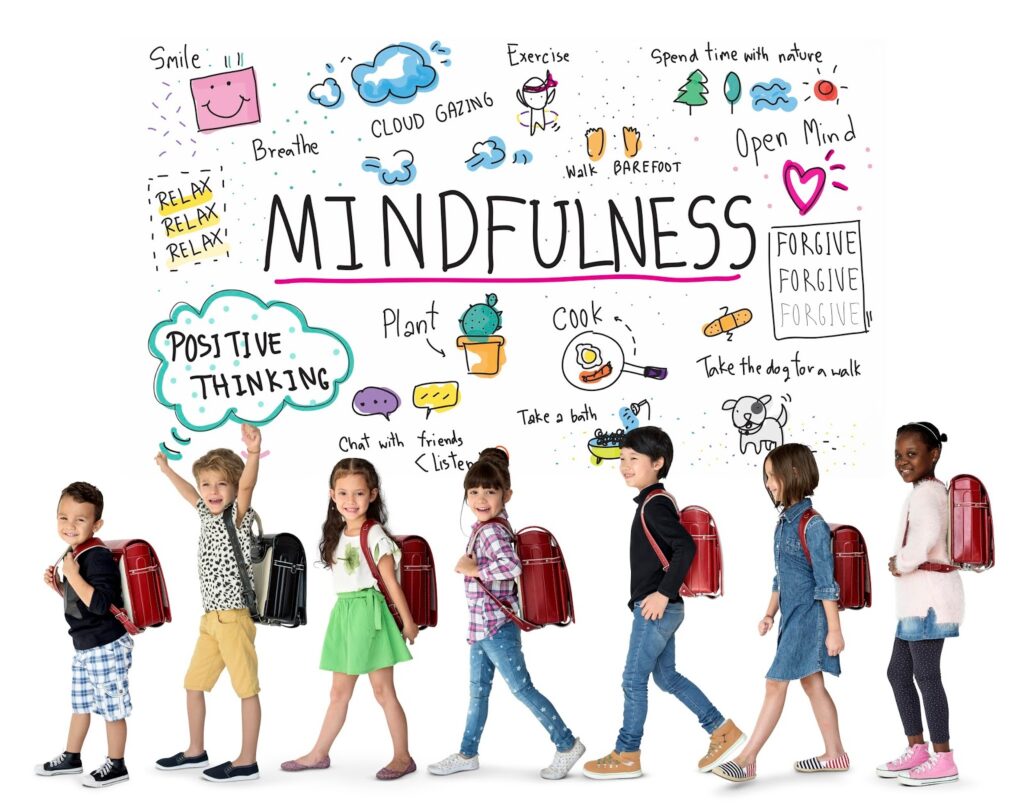
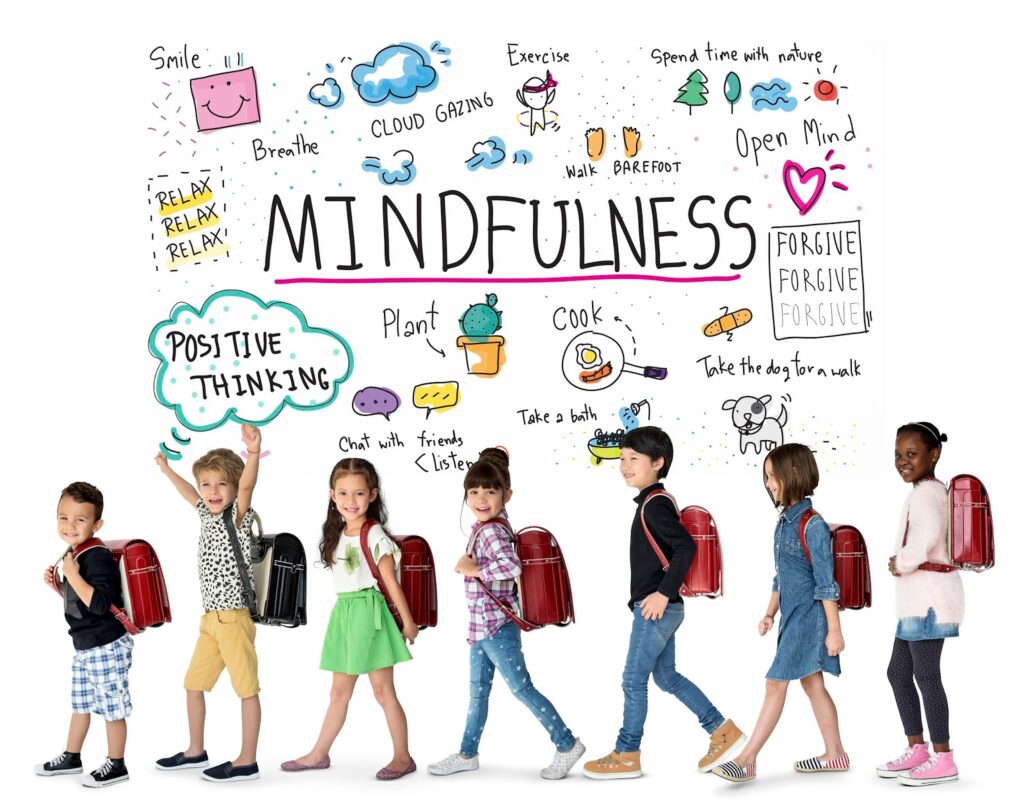
Here, you will find fun mindfulness activities to help kids with creative mindfulness exercises that can help kids feel better, reduce stress, address anxiety, and have a greater awareness of their body and mind. Mindfulness activities for kids can be used as a self-regulation tool or a coping strategy. The sky’s the limit!
Mindfulness is the ability to bring your attention to the events happening in the moment. It allows us to carefully observe our thoughts and feeling, to develop a sense of self awareness. Mindfulness can be done anywhere. It does not require special equipment. It can be as easy as sitting and thinking or visualizing a place in your mind.
Who is mindfulness good for?
Mindfulness is great for any age, including kids. School can be a very overwhelming experience with expectations, rules, noises, crowds. Being able to do fun mindfulness activities can be a good way for children to self-regulate, focus and feel better emotionally and physically. Learning how to self-regulate (being able to manage your own emotions) is an important skill to learn at a young age.
Listed below are some easy, beginning mindfulness activities to try with kids. Looking for more ideas? Here are some mindfulness videos on YouTube.
Mindfulness Activity #1: Mindful Breathing-
Taking deep breaths is so important in relaxation it brings awareness to your body. There are many different ways to teach kids to take deep breaths and then blow out. Using a pinwheel, blowing bubbles, blowing out candles, picturing a balloon opening and closing with breath. Even having your child breath in while you count to 5 and then breath out.
Mindfulness Activity #2: Body Scan-
Have your child lay on his/her back. Tell them to tense up all muscles from head to toe and hold for 10-15 seconds. Then have them release and relax, ask them how they feel. This exercise helps kids to recognize how their body is feeling in a tense vs. Calm state.
Mindfulness Activity #3: Visualization or Guided Imagery–
This is a relaxation technique that is used to promote positive mental images. You can find guided imagery scripts online, pertaining to many different subjects from nature to emotions. Start by having your child close their eyes, while seated or lying down. Slowly read the script and have them visualize the image in their minds, then have them draw a picture of that place and keep it in their desk or at home as a reference to a calm place for them.
Mindfulness Activity #4: Take a Walk-
Being outside and taking a walk is a great way for your child to be present in the moment. Point out the different sounds heard from birds chirping to leaves rustling. Notice the smell of the fresh cut grass or flowers. Feel the different textures of sand and rocks. Notice the sun, wind and clouds. Bring a blanket and lay on the grass, look up at the trees, look at the clouds. Walk over to a pound and listen for frogs, look for fish and throw rocks in to make a splash.
Mindfulness Activity # 5: Stretching/Yoga-
Taking deep breaths and stretching can be a very calming and teaches you to be aware of how your body is feeling. Turn the lights down, put on relaxing music and help guide your child through bedtime relaxation stretches for kids.
Use these mindfulness strategies for kids as a coping strategy, to help with attention in the classroom, to impact learning, or to address self-regulation needs. What’s very cool is that each awareness activity could be themed to fit classroom or homeschool lessons, the curriculum, or seasons. Make these mindfulness activities fit the needs of your classroom, clients, and kids!
Mindfulness is a coping strategy used in The Impulse Control Journal. The Impulse control journal is a printable journal for kids that helps them to identify goals, assess successes, and address areas of needs. The Impulse Control Journal is a printable packet of sheets that help kids with impulse control needs.
The Impulse Control Journal has been totally revamped to include 79 pages of tools to address the habits, mindst, routines, and strategies to address impulse control in kids.
More about the Impulse Control Journal:
30 Drawing Journal Pages to reflect and pinpoint individual strategies
28 Journal Lists so kids can write quick checklists regarding strengths, qualities, supports, areas of need, and insights
8 Journaling worksheets to pinpoint coping skills, feelings, emotions, and strategies that work for the individual
Daily and Weekly tracking sheets for keeping track of tasks and goals
Mindset,Vision, and Habit pages for helping kids make an impact
Self-evaluation sheets to self-reflect and identify when inhibition is hard and what choices look like
Daily tracker pages so your child can keep track of their day
Task lists to monitor chores and daily tasks so it gets done everyday
Journal pages to help improve new habits
Charts and guides for monitoring impulse control so your child can improve their self-confidence
Strategy journal pages to help kids use self-reflection and self-regulation so they can succeed at home and in the classroom
Goal sheets for setting goals and working to meet those goals while improving persistence
Tools for improving mindset to help kids create a set of coping strategies that work for their needs
This is a HUGE digital resource that you can print to use over and over again.
Christina Komaniecki is a school based Occupational Therapist. I graduated from Governors State University with a master’s in occupational therapy. I have been working in the pediatric setting for almost 6 years and have worked in early intervention, outpatient pediatrics, inpatient pediatrics, day rehab, private clinic and schools. My passion is working with children and I love to see them learn new things and grow. I love my two little girls, family, yoga and going on long walks.
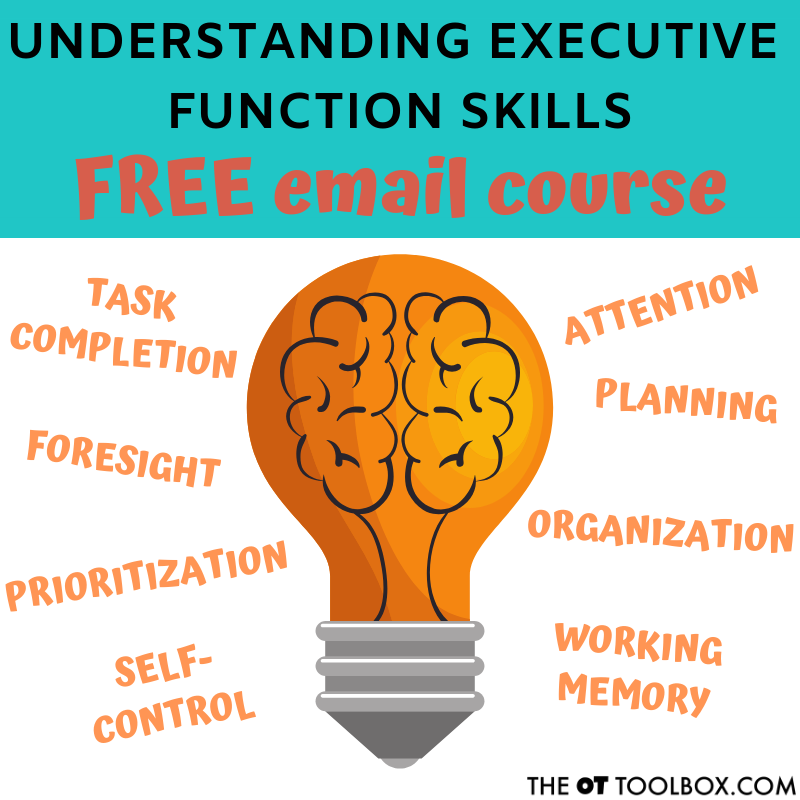
Wondering about what are executive functioning skills? Today, I’m very excited to share a mini course that I’ve been working on behind the scenes. This Free Executive Functioning Skills Course is a FREE, 5-day email course that will help you understand executive functioning and all that is included in the set of mental skills.
So often, therapists are asked to explain executive functioning. Parents are looking for insight and how to help kids who struggle with the underlying areas that play a part in attention, organization, working memory, impulse control, and the other executive functioning skills. Teachers are looking for strategies to use in the classroom while understanding exactly what makes up executive functioning and how to help disorganized kids in the classroom.
Does any of these scenarios sound familiar?
This free executive functioning skills course will cover all of the above and describe strategies to help.
Executive Functioning Skills Course
If you have ever wondered how to help kids who struggle with:
Disorganization leading to impulsive actions and inattention in the classroom
The child that struggles to plan ahead and be prepared for the day
The child that lacks insight to cross a busy street without looking both ways
The student that loses their homework and important papers every day
The kiddo that just can’t get simple tasks done like cleaning up toys on the playroom floor
The child that focuses on other kids rather than a classroom assignment and then doesn’t finish in a given time
The kiddo that is constantly late because he can’t prioritize morning tasks like brushing teeth, eating breakfast, and getting dressed.
Do any of THESE scenarios sound familiar?
So often, we KNOW kids are struggling with mental tasks that limit their functioning, safety, and learning. Here’s the thing: executive functioning skills develop over time. Kids aren’t instinctively able to organize, plan, prioritize, or use self-control. These skills occur with age, time, and use.
But, for the child that struggles in any one area, so many tasks that require executive functioning skills suffer. As a result, we see problems with social-emotional skills, self-consciousness, frustration, anxiety, or more!
Information on Executive Functioning Skills, right in your inbox!
So, if you are wondering about executive functioning skills…or want to know more about how executive functioning skills work together in learning and everyday activities…join us in the free 5-day executive functioning skills email course!
A little more information on the executive functioning skills email course:
This course is entirely email-based. All you have to do is open your email and read!
You’ll discover the “why” behind executive functioning, what to do about impulsivity, tips and tools, and loads of resources related to executive functioning skills.
We’ll cover impulse control, including how we use all of the executive functioning skills along with self-control and self-regulation strategies to “get stuff done”.
This email course doesn’t have homework or tests. This mini-course is informative and low-key.
Enter your email in the form below to confirm your subscription to the email course and you’ll be on your way.
Disclaimer: This email mini-course does not provide continuing education units or professional development units. The course is not intended to treat or evaluate any executive functioning or impulse control needs. This mini-course is intended for information purposes only. The reader is responsible for any action or consequence as a result of strategies listed in the email mini-course or on this website. The OT Toolbox and it’s author are not responsible for any results of actions taken as a result of reading this website or it’s email or social media outlets.
Know someone who would be interested in this free executive functioning skills course? Share the images below and let them know!
What is impulse control and what is normal development of impulsivity in child development?
Speaking out of turn. Pushing into a classmate in the bathroom line. Interrupting adult conversations. Grabbing a toy from a friend. Impulse control in kids can look like a lot of different things. But what is normal self-control in kids and what is considered impulsivity that interferes with social interactions and emotional wellness? Below we’re going to discuss what is impulse control and how to begin to work on impulsivity strategies so kids can succeed in learning and social situations. Helping kids learn impulse control can be tricky! It helps to understand what impulsivity looks like, what is normal development, and other considerations.
Impulse control is literally the ability to stop and think before acting, speaking, or responding to environmental stimulation.
The definition of Impulse control is as varied as we are as individuals. The thing is, we are all driven by different desires and internal ambitions. Impulse control generally refers to the ability to control oneself, especially one’s emotions and desires. The way these impulses present is expressed as actions, thoughts, behaviors and can occur in any situation but especially in difficult situations.
Impulse control requires self-regulation, internal drive, coping strategies, and other internal skills in order to filter impulses as they present in various situations.
Impulse control disorder
In order to present with a diagnosis of an impulse control disorder, a set of specific symptoms and signs must be present. These specific symptoms vary depending on the individual and other factors such as developmental level, age, gender, internal drive, and other considerations. However, the signs and symptoms of impulse control disorder generally include different behavioral, physical, cognitive, and psychosocial symptoms. The specific diagnosing factors are not going to be discussed in this particular post but it is worth mentioning that these can present in many different ways. For example, some kids may have aggression, lying, stealing, risky behaviors, low self-esteem, irritability, impatience, and other presenting factors.
For more information on impulse control disorder and if you think this is a concern that should be addressed in an individual, please reach out to a physician.
Impulsivity definition
Medically speaking, the definition of impulsivity refers to an inclination to act on an impulse rather than a thought. Those of us who are generally impulsive in most situations, have difficulty curbing their immediate reactions or think before they act. This can look like the child that speaks without raising his hand in the classroom. It can be a hasty decision. It can be inappropriate comments.
Impulse control development
The thing is, impulse control is a HARD skill to refine. All of us have trouble with impulse control at one time or another! Think about that last time you received an unexpected bill. Maybe you grabbed a cookie or six to calm your nerves. What about when you ran over a pot hole and ended up with a flat tire on the freeway. Did an expletive escape your lips? Impulse control is hard when our minds and body’s are dealing with difficult situations.
The thing is, that we learn to deal with the everyday stuff without eating dozens of cookies or yelling obscenities at our car radio. We filter information, adjust to situations, and make behavioral, mental, and psychosocial responses accordingly.
How does development of impulse control happen?
Impulse control skills reside in the prefrontal cortex. This part of the brain doesn’t fuly develop until we are in our twenties. It’s easy to see why impulsivity is such a common theme up through early adulthood!
Additionally, sensory modulation, emotions, outside situations, difficult environments, illness, stress, anxiety, and so many other issues can compound impulsive acts.
In fact, impulse control doesn’t begin to develop until around age 3.5- 4.
We will be covering development of impulse control more thoroughly in an upcoming blog post.
What does impulse control look like?
We’ve talked about how impulse control looks so different for different people. We’ve covered the fact that different situations can bring about different impulsive responses.
The thing is, impulse control is so varied!
Here are some examples of impulse control in kids:
Keeping negative thoughts to oneself
Not saying exactly what one is thinking about in the moment
Controlling anger and using a coping strategy instead of physically acting out
Raising a hand instead of speaking out in the classroom
Standing in a line without pushing or shoving
Asking to join a friend’s game or activity instead of jumping right in
Asking to look at or share a toy instead of just taking it
Being patient when having to wait
Waiting for instructions on an assignment before starting right away
Resisting distractions in the classroom or while doing homework
Waiting until dessert to eat a sweet or special treat
Colleen Beck, OTR/L has been an occupational therapist since 2000, working in school-based, hand therapy, outpatient peds, EI, and SNF. Colleen created The OT Toolbox to inspire therapists, teachers, and parents with easy and fun tools to help children thrive. Read her story about going from an OT making $3/hour (after paying for kids’ childcare) to a full-time OT resource creator for millions of readers. Want to collaborate? Send an email to contact@theottoolbox.com.
Usually when a task is familiar, we just jump right in and get started without much thought. How about a new task? Imagine you are going on a trip to a country you have never been. Think about how much planning usually goes into this kind of trip, from where to stay, what to pack, how to get there, what to do while you are there, and on and on. Having a Foresight in a Task can help with planning and problem solving.
You may already have a strategy for doing new tasks, or maybe you are the type that just says you will figure it out as you go along.
Today’s free printable is Foresight in a Task. This worksheet will help you create a framework of ideas to get you started on a task. Enter your email below and this useful PDF will magically appear in your inbox. This item, along with others related to executive functioning skills can also be found in The OT Toolbox Membership.
FORESIGHT IN A TASK
What is foresight? Foresight is the ability to predict future actions, and the act of planning ahead because of forward thinking. Difficulty with foresight is a hallmark of those with executive function disorder.
There is probably research on the success rate of planners versus fly by the seat of your pants people, as there are benefits to both. Perhaps the end product is the same, however, being a planner myself, I can minimize stress and unknowns with a little foresight in a task. When reading the benefits below, think of a large task you need to plan for such as a trip overseas.
Here are some benefits to planning and having foresight in a task:
Efficiency – planning ahead can limit unnecessary stops in the middle for things you might have forgotten (when we travel it is often hard to find things we have forgotten at home).
Minimize stress – having to rethink plans and change directions in the middle of a task can be overwhelming. If you struggle with decision making, having foresight in a task can limit the unexpected decisions and changes you make on the fly (when travelling, there are a ton of variables that go into the trip. Having to keep making decisions and new plans in the middle adds stress).
Group effort – thinking through the steps or parts of a task can allow you to delegate steps up front, as you have a good idea what is involved before you get started (for a trip, planning ahead lets me know how much help I might need ahead of time)
Time management – Planning can give you an idea of how long a task or event will take. Leaving enough time for a task is important when you have timelines involved (when planning for our trip I must be mindful of time management, so we have time to see everything on our list).
Limit waste – waste can come in many forms. Money, time, effort, supplies, and redoing what was done incorrectly can all be different types of waste from not having foresight in a task.
HOW TO USE THE PRINTABLE FORESIGHT IN A TASK WORKSHEET
Now that you have downloaded the free printable worksheet, there are many ways to use it. The task above, our trip to Italy has a lot of working pieces. Our spreadsheets, lists, and charts have been extensive. Hopefully all this upfront work will lead to a smooth and enjoyable trip with few bumps.
Not all tasks need to be this big to benefit from this foresight in a task PDF. Think of it like writing a novel. The title of the task goes at the top (a dinner party). Underneath the title you can either write down everything you can think of that you need to do for a dinner party, or break it down into chapters like a novel. Your dinner party plan might have a list of 25 different items, or be broken down into categories for further planning.
If you choose to break your task down into “chapters” or categories, you might want to have one of these “foresight in a task” worksheets for each category. You might have one for food, guests, chores, shopping list, and a schedule. At this point you can make a list of everything that goes into each category.
This will help save time and money as you head to the store with your prewritten lists. You will be more efficient when getting everything done on time for the party. You will need to have good time management to make sure the food gets finished on time and you serve it in a certain order.
Your task can be much smaller, like cleaning the bathrooms or raking the leaves. No matter the size of the job ahead, it will be easier and worth the effort ahead of time to plan ahead.
HOW TO ADAPT AND MODIFY THE FORESIGHT IN A TASK WORKSHEET
Not everyone learns or processes the same. Therefore, it is a great idea to be able to adapt and modify this worksheet to meet the needs of your specific learner.
Some levels of learners will need more help than others
Provide the broken-down categories up front for your learner
Have a cheat sheet for all the items to think through. This is especially helpful to new or younger learners. They might not think about the time, money, supplies, and sequence of a task.
Show younger learners how to make their task worksheet in chronological order to make it easier to follow.
Once you have created a great flow sheet, think about laminating it or putting into plastic sleeves. You can make a great binder with all the tasks and chores that need to be done.
Laminate the page first – this may be helpful if you do not plan on keeping your flowsheet. Use dry erase markers and wipe the page after using it.
Check out the Executive function and chore handout for ideas on the skills required to complete a task and ways to mindfully incorporate them.
Enlarge the page for easier viewing or filling out.
Create more than one draft. Maybe the first draft just has a list of everything you need to get done. The second draft can have the items in sequential order like a check list.
OTHER TOOLS YOU CAN USE WITH THIS FORESIGHT IN A TASK FREEBIE
Executive function plays a big part in planning a task. It is a higher level of thinking and can be tricky to teach or navigate. Having several resources on hand can be a nice way to teach this lesson.
Drawing Mind Maps – Drawing a mind map is such a fun way to put goals down onto paper and accomplishing them. All of this can be done through drawing, doodling, and sketching a drawing mind map!
The Power of Yet – The power of yet starts with a growth mindset. A growth mindset is “the understanding that abilities and understanding can be developed” (Mindset Works, n.d.)
Breaking Down Goals – Making and keeping goals is hard, but breaking down goals into bite sized, smaller steps can be key to achieving a larger objective.
Goal Ladder worksheet – this is another great resource to use when learning foresight in a task.
final musings on the topic of practicing foresight in a task
I am glad I am a planner, especially when it comes to big tasks like this overseas trip. There will inevitably be things that go wrong along the way, or unforeseen mishaps, but hopefully by planning we can limit the amount of them. I can tell you from personal experience that the words “we will figure it out when we get there” almost makes me break out in hives. As this is a therapy related page, you are likely to be related to, or working with people who need to learn to plan ahead and problem solve. You may be working with teens who need to get organized. The people I work with do not adapt well to sudden change, cannot make quick decisions, and easily shut down when presented with too many obstacles.
Teach them the technique of having foresight in a task to minimize some stress and emotional dysregulation along the way. Throw in a bit of mental flexibility for good measure!
You may be wondering how to teach foresight. Or, maybe you are wondering what foresight is and how it impacts functioning and executive functioning skills. Here, we’ll cover how to teach foresight and other important executive functioning skills through play.
What is Foresight
Foresight is the ability to predict future actions and the act of planning ahead as a result of forward thinking. Difficulty with foresight is a hallmark of those with executive function disorder, but it’s also an executive functioning skill that kids develop over time. Teaching foresight to kids can be easy with a few games and activities, and it can make a difference in strengthening this and other executive function skills.
Helping kids to develop foresight can be a means for teaching consequences. we all have to make decisions with either good or bad results. Having foresight can help us predict and make a better choice!
When a child learns to think using foresight, he or she will be able to more independent in tasks such as schoolwork, self-care, and safety in all situations.
How to Teach Foresight
We’ve explained that foresight is an executive function skill. In fact, the ability to look ahead and use the skill to plan out a task or to accommodate for situations that may occur is an executive functioning skill that works so closely with other EF skills.
Foresight is connected to other executive functioning skills such as planning and prioritization, impulse control, working memory, and attention for example.
Matching clothing to the weather when getting dressed
Thinking to bring an umbrella on a day that seems cloudy and grey
Having all materials needed for the classroom
Clearing the dinner table without being asked
Remembering to feed a family pet because he or she is always hungry at the same time each day…and alerting a parent when the pet food is almost gone
Looking both ways before crossing the street
You can see that foresight is a skill used in everyday tasks, all day long!
It’s important to recognize that foresight in kids is not a given. In the toddler years and preschool years, children have little foresight. They are very scattered in their thoughts and often do not think ahead or think of others. Toward the end of the preschool years and in early elementary years, foresight begins to develop.
Development of Foresight
Development of foresight continues to grow and strengthen but only through practice and repetition. In those with executive function disorder AND every typically developing child, practice and repetition of foresight is necessary.
Below are activities and games to improve foresight and thinking ahead. Use these games and activities with those with executive function disorder and any child with whom would benefit from practicing foresight.
Activities to Teach Foresight
Amazon affiliate links are included in the list below.
Encourage self-talk. Kids can talk themselves through a difficult or complex task.
Teach kids to make lists.
Talk about what to take on a trip to the beach versus a trip to the mountains.
Play imagination games.
Talk about how to plan for emergencies.
Write down what happened at the end of the day. Note strategies or coping skills that worked and what didn’t work. (The Impulse Control Journal can help with this journaling on a daily basis.)
Discuss logical thinking in events or tasks- When you’re pretend games, encourage the child to ask themselves, “If I do this, then my we will do that.”
Talk about budgeting and saving money for things they would like to purchase.
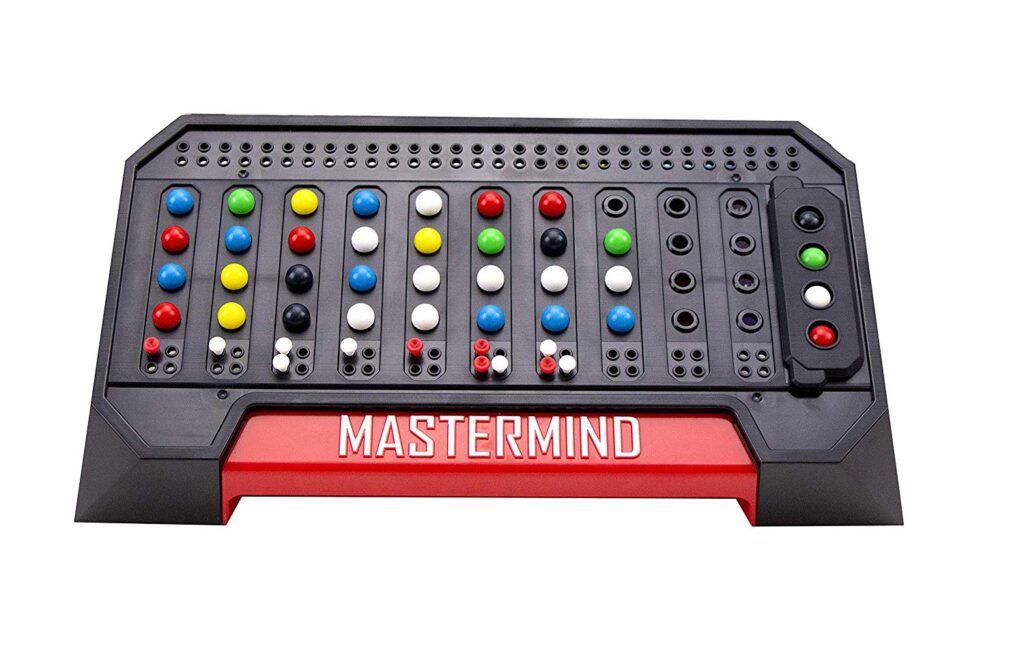
Play Mastermind– This game encourages thinking ahead to solve a code. There are only so many chances to guess the answer, and choosing pieces require foresight and insight.
Discuss everyday tasks with kids and talk about the steps that need to be done. This could include anything from washing dishes to feeding a pet.
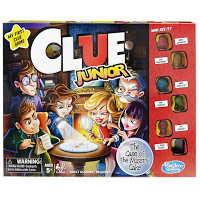
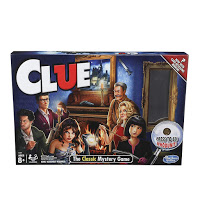
Play the game, Clue. Clue is a board game that encourages logical thinking and critical thinking to solve a mystery. For younger kids, try Clue Jr. to solve the mystery of who ate the missing piece of cake.
Build with blocks.
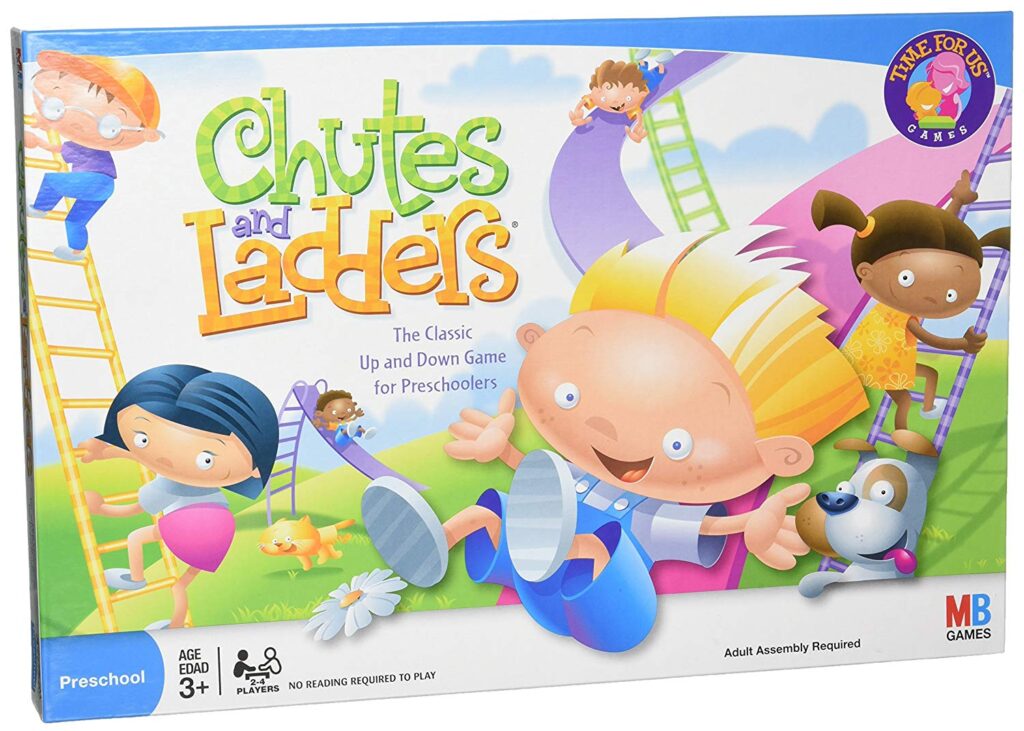
Play Chutes and Ladders– The game shows pictures of actions and consequences.
Tell stories that build on each other.
Play cause and effect games.
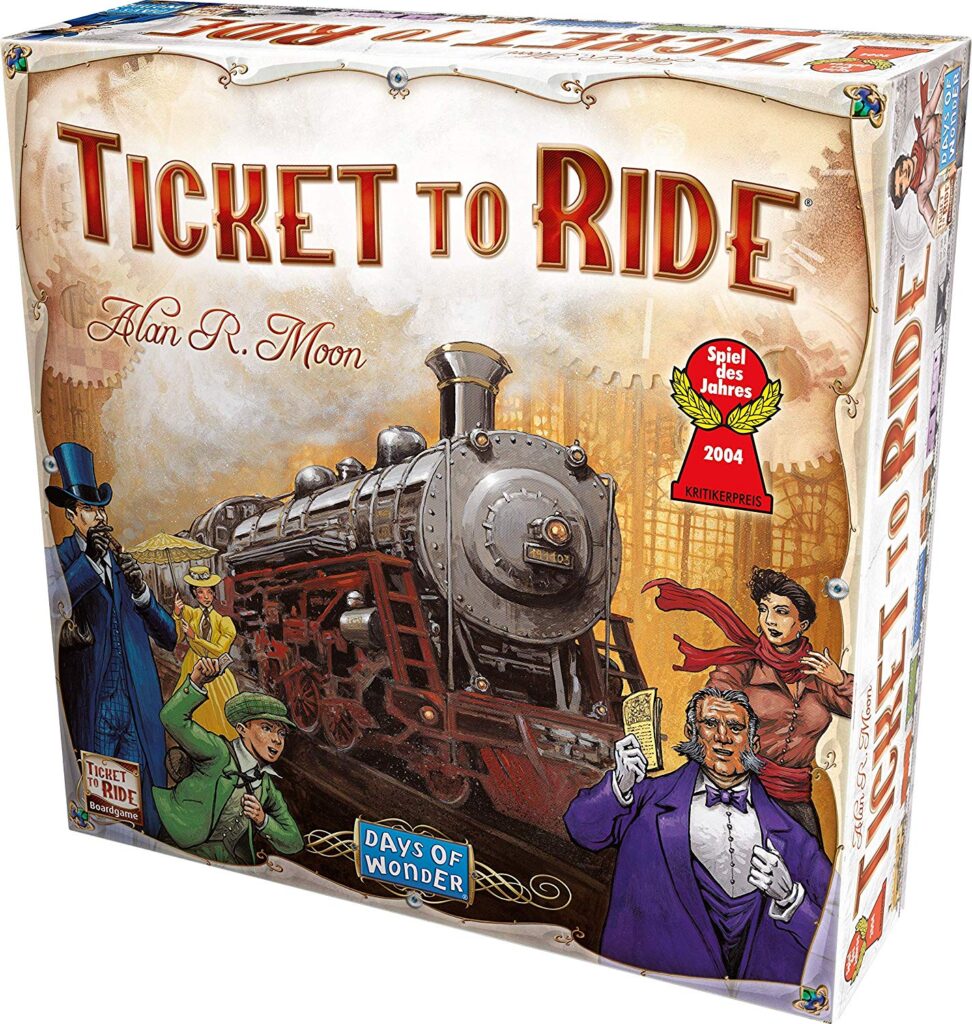
Play Ticket to Ride– In this board game, players must plan ahead for a certain trip and use foresight in practice to make decisions based on their game pieces, cards, and actions of other players.
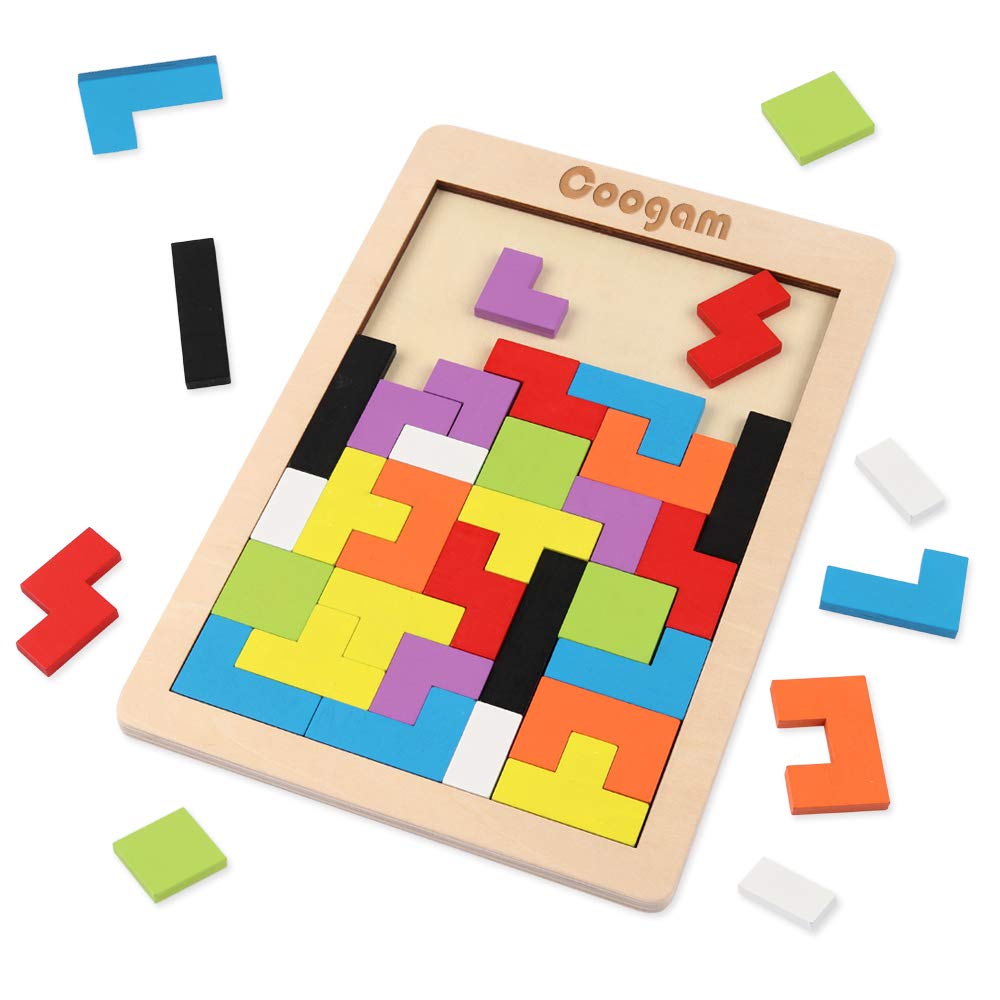
Play Tetris– This is the puzzle version of the old video game from our childhood but with a hands-on approach. Kids can look at the space available and use foresight to position various pieces while keeping other game pieces in mind.
Play checkers and chess.
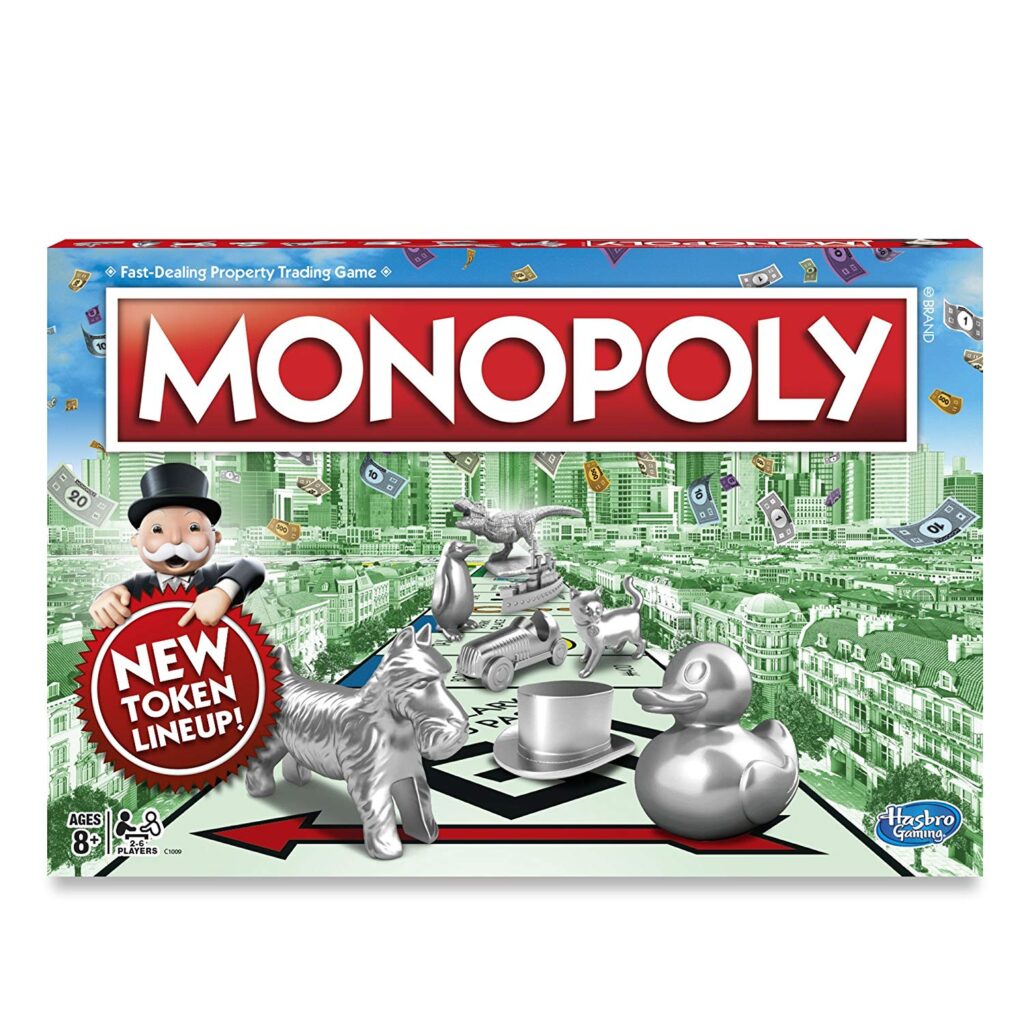
Play Monopoly– This game promotes foresight and the use of critical thinking skills to plan moves, purchases, and use of money.
Plan meals for the week.
Set goals and talk about how to reach those goals.
Try writing things down! The Impulse Control Journal is just the tool to help with outlining strategies that work and don’t work in decision making while strengthening executive functioning skills.
More ways to work on executive functioning skills and those issues that present in executive function disorder:
Want to really take executive function skills like foresight to the next level of success? The Impulse Control Journal is your guide to addressing the underlying skills that play into trouble with planning and prioritization. The journal is an 80 page collection of worksheets and prompts to discover what’s really going on behind executive functioning skills like planning, organization, prioritization, working memory, and of course, impulse control. While the guide was developed for students of all ages, this printable workbook is perfect for adults, too. It can help you discover strategies that make a real impact for all of the skills needed to get things done. Here’s the thing; Everyone is SO different when it comes to struggles related to executive functioning and everyone’s interests, needs, challenges, strengths, and weaknesses are different too. All of these areas play into the challenges we see on the surface. And, this is where the Impulse Control Journal really hits those strengths, weaknesses, and challenges where it matters…in creating a plan that really works for kids of all ages (and adults, too!) Check out the Impulse Control Journal, and grab it before the end of February, because you’ll get a bonus packet of Coping Cards while the journal is at it’s lowest price.
30 Drawing Journal Pages to reflect and pinpoint individual strategies
28 Journal Lists so kids can write quick checklists regarding strengths, qualities, supports, areas of need, and insights
8 Journaling worksheets to pinpoint coping skills, feelings, emotions, and strategies that work for the individual
Daily and Weekly tracking sheets for keeping track of tasks and goals
Mindset, Vision, and Habit pages for helping kids make an impact
Self-evaluation sheets to self-reflect and identify when inhibition is hard and what choices look like
Daily tracker pages so your child can keep track of their day
Task lists to monitor chores and daily tasks so it gets done everyday
Journal pages to help improve new habits
Charts and guides for monitoring impulse control so your child can improve their self confidence
Strategy journal pages to help kids use self-reflection and self-regulation so they can succeed at home and in the classroom
Goal sheets for setting goals and working to meet those goals while improving persistence
Tools for improving mindset to help kids create a set of coping strategies that work for their needs
This is a HUGE digital resource that you can print to use over and over again.
Free Resource: Foresight in a Task
Colleen Beck, OTR/L has been an occupational therapist since 2000, working in school-based, hand therapy, outpatient peds, EI, and SNF. Colleen created The OT Toolbox to inspire therapists, teachers, and parents with easy and fun tools to help children thrive. Read her story about going from an OT making $3/hour (after paying for kids’ childcare) to a full-time OT resource creator for millions of readers. Want to collaborate? Send an email to contact@theottoolbox.com.
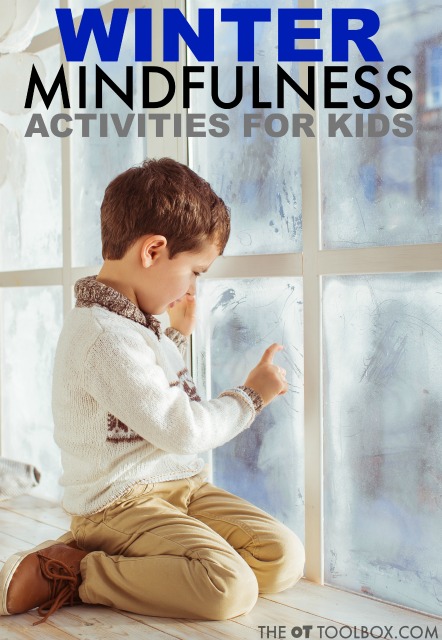
Teaching kids mindfulness techniques can be a way to incorporate self-awareness, self-regulation, and the senses. The winter months, can be a time when mindfulness is especially necessary. The winter mindfulness activities for kids listed below include tips for mindfulness in the classroom and creative mindfulness exercises with a winter theme. These mindfulness activities can be used as a support for so many occupational therapy goal areas. In fact, the benefits of mindfulness are many! Read on to learn more.
You may also be interested in checking out a previous post here on The OT Toolbox where we shared a collection of videos on Mindfulness for Kids over on YouTube.
Winter Mindfulness Activities for Kids
This post is part of our Winter Week here on The OT Toolbox. Each day this week, we’re sharing creative winter activities that can be used in occupational therapy plans, therapy home programs, the classroom, or home!
First, let’s talk about what is mindfulness. Mindfulness is the ability to be aware of one’s actions and self in the moment. Mindfulness is an important part of self-regulation and the ability to regulate our senses, feelings, and body. It allows us to focus on the present moment, while calmly acknowledging and accepting “what’s happening” on the inside. These are our thoughts, feelings, and sensations.
Mindfulness is a skill that allows us to be aware of our body without responding rashly. In kids, mindfulness is important in the ability to pay attention and responding to input from the world around us. For kids, mindfulness is noticing their body and the things happening around them. It has a lot to do with impulse control. Just like any other skill, mindfulness is an ability that develops over time.
It’s easy to see how this skill relates to so many other areas that occupational therapists address: self-regulation, self-confidence, attention, social-emotional skills, coping skills, sensory processing, impulsivity and inhibition, and overall well being.
It’s a big part of treating the whole person!
How to Teach Mindfulness
There are ways to develop and refine self-awareness. The good thing to know that as occupational therapists, we are skilled in the areas that play into mindfulness: sensory processing (including interoception), coping strategies, self-awareness, and self-regulation.
It’s important to recognize that there is no one way to teach mindfulness. Each child is different and with different needs, strengths, and interests. The winter themed mindfulness activities below are just some strategies that teach the skill of self-awareness in a variety of ways. They all have one thing in common though…they are all winter themed!
Winter Mindfulness Activities for Kids
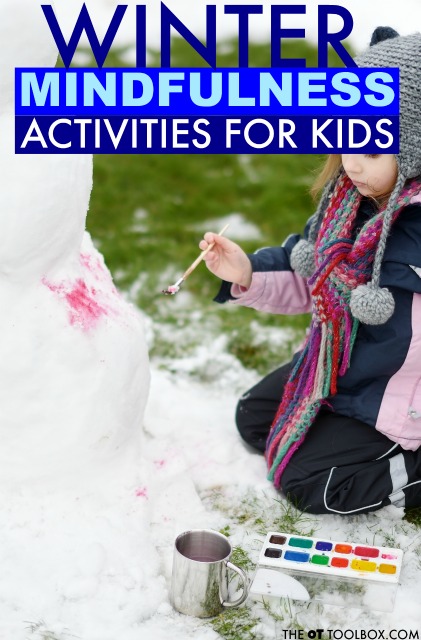
Sensory Snow Painting- If you live in an area with snow, bring some indoors and pull out the watercolors. We shared an activity when this website was just a baby site on painting snow with watercolors. Add some calm and quiet music as you paint to make it a mindful act. Slowly and deliberately attend to the watercolors as they mix together. Add slow breathing for a mindfulness activity that results in a sensory component.
Use what you’ve got! This post from Grow Wise Yoga shares tons of easy and creative ways to use everyday materials in winter themed indoor mindfulness activities. I love that there are suggestions to use craft pom poms, beads, clay, scarves, and other materials that promote fine and gross motor skills in the act of mindfulness, too!
Make a Winter Themed Sensory Bottle- Blue glitter, water, snowflake sparkles or beads…this sounds like a winter sensory bottle idea that would make a great mindfulness tool! In fact, kids can use a sensory bottle to calm down, focus on the moment, concentrate on breathing, and attend to the present moment. A sensory bottle is a mindfulness tool that can be used as a coping strategy and in self-regulation. Here are tips and suggestions for how to make a sensory bottle.
Attending to a sound or sounds can be a way to mindfully focus in a moment. We’ve shared auditory processing activities here on The OT Toolbox that can help with this skill. Some ideas include listening with concentration to a single sound as it moves around a room or changes in volume. Some tools that we’ve shared on our auditory processing page include DIY shaker bottles, bell dominos, DIY rhythmsticks and other tools.
Stretch and move- Intentional breathing combined with stretch as in yoga stretches can be a strategy to teach mindfulness.
Practice Guided Mindfulness- Counselor Kori has some great winter themed printable resources that guide mindfulness including a hot cocoa activity and craft, a snow globe activity and craft, and a snowman mindfulness activity. These can be used to teach mindfulness while exercising the ability to refocus with a centered breathing pattern.
Guided Meditation and Relaxation Script- Follow a guided script to recenter with meditation and mindfulness. Greenchild has some free guided meditation scripts for kids that you can follow within a theme during the winter or all year round.
Looking for more Winter Activities? Be sure to check out the other activities we’re sharing this week!
Looking for a consistent way to support fine motor skills all year? This yearlong fine motor system includes seasonal activity kits and monthly data collection tools to support planning and progress monitoring.
If fine motor planning and data collection feel overwhelming, you’re not alone. This done-for-you yearlong bundle organizes seasonal activities and monthly screening tools in one system.
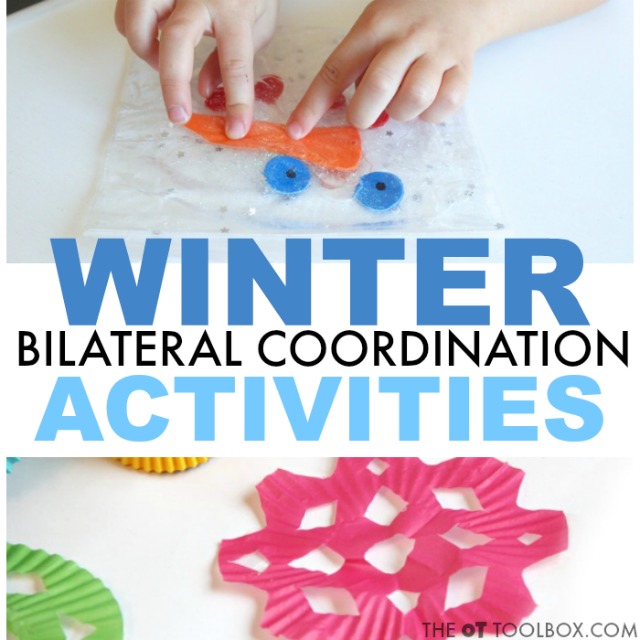
Bilateral coordination is a big topic in child development. The fact is that the coordinated use of the hands is a tricky skill for many kids. Using the hands together in tasks is necessary for hand dominance and tasks like handwriting, managing clothing fasteners, catching and throwing a ball, fine motor tasks, and so many other skills. Below you will find winter bilateral coordination activities. These are winter themed activities that improve bilateral integration and can be used in occupational therapy activities in the winter months. Scroll through the activities below and add them to your therapy toolbox this winter!
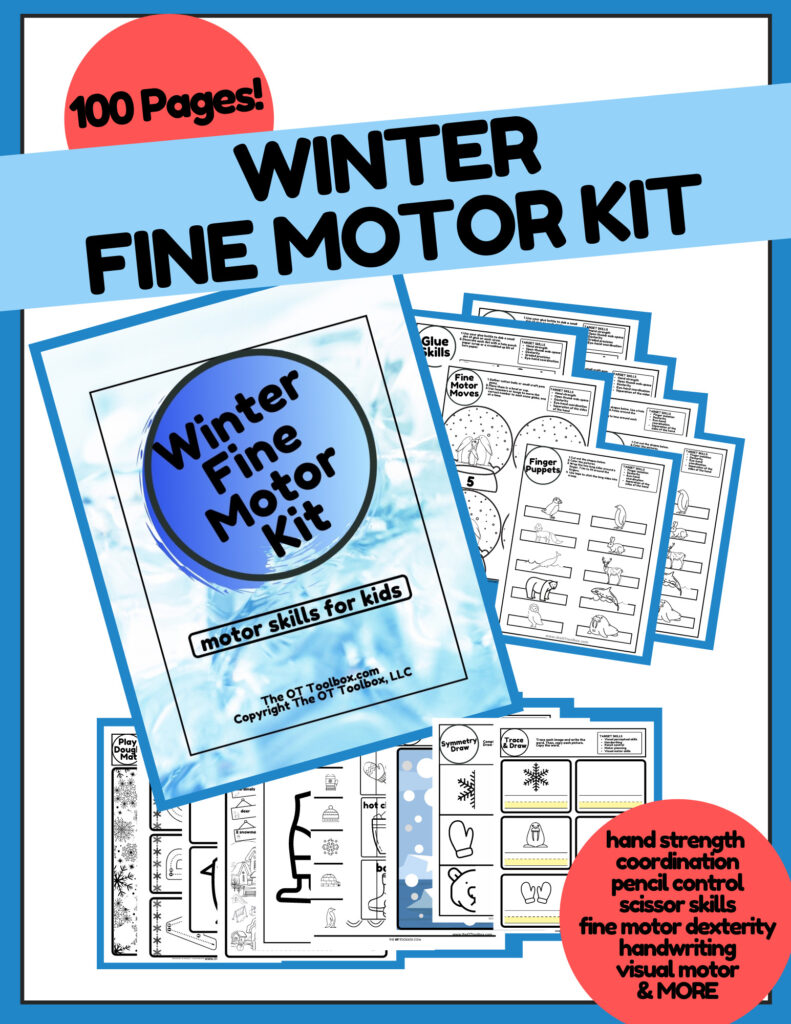
Related: If you are looking for a resource for developing bilateral coordination in kids, try the Winter Fine Motor Kit. It’s loaded with fine motor strengthening activities designed to promote and develop bilateral coordination, all in no-prep materials.
Winter Bilateral Coordination Activities
This post is part of our Winter Week series here on The OT Toolbox. Each day this week, we are sharing activities, ideas, and tips for getting the kids active and moving…and working on occupational therapy goals in the winter months.
For example, these snow globe letter puzzles incorporate bilateral integration using both hands along with visual scanning, crossing midline to find and reach for a matching letter card. The winter-themed activity can be modified to meet the needs of the individual: using less or more cards, incorporating fine or gross motor input, and positioning the cards in different planes or surfaces to work on various levels of bilateral coordination. It’s just one more way to make therapy skills like bilateral coordination fun with a winter theme!
This time of year can be tough on therapists; It’s right after the holidays. If in a cold weather environment, it can be a glum and gloomy time of year with cold temps and shorter days. It can be hard to come up with fresh ideas! That’s why I decided a Winter Week was in order.
Each day this week, you’ll find winter themed activities designed to meet occupational therapy goal areas in fun ways. Here’s what’s going on this week:
On to the Winter Bilateral Coordination Activities! Have fun in OT these winter months!
First, What is Bilateral Coordination?
In short, bilateral coordination is the use of both hands together in a coordinated manner. Development of bilateral coordination begins early in infancy and continues through childhood.
There are three components of bilateral coordination, which include Symmetrical movements, Reciprocal movements, and Dominant hand/supporting hand movements.
These movements require both sides of the body. Also called bilateral integration, the movements of both hands together in activities requires processing and integration of both hemispheres of the brain to enable both hands working together at the same time.
Bilateral coordination is needed for skills like: eating, writing, coloring, drawing, self-dressing, brushing one’s teeth, playing, tying shoes, and so much more!
The winter themed bilateral coordination activities below are ideas for activities that can help to work on coordinated use of both hands in fun activities!
Winter Themed Bilateral Coordination Activities
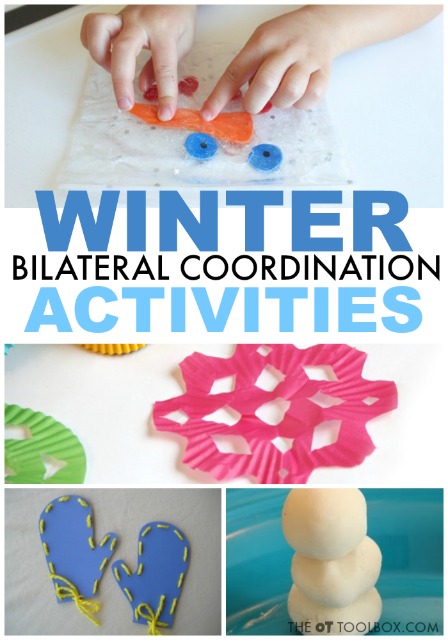
1. Cutting Paper Snowflakes- Folding and cutting are bilateral coordination activities that require both hands being used together. Make paper snowflakes with different textures or types of papers to put a fun spin on this winter activity. Try making paper snowflakes with cupcake liners, paper bags, tissue paper, or large construction paper sheets!
2. Paper Snowmen- Remember making strands of paper dolls? Try making a strand of paper snowmen while working on bilateral coordination while folding and cutting the snowmen.
3. Lacing Mittens- Make a cardboard set of mittens and poke holes around the edges. Then lace with cord, yarn, or string like Fun Family Crafts did with their mitten lacing activity. Lacing is a bilateral coordination activity that boost the skills kids need for tasks like handwriting. Read more about how lacing is such a great activity for kids here. There are several winter-themed lacing cards in the Winter Fine Motor Kit.
4. Play Dough Snowmen- Mixing and rolling dough is a fantastic bilateral coordination activity. Here’s why: By mixing dough, both hands are working together against resistance of the dough, providing a sensory component in the form of proprioception. This feedback can provide a powerful muscle memory to the hands as they work. Kids can mix, stir, and knead while strengthening the hands and arms. This Baking soda dough is perfect for creating snowmen, which require rolling and building…and more bilateral coordination! There are 6 different winter themed play dough mats in the Winter Fine Motor Kit that you can print off and use over and over again.
5. Snowman Sensory Bag- This is such a fun sensory activity that allows kids to work both hands together to move parts of a snowman face while working on finger isolation and dexterity. This snowman sensory bag version from Mama Papa Bubba is very cute!
6. Winter Crossword Puzzle– A writing activity like a crossword puzzle is a great tool to build bilateral coordination skills. When writing, you need to support the paper with the nondominant hand while writing in the small spaces to fill in the crossword. Take the functional task up a notch by challenging users: Work on a vertical surface. Tape the BOTTOM of the page to a wall. Young learners can hold the paper up while filling in the crossword. If they lift up their non-dominant hand from the edge of the page, the paper will fall down.
Looking for more bilateral coordination ideas? Try these:
To end out the Winter Week here on The OT Toolbox, I wanted to create a fine motor worksheets that are a true resource during the winter months. These fine motor worksheets that cover a variety of different fine motor abilities:
These reproducible activity pages include: pencil control strips, scissor skills strips, simple and complex cutting shapes, lacing cards, toothpick precision art, crumble hand strengthening crafts, memory cards, coloring activities, and so much more.
Play Dough Roll Mats- We’ve shared some free play dough mats before. They are perfect for developing bilateral coordination as well as fine motor skills and hand strength needed for tasks like coloring with endurance, manipulating small items, and holding a pencil. Kids can roll small balls of play dough with just their fingertips to strengthen the intrinsic muscles. The Winter Fine Motor Kit contains 6 winter play dough mats that can be used all winter long!
Pinch and Grip Strength Activities- Use these bilateral coordination worksheets to target functional tasks and bilateral coordination. Kids will be challenged to use both hands together in a coordinated matter in addressing glue skills page, tong/tweezer activities, lacing cards, finger puppets, 1-10 counting clip cards, 10 toothpick art pages, find & color page, 5 crumble art pages.
Pencil Control Worksheets- Kids can develop bilateral coordination with a helper hand and their dominant hand while working on pencil control and accuracy. Some of the lines are small and are a great way to strengthen the hands, too.
Cutting Strips and Scissor Skills Sheets- Cutting with scissors is a functional bilateral coordination skill that requires accuracy and precision of a dominant hand and coordination of the helper hand. These winter themed scissor skills worksheets are great ways to strengthen the motor and visual skills needed for cutting with scissors. Also included are 7 scissor skills strips with graded precision designed for data collection and accuracy development, 2 color & cut memory cards, 4 pages simple cutting shapes in small/med/large sizes, 3 pages complex cutting shapes in small/med/large sizes, 2 small and 2 large cutting skills puzzles.
Handwriting Sensory Bin Materials- Help kids with bilateral coordination using the winter-themed A-Z uppercase and lowercase tracing cards with directional arrows, 1-10 tracing cards with directional arrows, 1-10 counting cards. Using the sensory bin materials can develop tactile handwriting, letter and number formation, finger isolation, crossing midline, sensory challenges with both hands as they scoop, pour, trace, and explore sensory bins.
Fine Motor Handwriting Sheets AND “I Spy” Modified Paper–Try the 4 Find/Color/Copy pages in different styles of modified paper, rainbow writing pages in 3 styles of modified paper. These handwriting worksheets use the winter theme to help with using a helper hand in handwriting activities and coloring tasks.
Write the Room Activities- Using a winter theme, these Write the Room cards includes: 5 lowercase copy cards, 5 uppercase copy cards, 5 lowercase tracing cards, 5 uppercase copy cards, 6 cursive writing copy cards, 2 styles of writing pages. TARGET SKILLS: Letter formation, pencil control, visual motor skills, visual attention, visual memory, line placement, functional handwriting at all levels and stages.
Looking for a consistent way to support fine motor skills all year? This yearlong fine motor system includes seasonal activity kits and monthly data collection tools to support planning and progress monitoring.
If fine motor planning and data collection feel overwhelming, you’re not alone. This done-for-you yearlong bundle organizes seasonal activities and monthly screening tools in one system.
Colleen Beck, OTR/L has been an occupational therapist since 2000, working in school-based, hand therapy, outpatient peds, EI, and SNF. Colleen created The OT Toolbox to inspire therapists, teachers, and parents with easy and fun tools to help children thrive. Read her story about going from an OT making $3/hour (after paying for kids’ childcare) to a full-time OT resource creator for millions of readers. Want to collaborate? Send an email to contact@theottoolbox.com.