Fall Tactile Sensory Activities

Help kids tolerate tactile sensory play with these Fall tactile sensory activities.
This time of year, it’s fun to encourage Fall tactile sensory activities to promote and encourage the sense of touch and tactile challenges. Kids will love these Fall tactile sensory activities.  Kids and families can get involved in these fall and harvest themed activities that just might start a new seasonal tradition while encouraging sensory play!
 
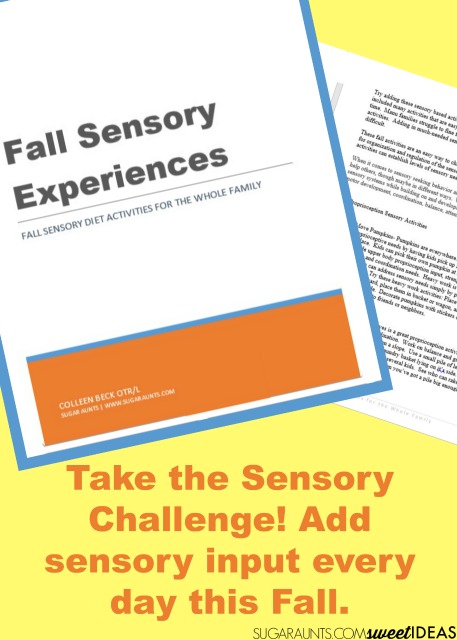
For more Fall fun, grab our free Fall Sensory Activities booklet. It’s full of sensory activities that celebrate the season AND promote motor skills through sensory experiences. The activities in this free booklet are a fun way to encourage motor movement and development through fall sensory activities. Scroll to the bottom of this blog post to grab your copy!


Fall tactile sensory play ideas for families and kids


Fall Tactile Sensory Activities

 
This post contains affiliate links.
 
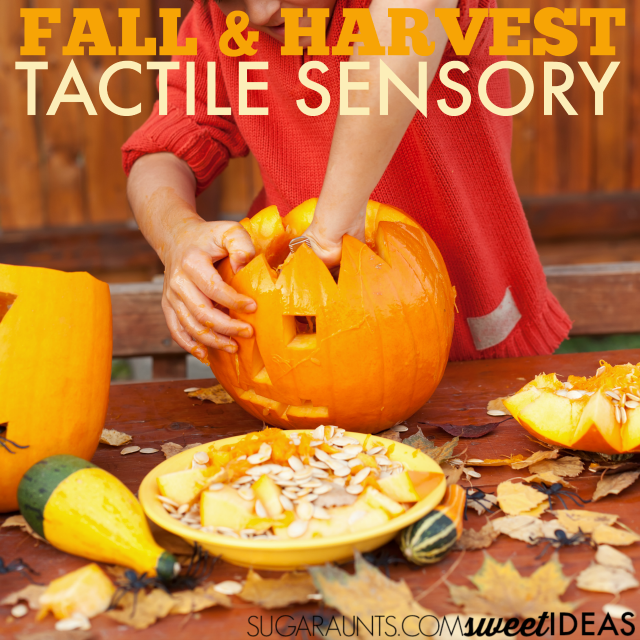
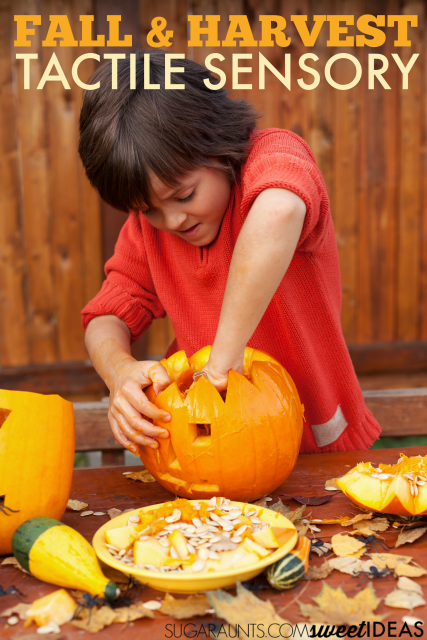
1.     Pumpkin Seed Scoop- Carving a pumpkin is an excellent sensory experience.  When it comes to scooping out the pumpkin guts, kids can challenge their tactile sense by touching and moving the seeds.  For kids who are not able to tolerate this task, try using latex free gloves.  Kids can also try pulling off the pumpkin’s seeds from the innards using tweezers.  Once the seeds are removed, allow kids to rinse the seeds in a colander and strain them into containers.  Use scoops and spoons of different sizes to address visual motor integration skills as they move and manipulate the wet seeds. Pinching individual seeds is an excellent fine motor task.
 
2.     Marshmallow Pinch- Kids that have made s’mores know that managing that sticky marshmallow is a messy experience.  Embrace the mess with a marshmallow pinching activity that will challenge the sense of touch.  Warm a marshmallow over a fire or in the microwave.  Allow it to cool to the touch and ask kids to pinch and pull the sticky marshmallow.  Use the pointer finger and thumb to pinch the marshmallow while addressing hand strength and pincer grasp.  Use the stringy marshmallow to create a textured sort of paint by placing the marshmallow on paper.  This is a taste-safe tactile sensory experience that kids will love.
 
 
3.     Pumpkin Bin- Address sensory needs by creating a sensory bin with a pumpkin theme.  Use egg cartons to create pumpkins and place them in a sensory bin filled with field corn or rice.  Here is an example of how to create this sensory bin. 
 
4.     Fall Texture Feel- Gather various textures from nature to create a multi-textural sensory experience.  Use leaves, sticks, acorns, small pumpkins and gourds, or dry corn husks for kids to explore various textures.


Fall harvest tactile sensory play ideas for kids and families


More Fall and Harvest themed tactile sensory play ideas:

Create a sensory bin with leaves.  Hide small items in the leaves for kids to feel and find.

Make Fall Slime for messy sensory play.

Make a Fall sensory bin like this one at Fantastic Fun and Learning.

Fall Tactile Sensory Activities and more:

Encourage tactile sensory tolerance this Fall AND address other sensory needs while experiencing all that the Fall season has to offer! Grab your free copy of the Fall Sensory Experiences Booklet to create sensory diet activities that meet the needs of individuals in a Fall-themed way! Enter your email address below and you will find the Fall Sensory Experiences Booklet delivered right to your inbox. Enjoy!

Fall Vestibular Sensory Activities

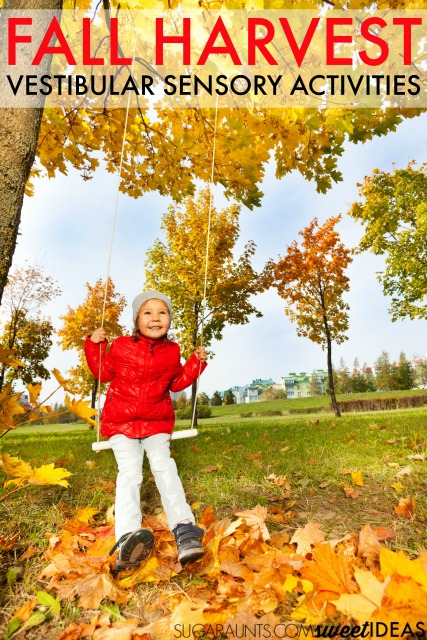
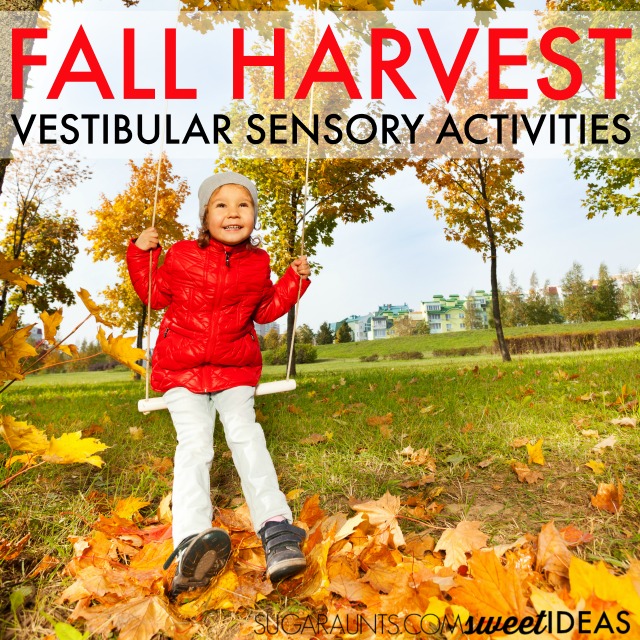
Fall means jumping in piles of colorful leaves and it’s a season of vestibular sensory input. Moving, jumping, rolling, hopping, and swinging are vestibular activities that are sensory based movements that challenge the body’s ability adjust to changes in gravitational pull and movement. The vestibular sensory system can be rhythmical and calming or unpredictable and alerting. These Fall vestibular sensory activities are fun for the whole family.


Fall Vestibular Activities


Each of the sensory based Fall activities below can be used in various ways to challenge and support the sensory needs of a child.  When looking for family activities that take in all that Autumn has to offer, why not make it a sensory experience that will build traditions? 

It’s important to remember that a small dose of vestibular sensory input can impact the entire day.  Children may seek out sensory input but dislike other aspects of vestibular input. Other children may prefer different amounts or types of sensory input.  Be sure to consult your child’s Occupational Therapist.  The information and activities in this blog post and anywhere on this blog are intended nor recommended as a substitute for medical advice, diagnosis, or treatment. Always seek the advice of a registered occupational therapist, physician, or other qualified healthcare professional regarding any medical questions or conditions.


Try these vestibular sensory activities with the family this Fall


Fall Sensory Activities

 
Affiliate links are included in this post:
 
1.     Leaf Roll- Create a pile of leaves and roll in them for a vestibular component.  Try somersaults and log rolls in the lawn.  Rolling and tumbling is a great way to address vestibular needs by adding movement and challenging the positioning of children.  Set up a lawn obstacle course with piles of leaves with each station requiring different movement activities.  Be sure to check kids for ticks if you live in an area that has ticks.


2.     Leaf Swing- Kids can enjoy the scents and sights of Fall’s leaves with this activity with an added benefit of vestibular sensory input.  This activity requires a strong adult. Use a blanket to create a swing for the child.  Ask the child to lay or sit on a blanket.  Gather up all corners of the blanket and swing the child carefully just above the ground.  Lower the child into a pile of leaves.  If you don’t have leaves in your area, do this activity indoors over pillows.
 
3.     Swing and Throw Leaves- Use a playground swing for this activity.  Ask the child to lay belly down on a swing seat, superman style.  They hold and toss fall leaves as they swing back and forth.  Don’t have leaves in your area? Cut leaves from construction paper and ask the child to toss one as they swing back and forth.  Then, ask the child to gather up the leaves and do this activity again while sitting on the swing.
 
4.     Hayride- Use your local resources to attend a fall festival and ride on a hayride.  This time of year, most areas have hayrides available.  Riding over the bumpy terrain is an excellent vestibular activity. If you don’t have a hayride available in your area, try a wagon ride in the yard.  While riding, ask kids to notice the area, looking for colors, sights, and sounds of Fall.  Ask your child to find three orange things or two things that move while they are riding.


Fall vestibular sensory activities for the family.


More vestibular sensory activities for Fall: 

    Make a leaf balance beam
Catch leaves as they fall
Somersaults in leaves
Jump in leaves
Run through leaves
Pumpkin patch walk on slopes and hills
Wagon ride to look at leaves
Jump on a trampoline with leaves
Scatter small sized piles of leaves on a drieveway and bounce a ball into the leaf piles
Dance outside
Outdoor yoga
Leaf obstacle course
March through leaves
Simon Says, Fall-style (Simon says jump in leaves, etc)


Looking for vestibular sensory input tools for home, school, or therapy recommendations? Try the ones listed in our Free Fall Sensory Activities Guide:


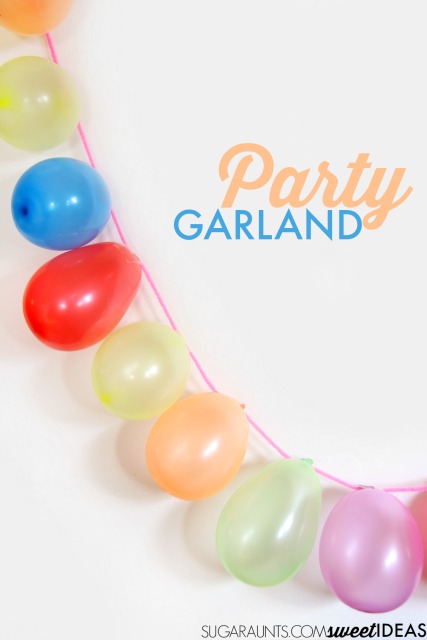
Balloon Garland for Parties

We had a birthday in our house this week.  I have a new five year old and when you are five, parties mean balloons.  I made this super simple balloon garland for the birthday girl’s special day.  Making a balloon party garland is perfect for busy moms because they come together so quickly.  With four kids and MANY parties under my belt, I love easy party decor.  

Make this balloon garland for a photo backdrop, a draping across a doorway, or a tablescape feature.  


Balloon garland for parties- This would be perfect for kids' birthday parties as a photo backdrop, tablescape feature, or strung across the room.

Balloon Party Garland

This post contains affiliate links.

You’ll need just a few items for this DIY garland:
Balloon garland for parties- This would be perfect for kids' birthday parties as a photo backdrop, tablescape feature, or strung across the room.
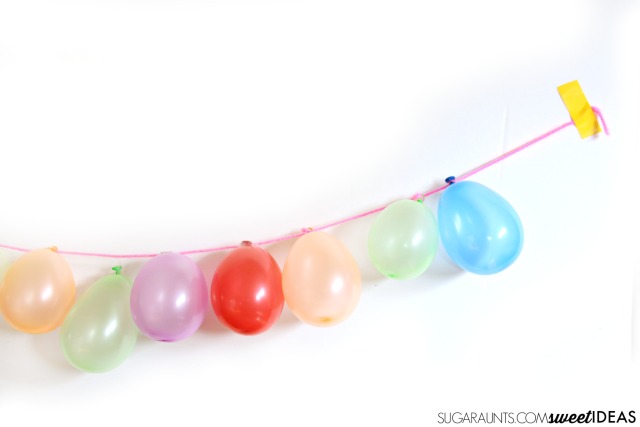
Use the Balloon Hand Pump to blow up the balloons.  Tie the balloons off with a knot.  Use the tape to tape the balloon knot down over the yarn.  Position the balloons close together on the yarn.  Make the garland as long as you need for your party decor.
Balloon garland for parties- This would be perfect for kids' birthday parties as a photo backdrop, tablescape feature, or strung across the room.
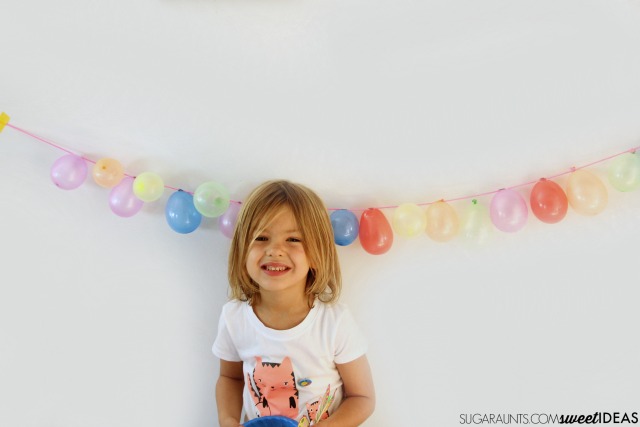
Tape the garland to a wall for an easy photo backdrop like we did for this birthday girl!
Balloon garland for parties- This would be perfect for kids' birthday parties as a photo backdrop, tablescape feature, or strung across the room.

Looking for more birthday party inspiration?  You’ll love these:

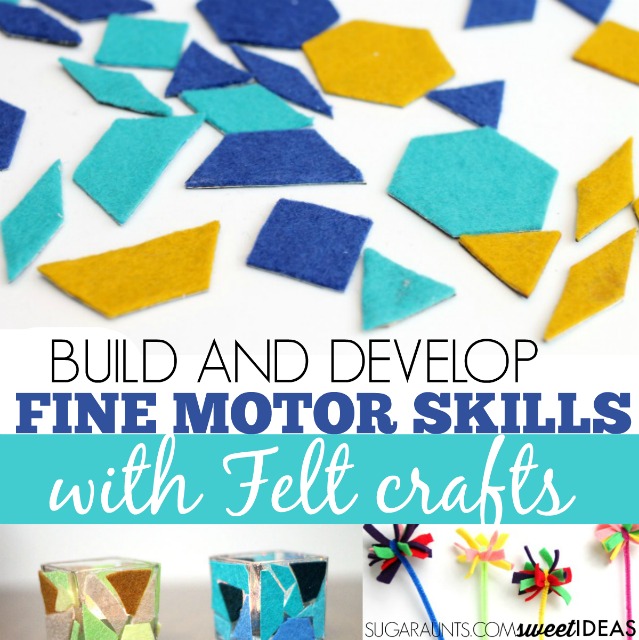
Boost Fine Motor Skills with Felt Scraps

Kids can use arts and crafts as a therapy tool.  From the relaxation and calming sensations that crafts inspire to the fine motor skills and therapeutic motor movements that cutting, building, and creating provide, crafts have long been a therapy tool for every diagnosis.


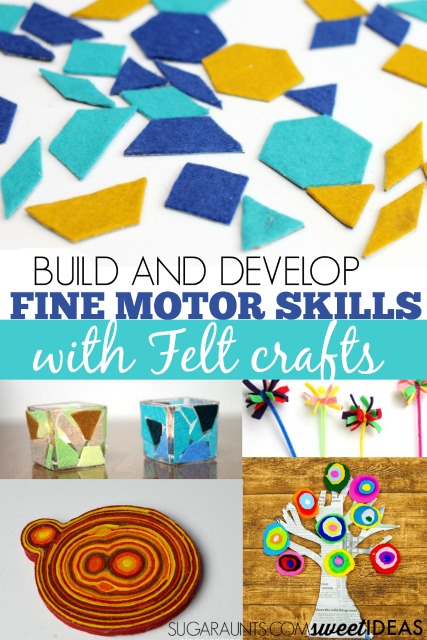
Using what you’ve got in the house or therapy clinic is one of the best ways to encourage creativity.  When you’ve got the materials on hand, creating is as easy as pulling out the glue.  Today, I’m sharing a collection of creative and fun crafts that use felt scraps.  


Use felt scraps to create felt crafts while building fine motor skills and other therapy skills like eye-hand coordination, strength, problem solving, range of motion, and more.

Use Felt Scraps in Therapy to Boost Fine Motor Skills


Try these activities as a therapeutic craft to boost fine motor skills, visual motor integration, problem solving, imagination, upper body range of motion, posture, endurance, participation, and social emotional skills.


Felt Mosaic Votive Holders from Mom and Crafters are a great way to encourage scissor skills and eye-hand coordination. 


Rainbow Cork Penguin Ornaments from Red Ted Art can boost fine motor skills including pincer grasp and bilateral coordination.


Nature Owls from Messy Little Monster encourage scissor skills, bilateral coordination, pincer grasp, and eye-hand coordination.


Felt Owls from Hattifant may provide neat pincer grasp, bilateral coordination, pinch and grip strength, and eye-hand coordination.


Kandinsky Inspired Felt Trees from Mum in the Mad House provide an opportunity for developing scissor skills, bilateral coordination, and visual perceptual skills.


Felt Coasters from Zing Zing Tree encourage a development of bilateral coordination, eye-hand coordination, pinch and grip strength, and in-hand manipulation.


DIY Pattern Blocks use felt to create tangrams.  Use them to boost visual perceptual skills.  Pair these with our Visual Perception and Tangrams workbook to help with handwriting skills.


DIY Woodland Play Mat from Adventure in a Box builds imagination and pretend play, encouraged language and self-confidence and can help with social emotional skills.


Felt Scraps Fairy Wands provide a fine motor activity while encouraging range of motion, pinch strength, and eye-hand coordination.


Affiliate links are included in this post:


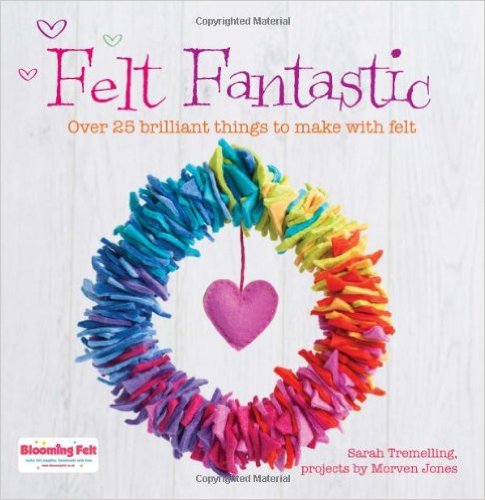
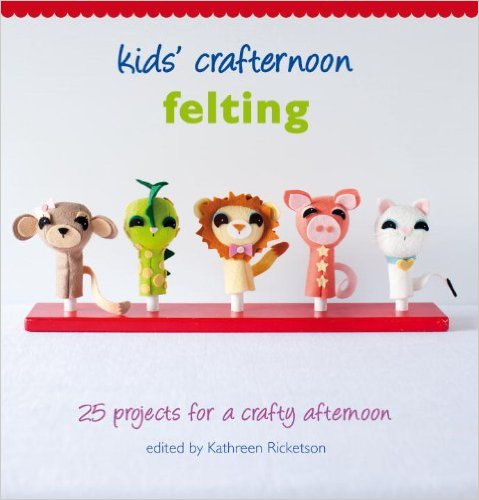
 Felt scraps craft book for kids
Felt Fantastic book shares 25 felt crafts that are perfect for building fine motor skills in every age range.
Kids Crafternoon Felting Projects is perfect for boosting problem solving skills through arts and crafts with a fine motor component.
 Felted crafts for kids
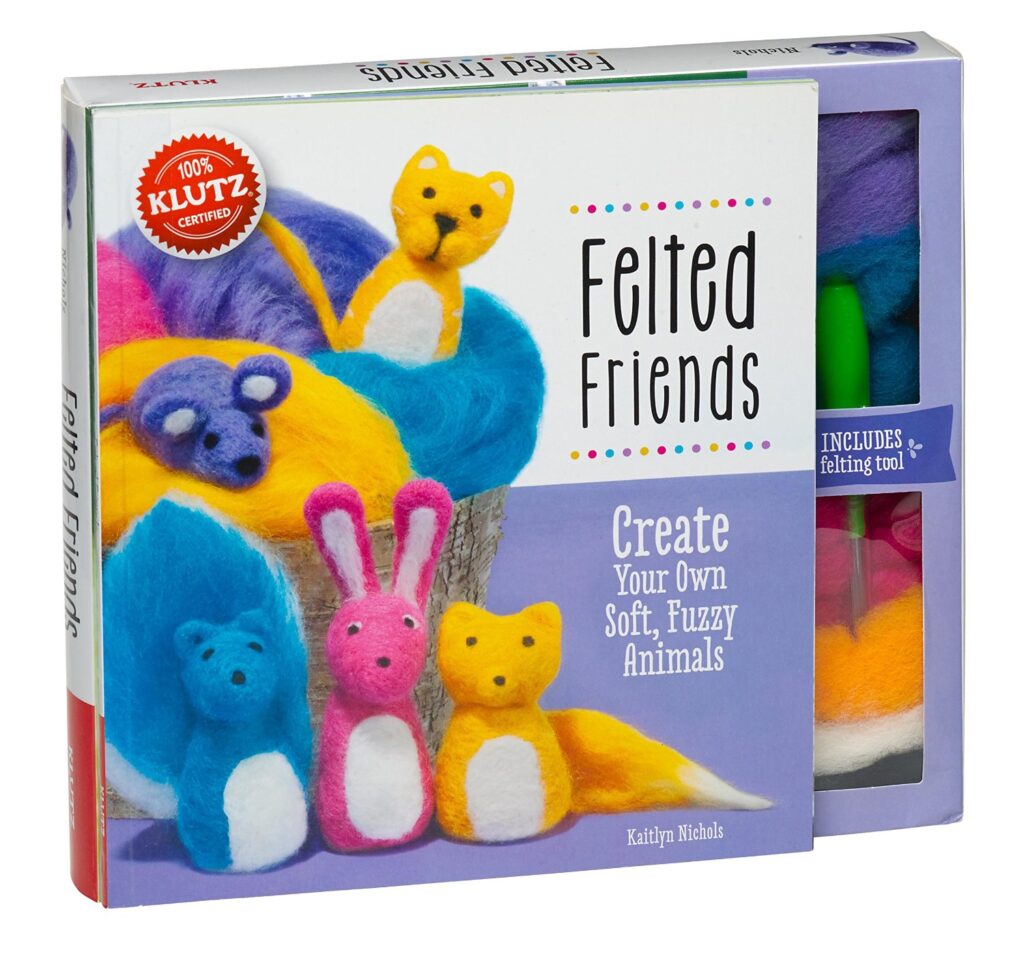
Felted Friends  are great for developing eye hand coordination and bilateral coordination.
Use felt scraps to create felt crafts while building fine motor skills and other therapy skills like eye-hand coordination, strength, problem solving, range of motion, and more.

How would you use felt scraps to build fine motor skills in your therapy clinic or home activities?

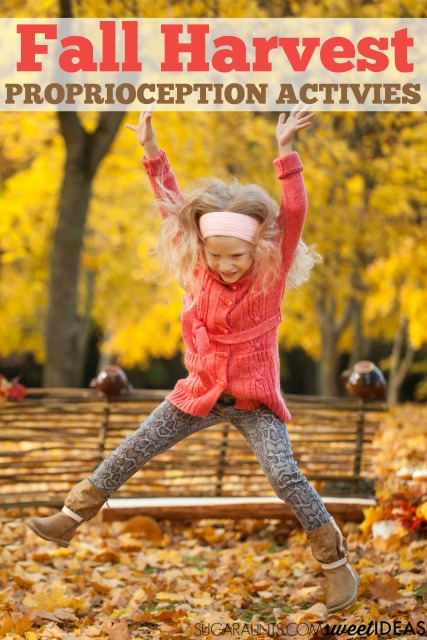
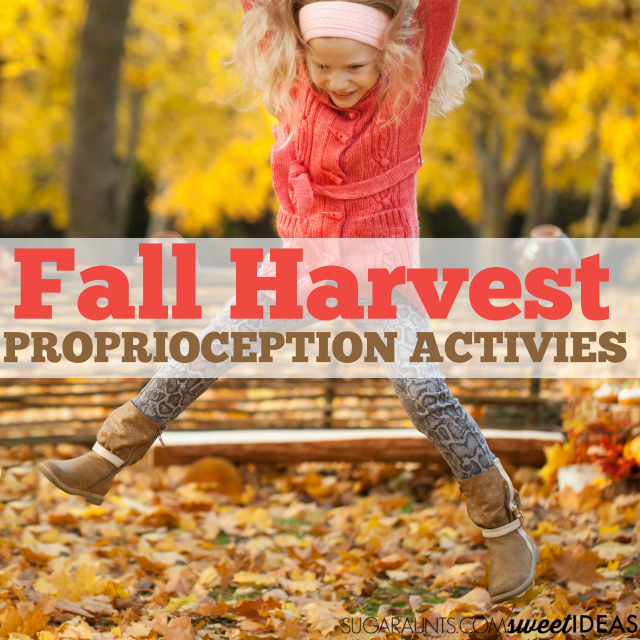
Fall Harvest Themed Proprioception Activities

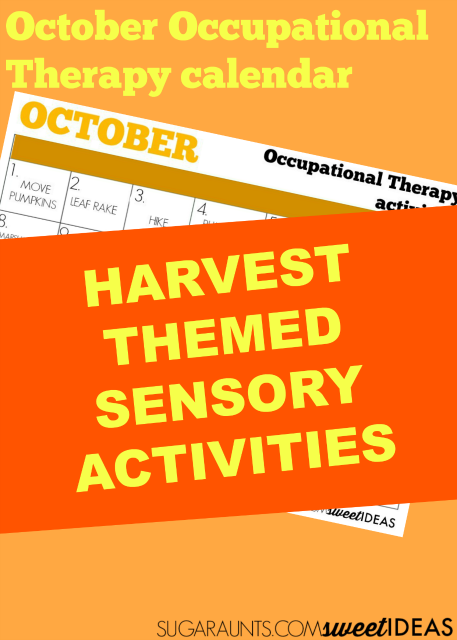
You might have seen this month’s sensory calendar.  October is all about harvest, leaves, and pumpkins and those harvest themes are very sensory experiences!  Being that October is Sensory Awareness month, this small series is perfect for sharing.  Try the activities below to add a bit of Proprioception Sensory activities with a Fall Harvest theme!


If you are looking for more fall or harvest themed sensory play ideas, grab your October Sensory calendar.  Join us in the sensory challenge as we encourage sensory experiences every day this month.

Fall themed proprioception activities that are perfect for adding sensory input with a harvest them this Fall.


Fall and Harvest Themed Proprioception Sensory Activities


1.     Move Pumpkins- Pumpkins are everywhere.  Use pumpkins to address proprioceptive needs by having kids pick up and move pumpkins from place to place.  Kids can pick their own pumpkin at a farm, carry their pumpkin to provide upper body proprioception input, strengthening, and addressing balance and coordination needs.  Heavy work is organizing and moving pumpkins can address sensory needs simply by picking up and carrying pumpkins.  Try these heavy work activities: Place pumpkins in a line, move them in the yard, place them in bucket or wagon, and pull them in a pumpkin parade.  Decorate pumpkins with stickers or paints and then carry them to deliver to friends or neighbors.

2.     Leaf Rake- Raking leaves is a great proprioception activity.  Use a child-size rake for better coordination.  Work on balance and gross motor skills by asking your child to rake on a slope.  Use a small pile of leaves and try to rake them into a bucket or laundry basket lying on it’s side.  Try timed games like speed raking with several kids.  See who can rake their pile the fastest or across the lawn.  When you’ve got a pile big enough, jump in it!


3.     Hike up hills at a farm- Walking up and down hills addresses balance and coordination of the large muscles of the body. An added benefit of hiking is the proprioceptive input with hiking up and down hills.  A sloped farm or hike through a park are a great way to sneak in this sensory activity.  Make it a nature hunt to address visual scanning while looking for acorns, pine cones, and colorful leaves.  Kids can place their fall treasures into a basket to save for crafts and sensory activities.

4.     Pumpkin Rocks- Collect rocks of all sizes and weights.  Use them to create pumpkin rocks by painting them orange and then painting on jack-o-lantern faces.  Painting rocks is a very tactile sensory experience, using both hands together in a coordinated manner.  What makes this activity perfect for heavy work and addressing proprioception needs is playing with the painted pumpkin rocks after they are dry.  Stack them, sort them, build with them, create small world sets, and decorate the front stoop with them.

5.     Pumpkin Wagon Pull- Load a wagon full of leaves, sticks, corn husks, pumpkins, and even your pumpkin rocks to build a heavy work wagon pull activity.  Kids can pull the wagon over the lawn for heavy work through the whole body.  Pull the wagon on flat sidewalks or driveways for less heavy work.  Go on a family walk with your collections or set up an impromptu Halloween parade with kids in the neighborhood.

6.     Leaf Pull- If your lawn is covered with leaves, this is a great proprioception activity for the whole family.  Lay an old sheet or tarp out on the grass.  Rake it high with leaves.  Kids can then grab each of the four corners and pull the leaves around the yard.  Try making a smaller version with beach towels for younger kids.  Set up an obstacle course in the yard to address visual motor integration needs.  Add a vestibular component by taking kids for rides in the “leaf cocoon”.

Fall themed proprioception activities that are perfect for adding sensory input with a harvest them this Fall.

Looking for more ways to explore all things sensory this month?


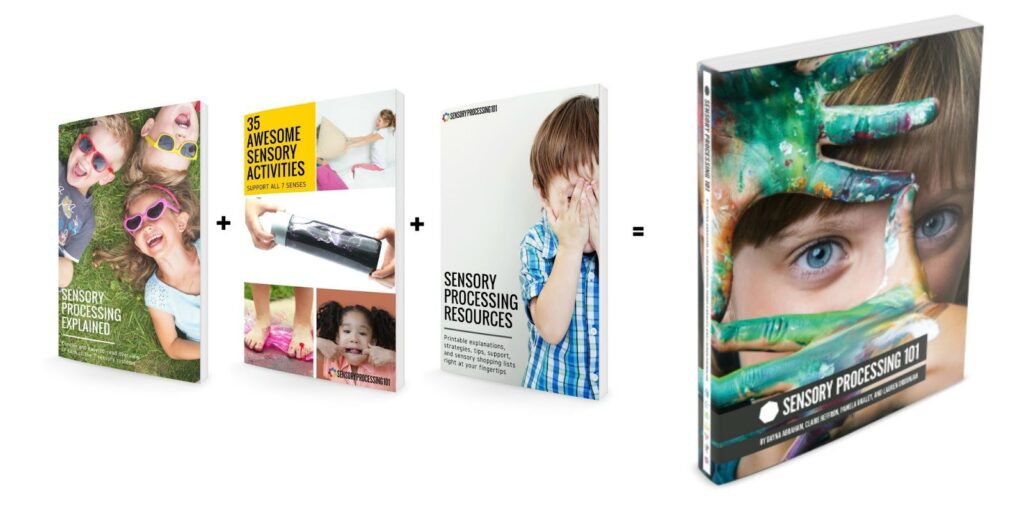
Are you looking for more information on Sensory Processing and Proprioception (or any of the sensory systems and how they affect functional skills, behavior, and the body’s sensory systems?  This book, Sensory Processing 101, will explain it all.  Activities and Resources are included.  Get it today and never struggle to understand or explain Sensory Integration again.  Shop HERE.

Until October 10, we’ll be spreading some sensory love with this amazing deal:


The Sensory Processing 101 ebook (regular price $19.99)


AND


AND


The ebook will remain on sale for $9.99 for the rest of October, but the bundle will only be available until October 10 – so be sure to grab yours ASAP!

Harvest Theme October Sensory Calendar

This month’s Occupational Therapy calendar explores the season’s finest with a Harvest theme.  If you’ve missed this years’ series of calendars, you can check out last month’s calendar for activities that will keep your child occupied with sensory play and experiences well into this month.


Each month, I’ve been sharing creative and seasonal sensory experiences that address sensory needs based on each of the senses.  I try to come up with activities that can be modified to address multiple developmental areas such as fine motor skills, visual motor integration, gross motor coordination and balance, and functional skills.


This month’s calendar is perfect for Sensory Awareness month! 

Harvest themed October sensory calendar for occupational therapy ideas


October brings with it all things falling leaves and pumpkin spice everything, and it is definitely a sensory-filled month!  This month’s activity calendar is full of sensory activities that will challenge the senses.  You will find activities based on all seven senses and are fun ways to involve the whole family in indoor and outdoor play.  Print out your free calendar, read through the activities and get ready to play!


For more info on the activities below, grab your Harvest Sensory Booklet (It’s a freebie, too! Scroll below to grab your copy.)


Use these harvest themed ideas in sensory diets to address sensory needs.  These are creative ways to experience all that Fall has to offer with the whole family.


Take the challenge.  Encourage and experience sensory play every day this month.


Print your Fall Sensory Activities workbook and calendar and join us in daily sensory play. 

Harvest themed October sensory calendar for occupational therapy ideas

October Occupational Therapy Calendar Sensory Activities

Grab your Fall Sensory Activities booklet to build Fall harvest themed activities into your child’s sensory diet with activities the whole family can enjoy.

Get yours!


This is a great way to challenge the senses and take part in our Sensory Processing Month sensory challenge! 

Simply add one sensory activity to every day.  These can be simple ideas that the whole family can do.  Need ideas? Grab your sensory activity booklet.   


What’s in the Fall Sensory Activities booklet?

Fall Proprioception Sensory Activities
 
6 creative proprioception activities!
 
Fall Vestibular Sensory Activities
 
4 creative vestibular ideas for indoor or outdoor!
 
Fall Tactile Sensory Activities
 
4 tactile sensory experiences!
 
Fall Visual Sensory Activities
 
4 ways to incorporate the sense of sight into fall play!
 
Fall Auditory Sensory Activities
 
4 Fall auditory processing ideas!
 
Fall Olfactory Sensory Activities
 
5 ways to encourage and use scent in sensory processing!
 
Fall Gustatory Sensory Activities
 
4 Fall taste activities!
 
 
Harvest themed October sensory calendar for occupational therapy ideas


Harvest themed October sensory calendar for occupational therapy ideas
 
Are you excited to take the sensory challenge this October? Join us with the activities in your Fall Sensory Activities book today!


Looking for more ways to explore all things sensory this month?

How to incorporate sensory play into playing outside in the fall


It’s a fact that kids are spending less time playing outdoors. From after-school schedules to two working parents, to unsafe conditions, to increased digital screen time, to less outdoor recess time…kids just get less natural play in the outdoors. Therapists have connected the dots between less outdoor play and increased sensory struggles and attention difficulties in learning. 


Knowing this, it can be powerful to have a list of outdoor sensory diet activities that can be recommended as therapy home programing and family activities that meet underlying needs.
 
That’s where the Outdoor Sensory Diet Cards and Sensory Challenge Cards come into play.
 
They are a printable resource that encourages sensory diet strategies in the outdoors. In the printable packet, there are 90 outdoor sensory diet activities, 60 outdoor recess sensory diet activities, 30 blank sensory diet cards, and 6 sensory challenge cards. They can be used based on preference and interest of the child, encouraging motivation and carryover, all while providing much-needed sensory input.
 
Here’s a little more information about the Outdoor Sensory Diet Cards
  • 90 outdoor sensory diet activities
  • 60 outdoor recess sensory diet activities
  • 30 blank sensory diet cards, and 6 sensory challenge cards
  • They can be used based on preference and interest of the child, encouraging motivation and carryover, all while providing much-needed sensory input. 
  • Research tells us that outdoor play improves attention and provides an ideal environment for a calm and alert state, perfect for integration of sensory input.
  • Outdoor play provides input from all the senses, allows for movement in all planes, and provides a variety of strengthening components including eccentric, concentric, and isometric muscle contractions. 
  • Great tool for parents, teachers, AND therapists!
Be sure to grab the Outdoor Sensory Diet Cards and use them with a child (or adult) with sensory processing needs!


Get our Fall Sensory Activities Guide

    We respect your privacy. Unsubscribe at anytime.

    Powered By ConvertKit

    DIY Desk Letter Strip Handwriting Hack

    Sometimes all the little handwriting tricks can work wonders when kids are working hard on handwriting. But when the letter formation is functional and sentences are legible, the verbal cues and visual prompts are reduced. But there can be times that letter formation suffers when kids are writing on their own.  

    Check out all of the handwriting tips in our Easy Tricks for Better Handwriting Help here.  

    Be sure to join over 400 others in the Facebook group that I’ve created for handwriting help.  Jump in, ask questions, share your tips and tricks and join the fun:  Sweet Ideas for Handwriting Help

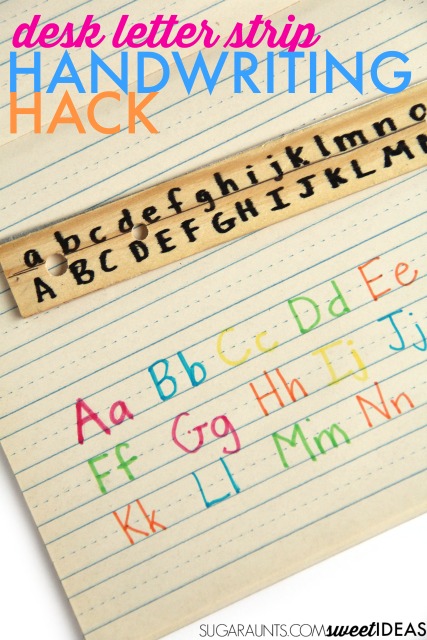
    Writing prompts or independent writing tasks can revert to previous handwriting habits.  This DIY Desk Letter Strip is a simple handwriting hack that can help kids with letter formation when they are writing independently.  

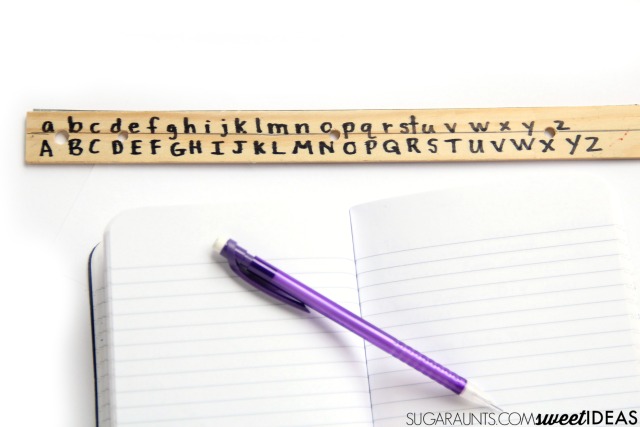
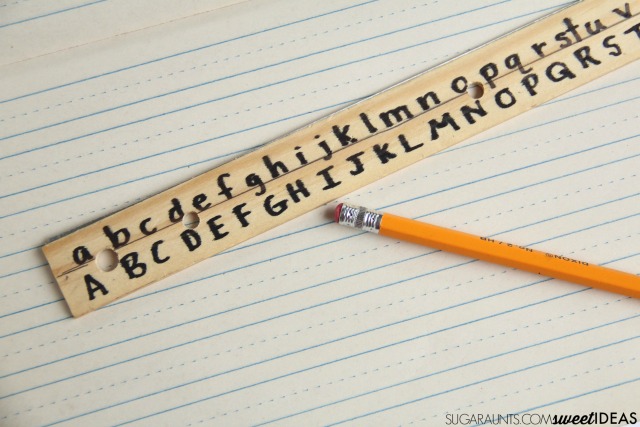
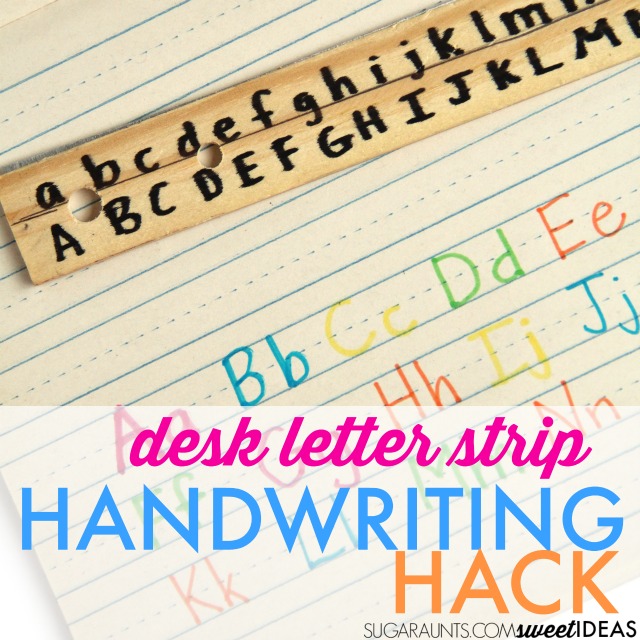
    Make a Desk Letter Strip from a ruler to help kids work on letter formation.

    Letter strips are helpful for kids who are learning how to make letters, addressing letter reversal tendencies, and working on the motor plan to make letters functionally.

    This DIY version of a letter strip is one that can be taken to any desk, tucked into binder pockets or file folders, or easily pulled out of a desk.  Kids will love that their ruler is quickly and discretely used as a letter strip that can help with letter formation or a quick check on the direction a letter should be aligned. 


    Desk Letter Strip made from a ruler

    Make a Desk Letter Strip from a ruler to help kids work on letter formation.
    This post contains affiliate links.

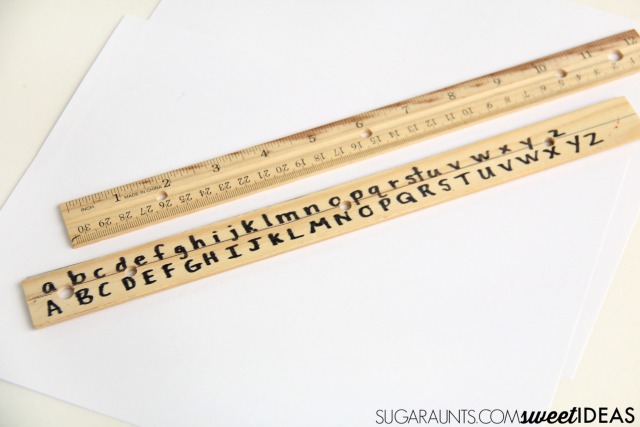
    To make our desk letter strip, we used wooden rulers.  These have a great back for writing letters on and are spacious enough for the upper case alphabet and lower case alphabet.  

    Make a Desk Letter Strip from a ruler to help kids work on letter formation.
    To make the letter strip, use another ruler to draw a quick line down the length of the ruler.  On that line, write the upper and lower case alphabet with a permanent marker. 

    This portable letter strip would be great for cursive letters, too.  Upper case cursive letters are not easy for kids to remember as they are not used as frequently. A desktop example can be helpful during writing tasks.

    Make a Desk Letter Strip from a ruler to help kids work on letter formation.

    And that’s it!  

    amzn_assoc_placement = “adunit0”;
    amzn_assoc_search_bar = “true”;
    amzn_assoc_tracking_id = “sugaun-20”;
    amzn_assoc_ad_mode = “manual”;
    amzn_assoc_ad_type = “smart”;
    amzn_assoc_marketplace = “amazon”;
    amzn_assoc_region = “US”;
    amzn_assoc_title = “My Amazon Picks”;
    amzn_assoc_linkid = “1d08c30cbb0d735fd69733253a60dc78”;
    amzn_assoc_asins = “1891627228,B005GLHUFG,B002UZR754,189162721X”;


    Show your student how they can use the letter strip to double check letter formation or to help with alphabetical order.

    Looking for more ways to help kids address letter formation? Try these:


    Did this quick tip work for you and your kiddo?  Let us know in the comments below or in the Sweet Ideas for Handwriting Facebook group!
    p

    amzn_assoc_placement = “adunit0”;
    amzn_assoc_search_bar = “true”;
    amzn_assoc_tracking_id = “sugaun-20”;
    amzn_assoc_ad_mode = “manual”;
    amzn_assoc_ad_type = “smart”;
    amzn_assoc_marketplace = “amazon”;
    amzn_assoc_region = “US”;
    amzn_assoc_title = “My Amazon Picks”;
    amzn_assoc_linkid = “f2fcbeb47c97ebe7b0678f953c600bfb”;
    amzn_assoc_asins = “B003BMX65A,B0017YUE2C,B013CN0218,B000093KW1”;

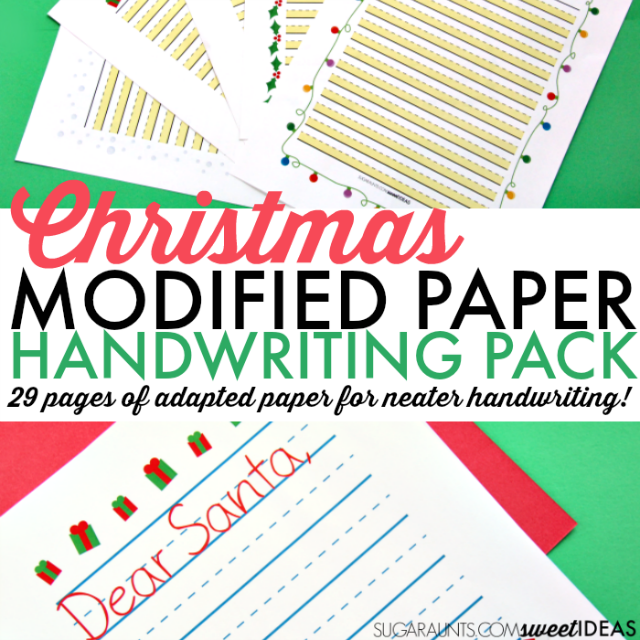
    Get 29 pages of modified paper with a Christmas Theme for legible and neat Letters to Santa, Christmas Wish Lists, Thank You Notes, Holiday Lists, and MORE! 

    Sky Ground Writing Paper

    A simple trick to teach kids how to write on the lines is
    sometimes all that it takes to make hours of
    handwriting practice
    “click”. This modified paper technique is a common way that is used
    among Occupational Therapists to address line awareness, letter size, and
    letter formation needs in kids.  
     
    Try using commercial sky/ground paper or
    these ideas for DIY versions of the paper for a visual cue that may 
    help kids
    learn to write on the lines, form letters with appropriate size, and make
    letters 
    accurately in a way that helps with legibility and overall neatness.
     
    Use the sky ground technique of writing to help kids improve legibility through imporved line awareness, letter formation, and letter size.


    Sky Ground Paper for Better Handwriting

    This post contains affiliate links.
    I am a huge advocate of using simple tricks to help kids improve
    their 
    handwriting.  This post is part of our 30 day series on simple ideas for better handwriting.  While I’m just a tad behind in my posting
    schedule (don’t worry, I’ve got all 30 great ideas planned out for you!), I am
    keeping the round up of easy handwriting tricks up to date. 
     
    Check out all of the easy handwriting tips here.  
    Be sure to join over 400 others in the Facebook group that I’ve
    created for handwriting help.  Jump in, ask questions, share your tips and
    tricks and join the fun:  Sweet Ideas for Handwriting Help
    Now onto the paper!
    Modified paper is a common way to address handwriting needs.
    There are all kinds of adapted paper out there that can help kids improve
    their legibility and neatness of written work.  Just a few examples
    include bold lined paper, raised lined paper, colored lined paper, highlighted bottom space paper, and graphpaper.  Today’s topic addresses sky-ground paper
    Sky ground paper is a modified version writing paper that is
    designed to add a visual component to kids’ written work.  The color-coded
    lines can help kids visualize the appropriate size of letters.  Consider
    the “tall” letters: b, d, f, h, k, l, t, and all of the upper case
    letters start at the top line.  However, occasionally, kids omit use of
    that top line and either start the letter’s formation above the top line, or the
    start the letter under the top line.  Their handwriting results in written
    work that appears inconsistent in difficult to read.  
    Taking the size awareness piece into consideration is an overall understanding of size both on paper and outside the body in the world around us. This tall and short worksheet has a fine motor and visual motor component that can be incorporated into whole-body movement activities to teach these concepts that carryover into handwriting.
     
    Varying size of
    letter height is a big component in overall legibility.  When letters are
    formed too large for the available writing area, letters begin to grow in width
    or are inconsistent in overall size.  Space between words suffers as a
    result of the child attempting to squeeze their written response into the
    available space. 
    Likewise, letters that are supposed to meet the middle line or
    have a “tail” that drops down below the baseline should be
    appropriately placed on the line.  When a child seems to have visual
    perceptual difficulties or difficulty with visual motor integration, letter
    placement or pencil control may suffer.
    Beyond letter size, another indication for the need to add a
    visual component to paper with the sky-ground paper is poor letter formation. Some children form letters in parts.  They make a “d” by
    drawing a circle and a line.  Other times, kids form letters quickly and in
    a flowing manner while writing.  For example, when writing the word
    “car”, the child may make the letter “a” and then quickly
    draw a curved candy cane shape for the letter “r” by starting at the
    bottom line after forming the letter a with a downward line.  
    Using sky-ground paper can help kids to form letters
    appropriately, with top-to-bottom formation.  Using visual and verbal cues
    of the colored lines and even pictures on the lined paper can address these
    needs.


    Related Read: Try these handwriting accommodation strategies to address a variety of handwriting challenges. 

    Visual perception Needs and Modified Paper

    Visual perceptual needs in kids are often times visualized when a
    child 
    attempts to write.  You may see
    difficulties with line awareness, spatial awareness, or size awareness.  This is because the visual perceptual skills are needed to place letters on the lines and play an important part of line awareness, size awareness, letter formation, and copying skills.

    Visual motor integration skills and modified paper

    When kids attempt to place letters on the lines, a difficulty with
    eye-hand 
    coordination may be observed.  Coordinated use of the pencil to place letters where they want them can
    be difficult when they are lacking in visual motor 
    integration abilities. 

     Use Sky Ground Paper to Help with Handwriting

    By seeing the blue line for the sky and the green line for the
    ground, kids can see and understand the size differences in letters.  Tall letters that reach the top lines are the
    ones that start at the sky or the blue line.
    The small letters (a, c, o, r, etc) are letters that reach the middle
    line but should not go up into the sky.
    And tail letters (j, g, p, etc) have a tail that goes down under the
    ground. 
    What a visual for the child that can now “see” how letters should
    be placed on lines!
    When helping kids use this paper, add verbal prompts such as:
    “Start the tall letters in the sky.”
    “Short letters start in the middle but they don’t go underground.”
    “Make your “G” by starting in the sky and curving around to the
    ground.  Add a line in the middle.”
    “Tail letters hang down underground.”
    “Make your “t” start in the sky and pull down to the ground.’
    This technique is great for the visual learner!

     Use the sky ground technique of writing to help kids improve legibility through imporved line awareness, letter formation, and letter size.

    While there are several versions of this paper available online, you can easily make your own version for quick intervention.  Use a thin blue marker and thin green marker to quickly add lines to paper.

    Use the sky ground technique of writing to help kids improve legibility through imporved line awareness, letter formation, and letter size.
    Add sky and ground lines to workbooks, too. This is a great way to use the modification for kids who are writing with a single rule size.
     Smart Start sky ground paper Smart Start paper


    There are several versions of this paper available under the name Smart Start paper.  


    House Handwriting Method 

    Another trick that builds on this method is the concept of a
    house.  For kids who are older or those
    that don’t want marker lines or special paper to be used, try this house method
    of writing. 

    **Children can become very aware of how their paper looks
    different that their desk neighbor.
    Differences can be stressful for these kiddos that are already struggling
    to write legibly due to underlying needs.
    A lesser modification is great once they have shown success with adaptations
    such as sky ground paper or DIY paper cues.

    The House Method for spatial organization and letter formation
    In this method of handwriting, draw a house shape on one margin of the paper.  The tall letters go into the attic, the small letters are in the first floor, and the tail letters go into the basement.  This is a very simple DIY to create by simply drawing one house on the left hand margin of the lined paper.
     
    Line awareness and letter formation difficulties with older kids
    Children who are beyond the age-appropriate level of double lined paper can still use both of these line awareness and letter formation techniques.  Just modify single lined paper with either the marker lines or a simple house shape. 
     
    Looking for more letter formation handwriting ideas? 
     
    Use the sky ground technique of writing to help kids improve legibility through imporved line awareness, letter formation, and letter size.
    Did this quick tip work for you and your kiddo?  Let us know in the comments below or in the Sweet Ideas for Handwriting Facebook group!
    Get 29 pages of modified paper with a Christmas Theme for legible and neat Letters to Santa, Christmas Wish Lists, Thank You Notes, Holiday Lists, and MORE!