Colleen Beck, OTR/L is a pediatric occupational therapist and the owner and author of The OT Toolbox website. She manages all of The OT Toolbox social media accounts and runs the popular newsletter.
Read about Colleen's experience and career as an occupational therapist, including how The OT Toolbox began on our About The OT Toolbox page: https://www.theottoolbox.com/about-us/
Colleen created The OT Toolbox in 2011 and since then has written thousands of blog posts designed to support therapy providers, educators, parents, counselors, admin, and caregivers in promoting the healthy development of kids.
Check out Colleen's blog posts below:
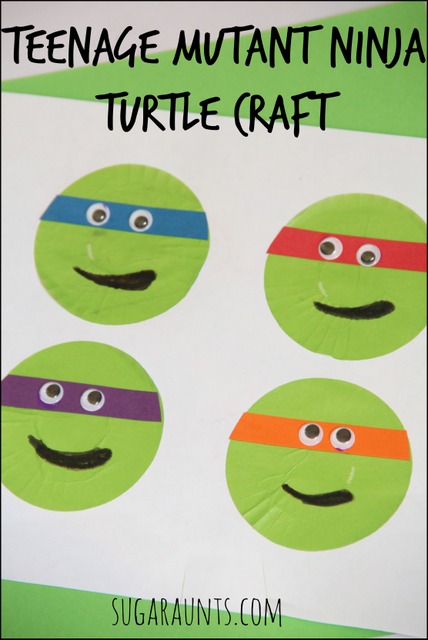
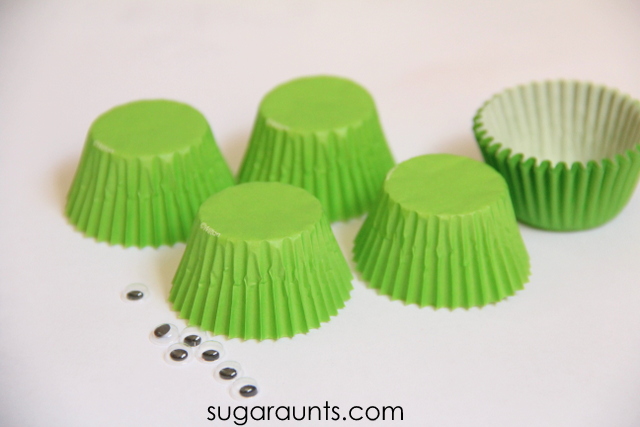
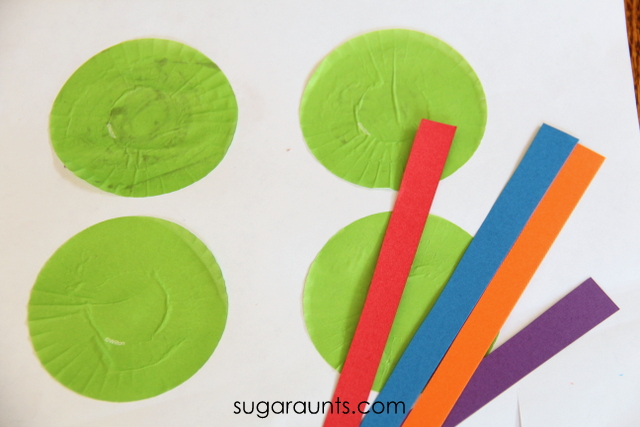
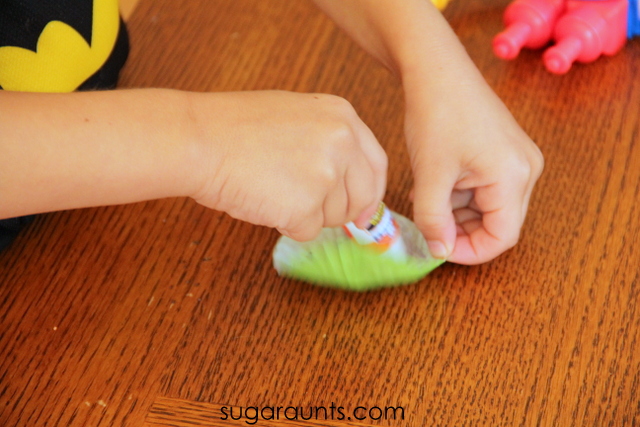
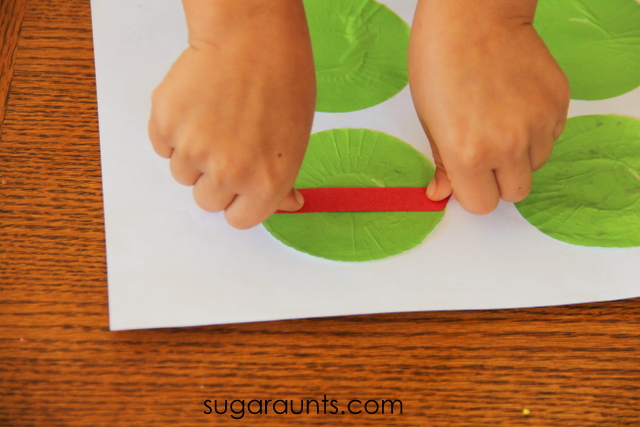
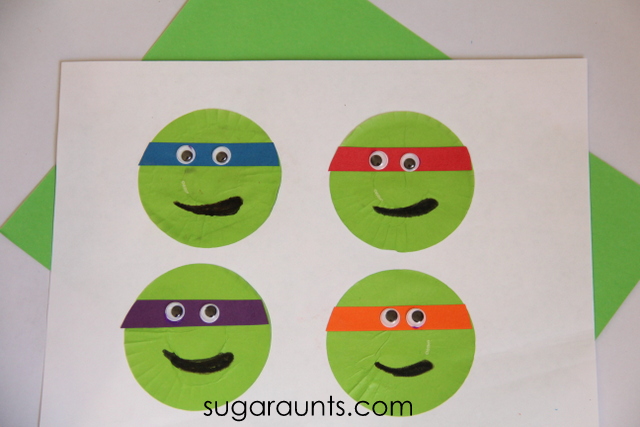
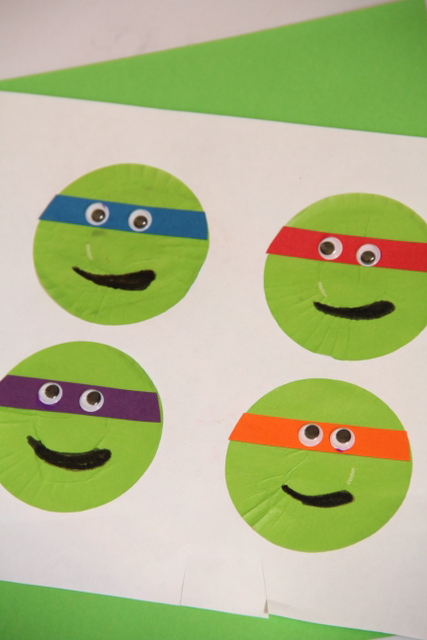
Little Guy is a HUGE fan of Teenage Mutant Ninja Turtles. We play ninja turtles or ninjas or ninja skills practice daily. So, when we made this TMNT craft, he was beyond excited. We’ve done a ninja turtle craft before and this one was just as much of a hit. It would even be a great addition to a teenage mutant ninja turtle party. Little Guy hung the craft on our dining room wall and checks it out daily.
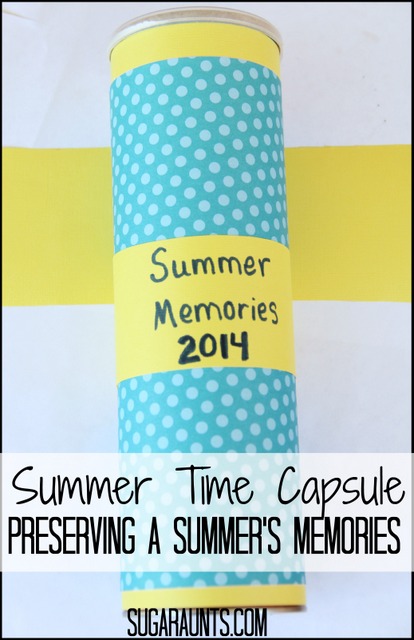
With the start of school and a new month, Summer is quickly winding down. The summer days seem to fly by when filled with vacations, play dates, park fun, and fun! How can you preserve those memories? We created a summer time capsule craft with the kids to hold all of our best summer memories. We’ll hold onto our time capsule until next summer and remember the fun that summer of 2014 held for us!
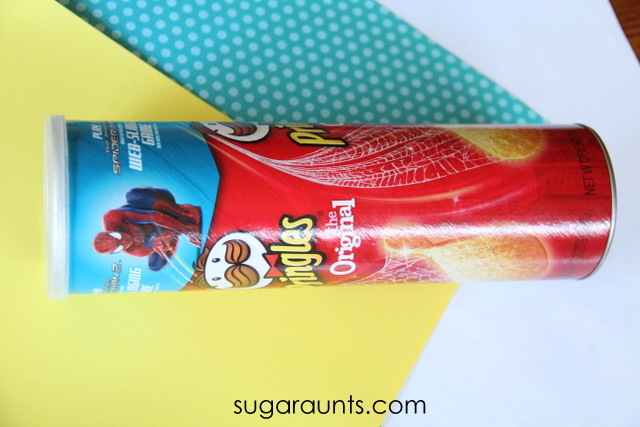
We love creating crafts and activities using recycled materials. This time capsule uses an item from the recycle bin.
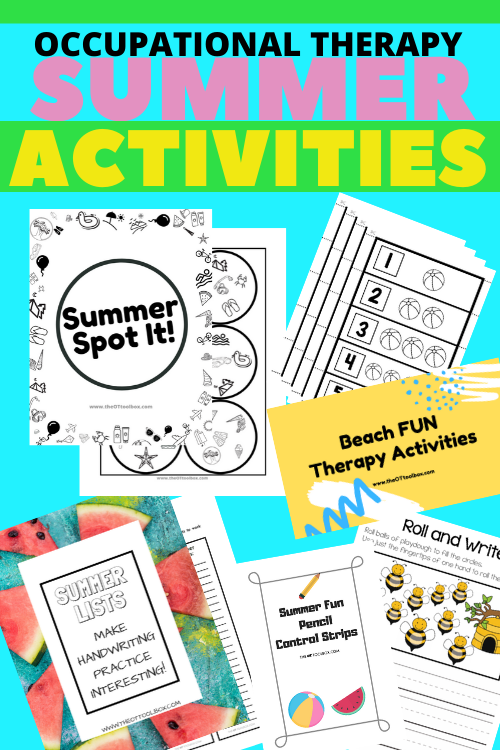
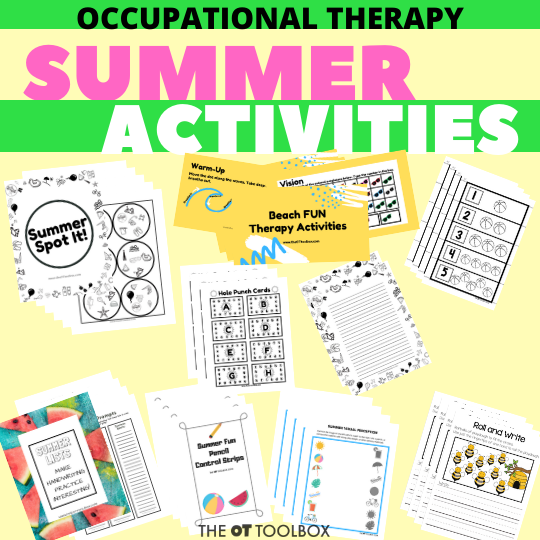
You’ll also be interested in our new Summer Occupational Therapy Activities Packet. It’s a collection of 14 items that guide summer programming at home, at school, and in therapy sessions. The summer activities bundle covers handwriting, visual perceptual skills and visual motor skills, fine motor skills, gross motor skills, regulation, and more.
You’ll find ideas to use in virtual therapy sessions and to send home as home activities that build skills and power development with a fun, summer theme. Kids will love the Summer Spot It! game, the puzzles, handouts, and movement activities. Therapists will love the teletherapy slide deck and the easy, ready-to-go activities to slot into OT sessions. The packet is only $10.00 and can be used over and over again for every student/client!
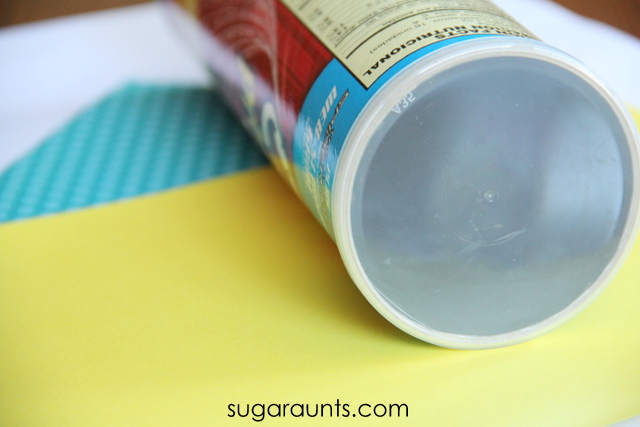
We started by picking out some bright colors of cardstock for our time capsule, and an empty chips tube.
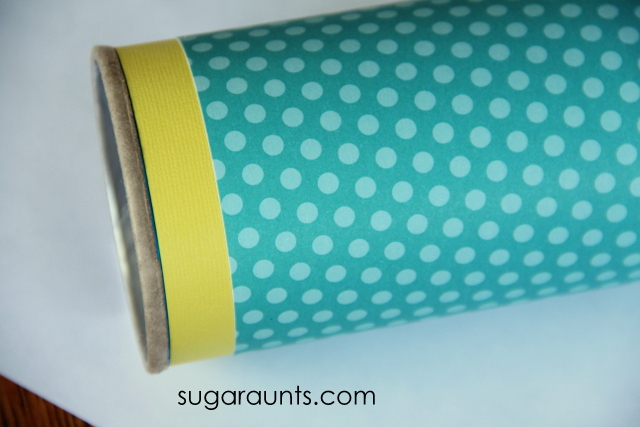
Measure the cardstock to fit the tube.
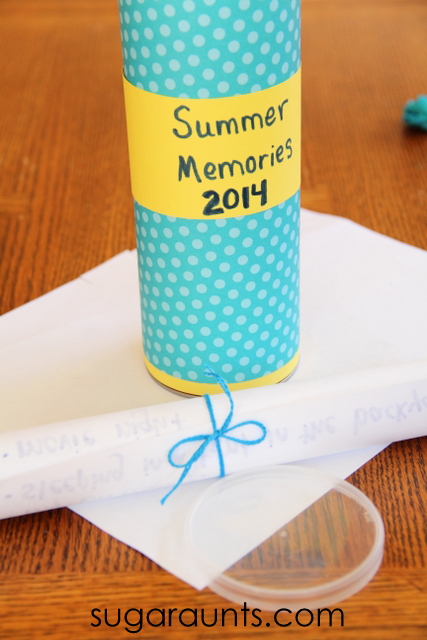
Tape it into place. We went with an overlapping look to fit the cardboard tube. Label your time capsule with a marker.
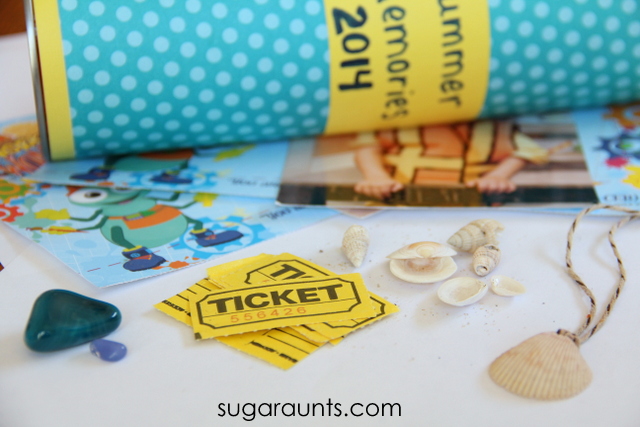
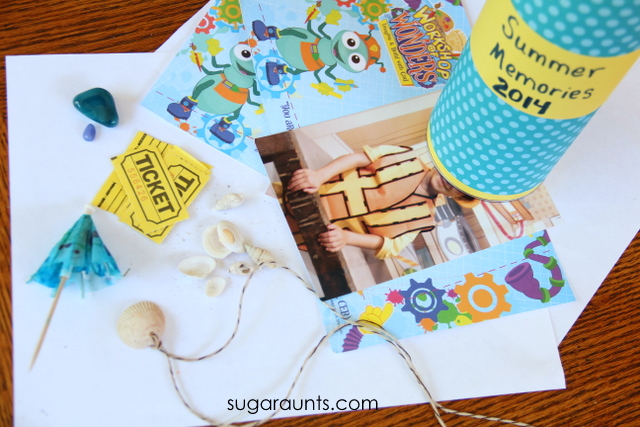
Next, is the fun part. The kids and I went on a hunt around the house to look for evidence of our summer fun. We found shells from our beach vacation, pictures, cards from vacation bible school, tickets from our birthday party movie night, and other things that meant summer fun.
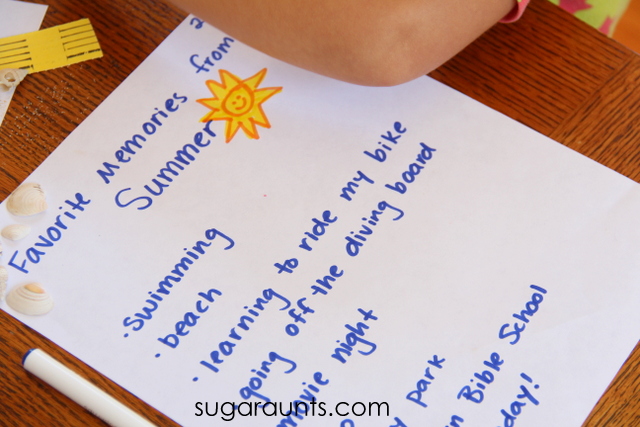
Next, I wrote out a page of summer memories as the kids told me their favorite summer memories.
We rolled up the sheet and put it into the time capsule.
Little Guy (age 5) and Baby Girl (age 2) added all of the summer memories into our time capsule. Little Guy was pretty thrilled to hear that we would open it up again next summer!
We found a home for our time capsule on a shelf… next to a frame that is waiting for pictures. Hopefully by next summer, that frame will have photos!
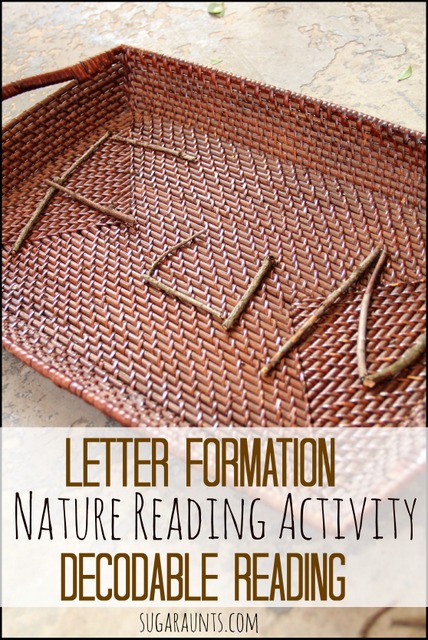
We play outside every single day. Getting outdoors is so great for kids. And for mama who needs some fresh air and sun light to make it through another round of feeding the littles. Seriously. They are ALWAYS hungry!! This letter formation and decodable reading activity was fun and a good way to slow down in the great outdoors while working on reading skills.
Big Sister is a new reader and Little Guy is starting to show some interest in sounding out letters and little words. We used something we have in great abundance to work on letter identification, letter sounds, and decodable reading…sticks!
Decodable reading activity for new readers
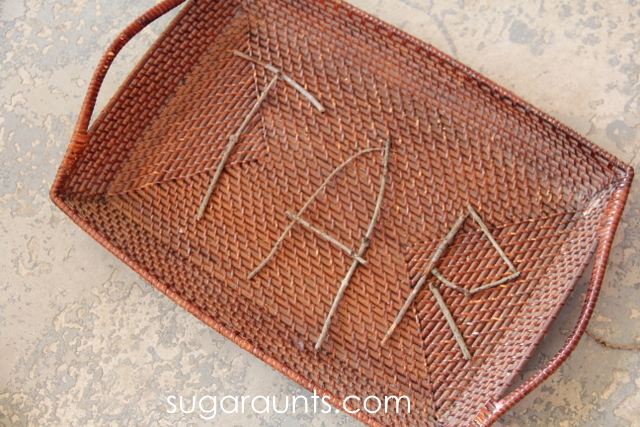
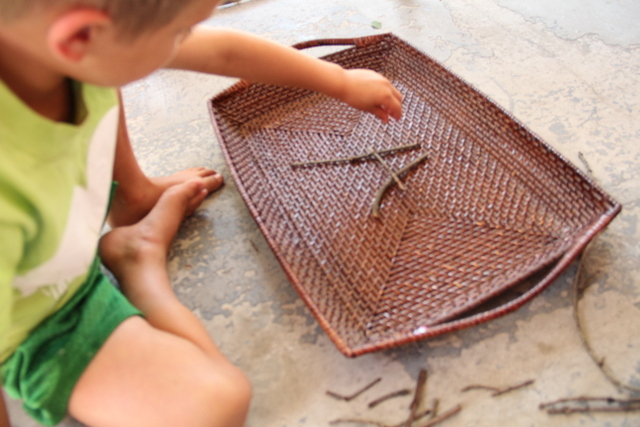
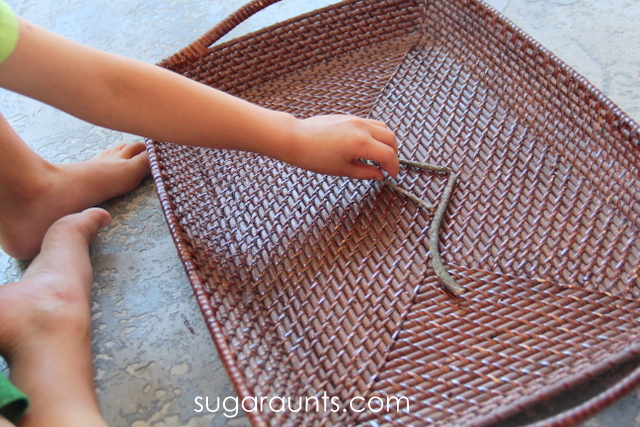
With a handful of twigs ready, I showed the kids how to make letters on a shallow basket. We started by me making the words and sounding out the words with decodable reading techniques. I made the first letter in the word and said “sound”, as they made the sound of the letter “T”. Next, I made a letter “A” and said, “sound”. They made the aaaa sound. Then, I said the cue, “Blend it together”. They blended “T” and “A” together and added the “R” sound. Big Sister is familiar with this technique from Kindergarten. Little Guy repeated Big Sister, but soon got the hang of it.
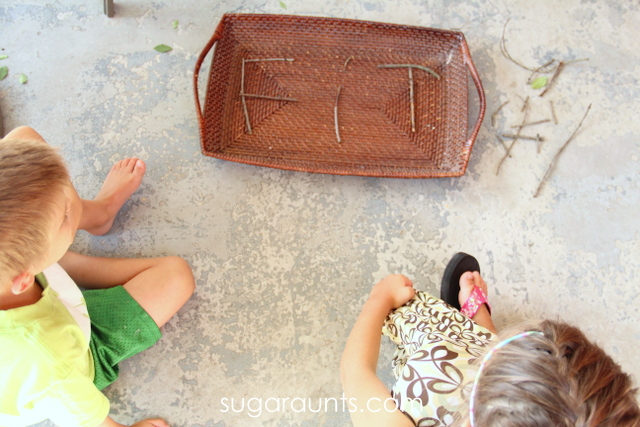
We tried it with a few more words before Big Sister got in on the fun. She made a few words of her own and Mom and Little Guy decoded the words.
Letter formation Activity
Little Guy worked on letter formation with the sticks. He really got into this. While he built the letters, we talked about the sound(s) of letters. Letter “A” makes a short and long sound.
Building the letters with sticks is a fun pre-handwriting activity for new writers. Talk about the lines needed to make each letter.
Looking for more letter formation and decodable reading ideas? Follow along on our handwriting or beginning reading Pinterest boards.
We are guest posting for our friend Blayne over at House of Burke! She’s super busy right now after just having her second baby boy. What an exciting time for her and the Burke family!
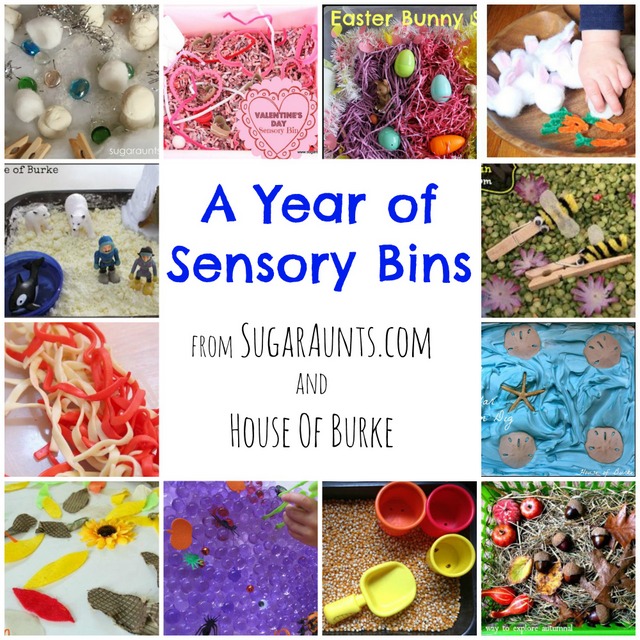
A Year of Sensory Bins
We were honored to put together a post of sensory bins for her while she recovers. If you don’t know the House of Burke blog, then you NEED to check out this blog. Sensory and craft activities galore happen over there! This round-up of sensory bin ideas will take you through the year with each season set for you.
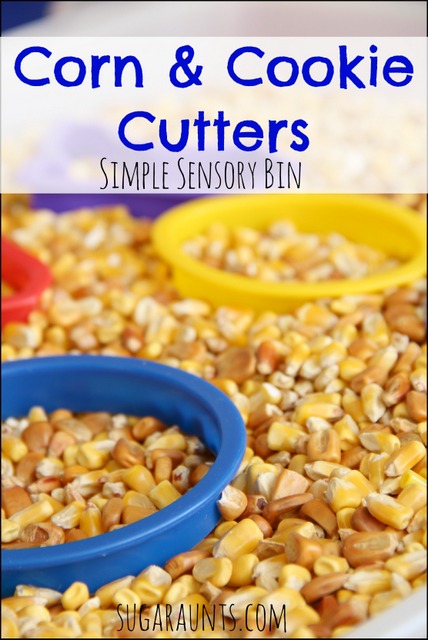
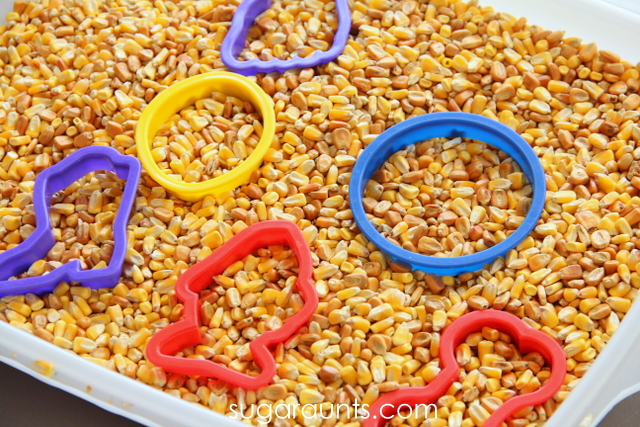
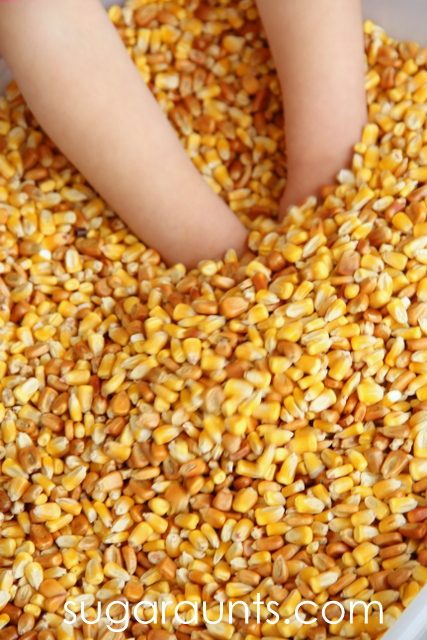
We are on a simple sensory bin kick around here. We’re working our way through the alphabet (although, not necessarily in ALPHABETICAL order…) with simple sensory bin ideas that focus on two or three items that you’ve got around the house. These sensory bin items have one letter in common. So far, we’ve played with a B sensory bin and an S sensory bin. (yup, definitely no organized order happening here…) Today we explore Letter C with Corn and Cookie Cutters!
Letter C Sensory Bin
For a Corn and Cookie Cutter Sensory Bin, you will need:
((This post contains affiliate links for your convenience.))
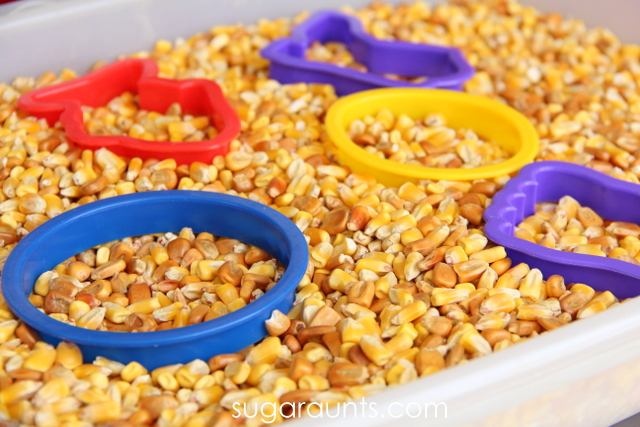
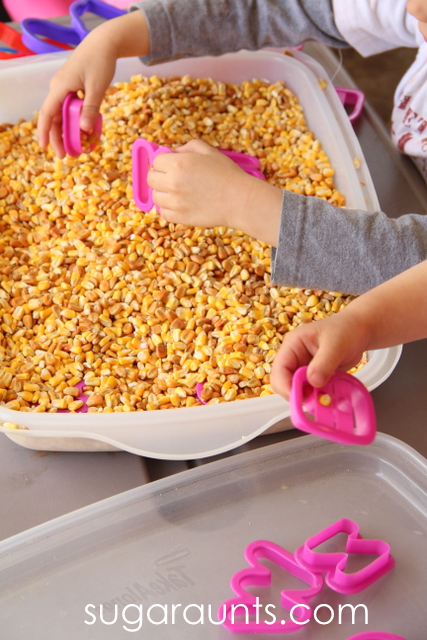
We have a bin that is filled with field corn at all times. Little Guy will ask to play with corn at least once a week. We fill it with random things…
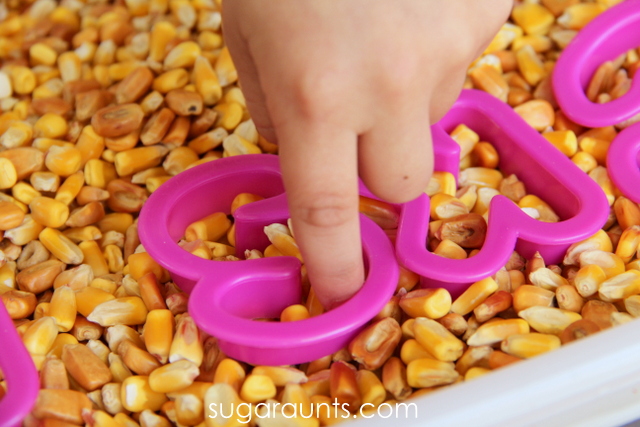
Today, it’s cookie cutters!
Field corn is a larger kernel that is used to feed livestock. The texture of field corn in a sensory bin is great for tactile play. It makes a great sensory bin base, and we’ve used it in lots of different sensory activities.
The cookie cutters in the corn are great for sensory play. Pushing the cookie cutters down into the corn was such a neat sensory experience. We talked about shapes, colors while we buried the cutters and found them again.
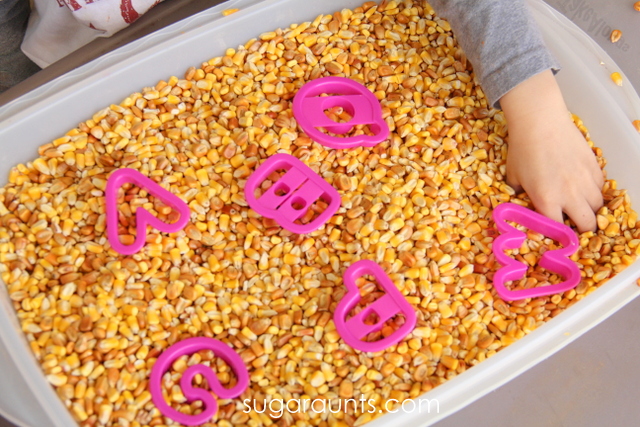
We took the shapes out and replaced them with letters. Little Guy is working on identifying letters.
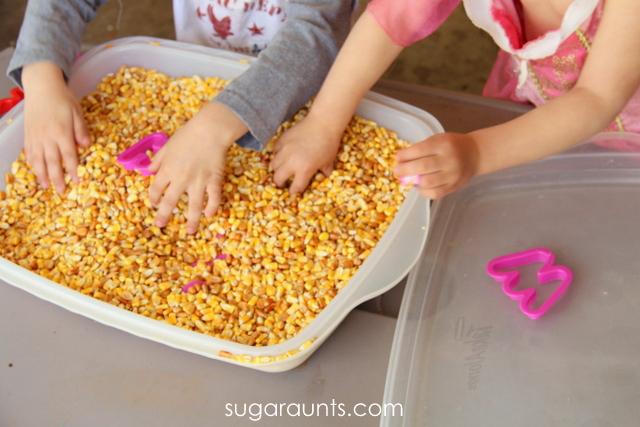
Baby Girl and Little Guy couldn’t keep their hands out of there!
Such a great sensory activity…just corn kernels in a bin. Simple and perfect!
Sensory Handwriting Practice
The ABC cookie cutters were great for practicing letter formation. The corn kernels gave great tactile feedback when tracing the letters.
Little Guy has been practicing his letter “S”, and this was fun for him.
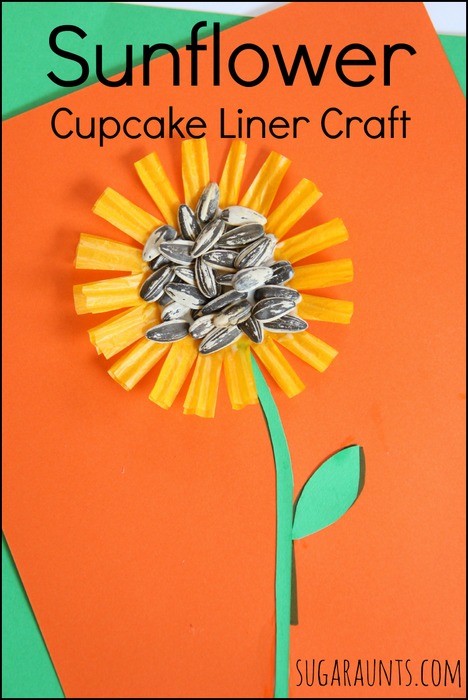
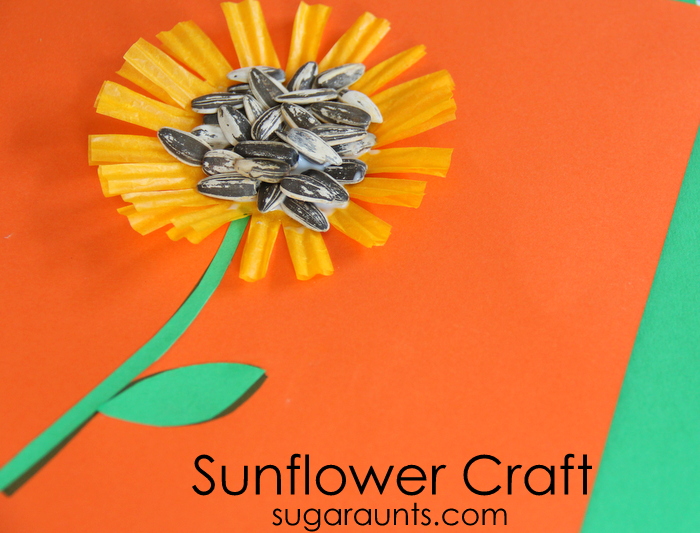
Sunflowers are such a fun flower. This time of year, you can see giant sunflowers standing tall all over the neighborhood. We made a super cute sunflower with cupcake liners and sunflower seeds.
Not only is this craft easy, it’s a great way to practice a little fine motor skills, too!
This post contains affiliate links. That means when you click on one of the links in this post, we will receive a few pennies. Thanks for your support!
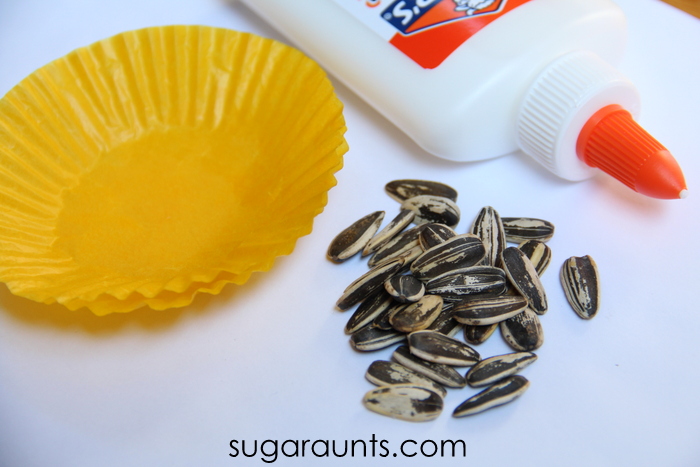
To make a Sunflower Cupcake Liner Craft, you will need:
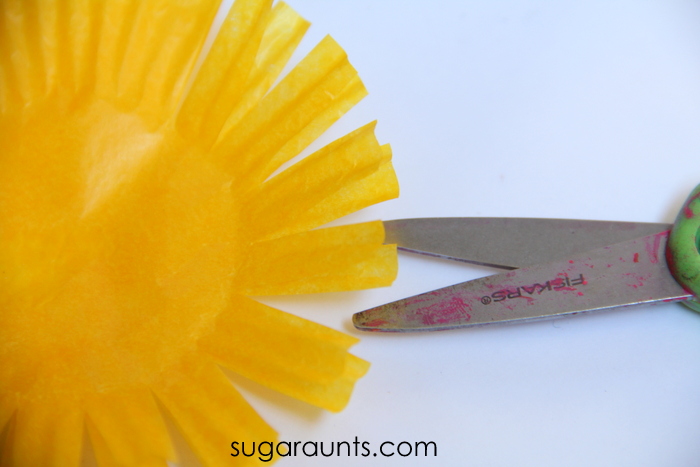
We used two cupcake liners for a brighter color. This is a great way to teach kids to snip paper.
Start by snipping little wedges from the edge of the cupcake liners. This is a great scissor activity for school aged kids. The material of cupcake liners is thinner than regular paper and requires more precision when snipping. The cupcake liner is small and a great way to practice scissor accuracy and bilateral hand coordination.
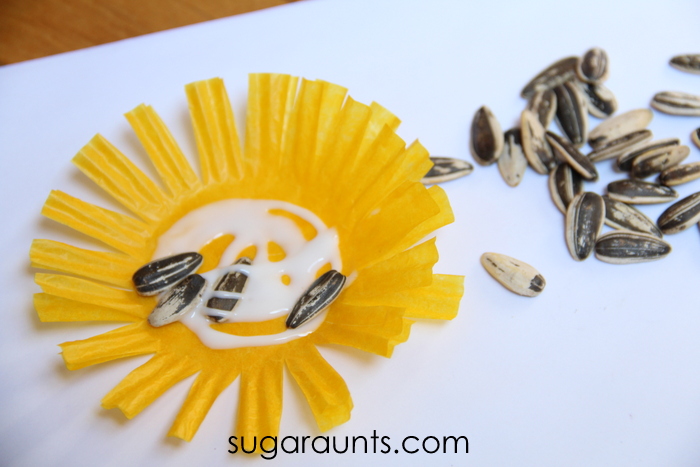
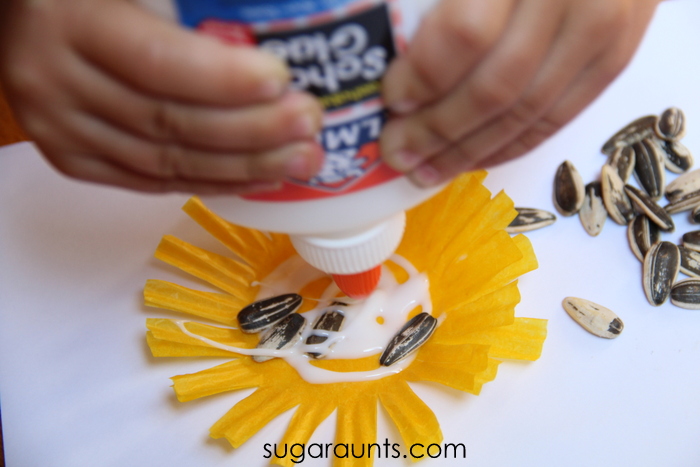
Add glue to the center of the cupcake liner. Baby Girl though we needed A LOT of glue. And A LOT of sunflower seeds on our flower. It turned out looking pretty cute with a bunch of seeds.
More glue. She is a big fan of glue.
Fine Motor Fall Craft
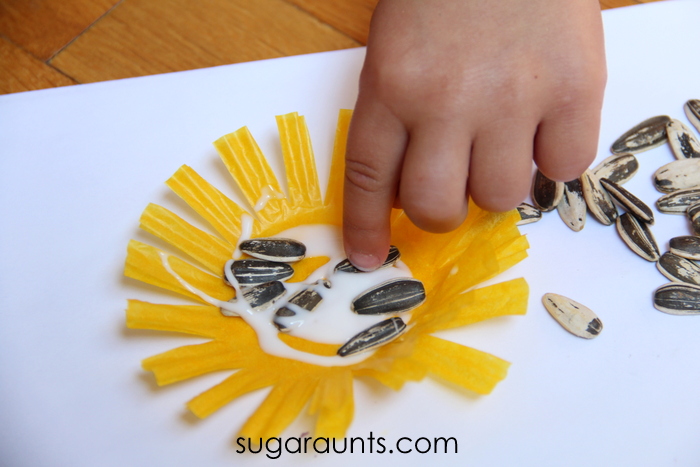
Place the sunflower seeds into the glue. Manipulating the small seeds is a great way to practice tip to tip grasp and dexterity. If more fine motor skill is needed, encourage your child to pick up a handful of seeds. “Squirrel away” the seeds in the palm of the hand and place the seeds into the glue one at a time. Using the index finger and thumb to transfer the seed from the palm of the hand to the tips of the fingers and into the glue is in-hand manipulation. This is a vital skill needed for tasks such as manipulating coins, tying shoes, and managing small objects.
We glued our sunflower onto bright orange paper and gave this to Baby Girl’s Great Grand Pappy. Let us know if you make a sunflower craft like this. We love to see your projects on our Facebook page.
It’s that time of year again for all of the apple activities! The kids are headed back to school and crisp, fall days are ahead. The excitement that comes with summer has dwindled, but don’t you worry – we are here to help fill your days with fall-themed fun, starting with Apple Activities to use in occupational therapy sessions or at home to help kids develop skills! Get started with our apple pie sensory bin to start off the sensory and fine motor play, and grab a copy of our Fine Motor Therapy Kit for visual motor, handwriting, and fine motor play.
Just think of the hot apple cider, apple picking, and apple pie that lies ahead…along with the opportunities to learn, of course!
We have broken down our activity list into therapy topics, so that you are able to pick and choose what you would like to address that day: sensory, motor, vision, cognition, or social skills!
Apple Sensory Activities
Amazon affiliate links are included in this blog post.
For heavy work through the hands that offers proprioceptive input AND tactile sensory experiences, try making these baked cotton ball apples. We used them in apple sensory play and fine motor work.
Sensory bins can be a great way to learn by experience. An apple-themed one could look like this: Apple-Cinnamon Sensory Bin. You could hide magnet letters to find and spell out the word “apple”, which would be great practice for children who have difficulty with shape constancy and letter reversals – actually holding the letter in their hand can help wire their memory for future use!
Applesauce oobleck is just like traditional oobleck, a type of slime, but with applesauce! The applesauce adds a new texture that is not often felt in traditional slime, as well as the smell of apples and cinnamon, as an added sensory experience. You can use these types of sensory experiences to address sensory concerns, like hyper or hyposensitivity, or you can use them as a means to address other unrelated concerns. For example, I love making slime as a way to address attention, sequencing and direction following. Additionally, when paired with education or discussion, it can be used as an adjunct to a socioemotional intervention.
For more Fall sensory activities, grab our Fall Sensory Activities Guide for hands-on sensory play with apples and all things Fall.
Apple Fine Motor Activities
To work on fine motor skills, strength, dexterity needed for functional tasks like handwriting, clothing independence, pencil grasp, cutting with scissors, and more, an apple themed fine motor activity is the way to go. Check out our Apple-Themed Fine Motor Math activity for a multi-sensory learning activity with apples.
Kids love these apple stamps using a toilet paper tube. It’s a fun OT craft to work on precision, eye-hand coordination, crossing midline, and much more.
Apple Poke with Toothpicks is a super easy but satisfying sensory and fine motor activity for children of all ages. Holding the thin toothpick requires a fine grasp like a pincer or tripod, which prepares hands for the work of a child (handwriting, buttoning, zipping, etc).
Adjust as necessary to make this activity your own:
Follow a pattern with colored toothpicks
Encourage fine motor precision by poking on dots or in pre-made holes
Use golf tees or one-sided toothpicks for a safer option
Apple Pointillism is a great way to use one of my favorite tools – the hole punch. Hole punching strengthens important hand muscles, in preparation for skills like handwriting, buttoning, and so much more. Even better, picking up those teeny-tiny circles will encourage a pincer grasp.
Apple Gross Motor Activities
Apple gross motor activities can be used to develop core strength, endurance, balance, position changes, motor planning, and more. All of these skill areas are a must for occupations and functional tasks. Try these gross motor activities with an apple theme:
Check out our Apple-Themed Brain Breaks for plenty of movement-based activities as well as self-regulation through whole body movement.
Ten Apples Up on Top by Dr. Seuss is a great book for sequencing and identifying numbers, but I think it could be great for gross motor development like coordination, balance and postural stability. Just have your child copy the movements of the animals! For even more challenging fun, cut out felt “apples” so they can balance them on their heads, too!
Just like you would do with tangrams, you could create a pattern fitting for the theme with Lego Apples. Matching an image to another by building a structure is a great way to address visual perceptual skills, problem solving, and spatial awareness.
Plus, here are some more on-theme resources for vision and fine motor skills:
Cooking and executive function go hand-in-hand. To work on executive functioning skill development with an apple theme, try this apple salt dough recipe. It’s great fun and a wonderful sensory and fine motor experience, too.
The Apple Pie Tree by Zoe Hall shows the life cycle of a tree, and even shares a recipe for apple pie! I love using this story for sequencing and attention.
You can address attention, memory, spelling, letter recognition or word recognition with these Red Apple Cups. You could use constructing the cups as an intervention, too – this activity can be used in so many different ways!
Apple Activities for Social Emotional Skills
Social Communication Skills with Apples from the Social Butterflies Club offers great resources to use with kids that encourage social interaction in a structured activity.
We hope that you have been inspired to create your own apple themed activity, or have chosen one that will work great for your kiddos! Check in for more fall-themed activities soon. While you are waiting, take a look at these awesome resources for a great fall: Fall Themed Water Table, Fall Gross Motor Activities, and Fall Fine Motor Crafts.
Apple Theme Activities
Sydney Thorson, OTR/L, is a new occupational therapist working in school-based therapy. Her background is in Human Development and Family Studies, and she is passionate about providing individualized and meaningful treatment for each child and their family. Sydney is also a children’s author and illustrator and is always working on new and exciting projects.
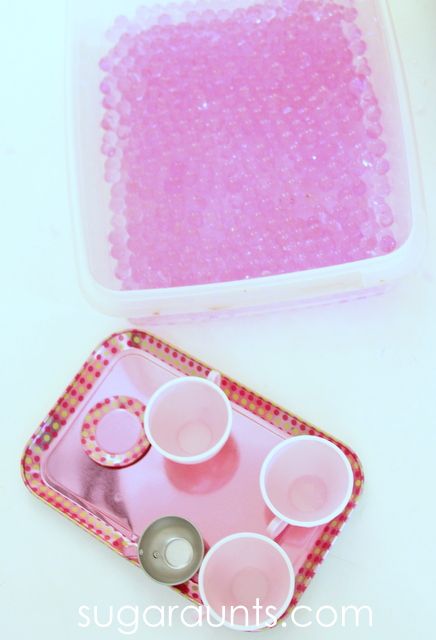
We LOVE water beads! They are such a fun way to play. We’ve done so many fun activities with water beads: color matching,seasonal sensory bins, and even fine motor play with them. One day we pulled out a pretty pink color for a little tea party pretend play.
Water Bead Tea Party
Note~ All children’s activities that we share on Sugar Aunts should be supervised by a responsible adult. This activity especially should be monitored closely by an adult as children may get swept up in the moment of imaginative play. If you are worried that your child may put water beads into their mouth, please do not attempt this activity. Sugaraunts.com is not responsible for any injuries or accidents. Sorry for the lameness, but it must be said…because you never know. Just use caution.
This post contains affiliate links. Thank you for your support.
Onto the fun. We grabbed a packet of Pink Water Beads and let them sit overnight in water. By the next morning, we had a bin full of beads ready for playing. I set up our tin tea set. We were ready to play!
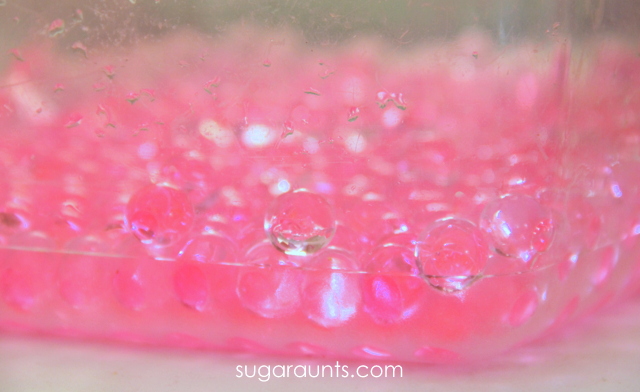
How fun does this look??
We poured a few cups of “tea”. This was a great fine motor activity for Baby Girl (age 2.5). Pouring, scooping, and transferring the water beads from cup to cup is a great way to practice dexterity and control with movements.
We pretended to have a tea party with lots of refills needed. This sensory play activity that was very relaxing. Running your hands through water beads has such a calming affect.
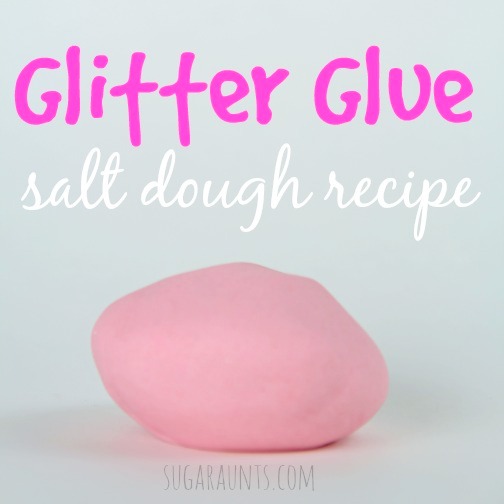
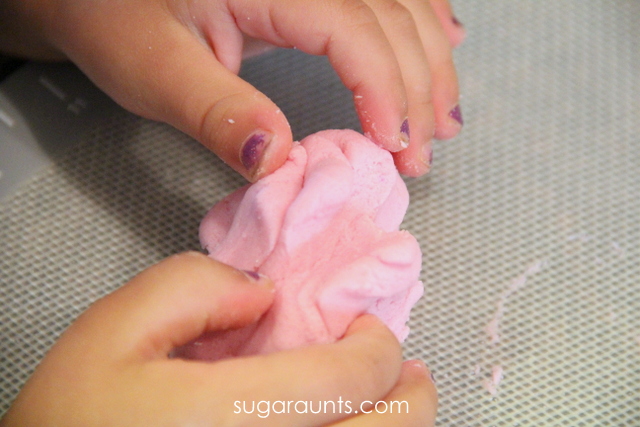
This salt dough recipe is a spin on the classic play dough made with salt. It’s got a unique coloring agent that adds a bit of “stick” to the dough, making is an awesome sensory material for challenging the tactile sensory system while encouraging fine motor skills. If you love creative and fun dough recipes, try this salt dough made with crayons.
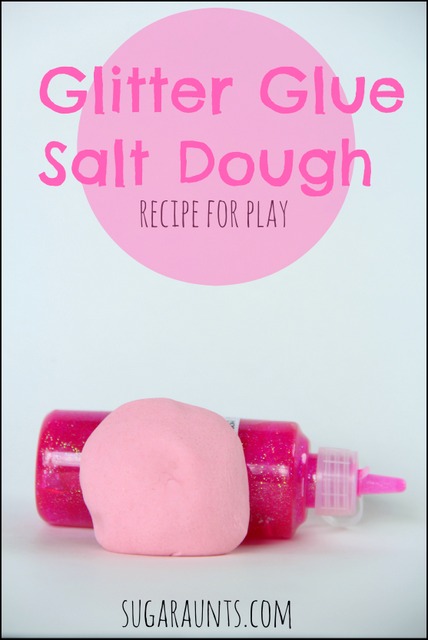
We love making up a batch of salt dough. It’s a great moldable dough for creating crafts like this salt dough keychain and even ornaments. This recipe for glitter glue dough was a total accident. It turned out to be completely cool to play with and one we’ll be making many times in the future.
Note~ This post contains affiliate links.
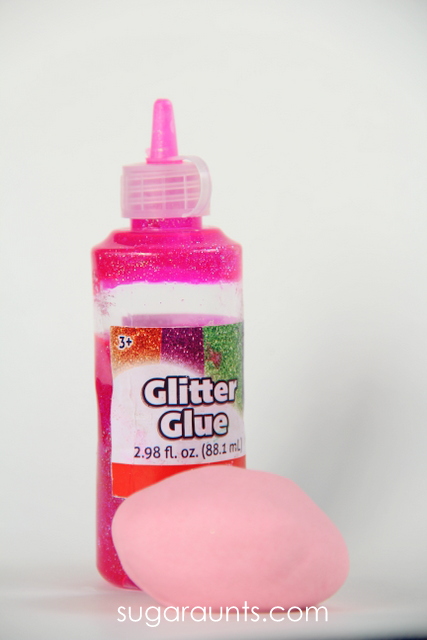
Ingredients needed for Glitter Salt Dough:
Salt Dough (mix up 1 cup of salt, 1 cup of flour, and 1/2 cup water.)
When we made our glitter dough, we were crafting our Kissing Hand charm and were playing with the extra dough. Baby Girl saw a bottle of glitter glue sitting nearby and decided to decorate her dough. It was a beautiful, glittery, goopy decoration 😉
We decided to mix the whole glittery mess into the dough and glitter glue salt dough was born!
With the glue added into the dough, it was much more sticky. Such a great sensory experience to manipulate that sticky dough! We needed to add a bit more flour to take away the sticky factor. How much you add depends on how much dough you’ve got and how much glitter glue you add in. Looking for more ways to add sensory experiences to everyday play? Try all of these sensory activities.
Playing with this glittery dough was so much fun! Let us know if you mix up a batch.