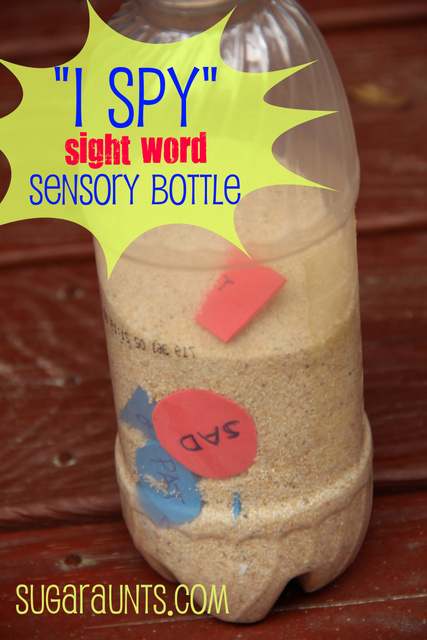
We made this sensory bottle
and sight word “I Spy” bottle
for an easy little learning activity. Two of us Sugar Aunts were together one afternoon for a little play session with the kids and this was quick and easy to put together.
One bottle of sand.
A handful of foam sheet shapes (we wrote a few beginner sight words on front and back of each shape).

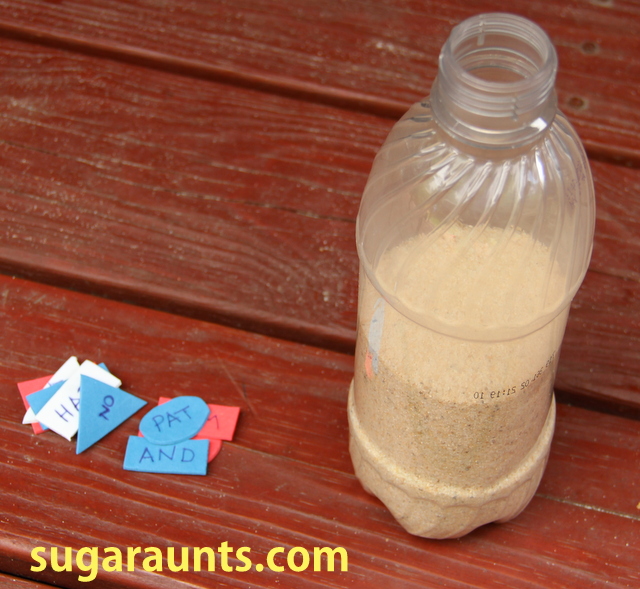
It was perfect for the different age groups of the kids (5, 4, 3, 2, and 1!)
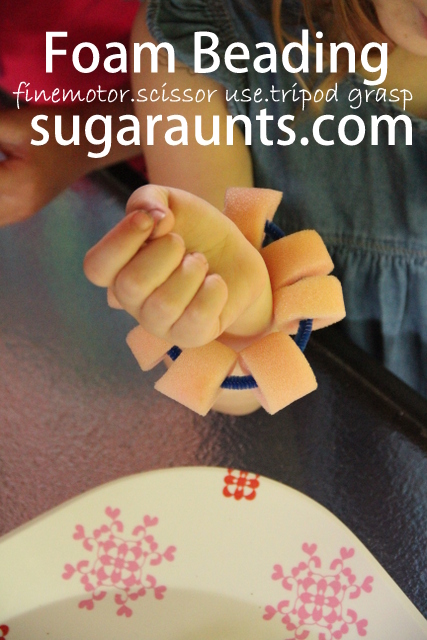
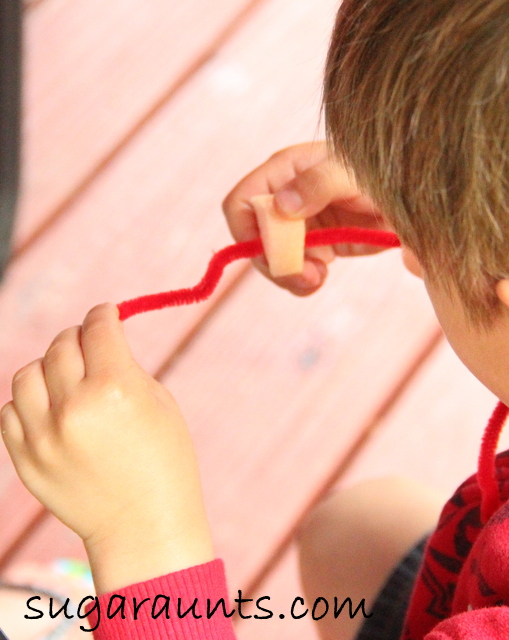
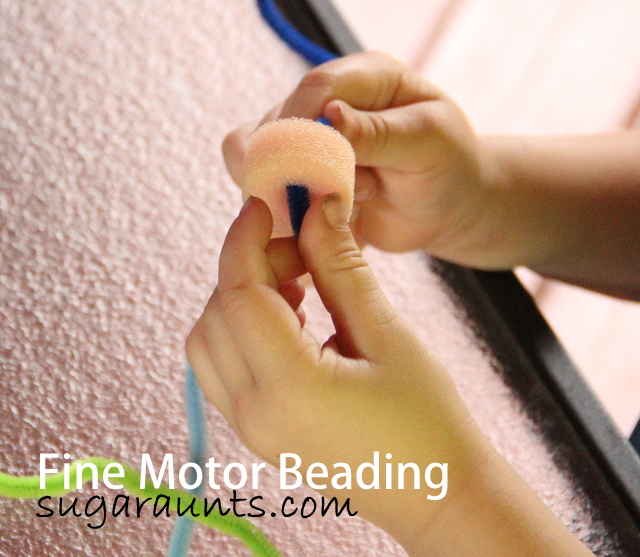
And these kids seem to LOVE anything they can put into something else. The little fingers were everywhere when we told them to drop the shapes into the bottle opening! This is Awesome for tripod grasp skills.

This was great for the 5 and 4 year olds who are learning their sight words. We used some beginner reader words that they recognize (Their current favorite book around here is “Sam I Am”. Seeing those words in a new place is pretty cool way to emphasize reading confidence, I think!)
The 3 year old knows most of his shapes (that rectangle gets him every time!) so this was good for his learning level.
The two year old could point to the colors (and with only three options in the bottle, it was not overwhelming for him).
And for the one year old, this was overall great for language development!
((and super fun to shake !!)

We had fun with our sensory sight word bottle. Have you done one of these? Link them up in the comments, we would love to see them!