Family Wellness

Family wellness is an important piece of the family life. Use these tips for wellness strategies to inspire healthy living and family activities for well being.

Today’s stop on the family wellness challenge is the starting point in a journey to “well” being. This is something that I LOVE to talk about and something that comes naturally to occupational therapists. Join our wellness challenge that is a guide to family wellness, a path to mindfulness and regulation, and a means to integrate coping tools across the family unit and all that it is.

Family wellness is an important piece of the family life. Use these tips for wellness strategies to inspire healthy living and family activities for well being.

Family Wellness

So, what does family wellness look like? How can families improve wellness as a whole? The family unit is a diverse thing, so when it comes to health and wellness, individual needs can be just as diverse. What works for one family may not work for another. What is a comprehensive strategy for one family will look totally different for another. The wellness challenge happening here on The OT Toolbox site is just that: A diverse toolkit designed to serve families of all sizes, backgrounds, and ethnicity.

“The contribution of a family toward a person’s well-being
is clearest at both ends of the life span. The natural dependency of childhood and the consequences of secondary aging among older persons result in caregiving
needs that arc frequently met by family members, At
times, the role of the family as nurturer and change agent
is so central that the family becomes the focus of intervention.”

(Humphry, R., Gonzalez, S., Taylor, E., 1993)

Occupational Therapy and Wellness

OTs are experts in using a holistic approach to function, across the lifespan. In other words, Occupational therapists helps people in any skill or task that occupies their time. To help individuals build skills and achieve goals, OTs practice with a “whole body” approach. Helping people of all ages physically, emotionally, mentally, and even spiritually is part of the job. Holistic approaches such as yoga, mindfulness, coaching, Reiki, massage, acupressure, guided imagery, meditation, reflexology, massage therapy, aromatherapy…The list could go on and on. These are all mind/body/spirit approaches that integrate the whole body into function.

The variety of holistic approaches serves well the family unit and it’s fabric and variety of interests, talents, and strengths.

Getting families involved in practice is essential and just one part of the process.

Occupational therapists involve the family and parents in child-centered goals and incorporate family well being and quality of life for the whole family. Family routines and daily activities impact the child as well as the whole family. Therapists can help with overall functioning through use of wellness and holistic strategies.

The tools used to promote wellness can be many things depending on each individual’s interests, needs, strengths, and weaknesses. We will get into each aspect of wellness throughout this challenge, as well as cover a resource of tools to add to your “wellness toolbox”. These strategies and tips can be used in therapy practice, in the classroom, or in the home.

Family Wellness Wheel

Wellness for families looks like wellness in a possibly more integrative position. Check out this post that describes what a wellness wheel is.

For families, there are many individuals that make up the family unit. Wellness depends on each member but also each family member together as a unit. A balanced lifestyle involves all of the members together.

Family wellness can be impacted by physical needs of a member of the family. Societal contributions, environmental impacts, income, backgrounds, and occupations of each member can contribute to family well being.

Within the family, each member will also have their own specific wellness integration that defines emotional, physical, mental, intellectual health and wellness.

In our wellness challenge, we are covering many areas that integrate together:

  • emotional management
  • attitude and mindset
  • mindfulness
  • beliefs and values
  • health and fitness
  • habits and healthy choices
  • exercise
  • nutrition
  • empathy
  • awareness of others
  • social development
  • learning and cognition
  • goal setting
  • creativity
  • executive functioning
  • participation in daily tasks
  • play, learning, and hobbies
  • self-care

There are many other aspects of family wellness that this challenge does not cover. Some considerations may include finances and environmental safety.

Family wellness includes all aspects of well being. Use this information on family healthy lifestyles to empower families to make healthy choices in activities.

Family Wellness in Action

Occupational therapists are skilled at empowering families into a balanced state of wellness. The American Occupational Therapy Association’s Vision 2025 (2017) necessitates that OT professionals promote “health, well-being, and quality of life for all people, populations, and communities through effective solutions that facilitate participation in everyday living”.

Occupational therapy practitioners are important pieces to the wellness puzzle. Therapy professionals impact occupational justice, overall health, and well being of the individual as well as the family. Quality of life on an individual basis and as a family unit are based on integration of wellness wheel components. Occupational therapy practitioners are experts in thinking outside the box and addressing weaknesses or areas of need by using occupation and adaptation across all components (emotional, physical, mental, intellectual, etc.)

For the family, wellness looks like integration of individuals and family members with the awareness and acceptance of factors such as poverty, social and environmental concerns, occupational deprivation, and many other considerations.

Family wellness activities for the whole family

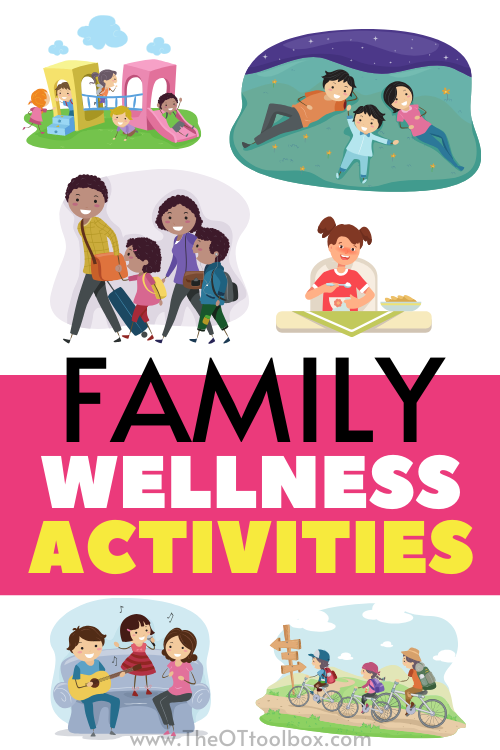
Family wellness activities

By promoting a safe and enriching environment, families can support healthy development and better outcomes for children and the entire family unit. By allowing for opportunities for children and the family to engage in meaningful occupations, including play and learning, with occupational justice, families can thrive.

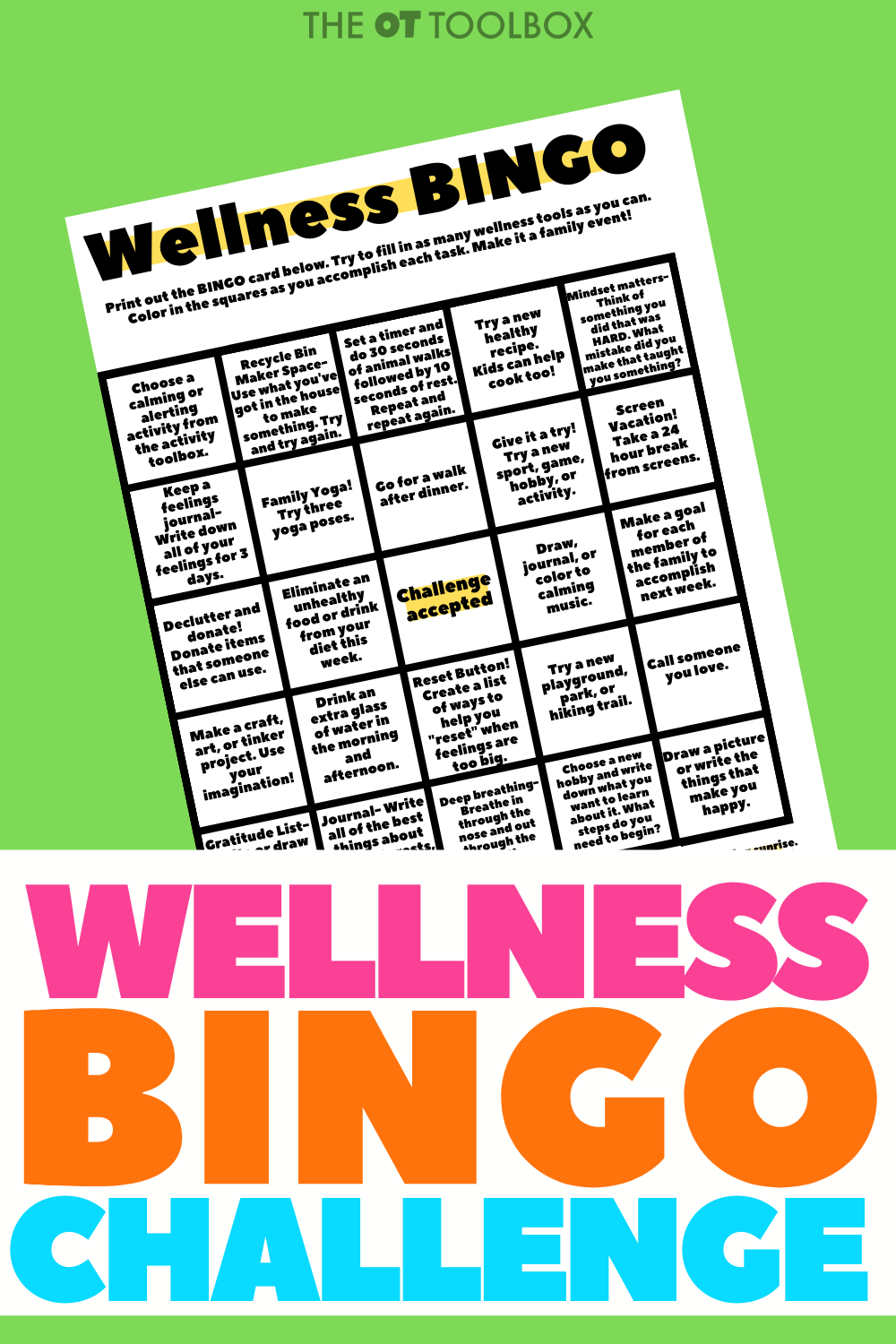
1. Make wellness FUN. This wellness bingo game is a great way to get the whole family involved in health and wellness activities.

2. Try a family exercise. A walk together in the evening is a nice way to wind down and reflect on the day.

3. Visit parks and playgrounds together. Explore nature, run, climb, throw a ball, take a hike. The physical activity options are limitless!

4. Cook together. Cooking offers an opportunity to try new foods and talk about healthy food options.

5. Commit to a screen-free day. As a family, working together on a goal like going screen-free for 24 hours means commitment and practice in goal-making. Take away the screens and see what you can fill that time with…puzzles, reading books, playing with sidewalk chalk, visiting neighbors…all ways to fill those emotional, mental, intellectual, and physical buckets!

A common theme in family wellness is grit, determination, perseverance, and occupational well being across all members. The options for family wellness activities are limitless and based on overall health and well being of the family…with a goal for better quality of life!

Occupational therapy practitioners should consider promotion and prevention models, such as public health and positive youth development, to moderate the effects of poverty through building resilience.

References:

American Occupational Therapy Association. (2017). Vision 2025. American Journal of Occupational Therapy, 71, 7103420010. https://doi.org/10.5014/ajot.2017.713002

Humphry, R., Gonzalez, S., Taylor, E. (1993). Family Involvement in Practice: Issues and Attitudes. The American Journal of Occupational Therapy. 587-593. vol 47, Number 7. link

Colleen Beck, OTR/L has been an occupational therapist since 2000, working in school-based, hand therapy, outpatient peds, EI, and SNF. Colleen created The OT Toolbox to inspire therapists, teachers, and parents with easy and fun tools to help children thrive. Read her story about going from an OT making $3/hour (after paying for kids’ childcare) to a full-time OT resource creator for millions of readers. Want to collaborate? Send an email to contact@theottoolbox.com.

Wellness Bingo

Wellness bingo game to use to build overall well being and a balanced health and wellness state.

When it comes to child wellness and family wellness, there can be a lot of work that needs done to maintain a healthy and balanced lifestyle. Child well being can be adversely impacted by myriad causes: childhood trauma, parent lifestyle, poverty, screen over-use, and other stressors. Here, you will find a Wellness Bingo activity to help with health and wellness in kids and families. This resource is one that can be used over and over again as a means to address occupational imbalance, or overload in one area of the wellness wheel.

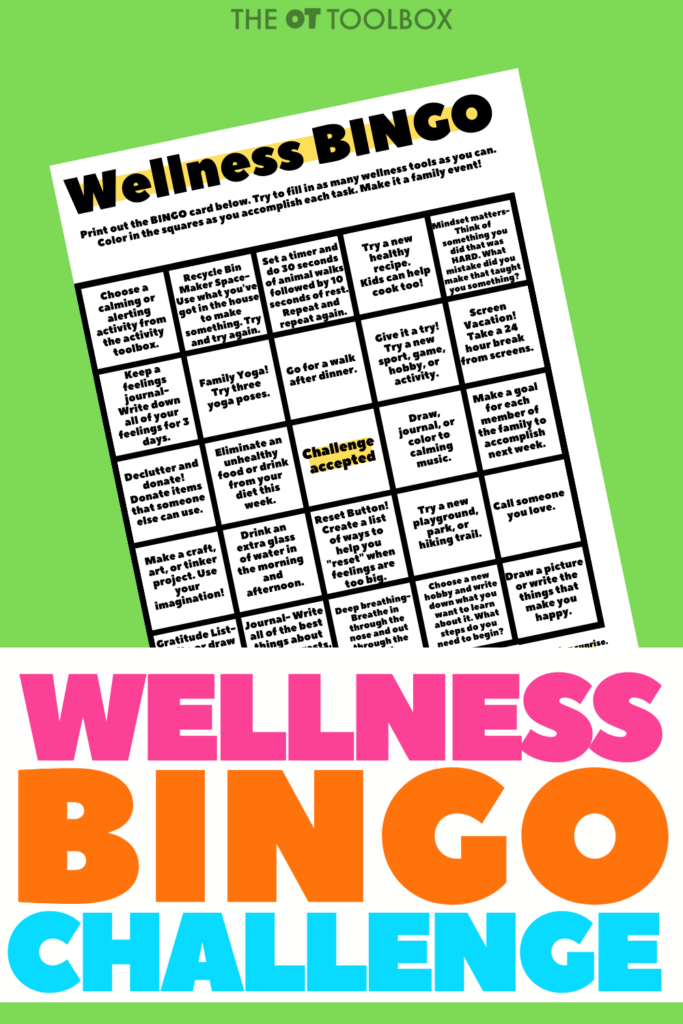
Wellness bingo game to use to build overall well being and a balanced health and wellness state.

For help in promoting wellness as a therapy practitioner, as a parent, or as a teacher, please do join us in our Wellness Challenge.

Wellness Bingo

Research tells us that family dynamics such as parent interaction, family mental health, father involvement, and other concerns can have a major impact on child health and wellness. The wellness BINGO game below can be a tool to address challenges in emotional wellness, physical wellness, mental wellness, and all aspects of overall wellbeing.

Use this Bingo game as a strategy during a wellness week or as part of a wellness program. I’ve tried to make this health and well being game one that works for children, families, and students. However, the tool can be adapted and used in the workplace or when looking for workplace wellness ideas.

Wellness Bingo Card Topics

The various wellness dimensions included in this BINGO game are based on the topics covered in our Wellness Challenge. You’ll find the following areas covered by completing the bingo board:

Emotional Wellness- Emotional well being is a state of healthy emotions while managing challenges and coping effectively. Maintaining an awareness of self across environments and situations. Coping with stressors and allowing emotions to not impact function or tasks. Having an awareness of self and self-regard.

Physical Wellness- Physical wellness refers to a healthy relationship with health, exercise, and nutrition. The ability to maintain a balance between physical activity (exercise), rest, nutrition, and overall health. Self-care in dealing with stress. Part of physical well being is the ability to recognize this balance and adjust when needed. Physical wellness can incorporate nutritional wellness which may be separated into it’s own wellness wheel pie piece.

Social Wellness- The ability to maintain a healthy social network that can give support and in which you are able to provide support in return. The ability to establish a sense of belonging. Building and maintaining positive relationships with others. The ability to deal with conflict appropriately. Taking other’s opinions, experiences, and perspectives into consideration with empathy while maintaining a healthy level of love and respect for yourself. Having good communication skills.

Occupational Wellness- Occupational wellness is an important concept for OTs. The balance of work, chores, play, hobbies, functional tasks like self-care or hygiene, home management, finances, etc. Maintaining fulfillment and balance between all of one’s occupations (or the things that occupy one’s time) is essential to well being and stress.

Intellectual Wellness- Being open to new ideas and new concepts is important in the area of intellectual wellness. Learning new things with an open mind in order to gain knowledge and learn new skills. Fostering hobbies and taking the time to read to acquire information based on hobbies, interests, or work. Recognizing that others have different backgrounds and experiences that can be a learning opportunity.

Spiritual Wellness- Spiritual awareness and wellness is a state of recognizing one’s beliefs, personal mission, and faith. A spiritual investment allows you to guide your decision based on ethics and purpose. Allows for peace and joy in making decisions while finding meaning in life. Understanding that you and others have purpose in life and that your own spiritual connection may be different than others.

You can see how some of these wellness concepts blend into one another!

Because of that interconnectedness, you will see that the Wellness Bingo has a mixed set of wellness challenges that can address different aspects of well being.

Wellness Bingo Challenge

This wellness bingo challenge is designed to make things easy on you. Why? Because adding more to our daily to-do lists can be the cause of lifestyle imbalance. Our goal here is to focus on occupational balance…or the ability to participate fully in daily task requirements at an optimal state. When occupational balance is off, there may be stress, anxiety, and a wellness wheel that is off kilter!

So…to use this wellness bingo game, there are no rules!

Try to do one of the squares each day or each week. Try to fill the whole game card or just one row. Allow the whole family to play together and fill the card in more quickly. It’s completely up to you!

On the wellness bingo card, there are activities that boost many areas that improve the wellness components described above. Check out these resources to read more on the topics that are covered:

self-regulation

mindfulness

self-awareness

self care

exercise

healthy habits

and so much more.

Want this Wellness Bingo card to print off and use? It’s part of our Wellness Challenge. Join the challenge and gain access to this free printable.

In the challenge, we’re talking all things wellness. The BINGO card is offered as a free resource on DAY 2 of the Wellness Challenge. Click here to join us!

Wellness Challenge

Wellness challenge for families with ideas for wellness activities

Today, I bring you something that’s been on my mind for a while. Something that I think is much needed not only during the current times, but overall in the past several years or so. Wellness. It’s a topic that occupational therapists know well. Today, I have for you a Wellness Challenge. I thought about calling this a summer activity challenge, or a adventure challenge, or even a play challenge. I kept coming back to a wellness challenge, though. There’s a reason. Family wellness is the home for wellbeing. It’s the “home” to function. Mindfulness strategies or regulation activities for kids to do when we see the need. These wellness strategies need to be integrated into our daily lives.

Wellness challenge for families with ideas for wellness activities

What is a Wellness Challenge?

Occupational therapists are wellness experts.

That may come off as a bold statement. But think about it. Occupational therapists help people of all ages and abilities DO the things they want and need to do through the therapeutic use of everyday activities (occupations). They help people do their daily occupations, or the things that occupy a person’s time.

A balance of our occupations fulfills our duties and the things we need to do. That balance allows us to get things done (school work, teaching our kids, work tasks, caring for others, caring for our home and belongings, caring for our bodies physically, managing our emotional well-being, and fulfilling our spiritual well-being). All of these demands require balance. The occupational balance needs to be both fulfilling and health enhancing.
(American Occupational Therapy Association [AOTA], 2014b; Hocking, 2019; Meyer, 1922).

Occupational therapists are skilled at identifying occupational needs and managing a balance of those demands.

Sometimes, that occupational balance gets out of sorts. We see dis-regulation, we see behaviors. We see emotions. We see mental or physical responses. We see a need for balance. A balance and use of tools and strategies allows for self-regulation and integrated use of coping strategies, tools, and resources to incorporate into various aspects of our daily occupations.

A wellness challenge is daily activities that

This Wellness Challenge is not…

They are not just ideas of what to do when frustrated, our-of-sorts, when feeling “less than healthy”, or even when bored. It’s not just a checklist to hang on the fridge and direct kids to when they need support. It’s not just a list of ways to get the kids active this summer or off their screens. (And I think we ALL need a screen detox at this point!)

This challenge is not one more thing to add to your to-do list. This is not another recommended list of ways to stay sane. This is not intended to be overwhelming or frustrating.

This is a wellness challenge. It’s a healing challenge. It’s a family challenge, loaded with things to do or ways to adjust thinking in a way that heals. It’s tools for incorporating into daily lives much like a sensory diet. The wellness strategies are meant to be part of our daily lives and cover all aspects of sensory system. The play activities build physical strength and coordination.

They are emotional regulation activities that offer calming heavy work.

These are ways to connect with what matters in your family’s day-to-day life.

There are sensory coping strategies.

There are creative activities to get the mind thinking and making. I am SO excited to bring this wellness challenge to you, because we all need things that are good for the soul and the body.

Be sure to stop back over the next week for more activities in the wellness challenge! You’ll find new tools each day over the course of the challenge, but this is your one-stop spot to all of the wellness activities in this family wellness challenge.

Wellness challenge and ideas for health and wellbeing activities

Family Wellness

Get ready, let’s get started with family wellness and health and wellbeing for the whole family! Sign up below to join the wellness challenge!

This challenge will provide therapists with tools to help clients and their families.

This challenge will provide families with resources, information, and activities to center their family in balance and wellbeing.

This challenge will provide teachers, counselors, caregivers, administrators, and educators with resources to guide families into an optimal place.

Join the Free Wellness Challenge!

WellReceive tips and tricks on family wellness.

person holding white paper with it is well text
Photo by n Unsplash

WleTherapist-aved.

    Powered By ConvertKit

    Self Awareness Activities Slide Deck

    Use this free self awareness activity slide deck in occupational therapy teletherapy

    Helping kids become more more self aware is a skill that can help with emotional regulation, goals, executive functioning skills, goal achievement, and so much more. Today, I’ve got self-awareness activities for kids in the form of a free Google slide deck. This resource goes really well with hands-on self-awareness games to target a variety of skills and abilities.

    This is a powerful social emotional development tool for kids. Use these awareness activities to help kids become more aware of how they feel, the things they are good at, personal goals, interests, and positive traits. You’ll find the animal themed activities below. First, let’s discuss awareness for kids.

    Self awareness activities for kids

    Self awareness for kids

    For kids and adults alike, self-awareness is a means to become more aware of how they are behaving and thinking. Using that awareness of self and applying the ability to self-monitoring through strategies can help with improved behavioral outcomes. When we respond to situations, most of us have a monitoring system or the ability to monitor how we feel, think, and act so that we can respond appropriately. Self monitoring leads to behavioral responses and functioning so we are able to complete tasks in a given situaion.

    Being aware of one’s needs, goals, emotional state, thoughts, behaviors, and responses can help within a situation. Awareness offers an opportunity for the need for self-care and self-advocacy.

    Self awareness is a metacognitive skill needed for higher level thinking

    All of our life experiences, including functioning in day-to-day tasks, learning, and social participation requires self-reflection or an awareness of self. Without self awareness, learning, participation, following rules, social interactions, lawfulness, and all aspects of occupational performance may be threatened.

    Self-awareness is a skill that allows for emotional regulation and behavioral regulaiton. For some, these are extremely difficult. When awareness of one’s preferences, tendencies, emotions, reactions, one can begin to understand their needs. Having a sensory diet in place as part of a sensory lifestyle is just one tool to address sensory needs. Using coping strategies to help with regulation needs can be a life-changer. Using stress reduction tools to address anxiety or anger can be powerful in adapting. There are tools to address specific needs of all kinds. One of the first steps in identifying needs is the understanding of self-awareness.

    For more information on integrating a sensory diet into a sensory lifestyle, try the Sensory Lifestyle Handbook, a comprehensive resource in integrating functional sensory diet based on individual interests in a motivating manner.

    Understand how self awareness skills develop in kids

    Development of self awareness

    For children, the ability to self-monitor and be aware of their thoughts, skills, abilities, interests, emotions, and behaviors, these skills may be challenges.g It takes practice and experience for a child to have the ability to self-reflect. Research tells us that self-awareness begins to develop in childhood, but involves metacognition, or interospection. Metacognition is a skill that is acquired later in childhood, in the adolescent years.

    One study of metcognition has found that the skill develops at a functional level for basic metacognitive skills around age 13 to 14. More generalized or advanced metacognition develops around age 15. This study also determined that between the age of 12 and 15 years teenagers develop in qualitiy of metacognitive skills, however this development varies between individuals. Aspects of higher level cognition skills such as those commonly discussed when covering executive functioning skills impact self-reflection: orientation, planning, evaluation, and elaboration. Like other aspects of executive functioning, self-awareness and reflection (metacognition) develops until at least the age of 22.

    Another aspect of executive functioning, working memory, is a skill that impacts metacognition and self-reflection. Younger teens have been observed to have a lower level metacognitive skills that are applied to single situations or limited transfer of skill. Older teens, as metacognition develops, are capable of transfer of metacognition across environments. This higher-level inference involves conscious formulation of abstractions in one situation that allows for making a connection to another situation.

    Self awareness examples and self reflection strategies for kids

    Self awareness examples

    In the self awareness slide deck you’ll find below, there are several main areas covered. These are essential pieces of the self reflection and self monitoring puzzle.

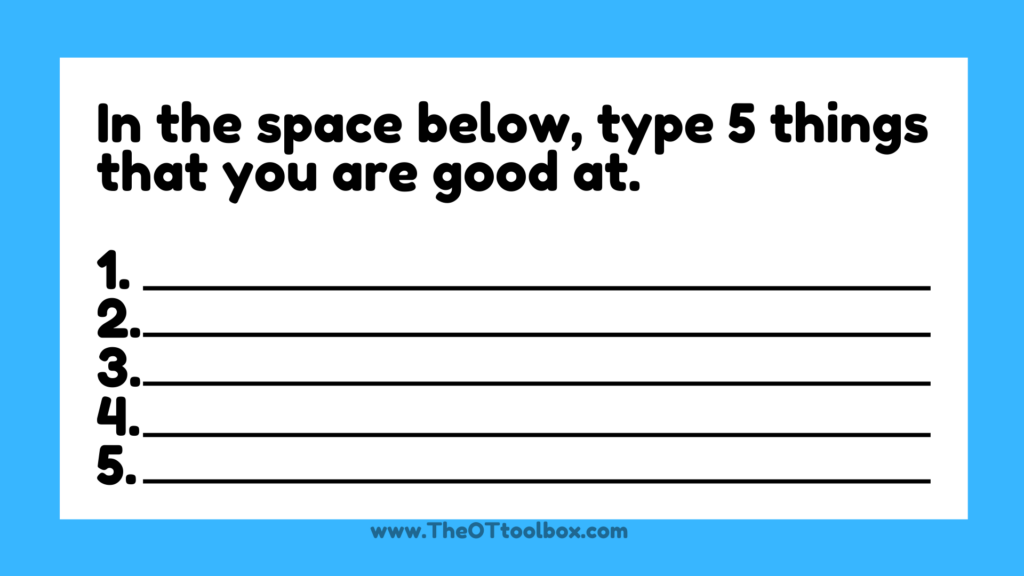
    Identification of positive traits- Knowing what they are good at. The slide deck prompts kids to identify 5 things they are good at. This exercise is a booster in self-esteem and can be a starting point for addressing goals.

    self awareness activities include self reflection

    Compliments- Learning to identify what others are good at and telling them is an important skill. Authentic compliments identify positive traits in others. Noticing these details about others builds an awareness of oneself as well as others.

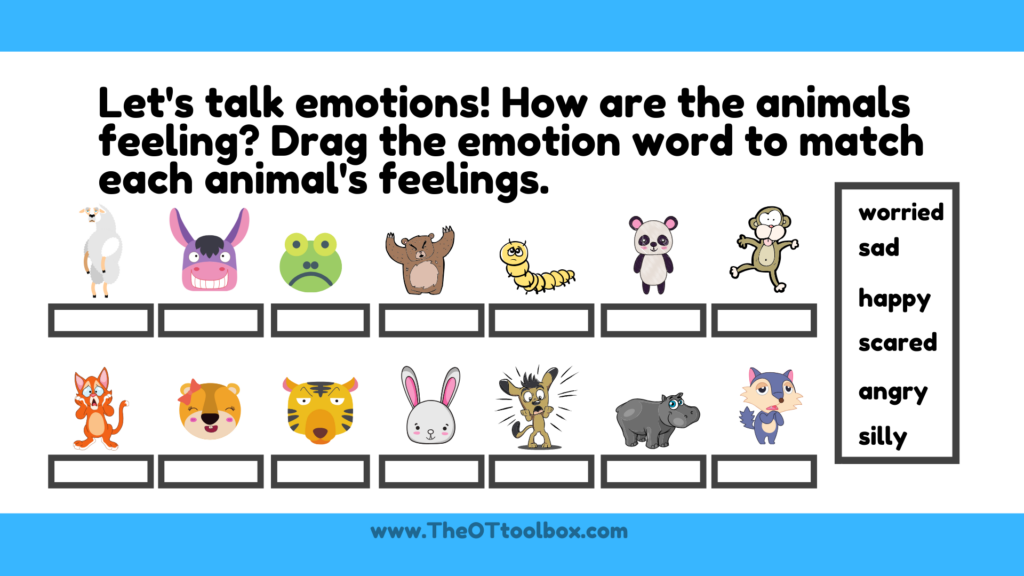
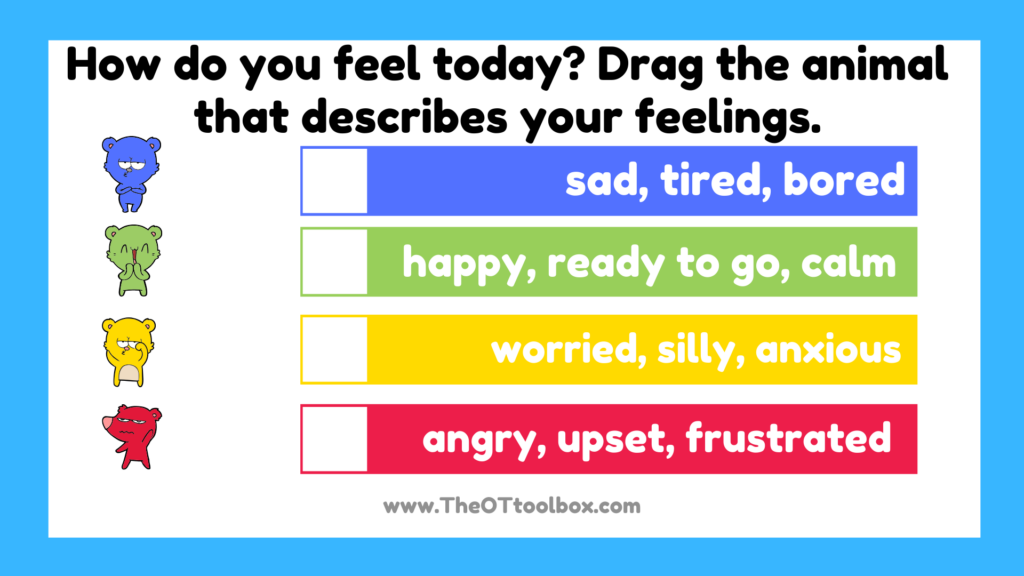
    Emotions- The first step of emotional development is identifying emotions. We can see by the faces someone makes how they are feeling. Putting a label to that emotion is a strong skill.

    Emotional self-awareness- Moving on, kids can describe how they are feeling at any given moment. They can identify how they might feel in a situation. Then, they can identify coping tools and put words into their feelings and emotions.

    Self awareness is an important part of social emotional skill development.

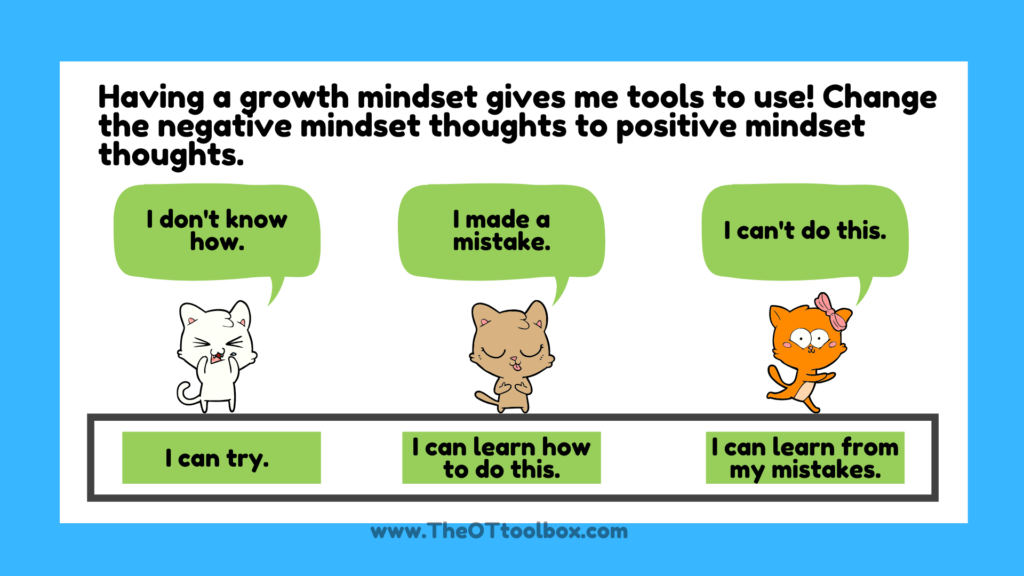
    Growth mindset- This skill is powerful in self-awareness and metacognition. Using a growth mindset allows room for development in your internal belief system. You have room to learn and develop as a person and understand that there is room for improvement regarding behaviors or actions. This mindset, when it comes to self awareness, limits self-judgement and hopelessness.

    Self awareness activities include a growth mindset

    Interests- Identifying interests is a first-step in self-awareness. Our Sensory Lifestyle Handbook covers interests and motivation in great detail. The research tells us that interests impact motivation and goal achievement. Looking deeper into oneself to identify interests is a great first step.

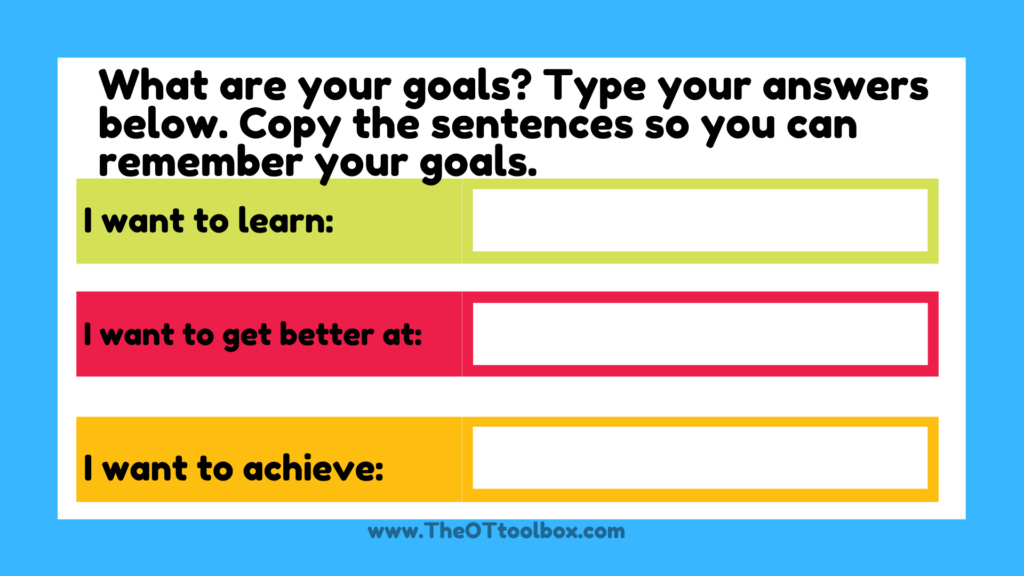
    Goals- Goals don’t need to be all about behaviors and actions. A beginning step can be identifying goals that others might have and the steps it takes to get there. A simple goal achievement path builds skills in planning, prioritization, organization, and other executive functioning skills.

    self awareness activities address goals

    Setting goals- A higher level task of setting goals covers self-reflection as well as those items covered in goal achievement. Kids can be guided to set goals that are important, achievable, satisfying, and motivating. Then, identifying milestones and the steps to get there can make it easier to achieve, making them motivating and a self-confidence booster.

    Self awareness activities

    Setting one’s own goals- Setting goals can be helpful for kids as they learn to work toward a meaningful goal. This process helps them learn focus, planning, prioritization, self-esteem and goal achievement. Setting goals and identifying goals impact self awareness. Part of goal setting includes getting super clear on what’s important to a child. Kids can examine their process and identity actions they’ve taken toward those goals. They can identify what’s working and what hasn’t worked. They can create a plan for moving forward. All parts of this process improves self-awareness through self-reflection.

    Provide opportunities for kids to self-reflect- Ask questions based on concrete acquisition of knowledge and open up conversations such as, “Before, I thought… Now, I think…”

    Role playing (role reversal)- Kids can sometimes “see” how their actions or reactions impact themselves and others when the situation is acted out. Coping tools or strategies can be used in the role play as a practice run.

    Zone of regulation activities- Using Zones of regulation activities to address self-awareness is an effective strategy for many children. The Zones program was developed to help kids learn a greater internal awareness while using self-regulatory behaviors and emotional adaptive skills for functional use.

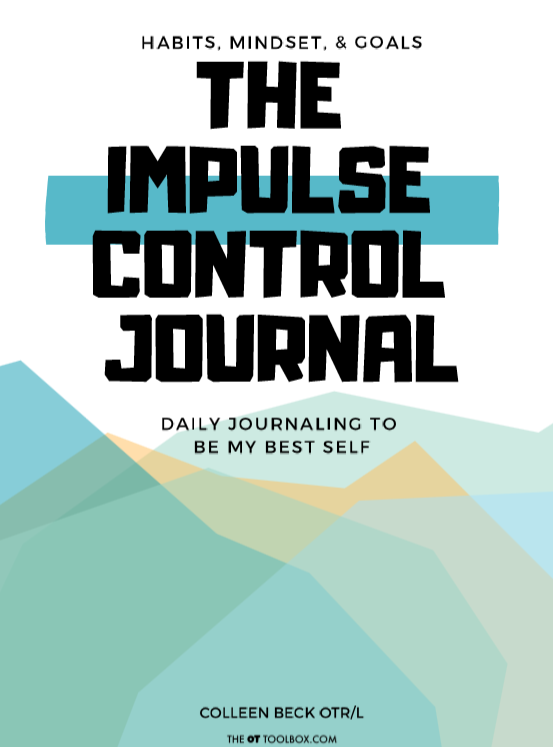
    Keep a journal- Keeping a record of small wins, mini goals, struggles, efforts, and day-to-day progression can be so powerful for kids (and adults!) The Impulse Control Journal is a comprehensive resource that can be printed off and used over and over again as a journal for addressing and building executive functioning skills, including the essential component of self awareness.

    Goal Attainment Scaling- This AOTA article shares examples of how goal attainment scaling can be used to measure changes in individual behaviors using a self-rating scale for specific actions in response to goals. This self-awareness strategy offers a means for the child and their therapist to track progress on goals to help accomplish individual goals and accomplish a specific aspect of functioning, or occupation.

    Self-cuing- Using self cuing is a tool to help recall instructions, coping strategies, tactics, or even a visual prompt that delivers a step-by-step directive in a situation. Visual prompts can be as simple as a list, or a social story that is visible or accessible during a situation. These visual reminders can be a building block for self-awareness and reinforcement of strategies that have been determined to work for an individual.

    Video modeling- Making a video recording of a child within a treatment session can be another way to help the individual see how they are responding in a situation. They can then watch their actions, behaviors, and choices as well as use of coping tools or modulation strategies within a situation. The video should be reviewed with the child and discussed what they did well and what might work better next time.

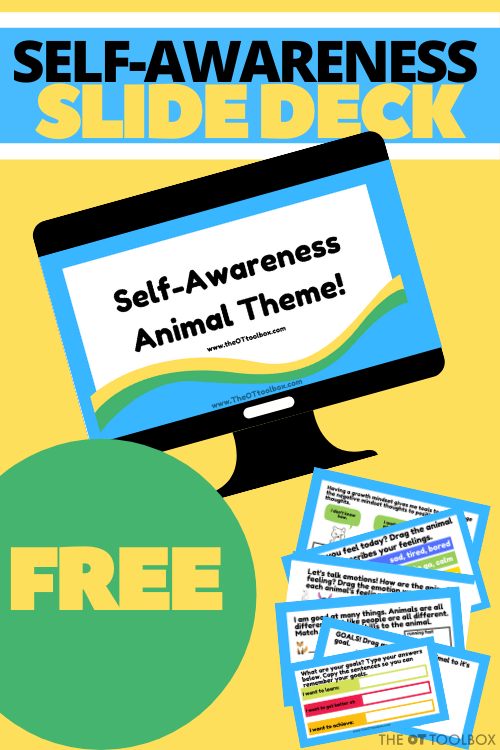
    This free self awareness activity slide deck is great for kids to develop self reflection skills with an animal theme

    Self-Awareness Slides

    These self awareness slides use an animal theme to help kids become more aware of them self through self-reflection. The slides work through the aspects of self awareness that we outlined above. Beginning skills are covered and kids can work on each area in a fun and creative way.

    Enter your email into the form below and you can access this free therapy slide deck to help kids build self awareness skills.

    Self awareness activities include emotional regulation aspects

    Get a free Self-Awareness Animal Theme Slide Deck

      We respect your privacy. Unsubscribe at anytime.
      Powered By ConvertKit

      References:

      Foster L. and Lueger, K. (2014). Model Behavior: Helping Adolescents With Autism Through Goal Attainment Scaling and Video Self-Modeling. OT Practice 19(2), 79. http://dx.doi.org/10.7138/otp.2014.192f1.

      Kindergarten Readiness and Executive Functioning Skills

      Kindergarten readiness and developing executive functioning skills in kindergarten

      Many parents of preschoolers have questions about preparing for kindergarten. There are kindergarten checklists and loads of resources online designed to address kindergarten readiness. One area that parents might miss when getting ready for kindergarten is the concept of executive functioning skills.

      Executive functioning skills develop from very early in childhood! These skills can easily be developed through fun, age-appropriate play. Sound familiar? Combining learning and play in kindergarten is essential to build skills with an age appropriate awareness and at developmental levels. This is the exact way that children should be preparing for kindergarten!

      Kindergarten readiness and developing executive functioning skills in kindergarten

      Kindergarten Readiness

      There is immense amount of pressure for children to be ready for the academic demands of
      school, even from kindergarten. From the moment they walk in the door, most kindergartners
      are pushed to be “little sponges” of the academic content to meet standards. However, most of us
      recognize that this may not be the most appropriate approach to take. Finding engaging executive functioning activities can be tricky. The ideas here should be a great start to add to your kindergarten lesson plans or use in kindergarten preparations.


      However, there are more child-friendly things that parents can do to help their children get ready
      for kindergarten. Provide children with opportunities to be independent! Teach them the steps to
      wash their hands (initiation, working memory, shifting, monitoring), how to blow their nose
      (initiation, working memory, and monitoring), and letter recognition (working memory). Teach
      them how to follow directions (impulse control, working memory, and shifting).

      PREPARING FOR KINDERGARTEN WITH EXECUTIVE FUNCTIONING SKILLS

      Working on some kindergarten prep through play can involved executive functioning skills at the same time. Start here to understand exactly what executive functioning skills entail, but when it comes to kindergarten aged children, here are some of the executive functioning skills that can be addressed through play as well as tasks that will help them prepare for kindergarten:

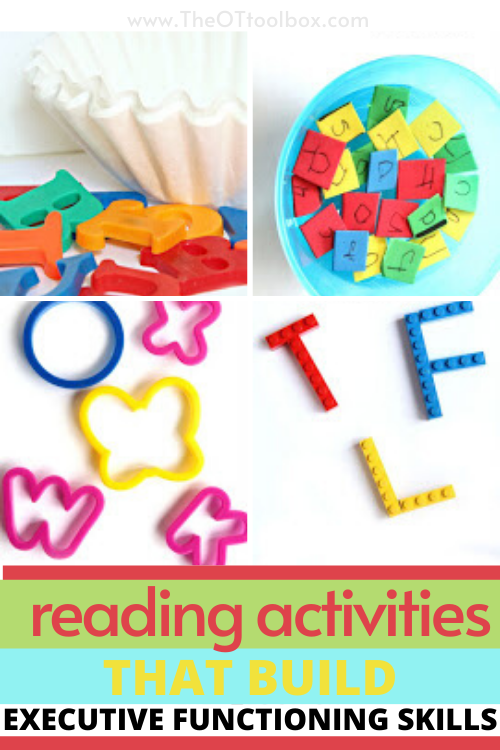
      Kindergarten lesson plans can include these reading and writing activities that build executive functioning skills

      HandWriting in Kindergarten

      Amazon affiliate links are included below.

      Be sure to start by reading our resource on name writing for kindergarten to support the handwriting and fine motor skills needed in kindergarten, as this is a new skill for many 5 year-olds that are picking up a pencil for the first time. (Or preschool students that were rushed into pre-writing tasks.


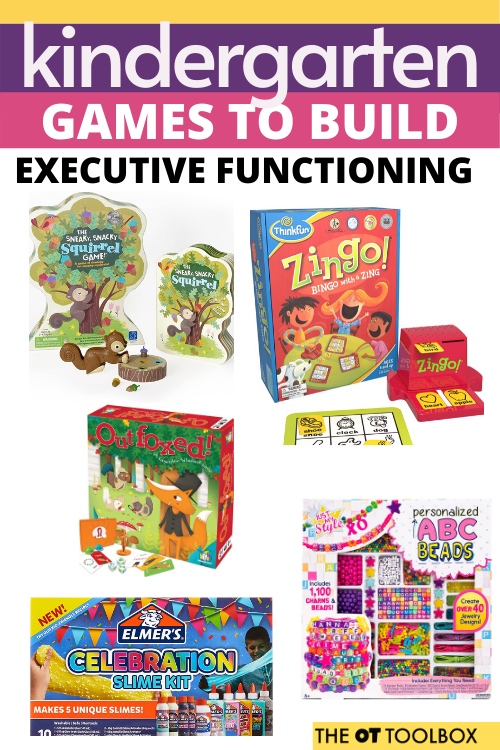
      There are many ways to integrate reading and writing preparation into play. Have your child match uppercase and lowercase letters in games or at the store. This encourages working memory (what letter they need to look for). Games like Zingo are great for teaching sight words in a fun way while also requiring a child to use their impulse control, shifting, and working memory.

      More reading and writing for kindergarten:

      Alphabet Discovery Bottle

      Magnetic Letter Handwriting Game

      Name Soup Writing Your Name 

      Fizzy Dough Letters 

      Handwriting Cookie Cutters

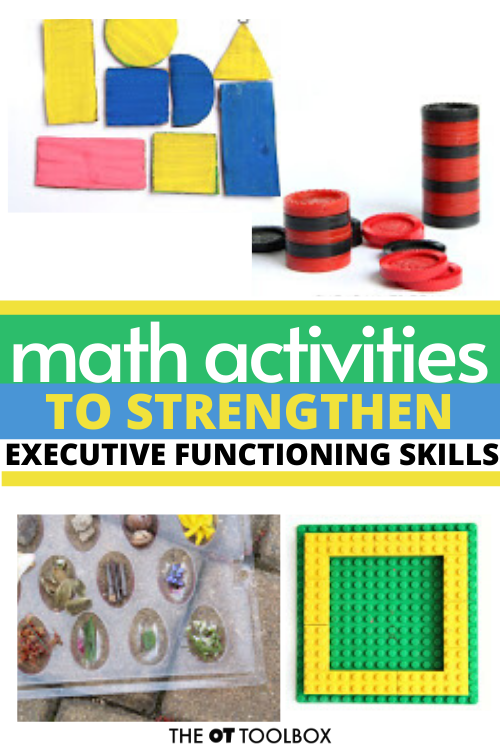
      Kindergarten lesson plans can include these math activities to develop executive functioning skills to prepare for kindergarten

      Math, Science, and Executive Functioning

      Early math and science skills can be fun and easy to integrate into play! If the weather is
      conducive, try hopscotch, saying the numbers out loud as you jump! For mental flexibility,
      change the rules of how they go through the series: hop on one foot, jump on two feet, switch
      feet, and so on. For older children or those who know their evens and odds, have them only jump
      on the odds or only on evens.


      For science, create simple science experiments, like vinegar and baking soda volcanos! This
      requires initiation, monitoring, impulse control, shifting, and planning/organizing.

      More kindergarten math activities to build executive function:

      Caterpillar Math Craft 

      Math with Checkers 

      Cardboard Tangrams 

      Play Dough Math 

      Counting Nature 

      Play and Executive Functioning

      Play is critical, but with the push to be ready for academics, play is getting pushed to the side
      However, without play, children suffer. They lack the ability to find joy in learning.

      Outdoor play provides the opportunity for children to develop their executive functioning while
      participating in child-led adventures! Taking a bike ride or a walk around the community, or
      even playing basketball in a driveway, requires a child to demonstrate strong impulse control and
      monitoring skills for safety. Red light, green light is also a great opportunity to work on impulse
      control.

      Outdoor play also encourages children to take risks while being aware of their surroundings.
      Whether determining if cars are coming, stranger danger, or appropriate clothing to wear outside,
      this is an incredible opportunity to encourage executive functioning development!


      Can’t play outside? Build a fort! Planning/organizing, initiation, shifting, time management, and
      working memory are critical for this.

      Kindergarten play ideas to build executive function

      Teaching Spatial Concepts 

      Bugs and Beans Sensory Play 

      Outdoor Small World Play 

      Painting Toys in the Water Table 

      Sticks and Stones Simple Sensory Play

      Use these executive functioning games in kindergarten lesson plans and to prepare for kindergarten

      Games and Activities to build executive functioning skills in kindergarten


      Some family-friendly games include Outfoxed (initiation, working memory, monitoring,
      planning/organizing, and impulse control) and Sneaky Snacky Squirrel Game.

      For less structured activities, think about making something in the kitchen, like baked goods. Making slime with a slime kit is another engaging way to build executive functioning skills.

      For a less structured executive functioning activity, try making a bracelet from a bracelet kit that involves patterns or low-level direction-following.

      For kindergarten readiness, focus on fun! This is a time of extensive growth, including in the
      area of executive functioning.

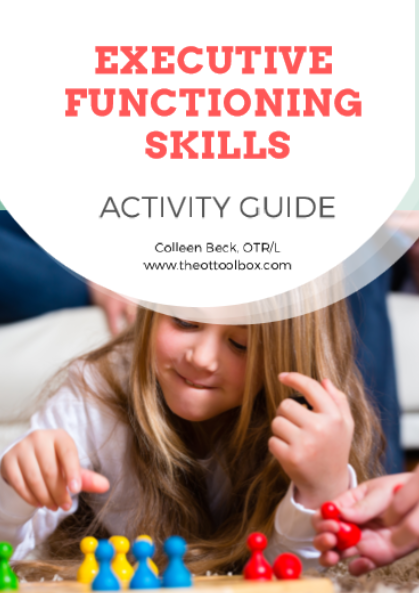
      For more executive functioning activities, grab this Executive Functioning Activity Guide. It’s full of strategies to address common executive functioning areas that impact working memory, attention, impulse control, organization, and more.

      executive functioning skills activity guide The OT Toolbox

      Engaging Executive Functioning Activities

      Executive functioning activities can be motivating and meaningful when they use the interests of the child.

      Executive functioning activities are tools to build skills in attention, working memory, self-control, and cognitive flexibility. But these brain tasks can be HARD for some kids. So, when enhancing executive function is a real challenge, how can you make executive functioning activities meaningful and engaging? In a previous post, we talked about the use of strategy games as a method to improve executive functioning (EF) skills. Executive functioning games can be one means of engaging individuals in processing and self-reflection. While games are a great tool that children and teens can participate in both in and out of the clinic, there are many other everyday activities to promote EF skill development! Here are some more engaging ways to improve executive functioning skills.

      Executive functioning activities can be motivating and meaningful when they use the interests of the child.

      Executive Functioning ActivitiesThat Work

      Executive functioning skills are an important client factor contributing to successful participation in daily occupations. EF is currently a buzzword, but it isn’t a new idea. Creating a EF activities that are personalized and based on interests is an effective strategy for ensuring participation. If the child has a deep interest in specific themes or activities based on their personal preferences, executive function practice and skill work becomes more fun as opposed to “work”.

      Using the interests of the child as a motivator and as a scheduler can have great results. 

      Check out a few ways that you can help children and teens develop their EF skills!

      Related, using a model of delivery that works for the individual is important. For some, executive function coaching is a way to support specific needs through a coaching model.

      Cooking for Executive Functioning Skill Development

      Cooking is a great way to work on executive functioning with a treat at the end! Cooking requires many executive functioning skills. Kids need to use impulse control to complete one step at a time and pace themselves, avoid ingesting raw ingredients or eating all of their hard work, as well as prevent injury with sharp or hot tools.

      They also need to use working memory to recall what ingredients they need after looking at a recipe, as well as recalling the quantity of that ingredient. Here is information and strategies to teach direction following with cooking activities.

      Crafts and Projects for Executive Functioning Skill Development

      Crafts for kids and projects are another great way to work on executive functioning skills. Does your client have a special interest in the U.S. Presidents? Have them create a board game related to this interest! They will need to keep track of their materials, manage their time appropriately, and consider the perspectives of others who might play their game!

      Executive Functioning and Gross Motor Activities

      Gross motor activities and executive functioning activities can go hand in hand. Almost any activity can be adapted to integrate gross motor play! In a large room, a child could look at a list of items, then race to the other side of the room on their scooter to find an object, just like “I Spy” books and games! Many kids love to make obstacle courses, allowing for the development of initiation (getting started on building, instead of making grand plans and running out of time to make the course), impulse control (try changing the rules on them halfway through! “No touching red pieces!”), and metacognition (have them evaluate what went well, what did not go as well, and what they would change).

      Executive Functioning and Daily Routines

      Daily routines are a natural opportunity for the development of executive functioning skills. However, this also goes the other direction, because executive functioning is critical for independence in daily routines. Have clients create visuals to support their attention and sequencing of multiple step routines. If a child takes a significant amount of time to complete their routine, have a race to see who can get ready the fastest!

      Executive Functioning and Technology

      Some kids are highly motivated by apps and technology. These interests can be used as part of therapy intervention or as a reward. Here are occupational therapy apps which contain some free options to address executive functioning skills. Here are Alexa skills for therapy that can be used to work on executive functioning and other areas.

      It’s all about executive FUNctioning!

      Try a few of these activity ideas to integrate executive functioning skill development in an enjoyable, approachable way! These are engaging and fun ways to build executive functioning skills through meaningful strategies. They work for kids, and adults. The most best thing is that building mental skills can be meaningful and fun!

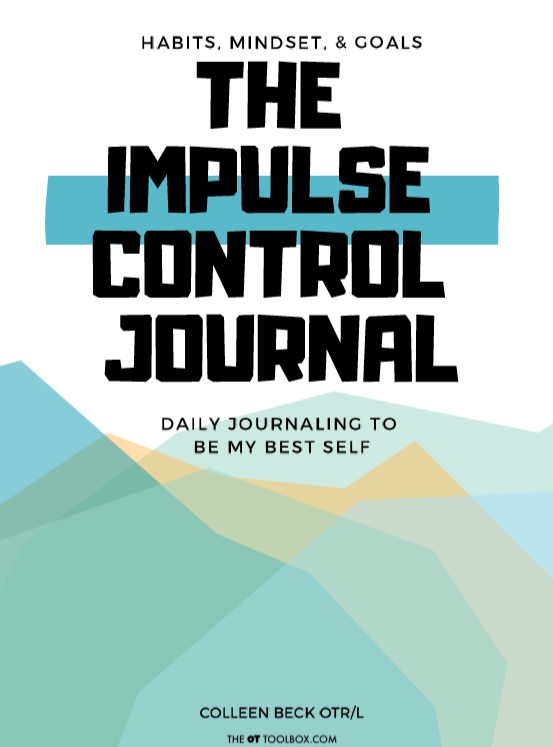
      Looking for more motivating executive functioning activities? Try the Impulse Control Journal. It’s a fun and creative way to journal through skills…impulse control is covered, but also working memory, attention, organization, planning, prioritization, flexible thought, and more.

      Impulse Control Journal the OT Toolbox

      Address the habits, mindset, routines, and strategies to address impulse control in kids.  More about the Impulse Control Journal:

      • 30 Drawing Journal Pages to reflect and pinpoint individual strategies 
      • 28 Journal Lists so kids can write quick checklists regarding strengths, qualities, supports, areas of need, and insights 
      • 8 Journal worksheets to pinpoint coping skills, feelings, emotions, and strategies that work for the individual
      • Daily and Weekly tracking sheets for keeping track of tasks and goals 
      • Mindset,Vision, and Habit pages for helping kids make an impact 
      • Self-evaluation sheets to self-reflect and identify when inhibition is hard and what choices look like 
      • Daily tracker pages so your child can keep track of their day 
      • Task lists to monitor chores and daily tasks so it gets done everyday  
      • Journal pages to help improve new habits  
      • Charts and guides for monitoring impulse control so your child can improve their self-confidence
      • MORE!  

      Click here to read more about the Impulse Control Journal and to add this resource to your therapy toolbox.

       How to Teach Kids Impulse Control


      What is Modulation?


      Easy Ways to Improve Impulse Control

      Free Therapy Slide Deck- Animal Visual Perception

      This free slide deck is an animal visual perception activity

      It’s here! If you’ve been enjoying the free slide decks that I’ve been sharing here on the website, then you are in luck. Today, I’ve got another free therapy slide deck. This one is all about visual perceptual skills…the Animal Visual Perception therapy activities are here! Scroll to the bottom of this post, enter your email, and start working on visual perception in your teletherapy activities. Be sure to check out our other recent therapy slide decks, listed below.

      This free slide deck is an animal visual perception activity

      This visual perception slide deck covers various visual perceptual areas:

      Visual discrimination

      Form constancy

      Form constancy

      Visual memory

      Visual attention

      The animal theme therapy slide deck also covers oculomotor skills:

      Visual scanning

      Visual tracking

      Eye-hand coordination

      Free Therapy Slide Decks

      This animal theme set of visual perception activities are just one of the recent slide decks that I’ve created. Be sure to grab some of the other free slide decks on the site:

      Space theme activities Slide Deck

      Monster Movement Slide Deck

      Letter Activity Slide Deck

      Strait Line Letters Slide Deck

      Scribble Theme Letter Formation Slide Deck

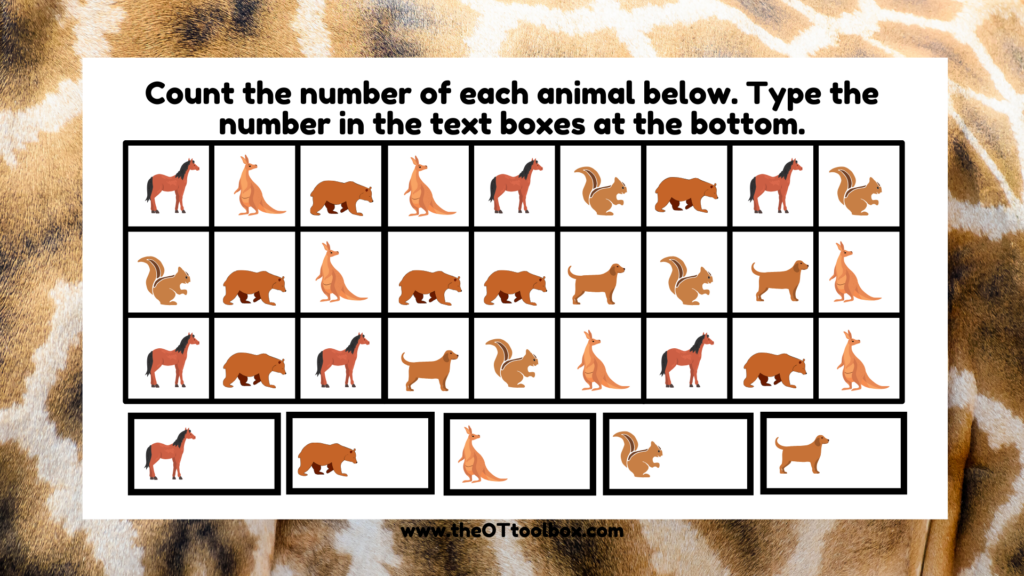
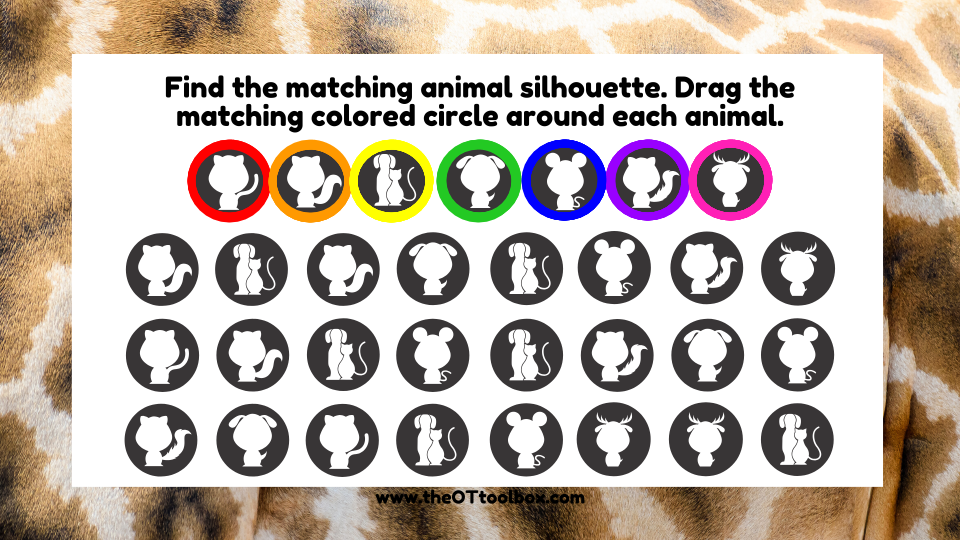
      The slide decks in this set are interactive. Kids can click on parts and either type in answers to the visual perception activities or they can click on parts of the slide and move pieces to complete the visual perception task.

      Free therapy slide deck activities to work on visual perceptual skills with kids.

      Work on specific areas such as visual memory and visual discrimination. Visual discrimination plays a large part in visual memory. Visual Memory is one part of a large arena known as visual perceptual skills. Visual memory focuses on one’s ability to recall visual information that has been seen.  Visual memory is also a critical factor in reading and writing.  

      When a child is writing a word, he must recall the formation of parts of the letter from memory.  It can be terribly frustrating for one with a visual memory deficit to perform a handwriting, spelling, or word copying exercise.  Children with difficulty in visual memory will have trouble copying letters, words, and sentences from a chalkboard or book.  

      Difficulties with visual discrimination or visual memory skills may present as very slow handwriting, trouble forming letters, and mixing up letters or words within sentences.  

      Producing written work on worksheets and tests may be difficult when visual memory is an issue. Recalling sight words in reading exercises can be hard as well as following along in a reading activity during stop and start tasks, due to comprehension and difficulty recalling what was read.

      Kids with visual memory deficits can demonstrate difficulty with formation of letters and numbers and appear “lazy” in their written work.

      Animal visual perception activities

      Users can click on the colored circles and move them to cover different forms. With more and more teletherapy sessions and digital activities being used in therapy, children are having to click and drag. This development of eye-hand coordination skills can be a difficult task for some children. Work on practicing with a visual perception component to build skills.

      Get a free Animal Theme Visual Perception Slide Deck

        We respect your privacy. Unsubscribe at anytime.
        Powered By ConvertKit

        More visual perception activities

        Try some of these resources in your therapy activities:

        Free visual perception packet

        Free Visual Processing Lab

        Visual Motor Activities

        Sensory Activities for Babies

        My baby hates tummy time! Here are ideas to help with tummy time for infants and babies

        Sensory activities for babies is a tool to help little ones grow and develop life-long essential skills. Baby sensory experiences and sensory play go hand in hand.  A baby has so much exposure to sensory stimulation each day.  From sounds, to sights, to textures and temperatures, a baby’s sensory system is rapidly developing and filing away information.  In our house, when child number four was a baby, she was exposed to A LOT of auditory and visual stimulation from older siblings!

        Sensory ACTIVITIES for Infants

        Here, you will find sensory activities for infants and babies that can be used to help you connect and play with your little one. These baby sensory play ideas will encourage exploration of colors, textures, and properties.

        First, I wanted to share this resource for parents of new babies and also therapists that work with families.

        Resource for New Parents

        First, I wanted to let you know about an exciting new resource for new parents. Many people think new parents are the only ones that need baby advice. Maybe you found yourself as a new mother who suddenly had a lot of questions on sleep patterns, eating and childhood milestones. But, if there is one thing that therapists wish they could tell new parents, it’s that parents could have a better understanding of how movement plays into development.

        Therapists are many times, seeking resources to share with parents to support a family through the first year of baby’s development so they can thrive.

        Remarkable Infants is a great opportunity for parents and professionals alike to educate more people on how to support a baby’s first-year development for future learning development.

        Yes, this course does provide information on helping a baby sleep and eat, but this course is the other more comprehensive sections. The pieces most other baby trainings don’t provide.

        It’s a 5-step, all-inclusive online training for new moms focusing on the development of the whole child from birth through 12 months of age. It includes the following:

        • Language Development (Talking with your baby)
        • Healthy Sleep Habits (Understanding baby sleep)
        • Cognitive Development and Motor Development (Playing with your Baby)
        • Reading with your Baby (Vocabulary, visual-motor, speech and language)
        • Infant Nutrition (Feeding your baby)

        Even though this course is geared to moms, it’s also great for professionals. It can be a HUGE help to clients, expecting moms you work with and those that have kids with learning challenges. The more we can help educate parents on the necessity of building a baby’s cognition, speech and language and motor movements in their first year, the further ahead that child will be later in life.

        The 2 best parts are:

        1. Each section is taught by a specific professional (Occupational Therapist, Speech and Language Pathologist, Pediatric Sleep Sleep Specialists and Registered Dietitian) with evidence-based research. So you know you’re getting advice from the pros!

        2. If you are a professional, you can get CEU credits/Certificate of Completion for taking this course.

        You can also get an additional 10% discount when you use our coupon code “COLLEEN10.” To join the Mommy Academy, click here. Don’t forget to enter the discount code!

        Our Mission at the Mommy Academy is to provide new mamas with easily accessible, organized, evidence based information and practical skills.  Our resources strive to remove overwhelm and exhaustion and allow new moms to spend less time on Google and more time connecting with their baby and taking care of themselves.  Our mission is to make new mamas feel less alone through heartfelt encouragement, a mama community and expert support.

        Sensory Play Ideas for Babies

        Child development begins in the womb. As that baby develops and grows in utero, they are already stretching and moving, practicing reach and grasp, and stretching against the walls of their mother’s uterus. That push and pull that you felt as an expecting mom was your little one gaining strength and sensory input! That motor development continues after birth, and that’s when the fun begins because as mom or dad, we get to snuggle that little one, engage with them, and watch their every move!

        Sensory activities for babies 0-3 months old

        Sensory Activities for newborns

        Let’s talk specifics. During the newborn and infant stages (0-3 months), you’ll see so many physical and sensory milestones. These are developments that impact movement, communication, and feeding. Sensory developmental milestones during the first three months include:

        • Following a person with their eyes
        • Lifting their head to observe and listen
        • Pushing up to their arms while lying in tummy time, now baby can REALLY start to take in the world around them
        • Holding the head up while laying on their belly
        • Opening their fist into stretched fingers- Little one can grasp and begin to explore textures
        • Bringing hands to the mouth for sensory input, calming, and soothing
        • Reaching for toys to explore
        • Turns toward sounds or voices
        • Makes eye contact
        • Moving legs and arms- They are figuring out how their body moves in space and how much effort needs to be exerted to move

        From the first weeks when baby doesn’t focus their eyes on anything, they strengthen eye movements and focus to visually track a toy or person by the end of the three months of age. During this stage, it’s important to allow that little one to move, stretch, kick, and strengthen their core, neck, arms, and legs, and eye muscles. Sensory activities for newborns can include:

        Songs and Nursery Rhymes- For our littlest newborns, this is a wonderful first play activity. Singing softly or reciting nursery rhymes to infants gets your little one used to the sound of your voice. Make eye contact up close as you recite rhymes and songs. Baby’s vision is capable of focusing on objects at about 8 inches from their face. Using exaggerated mouth movements and wide eyes when you speak to your little one provides a high-contrast point that they can focus on.

        Follow the noise- Use a rattle, squeaky toy, or other toy that makes noise as you move the toy in front of your little one’s field of vision. You want your baby to visually track the noise and follow the toy with their eyes. While baby won’t be able to really follow moving objects with their eyes until about three months of age, this activity boosts so many areas and creates the building blocks of auditory processing and visual processing. This activity can be accomplished at various stages, and in various positions. Baby can be swaddled up and laying on their back while following the toy with their eyes. Try it when baby is in tummy time. Soon, you will see reaching for that fun toy. It’s a great way to encourage reach, grasp, and even gross motor skills like lifting the head and neck while in tummy time, and rolling.

        Tummy Time Back Rub- Tummy Time can be hard for babies! That little cry is so sad and makes you want to pick your little one up and snuggle them until they feel safe. But, remember the benefits of tummy time and help them to feel safe and comforted on their belly. Get down on the floor with your little one and lightly rub their back while you sing, speak, or hum. Put your face right next to your little one so they feel the warmth of your body. Make eye contact and engage with that sweet nugget!

        Chest to chest- We talked before about how tummy time doesn’t need to happen on the floor. Place baby on your chest as you lean back on a couch. Your baby’s face will be close to yours and at a great position to speak softly. Depth perception of the eyes doesn’t develop until about 5 months of age, so until then, your little one is building the eye strength to better see the world. This positioning is helpful to help your little one build upper body strength.

        Blanket time- A colorful play blanket is a great space to stretch, kick, and move those arms and legs. Positioning toys around baby encourages them to engage while strengthening their core, neck, arms, legs, and eye muscles. Position toys in a semi-circle around baby and get down on the floor to get in on the play action. This is a great way to build the skills needed for rolling and manipulating objects.

        Leg Kick- While baby is on the floor on their back or belly, provide some bicycle action to their legs. You can slowly “bike” their legs to get them moving and then tap the bottoms of their feet. This tactile input “wakes up” the feet and can get them kicking and moving. Place a toy or object that makes noise at their feet and they will see and hear a response to moving their legs.

        sensory activities for babies 3-6 months old

        Sensory Activities for 3-6 months

        Purposeful movement drives development and development occurs through purposeful movement. This is a fun series of months. You’ll see sensory development that drives motor skills and communication milestones:

        • Rolls from back to belly and belly to back- baby is starting to really explore proprioception and vestibular input as they move and figure out how their body moves
        • Holds the head and neck steady in sitting- They can focus vision on moving targets when the neck and head are steady
        • Investigates textures, size, shapes, and details of objects

        During 3-6 months, the baby is starting to gain some control of their body. They will start to use purposeful movement, influenced by toys and faces on the people around them in order to explore. Try these sensory activities for 3-6 month age range:

        Foot Rattles- There are socks out there that have built-in noise makers. These little foot rattles encourage baby to move and shake those legs. While lying on their back, they can see how intentional movement works.

        Peek-a-Boo- This is an age-old favorite…and there’s a good reason why we love this classic game! When mom or dad hides their face and then suddenly takes their hands away, baby is learning some valuable skills. They learn that objects don’t go away just because they can’t see them. Object permanence, cause and effect, and problem solving begin at this young age, and while it can take a while to master, it’s an essential skill down the road! Try playing peek-a-book with faces, objects and a blanket, and by gently swiping a blanket over baby. (Always use super close supervision with this activity!)

        Crinkly Soft Toys- One of my favorite ways to develop those early fine motor skills is with a simple crinkly soft blanket. You know the kind…it’s soft material on the outside, but crinkly fabric sewn into the middle. So, when baby squeezes and grabs the soft toy, they hear a crinkly noise. The best kind are small fabric swatches because they are light enough for baby to manipulate and pick up. The OT in me loves to see that little grip grab and pull the material. You can see those motor skills develop right in front of your eyes! Use the crinkly toy in tummy time to encourage reaching and rolling, or while laying on the floor as baby brings both hands together and gives the toy a taste. They can work both hands together in a coordinated manner with feedback from the mouth. It’s a great toy for building cause and effect, too!

        Mirror Play- Find a baby-safe mirror and use it in tummy time. Place a few baby items on the mirror and they can begin to push up onto their arms by putting weight through their shoulders and upper body. Another way to use a baby safe mirror is to place it in front of baby while they are in supported sitting. Baby will begin to babble and “talk” to the baby they see in the mirror.

        Hula-Hoop Reach- Your little one is still building those motor skills and someday down the road they will be doing big kid things! For now, use a hula hoop to attach rattles and baby toys in a circle around them as they are in tummy time in the center. The circular positioning of toys encourages reach (and eye-hand coordination), visual scanning, rolling, and pivoting on the upper body as they move and stretch for different toys.

        Sensory activities for babies 6-9 months

        Sensory ACTIVITIES for 6-9 months

        The months between 6-9 months are a big one for little ones’ development. Senses prevail and as your baby starts to gain more physical control, they are exploring more sensory input. Little one will begin solid foods for the first time and what a sensory experience that is!

        Movement and gains in gross motor skills allow baby will move from tummy time with weight through their arms to pushing up on their arms. They will begin to lift their belly off the floor to all fours. They will move from supported sitting to unsupported sitting with reaching for toys. You’ll see that little bundle move from tummy time to rolling, crawling, and reaching. Let them move, kick, and stretch!

        • Moves from supported sitting to independent sitting- Exploring the world around them
        • Bears weight through hands in crawling position
        • Reaches for toys while lying in the belly
        • Moves toys from one hand to the other
        • Uses both hands to manipulate and explore toys
        • Reacts to sudden sounds
        • Listen and responds to sounds or voices
        • Begins to babble
        • Shows an interest in foods
        • Tries baby food for the first time and will move to explore more tastes and varieties of soft foods
        • Imitates others in play
        • Focuses on near and far objects

        This is a fun age! Purposeful movement occurs and you will see baby learning so much. Here are some baby play ideas that boost the sensory development and motor skills babies need to move, manipulate toys, feed themselves, and get from place to place:

        Sitting Games- Place pillows around your little one to create a soft crash mat. As baby gains the skills to sit up with balance, they can reach for toys around them. Offer a basket of washcloths, a bowl of nesting toys, hand-sized balls (ones that can’t be placed into the mouth), or other novel items. This is a great opportunity to practice reaching, placing objects into containers, and getting stronger at balance!

        Living Room Obstacle Course- Along the same lines as the previous activity, use living room pillows and couch cushions to create obstacles on the floor. This is a great way to encourage movement in a variety of patterns and gain skills in crawling. As baby grows, they will become more confident in their movement and this is great to see! Be sure to stay close by and ensure the space is baby-proofed!

        Bubbles- Blowing bubbles with baby is a wonderful way to encourage visual tracking, eye-hand coordination, core strength, sitting balance, neck control, and even fine motor skills! Encourage your little one to watch the bubbles as they float away and visual processing skills develop. Ask them to get the bubble and they can work on controlled reach and grasp. Bubbles are a great activity throughout the toddle years too as baby learns to gain control in standing and walking. Grab a container of bubbles and have fun!

        Roll a Ball- A partially blown up beach ball is a wonderful tool for helping your little one gain balance and strength in sitting. The ball when not blown up entirely provides a great opportunity for grasp. Just be sure to keep a close watch on your little ball player. This activity should only be done under very close supervision and always trust your gut. You know that the ball is going straight to the mouth once your little one has a hold of it, so stay close by. Rolling a beach ball toward baby is wonderful for developing visual processing skills, eye-hand coordination, grasp and release, strengthening, and more. Adding more air to the ball makes it harder to grasp and harder to catch as the ball will roll more quickly and smoothly. Older kiddos can use that ball to kick, throw, and even pat-pat-pat!

        Box of Toys- Have an Amazon delivery box or a shoebox sitting around? It’s a novel toy for your little one! Fill it with baby-safe objects or toys and get ready to have fun. Pulling items out and dropping them back in teaches baby so much about weight, grasp, eye-hand coordination, and even gravity. They will love to see how things fall and how they hit off other toys. Dumping a box of toys is fun of its own and is another experiment of it’s own. Baby, as they start to move and crawl can push or pull a box and gain the feedback of pushing the object along the floor. Babies that are standing at a coffee table or couch can explore and drop items into the box while they learn to hold on the safety of the couch and use one arm to hold an object. SO much development can happen with a simple cardboard box!

        Put in and Take Out- Take that box play even further by using a smaller opening. An empty tissue box is another awesome tool for building skills in fine motor work, eye-hand coordination, and visual processing skills. By placing items in a container, little ones can work on things like visual discrimination and visual memory, all through play and not aware that those basic skills will carryover far into their educational years as they learn to read, write, and complete math. Amazing, right??!

        Sensory activities for babies from 10-12 months old

        Sensory Activities for 10-12 months

        The next phase is a big one! During the tail end of the first year, you see big strides in free movement. You see stronger eye-hand coordination, and intentional movement. You see refined fine motor skills, improved mobility, and a stronger baby. Here are more specifics about this stage:

        • Pulls up to stand at furniture
        • Takes first steps holding onto furniture to “cruise”
        • Moves in various positions from laying to sitting, sitting to pulling up to stand, etc.
        • Drops toys into containers and grabs them to manipulate
        • Uses a pincer grasp (holds small items like cereal between the pads of the thumb and pointer finger)
        • Explores toys with mouth, hands, and visually
        • Says first words
        • Feeds self with finger foods
        • Takes first steps without support

        During this stage of development, babies are moving and grooving! They are building on the skills they’ve achieved and refining those motor skills. Babies are using what they’ve got in the way of grasp, reach, and gross movement to really develop their vestibular sense. By moving in different planes to crawl, swing, turn, and roll, there is movement of the fluid in the inner ear which stimulates the vestibular sense. The vestibular sense allows us to know where our body is in space. With the vestibular sense, we are able to sit without falling over, move from one point to another safely, and track objects with our eyes (which is needed in reading and writing). Try these sensory activities for 10-12 months:

        Tunnels- Set ups a floor obstacle course like we talked about a few slides ago, but add some more challenging experiences. Use a baby tunnel or a large cardboard box. What a fun space to add baby toys, bins, baskets, and soft blankets for crawling over and playing with!

        Kitchen Play- At this stage, baby will be much sturdier in their sitting. Set ups a scattering of kitchen bowls and wooden spoons or scoops. They can bang, stack, and drop to see how items work and move. Recycled items such as egg cartons, cereal boxes, and plastic container are fun to explore too. Be sure to make the space baby safe. This is a great way to engage your little one while cooking and preparing meals.

        Sensory Play- This stage is fun because as the fine motor skills develop, you will see more refined use of the hands from a raking grasp” where all of the fingers rake items in order to pick them up in the palm of the hand into a “pincer grasp” where the pointer finger and the thumb are able to pick up a small item. Encourage sensory play by providing cooked spaghetti cut up into small lengths. Scatter the cooked spaghetti on a black placemat or tray. The high visual contrast and interesting sensory experience will engage your little one and build fine motor skills they will need down the road.

        Fine Motor Play- Around 10 months, you will see more refined fine motor skills as baby uses their pointer finger and thumb to pick up small items with the pincer grasp we just talked about in our last slide. Suddenly, you will notice every speck of dirt and fuzz ball on the carpet…and so will your little one! Encourage those fine motor skills by providing baby cereal and a container for them to drop pieces into.

        Stacking Activities- Use stacking cups, blocks, or small boxes (empty tissue boxes work great!) to stack and knock over! Baby will begin to gain more refined motor skills and the excitement of knocking those towers over again and again will not end!

        Rolling Toys- Use balls of various sizes, toy cars, and even recycled paper towel tubes to explore how things move and roll. Take the excitement level up a notch by adding a ramp using a large cardboard piece to make a ramp. Watching items as they roll down and grabbing them to push them down all over again is big fun! It’s a great way to encourage fine and gross motor skills, visual motor skills, eye-hand coordination, and balance.

        baby toys for sensory play positioned on mirrors on the floor. Includes colorful teething rings, colorful cups, refrigerator magnets, and other baby safe toys.

        This post contains affiliate links.  

        We shared recently our Visual Motor Integration developmental milestones post with general timelines of baby’s hand-eye coordination.  It’s important to note that all children develop differently and some of these activities may not be appropriate until they are developmentally able to participate.   

        Tummy Time and Sensory ACTIVITIES

        Really important pieces of advice like placing your baby in tummy time, limiting time spent in baby positioners, encouraging a variety of sensory stimulation, allowing movement, and connecting with your baby through play aren’t just tips. They are really important. They are strategies for success. The next few slides I’m sharing are tools to give your baby a motor and sensory baseline that will impact them down the road with things like visual motor skills, attention, reading and writing, frustration tolerance, emotional regulation, and more. It’s the skills that kids today are really lacking in

        baby laying on her belly on a nursing pillow, playing with ball pit balls on a mirror while older siblings help
        My baby hates tummy time! Here are ideas to help with tummy time for infants and babies

         When Baby Hates Tummy Time

        We shared this mirror play idea on Instagram.  At the time, Baby Girl was five months old an able to do tummy time in a Boppy pillow. Having a better understand of tummy time myths is important for new parents to understand what to do when baby hates tummy time.

        The thing is that floor play for babies is essential for developing skills in infants and toddlers. And, that floor time play is important to building visual motor skills, strength, and coordination even throughout the first year (and beyond)!

        Here is information on how tummy time impacts spatial awareness development in babies.

        The baby positioning floor pillow provided extra support and elevated my little one’s upper body to encourage reach during tummy time. As with any piece of baby equipment, this pillow and others should be used under supervision by an adult and for short periods of time.  We used a small mirror and a few colorful ball pit balls to encourage reach and exploration.  Of course the big sisters had to help! Here are more ball pit activities that young children love.

        How to help baby enjoy tummy time

        Helping to encourage lots of tummy time in your little one doesn’t need to be stressful. But many times, it may seem like your baby hates tummy time! They scream, they cry, and they place their face right on the floor. Scary, right? Don’t worry, we’ve all been there as new moms.

        Tips to help with tummy time:

        Get down on the floor with your baby and encourage reaching for enticing toys or towards your face/hands as you are right out of reach.

        Try some of the tummy time ideas in the Mommy Academy course.

        Add tummy time in throughout the day. Try a few minutes after diaper changes or when baby is in a pleasant mood. All of that tummy time adds up to build the strength needed for pushing over to the side.

        Try chest to chest tummy time as the adult holding the baby lies back on couch cushions.

        Try a football hold.

        While sitting on a couch, try tummy time on your lap while rubbing baby’s back.

        Also, is your little one pushing up on their arms when in tummy time? The weight of the head tends to pull them over into a side position/laying on belly from tummy time, so that is another benefit.

        Baby positioned on a nursing pillow on the floor, on her stomach in tummy time. She's playing with her siblings and using ball pit balls on a mirror.

         Babies get so much exposure to different textures naturally through play.  This is just a simple way to encourage functional reach and tummy time play.  Some other items that work well with this baby sensory play activity that we love:   

        Colorful plastic cups 

        Extra large soft blocks. Be sure to closely monitor baby if they are able to place items into their mouth! 

        Chew items

        Baby safe, plastic baby links

        Find many more baby play ideas here to drive sensory input through play based on each stage through the first year.

        Baby smiling in a baby swing. Text reads Baby Play Ideas Learning Through Play

        Colleen Beck, OTR/L has been an occupational therapist since 2000, working in school-based, hand therapy, outpatient peds, EI, and SNF. Colleen created The OT Toolbox to inspire therapists, teachers, and parents with easy and fun tools to help children thrive. Read her story about going from an OT making $3/hour (after paying for kids’ childcare) to a full-time OT resource creator for millions of readers. Want to collaborate? Send an email to contact@theottoolbox.com.
        Auditory Sensory Activities the Backyard

        auditory sensory activities for the backyard to add to a sensory diet for kids

        These auditory sensory activities are a variety of backyard sensory play ideas that can be used as tools for addressing auditory sensory processing needs at home. using what you’ve got in (or outside) your house is a great way to work on auditory processing needs with kids. Think about all of the backyard sounds that can be used as therapy tools to help with auditory memory or auditory comprehension. In fact, the backyard is the perfect place to work on sensory needs with kids.

        This blog post is part of my backyard sensory play series. It’s an old post here on The OT Toolbox, but it’s one that I’ve revamped to make into a movement and sensory challenge to help kids be active and building therapy skills at home.

        auditory sensory activities for the backyard to add to a sensory diet for kids
        Auditory processing sensory ideas for backyard summer sensory play, perfect for sensory diet ideas for kids.

        The auditory sensory activities listed here can be used as part of a sensory diet for kids. Some of the ideas are great auditory seeking activities. Others are great for helping to challenge those with hypersensitivity to sound. In either case, the auditory sensory activities can be used as part of a sensory diet for those with needs.

        If you are looking for information on how to create a sensory diet and use these movement activities with kids, then you are in the right place. Here are more outdoor sensory diet activities to get you started with sensory needs and the outdoors.

        auditory sensitivity activities for kids

        Auditory Processing Activities

        Try these auditory processing ideas this summer. Each activity can be modified to make is a challenge for auditory seeking or auditory sensitivities.

        Neighborhood Listening Scavenger Hunt-  Notice the sounds in the neighborhood.  Ask your child to locate or name the origin of the sounds as they walk around the neighborhood.  If the sound is too far away, ask them to name the origin.  During this activity, they need to discriminate between sounds.

        Auditory Hide and Seek-  Play a game of hide and seek with sounds.  They child that is searching for kids can make a call and each hider responds with their own sound.  The person who is looking for others can determine who is making the sounds they hear and locate each child one at a time.

        Listening Tag-  Play a game of tag in the backyard as children race to tag one another.  When the person who is “it” comes near another person, they can tag a person unless the runner sits on the ground and makes a noise.  When the child sits, they are on “base” and safe from being tagged. They can stand up again when the child who is “it” makes the same noise.  

        Noisy Toy Positioning Game- Use a squeaky toy or bike horn in this noisy toy game.  Have one child hide with the toy and make it squeak.  The person who is looking for the toy needs to describe where the toy is hidden by using descriptive words like “over”, “under”, and “left”.

        More auditory Sensory Activities

        • Bell parade
        • Kazoo sound hunt
        • Listening for birds or animals
        • Record backyard sounds and play back the recording. Try to recognize and name the sound and where it was located in the yard.
        • Fill containers with items from the backyard.  Shake plastic containers or even paper bags with the items and see if your child can name the objects.
        • Play Marco Polo in the yard!
        auditory memory activities for kids to do at outdoors at home.

        Looking for more backyard sensory ideas for summer?  

        The Summer Sensory Activity Guide is the place to find everything you need for a summer of sensory input.  Use the sensory activities described in the booklet as a guide to meet the individual needs of your child.  The activities are not a substitute for therapy.  Rather, they are sensory-based summer activities that are designed to address each sensory system through summer play.  Activities are described to involve the whole family.  Right now, the Summer Sensory Activity Guide is a free bonus item to the new Summer Occupational Therapy Activities Packet.

        The Summer OT Activities Packet is a collection of 14 items that guide summer programming at home, at school, and in therapy sessions. The summer activities bundle covers handwriting, visual perceptual skills and visual motor skills, fine motor skills, gross motor skills, regulation, and more.

        You’ll find ideas to use in virtual therapy sessions and to send home as home activities that build skills and power development with a fun, summer theme. Kids will love the Summer Spot It! game, the puzzles, handouts, and movement activities. Therapists will love the teletherapy slide deck and the easy, ready-to-go activities to slot into OT sessions. The packet is only $10.00 and can be used over and over again for every student/client!

        Grab the Summer OT Bundle HERE.

        Summer OT Bundle


        For more auditory sensory activities, try these activities for auditory learners.

        Auditory processing sensory ideas for backyard summer sensory play, perfect for sensory diet ideas for kids.

        Sensory Activities in the Backyard

         These are more sensory ideas you can add to an outdoor sensory diet to address sensory seeking needs or sensory avoiding in kids:

        Wobble Ice Disk– Add vestibular input with a DIY wobble disk. Kids can help to make this heavy ice disk, adding proprioceptive input for a hot summer day.

        Use a therapy ball– A large ball or a therapy ball/ exercise ball is a great way to add movement, heavy work, and calming proprioceptive input into backyard play.

        Make a Water Bin– Water play is a great way to spend hot summer days in sensory play.

        The Auditory Processing Kit is a tool to support learners by building skills in listening comprehension, auditory processing needs, and much more. The tools offer support to learners with hyper-responsive or hypo-responsive auditory systems. Therapists love the hands-on activities to support learning and active listening through play and handwriting tasks.

        • Listening Comprehension
        • Fine Motor Listening Skills
        • How to Improve Listening Skills Poster
        • Clap It Out Syllables Orthographic Activities
        • Beginning Sounds Letter Activity
        • Rhyming Words Activity
        • Activity Listening Activity
        • Hearing Skills Activity
        • Auditory Memory Strategies
        • What Does Active Listening Look Like?
        • Whole Body Listening Activity
        • Whole Body Listening Poster
        • Listening and Motor Skills Game
        • 2 Step Direction Cards
        • How to Support Hyper-Responsiveness of the Auditory Sense (handout and info sheet)
        • How to Support Hypo-responsiveness of the Auditory Sense (handout and info sheet)
        • Auditory Processing Tools Cards
        • Auditory Processing Speed -2 Digit Numbers
        • Auditory Processing Speed -3 Digit Numbers
        • Auditory Processing Speed -4 Digit Numbers

        Use the handouts and posters to teach about the auditory system and auditory challenges, with strategies to support individualized needs. Get your copy of the Auditory Processing Kit today.

        Colleen Beck, OTR/L has been an occupational therapist since 2000, working in school-based, hand therapy, outpatient peds, EI, and SNF. Colleen created The OT Toolbox to inspire therapists, teachers, and parents with easy and fun tools to help children thrive. Read her story about going from an OT making $3/hour (after paying for kids’ childcare) to a full-time OT resource creator for millions of readers. Want to collaborate? Send an email to contact@theottoolbox.com.