Oral Motor Activities for Summer

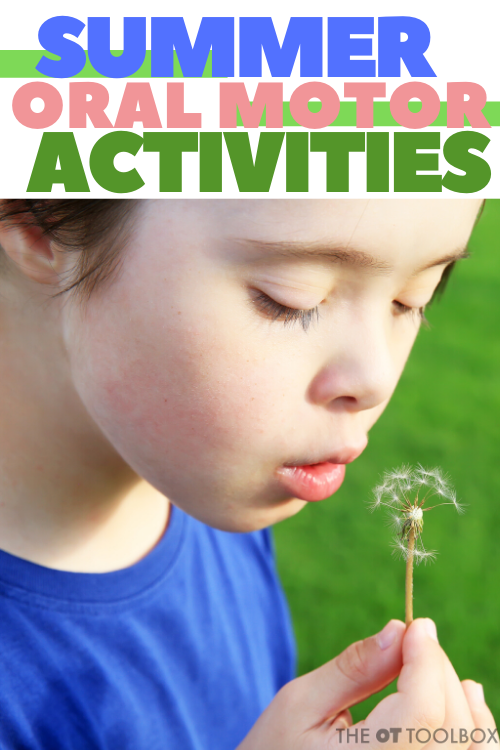
summer oral motor activities for kids

Sometimes the kids need an outdoor challenge to get moving and add active play to their day. I’m really excited to add a new activity challenge here on The OT Toolbox website. It’s a fun summer activity for the whole family and can be used to help kids stay active and build skills. This list of oral motor activities for summer is actually a fun way to add calming activities and alerting activities to sensory diets for kids. In fact, this page is part of a series of backyard sensory activities for kids.

Summer oral motor activities for kids to address oral sensory processing needs.

This is such a fun list of Oral Sensory Processing activities that can be done at home right in the backyard this summer.  If you are new to this blog, you might know that I’ve put together a lot of sensory activities here on the website. In particular, you will want to check out all of the summer occupational therapy activities here on The OT Toolbox! 

Today, I’m sharing one part of that backyard sensory play list and outdoor activity challenge. These oral sensory processing activities can be done frugally and right in your backyard.  Getting the kids outside to play is important with all of the research out there telling us that kids are not playing outdoors as much as they used to.  These backyard sensory ideas are sure to bring smiles to your kids’ faces while sneaking in some sensory input.

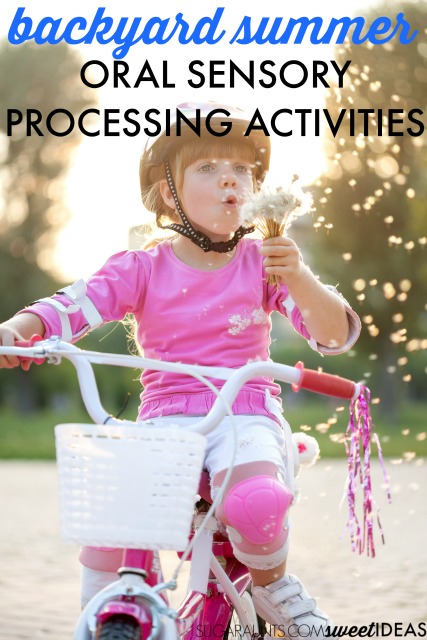
Oral sensory processing activities that can be done at home this summer right in the backyard with the whole family, great for self-regulation, sensory input, attention, and focus.


Understanding development of oral motor skills is a great place to start when it comes to oral sensory processing concerns. Oral sensory input or challenges with oral motor skills can impact self-regulation in kids as well as improving attention, focus, and adding a calming component to slow down a sensory seeking child. Adding simple oral motor sensory breaks throughout the day can make a big impact in a sensory diet for kids.

Oral Motor Skills and sensory Activities

Try these backyard oral sensory processing activities this summer:

RELATED READ: Animal Cracker Oral Sensory Activity

Affiliate links are included below.

Dandelion Race-  Pick several dandelions and place them into two piles.  Kids can race another child to blow all of the seeds from the dandelions one at a time.  Blowing dandelions is a proprioceptive activity that provides calming sensory input through the mouth.

Balloon Bin-  Help your child blow up a bunch of balloons and place them into a large bin.  An under the bed storage bin works well for this activity. Once the bin is full of  balloons, spray in a bottle of shaving cream.  Mix the balloons and shaving cream around to coat the balloons.  Ask kids to scrape off the shaving cream with their hands to reveal the color of the balloon. This is a tactile sensory activity as well as an oral sensory activity.

Smelly Bubbles- Most kids agree that there is nothing more fun or summery than bubbles.  Try adding a scented component by using scented bubbles.  Blowing bubbles is an oral sensory calming activity for kids.

Kazoo Parade- Gather kids from the neighborhood and pass out a bunch of kazoos. Blowing a kazoo is a sensory activity that provides proprioceptive input through the mouth.  This is a calming activity and can be used for self-regulating or improved focus.  

Hot and Cold Taste Test- Alternate between hot and cold taste sensations in a taste testing game.  Prepare cold foods like ice cubes, chunks of popsicles, and frozen vegetables alongside a hot foods tray like warm applesauce, warm sun tea, and toasted bread.  Set up a roadside stand for taste testing and create a “most liked” survey.

Oral sensory processing activities that can be done at home this summer right in the backyard with the whole family, great for self-regulation, sensory input, attention, and focus.

RELATED READ: Plastic Egg Boats Oral Sensory Activity

more backyard sensory ideas for summer

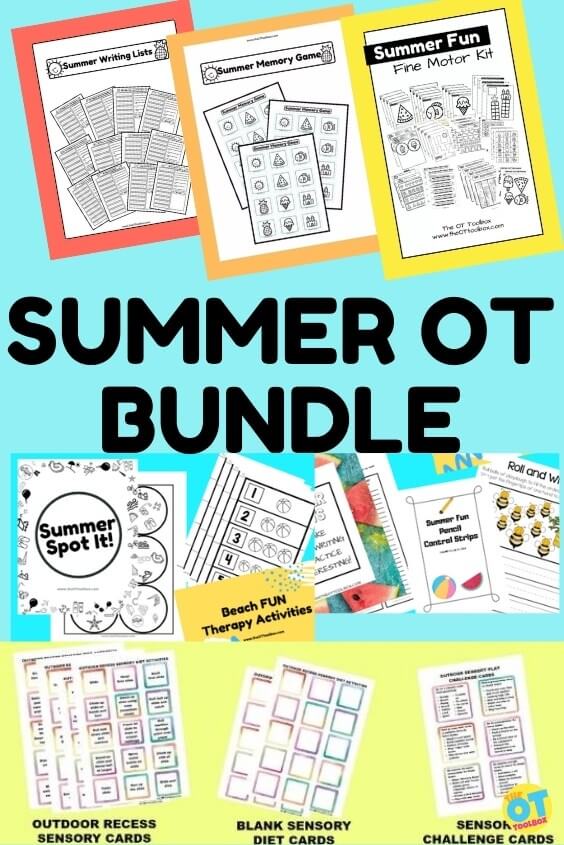
The Summer OT Bundle is a collection of handouts, activities, and more that build skills this summer. You’ll find everything you need to keep the kids active, learning, and building skills this summer.

You’ll find ideas to use in virtual therapy sessions and to send home as home activities that build skills and power development with a fun, summer theme. Kids will love the Summer Spot It! game, the puzzles, handouts, and movement activities. Therapists will love the teletherapy slide deck and the easy, ready-to-go activities to slot into OT sessions.

The BONUS is that there is a special added bonus item with the Summer Activities Kit right now. Grab the packet of activities now and get the Summer Sensory Activities Guide to keep the kids moving with the senses all summer long.

More outdoor activity challenges

Bookmark this page for the summer fun. Be sure to check out some of the other backyard sensory activities in this challenge for kids:

More oral motor activities you will love:

Oral motor activities are perfect for addressing self-regulation, focus, attention, coping, and sensory input needs by adding a calming effect or alerting effect. Try some of these oral motor activities:

Kids Craft Supplies for Building Skills

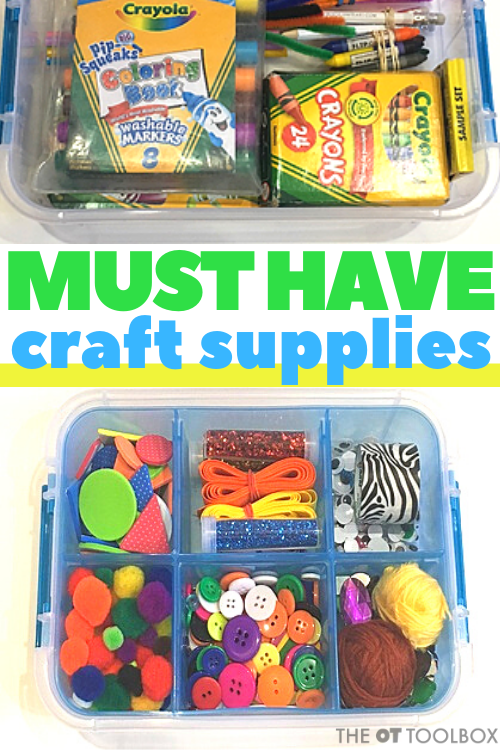
These must have craft supplies are great for making a craft kit for kids

While kids crafts offers children the chance to create through art or an opportunity to be creative, the fact is that crafting is a means to help children build skills. Because of that, I wanted to put together a resource detailing kids craft supplies and how simple craft items can be used to help kids improve fine motor skills, executive functioning, motor planning, and other developmental skills. There’s more; Kids can use crafts as a coping strategy. Crafts are one of the therapeutic activities for teens or children of all ages that not only allow children to express their selves, but to create. Let’s talk more about the specific craft supplies for kids and how they can be used as a therapy tool.

These must have craft supplies are great for making a craft kit for kids

Kids Craft Supplies In Therapy

The therapeutic use of crafts has been the history of occupational therapy since the very beginning. The use of crafts began in mental health with a huge focus on basket weaving. Therapeutic crafts have sustained their relevance and continue to be utilized in many occupational therapy settings today to include pediatrics, mental health, outpatient and skilled nursing, among others.

Why? Because crafts can work on many skills with a focus on functional skills, or meaningful activities. Most all craft activities have some type of motoric and cognitive skill component. Individuals can work on their fine motor control and manipulation, bilateral coordination, tool use, hand strength, visual motor and perception, motor planning, and grasping skills. Crafts allow for work on executive functioning skills to include attention, focus to task at hand, task initiation and completion, planning, sequencing, organizing, following multi-step directions, and problem solving. Craft activities can also provide a fun time for therapists to connect with clients and develop a special rapport.

Crafts have recently regained their popularity and are back in style with increased vigor and emphasis across all populations.  Children and adults are participating in craft activities both available on social media as well as at craft events in local craft stores and art studios. Adults meet with friends to create and engage in social interaction while learning new skills and creating works of art from their own hands. For many, crafts are a form of occupation. Children likewise enjoy crafts for similar reasons as they are able to use their skills to create something they can share with others and take home to enjoy while having a sense of accomplishment and success.

Children love to make crafts both in school and during their own time. They have fun exploring different materials and using them to create unique and original items which they can then share with others and display.  To see the smile on the face of a child when they have completed a craft, no matter the end product, is simply priceless.  Precious smiles with development of skills are the reward to pediatric therapists as they work with children every day. Perfection is not the goal, but the process. 

use craft supplies in therapy

Art Therapy for Children

Art therapy for children is a powerful therapeutic activity. There is an entire profession dedicated to the use of art and crafts in therapy. In the occupational therapy profession, the use of arts and crafts offers a meaningful occupation to build essential skills for function. While it may seem like play, there is much happening behind craft activities! Crafts and art in OT sessions are the tools or the medium to improve functional skills in patients.

Craft Kits for Kids

Craft kits are one of the best tools for pediatric therapists.  These craft sets are a set of kids craft supplies selected to help kids build skills. Craft kits for kids can come in any shape or size and they offer a sense of intrigue and possibility for children.  Therapists use these motivational materials to address therapeutic goals while children develop confidence in their skills along with self-esteem and ultimately, product production.

craft kits for kids to build skills in therapy

Activity Kits for Kids

When therapists choose a craft they are targeting specific child goals. Using craft supplies, selected activity kit for kids allow users to build skills through creating art or crafts. They address improving skills with scissor manipulation, grasp, fine motor coordination and manipulation, tactile tolerance and stimulation, organization, sequencing, or following multi-step directions.  Craft projects in a group lead to an opportunity for socialization and social skills development too.  Crafts can easily be downgraded or upgraded to address multiple skill levels. Furthermore, therapists can position materials during the process of crafting to facilitate crossing midline, hand dominance, left and right awareness, postural control, range of motion, and motor planning.  Again to reiterate, it is the process of the activity with skills addressed rather than the complete end product.

Using craft kits can be so much fun and taking them a step further by creating themed kits are always the best!  Craft kit themes can include food items, craft items, sensory items, holiday items, or seasonal items.  Decide the craft kit theme you want to create and start off to the store to gather your materials. A simple, easily replenished, go-to craft kit should be a part of the pediatric therapist’s bag, cart, therapy room, or clinic. So many wonderful skills can be practiced and addressed with craft kit items while also allowing for child creativity and freedom to explore. Let’s take a peek at two fun craft kits that are cheap to create using everyday craft supplies for kids and use easy to find items. 

Kids craft supplies in a craft kit

Kids Craft Supplies Kit

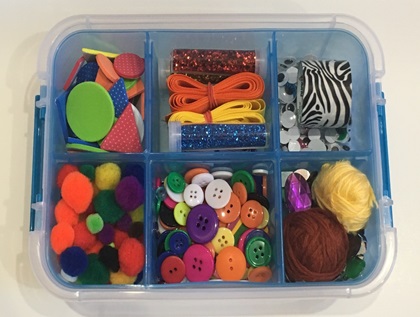
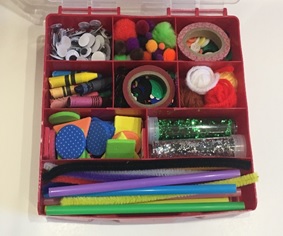
This small craft kit contains simple items for use in craft and art activities which can be found at a local dollar store, chain store, or craft store. It contains only the items for art pieces and crafts, but not the necessities such as paper, glue, and scissors.  This craft supply set may be more useful in the clinic setting as the other necessities are readily available for use. However, locating a set of must-have craft supplies for kids is as easy as an internet search.

craft supplies for kids to use in art activities

Below is a list of craft supplies that build skills. Click on the links to purchase the craft items.

Amazon affiliate links are included below.

Buttons – addresses size relations and fine motor coordination and manipulation. Buttons can also be used to string onto pipe cleaners for crafts which addresses fine motor control and precision, eye-hand coordination, perception, and bilateral coordination.

Colored craft sticks – addresses fine motor coordination and manipulation. Adding other craft elements such as googly eyes, stickers, washi tape, etc. addresses fine motor precision, bilateral coordination, and eye-hand coordination.

Crayons – broken pieces of crayon addresses grasp and distal control while the child colors or draws.

Doilies – addresses fine motor manipulation, bilateral coordination, and patience as the child works to separate the doilies to obtain just one.

Foam sticker shapes – addresses shape recognition, tactile tolerance, fine motor manipulation and coordination, pincer grasp and bilateral coordination. Removing sticker backs and applying to a surface are key components. In fact, stickers build a lot of skills in occupational therapy goal areas.

Googly eyes – addresses fine motor manipulation and coordination and pincer grasp. Googly eyes can sometimes be challenging to pick up from a flat surface.

Pipe cleaners – addresses bilateral coordination, fine motor precision, in-hand manipulation, eye-hand coordination, pincer grasp, and visual motor and perceptual skills. Pipe cleaners can be used for lacing straw pieces and buttons and creating shapes.

Pom-pom balls – provides a tactile experience and works on pinch and eye-hand coordination for placement. Patterning can also be addressed.

Regular craft sticks – these are great for creating fun “buddy” crafts.Use crayons to color and other elements for decoration such as googly eyes, sequins, and stickers which addresses fine motor coordination and manipulation, fine motor precision, visual motor, bilateral coordination, and grasp.

Sequins – addresses fine motor control and manipulation. They are challenging to pick up and manipulate for placement onto glue dots. Patterning can be addressed.

Small glitter tubes – addresses graded control for sprinkling. Tactile tolerance can be addressed if the glitter is sprinkled with a pincer grasp.

Straw pieces – addresses bilateral coordination, scissors skills, fine motor coordination and precision, and pincer grasp. Cut straws into pieces for art an activity or for stringing onto pipe cleaners.

Washi tape – addresses tactile tolerance, bilateral coordination, scissor skills, pincer grasp, size relations and pre-writing skills if used for shape formation.

Yarnprovides tactile tolerance especially when placing onto glue and addresses fine motor manipulation and coordination, scissors skills, and prewriting skills if used for shape formation.

craft supplies to help kids build skills in therapy

Craft Kit for Kids

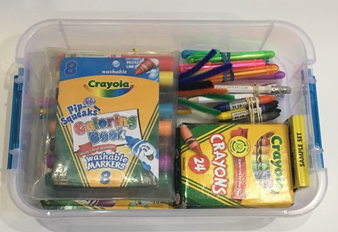
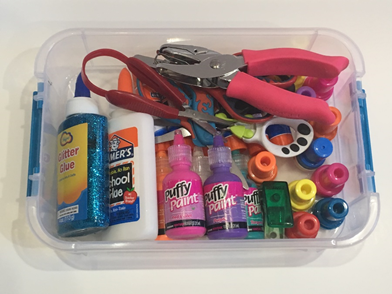
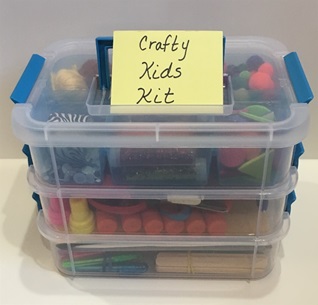
This larger, three tier craft kit contains ALL that you need to work on art and craft activities with kids.  It houses all of the craft and art items found in the smaller craft kit with a few more additions.  It also allows storage for scissors, glue, paper, and more drawing and writing tools. With this kit, you simply grab and go as all items are there for use in completing the entire art piece or craft.  This kit would serve itinerant or traveling therapists well as they do not always have the necessities readily available in the settings they may be working. 

Must have craft supplies to add to your therapy tools

Here is a list of the additional craft supplies in the kit and the skills they can promote:

Bottle and glitter glue – addresses school tool use, fine motor manipulation, hand/finger strength, bilateral coordination, graded control, and tactile tolerance. Partially closing the twist top can promote an opportunity for increased hand strength.

Glue sticks – addresses school tool use, fine motor coordination, bilateral coordination, graded pressure, and tactile tolerance.

Hole punches (thumb and hand) – addresses grasp, bilateral hand use, hand and finger strength, and eye-hand coordination. These small hole punchers are great for building thumb stability and strength in the arches. This reduced effort hole punch strengthens the hand and are ideal for children.

Ink stampers – addresses fine motor coordination and manipulation, bilateral coordination, and graded control. Patterning can be addressed.

Markers, pens, pencils, and colored pencils – provides options for color as well as drawing and addresses grasp, distal control, eye-hand coordination, and pressure regulation.

Paper – a variety including construction paper, card stock paper, doilies, foam sheets, paper plates, and paste board (which can be recycled paste board food boxes).

Puffy paint – addresses fine motor manipulation, hand and finger strength, bilateral coordination, graded control, and tactile tolerance.

Ribbon – addresses fine motor manipulation and coordination, bilateral coordination, scissor skills, and eye-hand coordination.

Scissors – regular and adaptive scissor options addresses scissor skills, grasp, bilateral hand use, hand strength, and eye-hand coordination.

Using craft supplies to build skills is easy with a quick trip to the dollar store or online shopping session. What craft supplies do you have in your home already? Many times, thinking outside of the box can expand your craft supply. Try using these recycled materials to make crafts and build skills.

Make a craft kit for kids to use in therapy or at home to build skills

A final word on Kids Craft Supplies in Therapy

With these two craft kit examples, you have a better understanding of what type of craft supplies to add to your home or therapy practice. Use the craft supply list to build kids craft kits you would find most beneficial according to your needs and the needs of your clients or children.

Enjoy creating your craft kit for kids and have fun exploring the items with kids while building important skills and providing opportunities to build child self-esteem and confidence.

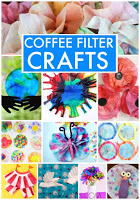
Coffee Filter Crafts

coffee filter crafts for kids

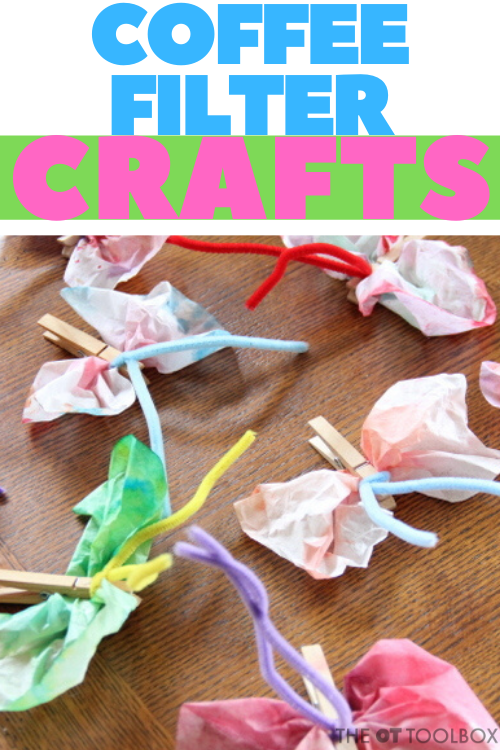
Coffee filter crafts are such a classic way to create with kids.  The thin texture of coffee filters makes a great material for cutting, painting, and folding.  Today, I’ve got ideas to use an item found in the home to work on various skill areas…with coffee filters! For more ways to help kids work on skills like fine motor dexterity, strength, motor planning, direction following, and bilateral coordination, check out some of the crafts for kids here on The OT Toolbox.

Coffee filter crafts to help kids develop skills
coffee filter craft ideas for kids
Coffee filter crafts for kids to use to work on skills in occupational therapy activities


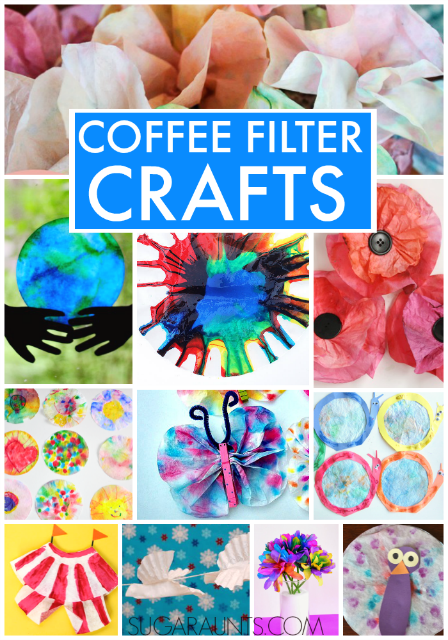
Coffee Filter Crafts for kids:

This circus tent craft made from coffee filters is something different that can be a great tool for working on precision, scissor skills, bilateral coordination, motor planning, and more. 

Work on social-emotional skills by pairing the children’s book, Leonardo the Terrible Monster with a monster coffee filter craft.

This butterfly craft is a classic. There is a reason to add it to your occupational therapy activity line-up. It’s a powerful way to help kids develop skills with an easy kids craft.

This Salad Spinner Art from Babble Dabble Do looks like a ton of fun and can be a great tool for bilateral coordination, visual tracking, and sensory play. 

Coffee filters are a great tool to work on precision in scissor skills. Here is more information on scissor skill progression along with tips for improving graded use of scissors to master accuracy. Here are more scissor skills activities that can be coupled with coffee filters.

If you like sun catchers, make these snails to work on scissor skills and precision.

 Suncatchers made from coffee filters don’t need to be extravagant. Use what you have in your home. 

Kids can work on handwriting and pencil grasp with this Earth Day coffee filter craft. 

The classic Butterfly Craft uses clothes pins and builds hand strength, bilateral coordination, and more. 

Make something different and build scissor skills for more of a challenge with this garland of doves.

For an easier scissor skill activity, create a peacock craft.

Poppies from coffee filters are a fun way to decorate the home while building skills. 

Another flower idea is this vibrantly colored flower craft that really powers up those bilateral coordination, motor planning, and direction-following skills. 

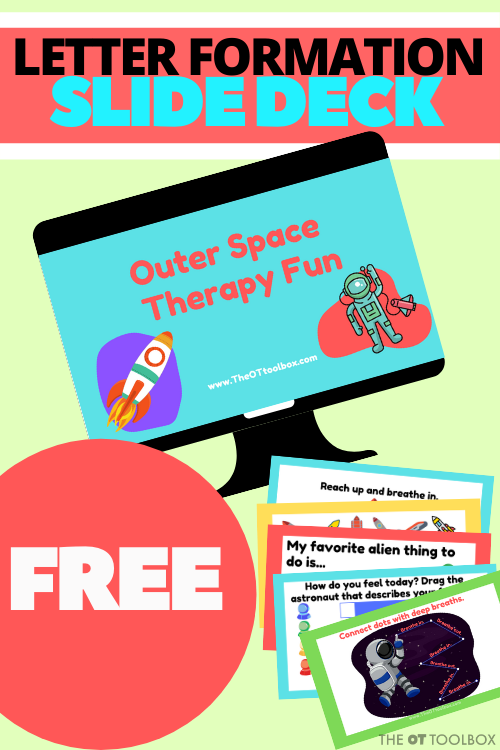
Space Theme Activities Therapy Slide Deck

space activities for kids to use in occupational therapy activities.

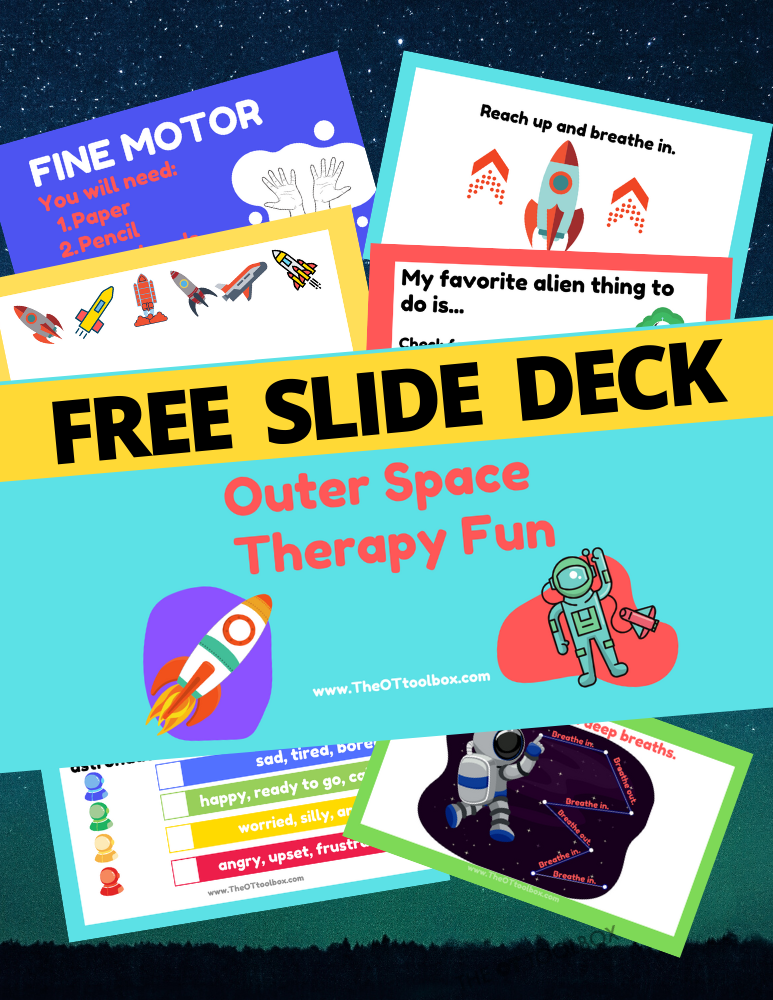
Have you been enjoying the occupational therapy slide decks available here on The OT Toolbox? In case you’ve missed them, the virtual therapy slide decks have been a hit with therapists seeking out OT activities that can easily be used in occupational therapy teletherapy sessions or distance learning sessions using little to no equipment. Today, I’ve got a space theme activities therapy slide deck to share…perfect for the kiddo that loves a space theme in learning or therapy sessions and a therapist or parent who loves to see goal progress! Below, you’ll find access to a free OT slide deck to use in addressing specific OT goals. Just modify the activities to meet the needs of your clients or students. This slide deck is a lot like some of my other recent therapy slide decks...you’re going to love this one!

The outer space activities cover a variety of areas: Fine Motor skills, visual perception, handwriting, and self-regulation…all with a space theme. Each activity in the collection involves movement activities that build specific skills. Scroll to the bottom of this post to enter your email to access the latest free occupational therapy slide deck.

Space Activities for Kids

This space theme activity set is great for younger kids who love all things rocket ships, astronauts, planets, and outer space. I know that there has been a lot of difficulty with getting some kids to pay attention during teletherapy sessions. Some kiddos run off during virtual therapy. Others turn off the screen or refuse to work on the session tasks. This space theme slide deck is great for the kids that need help focusing to work on various skill areas.

Pair this free slide deck with some hands-on, multisensory activities for a space theme:

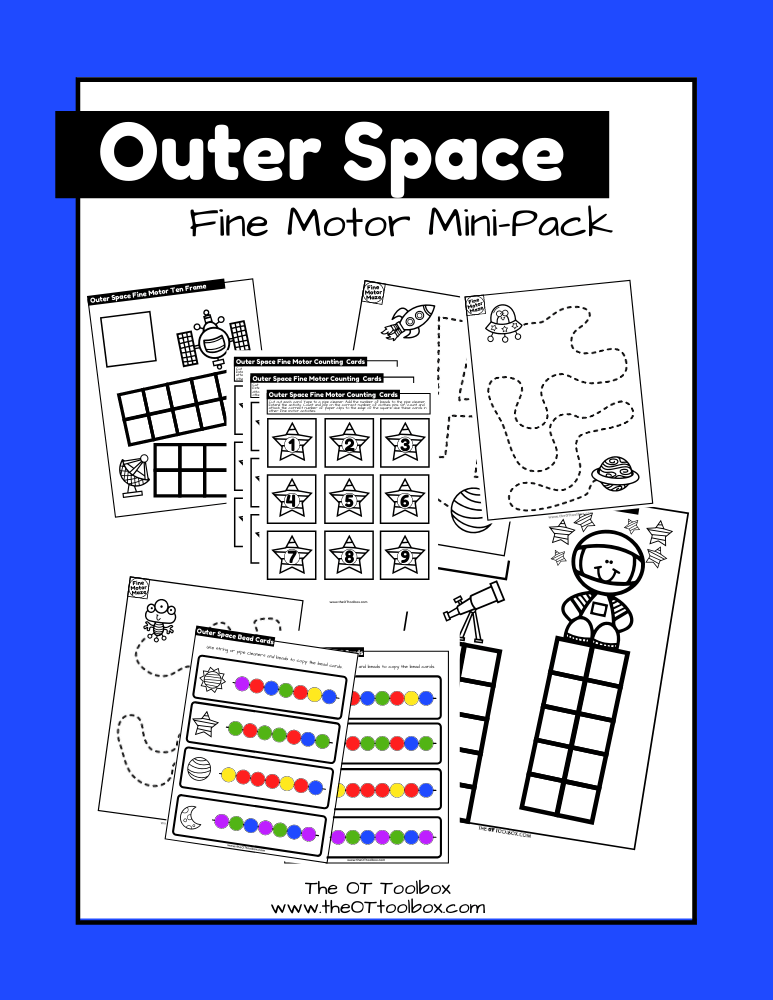
AND, a new resource has been added to the shop: Outer Space Fine Motor Mini-Kit.

Space Therapy Slide Deck

This slide deck is interactive, too making it a fun way for kids to stay engaged during teletherapy sessions. Here’s what’s included:

space activities for kids to use in OT activities

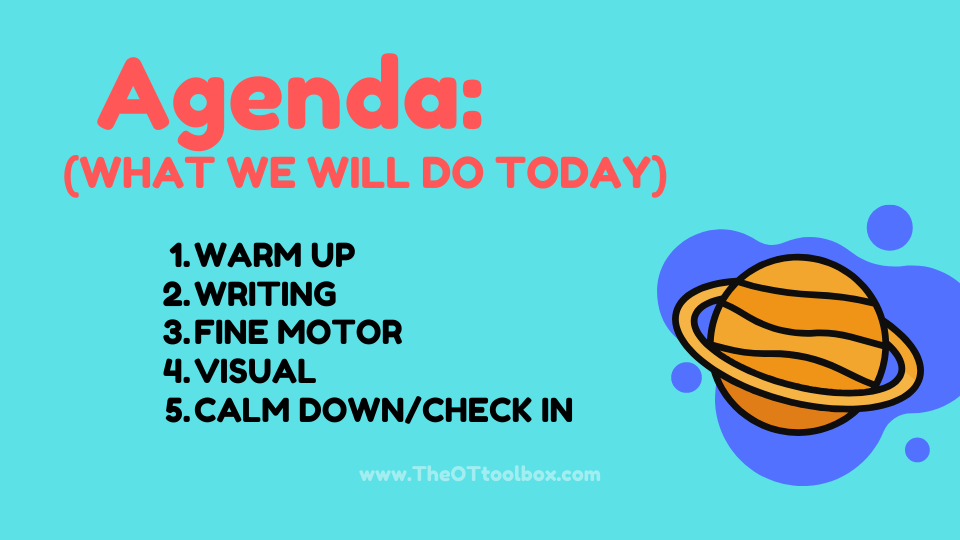
The slides in this space themed virtual session include a warm up, a writing activity, a fine motor task, a visual perception session, and a calm down/self-regulation check in.

Outer space deep breaths for kids

Warm Up Activity- Kids can start the session with outer space deep breaths. This is one of my favorite slides on the slide deck because children can drag an interactive star along a path, working on visual motor skills, motor planning, eye-hand coordination AND deep breathing skills to help with worries or anxiety. This slide is a great way to start off a therapy session or a distance learning session.

Space activities to work on handwriting with kids

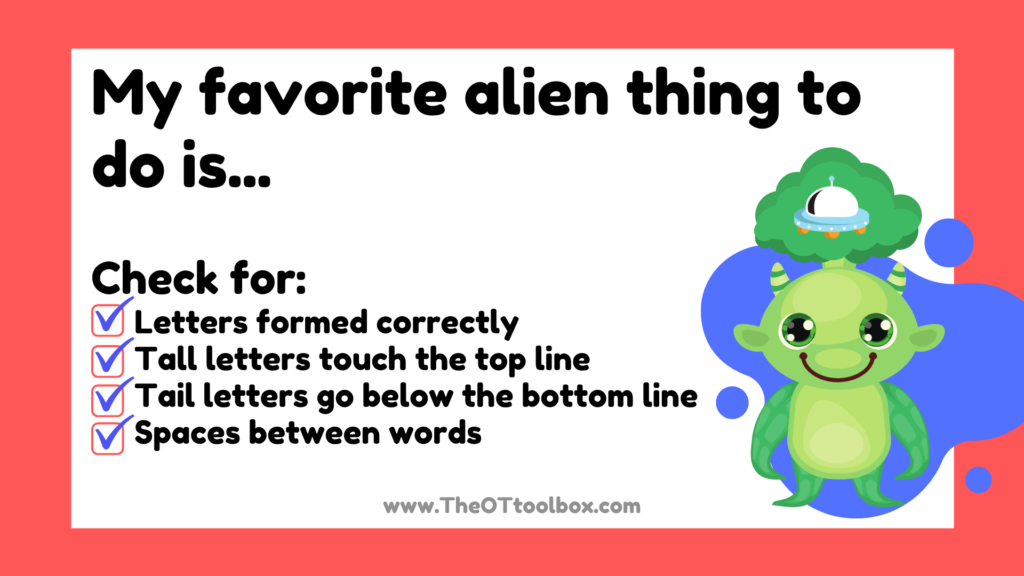
Space Writing Activity- The handwriting portion of this OT slide deck includes three space themed writing prompts. There is a self-check component so children can assess their handwriting for each prompt. Kids working on letter formation, line awareness, spacing, and legibility will benefit from this section of the slide deck.

Space handwriting activity for kids
Space activities for kids to work on fine motor skills

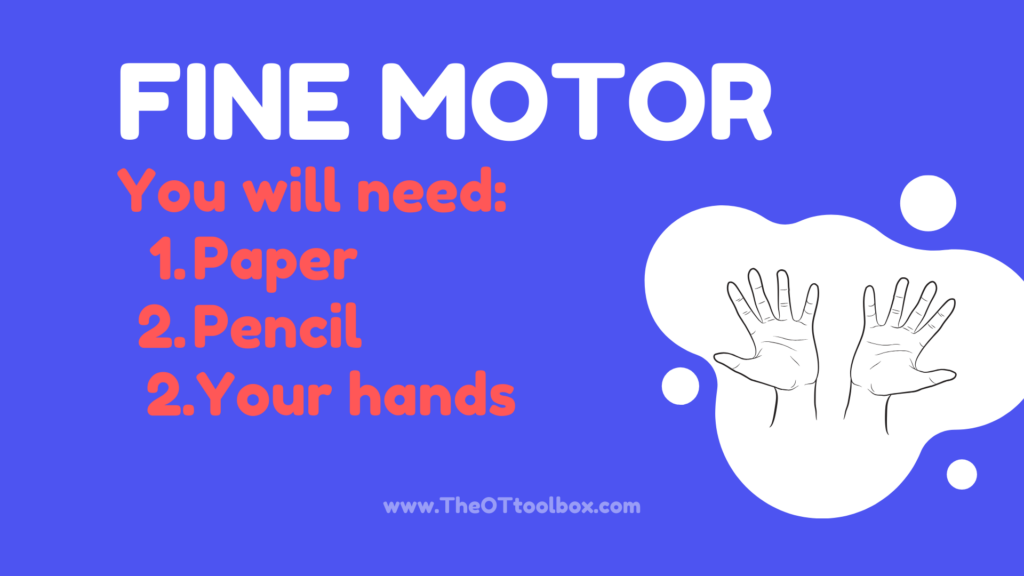
Fine Motor Space Activity- This activity is a fun one, and it uses only a couple of items that children should already have in the home: paper, a pencil, and their hands. Children can follow the directions on the slides along with the therapist to complete a fine motor activity that builds hand strength, coordination, bilateral coordination, arch development, motor planning, precision, an open thumb web-space, and more.

Visual motor activities for kids
Rocket ship activities for kids to work on visual perception

Space Visual Perceptual Skills- The next section of the slide deck includes two slides designed to build visual perceptual skills including form constancy, visual discrimination, figure-ground. Visual processing skills such as visual scanning and visual tracking, and eye-hand coordination are challenged with these slides as children can click on the colored images and drag it to to the shaded shadow match. There are two separate slides in the vision section.

space activities for calming down and coping strategies for kids

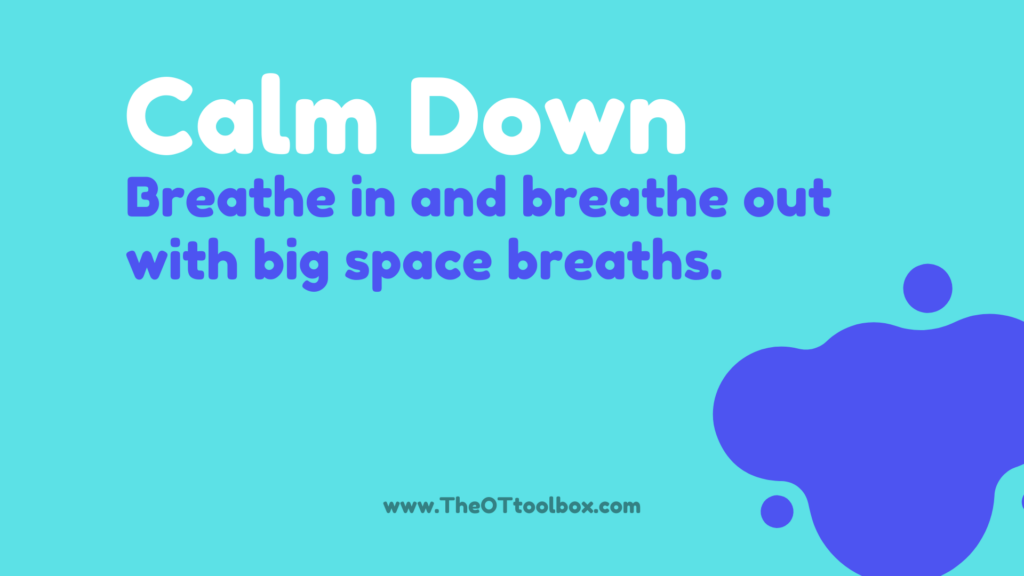
Calm Down- This coping tools section of the outer space slide deck includes deep breathing tools to help kids focus on effective breathing and positioning.

space activities for self-regulation

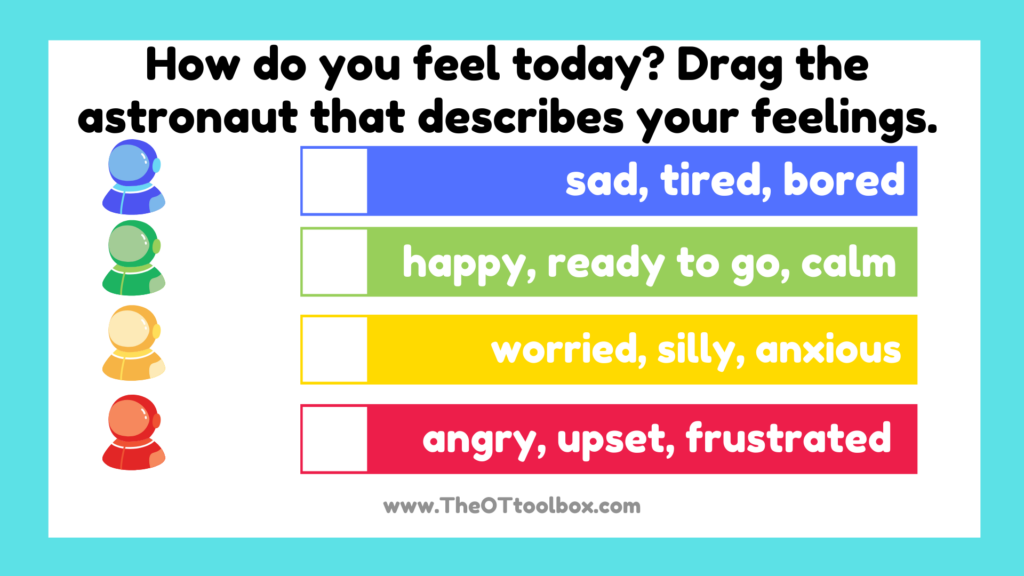
Check-In- Lastly, you’ll find a calm down slide that incorporates the colors of the Zones of Regulation program. Children can complete the calm down movement activities shown on the slides and then choose a color to check in for their state of feelings. They can click on the colored astronauts and drag it to identify their current state.

This free slide deck uses space activities and an outer space theme for kids

Want this Space Theme Activity Set?

Enter your email below. If you are currently on The OT Toolbox newsletter list, this will not add you a second time. It will simply send the slides your way. Enjoy!

Get a free Outer Space Theme Slide Deck

    We respect your privacy. Unsubscribe at anytime.
    Powered By ConvertKit

    HERE ARE MORE MOVEMENT ACTIVITIES TO USE IN VIRTUAL OT SESSIONS

    Heavy work movement activity cards

    Monthly movement activities

    Teletherapy activities for kids

    Monster Movement Slide Deck

    Colleen Beck, OTR/L has been an occupational therapist since 2000, working in school-based, hand therapy, outpatient peds, EI, and SNF. Colleen created The OT Toolbox to inspire therapists, teachers, and parents with easy and fun tools to help children thrive. Read her story about going from an OT making $3/hour (after paying for kids’ childcare) to a full-time OT resource creator for millions of readers. Want to collaborate? Send an email to contact@theottoolbox.com.
    Know a kiddo that loves all things space, astronauts, and planets? The Outer Space Fine Motor Kit is your chance to develop fine motor strength, dexterity, and coordination skills.

    Addressing hand strength, endurance, and precision is out of this world fun! The Outer Space Fine Motor Kit includes:

    • Fine Motor Mazes
    • Fine Motor Ten Frames for motor activities
    • 1-20 Star Counting Cards
    • Bead Copying Strips
    • Space Alien Directed Drawing Sheets

    This fine motor kit includes 24 pages of printable resources. Included in this printable pack are:

    1. Two pages of color coded bead copying strips
    2. Two pages of blank bead copying strips
    3. Four pages of “draw and write” directed drawing activities with a space theme (Includes 3 styles of handwriting lines: highlighted lines, single rule, and double rule)
    4. Nine pages of fine motor mazes
    5. 1-20 Outer Space Counting Cards
    6. Four pages of fine motor ten frames activities

    These printable activities extend to work on a variety of other functional areas, too: handwriting skills, numbers, math, adding, subtracting, one-to-one correspondence, scissor skills, coloring, and more.

    Click HERE to grab the Outer Space Fine Motor Mini-Kit.

    Outer Space Fine Motor Kit

    Mother’s Day Craft You Are Tea-Riffic Card

    mothers day craft for kids

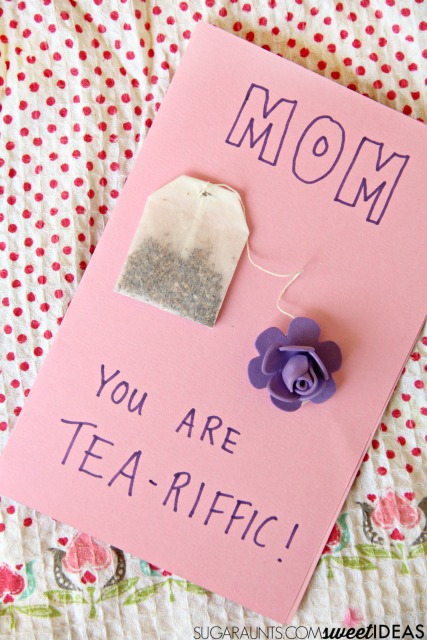
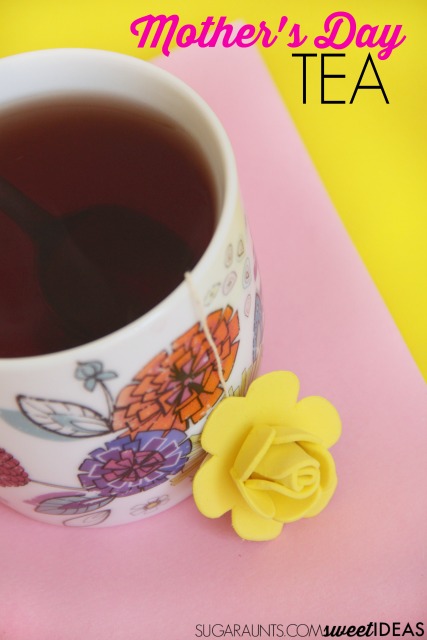
    Mother’s Day is all about cute kid-made cards. Many times, occupational therapy professionals and teachers seek out crafts to make with students to celebrate Mom. This year may be a little different when it comes to coming up with a Mother’s Day craft to make with students. I wanted to put together an easy Mother’s day idea that kids can make in virtual therapy sessions or as part of a distance learning activity. Kids can even make this card with Dad using just a couple of items. This Mother’s Day craft is perfect for a tea-loving mom…Or kids and moms who love puns like “You are TEA-riffic”!  This might be one of my favorite kids’crafts that we’ve done.  It’s easy and it’s super cute.  Add a Mother’s Day quote to this card and you’ve got a gift idea that will make any mom smile!  

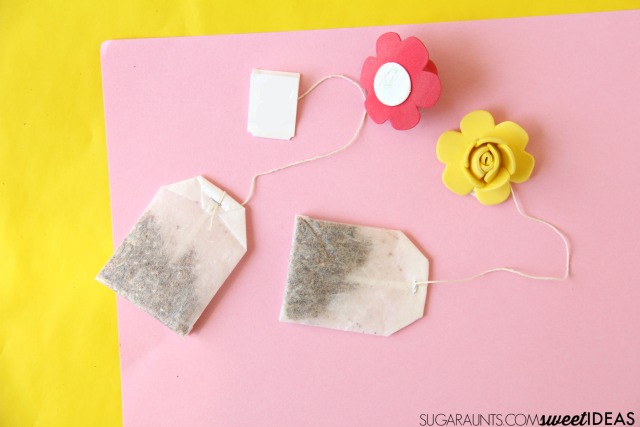
    Mothers Day craft Mom, this is a fun craft for kids to make for mother's day. You are TEA-Riffic card for moms who love tea! All you need is a tea bag for this craft.

    Mother’s Day Craft

    This post contains affiliate links.    You’ll need just a few materials for this craft:

    • Paper
    • Tape
    • Tea bag
    • Sticker/flower/something to stick to the tea bag’s tag
    • Markers/crayons

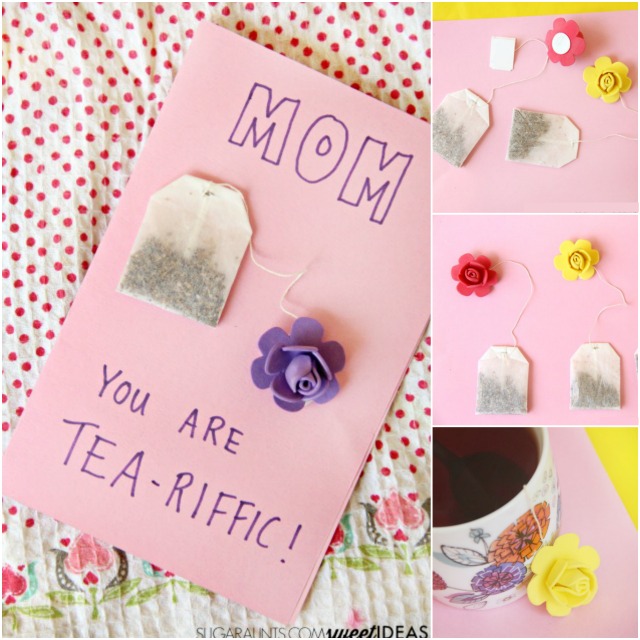
    Grab a piece of paper or cardstock for the card.  Fold it in half.  Next, use your mom’s favorite tea.  We just used a bag of tea that we had on hand, but I do love caffeine free flavored teas.  

    Pull the tea out of the wrapper and stretch out the string.  

    Then, you can decorate the paper tab with a sticker, or by coloring on the paper label. Other ideas include creating a paper flower and gluing it on the the paper. We used foam sticky flowers for a Spring-y touch.  We received ours from www.craftprojectideas.com but you can get a set here.  

    The nice thing about this easy Mother’s Day craft is that it is very open-ended and you can use the items on hand.

    Kids can make this easy Mother's Day craft with a bag of tea and items found in the home.

    Tea Bag Craft for Moms

     To make the tea bag craft, kids can stick something to the paper tag on the tea bag. The flower stickers that we used are sticky on the back, so just peel off the back and stick it to the tea bag’s tag. Adding a sticker or gluing a small note would work too. The idea is to use what you’ve got on hand at home.

    We then taped the tea bag and the tag to the front of the card with a tape donut and wrote a fun message with the words, “MOM You are TEA-Riffic” to the front.  Done!  

    This would make a great preschool Mother’s day craft because it’s very simple and requires just a few steps. The craft can easily be graded up or down to meet a variety of skill levels as well.

    Kids can make this Mother's Day craft to work on fine motor skills.

      Mom will love this super cute craft.  Work on handwriting by having your child add a message to the inside of the card.   Glue lined paper to the inside to provide visual cues for spacing and line awareness.  This is sure to be one of the crafts that Mom keeps forever!  

    Mother’s Day Craft for Therapy Sessions

    By adding this Mother’s Day craft to occupational therapy sessions or the classroom, kids can work on a variety of skills. Add this easy craft to your therapy line up or classroom plans and you’ll add a variety of skills:

    • Eye-hand coordination
    • Precision (managing tape, peeling sticker)
    • Hand strength (folding and creasing paper)
    • Handwriting
    • Bilateral Coordination (folding paper, sticking stickers)
    • Scissor Skills

    Use this mother's day craft to help kids work on skills in occupational therapy sessions.

    More Mother’s Day Crafts

     Who do you know that will love this craft?   Looking for more creative Mother’s Day ideas for the kids?  Try these ideas to work on specific skills during therapy sessions or as part of a distance classroom activity:  

    We know the power of fingerprints and finger painting in building fine motor skills as well as finger isolation. Here is a Mother’s Day Finger Painting activity if that is something that might work as a Mother’s Day craft this year.

    Send Mom a Mother’s Day quote for something different this year.

    For a homemade gift idea for Moms, a homemade Mother’s Day card can work. This one challenges the scissor skills so it would work for older children or those working on more complex scissor skills.

    Play dough or clay can be used to make a homemade gift for moms. Making Little Clay Bowls challenges the fine motor skills, too.

    If you are looking to make a treat for Mom, these cupcakes are a great way to challenge fine motor skills, executive functioning skills, and more.

    Finally, this Mother’s Day Book List can be used as a cozy time with mom. Find the books on a library app and read with Mom!

    Kids can make this easy Mother's Day card in therapy to work on skills.

    Colleen Beck, OTR/L has been an occupational therapist since 2000, working in school-based, hand therapy, outpatient peds, EI, and SNF. Colleen created The OT Toolbox to inspire therapists, teachers, and parents with easy and fun tools to help children thrive. Read her story about going from an OT making $3/hour (after paying for kids’ childcare) to a full-time OT resource creator for millions of readers. Want to collaborate? Send an email to contact@theottoolbox.com.


    May Occupational Therapy Calendar Ideas

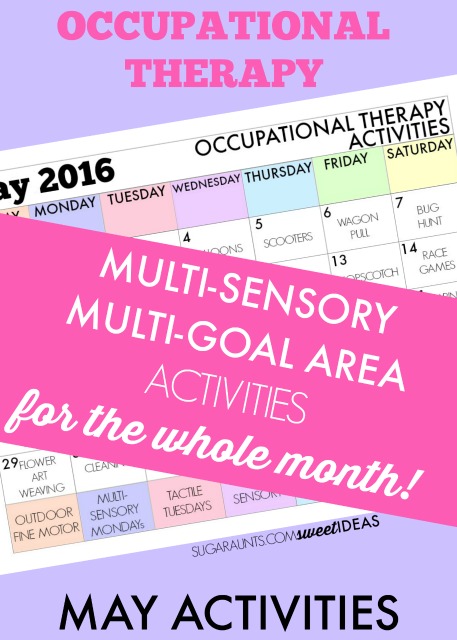
    Another month has flown by and another month of Occupational Therapy calendar ideas is here!  May brings creative outdoor play, multi-sensory activities, and ideas that will help with multiple goal areas. I’ve tried to come up with activities that use very few items or supplies. Many of the activities in this May activity calendar require nothing! This is great for adding to home programs or teletherapy sessions, as most of the activities use items found in the home. You might have grabbed our Spring Occupational Therapy packet last month and those ideas will work for this month as well.  You’ll want to get your May OT calendar and use the ideas listed here to add movement, development, and functional skills to the merry month of May!

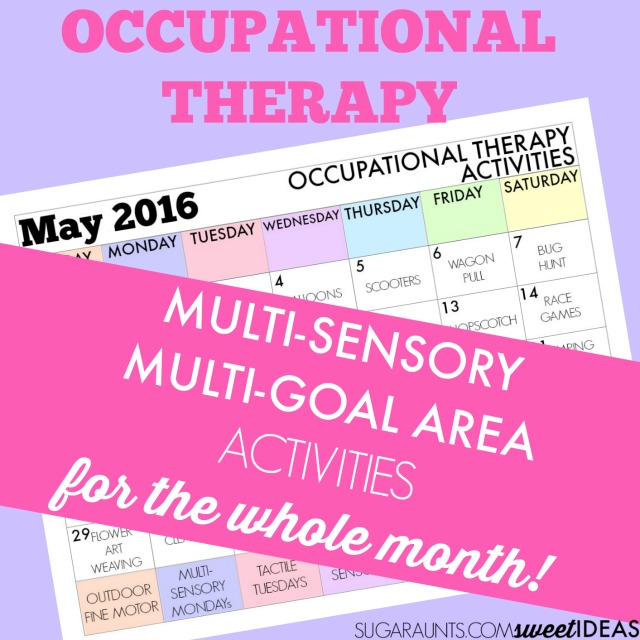
    Add these May occupational therapy activities to your OT planning for creating home programs and therapy plans to serve a variety of needs. Grab the free May OT calendar.
    May activities for this month's Occupational Therapy calendar of OT treatment ideas.

    May Occupational Therapy Calendar

    This month’s calendar is just a bit different than previous months.  May brings a theme for each day, which is similar to April’s calendar of ideas, but this month is just a tad more themed.  I’ve added a fine motor and gross motor day instead of strictly sensory based ideas.  The best thing about this month is that each day’s activity can address many different goal areas.  For example, an activity that falls on a  Tactile Tuesday can work on bilateral coordination, visual scanning, and fine motor skills all while addressing tactile sensory tolerance through texture input.

    Does a month of OT ideas sound like a great way to plan your days at home or do you need to add a creative spin to your Occupational Therapy clinic? This is the calendar for you!  You can grab the calendar and all of the others by signing up as an email subscriber.  (Email subscribers get access to a free library of printable resources.)

    Be sure to get your Spring Occupational Therapy activity guide over in our store, too. This is a resource of over 90 themed activities that you will want to have in your OT back pocket!

    Use this May Occupational Therapy calendar to plan OT treatment ideas.

    Here are the activity ideas outlined in the May OT calendar

    May 1- Flower Crafts for Kids– Use a flower craft or two to work on skills like direction following, executive functioning skills, fine motor work, scissor skills, and more.

    May 2- Make a flower snack! Cooking is an executive functioning powerhouse. These simple flower-themed snacks are healthy options for kids AND build skills as they help out in the kitchen.

    may 3- Dandelion Soup– As a child, do you remember making messy, muddy, FUN “soup” in the backyard? All you needed was a bucket, a stick, some water, and imagination. Toss in a sprinkle of grass, a scoop of dirt, some broken up twigs, and a mash of dandelion flowers. It’s a messy, sensory, creative, and down-to-earth play idea that builds skills. Don’t have dandelions? (I’m jealous!!) Use whatever you’ve got around the lawn…rocks, pebbles, leaves, flower buds, clover, etc. The sky is the limit with this activity.

    May 4- Stickers! Here are 10 reasons why kids need to play with stickers. They really build the precision, eye-hand coordination, open thumb web space, separation of the sides of the hand, and so much more.

    May 5- Scooters. If you have a scooter in your therapy toolbox, great. If not, no problem. Getting the benefits of prone extension in play can happen with a blanket on a hardwood floor, on a couch cushion, or by crawling through an obstacle course. Put on your thinking caps for out of the box prone extension ideas when a scooter isn’t available.

    May 6- Head outdoors and try a DIY balance beam using what you’ve got. Here are outdoor balance beam ideas to get you started.

    May 7- Hunting for bugs is a sign of Spring, and one way that play builds big-time skills like visual scanning, visual discrimination, figure-ground, and other visual perceptual skills. Head outside with a jar and go on a hunt for potato bugs, lady bugs, ants, and more. Then add this bug visual perception worksheet to the fun.

    May 8- Grab some glue and some seeds for a fine motor workout. Don’t have a packet of seeds? No worries. Head outdoors and cut or tear up some grass. Then use it in this seed handwriting activity to build fine motor skills and eye-hand coordination.

    May 9- Gardening is such an amazing experience for kids that build gross and fine motor skills, coordination, motor planning, executive functioning, and more. This post on sensory gardening defines specific aspects of gardening with kids and how to encourage sensory challenges and sensory diet activities within the garden. Don’t want to garden with kids? That’s ok…use play dough for a pretend play garden activity.

    May 10- Kinetic Sand Dough is fun to make and even more fun to play with. Here is a 3 ingredient kinetic sand recipe. Use it in small word play and sensory bins.

    May 11- Get the kiddos moving and creating with out-of-the-box creative painting ideas. If you have straws in the house, use them to stamp small circles on paper. Don’t have straws? try painting with string or yarn, pinwheels, toys, or one of these 25 creative ways to paint.

    May 12- Got play dough? Use it to press Spring themed items for some fine motor, strengthening, proprioceptive, and body awareness fun!

    May 13- Slides and swings…If you are lucky enough to have them in the backyard, head otudoors for some backyard sensory diet activities. If a backyard slide or swing set isn’t available, use an Amazon box to make a DIY cardboard car slide. This is a BIG time memory-maker with sensory benefits.

    May 14- Grab some chalk and draw a hopscotch board on the driveway or sidewalk. Working on letter formation or number formation? Use the hopscotch boxes to work on letters.

    May 15- Race games are a fun way to get the whole family moving. Here are more movement and sensory ideas for the backyard.

    May 16- Tweezer seeds…Grab some tweezers or tongs and get those hands moving. After eating an apple, my kids used tweezers to dissect the seeds for some science fun that combined with fine motor skill development. But, if you need larger tweezers for your kiddo’s fine motor levels, try making a set of tongs using pencils or craft sticks like we did with this DIY tweezers activity.

    May 17- Indoor obstacle course! Be creative with indoor movement. Use couch cushions, the broom, a jump rope…whatever is on hand. Kids can crawl under dining room chairs, over a line of laundry, or around a bundled up blanket cone. Here are monthly movement ideas for more themed activity ideas to add to your indoor obstacle course. These alphabet movement exercises can be incorporated, too.

    May 18- Let’s make a sensory bin! There are so many ways to build a sensory bin using the items you’ve got on hand. Start with a sensory bin filler like grass, seeds, dry beans, rice, sand, pebbles, dirt, or other materials. These sensory bin ideas can get you started.

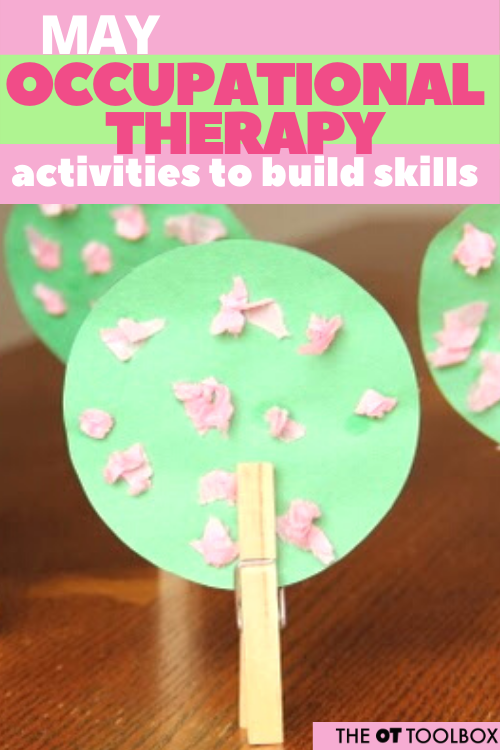
    May 19- These Spring craft ideas can get you started on ways to build fine motor skills through crafts. The cherry blossom fine motor trees are one of my favorites!

    May 20- Outdoor play is a huge skill builder for kids. Here’s what the research says about outdoor play in child development. For outdoor sensory activities that build skills, try the ones listed on these free outdoor sensory diet cards.

    May 21- DIY parachute- Grab a fitted bed sheet and start parachuting. This is a great gross motor activity for the whole family. It works really well on a breezy day in the backyard, but can be done indoors too. Hold the edges of the sheet like it’s a parachute and play some parachute games.

    May 22- Jumping jacks are just one of the gross motor activities on our Alphabet exercises, but you can make them fun by jumping jack to music. Try doing a certain number of jumping jacks when one person calls out a number.

    May 23- Use the sand from the sandbox to work on fine motor skills. We poured some on the kid play picnic table and worked on pinching and dribbling sand through the fingers. Here is another way to work on fine motor skills with simple items like sand and sticks from the yard. Don’t have sand? Use pebbles, flour, or dirt.

    May 24- Torn leaf art is a fun way to work on fine motor skills with kids. Cut petals from paper (or use real leaves and petals if you have them). Then work on tearing those petals into small pieces. Use those small pieces to create art by gluing them into shapes or even letters. Here is information on the ways that tearing paper builds hand skills.

    May 25- Outdoor small world pretend play– When the weather starts warming up, it’s the perfect time to head outdoors with small toys and create a small world beside a tree. Work on imagination, acting out functional tasks, and talking through worries or stress using small figures. This is one of my favorite ways to play with my kids when they were smaller.

    May 26- Chalk games and sidewalk chalk activities are not only fun, they are a powerful way to build hand strength in the arches, and upper body strength by getting down on the driveway or sidewalk.

    May 27- Water flowers- have some flowers or potted plants in your yard on indoors? Spray them with a water bottle to give them a little water while working on hand strength.

    May 28- Lawn games- Relay races, Red Rover, Red Rover, Tag, Hide and Seek, and other lawn classic lawn games for kids. Other ideas include: Kick the can, jump rope, Red Light, Green Light, Mother May I, Mr. Wolf, 4 square, Simon Says, TV tag, Sardines, Marco Polo, Heads Up/7 UP, Freeze dance, and others.

    May 29- Flower weaving is a fun fine motor, bilateral coordination activity that builds motor planning, and planning skills. Use long pieces of grass or flowers with long stems and braid them, or entwine them into a basket or edge of a plastic bin. A laundry basket works great.

    May 30- Nature seek and find- Set up a “real world” I Spy game using items found in the home or in the yard. Include toys, everyday items, or things found right outside in nature. Kids can work on visual scanning, figure ground, and other visual perceptual skills. Here is a real toy I Spy game we played many moons ago.

    May 31- Outdoor forts are a fun way to move and build executive functioning skills. How can you use some lawn chairs and a sheet to create a fort in the yard? How can you attach several blankets to the dining room chairs. Building a fort (indoor or outdoors) is a fantastic activity for kids that builds many skill areas.

    May Activity Calendar for Kids

    Enter your email below to grab the free calendar for May’s activities for kids. Be sure to come back to this page to grab descriptions of all of the activities during the month of May.

    Grab the MAY OT activity calendar

    You’ll also get resources and tools by email.

      We respect your privacy. Unsubscribe at any time.
      Powered By ConvertKit

      Organization and Attention Challenges Related to Sensory Processing Disorders

      Kids with sensory needs often times have organization difficulties.  Sensory inattention is a real thing! They are distracted by their body’s need for sensory integration and are challenged to focus on tasks at hand due difficulties with inattention. We explain in our resource on sensory processing disorder chart, the various aspects and nuances of sensory processing disorders. You’ll see how different each of us are when it comes to sensory needs and challenges.


      While sensory kids might have attention problems, typically developing kids are also learning to work with the distractions of multi-sensory input to focus on tasks.  You might see visual inattention that causes a child to skip words when copying from a book.  You might see them forget to put their homework folder in their backpack at the end of the school day. It’s kind of like a jumble of beads in where all of the colors are so distracting that it’s hard to pull out the ones that are most important.  Then the beads spill and you’ve got a disorganized mess to deal with on top of everything else that needs to happen in your day. 

      Sensory Processing components and considerations for the disorganized and inattentive child.  This site contains lots of attention and organization strategies for kids with sensory processing disorders from an Occupational Therapist.

      Sensory Inattention

      There are normal everyday distractions that all of us are managing.  I for one am currently distracted by kids, schedules, deadlines, and the need to pull frozen chicken out of the fridge so that we can eat dinner later.  A child with sensory processing disorder or general sensory challenges may be distracted by the input their body craves and the overwhelming input that they are constantly bombarded with. This sensory inattention may be a result of underlying issues going on that distracts from the task at hand.

      When sensory-related inattention is a primary difficulty relating to disorganization in kids, there are ways to work around and help. Check out some of the sensory strategies listed further down in this post.

      Other reasons for being inattentive:

      • Impulsivity
      • Overwhelming and confusing sensory input makes navigating sensory information
      • Trouble staying on a task
      • Trouble identifying priorities
      • Focus on anxiety limits ability to stay on task
      • Rigidity causing difficulty transitioning into new tasks
      • Motor insecurity (fine motor or gross motor, visual motor, sensori-motor) causes trouble getting started on a task.
      • Low frustration tolerance to difficult tasks.  These kids might not try a task to avoid a frustrated meltdown as a compensatory strategy
      These sensory processing disorder treatment strategies can help kids who struggle with sensory inattention or overreaction to sensory input.

      Sensory inattention Strategies

      So, how can a worried parent or involved teacher help kids who are struggling with attention problems and resulting disorganization?  We’ve recently shared tips to help with attention at home and at school.  But what if all of the modifications and adaptations to your child’s day are just not working?

      What if, as a Mom or a Dad, you are at your wit’s end with your child’s poor attention…the behaviors…your child’s seemingly intentional disregard to directions and others around them. Sometimes, there is a reason for these actions.  They aren’t always intentional.  They aren’t always ADHD related. They aren’t always the actions of a “bad kid”.

      Sometimes, there is an underlying reason for disorganization issues.  There is a sensory component. It is sensory inattention that we are talking about.

      A child with sensory processing difficulties might have trouble blocking out lights, noises, and movements of others.  They might drop their pencil and not even realize it.  They might have difficulty with handwriting. They might bump into others in lines at school or bounce off the walls at home.  Do these sound familiar?  

      Sensory HYPERSENSITIVITY

      There are many indications of children who are overly sensitive to typical daily activities. Children with sensory hypersensitivity over-respond to sensory input. They may have an acute or overly sensitive response to input.

      • Overreact to bright lights and loud noises.
      • Demonstrate meltdowns when overwhelmed
      • Complain about itchy tags or clothing seams, including the seam along the toes in socks.  Refuse to wear certain textures, and complain that they are too rough or scratchy.
      • Difficulty with sensing how much force they need to apply in tasks; they might press too hard when writing, rip the paper when erasing, or slam down objects.
      • Trouble knowing where their body is in relation to other objects or people.
      • Overly distracted by noises in the classroom.
      • Appears clumsy.
      • Avoid hugs and cuddling even with family members.
      • Overly fearful of movement including swings, slides, and merry-go-rounds.
      • Bump into other students in school lines, or crashes into objects.
      • Tendency to bolt or run away when they’re overwhelmed to get away from stressors or fears of unfamiliar situations.

      Sensory Hyposensitivity

      There are also indications of children who are under-responsive to sensory stimulation and seek out more sensory input. Indications of hyposensitivity occur in children who do not seem to notice sensory input. They may seek out sensory input in order to gain sensory input that they need in order to organize or regulate. Children that flap their hands, bite, pinch, bolt, or seem to have a very high tolerance for pain, spinning, or other movement may have sensory hyposensitivities.

      • Constantly touch people or textures.
      • Loves active play.
      • Crave fast, spinning and/or intense movement.
      • Enjoys heavy deep pressure like tight bear hugs.
      • Cannot tolerate smells. Or, smells everything.
      • Disregard or no understanding of personal space.
      • Swing, spin, jump, run, crash
      • Chew everything…clothing, pencils, toys, grass, non-edible materials
      • Very high tolerance for pain.
      • Very fidgety and unable to sit still, especially when the child is expected to sit still.
      • Seeks out jumping, bumping and crashing activities.
      • Loves jumping on furniture and trampolines.
      • Self-stimulation behaviors (flapping, bolting, chewing, pressing on eyelids, rocking, humming, lining things up, tapping on things, etc.)
      • Loves playground equipment like swings, merry-go-rounds and slides.

      It’s easy to understand how a child with either a low or a high tolerance to sensory stimulation can show inattention to focused tasks.  There is so much information coming at them at once and they are unable to filter out what is unnecessary while attending to a directions like “Get your homework out of your back pack” or “Brush your teeth, your hair, and put on your shoes.”  How can they possibly keep themselves organized in tasks?

      While no two children are alike, there are many sensory processing treatments that can help with attention and organization.  Movement activities, core strengthening, and sensory integration therapy can help with attention in kids.  In fact, sensory integration treatment interventions “may result in positive outcomes in sensory-motor skills and motor planning; socialization, attention, and behavioral regulation; reading-related skills; participation in active play; and achievement of individualized goals.” (From here.) 

      Sensory Processing Disorder Treatment


      Some of our favorite ways to engage the sensory systems in sensory integration activities are: 

      Try using these techniques to help your child sort out all of the information, and just like those beads that are all over the floor?  Create beautiful moments in your day!

      Sensory Processing components and considerations for the disorganized and inattentive child.  This site contains lots of attention and organization strategies for kids with sensory processing disorders from an Occupational Therapist.

      Be sure to stop by and see recommendations for Attention difficulties at home and at school, part of a recent Organization series that we’ve shared:

      Tips to Help your Sensory Kid Get Organized at School

      Tips to Help your Sensory Kid Get Organized at Home

      More tools for addressing attention needs in kids

      There are so many strategies to address attention in kids and activities that can help address attention needs. One tactic that can be a big help is analyzing precursors to behaviors related to attention and addressing underlying needs. 

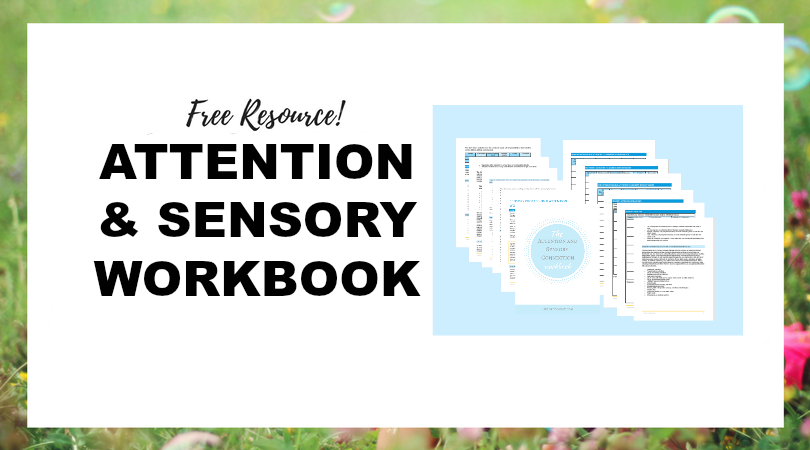
      The Attention and Sensory Workbook can be a way to do just that. 

      The Attention and Sensory Workbook is a free printable resource for parents, teachers, and therapists. It is a printable workbook and includes so much information on the connection between attention and sensory needs. 

      Here’s what you can find in the Attention and Sensory Workbook: 

      • Includes information on boosting attention through the senses
      • Discusses how sensory and learning are connected
      • Provides movement and sensory motor activity ideas
      • Includes workbook pages for creating movement and sensory strategies to improve attention

      A little more about the Attention and Sensory Workbook: 

      Sensory processing is the ability to register, screen, organize, and interpret information from our senses and the environment. This process allows us to filter out some unnecessary information so that we can attend to what is important. Kids with sensory challenges often time have difficulty with attention as a result.

      It’s been found that there is a co-morbidity of 40-60% of ADHD and Sensory Processing Disorder. This workbook is an actionable guide to help teachers, therapists, and parents to help kids boost attention and focus in the classroom by mastering sensory processing needs. 

      You will find information on the sensory system and how it impacts attention and learning. There are step-by-step strategies for improving focus, and sensory-based tips and tricks that will benefit the whole classroom.

      The workbook provides tactics to address attention and sensory processing as a combined strategy and overall function. There are charts for activities, forms for assessment of impact, workbook pages for accommodations, and sensory strategy forms.
        Grab the Attention and Sensory Workbook by clicking HERE or on the image below.    

      Attention and sensory workbook activities for improving attention in kids

      FREE Attention & Sensory Workbook

        We respect your privacy. Unsubscribe at anytime.

        Colleen Beck, OTR/L has been an occupational therapist since 2000, working in school-based, hand therapy, outpatient peds, EI, and SNF. Colleen created The OT Toolbox to inspire therapists, teachers, and parents with easy and fun tools to help children thrive. Read her story about going from an OT making $3/hour (after paying for kids’ childcare) to a full-time OT resource creator for millions of readers. Want to collaborate? Send an email to contact@theottoolbox.com.
        Teach Letters in Occupational Therapy Telehealth-Free Slide Deck

        handwriting in teletherapy with an interactice slide deck

        Teaching letters in distance learning? Working on handwriting in OT teletherapy? Well, one thing is for certain. Our recent virtual therapy slide deck to teach strait line letters was a popular one! That’s why I wanted to not only continue with that letter formation slide deck series (coming soon!) but I wanted to get this newest slide deck out to teach letters in occupational therapy telehealth. So often, school-based OTs have handwriting goals to address. However, when it comes to teaching letter formation and working on handwriting through the screen of teletherapy, it can be difficult to work on aspects such as accuracy without the hands-on component.

        These telehealth slides should fill some holes. My mission, as always, is to help you help kids thrive. So, in the current season of virtual therapy sessions, therapy slide decks it is!

        Teach letters in occupational therapy telehealth sessions or in distance learning with a movement-based, sensory component, and fine motor, gross motor piece to learning letters through virtual classrooms.

        Teach Letters in Teletherapy

        This slide deck includes a few different ways to teach kids letter formation while working on the underlying areas that impact function and independence.

        One tool I love is our printable color by letter worksheet. Use it along with the letter slide deck below.

        The slide deck includes handwriting activities in a variety of ways:

        These free OT slides can be used in occupational therapy teletherapy sessions or to guide virtual therapy.

        Gross Motor Warm-Up- Use the slides to work through teaching letters with a gross motor component. Kids can make several letters using their body to form the letter. This is a great way to incorporate bilateral coordination, core strength, motor planning, and whole-body movements. Pair it with deep breathing if you like.

        2. Fine Motor Letter Build- Use items from around the home (toothpicks, crayons, cotton swabs, craft sticks, tree twigs, etc. to build a handful of letters. Work with students as they build components of letters. Be sure to talk them through proper letter formation. Part of the difficulty with distance learning is that we don’t always have a clear picture of what the student is actually doing, especially when they are given a YouTube video to follow with their parent as the implementer, for example. Kids can “build” a letter with totally incorrect formation without the hands-on approach that live teaching offers. Talk them through how to start letters at the top, and jump over to slide down for diagonal portions. Here is more information on teaching kids to build letters with proper formation.

        3. Letter I Spy- This slide allows students to visually scan and locate letters hidden in a busy scene. The activity is one that promotes essential visual perceptual skills such as figure-ground, form constancy, visual discrimination, visual closure. Ask students to find a certain number of a specific letter. They can write the letter each time they find it. Or, students can go through the image and find letters to spell their name or a spelling word. They can then write that word out on paper after they locate each letter. Here are more visual motor activities that pull in the perceptual component as well as the motor piece to offer hands-on approaches to building these skills.

        4. Writing- This interactive slide asks students to click and drag a lowercase letter to it’s match. They can then practice writing this letter (or ask them to write a word that starts with that letter). This activity challenges more visual perceptual skills such as visual tracking, eye-hand coordination, and visual scanning.

        5. Cool Down- Add a sensory component with the cool-down portion of the slide deck. Students can use finger isolation (more fine motor skills) to “paint” a letter on the palm of their other hand (bilateral coordination) for a light touch, tactile challenge as they “write” letters. Best of all is the deep breathing exercise that goes along with this activity. Use it as a regulation or coping strategy at the end of the distance session as you send your little ones off for the day. Here are more activities and ideas to help with anxiety, worries, attention, and other areas impacted by regulation through sensory-based coping strategies.

        Use this OT slide deck to teach letters in distance learning or OT telehealth with movement.

        Get a free Letter Formation Slide Deck

          We respect your privacy. Unsubscribe at anytime.
          Powered By ConvertKit

          Backward Letters? What to do…

          How to help kids when they write backward letters, or fixing letter reversals in handwriting.

          Many children write backward letters and numbers when learning to write. This is typical handwriting and a normal part of learning letter formation. However, sometimes it can be hard to break this habit. Other times, children really struggle with reverse text in a way that they write upside down or flip letters. For older children, there may be underlying visual perceptual issues going on. We’ve covered some of the reasons for letter reversals previously on this site. Today, I wanted to share a fun and creative way to work on letters that are commonly written backwards or mixed up. When older kids write upside down letters or mirror write letters, it can mean spelling words are marked wrong because of letter errors. This simple, hands-on activity should help.

          How to help kids when they write backward letters, or fixing letter reversals in handwriting.

          Letters that are written BACKWARDS

          There are a handful of letters that are commonly mistaken or reversed in text. Others are written upside down, resulting in a different letter. Mirror writing is one aspect of visual processing that may occur when perceptual or efficiency difficulties are present. A good place to start in gaining a better understanding on visual processing is in this post on vision problems you cannot “see”.

          Letters that are commonly reversed or flipped include: b, d, and p. These letters may be interchanged with one another. A child may read or write a letter “b” when they mean to write a letter “d”. Another set of letters that are commonly written backwards and are confused for the other letter include g and q. Other letters that are just written backwards but not confused for another letter includes j, s, y, z. Upper case letters that are commonly written in reverse include: B, D, J, N, P, S, Y, and Z.

          Kids might write backward letters when they need help with letter reversals, discrimination, or visual perception. Try this easy activity to help with mirror writing.

          Activity to Help with Writing Backwards Letters

          This fun activity helps kids discriminate between correct formation and backward letters or flipped letters. For this letter reversal activity, we used lowercase letter beads from Roylco. (Use the coupon code “OTTOOLBOX” to save 10% on these letters and anything else on the Roylco website. Affiliate link) These letters have a small hole in them making them great for threading and other fine motor activities as well as the visual motor activity we are describing here.

          Any letter beads or magnets would work for this letter. We are attempting to work on discrimination, or differentiation between the letters to address flipping letters or writing in reverse.

          We also used a piece of foam craft sheet, but a plain piece of paper would work well, too. To set up this letter reversal activity, identify two or three letters that are commonly mixed up. We are working on lowercase letters “b” and “d” in this activity. I wrote letters b and d on the foam sheet in the same size as the lowercase letter beads. I placed a handful of b and d beads next to the sheet and asked my kindergartner to place the letters on the matching letter.

          She was able to visually scan and locate a letter after picking up a letter bead manipulative. We extended the activity by hanging her name the letter, produce the sound of the letter, and name a word that begins with that letter. She then located the match and placed the bead onto of the letter on the foam sheet.

          Help kids fix backward letters when writing with a hands-on activity designed to help with letter reversals and writing backwards.

          There are several areas we worked on with this activity:

          Letter identification- By picking up a letter and identifying letters from a group of similar letters, she had repetitive practice in identifying aspects of the letter. The small lowercase letter beads offer a smooth texture that is pleasing to hold or manipulate while naming the letter.

          Phonetic awareness and letter reversalsIdentifying letters and paring it with naming the sound and using that sound in a word is a way to practice phonetic awareness, which has been found to aid in correct letter formation. In fact, there can be a connection between letter reversal problems and phonetic awareness delays.

          Fine motor skills- Picking up and manipulating small letter beads is a great way to work on dexterity and finger control. Placing the letter beads on the written form requires eye-hand coordination and precision. Here are more activities to work on fine motor skills in kids.

          Visual Scanning– Searching for the written letter that matches the letter bead is another way to practice letter identification and differentiating differences between the letters. Here is more information and a fun visual scanning activity.

          Eye-hand coordination- Picking up and placing the letter beads and placing them onto the written letter requires coordinated movements of motor skills and visual system. This is another eye-hand coordination activity to work on letter matching and identification.
          Don’t have letter beads? Try cutting small pieces of paper and writing letters on the slips. They can then be placed over the letters on the large piece of paper as children visually scan for the match while practicing form discrimination.

          Help kids that write backward letters with this easy letter matching activity.

          More visual perception tools

          Try some of these related activities to work on visual perceptual skills:

          Visual Scanning Fine Motor Activity

          Low-Prep Visual Scanning Letter Activity

          Letter Matching with Coffee Filters

          Letter Identification and Letter Matching with Stamps

          Handwriting Spacing Puzzles

          Letter Search and Fine Motor Activity with Spoons

          Gain a better understanding of visual processing, visual perception and how this impacts letter formation and writing backward letters. Join us in the Visual Processing Lab.

          Colleen Beck, OTR/L has been an occupational therapist since 2000, working in school-based, hand therapy, outpatient peds, EI, and SNF. Colleen created The OT Toolbox to inspire therapists, teachers, and parents with easy and fun tools to help children thrive. Read her story about going from an OT making $3/hour (after paying for kids’ childcare) to a full-time OT resource creator for millions of readers. Want to collaborate? Send an email to contact@theottoolbox.com.