Colleen Beck OTR/L
Fine Motor Development with Building Toys
I love finding creative ways to develop fine motor skills. From crafts and creative play to recycled materials, there are so many ways that kids can work on fine motor development. We were excited to play with a set of YOXO Build It Kit while boosting hand strength and fine motor development with this building toy. Blocks and building toys are a great way to strengthen the skills needed for pencil grasp, clothing management, and play.
Not only that, these occupational therapy toys are building toys are open-ended so that kids can use their imagination through hands-on learning and play. These blocks are sure to be a hit in your house like they were in ours!

Fine Motor Development with Building Toys


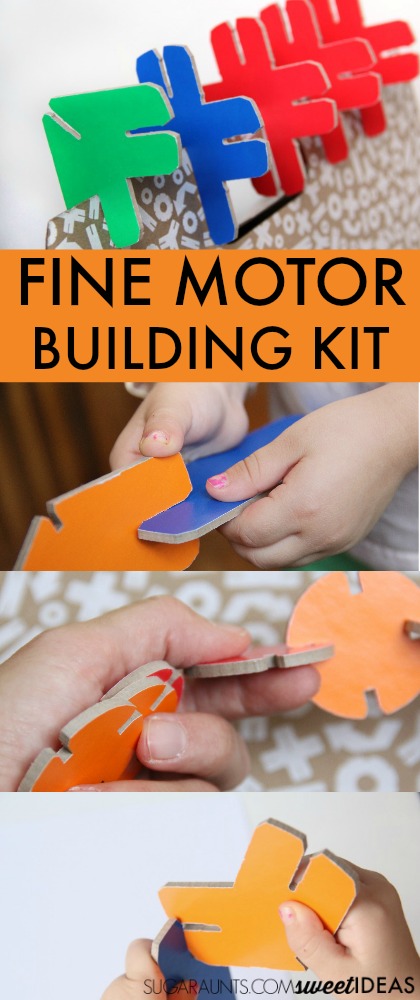
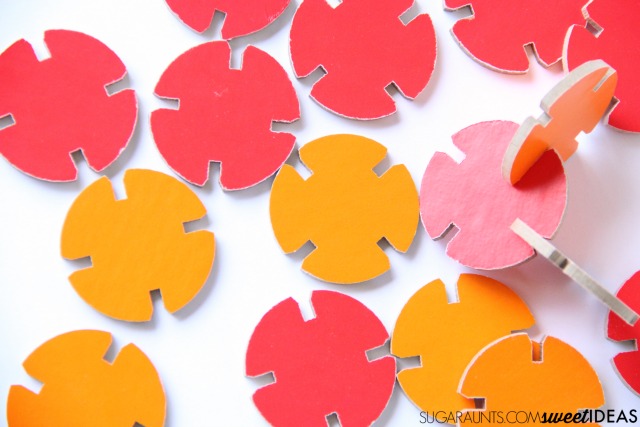
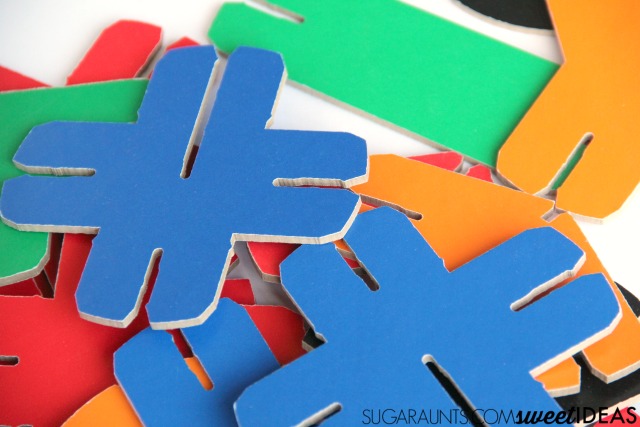
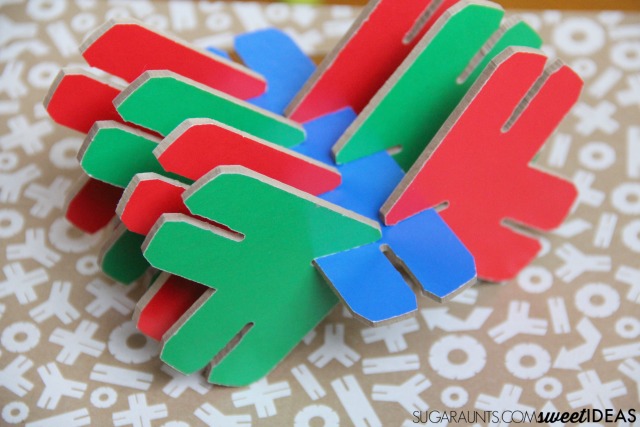
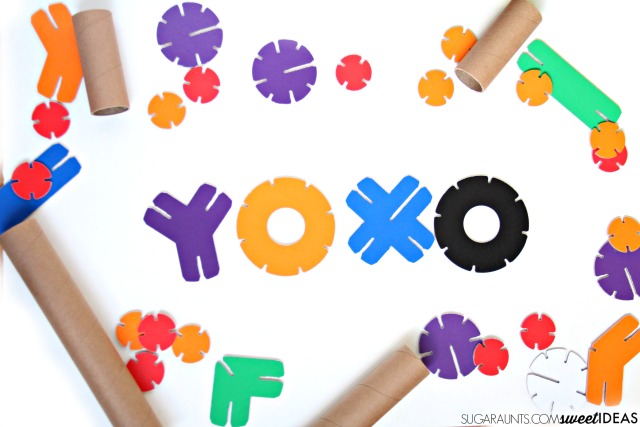
We explored the Build It Kit by YOXO – 120 Piece Open-Ended Building Toy. Opening up the reusable tool box, we were pretty excited to see all of the building pieces. My kids got right to building business!

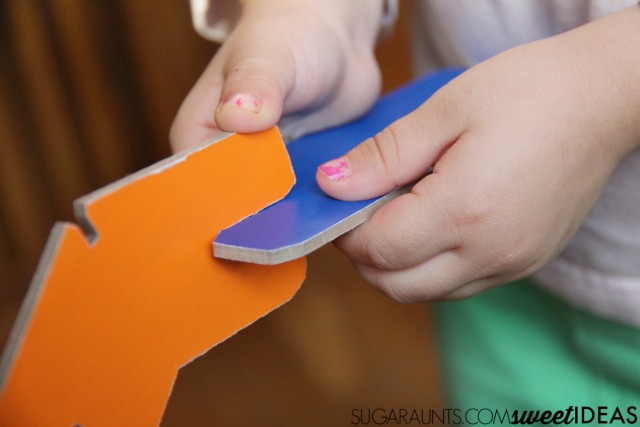
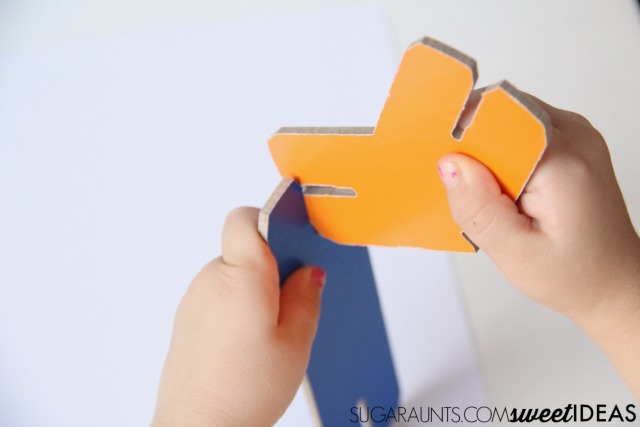
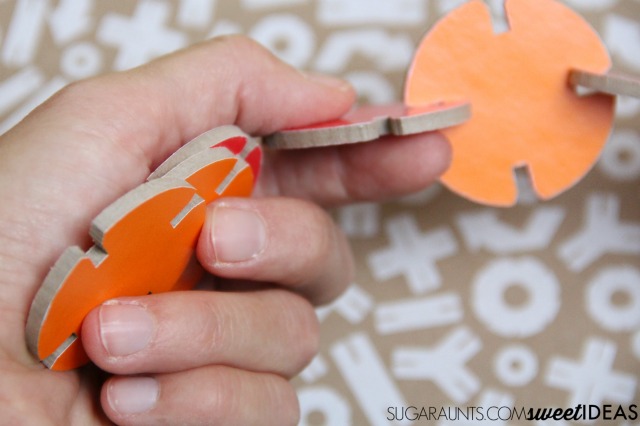
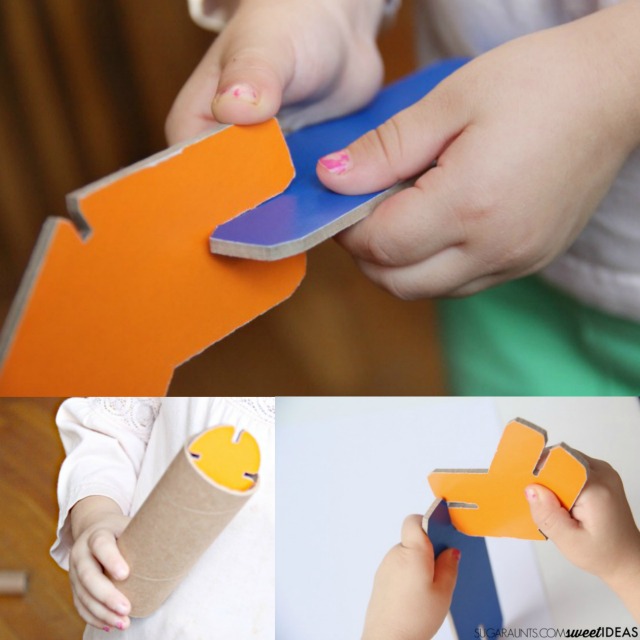
Pinching materials like the durable link pieces encourages strengthening of the intrinsic muscles and development of the arches of the hands. These skills are essential for endurance in writing and coloring activities. Activities like cutting with scissors and managing clothing fasteners are also dependent on arch development and strength of the muscles inside the hand. Pushing the connecting links helps to develop these skills.

Working both hands together to connect the pieces and build on the tubes promotes bilateral coordination. For kids to complete activities like cutting with scissors, pulling on clothing, and handwriting, they must develop bilateral coordination.

A lateral key pinch is needed for tasks like manipulating a zipper pull on jackets and coats. Connecting the YOXO pieces is a great way to encourage this skill.

In-hand manipulation is a skill that is necessary for manipulating shoelaces within our hands and transferring coins inside our palm. Moving small items from the palm of the hand to the fingertips can be quite difficult for some kids. We used the small YOXO pieces to stack and build while exercising in-hand manipulation.

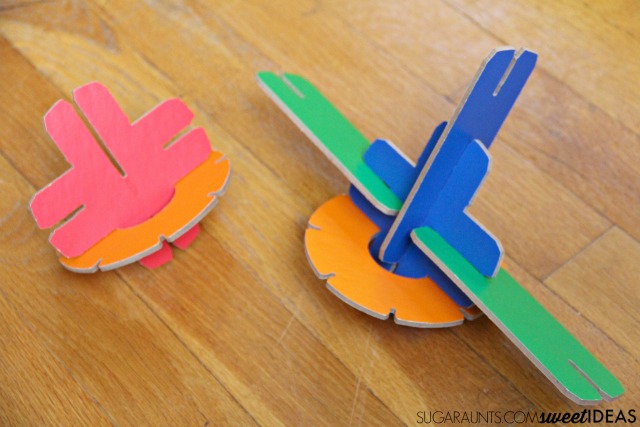
Activities like spinning tops require another type of in-hand manipulation skill. Rotating items on the pads of the fingers is a type of in-hand manipulation skill that we use when adjusting a pencil in our hands. My kids loved making a couple of types of spinning tops with the building set. It was fun to see which top would stop first.
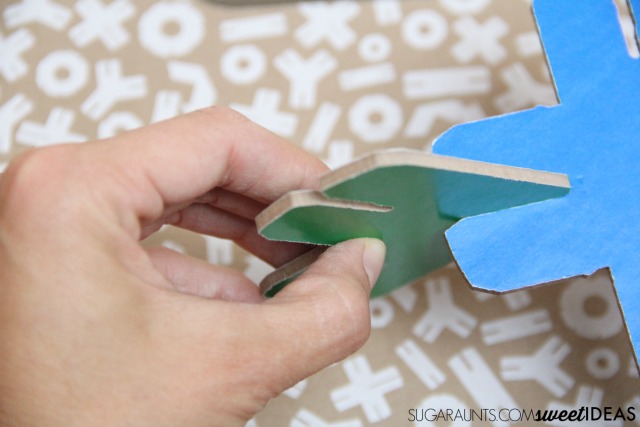
An open thumb web space is required for many functional pencil grasps and manipulation of small items like beads or beans. We used the YOXO pieces to open the thumb web space by pressing the pieces to connecting lines of colors and shapes.

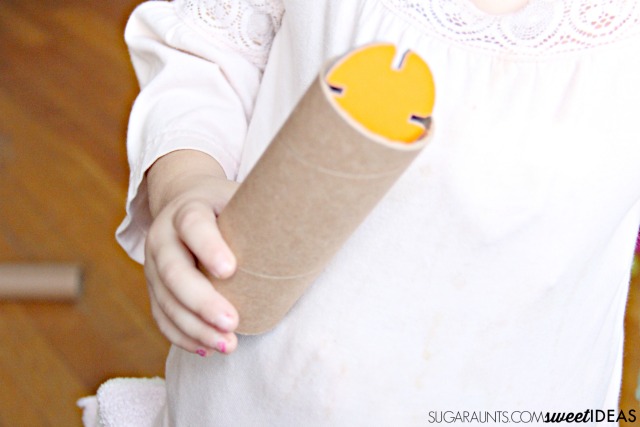
Gross grasp development allows strengthening of the whole hand. Tasks like scissor use and self-dressing require this grasp. My Toddler loved using the tubes to boost this skill while making a few pretend ice cream cones. The imagination going on here is pretty amazing!

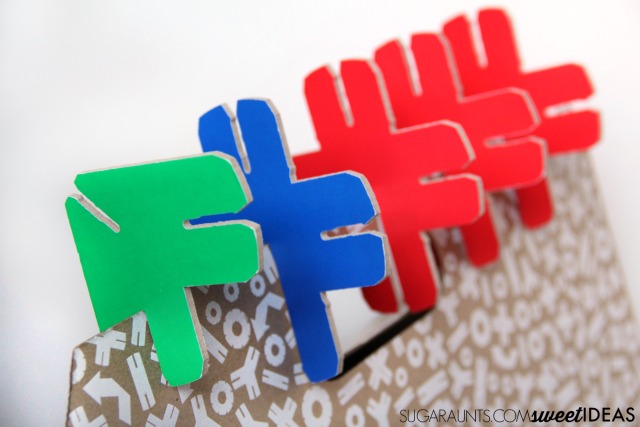
Using these fine motor skills in coordination with visual perception is what allows us to write and form letters in handwriting. I loved the activity that my Toddler came up with: placing the pieces right on the edge of the reusable toolbox was an exercise in eye-hand coordination. She was really into this activity!

YOXO Building Toys
I love that this toy is low tech, screen and button-free, and a hands-on way to get kids boosting those fine motor skills while playing and being creative. The Occupational Therapist in me cheers for toys like this!

A little more about YOXO toys:
- This earth-friendly toy is made of recycled and recyclable materials and is a fun DIY building kit for kids.
- The PBS KIDS Build It Kit by YOXO encourages open-ended play through discovery and imagination.
- The American-made toy is durable and and made from an earth-friendly composite. It’s like building with an extra-thick puzzle piece.
- YOXO toys are perfect for encouraging STEM play with kids. In fact, YOXO kits have been recognized by Purdue University for building STEM (Science, Technology, Engineering and Math) skills in kids.
- YOXO is open-ended, allowing for limitless creative building play. Open-ended building is a form of self-directed play where kids design, build and play with toys created from their own imaginations. This form of play gives kids the freedom to explore possibilities and test the boundaries of what is possible. YOXO kits are specially designed to encourage open-ended play and discovery far beyond the instructions!
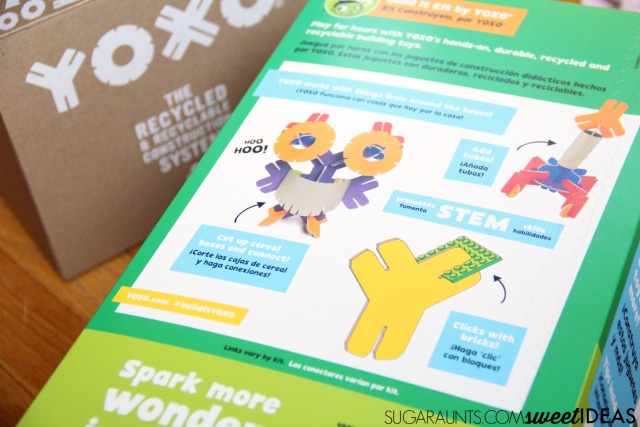
- YOXO is compatible with stuff around your house, from paper towel rolls to cereal boxes – see yoxo.com/building-basics-instructions/
- YOXO works with other building sets, including LEGO.

Do your kids love open ended toys? How do you encourage fine motor development?
Visual Motor Integration Tool with KORXX Blocks
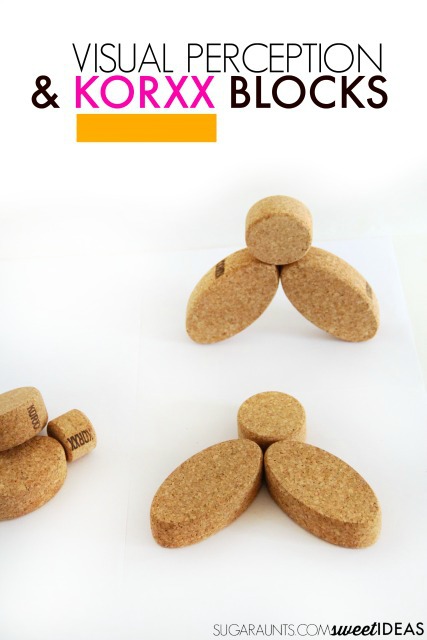
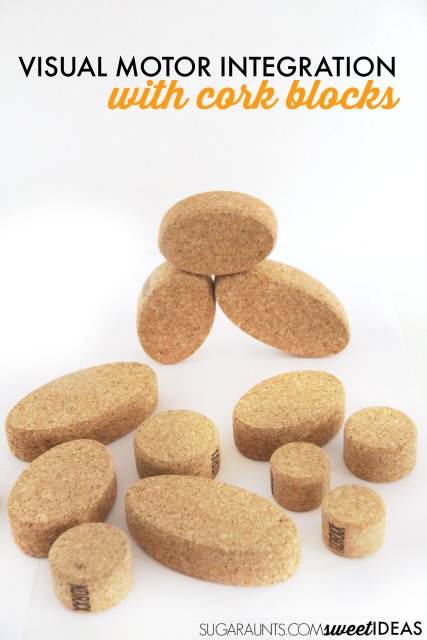
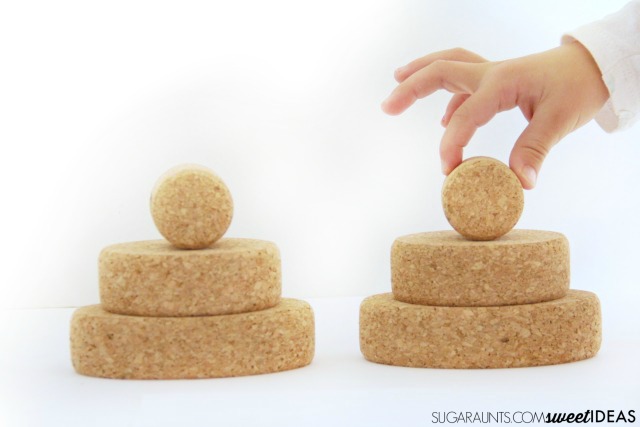
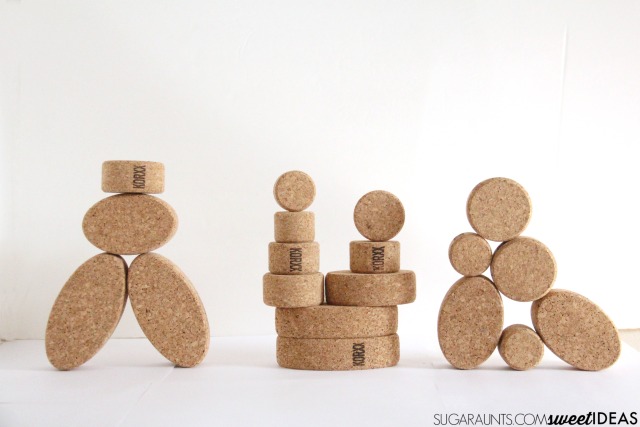
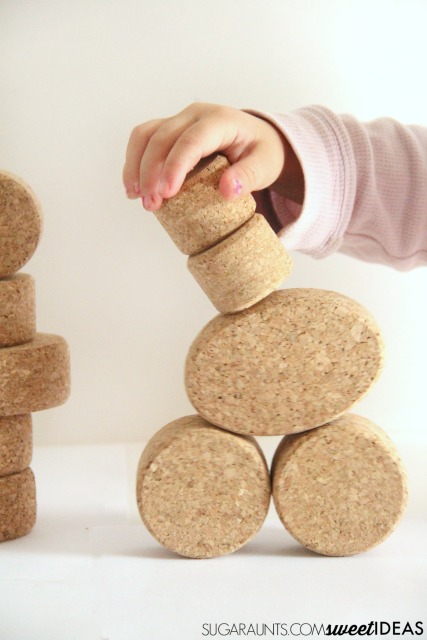
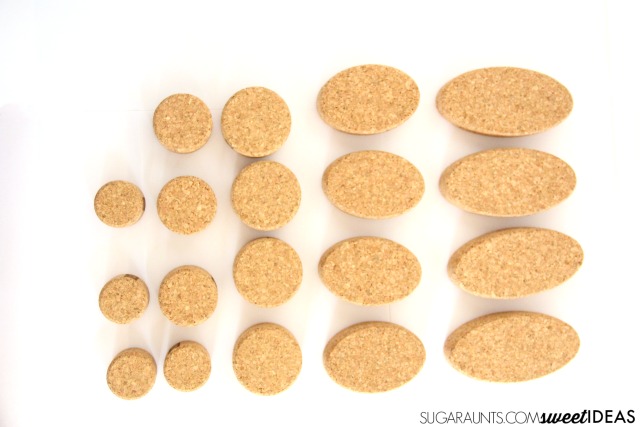
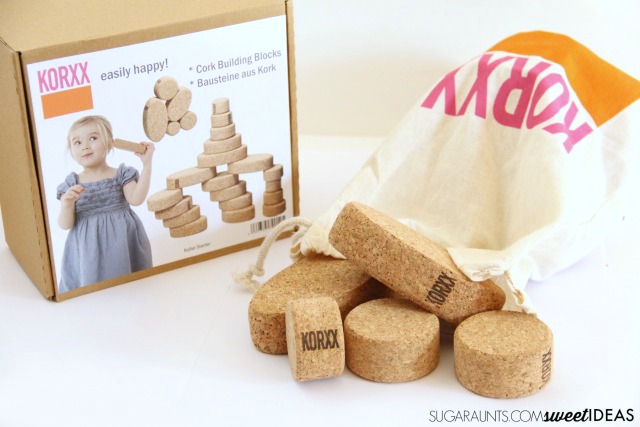
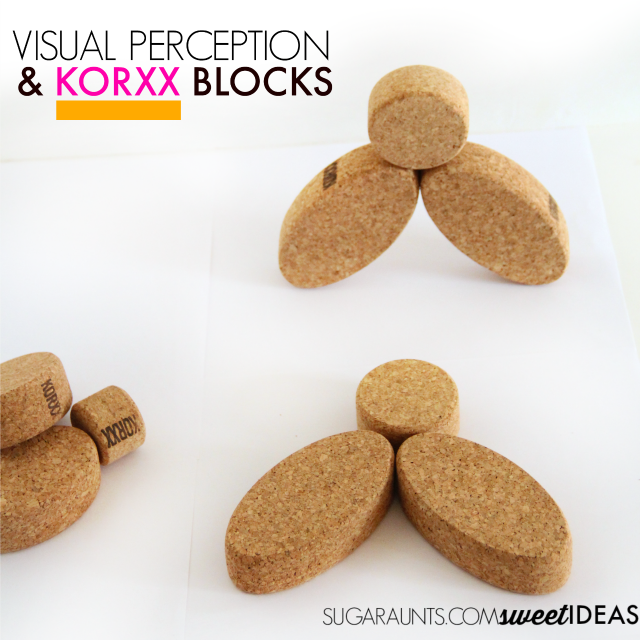
We found a new favorite building toy for play, learning, and imagination, and are so excited to share it with you. If you haven’t played with KORXX blocks before, you are in for a fine motor and visual motor integration treat. These cork building blocks are a natural and sustainable and a light material for little builders. We received a set of KORXX blocks to try and had a blast using them for a visual motor integration challenge. Using blocks to assess and build a child’s visual motor integration skills are an easy way to challenge the skills needed for skills such as handwriting and letter formation and any task that requires the child to use the hands and eyes together in a coordinated and effective manner.


Visual Motor Integration and KORXX Building Blocks

Visual Perceptual Skills and Visual Motor Integration


A little more information about KORXX blocks:
- These eco-friendly blocks are all natural and made free of any harmful contaminants. There are no phthalates, dioxins, or other sensory emissions. The product adheres to the guidelines for children’s toys (under 3 years) and the harmonized standard DIN EN 71.
- The soft and light cork blocks provide excellent stability without slippage. This makes them perfect for grasping by young children.
- The KORXX bricks are made from natural cork harvested without harming the trees.
- KORXX is an all natural and sustainable building block made from natural cork harvested without harming the trees.

Check out these activities using KORXX blocks:
Critical Thinking Puzzles with KORXX Blocks from Stir the Wonder
Cork Building Blocks Shadow Drawing from Lalymom
Balancing Activities with KORXX Quiet Blocks from Preschool Inspirations
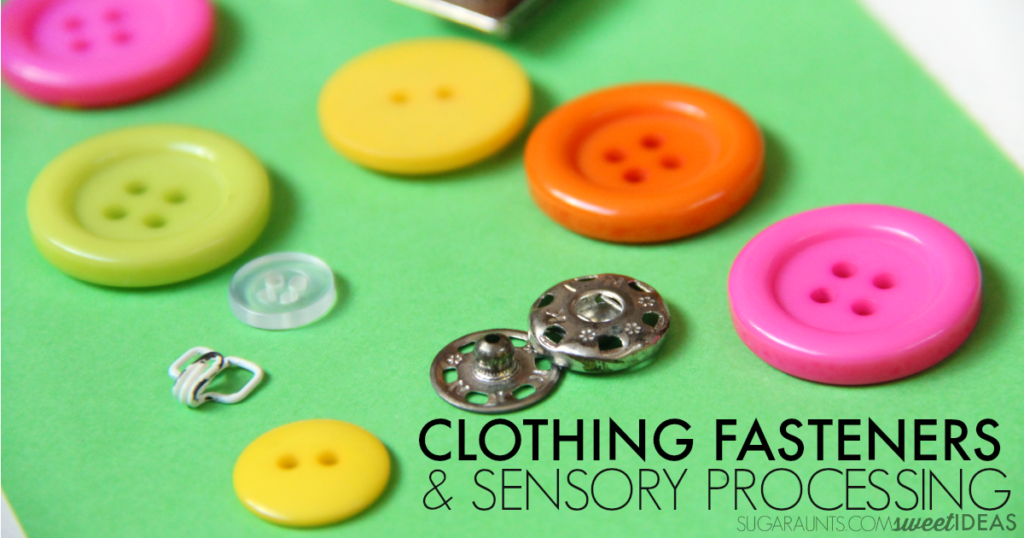
Clothing Fasteners and Sensory Processing Issues
One aspect of the Activities of Daily Living we complete each day is fastening clothing fasteners. In this blog post we are covering the skills needed for managing clothing fasteners. Lets go over one aspect of sensory issues with clothing: clothing fasteners like buttons, snaps, zippers, and shoe ties.
Sensory processing affects everything we do. From movement and learning on down to the tiniest snaps and buttons that adorn our clothing. Many times, children with problems with sensory processing skills have difficulty with manipulating clothing fasteners.
Here, you will find sensory-related issues that may impact a child’s ability to fasten and manipulate clothing fasteners, strategies that can help with independence in addressing sensory processing issues, and sensory-friendly clothing fastener solutions.
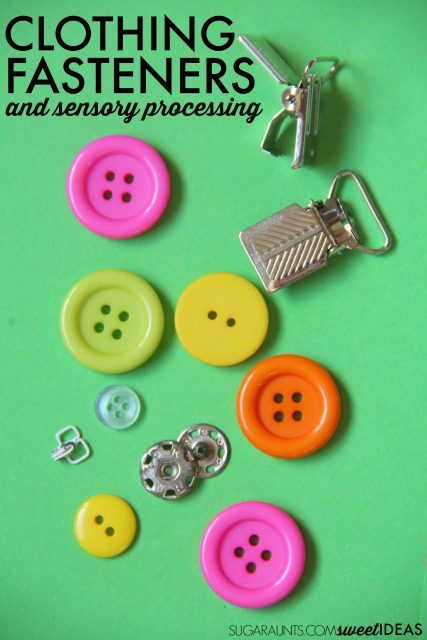
Clothing fasteners and sensory processing issues can affect buttons, snaps, buckles, and zippers.

Clothing Fasteners and Sensory Issues
Today in the Functional Skills for Kids series, ten Occupational Therapist and Physical Therapist bloggers are sharing everything there is to know about manipulating buttons, snaps, zippers, and buckles.
The child with sensory processing issues may experience patterns of behavior related to many skills needed for managing clothing fasteners. There can be giant clothing sensitivities that are red flags that we can help the individual in some way. This might look like sensory friendly clothing that accommodates for challenges with clothing fasteners. Or, it might look like wearing compression garments under a shirt that has a zipper on it.
In turn, a difficulty in movement, reactions, balance, and posture can interfere with managing buttons, zippers, snaps, and buckles. Clumsy fine motor skills may present during manipulation of clothing fasteners.
There are many other issues that present with sensory processing problems that may present during management of clothing fasteners:

Vestibular Sensory and clothing fasteners:
Poor bilateral coordination– Children with poor sensory processing often times present with bilateral coordination difficulties. Gross motor tasks and coordinated use of the hands in fine motor tasks at midline appear to be clumsy. Managing buttons, snaps, and zippers are difficult when asking these children to use their hands together. Tasks such as buttoning and zipping require one hand to perform a precision task while the other hand assists. These types of skills challenge the child with poor bilateral coordination. While children with poor bilateral coordination may not have a clear established dominant hand, it can be difficult to manipulate buttons when one hand is not defined as the “skilled” hand.
Difficulty with movement– Children with unmet sensory needs can present as fidgety and uncoordinated, making clothing fastener management quite difficult.
Low Muscle Tone– Children with sensory processing difficulties quite often present with low tone. Weakness in the arms, shoulder girdle, and core can prompt the child to stabilize on table surfaces or with accommodating positioning. These issues along with tone and strength weaknesses in the hands then prevents the child from manipulating clothing fasteners or enduring the length of a buttoning/zippering/etc task. Fatigue can limit training sessions or prevent the child from completing clothing fastener tasks in an efficient manner
Poor motor planning (dyspraxia)– A vestibular dysfunction can result in poor motor planning with the child having trouble in planning out the sequence of buttoning and unbuttoning clothing, or engaging a zipper into the chamber, then pulling up the pull. It can be difficult for these children to generalize what they have practice on a dressing board to clothing on the body. Likewise, generalizing skills they have practiced with one sweater (and one size buttons/clothing material/ button hole opening/etc) to another sweater or one zipper to another zipper can be difficult.
Proprioceptive Issues and clothing fasteners:
Seek sensory feedback– Children who present with proprioceptive dysfunction may seek out sensory feedback. Snaps or zippers can be a source of sensory feedback in an inefficient manner.
Inefficient body awareness– See below.
Inefficient grading of movement– Managing clothing fasteners can be difficult for the child who has trouble grading the amount of movement needed for positioning their arms and maintaining position while fastening clothing. These children might grip the zipper pull too lightly or too tightly making fastening a zipper difficult. Buttons might pull off of clothing when the child with grading issues attempts to button or unbutton clothing.
Poor motor planning (dyspraxia)– See below
Tactile Sensory Needs and clothing fasteners
Hypersensitive to touch (Tactile Defensiveness)– The child with tactile defensiveness may have trouble manipulating clothing fasteners. Certain clothing materials can be offensive to children with tactile defensiveness. The texture of a zipper or Velcro can cause an adverse reaction. Stiff collars or zippers, belts, and rough clothing textures and fasteners can cause a negative reaction from the child who is hypersensitive to touch. These children may prefer clothing without fasteners or refuse to wear winter coats or jackets with these offensive fasteners.
Hyposensitivity or an under-responsiveness to touch– The child with hyposensitivity to touch may present during an attempt to complete clothing fasteners. These children may fail to realize that they have omitted buttons or snaps on their clothing.
Poor tactile discrimination– Children who have difficulty with discriminating touch have difficulty manipulating items and using their hands without looking at what their hands are doing. These children may be unable to perform the steps of buttoning and unbuttoning, zippering, and snapping clothing fasteners without visual cues. They might perform these tasks in peculiar manners with inefficient grasps. These children may seem to touch their clothing fasteners excessively, such as run their fingers up and down the zipper. They enjoy the sensory feedback from running their hands over clothing fasteners.
Poor tactile perception– The child with poor tactile perception will have trouble with perceiving the location of button holes without visually looking at the fasteners. They will have trouble identifying the two sides of a zipper by touch.
Poor body awareness– Children with sensory processing issues often times have trouble with body awareness. They have difficulty knowing where their body is in space and how to move it in order to perform tasks. Moving the arms in order to perform fine motor tasks such as buttoning and unbuttoning a sweater can be quite difficult.
Poor motor planning (dyspraxia)– Sensory processing issues may present with resulting dyspraxia or motor planning difficulties. These kids have trouble organizing and following through with the movement needed to perform tasks such as buttoning and zippering. These children will have trouble with precision of fine motor manipulation, making engaging a zipper and buttoning and unbuttoning very difficult.
Visual Spatial Processing and clothing fasteners:
Difficulty seeing with eyes working as a “team”, particularly when managing fasteners on the body.
Difficulty shifting gaze from different planes when managing fasteners on the body.
Confuse or mis-align buttons to button holes. May present with increased difficulty when managing buttons on the body.
Difficulty with sequential tasks in buttoning or zipper management.
Looking at all of these different areas, it is easy to see why the child with sensory processing issues has trouble with managing clothing fasteners!
Many children have several of the above issues that present as a result of sensory concerns. Bilateral coordination or low tone concerns may be accompanied by evidence of poor sensory processing. Observations of issues described above may be part of the explanation for difficulty with fine motor manipulation, but it is important to note that every child is different and what is described here may not be the entire story. Strategies and descriptions here will not explain every issue with clothing fasteners when sensory issues are present.
So, what is to be done to help kids with building independence and carrying over skills to allow kids to independently managing buttons, zippers, snaps, and buckles on their clothing?
RELATED READ: Zipper Activities for Kids
Sensory Strategies for clothing fasteners:
Some children with tactile discrimination difficulties have trouble processing the the spatial or temporal information gathered through touch during tasks such as managing clothing fasteners. Intervention for tactile dysfunction can be done along with intervention for dyspraxia. Deep pressure, activities that provide tactile sensation with temporal and spatial qualities, brushing the skin, using vibrating stimulation to the skin, and tactile play activities can help with discrimination needed for clothing fasteners.
Sensory needs may benefit from heavy input through the hands, strengthening, positioning, visual and verbal cues, practicing fastener management on the body, and practicing fasteners while seated or standing.
Sensory Strategies to Help Kids with Clothing Fasteners
Affiliate links are included in this post.

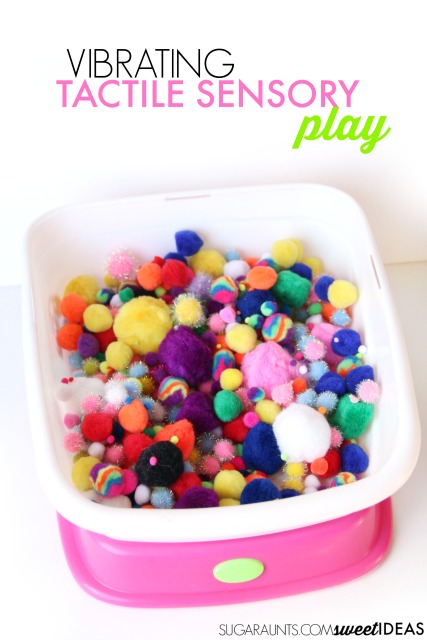
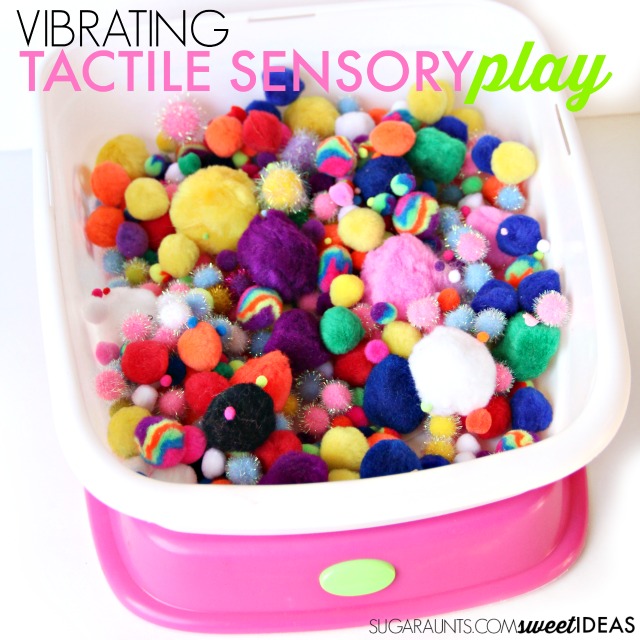
Provide vibrating tactile sensory input with this Orbeez foot spa. Typically, this toy is used with water beads for a sensory play activity. We filled ours with crafting pom poms in various sizes and textures. The vibrating bottom provides a vibratory tactile sensation, which is perfect for the hands. We explored the textures of the crafting pom poms as the foot spa vibrated and shook the pom poms. Add additional components to this activity with small hidden toys that allow for visual discrimination, tactile perception, and awareness of body movements.

More sensory strategies that can help with independence in clothing fasteners:
- A weighted weighted blanket can be a source of heavy input for proprioception needs.
- Dress your child in layers that provide deep sensory input. Try a fitted short or long sleeve shirt under clothing.
- Outline the button holes with a dark color thread or marker for easy visual perception.
- Try a zipper pull or a fidget key chain fidget tool attached to the zipper pull.
- Deep pressure through the hands is a technique that sometimes helps when manipulating clothing fasteners.
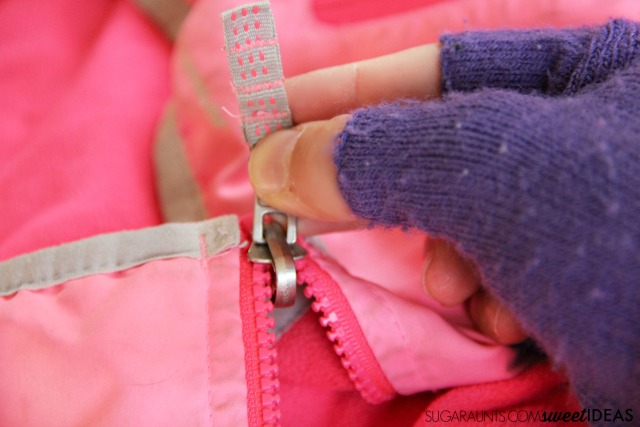
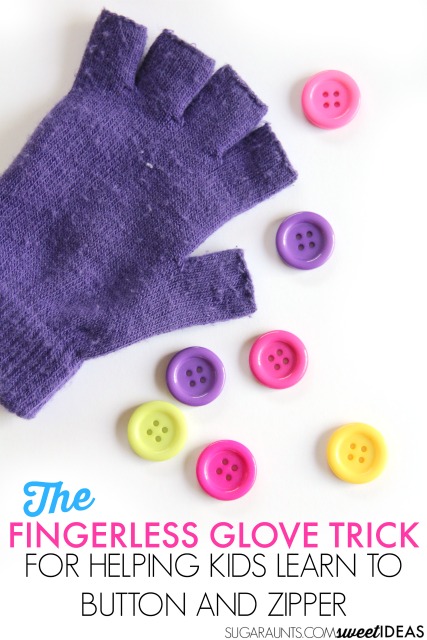
- Try using fingerless gloves in stretch material when practicing clothing fasteners. The fingers are able to manipulate the buttons or zippers and the hand and joints receive deep pressure and warmth.
- Trial sensory brushing protocol for tactile awareness


Goldilocks and the Three Dinosaurs Jacks Game
Jacks is a classic game. Bounce a ball, scoop up the correct number of jacks, and be sure to catch the ball again! Playing jacks is a great way to sneak in eye-hand coordination skills, grasp, and motor planning. So when we read the book, Goldilocks and the Three Dinosaurs by Mo Willems this week with the Virtual Book Club for Kids, we were excited to try a dinosaurs version of the classic Jacks game!
Get ready for a FUN kids’ book and an even more fun active game with Goldilocks and the Three Dinosaurs Jacks Game!

This post contains affiliate links.
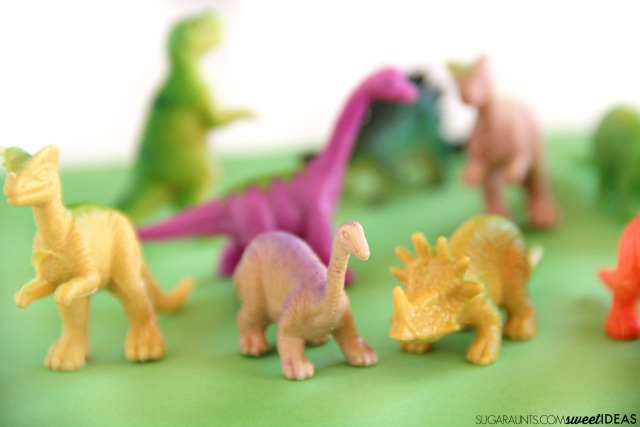
Goldilocks and The Three Dinosaurs Jacks Game
Have you read Goldilocks and the Three Dinosaurs? This book is completely FUN!
My kids are huuuuuuge fans of all of Mo Willems’ books and this one was no different.
This is definitely a book to grab at the book store or add to your library request list.
So, read the book this week and then have fun with this dinosaur themed activity:
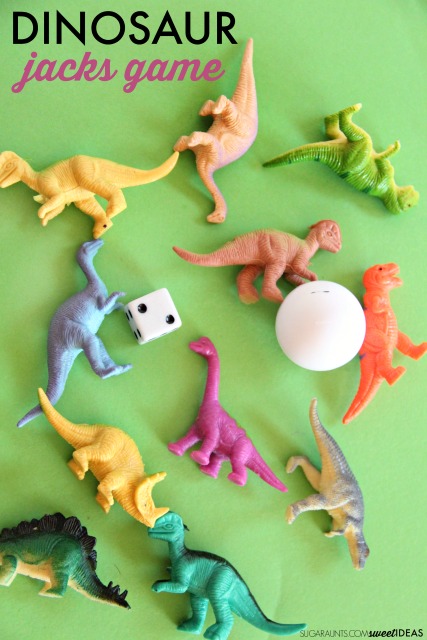
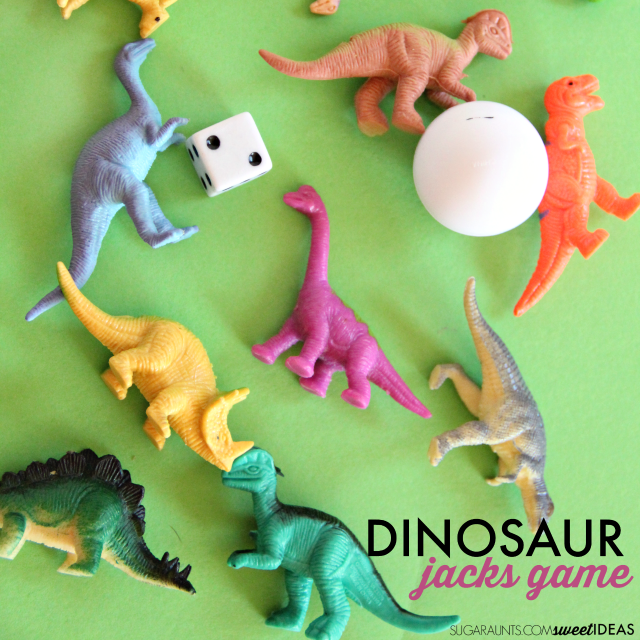
You’ll need just three items to play dinosaur themed jacks:
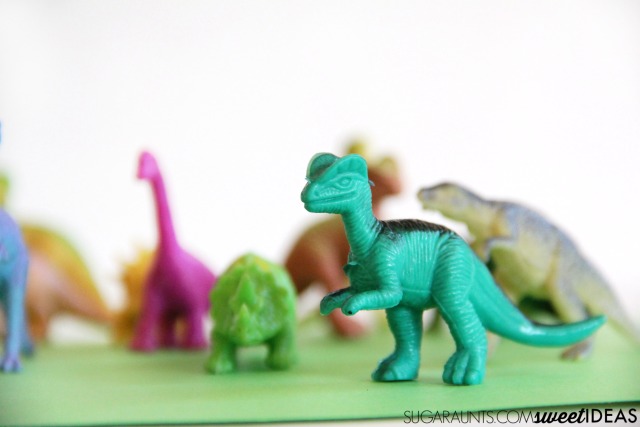
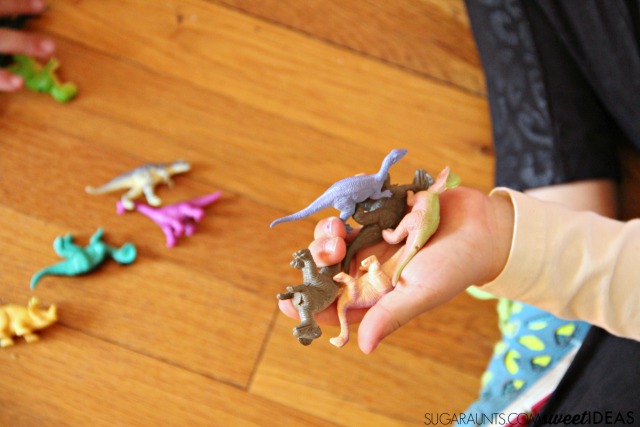
Mini dinosaur figures
Dice
Small rubber ball
amzn_assoc_placement = “adunit0”;
amzn_assoc_search_bar = “true”;
amzn_assoc_tracking_id = “sugaun-20”;
amzn_assoc_ad_mode = “manual”;
amzn_assoc_ad_type = “smart”;
amzn_assoc_marketplace = “amazon”;
amzn_assoc_region = “US”;
amzn_assoc_title = “My Amazon Picks”;
amzn_assoc_linkid = “381fc7cef7b4b8b6aecc9dd2ff0ca35f”;
amzn_assoc_asins = “0062104187,142319957X,1423178289,1484722868”;
amzn_assoc_placement = “adunit0”;
amzn_assoc_search_bar = “true”;
amzn_assoc_tracking_id = “sugaun-20”;
amzn_assoc_ad_mode = “manual”;
amzn_assoc_ad_type = “smart”;
amzn_assoc_marketplace = “amazon”;
amzn_assoc_region = “US”;
amzn_assoc_title = “My Amazon Picks”;
amzn_assoc_linkid = “381fc7cef7b4b8b6aecc9dd2ff0ca35f”;
amzn_assoc_asins = “B001DN8I0M,B00362RT4Y,B01KYYJXDQ,B016R3SFS2”;
amzn_assoc_placement = “adunit0”;
amzn_assoc_search_bar = “true”;
amzn_assoc_tracking_id = “sugaun-20”;
amzn_assoc_ad_mode = “manual”;
amzn_assoc_ad_type = “smart”;
amzn_assoc_marketplace = “amazon”;
amzn_assoc_region = “US”;
amzn_assoc_title = “My Amazon Picks”;
amzn_assoc_linkid = “381fc7cef7b4b8b6aecc9dd2ff0ca35f”;
amzn_assoc_asins = “B00G8JPWEG,B004ECI3N6,B00362OM26,B002G3ERMQ”;

RELATED READ: Dinosaur Themed Gross Motor Game
Then it’s time to play.
How to play Jacks
This game is just like the classic game of jacks. Do you know how to play jacks? It’s pretty easy.
Scatter the jacks on the floor.
Toss the ball into the air. Scoop up one jack and let the ball bounce once before catching the ball in the same hand.
Collect all of the jacks in the same way. This is called “onsies”. Then start another round called “twosies” where you will pick up two jacks at a time until all of the jacks are gone.

So, playing Dinosaur Jacks would be the same exact way. Scoop up one dinosaur at a time until they are all gone.
RELATED READ: Dinosaur Themed Proprioception Game

How do playing Jacks help with development?
Dinosaur Themed Learning Activities
MATHS ACTIVITIES FOR THE DINOSAUR THEME
SENSORY AND ART ACTIVITIES FOR A DINOSAUR THEME
COOKING IDEAS FOR DINOSAURS
SCIENCES IDEAS FOR A DINOSAUR THEME
MOVEMENT IDEAS FOR A DINOSAUR THEME

amzn_assoc_placement = “adunit0”;
amzn_assoc_search_bar = “true”;
amzn_assoc_tracking_id = “sugaun-20”;
amzn_assoc_ad_mode = “manual”;
amzn_assoc_ad_type = “smart”;
amzn_assoc_marketplace = “amazon”;
amzn_assoc_region = “US”;
amzn_assoc_title = “My Amazon Picks”;
amzn_assoc_linkid = “381fc7cef7b4b8b6aecc9dd2ff0ca35f”;
amzn_assoc_asins = “B0028P9CZY,B003849FV0,B002KC4H1E,B01HT61U3I”;
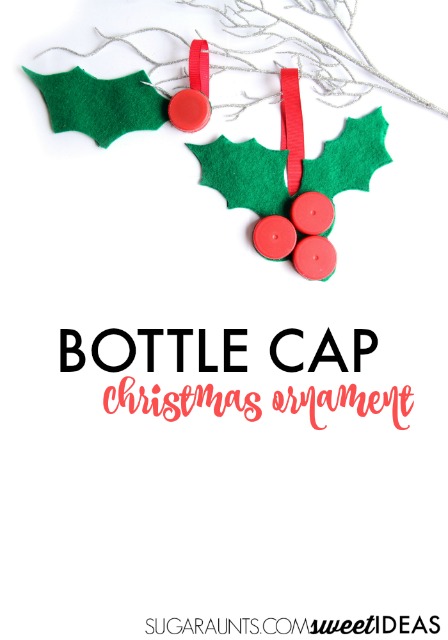
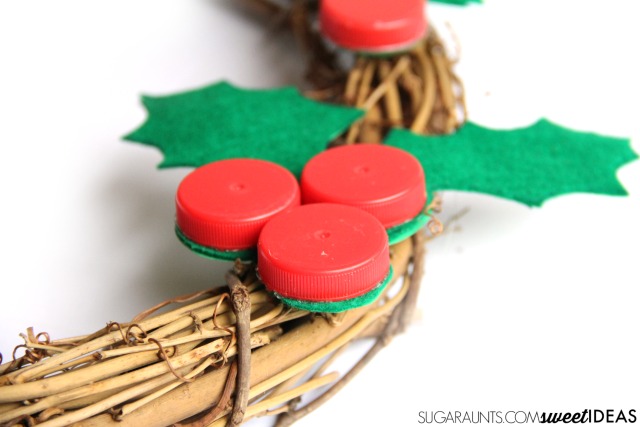
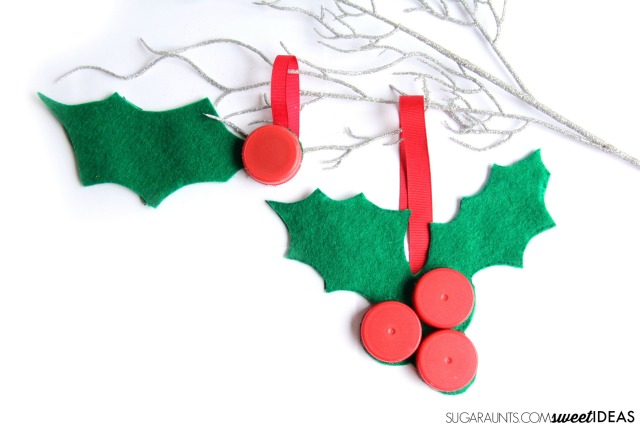
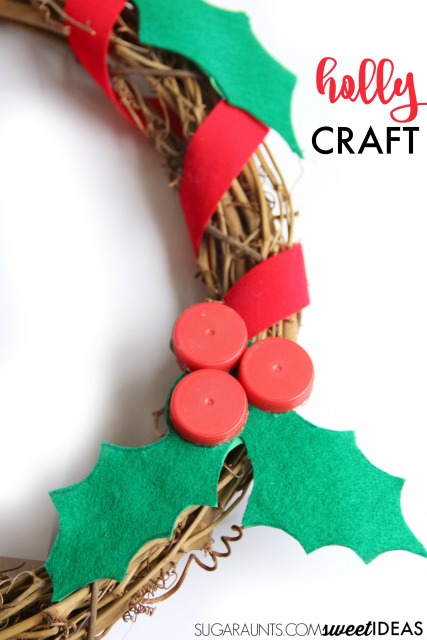
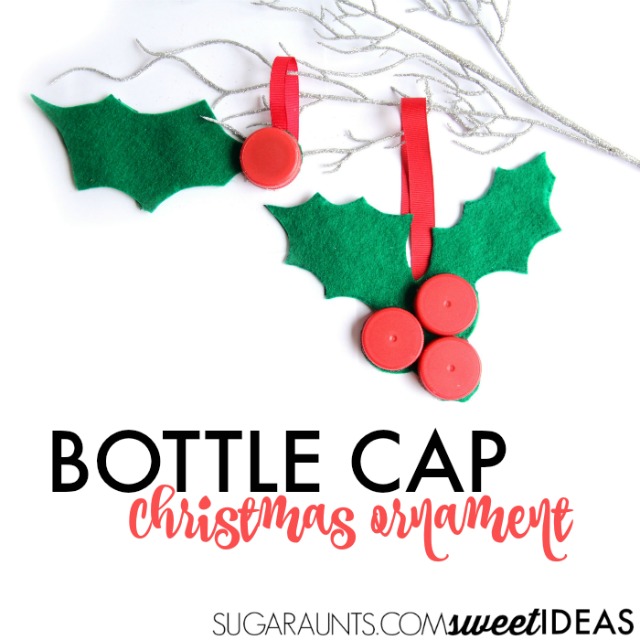
Bottle Caps Holly Craft

Bottle Caps Holly Craft
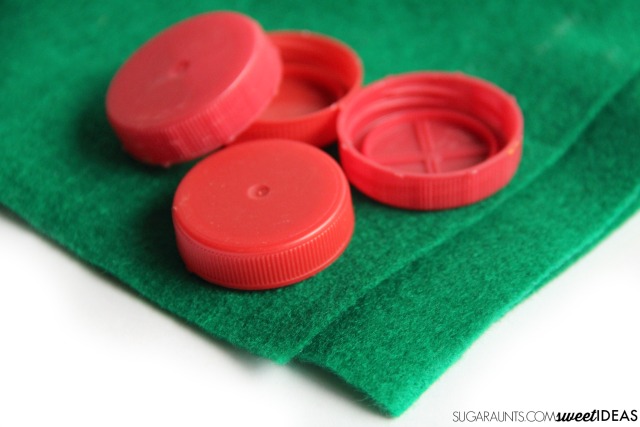
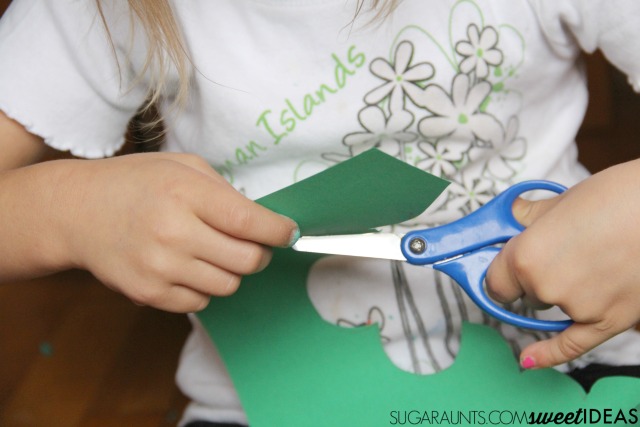
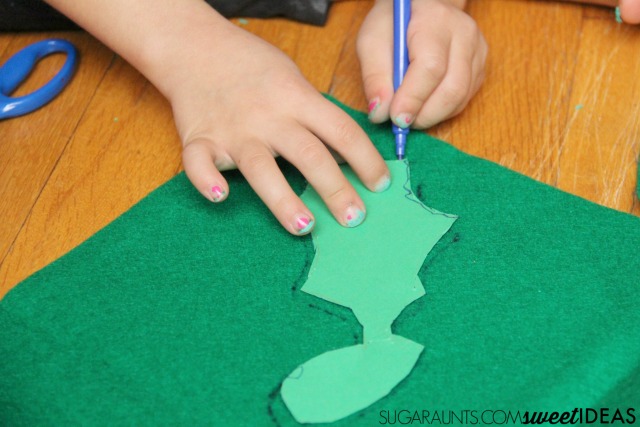
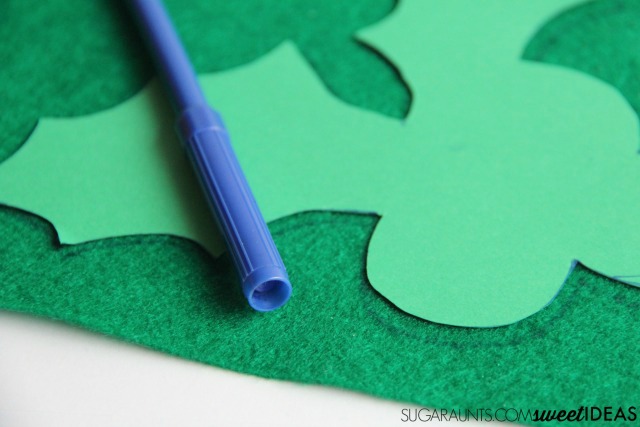
To make the Bottle caps holly craft:


Looking for more crafts that use recycled bottle caps?
Recycled bottle cap sight word stamps~ sight word learning, visual scanning, matching
Letter learning with recycled bottle caps~ letter learning, visual scanning, matching
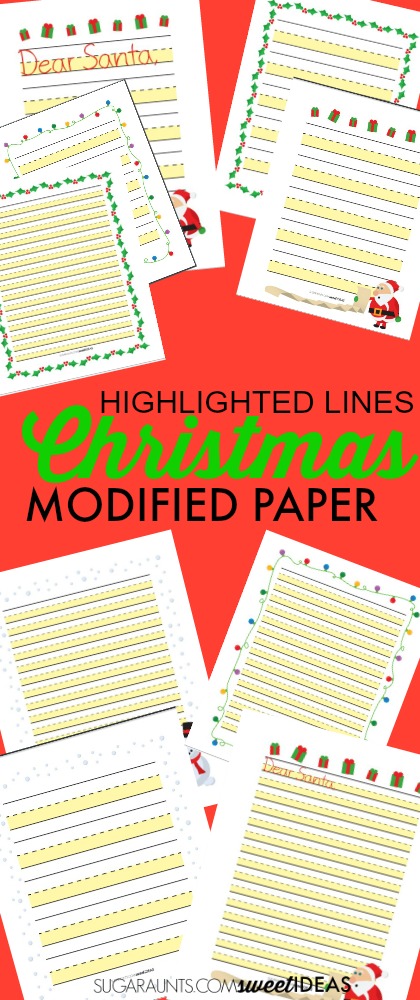
Highlighted Lines Christmas Worksheets
Working on handwriting this time of year can be like pulling teeth when kids are excited for all of the things the holiday season brings. That’s why we’ve got these Christmas Worksheets available in highlighted lines writing pages with a Christmas theme. Use the holiday worksheets for writing Christmas lists, thank you notes, or a letter to Santa while working on line awareness with modified paper in the form of highlighted lined paper.
Christmas Worksheets
Kids can sometimes try a handwriting trick and you will see the light bulb switch on. What if you had a Christmas light strand switch on when you were working on written work with kids? One way that helps kids develop written work skills and legibility is using highlighted lines on the paper. A highlighted bottom space on lined paper is helpful in so many ways.
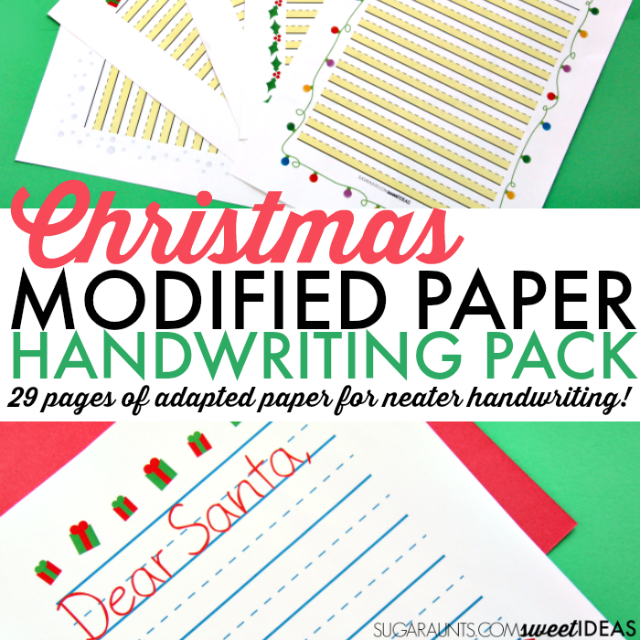
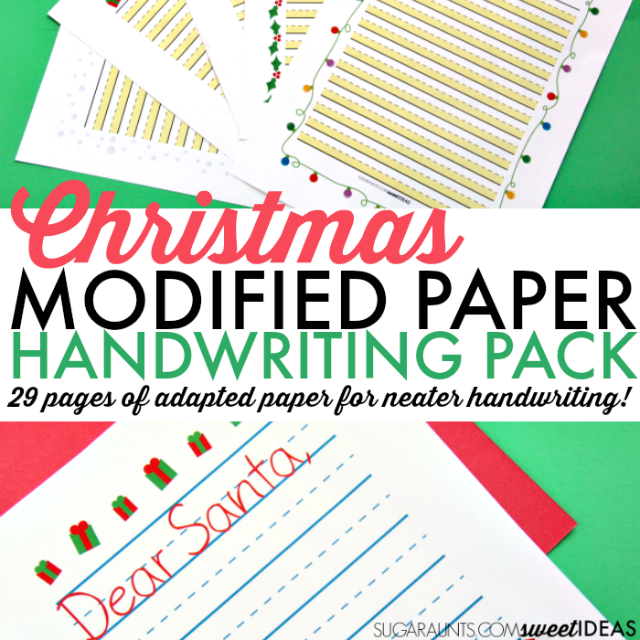
This Highlighted Lines Christmas Paper is part of our modified Christmas paper packet. It’s a Christmas worksheet for kids that will help with handwriting this season. I decided to break the packet up into parts so that those of you who are interested in just one type of paper can benefit from a lower price.
Highlighted Lines Christmas Worksheets
What’s in the Highlighted Lines Christmas Worksheet packet?
- 4 Christmas border designs in single space (narrow rule lines)
- 4 Christmas border designs in double space (wide rule lines)
- “Dear Santa” writing prompt paper in narrow rule and wide rule
Christmas Worksheets for handwriting
OR, if you want to try several types of paper (bold lined paper and highlighted lined paper are also available), you can purchase the packets that work for your child or students. For teachers or therapists, the whole bundle might be a better option. You’ll find 30 pages of printable modified paper bundled together and will save.
More Christmas Worksheets
Color Coded Christmas Paper
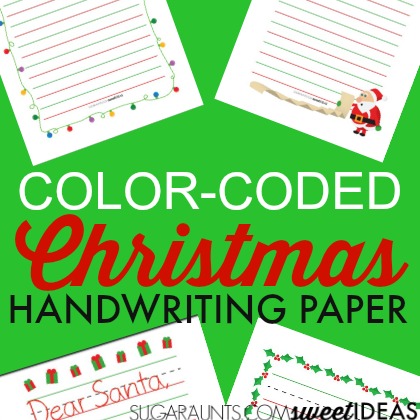
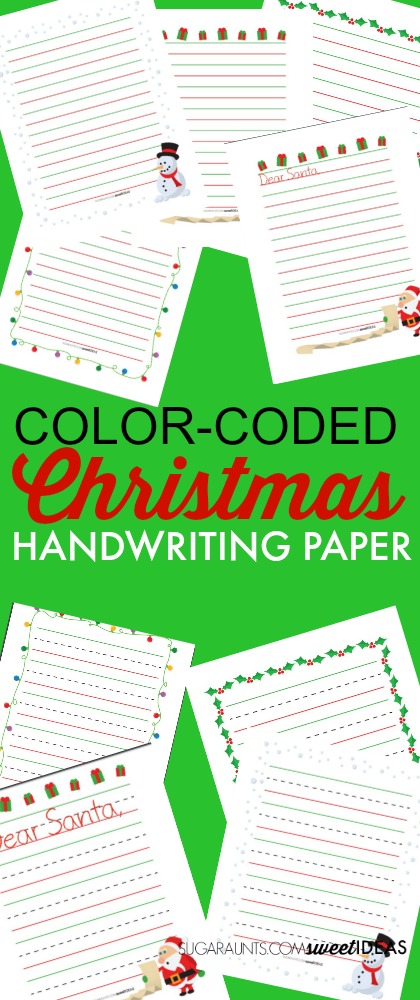
Practicing handwriting can be a struggle. Sometimes, making the writing task fun can be just the thing to encourage practice. This Color Coded Christmas Paper is part of our modified Christmas paper packet. I decided to break the packet up into parts so that those of you who are interested in just one type of paper can benefit from a lower price.
Christmas Handwriting Worksheets for Kids

Color Coded Christmas Paper
Color coded paper is beneficial to many kids for several reasons. Kids can address handwriting needs when presented with color specific lines. Knowing where to place their pencil to start and stop pencil strokes can help with legibility.
There are many areas of handwriting that this type of paper can address:
Line awareness
Letter size
Letter placement
Spatial awareness
Proper letter construction
Read more about color coded paper and its benefits in written work.
Want to try color coded paper with a Christmas theme? This is a great paper to use for letters to Santa, holiday wish lists, thank you notes, shopping lists, recipe sharing, and Christmas time to-do lists.
Kids can practice handwriting in a way that is fun and meaningful with color coded Christmas handwriting paper.
Grab your Color Coded Christmas Paper packet for $4.99.
Who is the Color-Coded Modified Lined Christmas Modified Paper Packet for?
Color-Coded modified lined paper is a useful tool for kids who struggle with visual perceptual needs or visual motor challenges in handwriting. Children who write with letters placed haphazardly on the lines or have trouble with spacing between letters and words will benefit from this paper. Kids who write with letters of mixed size or those who write with a mixture of upper and lowercase letters will like this modified paper.
What’s in the Color Coded Christmas Paper packet?
(1) 10 pages of paper for practicing handwriting, including:
- 4 Christmas border designs in single space (narrow rule lines)
- 4 Christmas border designs in double space (wide rule lines)
- “Dear Santa” writing prompt paper in narrow rule and wide rule
(2) Christmas themed writing prompt for ideas to encourage handwriting in a fun and meaningful way
(3)A How to Use This Paper writing guide

You can grab this printable packet for $4.99 and print to use over and over again.
OR, if you want to try several types of paper (bold lined paper and highlighted lined paper are also available), you can purchase the packets that work for your child or students. For teachers or therapists, the whole bundle might be a better option. You’ll find 30 pages bundled together and will save.

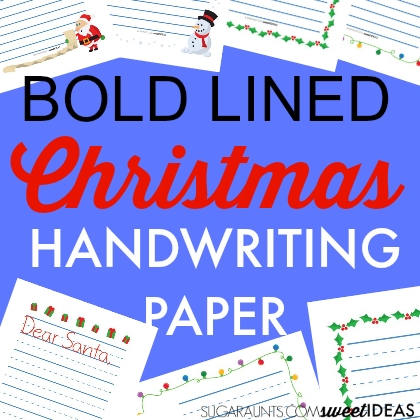
Bold Line Christmas Paper
You might have seen the Christmas Paper Packet that we released last week. This time of year, kids and parents start thinking about letters to Santa, holiday to-do lists, and wish lists. It’s a great time to sneak in handwriting practice!
Using modified paper is one way to make the task of practicing line awareness, spatial awareness, letter size, and overall legibility just a little bit easier. I wanted to put together a packet of modified paper with a Christmas theme for all of that handwriting practice.
Sometimes, kids need just one type of paper that makes handwriting legibility click. If you want to have the whole packet with three types of paper, you can grab it here. The variety of paper styles and spacing sizes are perfect for teachers and therapists who work with kids with a variety of handwriting needs.
Christmas Writing Worksheets

Bold Line Christmas Paper
For those of you with just one writing need, there are three options of modified Christmas paper.
This bold lined Christmas Paper is perfect for helping kids with several writing concerns:
Line awareness
Letter Size
Letter Placement
Read more about bold lined paper and how it can be beneficial for kids with handwriting concerns.
Get the Bold Lined Christmas Paper packet for just $4.99
Who would use this bold-lined paper handwriting packet?
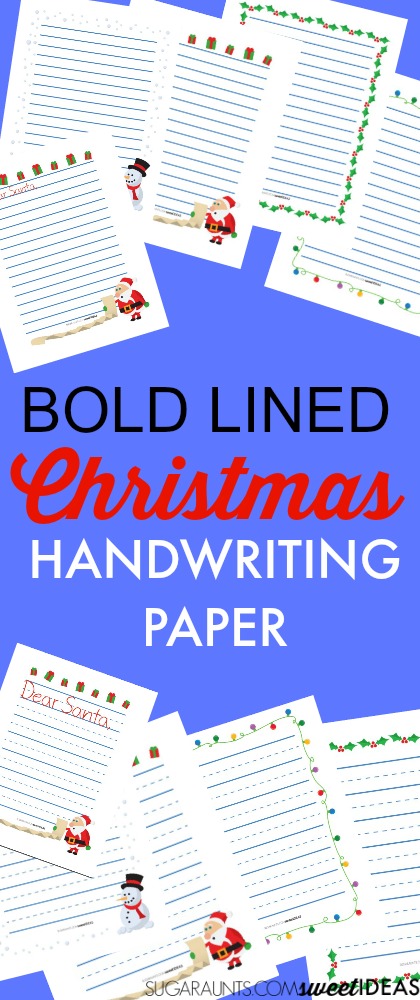
What’s in the Bold Lined Christmas Paper packet?
10 pages of paper for practicing handwriting, including:
- 4 Christmas border designs in single space (narrow rule lines)
- 4 Christmas border designs in double space (wide rule lines)
- “Dear Santa” writing prompt paper in narrow rule and wide rule
- Christmas themed writing prompt for ideas to encourage handwriting in a fun and meaningful way.
- A How to Use This Paper writing guide
Pssst: Here’s a deal idea–If you want to try a couple of styles of the paper, you can grab both for for $4.99 each. OR, try the whole packet to SAVE.
The whole modified handwriting packet is a great deal for parents, teachers, and therapists who want to print off different types of modified paper to meet the needs of several different students.