December Sensory Processing Activities

These December Sensory Processing Activities are designed to provide sensory opportunities, Christmas themed sensory prompts, accommodations to holiday activities, and sensory challenges with a Christmas and winter theme.  For more Christmas themed developmental activities for Occupational Therapists, parents, and teachers, grab try this free Christmas Occupational Therapy activities printable calendar.

 
December Sensory Processing Activities
 
December is a time of holiday fun,
hustle, and bustle.  Families have added
activities, winter parties, and distant family to visit.  This time of year brings with it unusual holiday
songs and bells, lights, different foods to smell and taste, and crowded
stores.  For the child with sensory processing concerns, it can be a very difficult time.  


The holiday rush brings with it, added and unusual sounds, sights, smells, visitors, scratchy holiday sweaters, and schedule changes. The holiday season can be downright debilitating for the child with sensory challenges. 
 
The time leading up to Christmas
can be a month-long time of sensory overload for children with sensory
issues.  It can be confusing for sensory
systems!  The overwhelming feelings of
sensory uncertainty can add a whole new meaning to holiday stress.  This time of year, when even the most intentional
parents and teachers can still cause over-stimulation or under-stimulation to
the child who is already struggling with sensory issues. 
 
There can be a need for additional calming
sensory input or changes to sensory diet, additional modifications, and added
sensory down-time.  


When it comes to preparing for the holidays and all the adjustments it brings, a plan can help. An understanding of the sensory system and how the senses are processed can help parents, teachers, and caregivers to cope with the added sensory stress for children with sensory issues.


Having a kit of ideas and coping strategies can be a helpful tool to prepare the child with sensory processing difficulties for the holiday season. 


A list of sensory activities that can be added to the day…WITH a holiday theme can make all the difference in creating a holiday that the whole family will remember, all while keeping the sensory systems in mind. 


Below, you’ll see a packet of sensory activities that has been on this site for a little over two years. This packet of Christmas Sensory Activities are bound to help families of those with sensory processing challenges to thrive this holiday season. 


There are coping strategies for dealing with all of the added and new sensory input. 


There are activity challenges that hit on the big sensory systems, allowing for calming or stimulating sensory input with a Christmas theme. 


There are Christmas and holiday themed activities that can be incorporated into an established or new sensory diet, making a valuable tool for the child who is overwhelmed or underwhelmed by all that the holidays bring.


Read more about what’s included in the Christmas Sensory Processing Activity Packet…
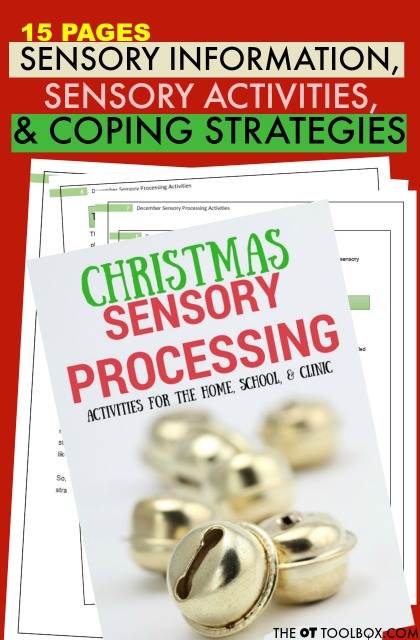


Included in the Christmas Sensory Processing Activity Packet:


  • Each of the sensory systems are addressed in the 31 sensory activities.


  • There is a detailed description of the sensory system and sensory processing included in this packet.


  • Information is included on sensory diets and how they are needed during the holiday season. Sensory activities with a holiday theme can be added to sensory diets depending on individual sensory needs. 
 
  • Sensory challenges and modifications that can be added into daily routines this time of year.


  • A comprehensive list of sensory coping strategies is included for handling holiday stress and over- or under-responsiveness related to holiday travel, holiday visitors, and changes in routines over the Christmas season.

ON SALE for 25% OFF NOVEMBER 24-27, 2017! Just click the link to access the reduced price of $3.75!


Add these activities to your
therapy plans this month.  The activity list
is perfect for passing on to parents as a home program.  Parents and teachers can use these activities
as part of an individualized plan that meets the child’s needs. 
 
The activities are
outlined in an easy to follow therapy plan, however as parents and therapists
know, a day that involves children does not always go as planned.  The activities can be shifted around to suit
the needs of the child and the family.  


Does this sound like a resource that might help your client, child, or student? If the holidays make you want to curl up in a blanket because of the added stress and sensory challenges, this might just be the tool for you and your family! 
 

Christmas Proprioception Activities

This time of year, the hustle and bustle of the season can make all of us feel a little out of sorts.  For the child with sensory issues, the holiday season can be a real challenge!  Try adding Christmas Proprioception Activities into your child’s day for calming strategies to meet sensory needs.  
For more ideas, grab this December Occupational Therapy calendar.


Christmas Proprioception Activities

Christmas proprioception activities for children with sensory needs


Christmas Sensory Diet  

 
Occupational Therapists can add these proprioception activities to sensory diet plans or to make home programs this time of year. Ad these heavy work ideas to your therapy plans this month. They are great Christmas activities for sending home to parents for a home program over the holiday break. 
 
Parents and teachers can use these activities as part of an individualized plan that meets the child’s needs. 
 
The calendar’s activities are outlined in an easy to follow therapy plan, however as parents and therapists know, a day that involves children does not always go as planned.  The activities can be shifted around to suit the needs of the child and the family. 
An activity can be completed on a different day or used in combination with another day’s therapeutic activities. 
 
Try adding these activities into the child’s day to challenge sensory issues or as a way to help kids focus during overstimulating times that the holidays bring.
 

Christmas Heavy Work Ideas


1. Shovel activity- Use a small child’s sized snow shovel or sand shovel to scoop couch
cushions.

2. Mitten Toss- Fill a plastic sandwich bag with dry beans.  Push the filled bag into a mitten.  Close the opening of the mitten by rolling the top over on itself like you would roll socks together.  Use the mitten as a DIY bean bag in tossing target games.
 

3. Gift Push- Load cardboard boxes with heavy objects like books.  Ask the child to push the boxes across a room.  For less resistance, do this activity on a carpeted floor.  For more
heavy work, do this activity outside on the driveway or sidewalk.
 

4. Reindeer Kick- Promote proprioceptive input through the upper body with wheel barrow
race type movements.
  Kids can also stand on their arms and legs in a quadruped position and kick their legs up. 

5. Sleigh Push- Load a wheelbarrow, sled, or wagon with objects.  (Try the weighted boxes from number three activity listed above.) Ask kids to push, pull, and tug on the “sleigh” through the yard. 

6. Peppermint Candy Stick Oral Motor Activity- Did you know you can make a peppermint candy stick into a straw?  It’s a great oral motor activity for kids. Cut an orange
in half and then stick the peppermint stick into the orange.
  Next, suck the peppermint stick.  The juices from the orange will begin to work their way up through the peppermint stick. 

7. Cocoa Temperature Taste- Make a batch of hot cocoa. Pour it into an ice cube tray and
let it freeze.
 Next, make another batch of hot cocoa. Divide it out into several mugs. Add a cocoa ice cube to the first mug, two ice cubes to the second mug, and so on. Mix the mugs up on a table.  Place a straw into each mug.  Children can position the mugs in order of
coolest to hottest or vice versa.
  If doing this activity with several children, use small paper cups so that each child gets their own set of cups. 

8. Christmas Chewy and Crunchy Food Breaks- A calming sensory snack can be just the thing that children need to organize their sensory system during the hustle and bustle of the holiday season. 

Calming Sensory Foods for Christmas

Adding chewy or crunchy foods to a sensory diet has a calming effect. These types of food provide heavy work through the jaw and mouth.

Try these calming Christmas foods: 

  • Peppermint snack mix with peppermint chocolate candies mixed with dry cereal and raisins
  • Toffee
  • Rice Crispy Wreath cookies
  • Pretzel sticks
  • Homemade fruit leather
 
 
Christmas proprioception activities for kids with sensory needs


Christmas Sensory Writing

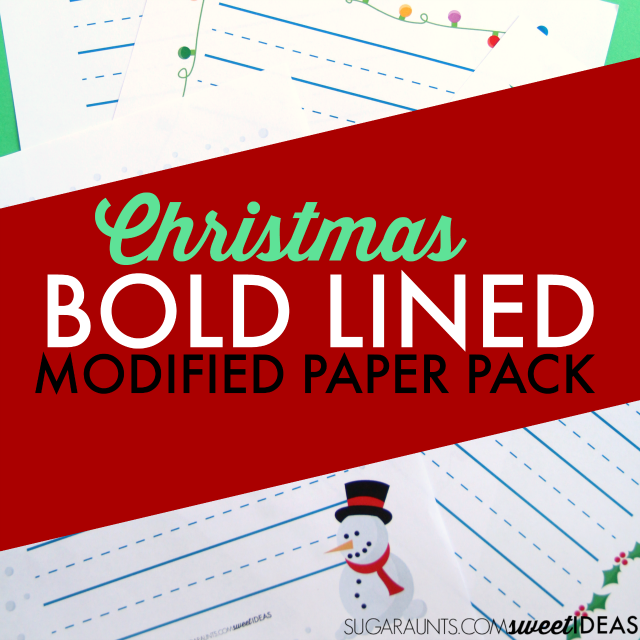
Looking for modified paper to help kids with handwriting issues?  Try this modified Christmas paper packet!
 
Use this modified paper Christmas Handwriting Pack to work on legibility and handwriting struggles with kids.
 
Use these modified paper with a Christmas theme to work on handwriting this time of year. Add a sensory component with proprioceptive feedback to add heavy work through the hands. Here are some ideas for adding adding proprioception to sensory writing activities:
 
  • Write over a sheet of sandpaper.
  • Tape the Christmas paper to a wall or easel and write on a vertical surface. 
  • Use a grease pencil to add proprioceptive input resistance. 


Place Value Math with Bean Bags

Looking for a hands-on place value lesson to teach place value through play? This fine motor math activity builds skills through kinesthetic learning.

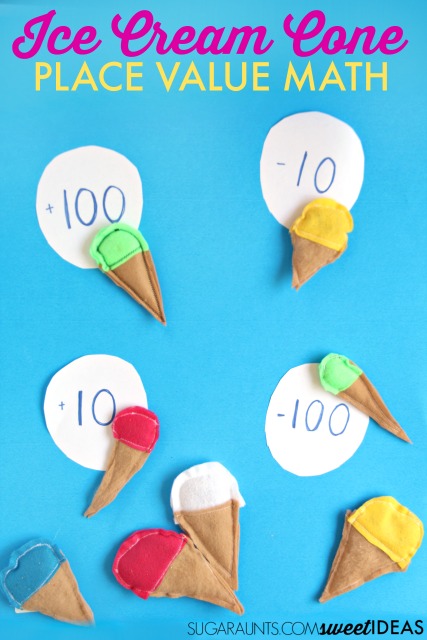
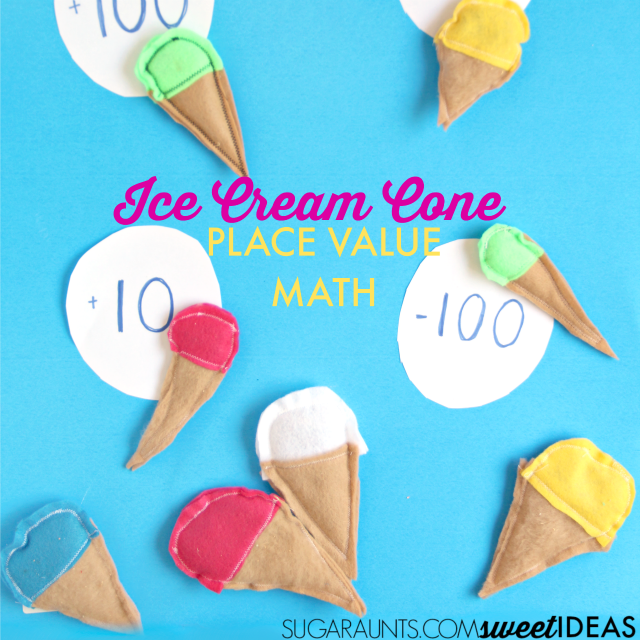
Remember these ice cream cones?  We shared how to make them not very long ago.  Besides being very cute and super easy to make, they are a learning tool, too.  We used them in a creative summer activity to practice some second grade math skills, specifically adding place value to two and three digit numbers.

Ice Cream Cone bean bags for working on place value and adding tens and hundreds with mental math, perfect for second grade math skills.


Place Value Lesson

Make your bean bags.
 
Grab a few pieces of paper and cut out circles.  On them, write +10, -10, +100, and -100.  
 
Next, spread the circles out on the floor.  Position the kiddos around the circles and tell them that they are about to have some math fun, ice cream style! 
 
You’ll want to tell the kids a number.  It might be a single, double, or triple digit number.  Then, kids can toss the bean bags onto the circles.  When the bean bag hits a circle, they need to either add 10 or 100 to their number or subtract 10 or 100 from their number.  This is a fun way tp practice place value and mental math of tens and hundreds place with two or three digit numbers.
 
There are infinite number of ways you could play this with an ice cream cone theme to work on math skills.  
 
Ice Cream Cone bean bags for working on place value and adding tens and hundreds with mental math, perfect for second grade math skills.
  • Add single or double numbers by writing different numbers on the circles.
  • Each color of the ice cream cones indicates a different number.  Kids can add together numbers based on the color that hits a target.
  • Add near doubles with the bean bags.
  • Add 100’s up to 1,000.

How would you use these ice cream cone bean bags in playful math?


More hands-on math activities you will love:
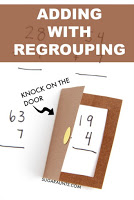
Make a paper door to introduce concepts in first grade math like regrouping in addition. 


                                           How to Add with Regrouping

Playground Therapy

Ultimate guide to the playground

Whether in the school environment or accessing playgrounds in the community, it is important to discuss playground therapy as a tool for building skills. Therapy playground strategies can support development in many different areas. Here, we’ll cover how to incorporate the playground in therapy sessions, as well as playground equipment. 

You’ll also want to dive into specifics about sensory integration at the playground and balance at the playground. Another resource that is helpful for some individuals is our article on sensory diets at the playground.

Playground therapy

The playground offers a unique environment for building skills. There is so much development and therapeutic growth that can happen in an environment like a playground. 

Let’s take a look at the various areas of development that can be targeted through play on a playground:

This skillset is powerful and it’s all through the power of play!

Playground Therapy Equipment

With it’s slides and swings, surroundings, slope, surfaces, and colors, no two playgrounds are exactly alike. Just as all playgrounds are different, the childhood development that can occur using the equipment at a playground is vast.

Some important playground therapy equipment include:

  • Slides
  • Swings (regular, disk, tire swing, platform swing, etc.)
  • ​Balance beams
  • Stairs
  • Climbing wall
  • Climbing platform
  • Foam sensory stations
  • Wheelchair access
  • Ladders
  • Climbing areas
  • Monkey bars
  • Ramps
  • Auditory input stations
  • Fine motor areas
  • Musical areas
  • Cognitive skill areas

All of these spaces on the playground can be used through free play to support development. It’s through the occupation of play that children of all abilities develop. 

Creative play including pretend play and interaction with peers on the playground can promote development on a typical weekend trip to the park, or during recess time on the playground. Occupational therapy practitioners uniquely promote functional performance and play is both the therapy tool as well as the target for development. 

Using playground equipment in therapy goals can also be used to support a variety of diagnoses. 

Not only that, but a playground is a supportive and community friendly space that allows caregivers to carryover recommendations in a shared and accessible space. 

The playground offers a unique environment.  There is so much development and therapeutic growth that can happen in an environment like a playground.  With it’s slides and swings, surroundings, slope, surfaces, and colors, no two playgrounds are exactly alike.  Just as all playgrounds are different, the childhood development that can occur using the equipment at a playground is vast.  


Ultimate Guide to the Playground


The links below will guide you through childhood development of capabilities at the playground, the fine motor development that can occur at a park, gross motor requirements for safety and independence, sensory therapy strategies that can be done at the playground, modification ideas, playground games for extending therapy, rules to break for developing progress, social skills that occur at the playground, and visual skill development that can develop at a playground.
 
This is literally your ultimate guide to the playground! 

Playground Development

When playing on the playground, so many skills develop. We covered this in our resource on sensory play using playground equipment because motor skills and movement are intrinsically connected to sensory skills, meaning sensory-motor! You’ll love this resource on developmental progression of playground skills.

 Fine Motor Skills are also developed at the playground, through use of slides, swings, and other items. We know that development progresses from gross motor to fine motor and proximally to distally, but did you know the true value of climbing, sliding, balancing, and using those playground tools? Check out this blog post for more information on fine motor skills at the playground.
 

Modifying Playground Equipment for Development

Neighborhood parks, school playgrounds, and even natural play areas (hiking trails, beaches, state parks, forests, and the backyard) are in every community. What a resource we have within minutes from every home! But, when it comes to playground equipment, not all are created equal. 

Sometimes, we need to adjust our plans or activities at the park or playground. And that’s ok! A swing may not be developmentally appropriate for every individual. A climbing device or elevated play area may not work for the needs of every individual. What we can do, however, is adjust or modify the equipment we do have access to. 

This way, we can use the resources available as best we can while promoting developmental progression and achievement of individual goals. That is exactly what we do as occupational therapy professionals! 

Check out this blog on modifying playground equipment. It’s a great tool to add to your therapy toolbox!

  • This blog post includes utilizing playground equipment to support visual processing skills on the playground
  • This blog post has social skills activities while at the park or playground

Playground Games

As occupational therapists, we harness the environment and address any factors that impact functional participation. This includes using our primary occupations. For kids, that primary occupation is PLAY! 
 
By incorporating gross motor games, scavenger hunts, I Spy, and other games, the playground becomes a place to practice through play in so many aspects of child development.
 
Kids play at school at the playground, and they play 
What a resource for families and therapists!
 
The ultimate guide to kids on the playground, including fine motor, gross motor, visual skill, and social skill development, sensory integration therapy, modifications, and more.


The ultimate guide to kids on the playground, including fine motor, gross motor, visual skill, and social skill development, sensory integration therapy, modifications, and more.


Try these outdoor play ideas:

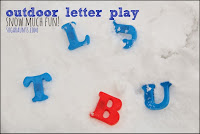
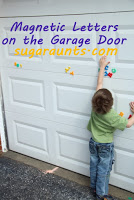
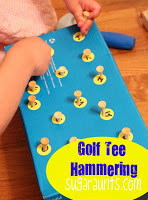
 Rainbow Writing Handwriting Practice | Winter Letters Outside  | Letters on the Garage Door | Alphabetical Order Golf Tee Hammering

Core Strengthening with Music and Movement

Kids love to move and wiggle.  They also need the strengthening that occurs as a result of all of that moving and wiggling.  Today, I’ve got fun ways to build the core body strength using music and movement songs and rhymes.  These are childhood classics that are fun to pass on to kids!

When children have a strong core (or trunk), they are able to sit up at a desk, play on the floor without drooping or slumping, write with a functional position, and even dress themselves more easily.  Strength of the core body is essential for every childhood function, and even allows the child to pay attention more easily. 

Core strengthening with movement and music rhyming songs for kids

Core Body Strengthening with Music and Movement Songs

This post contains affiliate links.


Think back to your childhood.  Are there games or activities that you recall doing in carefree childhood play?  Some of those music rhyming games can be used to work on strength and stability of the body’s trunk. 


Try these core body strengthening ideas. I love all of the creative exercises and activities for building strength in the trunk. Plus, these are great tools for posture exercises for kids.

Core strengthening with movement and music rhyming songs for kids

Music and Movement Rhymes for addressing core body strength:
I’m a Little Teapot
Head Shoulders Knees and Toes
Row, Row, Row Your Boat
Teddy Bear Teddy Bear Turn Around
If You’re Happy and You Know It
Hokey Pokey
The Wheels on the Bus


Try these rhyming games to work on the strength of the upper body with your kids, all while having fun and inducing giggles!

What should you do when weak core muscles impact handwriting?

Strengthening the core can have a HUGE impact in handwriting!  

Core strengthening with movement and music rhyming songs for kids

Do you have any favorite movement and music rhymes from your childhood?

The Ultimate Guide to Play

Play is work of the child.  Through play, a child learns about the world around him.  He learns communication skills, problem solving, builds fine and gross motor development, enhances social interactions, and develops the skills needed for independence in all aspects of growth.  

This month in the Functional Skills for Kids series, myself and nine other Occupational and Physical Therapists have teamed up to share everything play. This is an ultimate guide to development, progression of skills, environmental aspects, modification of play, and how play is used as a therapeutic tool.  

You can see previous Functional Skills for Kids series here.  

Childhood development and play


Play and the child in fine motor skills, gross motor skills, developmental progression of play, helping attention and social skills through play, and using play as a therapeutic tool in Occupational Therapy and Physical Therapy with kids.

How Play Makes Therapy Better | Therapy Fun Zone

Play and the child in fine motor skills, gross motor skills, developmental progression of play, helping attention and social skills through play, and using play as a therapeutic tool in Occupational Therapy and Physical Therapy with kids.

Be sure to stop back next month to see what the Functional Skills for Kids team does next month!

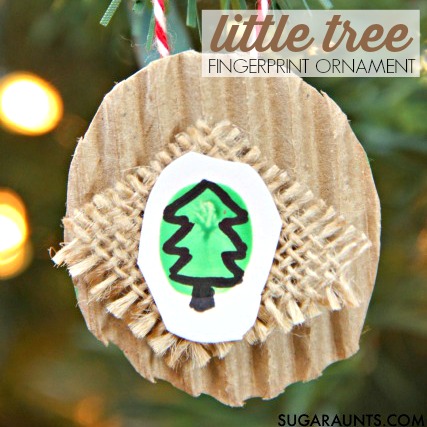
Fingerprint Christmas Tree Ornament Based on ee cummings’ Book Little Tree

You know we are big on sneaking in the fine motor skill development around here, right?  We are also a bit of book fans, so when we decided to make a book-inspired Christmas tree ornament, we went with the book, “little tree” by e.e. cummings and made a little fingerprint Christmas tree. 
 
Check out these Christmas Fine Motor Activities for more creative ways to work on fine motor skills and address development of skills this Christmas season. 
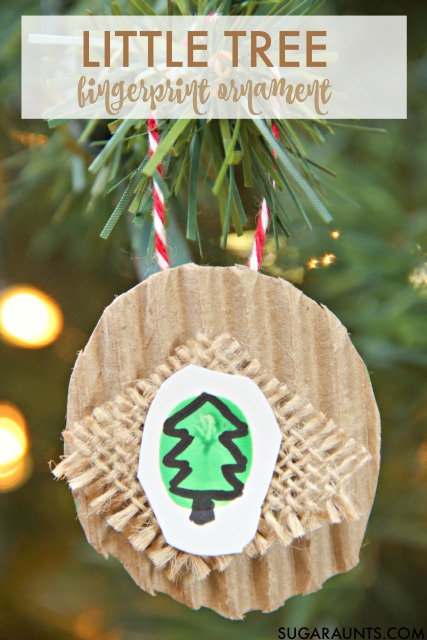
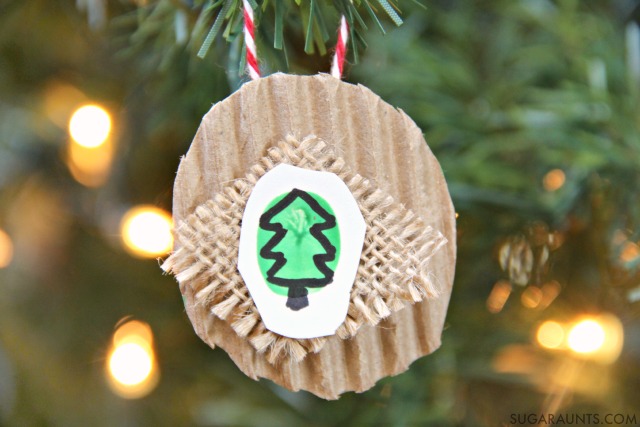
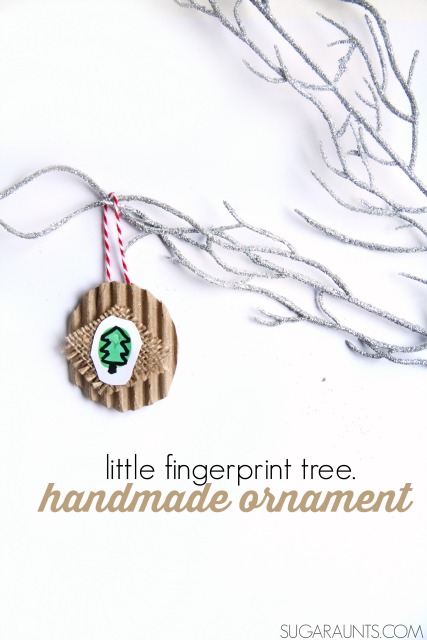
Little fingerprint Christmas tree ornament memento based on the book, little tree by e.e. cummings.  This kid-made Christmas ornament is a fine motor workout for intrinsic muscle strength, arch development, and finger isolation.

 
Full Disclosure: This post contains affiliate links.
 
We read the book, little tree by e.e. cummings (Illustrated by Deborah Kogan Ray).  This book is a poem that describes a little tree that children chose and carried home to decorate in their city apartment.  They are very loving and proud of their little tree.  The warm pencil drawings that illustrate the book make you feel the love the kids have for their Christmas tree.  This book and poem make you realize that it’s the little things and not flashy decorations that really matter this season.  
 
We made our ornament with a little fingerprint tree that can be looked back on each year.  We added to the fingerprint tree, simple and small layers that aren’t flashy or bright, but just warm and comfortable.
We love to create handmade Christmas ornaments each year with fingerprints or handprints.  I love to see their little fingerprints each year when we pull out the Christmas decorations each year.
You might have seen a recent post sharing the importance of fingerprint art in fine motor development, specifically finger isolation.  This fingerprint Christmas tree ornament is a fine motor workout! 


Fingerprint Fine Motor Skills

Little fingerprint Christmas tree ornament memento based on the book, little tree by e.e. cummings.  This kid-made Christmas ornament is a fine motor workout for intrinsic muscle strength, arch development, and finger isolation.
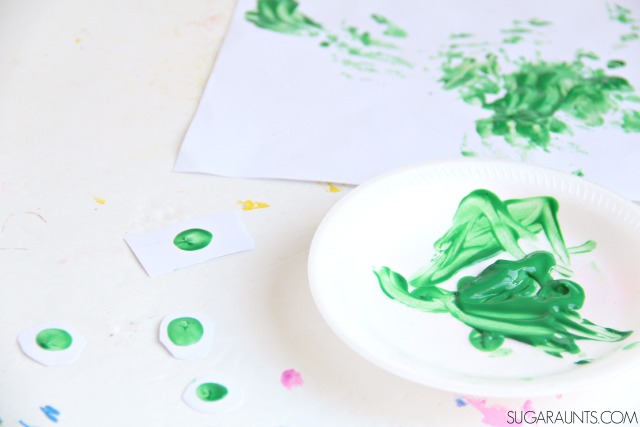
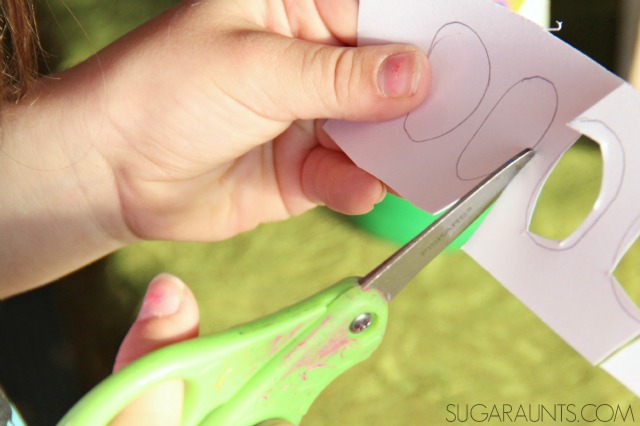
Cut small oval shapes from white cardstock.
Little fingerprint Christmas tree ornament memento based on the book, little tree by e.e. cummings.  This kid-made Christmas ornament is a fine motor workout for intrinsic muscle strength, arch development, and finger isolation.
 
Next, have your kids make fingerprints with green paint on the ovals.


Fine Motor Arch Development

Little fingerprint Christmas tree ornament memento based on the book, little tree by e.e. cummings.  This kid-made Christmas ornament is a fine motor workout for intrinsic muscle strength, arch development, and finger isolation.
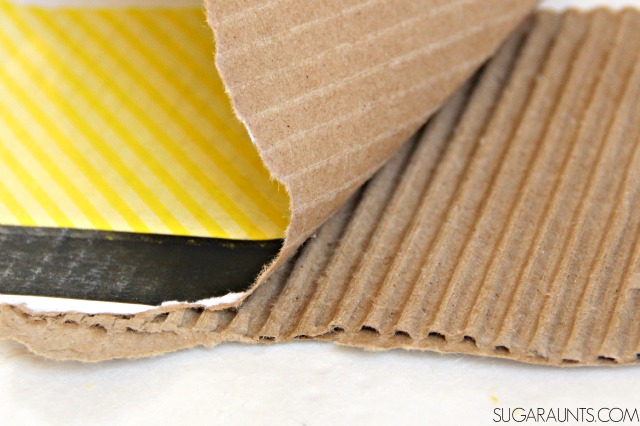
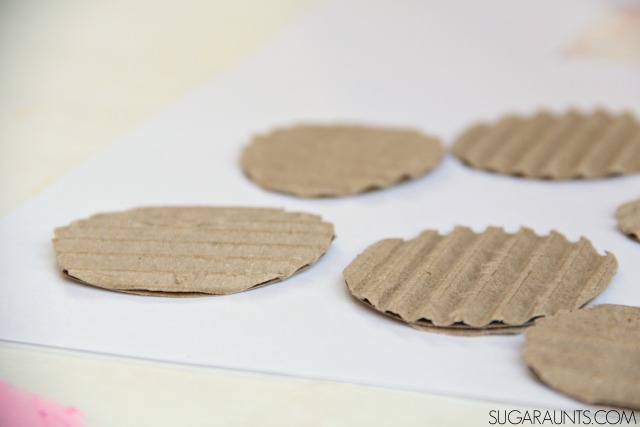
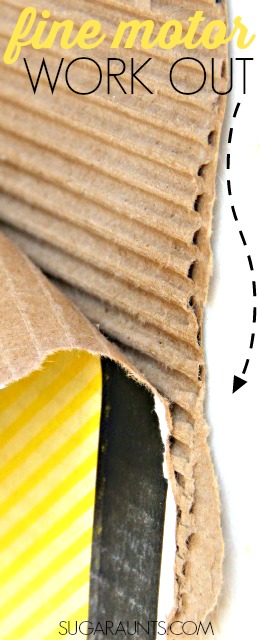
To make our fingerprint tree ornaments, we grabbed some corrugated cardboard.  Ok.  If you are looking for a fine motor activity for the kids, grab the nearest cardboard box.  This time of year, you might be receiving packages in the mail.  Save those cardboard boxes!  
 
Peeling the top layer from corrugated cardboard really works on arch development of the hands and intrinsic muscle strength.  This is an activity that I love to recommend as an Occupational Therapist.
Little fingerprint Christmas tree ornament memento based on the book, little tree by e.e. cummings.  This kid-made Christmas ornament is a fine motor workout for intrinsic muscle strength, arch development, and finger isolation.
Cut the peeled cardboard into circles.
Little fingerprint Christmas tree ornament memento based on the book, little tree by e.e. cummings.  This kid-made Christmas ornament is a fine motor workout for intrinsic muscle strength, arch development, and finger isolation.
Draw a Christmas tree shape onto the fingerprint.  Add a small piece of  burlap with glue.  Tape a length of  baker’s twine to the back of the ornament. 
 
thumbprint little tree Christmas ornament
 
fingerprint-christmas-tree-ornament-for-kids
 
Hang the little trees in your Christmas tree and  notice how little your child’s fingerprints are! This is an ornament I will cherish as my babies’ (and their fingerprints grow!
This ornament is based on a Christmas book and part of the 10 Days of Kid-Made Christmas series.  
 
Check out the other bloggers who are sharing book related ornaments today:
Rainbow Fish Salt Dough from Artsy Momma
Clay Ornament from Heart of Deborah
Felt Robin Ornament from Mum in the Mad House
Santa Ornament from Inspired by Familia
Elf Peg Dolls from Rhythms of Play
Little fingerprint Christmas tree ornament memento based on the book, little tree by e.e. cummings.  This kid-made Christmas ornament is a fine motor workout for intrinsic muscle strength, arch development, and finger isolation.
 
Try this at home! Pin it here.
Little fingerprint Christmas tree ornament memento based on the book, little tree by e.e. cummings.  This kid-made Christmas ornament is a fine motor workout for intrinsic muscle strength, arch development, and finger isolation.
 
 
More Christmas ornaments you will love:
   

Fine Motor Fuzzy Beads for Letter Recognition

Today, I’ve got an easy letter recognition and fine motor activity for you to try with your preschool and kindergarten aged kids.  Sometimes a fun letter activity adds play to learning and the kids don’t even realize they are learning.  Then, when you throw  in a fine motor component that might be difficult for them typically, it’s a bonus!  We have been sharing a bunch of fine motor tips and tools lately.  It’s part of our 31 Days of Occupational Therapy series and this fine motor activity is a perfect fit.  Whether you are looking for ideas for strengthening, in-hand manipulation, or fidgeting, this fuzzy bead activity will help those areas and more.  So, get ready to see how we came up with this Letter Recognition and Fuzzy Bead fine motor activity and get ready to make your own.  They will be a hit in your house or Occupational Therapy clinic!
 
This is one creative way to promote an open thumb web space needed for fine motor skills.


This fine motor activity works on open web space of the thumb and finger in the hand. An open web space is important for fine motor tasks like handwriting and tool use.  Kids will love these ideas to work on an open web space, from an Occupational Therapist.
 
This post contains affiliate links.


Fine Motor Fuzzy Beads Activity (DIY beads!)

This fine motor activity works on open web space of the thumb and finger in the hand. An open web space is important for fine motor tasks like handwriting and tool use.  Kids will love these ideas to work on an open web space, from an Occupational Therapist.
This activity is so easy to throw together.  Grab a few colorful Pipe Cleaners and start cutting them into small pieces.  Cutting pipe cleaners is a fun way to get the kids snipping different materials besides paper.  My kiddos thought cutting the pipe cleaners was a fun activity and loved watching the little pieces fly as they snipped.  It takes a bit of muscle oomph to cut through the pipe cleaner so it’s a great fine motor strengthening exercise.  You’ll want the pipe cleaners to be about an inch long.  Some can be bigger, too.  
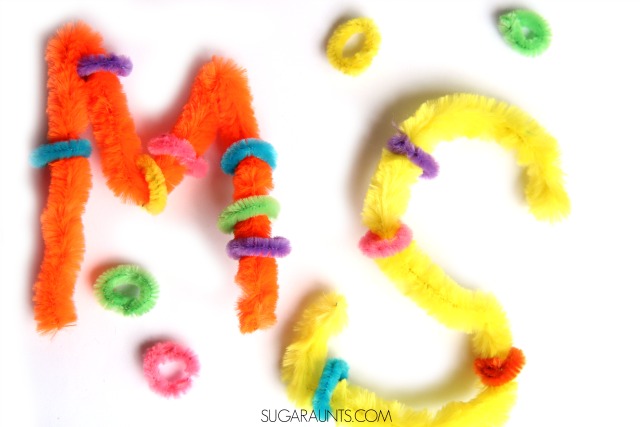
 
Bend the pipe cleaners into circles and pinch them so they stay in a ring shape.  This is a fantastic fine motor activity for kids.  Bending the little pieces of pipe cleaners really works on arch development of the hands and an open web space.  An open web space is essential for so many fine motor activities and dexterity.  Read on to fine out more about open web spaces and arch development below.
This fine motor activity works on open web space of the thumb and finger in the hand. An open web space is important for fine motor tasks like handwriting and tool use.  Kids will love these ideas to work on an open web space, from an Occupational Therapist.
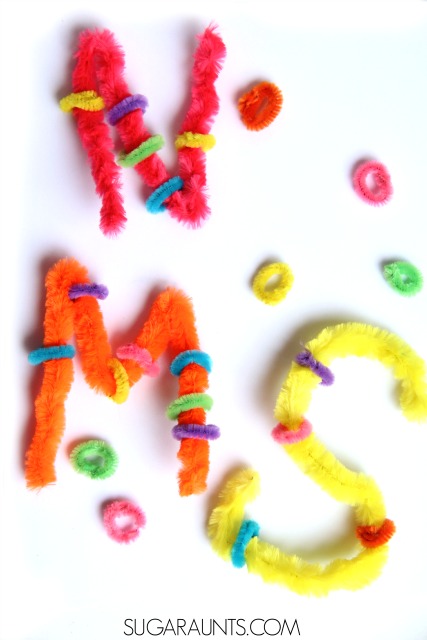
The only other material you’ll need for this fine motor activity are Jumbo Fuzzy pipe cleaners.  we received ours from our friends at www.craftprojectideas.com, but you can find a similar product here.  Bend the fuzzy pipe cleaners into letter shapes to work on letter recognition and letter identification with your preschoolers.  Kindergarten aged kids can practice letter formation with the large pipe cleaners.  Keep s few strait, too, for making bracelets and jewelry.


Now for the fine motor fun part:  Using those little pipe cleaner beads that the kids created, show them how to bead them onto the fuzzy pipe cleaners for a threading task.  Beading is an excellent fine motor activity for children, as it opens up the thumb web space and works on skills like bilateral hand coordination, in-hand manipulation, visual scanning (as the child looks for the color they like!), and hand-eye coordination to thread the bead onto the fuzzy stick.

This fine motor activity works on open web space of the thumb and finger in the hand. An open web space is important for fine motor tasks like handwriting and tool use.  Kids will love these ideas to work on an open web space, from an Occupational Therapist.


What is an Open thumb Web Space and WHY do you need to care about it?

So, one of the important areas that Occupational Therapists work on when addressing a poor grasp on pencils, tools, and in functional tasks is an Open Thumb Web Space.  You know that space between your thumb and pointer finger?  That area that makes an “O” when you make the “OK” sign?  That is an important little place for dexterity!  To grasp small items with your thumb and index finger, you need to oppose the tip of your thumb to the tip of your pointer finger.  Not only do the tips of the fingers need to touch, but the thumb must rotate at the joint closest to your hand.  This opposition is needed to manipulate and grasp small items like shoe laces, buttons, and zippers.  


When kids write or color with that web space area squashed shut, it’s a sign of problems.  Then might be compensating for thumb instability, underdeveloped hand arches, and/or poor strength.  Each of these problem areas will lead to difficulties with handwriting, dexterity, manipulation of small items like beads, and pencil grasp. Writing with a closed web space is inefficient and will cause poor and slow handwriting, especially as kids grow and are expected to write at faster speeds. A closed web space while attempting to manage fasteners such as buttons and zippers will lead to fumbling and difficulty. So, what do you do if you’ve got a kiddo who is squashing that web space shut during functional tasks?  I’ve got a few ideas on how to work on open thumb web spaces.  


(NOTE: This post and all others on this site are meant to be a resource, and not treatment.  If your child displays any difficulty that we discuss here, please refer to an Occupational Therapist for individualized evaluation and treatment.)


RELATED READ: Thumb Opposition With Paper Clips
This fine motor activity works on open web space of the thumb and finger in the hand. An open web space is important for fine motor tasks like handwriting and tool use.  Kids will love these ideas to work on an open web space, from an Occupational Therapist.


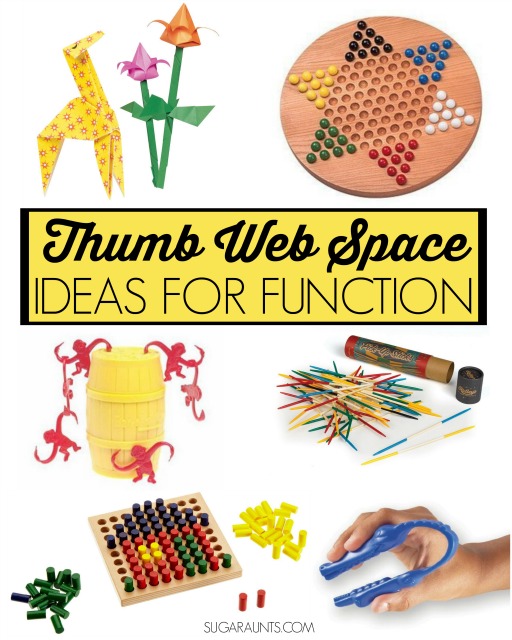
Open Web Space Activities

  • Beading (like our idea we shared above!) Other beading ideas include threading plastic beads on a string, placing cereal O’s onto toothpicks, and stringing straws onto yarn.
  • Pick-Up-Sticks 
  • Wind up toys.
  • Barrel of Monkeys
    game. Encourage your child to pick up the monkeys with an open web space. 
  •  A game like Chinese Checkers
    encourages an open web space when the child grasps the small pegs with a pincer grasp between their thumb and the pad of their index finger. 
  • You could also try peg games like this HABA Color Peg
  • Push coins into a piggy bank.
  • Tweezers
    activities are great for an open web space. 
  • If handwriting and poor pencil grasp is an issue, try a pencil grip.
  • Pop beads. 
  • Roll play dough into small balls using the pads of the thumb and index finger. This is a great activity for developing arches of the hands and opening the thumb web space. 
  • Pop bubble wrap.
  • Screw and Unscrew nuts and bolts. 
  • Fold and crease oragami. This Origami Set & Booklooks like fun. Crease the paper between the thumb and pointer finger.
  • Pinching clothes pins.
  • Lacing cards are great for opening the thumb web space.  Prompt your child to keep their thumb web space open while managing the thread.  We’ve got lots of ideas here.
This fine motor activity works on open web space of the thumb and finger in the hand. An open web space is important for fine motor tasks like handwriting and tool use.  Kids will love these ideas to work on an open web space, from an Occupational Therapist.
Looking for more fine motor activities?  Stop by and follow along on our Fine Motor Play Pinterest board.  


You will love these Fine Motor ideas for kids: 

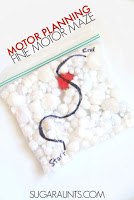
 Motor Planning Fine Motor Maze hand strengthening activity
 

Learn and Play with a Muffin Tin

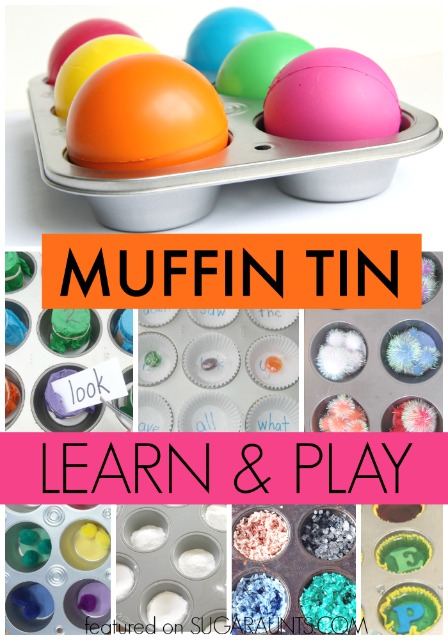
Learning at home with items you already have is easy when you think outside of the box.  In the case of today’s blog post, we’re thinking outside of the muffin tin!  Muffin tins are something that most of us have in a cupboard or closet and we use maybe once or twice a month.  Unless you make cupcakes or muffins every day, the tins probably aren’t being used very much.  While we do a lot of baking, we actually could use our muffin tins for so many more learning and play activities.  The compartments of a muffin tin are perfect for kids to put things into and sort.  It’s a great tool for math, colors, literacy, and sensory play.  Below, we’re sharing learning, play, math, science, colors, and so many more ways to learn and play with muffin tins!


Creative ways to learn and play with muffin tine, including math, sight words, science, art, sorting, colors, baby play, and more.

Ways to play and learn using muffin tins:


Explore chemical reactions in the tin compartments like Little Bins for Little Hands. (Muffin tins make great compartments for baking soda reactions!)
Discover colors of the rainbow in this build a rainbow activity from KCEdventures.
Then sort colors like Modern Preschool, using pom poms and colored paper. Learn with Play at Home used pom poms for color sorting and early math.
Count with playdough using a muffin tin like Messy Little Monster.
Encourage Baby Hand-Eye Coordination and so much more like we did with balls and babies!
You can use the compartments of a muffin tin in sensory play with rice (like Adventures of Adam) or beans, shaving cream, dried lentils…the possibilities are endless!
Toddlers love to place items into the compartments of a muffin tin.  Adventures of Adam used cotton balls for fine motor and hand-eye coordination play.
Create a book -based Math Game like Kitchen Floor Crafts did.
Make a sight word fine motor game like Growing Book By Book did for us last year.
Here are more muffin tin reading games from Growing Book By Book.
Experiment with ice like The Chaos and the Clutter did with their melting ice experiment.
Match colors like Powerful Mothering.
Create a counting game like JDaniel4’s Mom.
Freeze letters in ice using muffin tins like Sugar Aunts (that’s us!) did.


This post is part of our month-long Learning with Free Materials series, part of the 31 Days of Homeschooling Tips as we blog along with other bloggers with learning at home tips and tools.