Space Visual Discrimination Worksheet #1

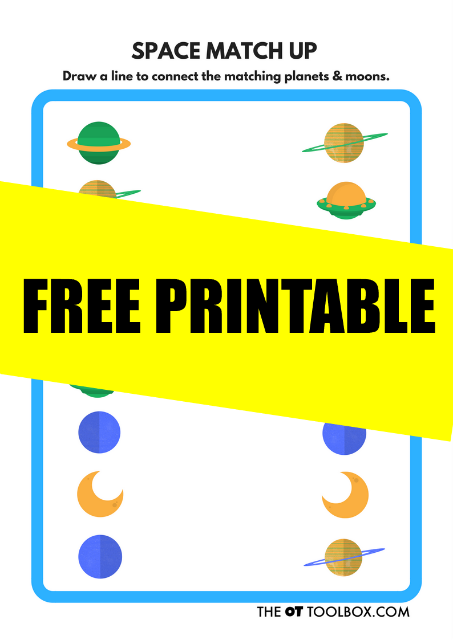
This free space visual discrimination worksheet is a free printable sheet to work on visual perceptual skills in kids, using an outer space theme. this worksheet for occupational therapy is part of a free 25 page visual perception worksheets packet. Visual discrimination is a skill that kids need for so many skills.  From identifying and matching socks when getting dressed and doing laundry to recognizing subtle differences in multiple choice problems, visual discrimination is a visual perceptual skill that allows kids to excel in reading, writing, and math activities or struggle!  This space visual discrimination free printable is an easy way to work on those skills with a space theme.


Visual perceptual skills are needed for so many functional skills. You’ll find easy and fun ways to work on visual perceptual skills through play here. 


This space themed visual discrimination free printable sheet is great to help kids develop visual perceptual skills.


Space Theme Visual Discrimination Activity

Use this space theme visual discrimination free printable over and over again.  You can laminate it or slide it into a page protector and write with a dry erase marker.  This is a quick activity that really boosts the skills needed to distinguish small details between objects.  
 
 
Grab your free printable by clicking the button above.  Print it off and use the sheet over and over again to address visual discrimination skills.  


Looking for more visual perceptual skill activities?  

Visual memory plays a large part in visual discrimination.  
 
Related read: These visual perception apple theme shape stamps are a perfect way to work on visual perceptual skills and fine motor skills with DIY stampers.
 
 
Use this space themed visual discrimination free printable page to help kids develop visual perceptual skills.

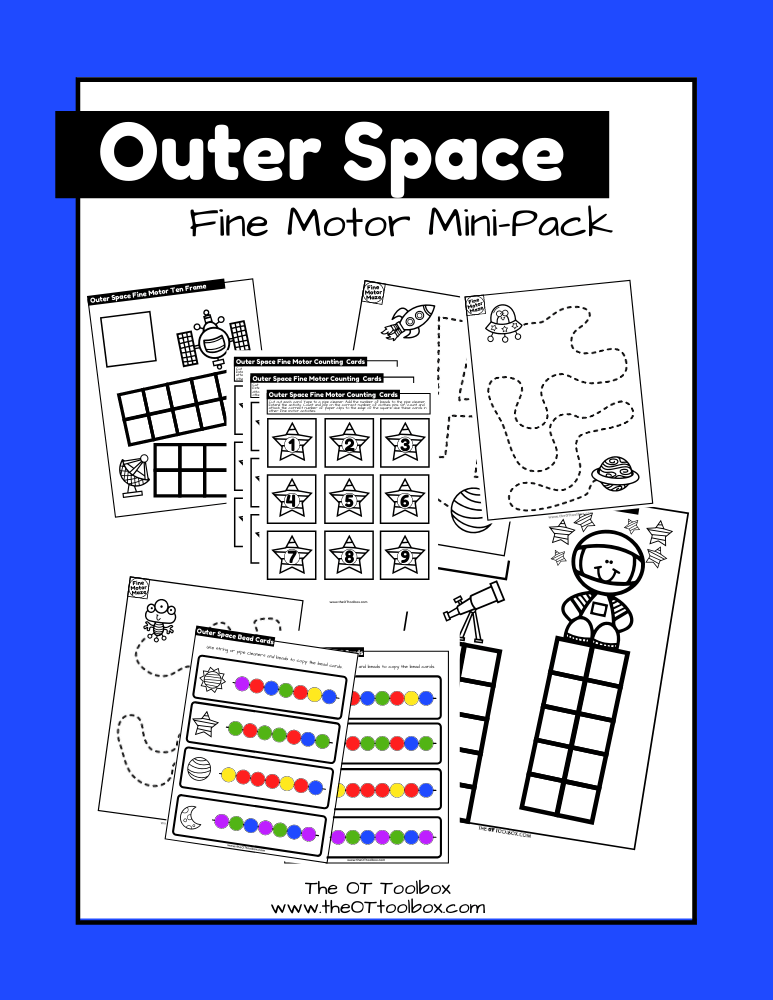
Know a kiddo that loves all things space, astronauts, and planets? The Outer Space Fine Motor Kit is your chance to develop fine motor strength, dexterity, and coordination skills.

Addressing hand strength, endurance, and precision is out of this world fun! The Outer Space Fine Motor Kit includes:

  • Fine Motor Mazes
  • Fine Motor Ten Frames for motor activities
  • 1-20 Star Counting Cards
  • Bead Copying Strips
  • Space Alien Directed Drawing Sheets

This fine motor kit includes 24 pages of printable resources. Included in this printable pack are:

  1. Two pages of color coded bead copying strips
  2. Two pages of blank bead copying strips
  3. Four pages of “draw and write” directed drawing activities with a space theme (Includes 3 styles of handwriting lines: highlighted lines, single rule, and double rule)
  4. Nine pages of fine motor mazes
  5. 1-20 Outer Space Counting Cards
  6. Four pages of fine motor ten frames activities

These printable activities extend to work on a variety of other functional areas, too: handwriting skills, numbers, math, adding, subtracting, one-to-one correspondence, scissor skills, coloring, and more.

Click HERE to grab the Outer Space Fine Motor Mini-Kit.

Outer Space Fine Motor Kit

Colleen Beck, OTR/L has been an occupational therapist since 2000, working in school-based, hand therapy, outpatient peds, EI, and SNF. Colleen created The OT Toolbox to inspire therapists, teachers, and parents with easy and fun tools to help children thrive. Read her story about going from an OT making $3/hour (after paying for kids’ childcare) to a full-time OT resource creator for millions of readers. Want to collaborate? Send an email to contact@theottoolbox.com.

Wacky Wednesday Visual Perception Activity

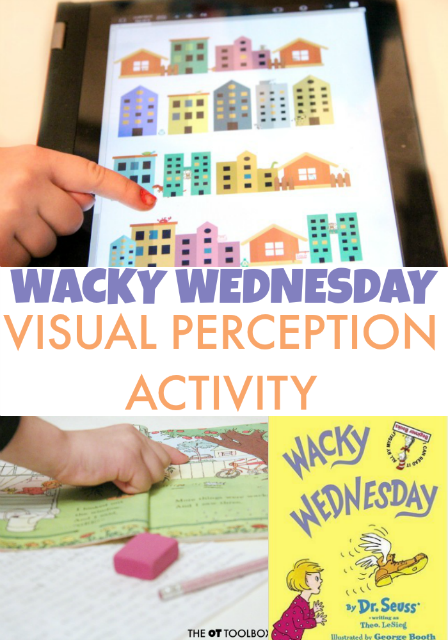
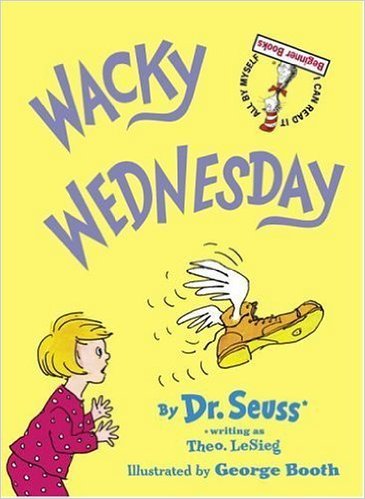
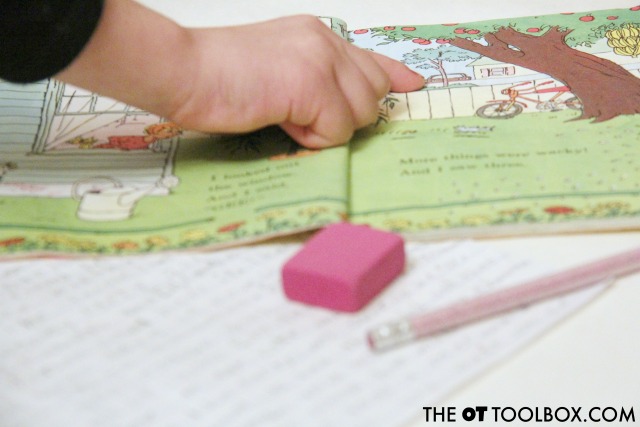
Sometimes you have a book that is just so loved.  We have a few VERY loved books in our house and one of those books with the dog-eared corners is Dr. Seuss’ Wacky Wednesday.  We used the book in a visual perceptual activity and worked on the skills needed for handwriting.  Visual perception is made up of many different skill areas that are used in virtually every functional task we perform.  Handwriting is just one of those tasks that relies on appropriate development of visual perception.  Kids can use creative activities like hidden pictures and books like Wacky Wednesday to improve visual perception.  Try this Wacky Wednesday Visual Perception Activity and have fun working on handwriting skills in a wacky way!


Kids love this Wacky Wednesday Visual Perception activity while working on visual perceptual skills.


Wacky Wednesday Visual Perception Activity

This post contains affiliate links.
 
Wacky Wednesday visual perception activity based on Dr. Seuss books
 
 
Dr. Seuss writes as Theo LeSieg in his book, Wacky Wednesday.  It is perfect for developing visual perception.  The book uses humor through hidden pictures to encourage readers to visually scan and locate weird, wacky, and out-of-place items.  Each page is like a puzzle that will have your kids pouring over the pictures until they find all of the wacky images.  

Visual Perceptual Skills Developed by Completing Hidden Pictures

Hidden pictures and visual scanning activities like the pages of Wacky Wednesday are great ways to encourage the development and strengthening of visual perception skills.  
 
When kids complete hidden picture puzzles, they strengthen many of the visual perceptual skills needed for handwriting and other functional tasks:
Visual Memory
Visual Closure
Form Constancy
Visual Figure-Ground


Visual Perception Skills

Visual perceptual skills are addressed by completing hidden picture puzzles. Kids visually scan pictures and find hidden items, locate unusual images, and store those pictures in their mind’s eye.  Hidden pictures are a valuable tool for addressing the visual perception skills needed for handwriting.

Build these Visual Perception Skills by working on hidden picture puzzles

Visual Memory– This is one’s ability to store visual information in short term memory.  This skill allows us to recall visual information.  When completing hidden picture puzzles, kids visually store images of items they are looking for when scanning to locate a specific shape or image.  This skill is necessary for handwriting tasks when copying information from a source, such as lists of words, homework lists, and copying sentences. 
 
Visual Closure– This visual perceptual skill allows us to see part of an object and visualize in our “mind’s eye” to determine the whole object.  When we see part of an item we use visual closure to know what the whole item is.  This skill requires the cognitive process of problem solving to identify items.  Visual Closure is used to locate and recognize items in a hidden picture puzzle.  In written work, we use visual closure to recognize parts of words and letters when reading and copying work.
 
Form Constancy– This skill allows us to visually recognize objects no matter their orientation.  When completing a hidden picture puzzle, children can recognize the missing object whether it is upside down or sideways.  In handwriting skills, we use this ability to read and know letters and numbers no matter which direction we see them. 
 
Visual Discrimination–  This visual perception skill enables us to determine slight differences in objects.  In hidden picture activities, this skill is needed to determine and locate different hidden objects.  When writing and reading, visual discrimination allows us to perceive the difference between “p” and “d”.
 
Visual Figure-Ground–  This skill enables us to locate items in a busy background.  Finding hidden items in a hidden pictures puzzle works on this skill by visually scanning and identifying items within a busy scene.  In handwriting, visual figure ground is necessary for copying written work from a model and locating the place left off when shifting vision.
Try this wacky Wednesday visual perception activity to address the skills needed in handwriting.


Wacky Wednesday Visual Perception 

The book is one that we were handed down in a bin of clothes and toys that another child had outgrown.  It was apparent that the copy of Wacky Wednesday was a favorite book for this other child.  When we started reading it, we were hooked too!


Use the book to visually scan and locate funny items while addressing the visual perceptual skills needed for handwriting.  Then, ask kids to use those funny items they’ve found to work on handwriting skills.  Kids can list out the funny items that are wacky.  So, while searching and finding the funny images on each page, they can build the visual perceptual skills needed for handwriting.  Then, they can visually shift to write lists while addressing neatness and legibility in written work.  

Address visual perception with the book Wacky Wednesday.


Many times, a motivating subject or activity can be just the thing that helps kids want to practice handwriting.  Use the funny book that is Wacky Wednesday as a motivator.

If you are looking for more creative ways to work on the visual perception skills addressed in hidden pictures and relay them into handwriting skills, you are in luck! 

Work on visual perception with hidden pictures.


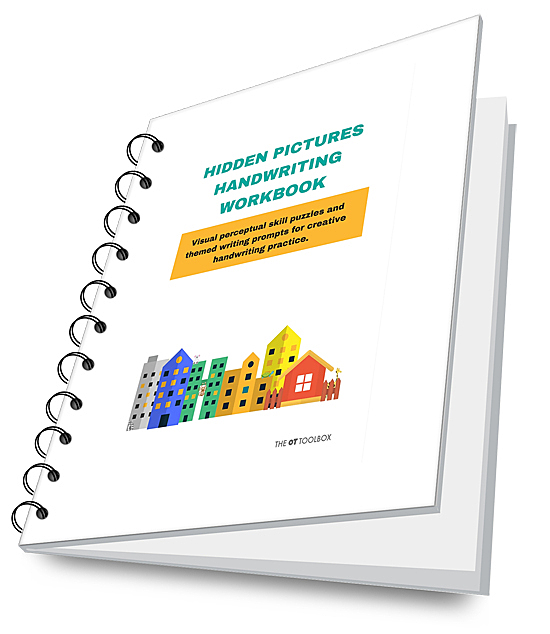
Hidden Pictures Handwriting Workbook

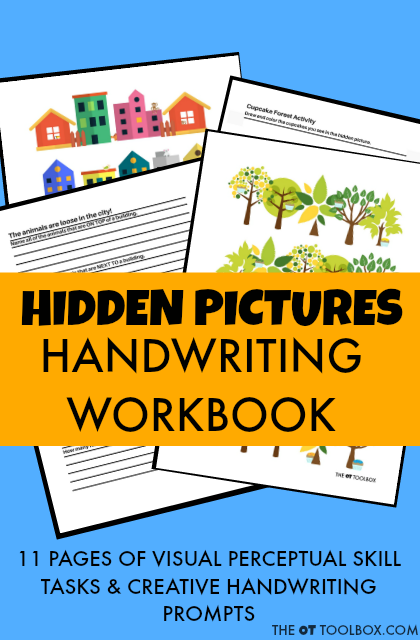
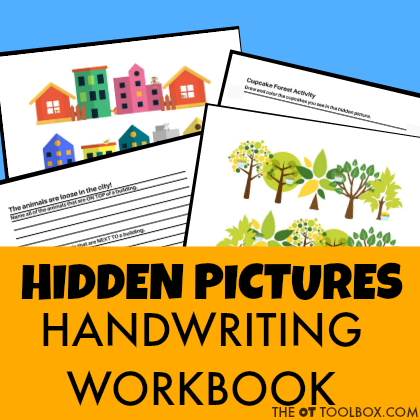
I’ve created this Hidden Pictures Handwriting Workbook to address visual perceptual skills through hidden pictures.  In this workbook, you’ll find two separate puzzles and related handwriting activities that can help kids address the visual perceptual skills noted above.  By completing this 11 page workbook, kids can use creative handwriting activities and themed writing prompts to practice written work in a fun way.  

Hidden pictures visual perception workbook to help kids work on the visual perceptual skills needed in handwriting


What’s in the Hidden Pictures Handwriting Workbook?

  • 11 pages of activities
  • 2 hidden pictures puzzles
  • 8-9 themed writing prompts for each puzzle
  • Activities to promote visual shift, visual memory, visual discrimination, visual-figure ground, and form constancy
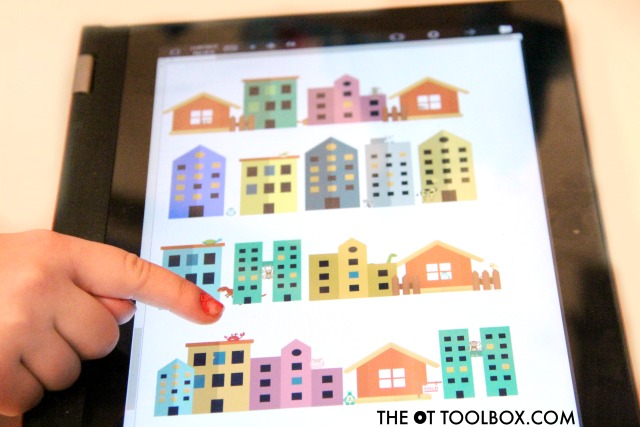
  • Digital file that you can print or use on your tablet


We used the Hidden Pictures Handwriting Workbook on our touch laptop screen. Using the workbook on a tablet or touch device allows kids to visually scan and address those visual perception skills without printing out the color images.  


This would be a great activity for a group in the classroom or for kids who need an at-home activity.

Visual perception hidden pictures printable workbook for kids who are working on handwriting.


This is a digital file.  


Get your copy of Hidden Pictures Handwriting Workbook for $4.99.


Hidden pictures visual perception handwriting workbook for helping kids address the skills needed in handwriting.


Looking for more ways to celebrate Dr. Seuss?  Try the books in the Virtual Book Club for Kids series:


Green Eggs and Ham Letter Practice from Still Playing School

Alphabet Puzzles from Sea of Knowledge

Would You Eat This? A Green Eggs & Ham Activity from Sunny Day Family

Horton Hears a Who Listening Activities from JDaniel4’s Mom
Dr. Seuss Sensory Play with Kinetic Sand from The Educators’ Spin On It
Lorax Cause and Effect Matching Game from Inspiration Laboratories

Ten Apples Up on Top Printable Math Activity from The Moments at Home


Cat in the Hat Inspired Popsicles from View from a Step Stool


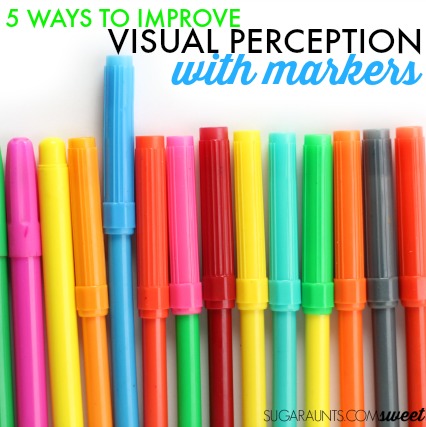
5 Easy Ways to Work on Visual Perception with Markers

If you have kids in your house, you probably have a pack of markers.  Kids love markers!  Here are a few ways to develop visual perceptual skills with markers. Using a common item like regular old markers makes addressing visual perception and the skills needed for handwriting easy and frugal.

Most parents know that addressing the underlying vision issues behind reading and writing challenges can be quite difficult when there are costs of therapy or treatment tools.  Using a cheap-o tool like a regular pack of markers is an easy way to get around the cost of high-price therapy tools.  Likewise, for the teachers or school-based Occupational Therapist, inexpensive treatment for a common challenge is essential. 

This post contains affiliate links.

5 easy ways to work on visual perceptual skills with markers.

Work on visual perceptual skills with markers


Handwriting, reading, and almost every activity that we do requires visual perceptual skills for visually scanning, pinpointing essential information, and attending to details like lines on paper.  


Related read: These visual perception apple theme shape stamps are a perfect way to work on visual perceptual skills and fine motor skills with DIY stampers.


You can find more easy handwriting activities like this one in our new Easy Handwriting Activities series. Each Tuesday, we’ll be sharing creative and easy ways to help with handwriting. If you are looking for more tips and strategies to help with handwriting, be sure to join our Sweet Ideas for Handwriting Help Facebook group.

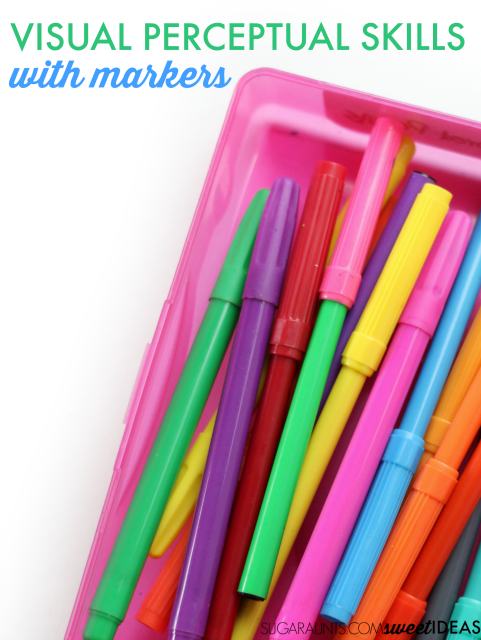
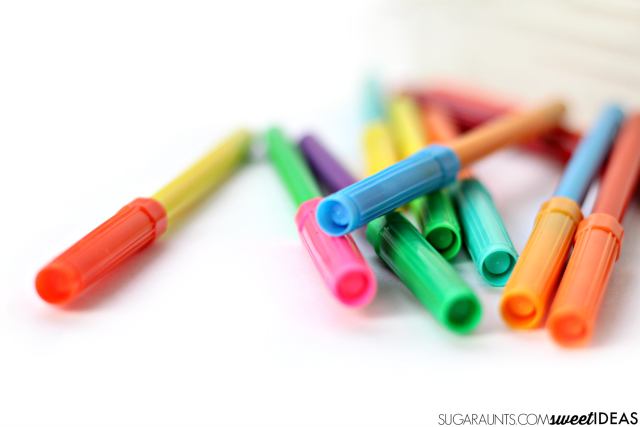
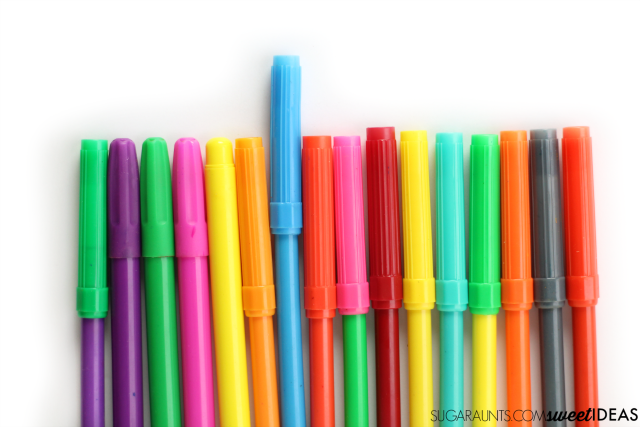
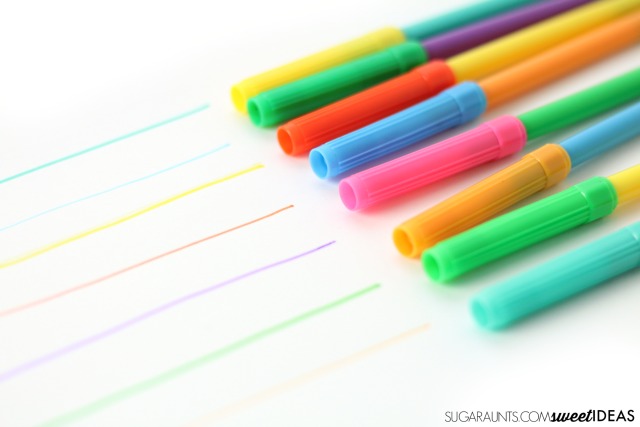
We used a simple pack of markers.  This type is perfect because the whole marker is the color of the ink.  It allows kids to match up colors for some of the visual perceptual activities outlined below.  I love a big collection of markers like these ones for these visual perception activities because there are several markers in a single color or shade.  For example, using several shades of red is a great way to work on visual discrimination and form constancy.

Kids will love to work on visual perceptual skills with markers.

Here are ways to use markers to work on perceptual skills:

Markers are perfect for working on visual perceptual skills with kids.

1. Pour the entire pack of markers into a small bin like a  pencil box.  Ask your child to pull out a specific color or a sequence of colors.  

This helps kids work on figure ground skills.  

Visual figure ground allows us to pull out important information from a cluttered background.  This is an important skill for handwriting when we visually pull out written work from a paragraph when we copy.

Address visual perceptual skills with markers for better handwriting.

2. Line the markers up side by side. Position some of the markers with the caps in one direction and most of the caps pointing in the other direction.  Kids can point to or name the colors that are pointing in the wrong direction, while working on visual discrimination.  

Visual discrimination skills allow us to determine subtle differences in things.  

Visual discrimination is needed for written work when we notice a “b” vs. a “d” or an “h” vs an “r”. 


3. You will need a couple of markers of the same color or shade for this activity.  Remove the red caps from some of the markers.  Place them back on other markers, mixing up the lids.  Place a handful of markers in a pencil box.  Ask the child to look in the bin and point to or pull out the markers that have “red”. Some of the markers have a red bottom and others have a red cap. 

By performing this activity, kids work on form constancy.  

They are able to address this visual perceptual skill needed for written work by becoming more aware of shapes and letters that are the same no matter what direction or size they are.


4. Place a handful of markers in a pencil box.  Ask the child to look at the bin for a short period of time.  Ask them to look away as they cover their eyes. Then remove one or two markers.  Ask them to look back at the bin and determine the markers that have been removed.  

This task addresses visual memory.  

Visual memory is an essential skill for copy work in handwriting tasks.

Help kids work on writing skills and visual perceptual skills with markers.

5. Place a handful of marker lids on a table lined up side by side.  Ask the child to remember the order of the markers and then cover up the lids.  They can then use the corresponding markers to draw lines in the same order that the marker lids were in. 

This activity is a great one for addressing visual sequential memory. 

Visual sequential memory is a visual perceptual skill that is essential for writing words and letters from left to right without constantly copying each letter one at a time.  

Improve handwriting by working on visual perceptual skills with markers.


Looking for another easy way to work on visual perceptual skills?  Try using tangrams to build the skills needed for handwriting.
 
Grab these markers so you can do this handwriting activity at home, at school, or in your OT clinic! 
 
 Colored markers
 

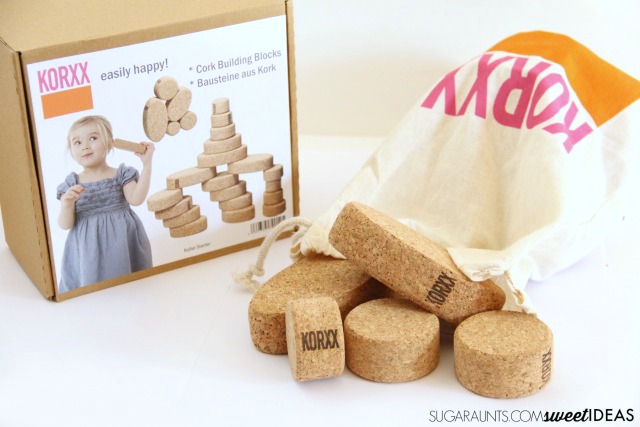
Visual Motor Integration Tool with KORXX Blocks
Disclosure: This post was sponsored by KORXX.  All opinions are my own.
 

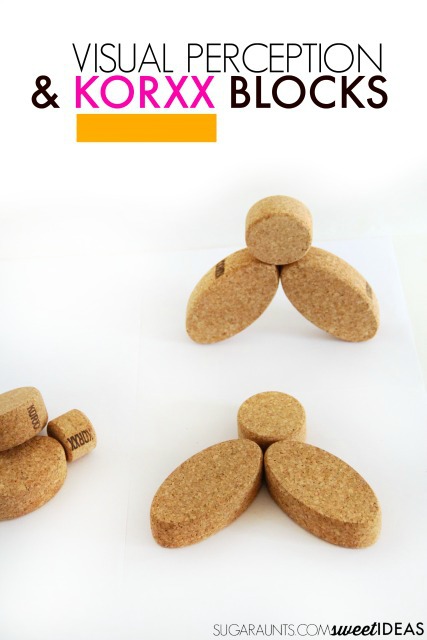
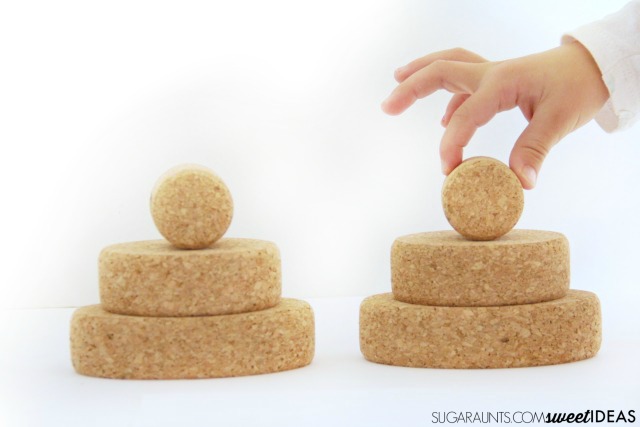
We found a new favorite building toy for play, learning, and imagination, and are so excited to share it with you.  If you haven’t played with KORXX blocks before, you are in for a fine motor and visual motor integration treat.  These cork building blocks are a natural and sustainable and a light material for little builders. We received a set of KORXX blocks to try and had a blast using them for a visual motor integration challenge.  Using blocks to assess and build a child’s visual motor integration skills are an easy way to challenge the skills needed for skills such as handwriting and letter formation and any task that requires the child to use the hands and eyes together in a coordinated and effective manner.  


Address visual motor integration in written work by improving visual perception using block copying skills with KORXX cork blocks.
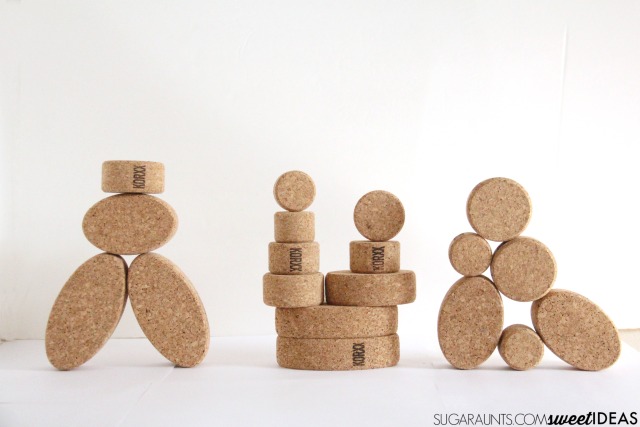
When we played with our KORXX blocks, we were excited to see how the blocks can easily be used to create three dimensional or two dimensional constructions. The therapist in me immediately noted the unique opportunity for addressing visual motor integration skills in this toy! 
 
Address visual motor integration in written work by improving visual perception using block copying skills with KORXX cork blocks.

Visual Motor Integration and KORXX Building Blocks

 
Blocks are quite often used as a therapy tool to address and assess visual motor integration skills.  The fact that blocks are a toy that is common in classrooms, playrooms, and therapy gyms makes using blocks for eye and hand skill needs easy and fun for kids.  
 
Visual motor integration skills are essential for any task that requires the hands to manipulate items based on what the eye perceives.  In that manner, our eyes must perceive certain information and process it to allow our hands to work in an efficient manner to produce written work, catch a ball, manipulate clothing fasteners, or copy and draw shapes and pictures.  
 
Visual motor integration is an essential skill needed for forming and copying letters in handwriting.
Address visual motor integration in written work by improving visual perception using block copying skills with KORXX cork blocks.


Visual Perceptual Skills and Visual Motor Integration

Skills that fall under visual perception are needed for visual motor integration. Skills such as form constancy, visual memory, visual discrimination, visual figure ground, visual closure, and visual sequential memory.
 
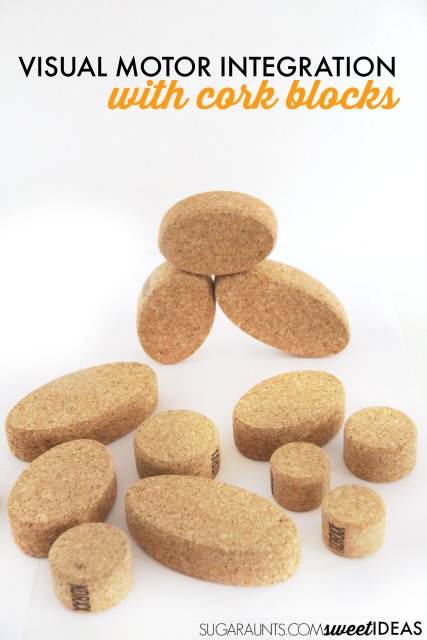
Form Constancy allows us to recognize shapes or letters and numbers no matter what position they might be in.  Blocks positioned on their side or in a different direction are still the same block.  A large oval shaped KORXX block is still a large oval shaped block and can be recognized for use in copying block patterns.
 
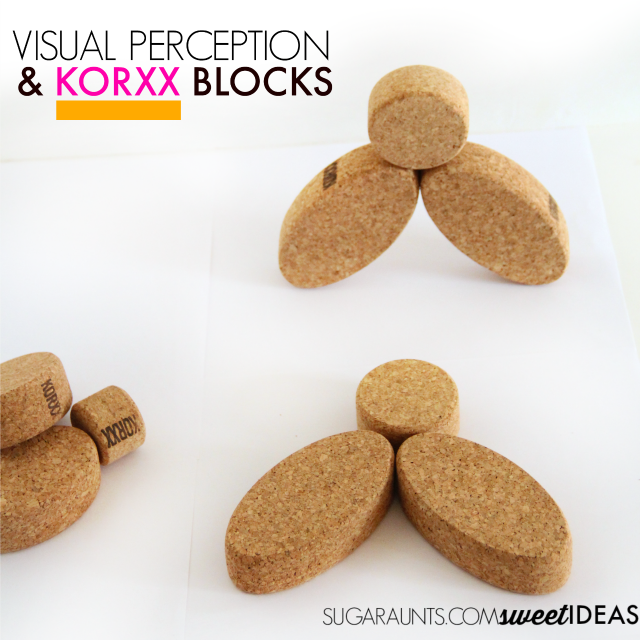
Visual Memory allows us to hold a memory in our mind of something we just saw.  It also allows us to recall letter formation when writing.  When we shift our vision to copy written work from the chalk board onto our paper, we are using visual memory to hold and then recreate that piece of information.  KORXX blocks can be used to address this skill by creating a block form in the upright position and then constructing a two dimensional copy of that form with the same shape and sized blocks.
 
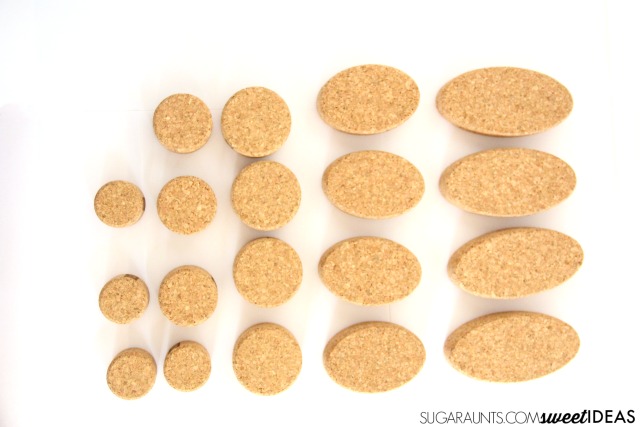
Visual Discrimination allows us to discriminate between differences in parts of letters (for example, we are able to see the difference between an “R” and a “P”).  The different sizes in the KORXX block sets are perfect for this visual perception skill.
 
Visual Figure Ground is a skill that allows us to locate and identify items when they are scattered among other items.  Locating a single puzzle piece on a table of puzzle pieces is just on example of this skill.  Use the KORXX blocks to locate needed pieces when they are scattered on the table.
 
Visual Closure allows us to identify an object when we are able to see only a portion of it.  Blocks that are stacked in a scatter on a table surface require visual closure for children to locate specific needed pieces.  They can locate a small oval KORXX block when it is partially covered.
 
Visual Sequential Memory allows us to create words or numbers in the correct sequence.  When building and copying block forms, we need to start with the correct KORXX blocks in order to copy the form.
 
So, using the parts of visual perception is a necessary part of copying letters and words in written work, math problems, and block forms in a play activity!
 
Address visual motor integration in written work by improving visual perception using block copying skills with KORXX cork blocks.
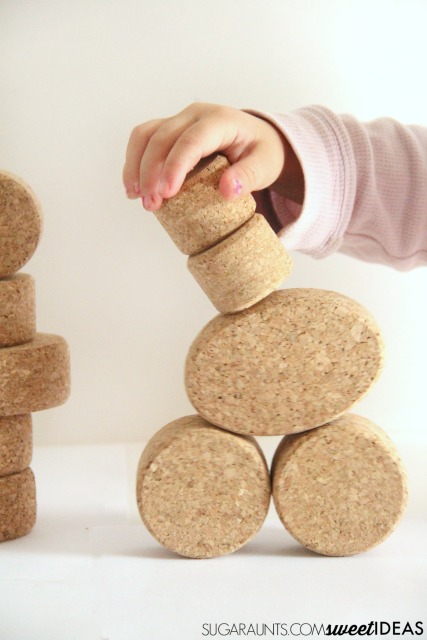
For our block play, we used our Kuller set KORXX block set to copy different forms.  I created a few multi-dimension block forms to add a depth perception component.  I set up blocks in  front of my preschooler and asked her to copy the forms.  By looking for the correct block on the table surface, she had to use all of the visual perception areas described above.  
 
Address visual motor integration in written work by improving visual perception using block copying skills with KORXX cork blocks.
 
This is such a great exercise for kids who are copying written work from an overhead position.  In the classroom, kids might have to copy their homework from an overhead position.  Between using the information they perceive in combination with their motor component of forming letters and manipulating the pencil, there are a lot of areas where illegibility can occur.
 
Address visual motor integration in written work by improving visual perception using block copying skills with KORXX cork blocks.
Try using simpler block copying forms to address visual motor and visual perception needs can be done with forms placed flat on the table surface in a top-to-bottom orientation.  Place the block form on the table and the child can construct their own form directly under the block form.  Limit the number of KORXX blocks that are presented to the child.
Address visual motor integration in written work by improving visual perception using block copying skills with KORXX cork blocks.

A little more information about KORXX blocks:

  • These eco-friendly blocks are all natural and made free of any harmful contaminants. There are no phthalates, dioxins, or other sensory emissions. The product adheres to the guidelines for children’s toys (under 3 years) and the harmonized standard DIN EN 71.
  • The soft and light cork blocks provide excellent stability without slippage. This makes them perfect for grasping by young children.
  • The KORXX bricks are made from natural cork harvested without harming the trees.
 
  • KORXX is an all natural and sustainable building block made from natural cork harvested without harming the trees.
 
You can purchase any of the KORXX block sets here.
 
Address visual motor integration in written work by improving visual perception using block copying skills with KORXX cork blocks.
 

Check out these activities using KORXX blocks:

 
Nature Play with KORXX Blocks from Fireflies and Mud Pies  

Balancing Activities with KORXX Quiet Blocks from Preschool Inspirations


Fall Visual Processing Sensory Activities

Use fall activities to work on visual processing needs with fall visual processing sensory activities.

Visual Processing can result in overactive sensitivity to sights or an under-responsiveness to all that the eye sees.  During Fall, there are many more colors and visual sights that can be a sense of interest to children with sensory processing disorders.  A simple walk in the yard is much different during the Fall months when leaves are changing or there are more sticks and acorns to navigate on the lawn.  For the child who has sensory processing concerns, using the sense of sight can be a calming or alerting tool.  Try these fall visual processing sensory activities this Fall.

Check out our free Fall Sensory Activities booklet. It’s full of family-friendly sensory activities that celebrate the season through sensory experiences covering all of the senses. The activities in this free booklet are a fun way to encourage motor movement and development through fall activities. Scroll to the bottom of this blog post to grab your copy!


Fall Visual Processing Sensory Activities with a fall or harvest theme.


Adding visual sensory activities to vestibular or proprioception activities can have a great affect on children with sensory processing disorders.  Check out our Fall Proprioception Activities and Fall Vestibular Activities or find all of the ideas in one place in our Fall Harvest Sensory calendar.

Fall Visual Processing Sensory Activities

1.     Leaf Lay– Head outdoors on a bright and sunny fall day.  Look for trees with brightly colored leaves and lay down on the ground under the tree.  Kids can look up at the leaves as the sun shines through the colored leaves.  Ask kids to notice branches in the leaves.  Address deep breathing and slow counting for a calming sensory experience.  Use this opportunity to discuss events that lead up to feelings of fear or anxiety related to the senses.

2.     Color Assessment– Use a magnifying glass to explore the colors of leaves, tree trunks, and nature finds while out on a nature hunt.  Kids can look for each color of the rainbow in a scavenger hunt type of activity.  This fall activity builds visual scanning needed for reading and writing.
 
3.     Pumpkin Seed Colors– Use dry seeds from a pumpkin to create colorful seeds using liquid food coloring or liquid water colors.  While these seeds won’t be edible, they are great for creative play!  Use the seeds to sort, manipulate, and create in Fall themed learning and play or artwork.
 
 
4.     Fall Maze– Many farms or community events host a corn or hay maze this time of year.  Walking through a maze is a visual processing experience that kids can use to develop directionality needs.  You can create your own backyard version of a fall maze using fallen leaves or a trail of sticks from trees.


Fall Visual Processing Sensory Activities with a fall or harvest theme.

Fall Sensory Activities

Work on visual processing skills this Fall AND address all areas of sensory needs while experiencing all that the Fall season has to offer! Grab your free copy of the Fall Sensory Experiences Booklet to create sensory diet activities that meet the needs of individuals in a Fall-themed way! Enter your email address below and you will find the Fall Sensory Experiences Booklet delivered right to your inbox. Enjoy!

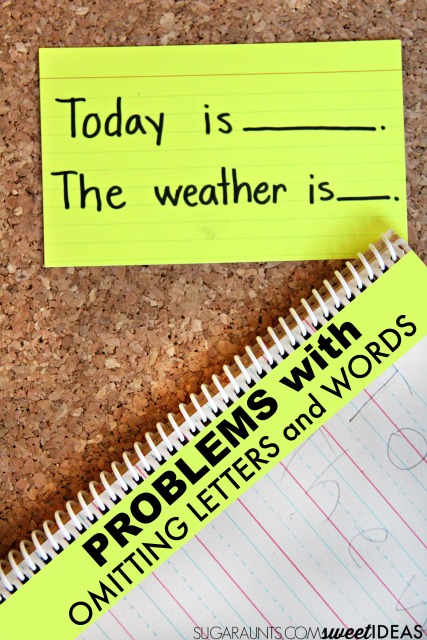
Omitting Letters, Words, and Numbers when Copying Written Work

Copying assignments into the homework journal is just one job that student’s have during their day.  But what happens when the student attempts to complete that homework and words, page numbers, and letters are missing, making the assignments completely illegible?
 
When kids copy words from text, there are many visual perceptual skills at work.  Visual Memory, visual spatial relations, visual closure, and figure ground are just some of the skills that may impact ac child’s ability to copy written work from a chalkboard, overhead, or text right in front of them.
 
These tips and ideas are recommendations for helping children accomplish the task of copying written work both from across the room from a chalkboard or from a book or worksheet right on their desk.  These tricks will help the child that is omitting letters, words, and numbers when copying written work.
 
Visual perceptual skills are needed for so many functional skills. You’ll find easy and fun ways to work on visual perceptual skills through play here. 
 
Visual perceptual skills are many times the cause for kids copying written work and omitting letters, words, and numbers. These tricks and tips for helping kids copy from the board or from their book are helpful for kids with dysgraphia as well.

Tips for helping kids who miss words or letters when writing:

  • Remove extra distractions from paper/worksheets/texts.  The extra pictures or page of text can be difficult for the child with figure ground problems to pull out the important information.
  • Teach the student to review their written work.
  • Allow extra time for completing copying tasks.
  • When copying from the chalkboard, provide a copy of the written work that must be copied for the student’s desk.  Position it flat on the desk.  Work on copying it from a vertical position on the desk before requiring the student to copy from the chalkboard.
  • Teach kids to chunk information together, such as several letters or words for copying. 
  • Highlight information that needs to be copied.  When copying from the board, chalk could be used to draw a square around important information. 
  • Instead of copying from the board, provide the child with a near-point copying point: Write the information on an index card or low-distraction paper that can be placed on the child’s desk. 
  • Write with a larger font on the chalkboard or overhead.
  • Write with a larger font on near-point copying paper on the desk.
  • Provide less information/words for the child to copy.
  • Provide more space for the child to copy to: Provide larger spaced paper.
  • Graph paper for copying one letter/number per square.
  • Position the child closer to the chalkboard or classroom homework station with less had turn needed for copying written work. 
  • When copying form a book, use a copying tool such as a folded piece of paper to line up with the work.  Can also try an index card with a cut out “window” for copying to reduce distracting information.

More ways to work on copying from the board with accuracy and legibility


Work on form constancy skills.


Visual perceptual skills are many times the cause for kids copying written work and omitting letters, words, and numbers. These tricks and tips for helping kids copy from the board or from their book are helpful for kids with dysgraphia as well.
 
 color mixing letter formation activity bold lines handwriting trick Small pencil trick for helping with a better pencil grasp  Thumb IP joint flexion pencil grasp trick

Sponge Tangrams

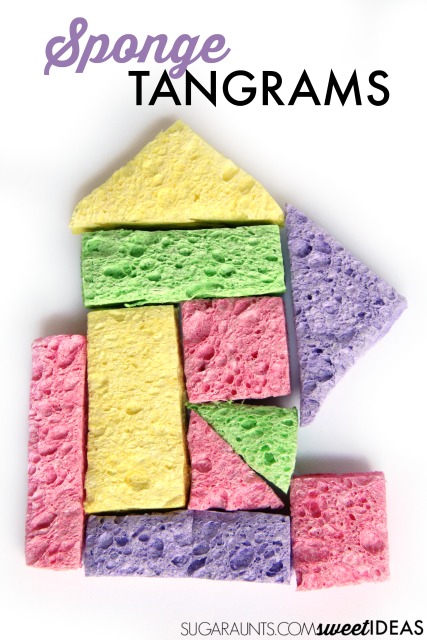
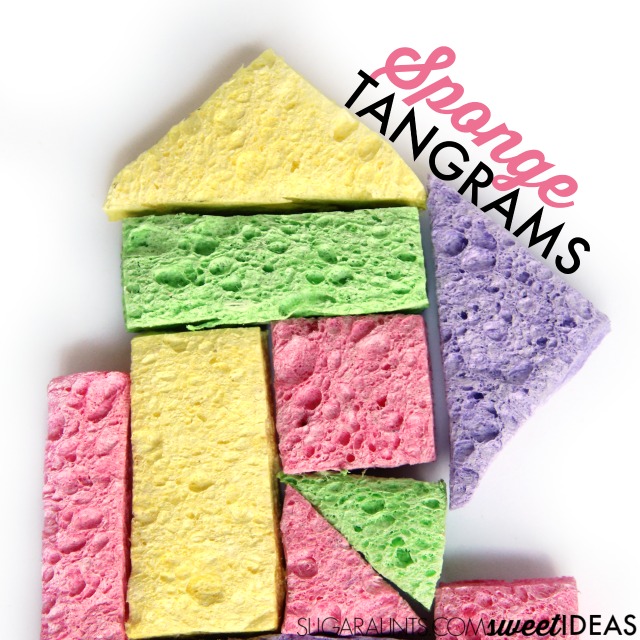
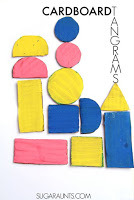
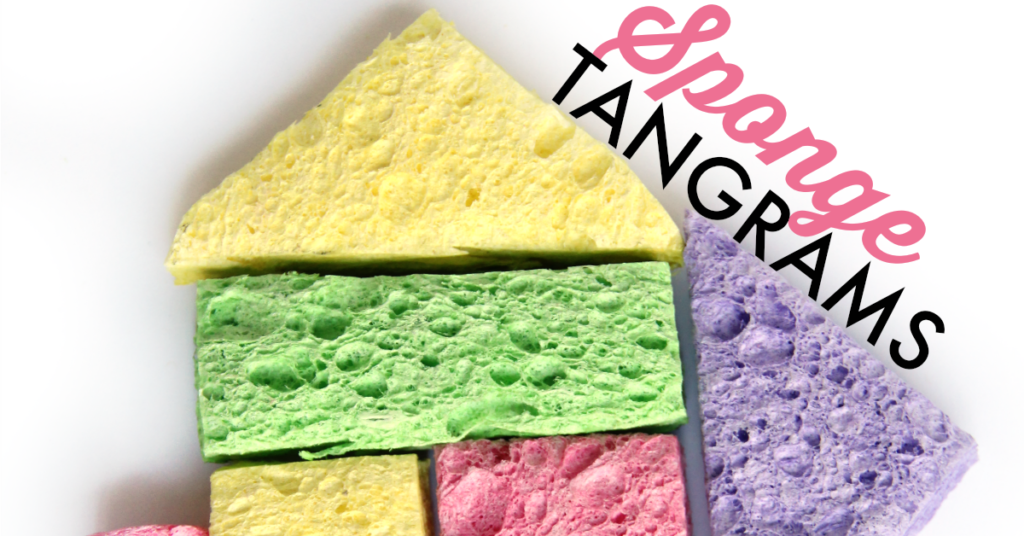
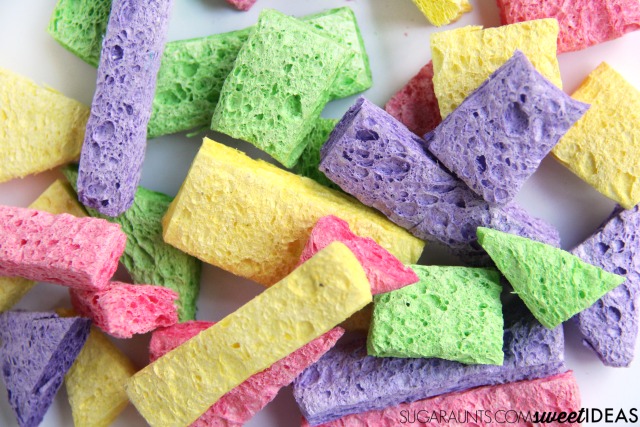
Tangrams are a fun and easy way to work on visual perception and visual motor integration skills through play.  These sponge tangrams are a quick DIY activity that kids will love.  The whole project will cost you $1, making it a creative and frugal way to play while sneaking in therapeutic and developmental skills.  
 
Tangram activities have a component that builds skills needed for handwriting so this activity is a fun one for working on written work through play. 
 
There are many ways to use tangrams to help with handwriting, and these sponge tangrams can definitely be used in those activities.  Try adding them to a low container with water for a multi-sensory approach.  
 
Sponge tangrams are an easy DIY and a fun way to build visual perception and visual motor integration skills with kids.

Sponge Tangrams Activity

This post contains affiliate links. 
 
This activity uses a pack of rectangular shaped sponges.  We found ours at the dollar store, but you could pick up a few here
 
Sponge tangrams are an easy DIY and a fun way to build visual perception and visual motor integration skills with kids.
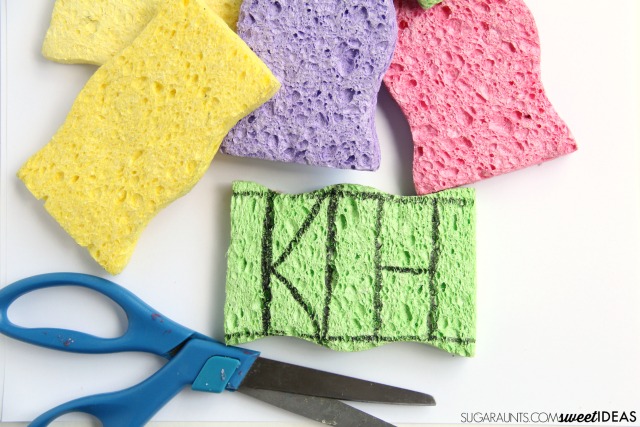
Use a permanent marker to make a cutting template on the sponges.  You will want to draw lines like shown here.  Mark a “K”, “L”, and “H” on the sponge to create rectangles, triangles, and squares.  
 
 
Sponge tangrams are an easy DIY and a fun way to build visual perception and visual motor integration skills with kids.
Next, cut the sponge with a pair of kitchen shears.
 
Sponge tangrams are an easy DIY and a fun way to build visual perception and visual motor integration skills with kids.
And, just like that, you are ready to play!  
 
Use the sponge tangrams to build shapes, copy forms, and practice form recognition and form constancy.  This is a great exercise in visual motor integration and visual perceptual skills.  
 
Be sure to grab our Hidden Pictures Workbook for more ways to work on visual perceptual tasks needed for handwriting, reading, and other tasks.  
 

More ways to play with these sponge tangrams:

  • Soak up some water. Squeeze out the excess and stick them to a window.
  • Float them in water.
  • Play with them in a shallow container of water or other sensory material.
Sponge tangrams are an easy DIY and a fun way to build visual perception and visual motor integration skills with kids.

Fun and Easy Visual Scanning Activity

Visual Scanning is needed for looking in all directions with the eyes to locate an object or to avoid obstacles when walking in a crowded classroom.  A visual scanning activity is one way to build visual perception  needed for locating an item on a shelf, finding a matching sock in an overstuffed drawer, and finding a keyword in a reading activity.  If you are wondering “What is Visual Scanning?” Or for MORE visual scanning activities that kids (and adults) will love, try these.


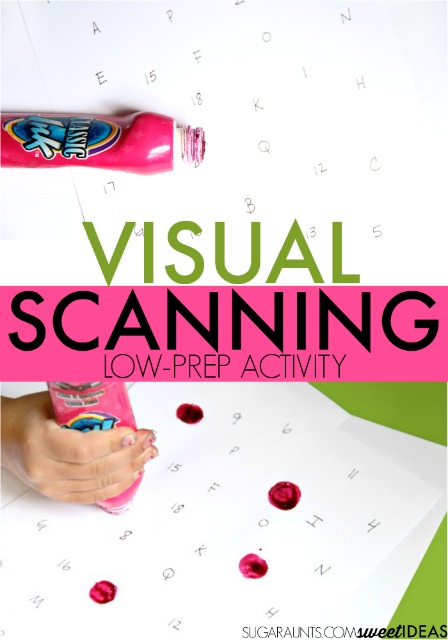
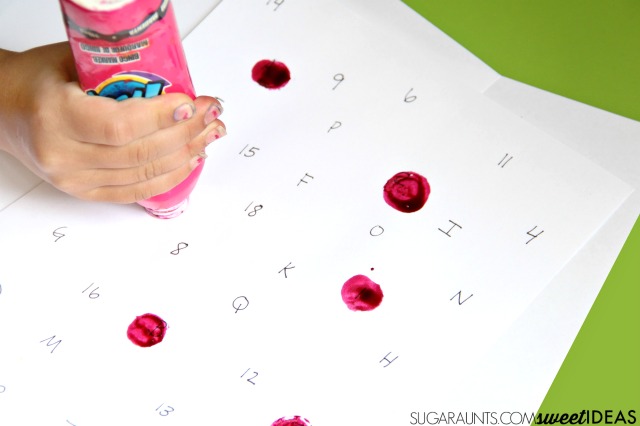
This Visual Scanning Dot Marker Activity is a super easy way to work on visual scanning needed for these tasks and many (many!) more.  Read more about visual scanning and find many more ways to build this essential skill here.

Fun and easy Visual Scanning Activity using paint dobbers

Easy Visual Scanning Activity


This post contains affiliate links.


For this activity, we made our own scanning worksheet.  Low-prep activities are great to have in your therapy back pocket when you are an Occupational Therapist, and as a busy mom, I know that easy activities are bonus when it comes to setting up the kids with a task.  This visual scanning game is perfect for therapists and parents of kids who need to work on visual scanning tasks and I’m happy to share a stress-free activity!


To make your own visual scanning worksheet, randomly write letters A-Z and numbers 1-26 on a piece of paper.  Scatter the letters and numbers around on the page.  Show your child how to use a paint dobber to dot the letter “A”, followed by the number “1”.  Next, ask the child to continue through the alphabet, dotting “B” and then “2” and then “C” and “3”.  The letter-number pattern requires the child to slow down and think about what is next in the sequence while visually scanning the whole page.  


Visual Scanning Activity using paint dobbers

Visual Scanning Activities

Extend and assist with visual scanning for kids with this activity by trying these modifications:

  • Prompt the child to look left to right and top to bottom, if they seem to omit sections of the page.
  • If the child is having trouble with this activity, try less letters and numbers.
  • Use a piece of paper to slide down the page as they scan.
  • Prompt the child to scan the whole left side of the paper before looking for letters to the right.
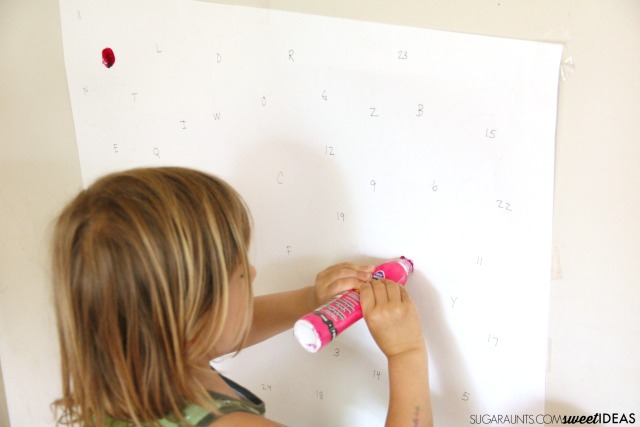
  • Make the visual scanning activity large-scale to add a gross motor component.  Use posterboard and tape the page to the wall.  Just be sure the child doesn’t push very hard on the paint dobber or drips of paint will fall down the posterboard. 
Visual Scanning Activity using paint dobbers
Looking for more ways to use a paint dobber in learning and play activities? Try these:
Visual Scanning Activity using paint dobbers
More Visual Scanning Activities you will love: 


Let me know if you try this visual scanning activity at home or in your therapy clinic.  What are your favorite activities for visual scanning? 

Flower Match-Up Activity

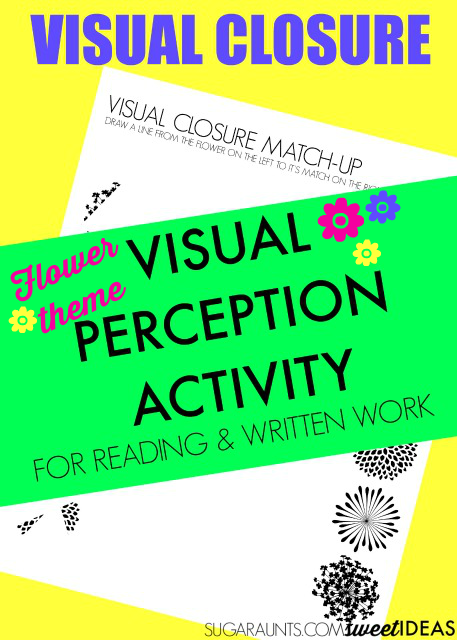
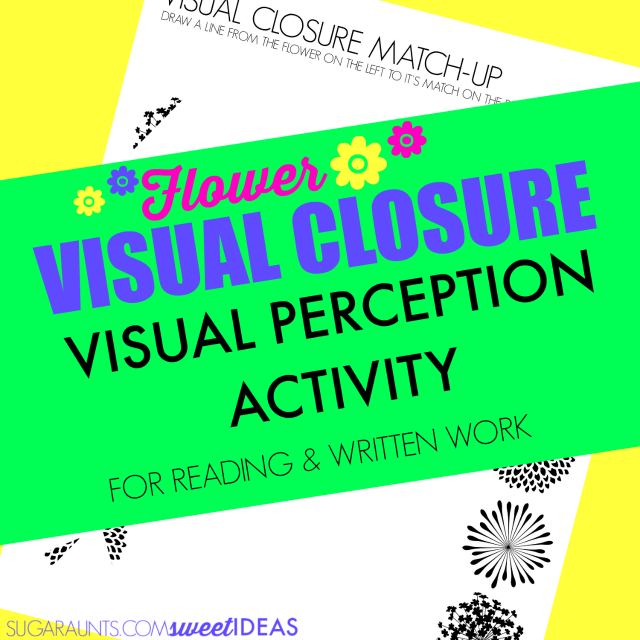
Flower visual closure worksheets

This matchup worksheet is a fun matching activity that therapists can use to support development of many areas. From visual perceptual skills to fine motor and eye-hand coordination…this flower matching worksheet is a fun way to support development.

This is a great addition to a flower craft or flower theme when using themes in occupational therapy planning!

Flower Matchup Worksheet

Matching related objects like the flowers in this worksheet require use of and develop an area of visual perception called visual closure.

Visual closure is so important when it comes to reading and writing (and really-any written work)!  When a child looks at words and sentences, they typically are able to fill in missing parts of information.  

They can predict what is coming when reading sentences, copy words if they don’t see the whole word, solve puzzles, and fill in worksheets.  When visual closure and predicting information or self-correcting missing information is difficult, kids don’t recognize errors in reading, writing, and math.
  

Visual closure flower themed visual perception activity

Today I’m sharing a flower theme visual closure worksheet.


This visual closure worksheets can help work on the skills needed to develop visual closure.  


To use this visual closure worksheet  

Match up the flower on the left with the  flower on the right.  


Extend this activity:

  • Use yarn to complete the match.  
  • You could also (Amazon affiliate link) laminate these to re-use.  
  • Use play dough to match the flowers.
 
Visual closure flower themed visual perception activity


Looking for more visual perception activities for kids? Try these: 


More Matchup Games and Activities

The cool thing about these matchup games is that they are printable worksheets, which reduce the prep. But, they can be gamified or used in many different ways.

  • Add dice to make it a race.
  • Use a counter to finish the whole sheet
  • Play with a friend and race to finish the matchup with a variety of fine motor tasks (connect the matching items with string or playdough, etc.)

More Matching Worksheets to Use:

Grab your Bug Themed Visual Closure FREE worksheets, too.

Use this Dinosaur Free Printable for developing more visual perception tasks.

Print off this outer space free printable for matchup skills.

Also read about this space visual discrimination worksheet use.

Benefits of Stickers in Occupational Therapy

Visual Tracking with Cardboard Tubes

Printable Matchup Game

You can grab this flower matching worksheet below as a free download. It’s actually part of our huge visual perception packet (you’ll get the whole thing when you enter your email address below). But the individual items are also available inside our Member’s Club. Members can log in and grab each matching worksheet from the Vision Toolbox right inside the club. No need to enter your email address for each item!

FREE VISUAL PERCEPTION PRINTABLE PACKET

    We respect your privacy. Unsubscribe at anytime.