Fine Motor Pincer Grasp Color Match

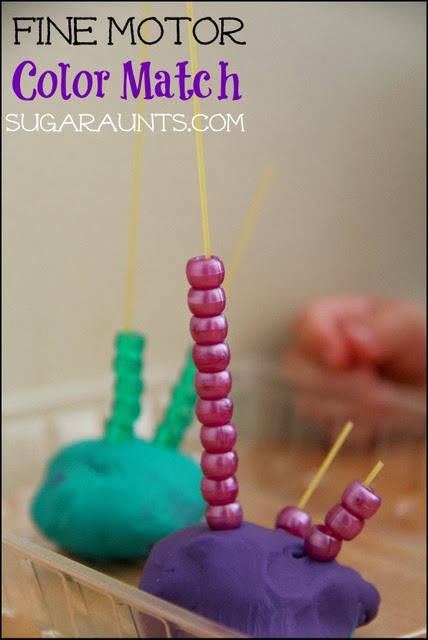
This fine motor pincer grasp activity uses colored beads to work on fine motor skills while kids color match beads to play dough. When threading beads onto dry pasta (or skewers, toothpicks, or other “sticks”) stuck into play dough, children improve various skills necessary for pencil grasp and functional grasp.  Use this simple fine motor activity to improve visual motor skills, pincer grasp, in-hand manipulation, separation of the sides of the hand, and more.
This was a fun play time activity for the little ones in our house.  We had fun with fine motor play while working on colors, matching, and fine motor skills.
use play dough and beads to help kids with color matching while addressing fine motor skills like pincer grasp, in-hand manipulation, separation of the sides of the hand and other visual motor skills.

Fine Motor Pincer Grasp Color Match Activity

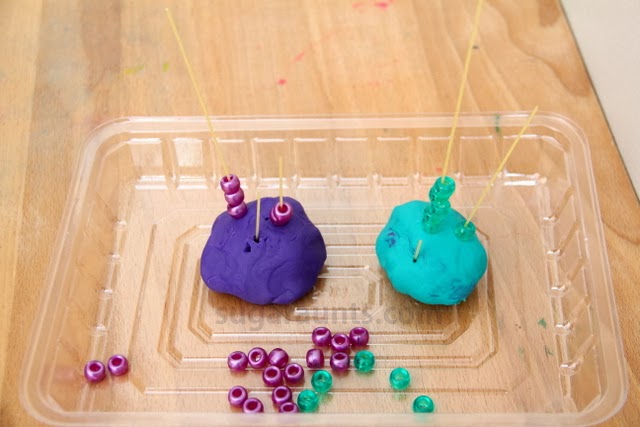
Play dough is such a great learning tool.  The kids always love when play dough is pulled out.  This one took two colors and some spaghetti noodles. 

  Instead of stacking cereal on our spaghetti noodles, we went with colored beads and two colors of play dough.

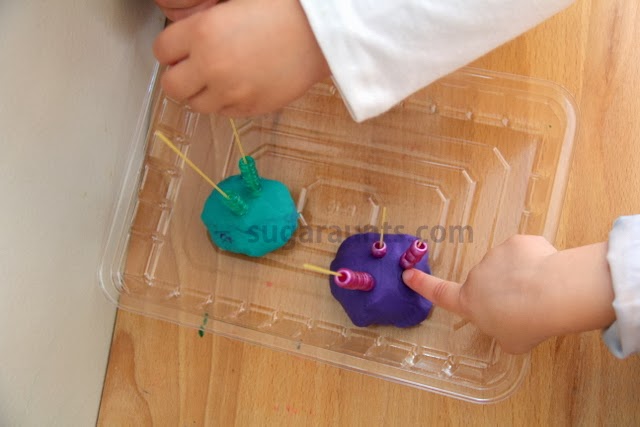
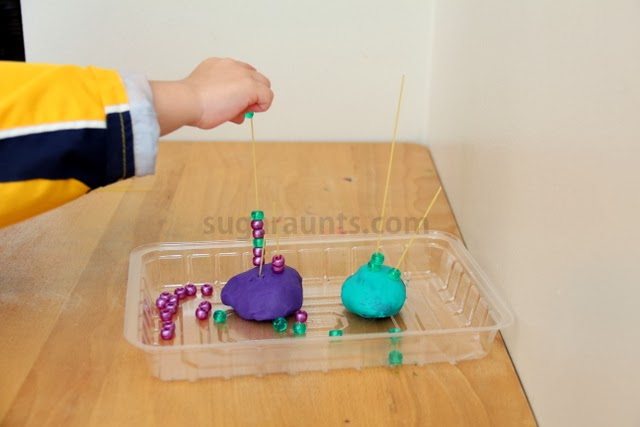
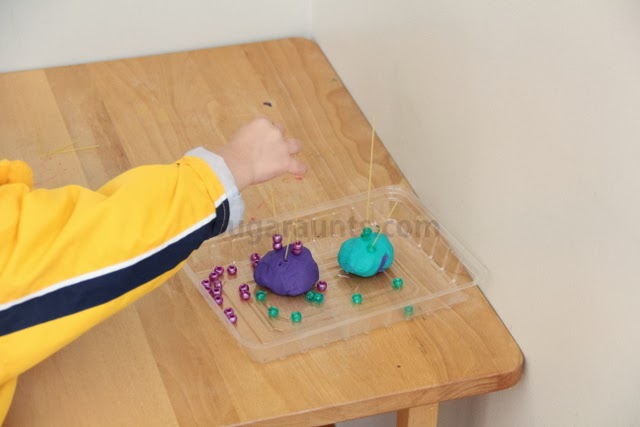
I put two colors of play dough on a plastic tray and stuck some dry spaghetti noodles into the dough.  Scatter some beads around and we are ready to play!  I put a few beads onto the same-colored dough to show an example of matching the colors.
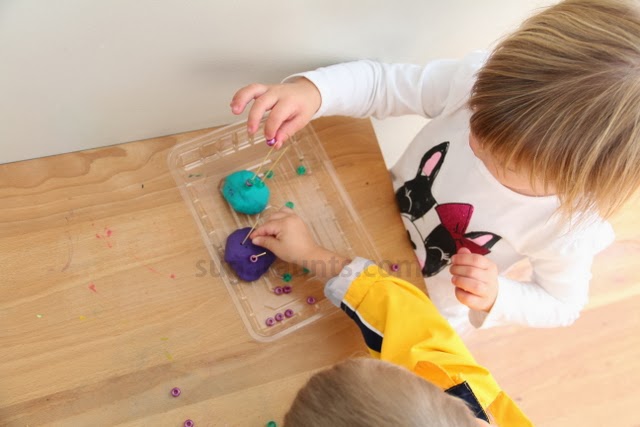
Baby Girl and Little Niece and Nephew (both newly 2 years old) LOVED this!  They really astonished me that they could match the colored beads right away to the correct dough.
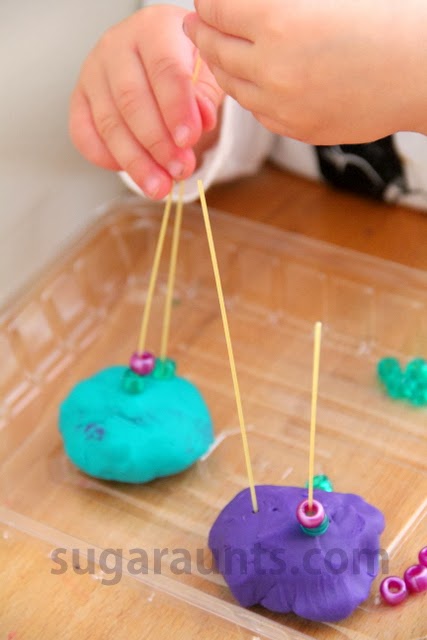
They really got into this activity.  There were hands everywhere for a while, reaching for beads and noodles!

Pincer Grasp

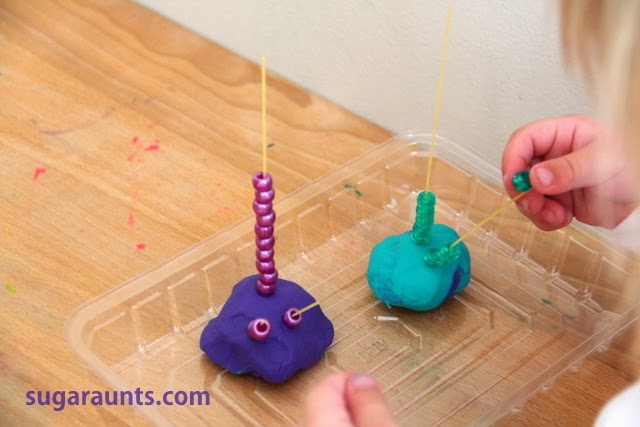
What made this a great activity for the littlest ones was the pincer grasp that they worked on when picking up the beads.  They had to manipulate the beads within their hand to get the bead onto the thin noodle. 
Pincer grasp is using the thumb and index finger to pick up small items.  This grasp is important for development when children are holding a string to thread in lacing tasks or for managing a button.  These two little ones didn’t care much about how they were holding the bead…They just knew they were having fun 🙂

Color Match with Play Dough

This was such a fun activity for our little ones.  Loads of learning happening here!  Colors, matching, sorting, even patterns for the older ones.  Baby Girl and Little Nephew really got excited about the colors.  They would say “purple!” and “green!” Not necessarily for the correct colors, but it was pretty fun…and cute 🙂

Have you done a version of the noodles in play dough activity?   We’ll be doing this again for sure with all the fun we had!

Looking for more Fine Motor activities?  You might love these:

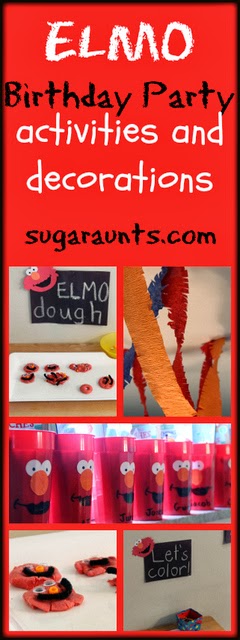
Elmo Birthday Decorations

Elmo birthday decorations

Looking for Elmo birthday decorations for a Sesame Street Party? This is the place for fun! We had an Elmo birthday party years ago, but I still love these ideas for engaging activities that support creative play and development!

Elmo birthday decorations

Elmo Birthday Decorations

We celebrated a special little lady’s 2nd birthday this month when Baby Girl turned 2.  Baby Girl LOVES Elmo and so her birthday had to have an Elmo theme!

 
I guess technically she’s not exactly a Baby Girl any more (especially because we have another little one who will be joining us in the spring!)  A new blog name will have to come about for Baby Girl at some point, but she’s still my baby girl for now 🙂
 
This party was low key and simple in the set-up because Mama just was not feeling it with the all day morning sickness and being Exhausted!  The Elmo fun still stood out and Baby Girl was so excited when her party day arrived!


Elmo Birthday Party Activities:

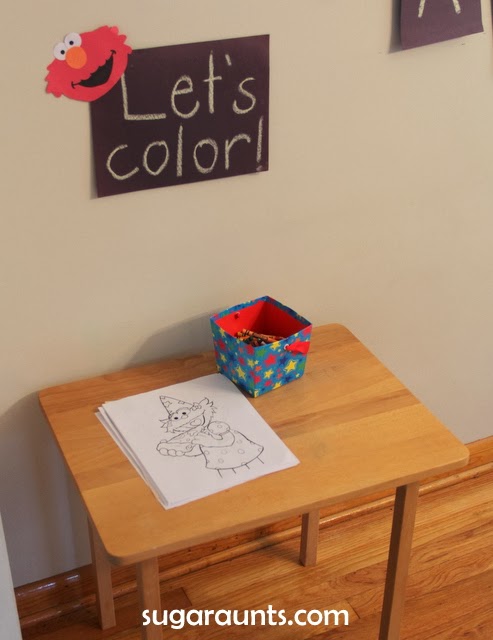
One fun Elmo party activity is to simply color! Elmo loves crayons so print off a few Elmo coloring pages (or Sesame Street coloring pages). Add crayons, and let the kiddos color!
 
We copied some sheets from a Sesame Street coloring book and had a little coloring station set up for the kids.  Simple, easy, fun!  I made the Elmo face and used that for the invitation and throughout the party décor.
 

Elmo Play Dough

Another area for creative play we had at our Sesame Street party was Elmo play dough. There are many benefits of play dough so adding this activity to a party is a great way to sneak in fine motor skills and other areas of development for preschoolers and toddlers.

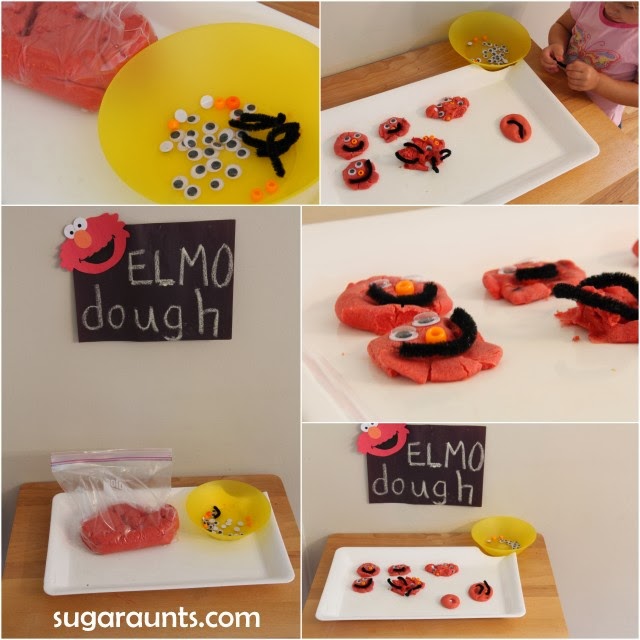
To make Elmo Play Dough, use our play dough recipes to make a nice soft dough. Then add in manipulative items: 

  • Black pipe cleaners
  • Googly eyes
  • Orange craft pom poms for noses

To make an Elmo in play dough, show the little ones how to make a flat pancake using the red play dough. They can use both hands to pat the dough into a round circle shape. 

Then, the young learners can add facial details using the pipe cleaner to make a smile, the googly eyes, and the craft pom pom to make a nose. 

This activity supports the development of fine motor skills as well as offers heavy work through the hands. Read more about fine motor play dough ideas.

Finally, when the party is over, use the dough in some play dough activities for more motor skill development.

 
Elmo Play Dough!
 
This Elmo dough was so fun.  Baby Girl played with this for days after the party.  I had a huge bag of red play dough and a bunch of little pieces for the kids to make Elmos. Or anything. 
 
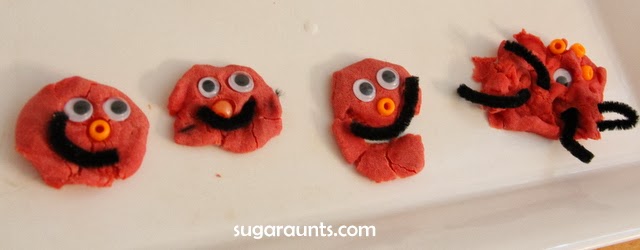
There were some pretty fun creations made!  Googly eyes, orange beads, and black pipe cleaners curved for smiles made little cute little Elmos! We let the faces dry and had some fun with the little guys days later after they sat out and air dried.
 
 
( (The last little guy on the right is how I felt by the end of the party 😉 )


Elmo Party Decorations:

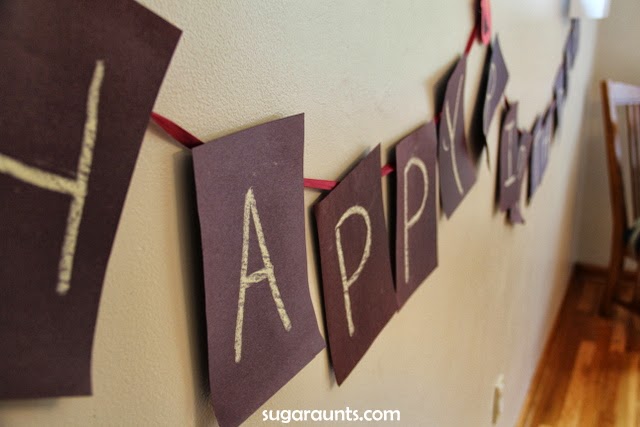
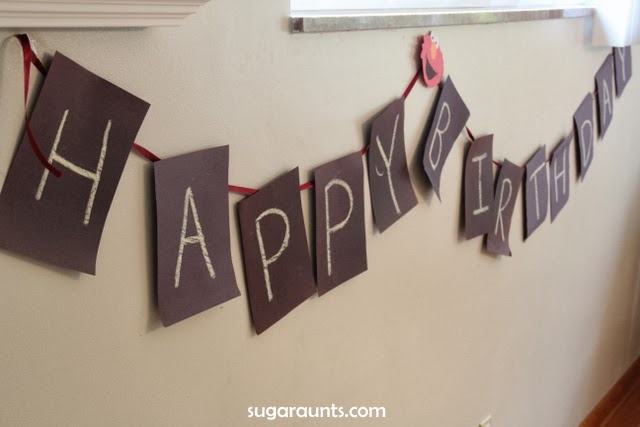
For this Sesame Street Party, we made an Elmo banner using black paper with letters written on in chalk to spell Happy Birthday. It’s an easy Elmo theme party addition that can be put together quickly.

 
The birthday banner was a last minute decoration put together SO easily.  Write Happy Birthday out with chalk on black construction paper and tape to ribbon.  Done.


Elmo Balloon Arch- We added a few orange, red, and blue streamers for more room decor. These would look great on an Elmo balloon arch, too. Grab one of the (Amazon affiliate link) balloon arch kits available on Amazon and just add red balloons.
 
Simply blow up red balloons, add them to a balloon arch support and tuck in red and orange streamers for more details to the Elmo balloon arch.
 
We put up a few streamers around for extra birthday fun.
 

Elmo Birthday Party Favors

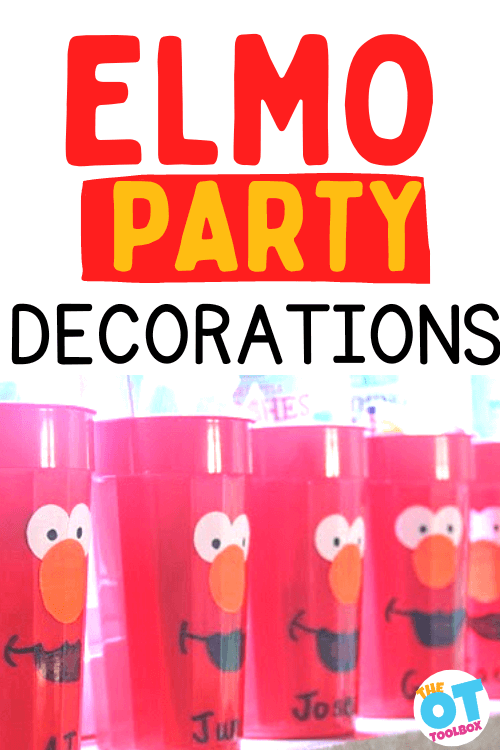
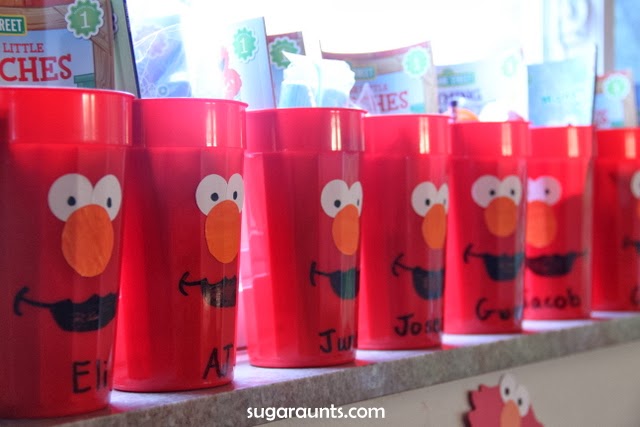
Use red cups and add Elmo faces to the front. These are easy to make. All you need are a few materials:

  • Red cups
  • White label paper (the type that has a sticky back)
  • Black permanent marker
  • Orange marker
  1. To make these Elmo cups, cut out circles from the white label paper. Stick them onto the cup for the eyes. 
  2. Next, add a black dot on each eye for Elmo’s pupil. 
  3. Then, color a large area on the label paper with the orange marker. Cut out circles to make Elmo’s orange nose. Stick the nose slightly on top of Elmo’s eyes.
  4. Use the black marker to draw a smile on the cup. Use an image online to copy the shape of Elmo’s smile.
 
Then, you can fill the cups with treats for a party favor. I found these cups at a grocery store for 10 cents for a two pack as an end of summer clearance sale.  Can’t beat that!  Throw some peanut butter crackers, fruit snacks and other little things in there and it’s done too 🙂 
 
The Elmo face was label paper that I cut into circles for eyes and noses and the smile I drew on with a permanent marker.
 
 
This little party was such a fun day for such a sweet and fun-loving little girl. 
Happy Birthday Baby Girl!

Color Shape Sorting, Patterns, Counting

This sorting and pattern activity is a great fine motor and visual motor task for young learners. I love that the fine motor aspect builds pre-writing skills as well as math skills. You’ll also want to grab our color and count worksheet for more fine motor work with math and patterning as well as sorting objects.

Moldable Color, Shape, Sorting, Counting, and Patterns!

Disclosure: This post contains affiliate ads. We receive a compensation when a sale is made by clicking through from our blog.  All opinions are our own.

Color Shape Sorting, Counting, Patterns with Wikki Stix

We love playing with Wikki Stix.  We’ve used them in so many fun ways.  One day, Little Guy and I made some shapes and did a little sorting.

Color Shape Sorting, Counting, Patterns with Wikki Stix
 
Little Guy was sure to tell me if the shape didn’t quite look right.  “Mom, that square doesn’t look square-y”.  We counted how many of each shape we had.
 
Color Shape Sorting, Counting, Patterns with Wikki Stix
 
Little Guy made up a subtraction game as he put them into the box.  He counted each time he took a shape away and said “…minus one iiiiiiiiissss….”  He had so much fun doing this little game!
Color Shape Sorting, Counting, Patterns with Wikki Stix

After we finished with the shapes, he said we should do a pattern.  We pulled all of the wikki stix into strait lines and he came up with the pattern.  This was a fun quiet time activity for both of us!


Creative Sight Word Practice with String

Big Sister has been practicing her sight words a lot!  we keep practicing and practicing and she is really confident in her ability.  Knowing my little girl, she needs to feel confident in order to try new things.  If she thinks something is hard (even something she’s never tried before) it is just rough from the start.  All this practice is really working for her.  We don’t go crazy, just one practice each day with an added little twist to make it fun.
We practiced four words one afternoon with an added item…string!

Creative Sight Word Practice with String

I cut lengths of three different colors (only because I didn’t have four colors).  We used the string a few different ways. 
I made two columns of the sight words, one with the upper case version and the other column with the lower case version.  Big Sister used the string to match up each pair.
This was a hands on version of a lot of worksheets that you see in Kindergarten workbooks.  This activity allows the child to visually scan left to right (important for a beginner reader!) and to encourage visual memory.  For a child that is having trouble identifying a new sight word, this is a great way to promote visual memory of the spelling of the words and the way the word looks.  
For a younger child, this would be fun for letter/number identification or shape identification and matching.  There are so many variations that could be done with this simple activity!

Next, I scattered the words around on the table and showed Big Sister how to use the string to circle the words.

Big Sister had follow directions to circle “am” with the yellow string, “the” with the blue string, and “my” with the red string.  We did several steps for multi-level direction following, but this could be done step-by-step.  You could even just hand the child any random color and ask them to circle a specific word.   This is a good activity for visual scanning as they search for the word on the table.
We used the string in one other way.  I taped the string to the backs of the words like the top picture of this post shows.  We used the string to pull the word across the table and read what the card said.  It was a fun way to “fish for sight words”!
How many ways can you think of to use string as a learning tool?

Autumn Baby Sensory Table

Try this toddler activity or baby activity is a tactile sensory play using a train table surface, perfect for encouraging gross motor skills, fine motor skills, eye-hand coordination, bilateral coordination, and more!

Babies and toddlers of all abilities love this Fall occupational therapy activity.

autumn sensory activities for babies

We had a couple of nieces and nephews over this weekend for a cousin sleep over.  While the big kids were off playing, the littlest and I had some fun with some autumn sensory play.

sensory table for toddlers

I pulled out a bunch of fabrics scraps and felt leaves and scattered them all over our train table.  This was the perfect height for this little guy who is just standing and beginning to cruise along furniture.

He loved scattering the leaves all over the table, picking them up one by one, and dropping them on the floor.  Then picking them up  and putting them on the table again!  The bright colors really grabbed his attention. 

baby activities autumn

Why is this such a great activity for babies and young toddlers?  The varied textures of different fabrics are neat for them to explore with their hands (just watch those mouths so felt leaves don’t end up in there!)  

They are able to see what happens when the drop the leaves and can do it over and over again from the low surface.  Babies love the drop and pick up game!  This was a great fine motor activity and eye hand coordination task for this little guy.  He could work on grabbing at the thin fabric of the leaves and picking up the leaf after it was on the ground.  Plus, it was something new and fun!

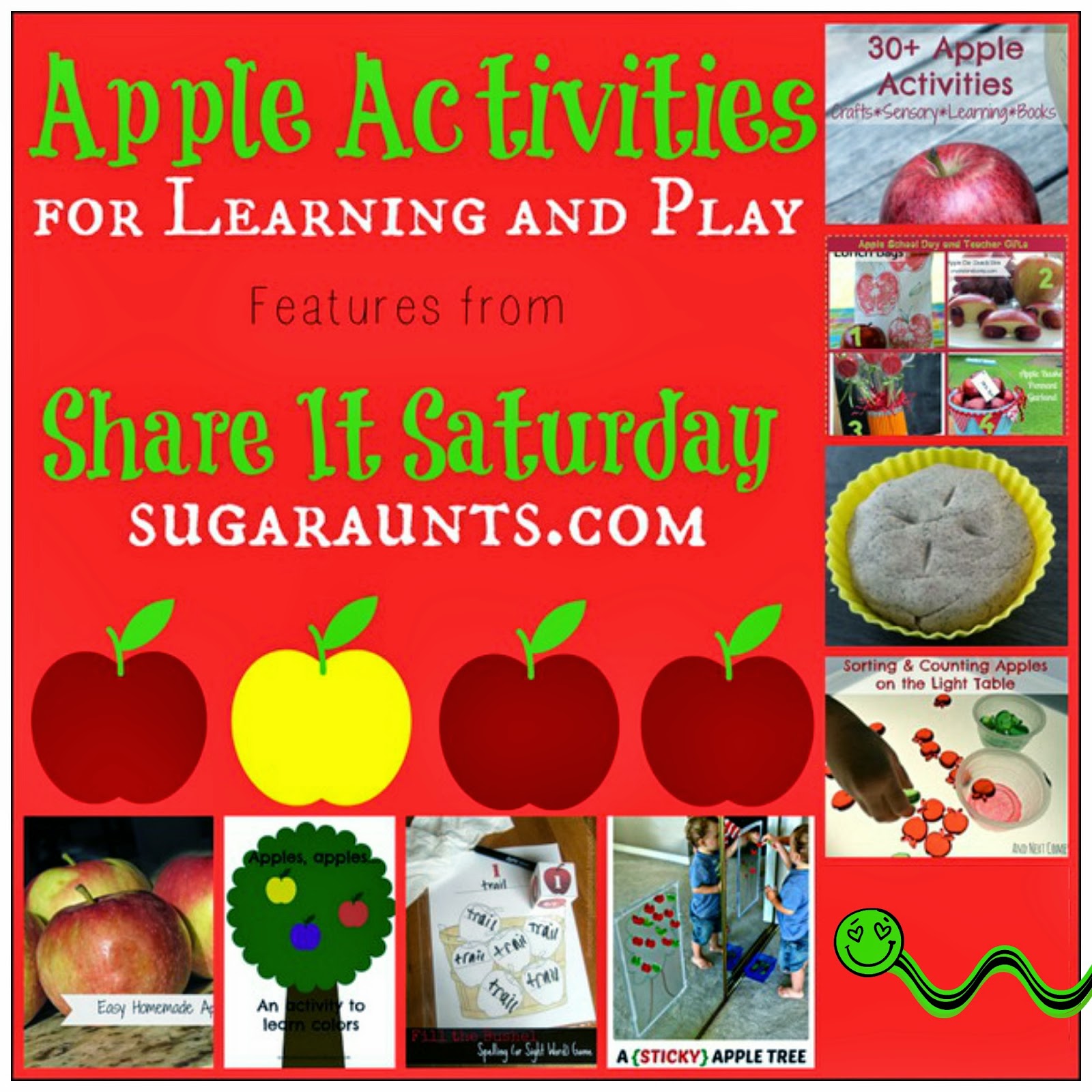
Play and Learn with Apple Activities

Happy Share It Saturday! 
It’s that time of year when we just want to go to the apple orchard…
…or pick up a 3 pound bag of apples at the grocery store 🙂
Apple crisp, apple painting, apple pie, apple cider…We love fall and all things apples!
Our round-up today on Share It Saturday features activities, play, crafts, learning, and cooking all with an apple theme.  Perfect for this time of year!
We’re ready to try some of the activities shared this week and enjoy the season of apples!

Apple Crafts and Activities

30+ Apple Activities by Reading Confetti
Apple Scented Dough by Munchkin and Bean
Apple School Day and Teacher Gifts by 3 Boys and a Dog
Apple Magnet Play

Learning with Apples

Fill The Bushel Spelling/Sight Word Game by Relentlessly Fun, Deceptively Educational
Apples, Apples Color Chant and Printable by School Time Snippets

Apple Cooking With Kids

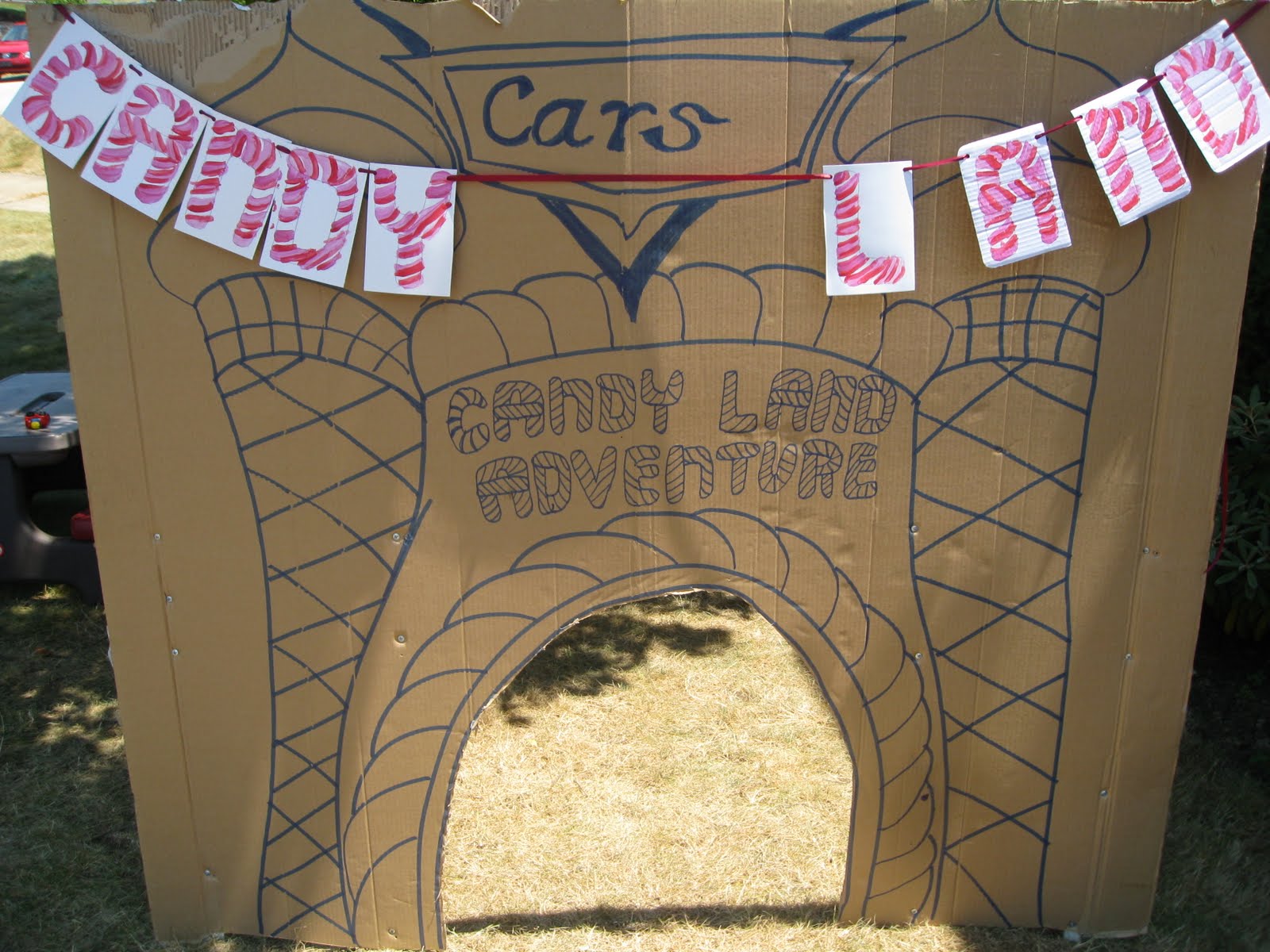
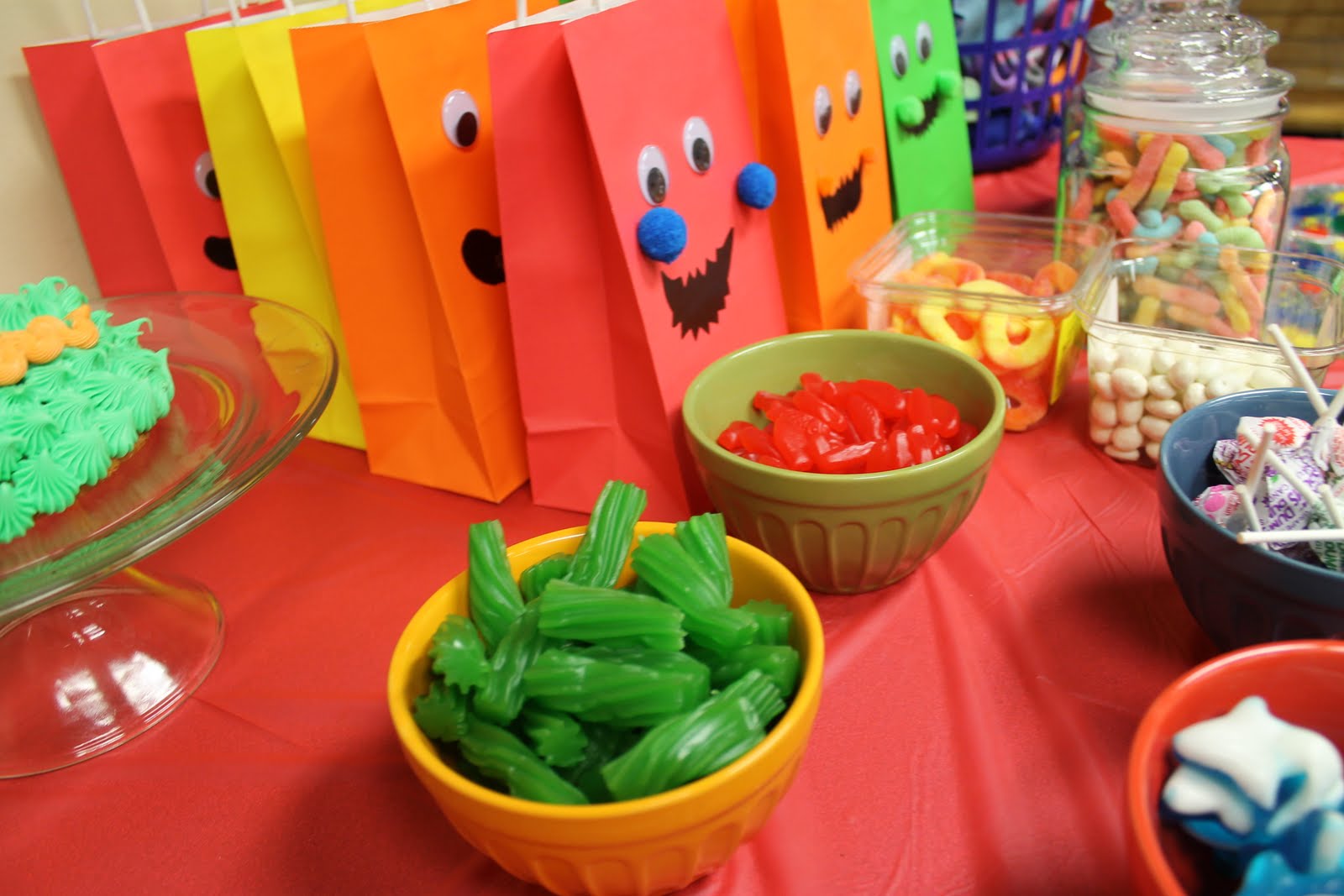
Birthday Party Themes for Kids

 We’re continuing on with our round-up of our favorite posts from the last year of blogging.  We’ve did a few round-ups of our favorite Messy Play posts, Fine Motor Play posts, and Pretend Play posts. (Each with a great giveaway!!) Today we’re talking Parties!

Birthday Party Themes for Kids

There’s no doubt we love planning parties.  These are some of our favorites:

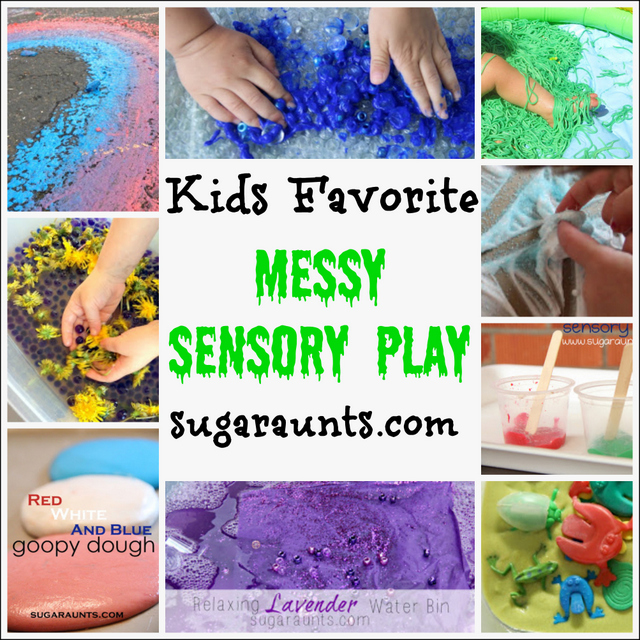
Why Kids Need Messy Play Ideas

We’ve done lots of messy play ideas and this is a round-up of our favorites.  Sensory play is great for kids to explore textures, their senses, and have fun.  Not only that, but through sensory touch, messy play activities support development in several areas: tactile sensory exploration, tactile challenges, problem solving, communication and language development, fine motor skills, self-care skills (washing hands and putting on a cover-up, etc.) We love messy play! 

Messy Play Ideas

The messy activities listed blow include both sensory recipes, and general sensory activities designed to offer textural input from a variety of textures and consistencies. Young children thrive in this environment, because messy play is fun! 

Not only that, but messy play is a change from the usual routine. When you bring out a sensory bin or a tray of shaving cream and let the children go wild, you’ve just created a stress-free area for learning through play.

Messy Play doesn’t need to be complicated. Some quick ways to incorporate messy play ideas into your day to day (or preschool setting, occupational therapy interventions, classroom, or home) include:

  • Play Dough- Try frozen play dough for a temperature twist on this sensory idea. We have many play dough recipes here on the website that use a variety of ingredients.
  • Cloud Dough
  • Sensory bins- Pour dry rice, beans, chickpeas, flour, sand, rainbow rice, or other dry material into a bin. Add manipulatives or small toys and a few scoops and cups. This is a great sensory motor task to work on scooping and pouring as a hand-eye coordination task. Use some of these sensory bin base materials. This is a great opportunity for creative play!
  • Make oobleck for a sensory fun experience. 
  • Shaving cream on a table and adding in toys like dinosaurs, cars, trucks, etc.
messy play ideas

Why Messy Play?

Exploring and playing using the senses with out of the box play materials is a way to engage so many skill areas in young children. 

I am a big advocate for sensory play with kids.  There is so much learning that takes place during sensory experiences.  Exploring textures, manipulating items, scents…the list can go on and on!  When a child explores the world through their senses, they develop fine motor skills, gross motor skills, language abilities, self-confidence, and so much more. 

Take a look at all of the ways messy fun supports child development:

  • Fine motor skills
  • Gross motor skills
  • Strength 
  • Visual motor skills
  • Balance and coordination
  • Vestibular input
  • Proprioceptive input
  • Interoception awareness
  • Eye-hand coordination
  • Curiosity and creativity
  • Problem solving
  • Communication and language development

While play definitely is based on the body’s senses, there are also the vestibular and proprioception senses that provide input to a child.  Any experience involves the body’s ability to take in sensory input, process it, and provide appropriate responses.  During all of this learning is happening!  

Messy activities support tactile discrimination, as a way to learn through touch exploration. 

Sensory discrimination is defined as the ability to discriminate (or identify) sensory input, sensory differences, quantities, and qualities of sensory stimuli. When we discriminate sensory input, we use our sensory systems to taste, touch, hear, feel, smell, and perceive sensory information

For the individual with tactile defensiveness, this sensory input is perceived with hypersensitivity.

Discrimination  of the tactile sensory system allows for safety and functional participation in everyday tasks. Sensory discrimination can mean smelling smoke from the stove vs. smoke from a backyard firepit, hearing an alarm sounding, tasting spoiled food, knowing when to go to the bathroom, knowing when to stop spinning on the swing, and so many other aspects of daily life! 

Messy play and the Tactile Sensory System

There are three sensory systems that have a primary influence in sensory-related responses. When these sensory systems are incorporated into messy play, we see a real vehicle for therapeutic interventions. 

 The sensory systems described below include all of the systems of the body despite the primary influences of the proprioceptive, vestibular, and tactile systems.  

In general, the child who experiences a need for a sensory diet has differences in sensory responsiveness from one or more of the systems that results in poor modulation, perception, or discrimination of sensory information.

The Tactile Sensory System is one of the earliest developed senses of the body.  The skin is the largest and the most prevalent organ. The skin performs unique duties for the body.  Most importantly, the skin protects and alerts us to danger and discriminates sensation with regard to location and identification. These two levels of sensation work together yet are distinctively important.  

Discrimination of touch allows us to sense where a sensation is felt on the body.  With discrimination, we are able to discern a fly that lands on our arm.  The second level of the tactile system alerts us to danger.  It allows us to jump in response to the “fight or flight” response when we perceive a spider crawling on our arm. The information received from the tactile system also includes light touch, pain, temperature, and pressure.

When either of these levels of sensation are disrupted, tactile dysfunction can result.  This presents in many ways, including hypersensitivity to tags in clothing, a dislike of messy play, difficulty with fine motor tasks, a fear of being touched by someone without seeing that touch, a high tolerance of pain, or a need to touch everything and everyone. 

When the tactile system is immature or impaired, the brain can become overly stimulated with resulting poor organization and regulation of input.  Children can then experience difficulty with behavior and concentration as a result. 

Treatment for the child with an impaired tactile sensory system focuses on providing a variety of deep- and light-touch experiences (Koomar & Bundy, 1991).  Additionally, resistance activities, much like those indicated for decreased discrimination of vestibular and proprioceptive information, may be used in the therapeutic sensory diet.

When it comes to the tactile sensation of foods, hyper-responsiveness to certain textures of foods or drinks can interfere with an individual’s ability to tolerate certain foods or liquids. Trial desensitization strategies to food. 

A qualified occupational therapist should intervene with these strategies. Promote a positive attitude during mealtimes. Allow the individual to eat preferred foods and drinks at mealtimes while introducing new foods at different times during the day. 

Messy Play with Soap

But messy play doesn’t need to be “messy” or the type of sensory experience that involves a huge mess to clean up! Just add soap!

  • Get the kids involved with washing dishes in a sink full of soapy water. Add sponges, a dish cloth, and scrubbers for a functional mess that actually cleans!
  • Pull out some kitchen supplies like a potato peeler. Kids can scrape soap bars and use soap shavings to make designs on bookmarks.
  • Make soap foam for a hand strengthening activity.

Messy play is a fun and creative way for kids to learn and explore new things. Here are some great messy play ideas for kids:

  1. Finger painting: Set up a large piece of paper or canvas, and let your child use their fingers to paint with different colors. You can use washable paint, which makes clean-up easier.
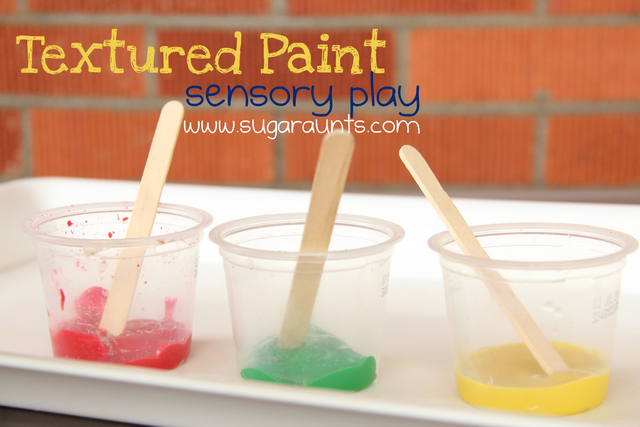
  2. Messy painting- There are many creative painting ideas here on the site that incorporate the senses.
  3. Play dough: Make your own play dough or buy it from a store. Your child can use it to make shapes, sculptures, or even their own little worlds.
  4. Water play: Set up a water table or fill a large container with water and provide cups, spoons, and other items for pouring and splashing.
  5. Sensory bins: Fill a bin or container with various materials such as rice, beans, sand, or water beads. Let your child explore and play with different textures and objects.
  6. Mud kitchen: Set up an outdoor space with old pots, pans, and utensils, and let your child create their own mud pies and meals.
  7. Shaving cream art: Spread shaving cream on a table or tray, and let your child draw designs or patterns with their fingers.
  8. Ice painting: Freeze colored water in ice cube trays, and let your child use the ice cubes to create colorful designs on paper.
  9. Slime: Make your own slime or buy it from a store, and let your child stretch, squeeze, and mold it into different shapes.
  10. Bubble play: Blow bubbles and let your child pop them or use a bubble machine for more bubbles.
  11. Food play: Let your child explore different foods and textures by creating a “food play” station with items like cooked spaghetti, Jello, and pudding.
  12. Baby-Safe Finger Paint- During the middle of the first year, baby begins his or her journey with food. About 9 months is a great time to encourage sensory play using baby safe paint. All it takes is a couple of pureed foods such as sweet potatoes, carrots, or prunes. Allow baby to touch, manipulate, and smear that paint on a high chair surface or even paper. Moving the texture in their hands provides a tactile sensory challenge, and has its fine motor benefits, too. Baby will be able to isolate their pointer finger to point and smear, will be able to separate the thumb side of the hand from the stability side of the hand (SO important in higher level fine motor tasks!), and will develop the arches of the hand which is helpful in more refined fine motor activities. A little water play at the end of this activity is great for cleaning up AND has sensory benefits of its own!
  13. Water Play- There are so many ways to engage, explore, and build skills using water play. A small dish and some crushed ice is a great way to encourage grasp wth sensory benefits. A gallon sized baggie filled with colored water and some water beads can be sealed up with duct tape and used as a floor tummy time activity. A scoop and some large balls can be used to introduce scooping and pouring. The sky is the limit when it comes to baby safe water play. Just be sure to keep a close eye on your little one and trust your gut when it comes to setting up play activities. 

Remember to always supervise your child during messy play, and use materials that are safe for their age group. Additionally, it’s a good idea to have a designated messy play area that can be easily cleaned up afterward.

Messy Play Ingredients

Messy play ingredients can include materials you have around the home in the pantry. One thing to be aware of is the use of food in messy play fun. Always consider using expired materials first, as these items are headed for the trash anyway. Consider how to use recycled materials or non-food ingredients when coming up with messy activities. Sometimes a garden hose and a pile of dirt in the garden is enough for a sensory play experience! 

Add these materials to your toolbox to have on hand for messy play at a moment’s notice:

  • Shaving cream
  • Flour
  • Soap
  • Cornflour
  • Rice
  • Dirt
  • Cornstarch
  • Glitter
  • Vinegar
  • Baking Soda
  • Glue
  • Balloons
  • Scoops and cups
  • Shaving foam
  • Warm water
  • Dry pasta
  • Kinetic sand

Baby-Safe Finger Paint- During the middle of the first year, baby begins his or her journey with food. About 9 months is a great time to encourage sensory play using baby safe paint. All it takes is a couple of pureed foods such as sweet potatoes, carrots, or prunes. Allow baby to touch, manipulate, and smear that paint on a high chair surface or even paper. Moving the texture in their hands provides a tactile sensory challenge, and has its fine motor benefits, too. Baby will be able to isolate their pointer finger to point and smear, will be able to separate the thumb side of the hand from the stability side of the hand (SO important in higher level fine motor tasks!), and will develop the arches of the hand which is helpful in more refined fine motor activities. A little water play at the end of this activity is great for cleaning up AND has sensory benefits of its own!

Water Play- Speaking of water play, there are so many ways to engage, explore, and build skills using water play. A small dish and some crushed ice is a great way to encourage grasp wth sensory benefits. A gallon sized baggie filled with colored water and some water beads can be sealed up with duct tape and used as a floor tummy time activity. A scoop and some large balls can be used to introduce scooping and pouring. The sky is the limit when it comes to baby safe water play. Just be sure to keep a close eye on your little one and trust your gut when it comes to setting up play activities. 


We’ve done lots of messy play activities and this is a round-up of our favorites.  Sensory play is great for kids to explore textures, their senses, and have fun.  We love messy play!


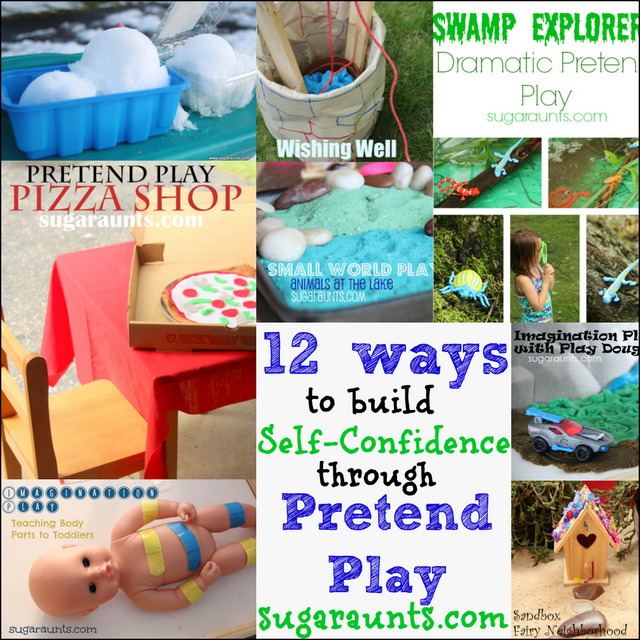
Building Self-Confidence Through Pretend Play

Happy ONE YEAR blog anniversary to Sugar Aunts! Thanks for joining us in our first year of blogging.  What a crazy, fun year this has been full of blogging ups and downs!  We’ve learned so much in this year about blogging and have big plans for our next year!  We wanted to put together a list of our favorite posts for you all about Imagination and Pretend Play…geared toward boosting kids’ Self-Confidence. 


And on to our Pretend Play Round-Up!
We’ve been doing a lot of pretend play this year:

Building Self-Confidence in Children Through Pretend Play

Teaching Body Parts to Toddlers We had so much fun with our little Boo-Boo Baby 🙂 The kids played doctor while working on their fine motor skills to apply the band-aides.  The littler kids were able to practice their language and awareness of body parts.  Taking care of this little sick one can remind the bigger kids of how it feels to go to the doctor and allow them to express their feelings and concerns.

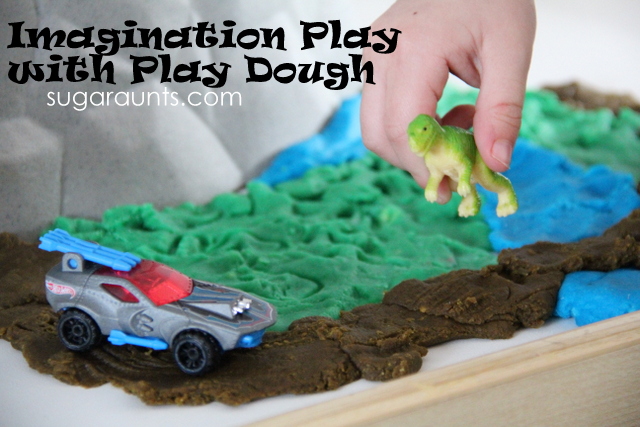
Imagination Play With Play Dough  We used play dough in this small world to work on fine motor strength and dexterity.  Developing hand strength in a fun way allows a child to pick up and use utensils like pencils, scissors, and even clothing fasteners with more confidence.  This fun pretend play activity allowed us to practice language development and expose Little Guy to new words like magma, lava, molten hot, and more.  The possibilities for new vocabulary are endless with pretend play!

We have pretended a lot with play dough: Play Dough Small World Farm, Play Dough Cupcakes, Beach Play Dough, & Scented Snow Man Play Dough

Outdoor Invitation to Play Snow Restaurant  Big Sister had fun pretending to be a chef in our outdoor snow restaurant. An unstructured invitation allows kids to develop confidence in their ability to create, pretend, and express themselves.  They can explore environments and situations with the ability to develop their imagination. 
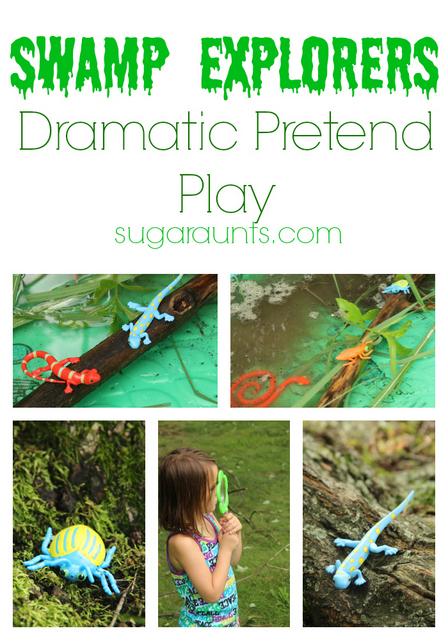
Swamp Explorers Dramatic Pretend Play  We pretended to be Swamp Explorers and searched for lizards, snakes, and insects in a swamp sensory bin and in our backyard.  Finding and seeking objects and the success and difficulty with harder-to-find items builds confidence and kids’ ability to “keep trying”!  Plus, we worked on handwriting with our swamp pretend play activity.  Adding practice to a fun play activity can make handwriting practice fun!

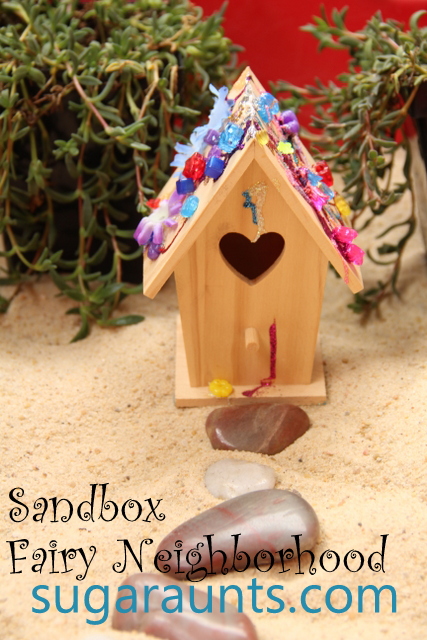
Small World Fairy Neighborhood Introducing Pretend Play with your children their own backyard allows them to see things in a new light.  You can use an area typically used for something else (“The sandbox is where I build sandcastles”) and gives it a new twist! Now the child can use their imagination in a new light, allowing them to develop their ability to think creatively with the things around them.

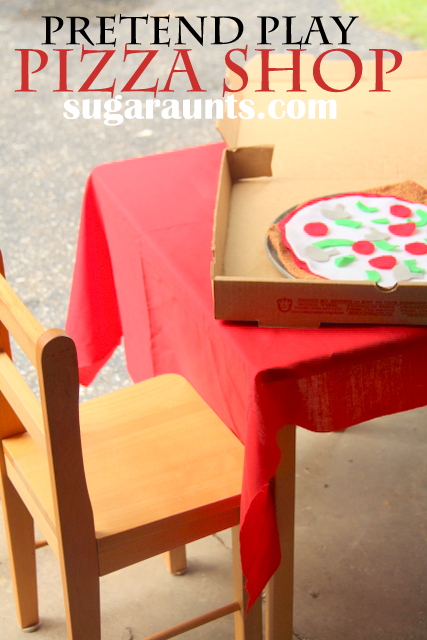
Pizza Shop Pretend Play  This was such a fun pretend play week/month for us 🙂  Creating out Pizza Shop was a group effort between re-doing our outdoor play structure with the kids, and pretending to order pizzas, and playing Pizza Shop owners!  Pretending to make (fuzzy) pizzas from felt, playing with money and a play cash register involved multiple levels of pretend.  All of the kids could get involved in pretend in different aspects.

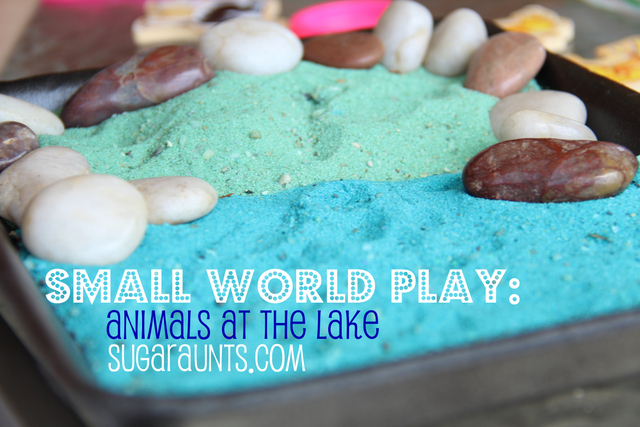
Small World Pretend: Animals at the Lake  We used and explored lots of different textures for this small world.  Baby Girl got to know some different animals while we pretended the animals were at the lake.  Big Sister and Little Guy helped Mom make colored sand to use in our small world.  Pretend Play can involve multiple steps including creating and direction following.  Kids can develop a sense that they are capable of creating and fun ideas. 

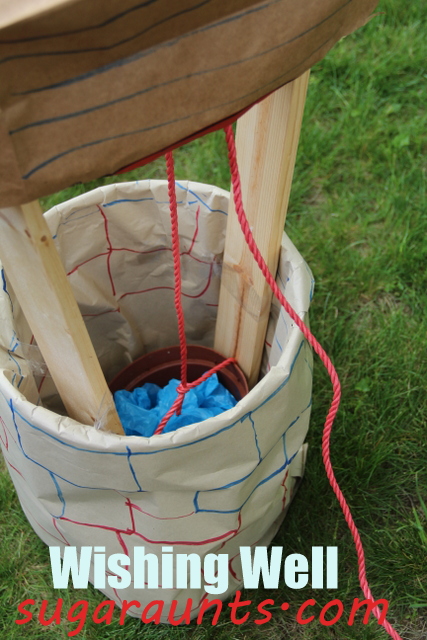
Create A Wishing Well  Kids can come up with pretty amazing ideas.  So when Big Sister said she wanted to make a wishing well…we did! She helped come up with the ideas and we tried a few ways to make it happen.  A few ideas worked and a few didn’t.  We kept trying!  Big Sister got to express her thoughts and come up with new ideas.