With the season of holidays beginning, this is the time of year to pull out bins from the attic, decorate the house, and renew holiday traditions. Families the world over celebrate Christmas in many different ways, with traditions unique to their families. It’s a joyful time of year and we wanted to celebrate the joy with ideas for traditions. Whether you have a special activity that you do with your family year after year or are seeking new traditions to begin, this is the place to find joy and celebrate the season!
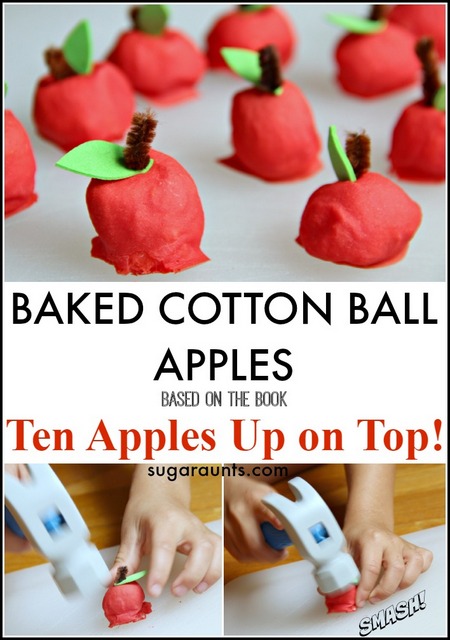
This Ten Apples Up on Top activity was a huge hit with my kids, because they love the book, so making baked cotton ball apples was a fun way to play through the book. And as a pediatric OT, I loved the fine motor and heavy work input that was an added benefit. You can add this to apple activities that you are doing in occupational therapy sessions or at home. These baked cotton ball apples would be a great addition to our apple pie sensory bin, and they would be fun for hands-on play with our Fine Motor Therapy Kit for visual motor, handwriting, and fine motor play.
Here’s what we did…
Ten Apples Up on Top Activity
Did you ever do an activity with the kids that was such a hit, that the kids ask to re-do the activity over and over and over again? This one is it for us. There is rarely a day that goes by that I don’t hear about our smashing apples activity. Especially if we happen to see a hammer. Oh, this baked cotton ball activity was a fun one for us!
We’ve never made baked cotton balls before, but have had the idea bubbling for a while. When we heard that the Preschool Book Club‘s book for this week would be Ten Apples Up on Top, we knew it would have to be an apple themed baked cotton ball activity. We even made these waaaay before all of the other book activities in the second series of books.
Like back in June. If you’ve never made baked cotton balls before, this is a MUST-DO activity!
This post contains affiliate links.
How to make Baked Cotton Balls
Are you familiar with baked cotton balls? This sensory tool is a DIY sensory material that kids love, and for so many great reasons. Actually, mixing up and making the baked cotton balls is as much of a therapy task as playing with them!
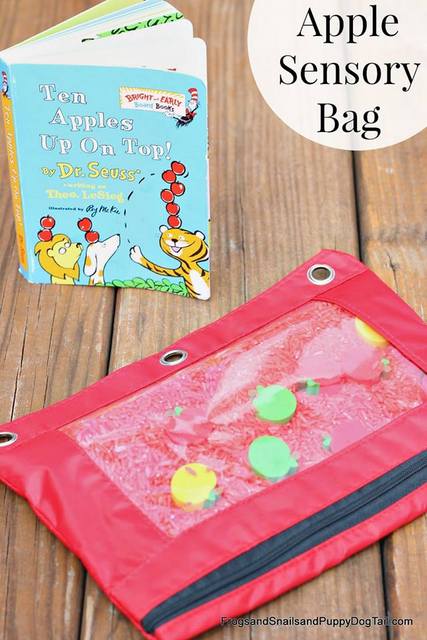
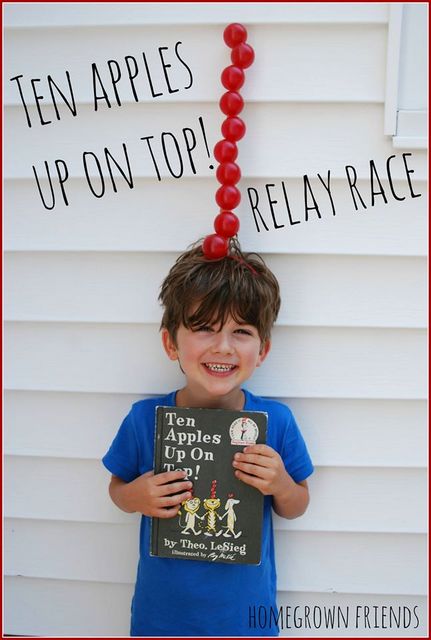
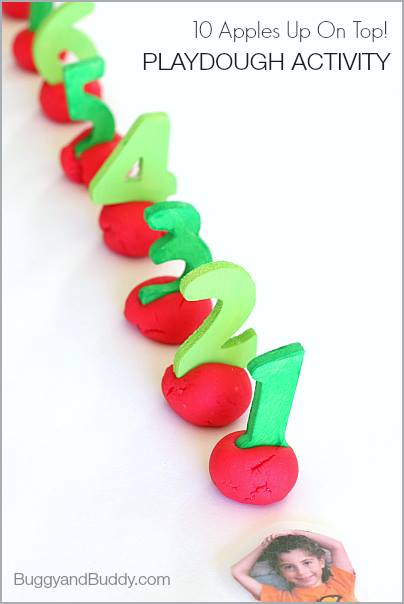
First read Ten Apples Up On Top! by Dr. Seuss. This is such a fun book for counting and playing along with the story.
How to make baked cotton balls:
Begin by mixing together one cup of flour and one cup of water. This is a great activity for the kids. Scooping, stirring, direction following, sneak tasting (my kids aren’t the only ones who go crazy for flour, right!??).
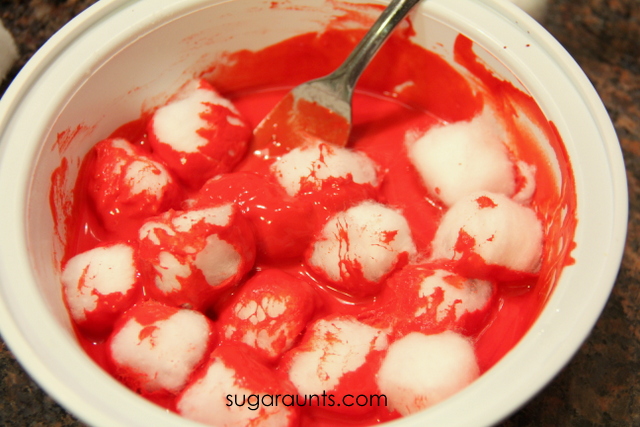
Pour in a bunch of red food coloring. We typically go with Wilton gel colors for all of our dying activities, but I knew I wanted a really deep red color. It seems like red coloring requires SO much dye to get a good shade of red. I ended up using a bottle from the dollar store and used about half of the bottle of food dye. This was maybe 20 drops? Add enough to get a nice red color.
Mix in the food coloring.
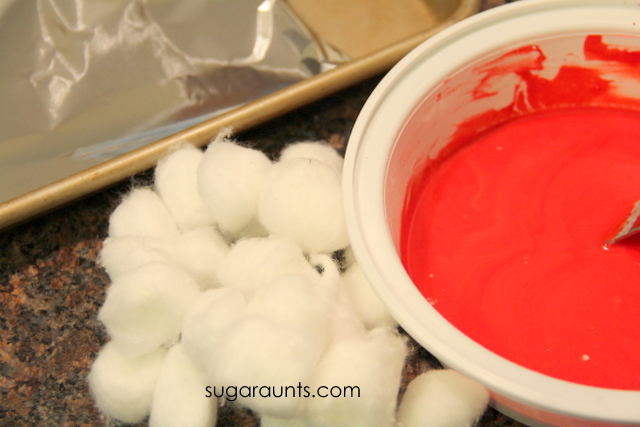
4. Now is the cotton ball part. Grab up your stash of cotton balls.
5. Mix them around to coat all of the cotton balls.
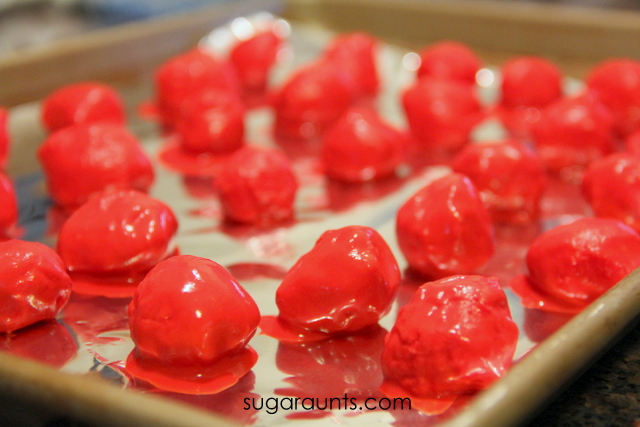
6. Place a layer of aluminum foil on a baking tray and place the cotton balls on the tray for baking. I used two forks to pick up the coated cotton balls and was able to let excess flour coating drip off before placing the cotton balls onto the foil.
You’ll want to let as much excess drip off before putting them on the sheet to avoid the sharp edges and flat bottom once the cotton balls bake.
7. Pop the baking sheet into the oven for around 60 minutes at 300 degrees F.
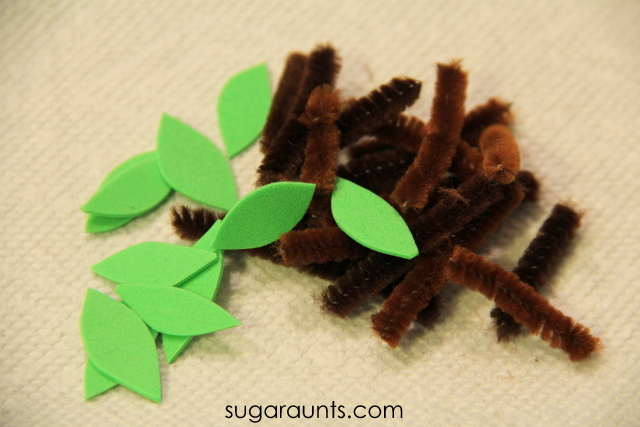
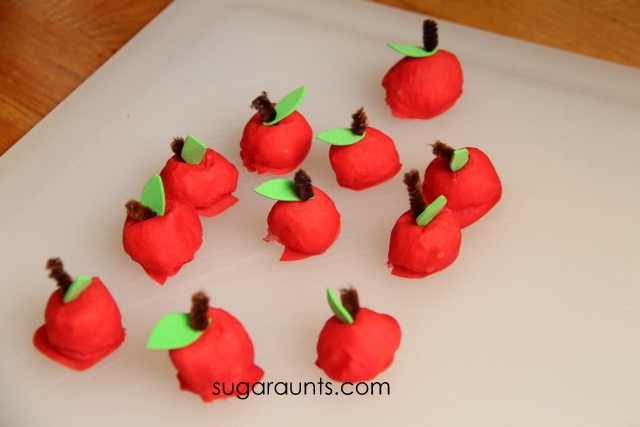
While the cotton balls are baking, snip up the leaves and stems for the apples. We used brown pipe cleaners and green crafting foam.
When the apples are done, pull them out of the oven and let them cool for a bit. They will be nice and hard. You’ll need to snip the bottom edges of the apples to remove any sharp edges that dripped to the base before baking.
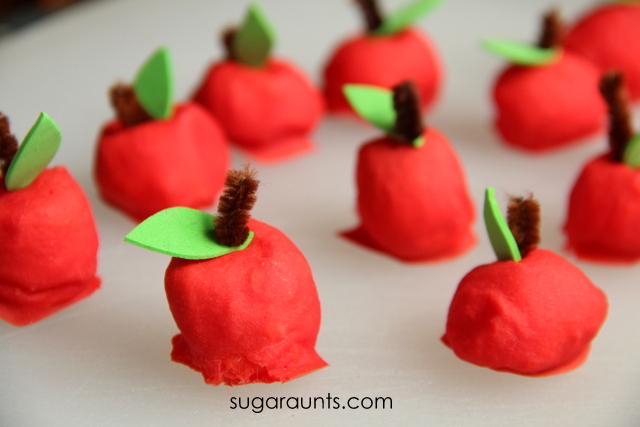
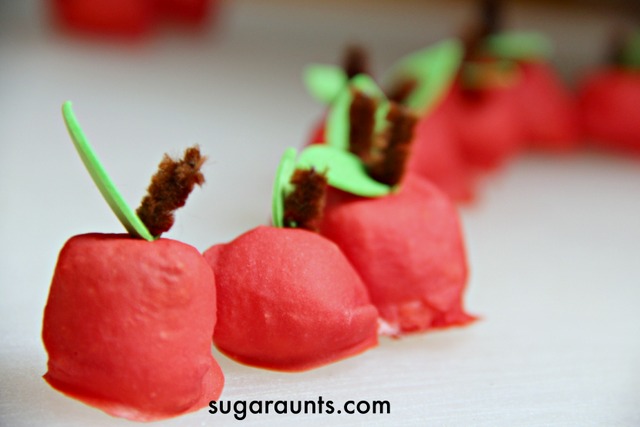
To attach the leaves and stems, lay the leaves on the apple top and poke the pipe cleaner through the foam sheet and into the cotton ball. The kids were able to help with this part, but assisting with stem attachment did not allow this mama to take any pictures 😉
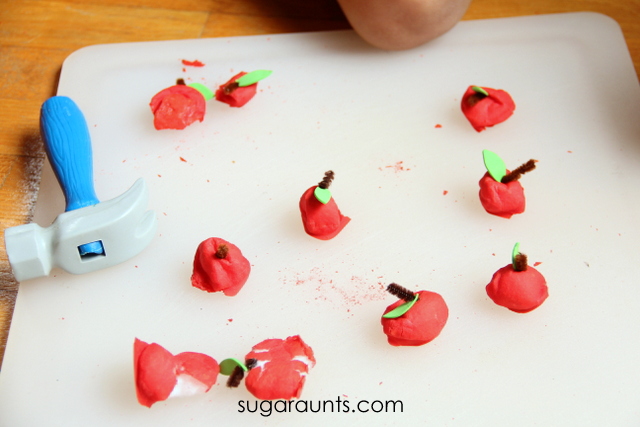
Our crop of apples were ready for playing with!
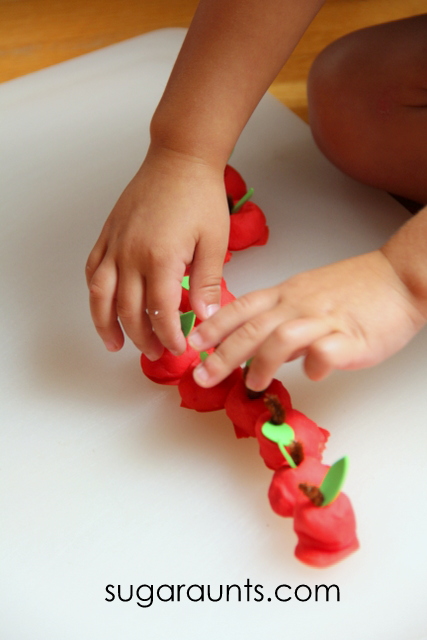
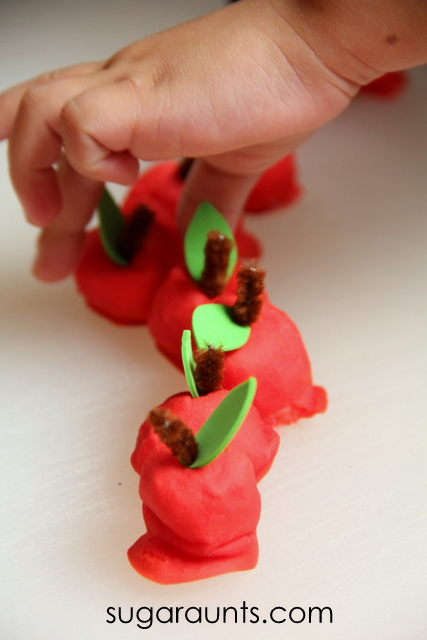
We followed along with the book as we read to stack up apples one by one. What a great way to learn and play with math facts, counting, number order, and simple adding. Little Guy LOVED this activity.
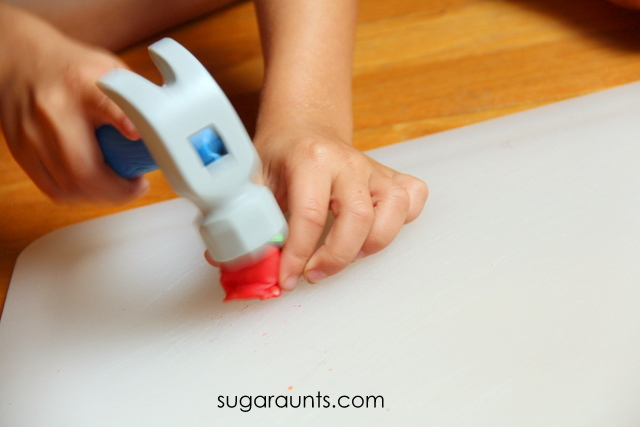
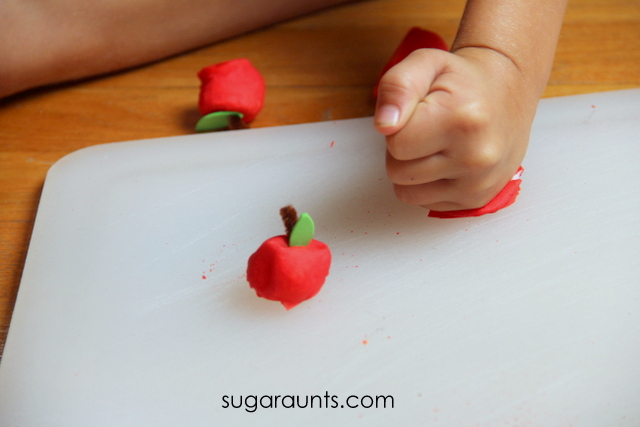
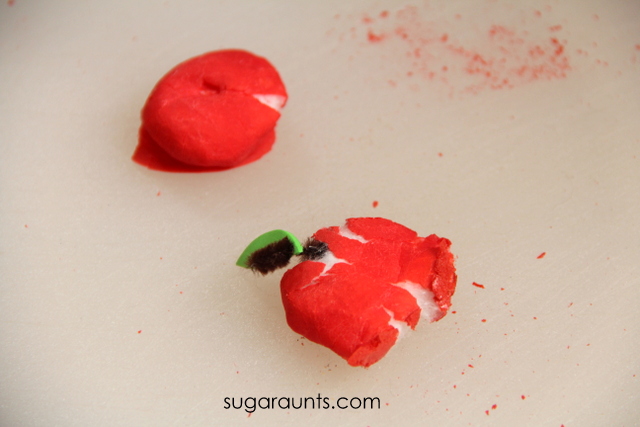
We got to hammering the cotton balls and this was the really fun part! The baked cotton balls have a hard outer edge that allow for a satisfying crunch when smashed, and a squishy, cottony center. What a fun way to explore and play.
We used a plastic hammer, but any hammer would do.
In fact, fists work just as well for smashing.
We had a smashing afternoon.
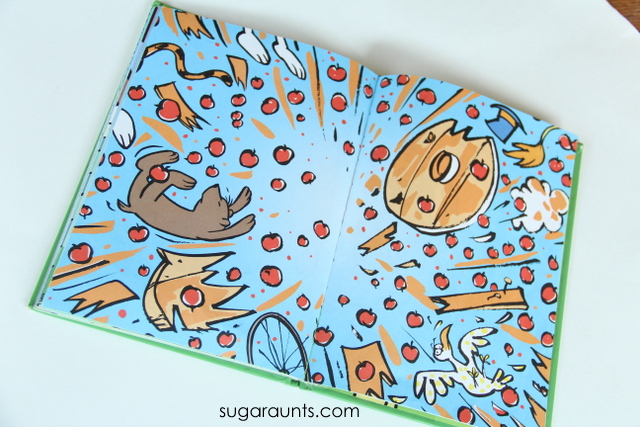
The remains of our cotton ball smashing reminded us of this page in the book. Be sure to let us know if you make baked cotton balls! We would love to hear about your experience with this sensory and fine motor activity!
Stop by the other Preschool Book Club bloggers to see their takes on Ten Apples Up On Top!
Colleen Beck, OTR/L has been an occupational therapist since 2000, working in school-based, hand therapy, outpatient peds, EI, and SNF. Colleen created The OT Toolbox to inspire therapists, teachers, and parents with easy and fun tools to help children thrive. Read her story about going from an OT making $3/hour (after paying for kids’ childcare) to a full-time OT resource creator for millions of readers. Want to collaborate? Send an email to contact@theottoolbox.com.
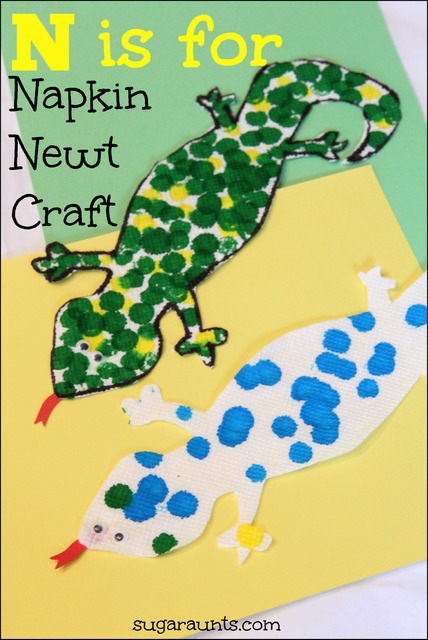
We love making cute crafts and our dining room wall can attest for that. There’s a nice gallery of kid art going on on all four walls (and the ceiling, too!) and this cute newt craft is sure to make the wall!
We’re joining bloggers from all over in the 31 days of ABCs series hosted by All Done Monkey. Each day, a blogger has been publishing a blog post based on a letter. We’re up next with N and our napkin newt.
Newt Craft:
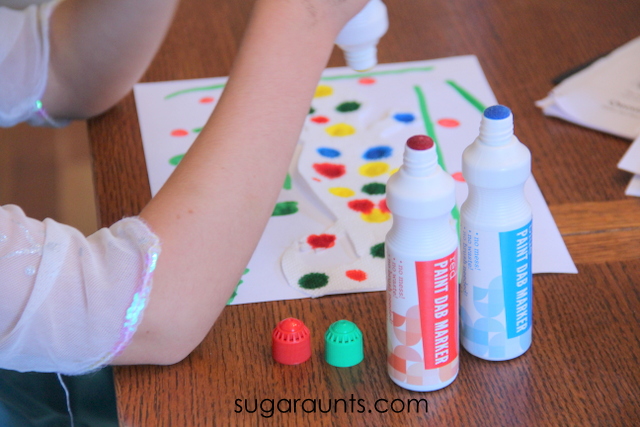
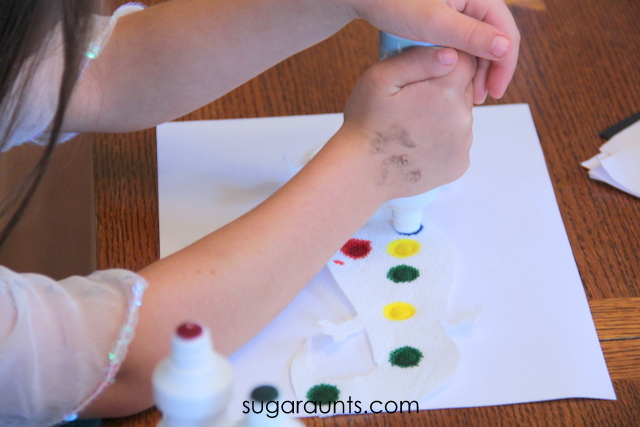
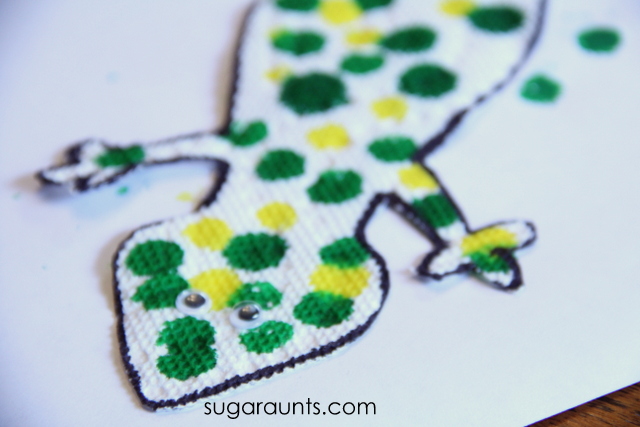
To make your newt, you’ll need a few supplies. We used napkins, googly eyes, paint dab markers, glue, and red card stock. We received the googly eyes and paint dab markers from www.craftprojectideas.com.
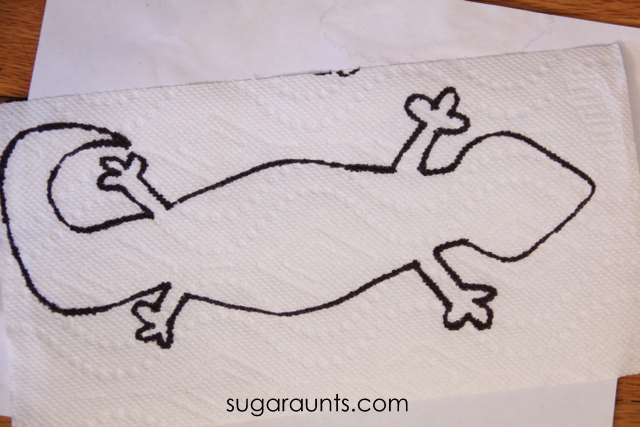
Start by drawing a simple newt shape on the napkin. I used a marker, but a pen would work, too.
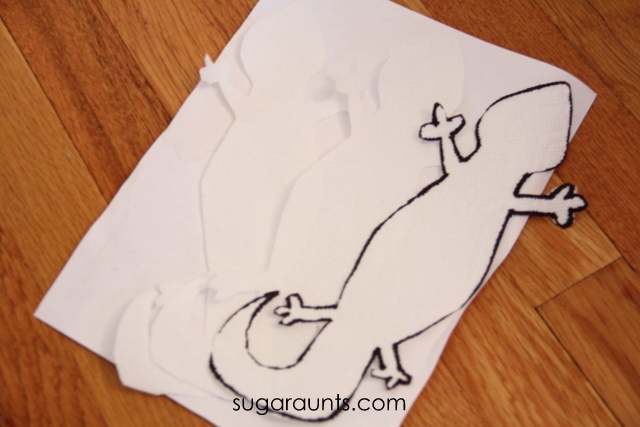
If you have a bunch of newts to make for a preschool class or siblings, stack up a few sheets of napkins. Grab your sharpest scissors and cut out the newts. This is a job for a parent, but an older child could cut this complex shape. Hold the napkins together tightly as you cut around the toes.
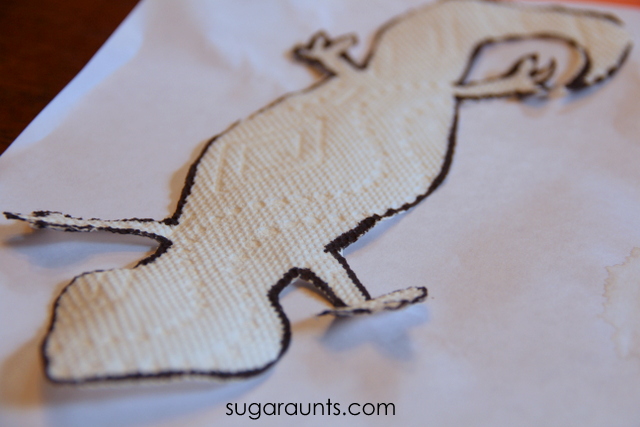
We liked how our napkin newt’s texture looked like scales.
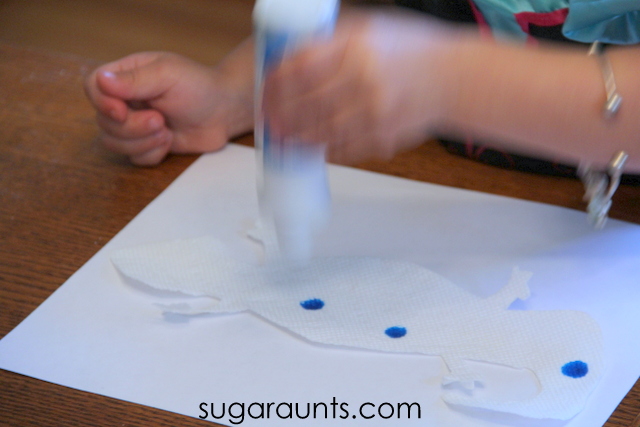
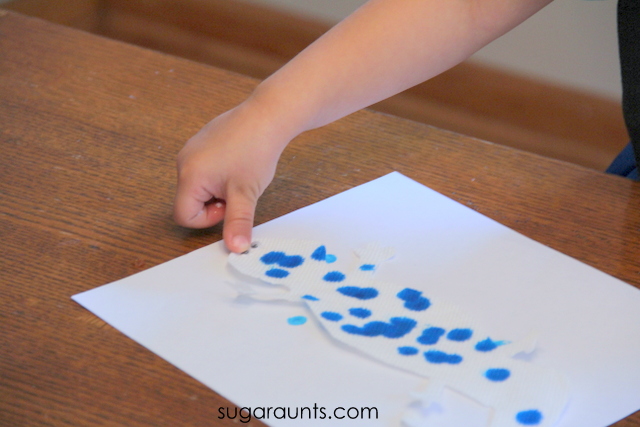
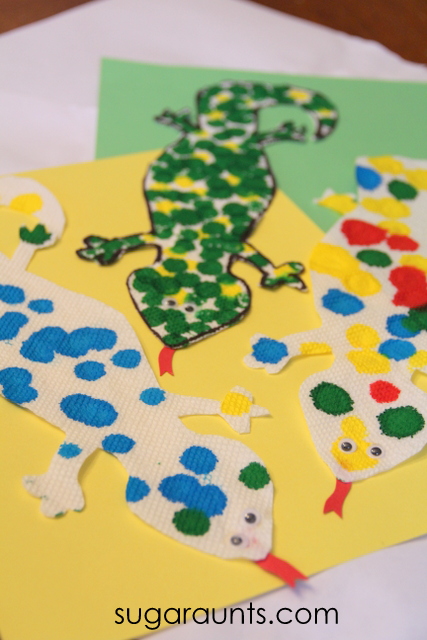
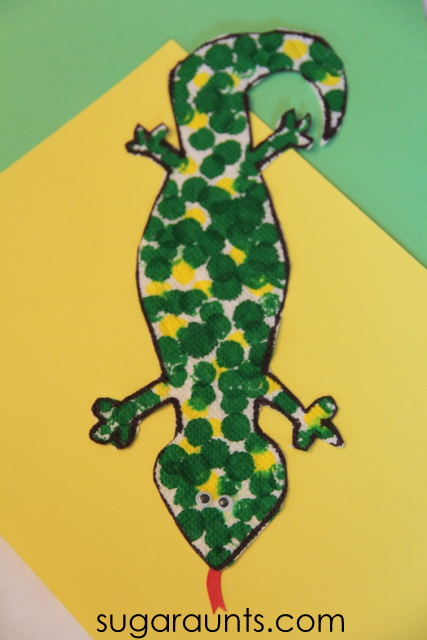
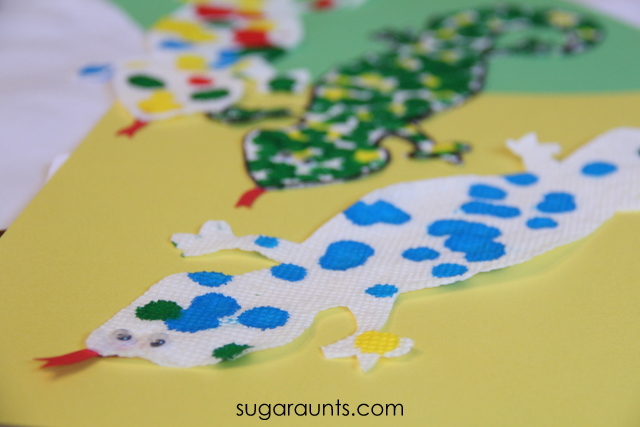
Next, use your paint dab markers to dab on spots. We went with different colors, and each child made their newt differently.
It was fun to see my daughter’s personalities coming out in their craftiness. Big Sister was deliberate and colorful with her painting.
Baby Girl painted in typical Baby Girl fashion…fast and furious and with STYLE!
Next, glue on googly eyes.
These newts are almost done. We talked about the letter N and how Newt and Napkin both start with “N”. We said a bunch of other words that start with “n” as we crafted.
Snip tongues from the red card stock and glue to the back of the newts. Super cute newt!
Let us know if you make this craft. We would love to see your version! Stop by our Facebook page and tell us all about it.
We love using math concepts that are learned in school into playful activities at home. Learning through play is a great way to strengthen concepts learned in the classroom. We used apples to count, add, and learn one day, all in the great outdoors!
Apple math activity for Kindergartners and Preschoolers
This post contains affiliate links. If a purchase is made through these links, we receive a small percentage in payment at no cost to you.
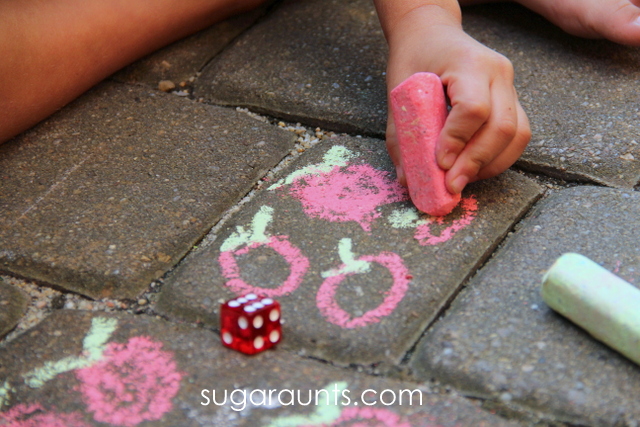
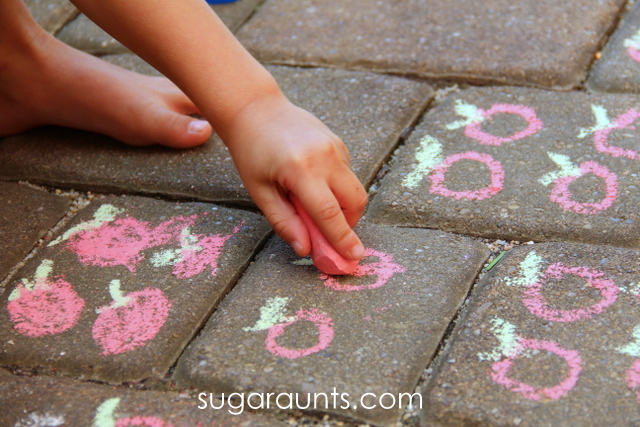
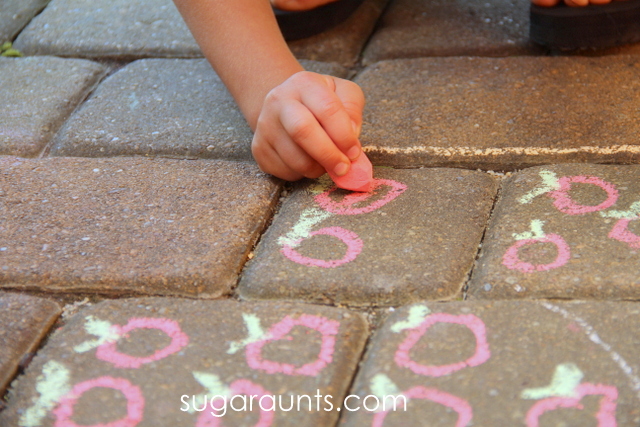
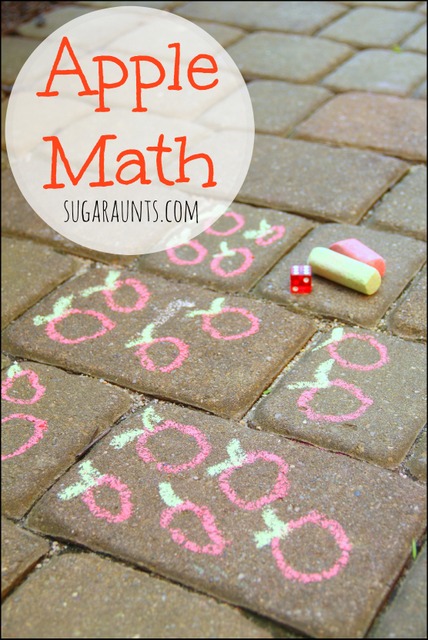
We used Sidewalk Chalk and a dice for this activity. I took the kids outside to the sidewalk one afternoon and drew a bunch of apple shapes. We were ready to play.
Note–you could also draw any shape for this activity: pumpkins, smiley faces, geometric shapes, simple houses…any thing would work.
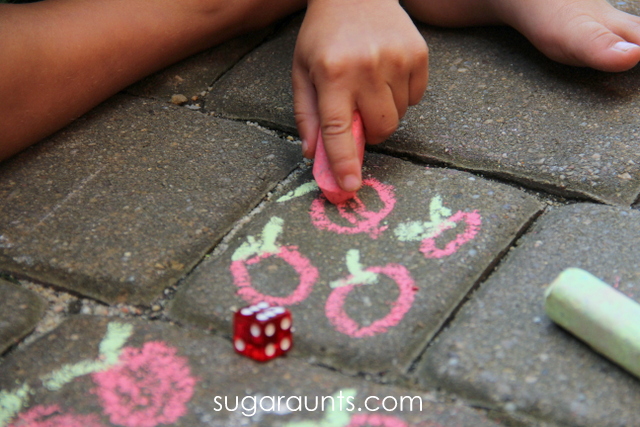
To play the game, I had the kids roll the dice. They had to count the dots on the dice, or simply look at the dots to determine how many dots there were. Big Sister did a lot of dice activities last year in Kindergarten so she was able to glance at the dice and know how many dots there were. Little Guy counted the dots. This is a great early math skill for preschool aged kids.
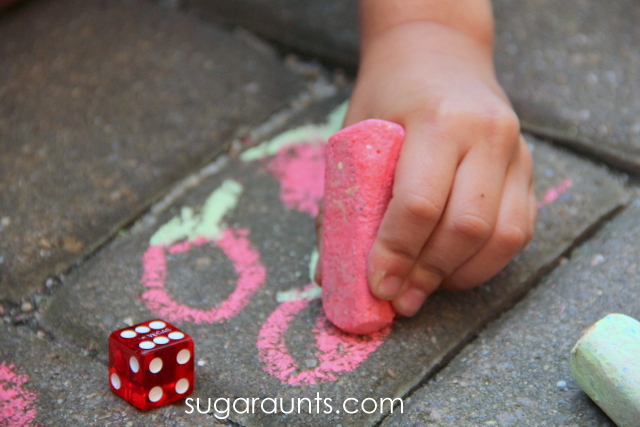
Once they counted the dots on the dice, I had them color in the same number of apples to correspond to the number of dots.
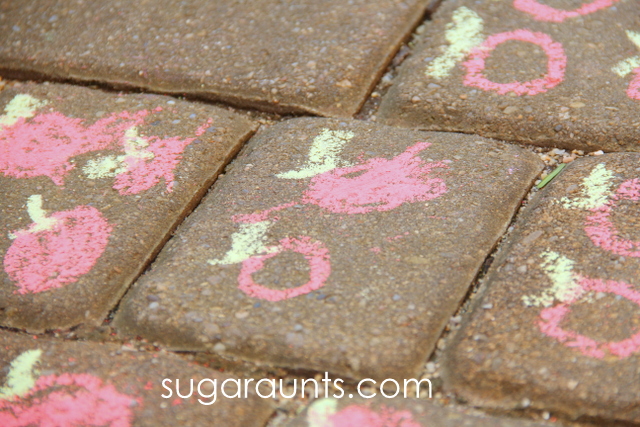
We used the squares of our sidewalk to wok on Kindergarten math concepts that Big Sister learned towards the end of her school year. Some of the squares had two apples drawn on them, and others had four or more.
This was a great opportunity to review addition.
She added the apples to make the total match the number of dots on the dice.
Little Guy counted along with Big Sister to count the total number of apples filled in.
Coloring in the apples with the chalk requires use of the small muscles of the hand. The sidewalk surface is resistive and the area they colored in was small. This required precision to stay in the lines. Not to mention, coloring in all of those apples really strengthened the hands!
This was such a fun way to review old math areas for the new first grader and introduce new math concepts to the preschooler. Like this math activity? Try a few of these ideas:
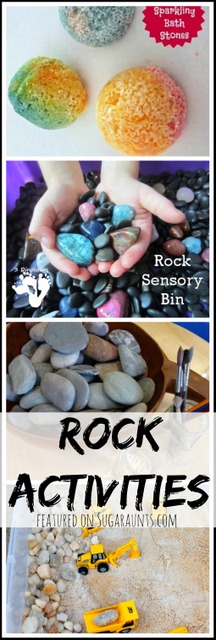
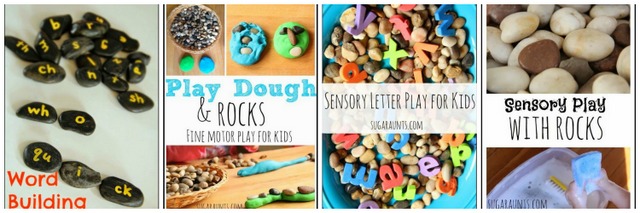
This week, we’re sharing fun ways to learn and play, explore, and create with Rocks!
They can be found on roads, in the lawn, and alongside creeks…rocks are everywhere and very fun to play with. These features from the Share It Saturday linky party will make you want to head outside and gather up a bunch of rocks. Get ready for some rocky fun!
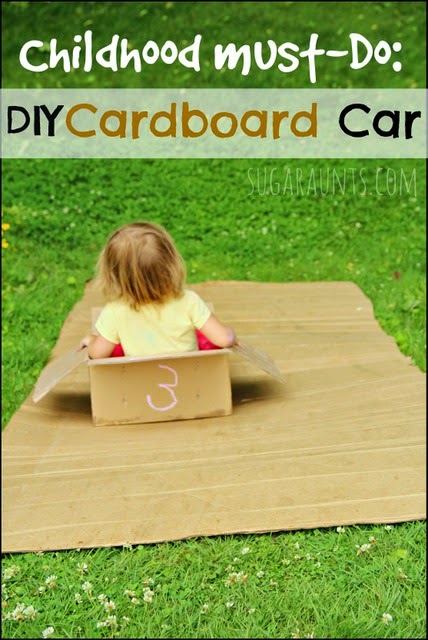
Everyone has those childhood memories that just stick with you for a lifetime. Simple outside play are some of our best memories that us Aunts laugh about anytime we think about our childhood. Getting messy in dirt, playing with sticks, and cardboard on a hill are just a few of the simple ways that we played as kids. Recently we brought a little bit of simple outdoor fun to this childhood must-do activity with our own kids.
You might have seen this fun on our Instagram feed. Are on IG? Stop by and follow along with us. We would love to catch up with you there!
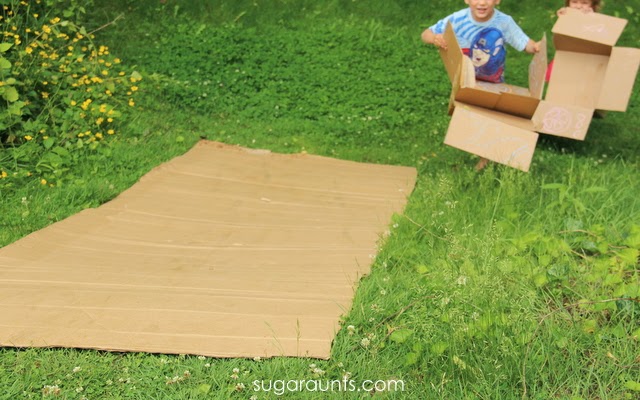
Cardboard and a hill are ingredients for instant outdoor fun. Anytime we have spare cardboard in our house, the kids immediately ask to take it to the hill in our backyard. Recently we had a big old sheet of cardboard and a few small boxes ready for the recycle bin. Before any recycling happened, we had to play!
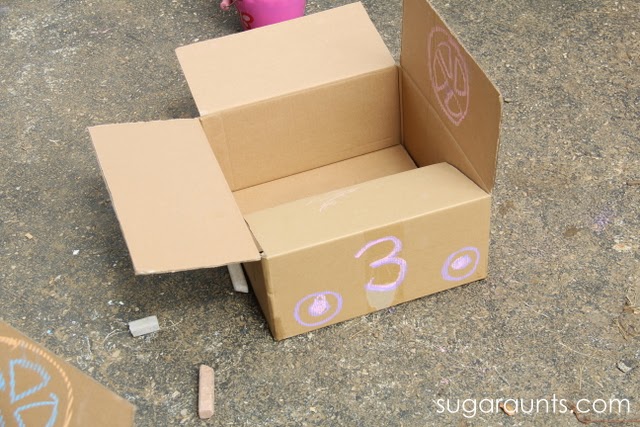
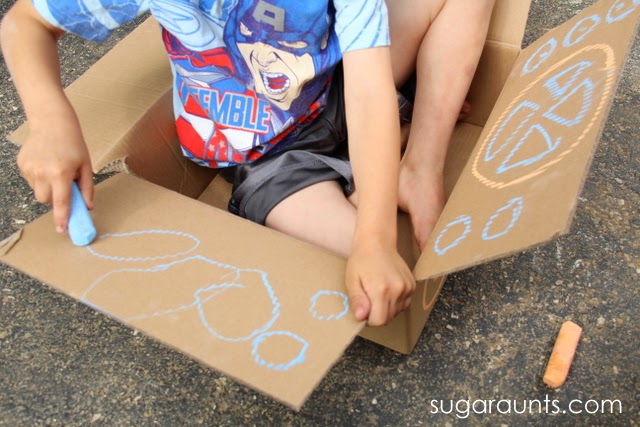
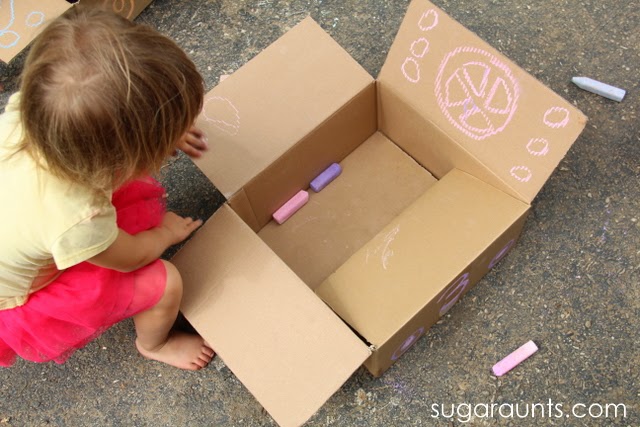
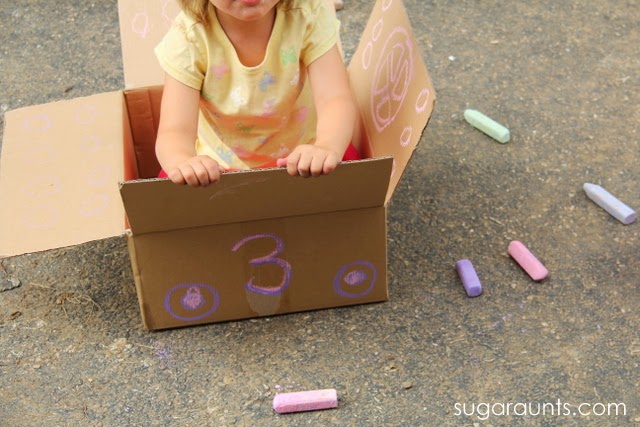
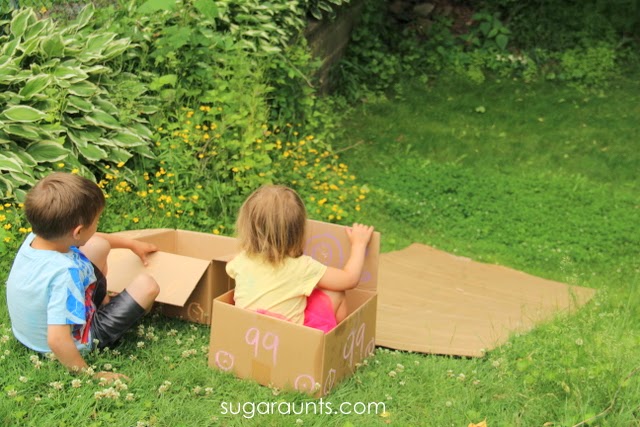
We grabbed up a few pieces of sidewalk chalk and start decorating the cardboard boxes.
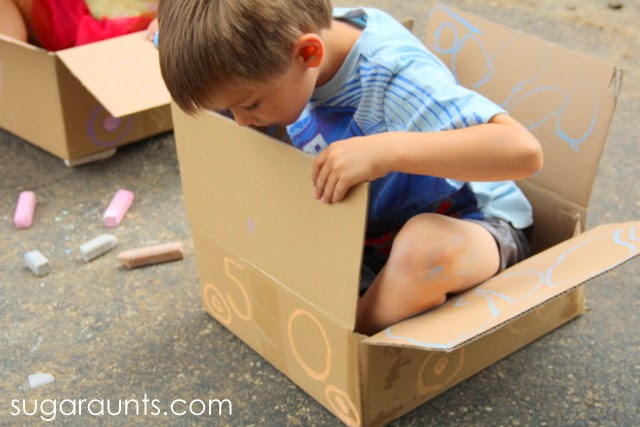
Little Guy needed a lot of buttons on his “race car”. Drawing with the chalk on cardboard is a GREAT way to work on handwriting and drawing skills. The texture of chalk on cardboard is resistive and so requires a bit more strength to motor plan and execute the formation of shapes and letters. Little Guy practiced his circle formation in a fun way, and didn’t realize he was actually practicing pencil control.
Now to work on that grasp of his 😉
Baby Girl was really into this. Anything that big brother likes, she likes. Plus, cardboard cars are just FUN! Of course, her buttons and steering wheel had to be “girl colors”. Her request.
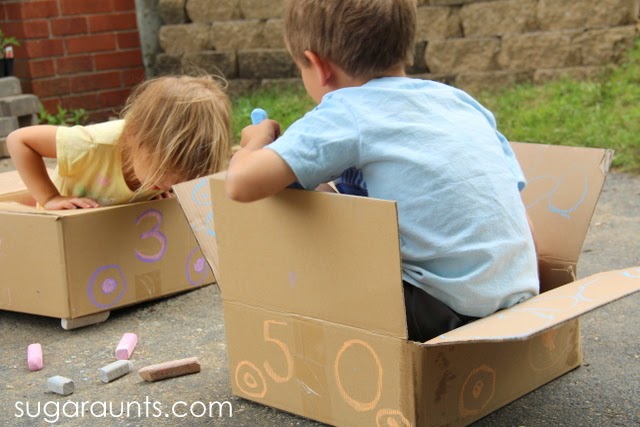
We made numbers, headlights, and wheels on the outside of our cardboard cars. Soon we were ready to drive!
We had to check for all functioning parts of the cars.
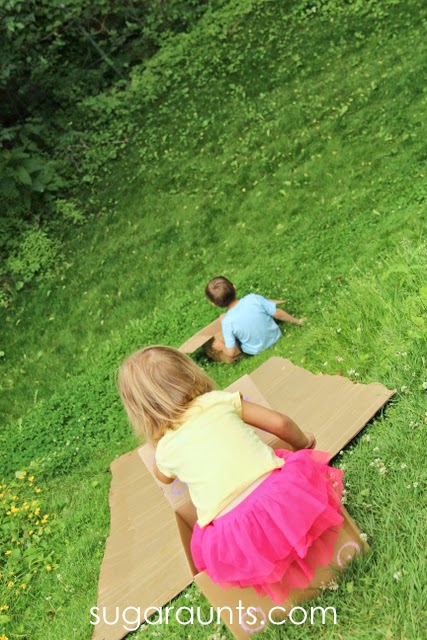
We took our cars to the hill and put down a big sheet of cardboard. Usually, the kids love to slide down the hill on their bottoms. The cardboard makes them slide down and is a great slide. With the cardboard cars, they SAILED! Check out the action here.
These two had races until the cars fell apart!
It was SUCH a fun way to play outside and re-use some cardboard!Have you ever played with cardboard on a hill? Let us know on our Facebook page.
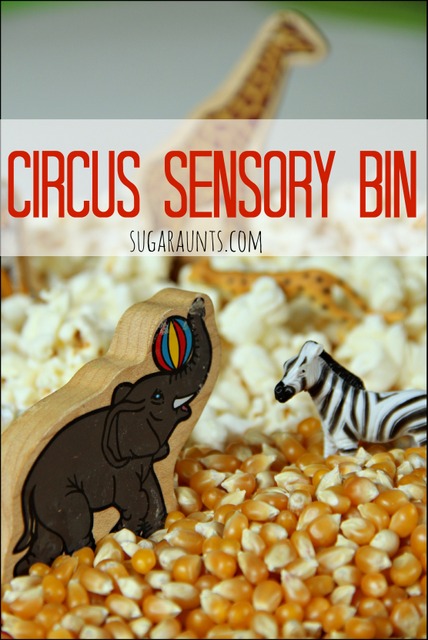
A while back, we were on a bit of a Circus Theme in our pretend play. We had a bunch of fun with our circus party ideas and read a bunch of circus books. We did this sensory bin around that time, but are just now getting the chance to blog about it. This was such an easy sensory activity to throw together that we will definitely be playing this again.
This post contains affiliate links. Read our full disclosure here.
To create an easy Circus Sensory Bin, you will need:
I started by popping some corn. And only ate a few handfuls. Pop extra. Snacks are good.
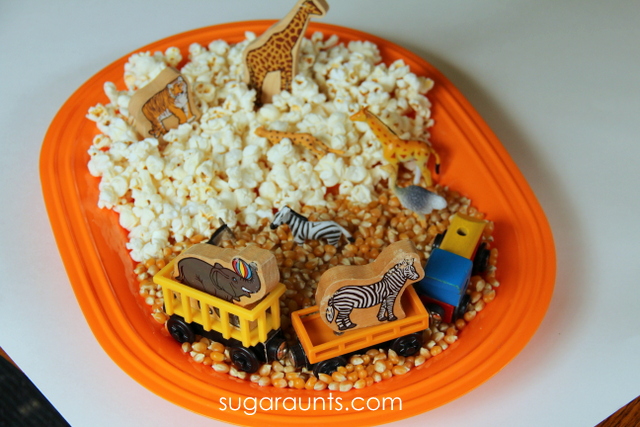
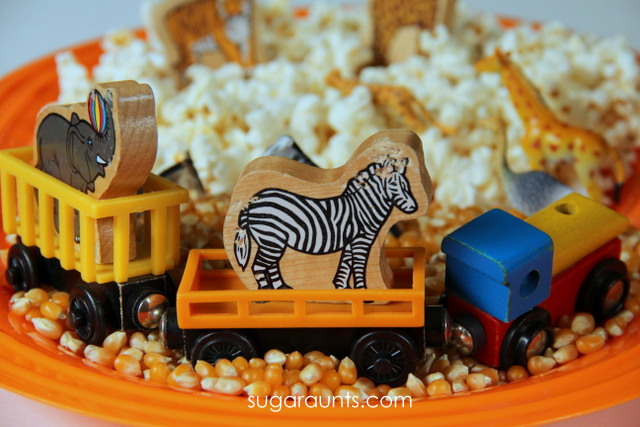
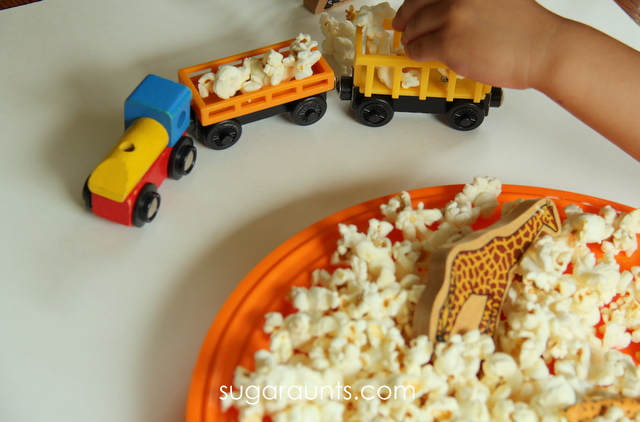
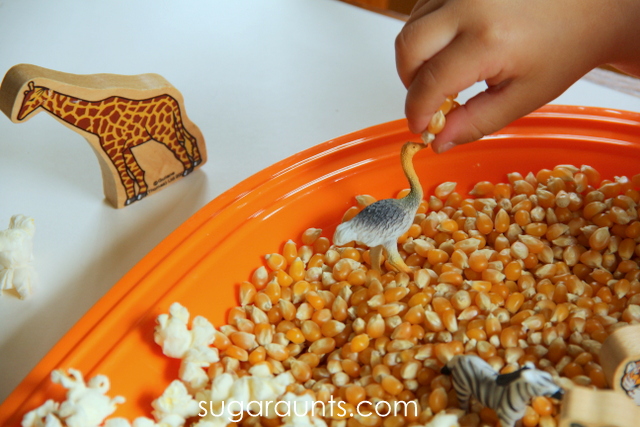
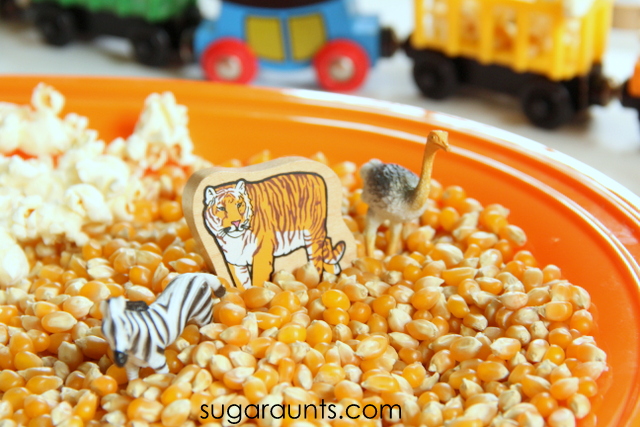
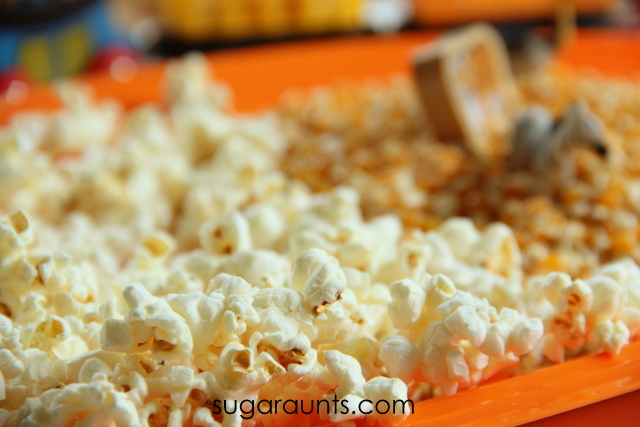
I put some popped and un popped corn onto a plastic tray. Then, simply added our train set and animals. The scene was set for imagination and pretend fun!
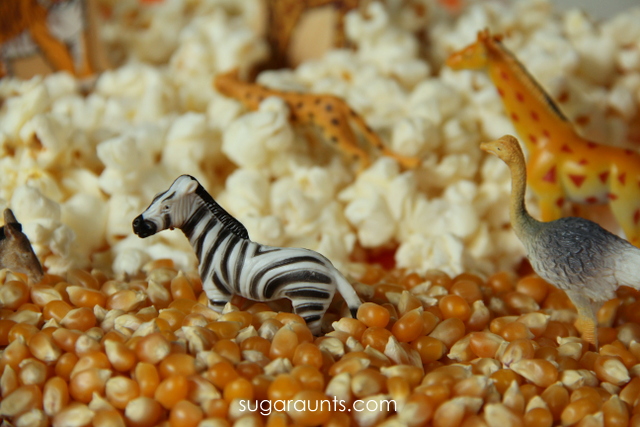
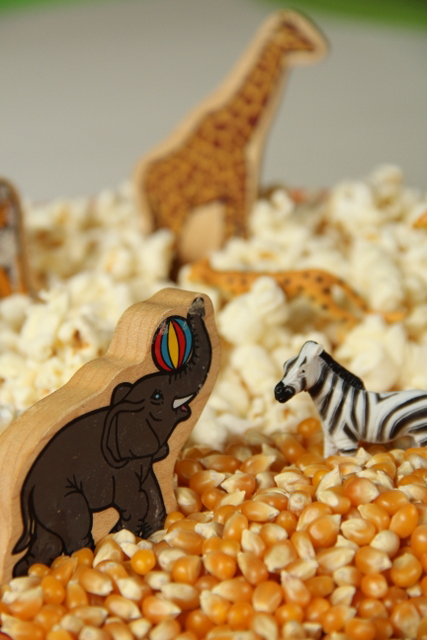
The animals in the different textures was such a fun way to explore animal names, animal sounds, and all in an easy sensory bin.
Baby Girl (age 2) loved this pretend play so much! Not only did we have a blast playing and learning, she got a snack too! Bonus!
Of course, the animals needed feeding, too.
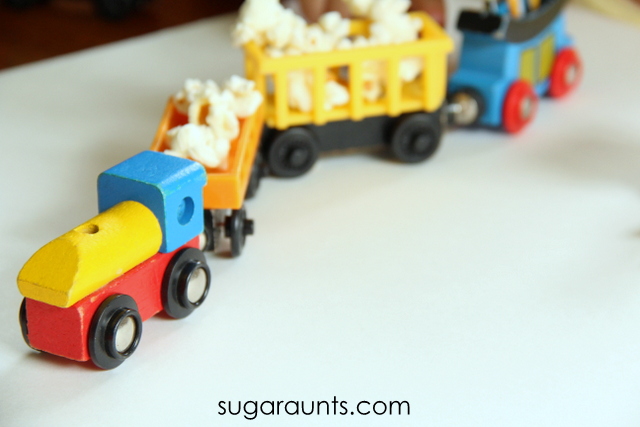
We loaded up the train with popcorn and made deliveries. Such a fun way to play away an afternoon.
This might be the perfect accompaniment to our circus tent craft. Sensory play, craft, and snack…sounds like the perfect afternoon with the kids to me!
Note: Like all of our activities on sugaraunts.com, we encourage playing alongside your kids and in a supervised manner. Some crafts and activities may present a dangerous situation for children who like to put things into their mouths. Please monitor your child with this and any activity you see on our website. Popcorn will present as a choking hazard for small children. Please use your best judgment if you decide to do this activity with your kids.
Is there a song or nursery rhyme that is a huge hit in your house? You know the one that is said over and over (and over) again? Right now we are on a This Little Piggy Went to the Market kick. Baby Girl (age 2 and a half) loooooooves This Little Piggy. She will ask me to do the finger play rhyme on both feet and then both hands again and again. I’ve even heard her saying it to herself…with lots of adorable mistakes. It’s beyond cute. I love when she asks me, “Mom, what does this piggy do?” and points to a toe. What a cutie!
When we made this piggy craft, Baby Girl very excited. I told her we were making a This Little Piggy craft and she was so happy!
This Little Piggy Went to the Market craft for Toddlers
This post contains affiliate links. Your purchases through these links help support our blog.
This craft for toddlers is very easy and a great opportunity for some learning, too. You can talk to your Toddler about circles and sizes (big and little). Toddlers are learning concepts such as size awareness and you can show them the big and little circles as you build the pigs.
I started with 5 big circles cut from pink construction paper and 15 small circles. We counted out the big circles together.
I helped Baby Girl fold ten of the small circles in half. These will be the pigs ears.
Big Sister helped out a little with counting out our piggy ears.
Baby Girl is all about using the glue stick. This Little Piggy Went to the Market + glue stick
= Baby Girl’s best day ever! She went crazy gluing on the big circles, ears, and snouts.
After all of the pieces were glued in place, I drew on little faces. We had fun saying the finger play while using our five little piggys to join in on the fun. Baby Girl played with these little piggys all day!
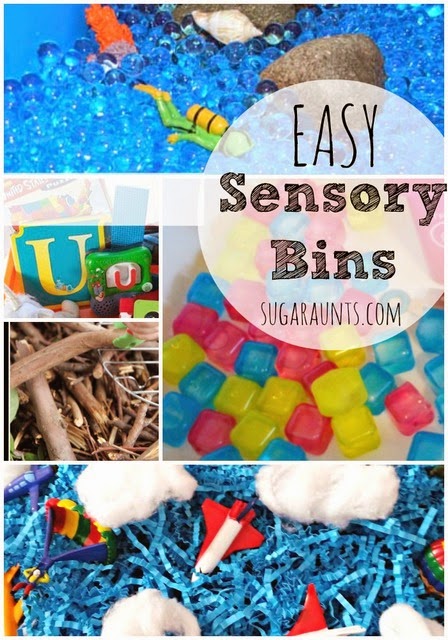
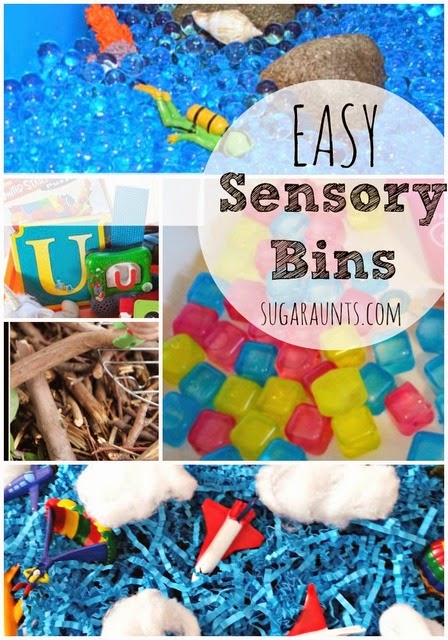
These easy sensory bins are inspiring ways to encourage creative play, movement, and skill building in kids. The features listed below are easy sensory bins for the kids to use to learn, explore, and play. So if you are looking to throw together a sensory bin or two, these are the ones for you…easy and fun!
Be sure to check out our blog post on sensory materials to add as a filler.
Sensory bins do not need to be complicated to gain all of the benefits of sensory play! A container, a sensory filler, and small items to manipulate are all you need.
You can create sensory bins for any season or holiday, like these Christmas sensory bins. There are so many ways to support skills with this versatile therapy tool!
Easy Sensory Bin ideas for kids
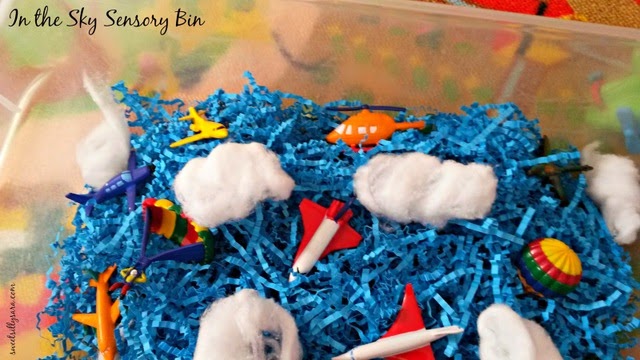
This In The Sky Sensory Bin from Sweet Silly Sara uses just a few materials and inspires imagination while encouraging exploration of textures.
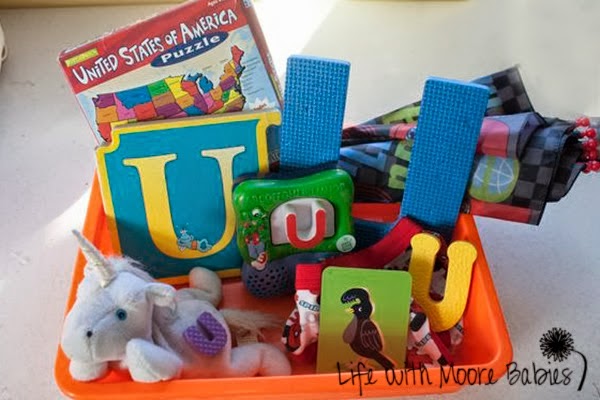
Looking for a learning sensory bin idea? This Letter themed sensory bin from Life With Moore Babies uses items from around the house. No need to purchase anything, just go on a letter hunt and fill a bin!
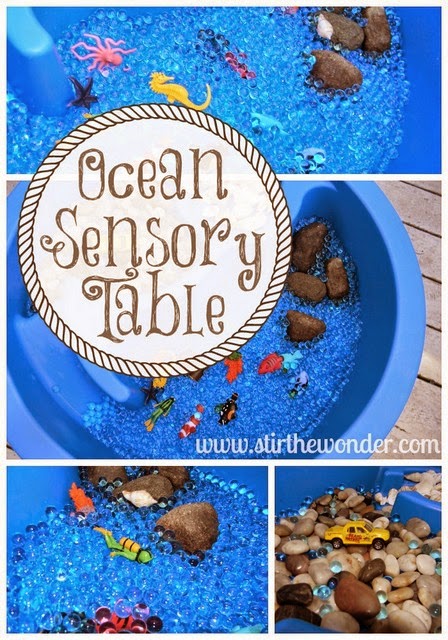
For an Ocean Sensory Bin, Stir The Wonder used a water table as a sensory bin, making play easy and fun.
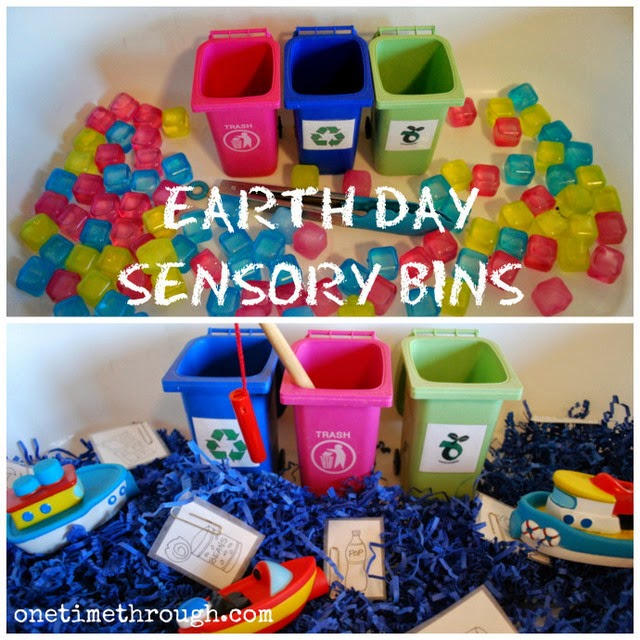
It is easy to encourage a little learning with this Math and Science Sensory Bins from One Time Through. Simple objects can allow for big learning of math, science, and more.
Nature inspired sensory bins are maybe the easiest way to explore textures and the great outdoors. This Sticks Sensory Bin hits the mark with fine motor play, imagination, and fun.
More easy sensory bin ideas:
These easy sensory bin ideas hit the mark when it comes to working on motor skills, sensory exploration, and creative play. Use the easy sensory bin ideas below to inspire development and movement using materials found around the home.
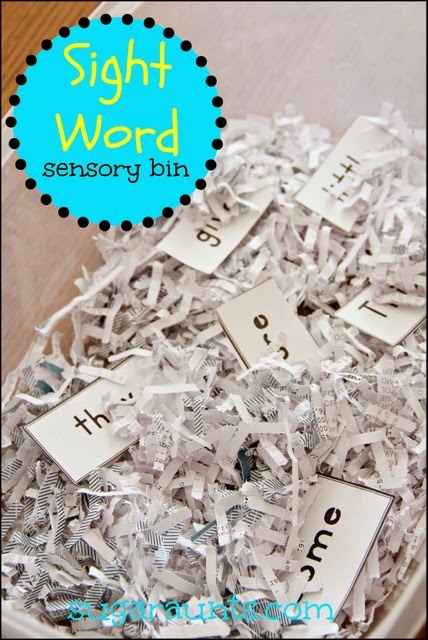
Sight Word Sensory Bin – Grab paper from the paper shredder and add some cut up paper pieces or flash cards. This sight word sensory bin is great for challenging tactile sensory input with all paper in a variety of textures. You can use numbers, letters, sight words, spelling words, or any other learning component with this paper sensory bin.
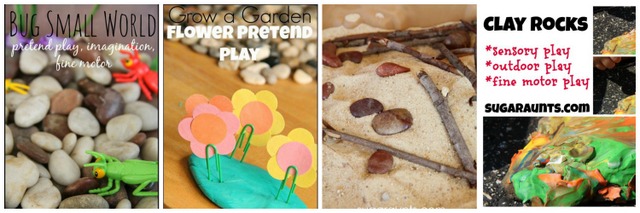
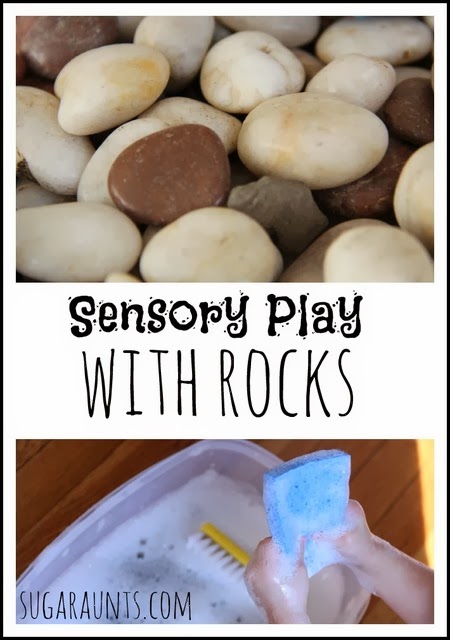
Rocks Sensory Play – Incorporate rocks from the garden or head to the dollar store and use craft rocks. This is a fun easy sensory bin to inspire tons of creative play, imagination, and communication or language building. Add small bug figures, play dough, or any small toy for fine motor work. The rocks offer heavy work, proprioception through the hands and fingers.
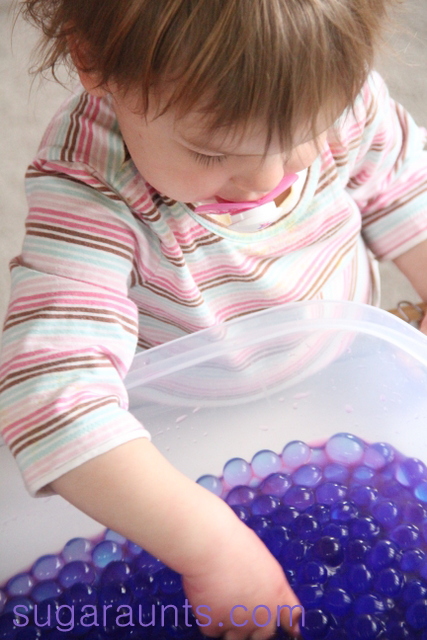
Calming Water Bead Sensory Bin – Have you used water beads? They are a fun tactile sensory play experience! Just add water and have fun with the senses.
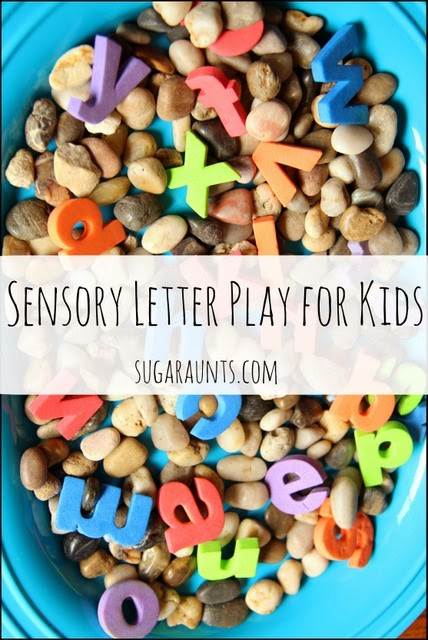
Sensory Letter Play for Kids – A foam letter puzzle from the dollar store is a great addition to sensory play and can be used in so many ways. Try these ideas to get you started.
Colleen Beck, OTR/L has been an occupational therapist since 2000, working in school-based, hand therapy, outpatient peds, EI, and SNF. Colleen created The OT Toolbox to inspire therapists, teachers, and parents with easy and fun tools to help children thrive. Read her story about going from an OT making $3/hour (after paying for kids’ childcare) to a full-time OT resource creator for millions of readers. Want to collaborate? Send an email to contact@theottoolbox.com.


 by Dr. Seuss. This is such a fun book for counting and playing along with the story.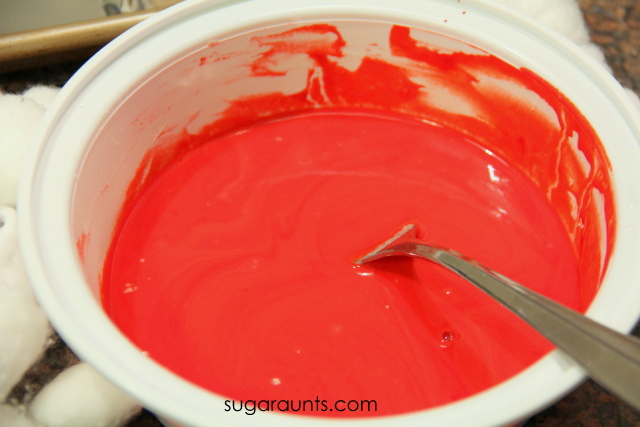





 and a
and a for this activity. I took the kids outside to the sidewalk one afternoon and drew a bunch of apple shapes. We were ready to play.