Spatial Awareness Toys and Activities

Toys for spatial awareness

For kids that struggle with body awareness, position-in-space, and overall spatial understanding, spatial awareness toys are fun ways to develop a specific set of skills that impact function of every day tasks. Occupational therapy toys like these space-based play support development of these areas. Want to help kids become more aware of their body position, the space that they need to function, write, and perform tasks through play? Here we are talking spatial awareness toys!

Let’s talk toys to support spatial awareness skills.

Amazon affiliate links are included in this blog post. As an Amazon Influencer, I earn from qualifying purchases.

Spatial awareness toys and spatial awareness games to develop visual spatial skills.

Spatial Awareness Toys

In this post, we’ll cover a few different things:

  • Spatial Awareness Definition
  • Spatial awareness activities
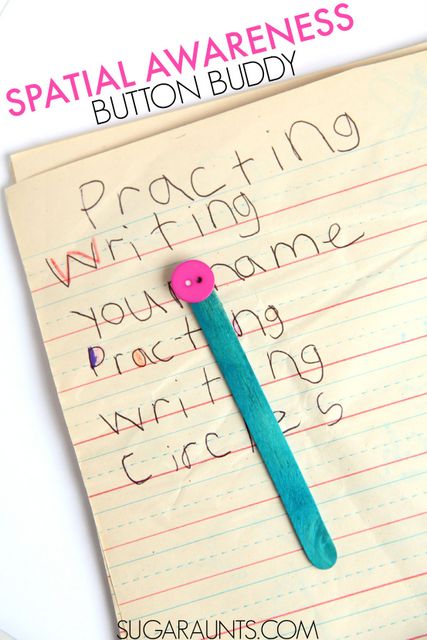
  • An easy spatial awareness tool for handwriting
  • Spatial awareness toys

Kids are often motivated by play as a means to support development of skills. When games and toys develop skills in which they struggle, it can be meaningful and engaging for the child. They may not even realize they are developing those skill areas through play. Before we get to the toy ideas, let’s go over spatial awareness in more detail.

Spatial Awareness Definition

First, let’s cover the definition of spatial awareness. You might be thinking…ok, I know a child who might be having issues with awareness of space during functional tasks… But exactly what is spatial awareness?

The definition of Spatial Awareness is being aware of oneself in space. Incorporating body awareness, visual spatial skills, and orientation, spatial awareness involves positioning oneself and/or functional items (pencil, a ball, a bag of groceries, etc.) in relation to oneself and the world around.

Spatial awareness means several things:

  • Awareness of spatial concepts can look like reaching for items without overshooting or missing the object.
  • It can mean use of a map to navigate streets or a new middle school.
  • It can incorporate spacing between letters and words in handwriting.
  • It can mean navigating a crowded hallway while carrying a backpack and a stack of papers.
  • It might mean walking in lines in school or waiting far enough apart from other students so that each individual has their own personal bubble of space.

Being able to reason about the space around us, and how to manipulate objects in space, is a critical part of everyday life and everyday functional tasks. This specific skill allows us to safely cross a street, fold clothing, load the dishwasher, place objects in a locker, put together a piece of “some assembly required” furniture, and other functional cognitive tasks. And these skills are especially important for educational success in particular handwriting tasks, math, STEM, and science.

Most of us realize as we walk through a doorway that we need to space ourselves through the middle of the door.  Those with poor visual spatial skills may walk to closely to the sides and bump the wall.

Visual-spatial skills are used when a middle school or high school student uses a map to navigate a new school. Orienting yourself on the map and then relating that to the real world to make turns, movements in a large space takes a complex set of skills guided by visual spatial relations.

Spatial awareness skills also involve the fine motor tasks of coordinating handwriting with writing in spaces allowed on paper, placing letters within an area (lines), and forming letters in the correct direction.  

So what is spatial awareness? Let’s break it down even further…

Spatial awareness and spatial perception

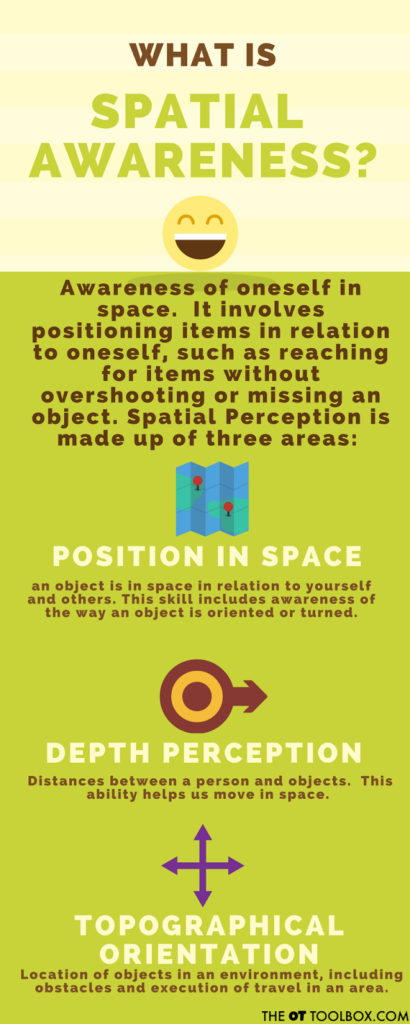
Spatial Awareness can be broken into three areas, specifically related to spatial perception: position in space, depth perception, and topographical orientation.

  1. Position in Space– where an object is in space in relation to yourself and others. This skill includes awareness of the way an object is oriented or turned.  It is an important concept in directional language such as in, out, up, down, in front of, behind, between, left, and right. Children with problems with this skill area will demonstrate difficulty planning actions in relation to objects around them.  They may write letter reversals after second grade.  They typically show problems with spacing letters and words on a paper.  
  2. Depth Perception– Distances between a person and objects.  This ability helps us move in space. Grasping for a ball requires realizing where the ball is in relation to ourselves.  Kids with deficits in this area may have trouble catching a ball or walking/running/jumping over an obstacle. Copying words from a vertical plane onto a horizontal plane may be difficult and they will have trouble copying from a blackboard. 
  3. Topographical Orientation– Location of objects in an environment, including obstacles and execution of travel in an area.  Kids with difficulties in this area may become lost easily or have difficulties finding their classroom after a bathroom break.

Visual Spatial Skills develop from an awareness of movements of the body.  If a child has true visual spatial skills, they will likely demonstrate difficulties with athletic performance, coordination, and balance.  They may appear clumsy, reverse letters and numbers in handwriting, and may tend to write from right to left across a page.  They will have difficulty placing letters on lines, forming letters correctly, and forming letters with appropriate size.   

When kids struggle with the ability to perceive where they are in space…when children are challenged to identify how much room they need to navigate the world around them…These are all examples of spatial awareness skills.

What is spatial awareness and how does it relate to handwriting

Visual Perception and spatial awareness in kids.  What is Spatial awareness and why do kids have trouble with spacing between letters and words, reversing letters, and all things vision.  Great tips here from an Occupational Therapist, including tips and tools to help kids with spacing in handwriting.
Letter size and use of margins also fall under the term “spatial awareness”. Use these spacing tool ideas to support spatial awareness in handwriting.
What is spatial awareness?  Tips and tools for handwriting, reading, scissors, and all functional skills in kids and adults, from an Occupational Therapist.
Visual Perception and spatial awareness in kids.  What is Spatial awareness and why do kids have trouble with spacing between letters and words, reversing letters, and all things vision.  Great tips here from an Occupational Therapist, including tips and tools to help kids with spacing in handwriting.
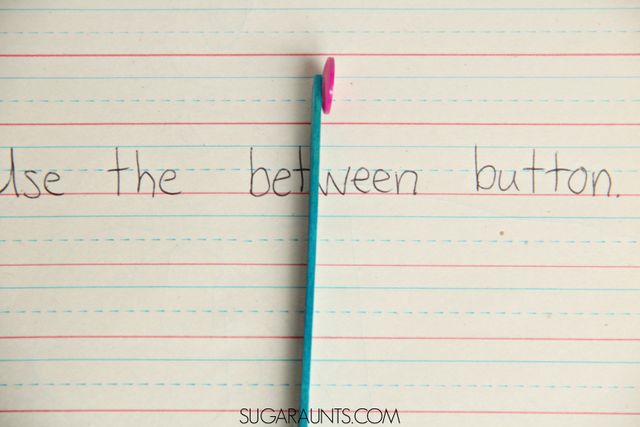
You can use a spacing tool to support spatial awareness skills in kids.

visual spatial relations activities

Addressing spatial awareness can occur with a handwriting spacing tool like the one we made, but other spacing activities can help with visual spatial relations, too. Try some of these activities:

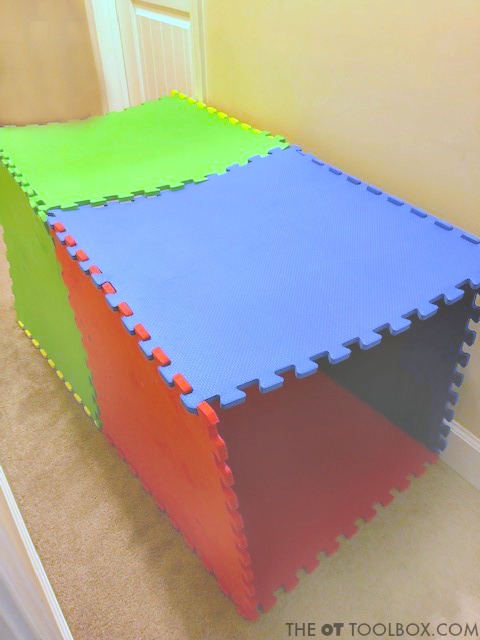
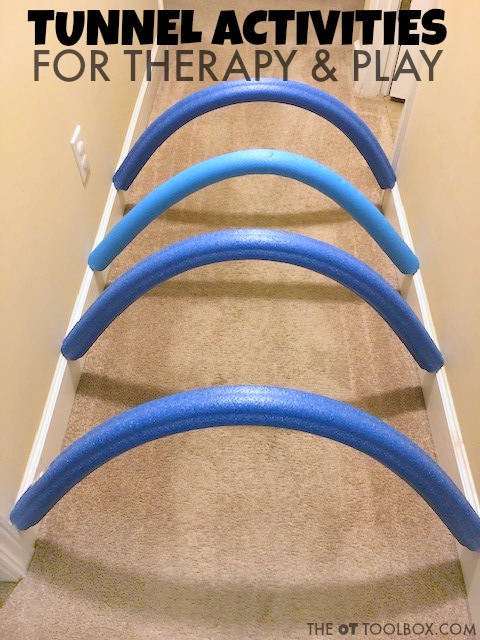
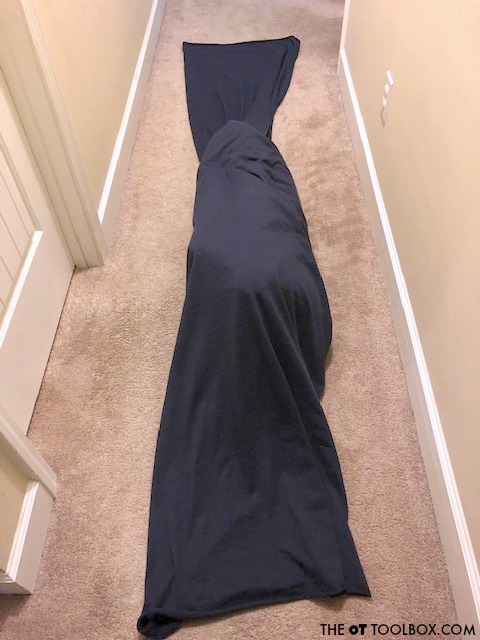
  • Create an obstacle course using couch cushions, chairs, blankets, pillows, and other items in the house.
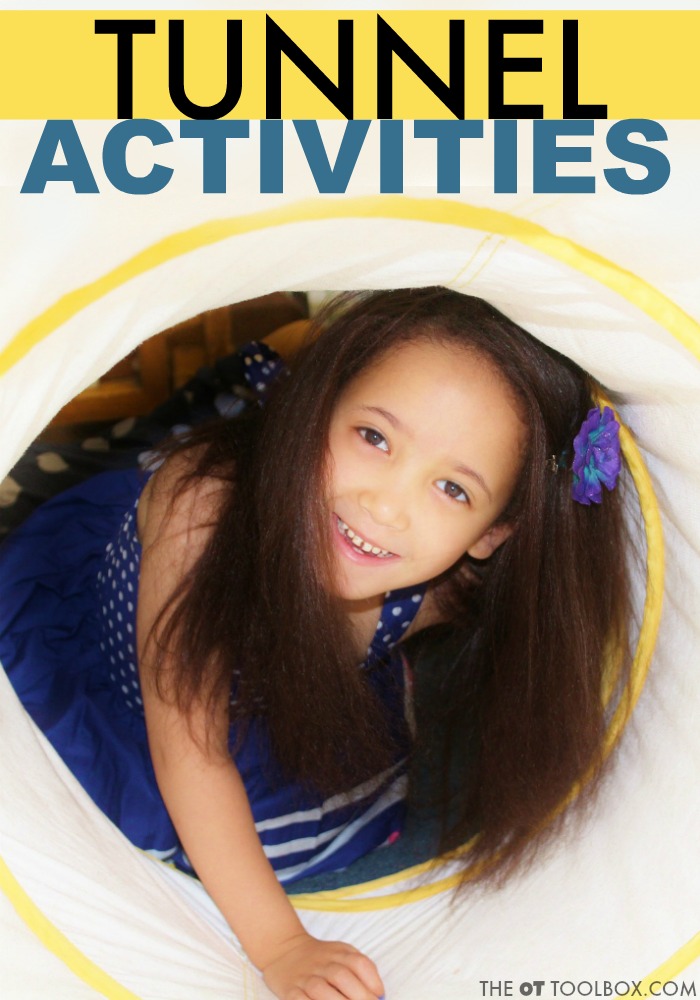
  • Try this activity for teaching over, under, around, and through with pretend play.
  • Create a paper obstacle course.  Draw obstacles on paper and have your child make his /her pencil go through the obstacles.  Draw circles, holes, mud pits, and mountains for them to draw lines as their pencil “climbs”, “jumps”, “rolls”, and even erases!
  • Write words and letters on graph paper.  The lines will work as a guide and also a good spacing activity.
  • Use stickers placed along the right margin of  to cue the student that they are nearing the edge of paper when writing.  
  • Highlight writing lines on worksheets.
  • Draw boxes for words on worksheets for them to write within.
  • Play Simon Says. Print off these Simon Says commands to target specific skill areas in therapy sessions or at home.
  • Practice directions.  Draw arrows on a paper pointing up, down, left, and right.  Ask your child to point to the direction the arrow is pointing.  Then have them say the direction the arrows are pointing.  Then create actions for each arrow.  Up may be jumping. Down may be squatting. The Left arrow might be side sliding to the left, and the Right arrow might be a right high kick. Next, draw more rows of arrows in random order.  Ask your child to go through the motions and try to go faster and faster.

spatial awareness Activities  

For more multisensory learning and hands-on play incorporating the development of spatial awareness skills, visit these blog posts:

Spatial Awareness Toys

This post contains affiliate links.

Looking for more tools to improve visual spatial awareness?  The toy ideas below are great for improving visual tracking and visual scanning in fun ways.  These toys, games, and ideas may be a great gift idea for little ones who have visual perceptual difficulties or problems with spacing and handwriting, body awareness in space, letter reversals, detail awareness, or maintaining place while reading.  

SO, save these ideas for grandparents and friends who might ask for gift ideas for birthdays and holidays.  These are some powerhouse spatial awareness ideas!

Spatial awareness toys and spatial awareness games for kids

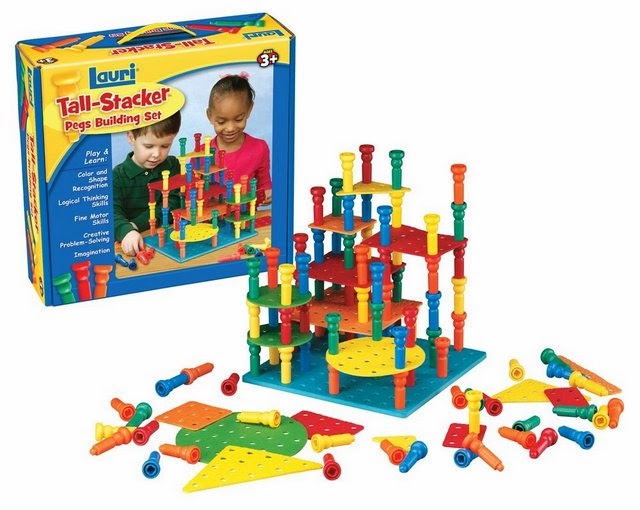
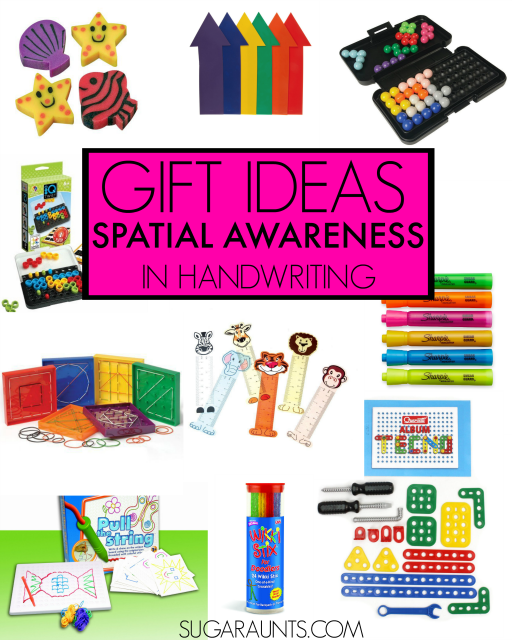
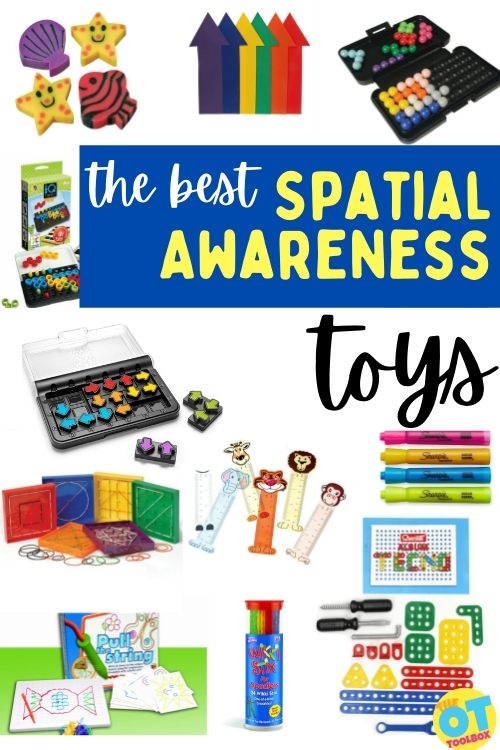
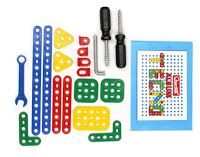
  When working on spatial awareness in handwriting, kids can count the number of holes in the pegboard in this Construction and Building Toy. (affiliate link) Copy instructions to build 3D structures while working on spacing of pieces and awareness of details in this fun engineering toy. 

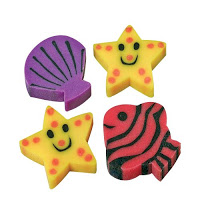
Mini erasers (affiliate link) as a spacing tool. Kids can write while keeping the small eraser on their desk. When they space out words, use the eraser as a measuring tool, just like our button buddy. You can also encourage them to finish their writing task and then go back and check over their work for spatial concepts with the eraser. 

Practice spatial awareness of the edges of the page by using a Clear Rulers. (affiliate link) Kids can place the ruler along the edge of the paper to know when to stop writing and to use as a visual cue. Sometimes kids try to squish a word in at the end of a line when there is not enough room. Line the ruler up along the edge and as they write, they can see that they are nearing the edge of the paper.     

Use a highlighter (affiliate link) to draw dots between each word, to provide a visual cue for spacing between words. You can also draw a line along the edge of the paper for a visual cue that the child is nearing the edge of the paper. 

Wooden Building Blocks Sets (affiliate link) are powerful ways to support spatial awareness development. Similarly, and great for targeting body awareness related to objects in the area around us, is this DIY cardboard bricks activity which children love.

Spatial Awareness Games

One study found that children who play frequently with puzzles, construction, and board games tend to have better spatial reasoning ability. 

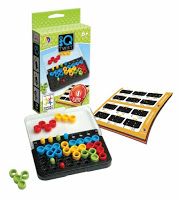
To get the whole family in on a spatial reasoning game while working on placement of pieces, try IQ Twist (affiliate link) for a game of logic as you place pieces in this puzzle.

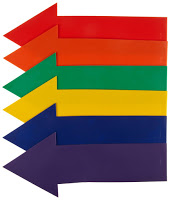
This related IQ Arrows game (affiliate link) develops spatial relations but is great for adding to an occupational therapy bag. Use the arrows in play dough to work on directionality with heavy work through the hands. Make mini fine motor obstacle courses and other spatial relations activities on a smaller scale.

Kanoodle (affiliate link) works on pattern recognition, spatial reasoning, and is a great way to practice spacing needed in handwriting.   

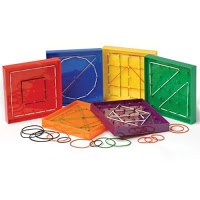
A toy like a geoboard allows a child to copy forms while counting out spaces of pegs. Try these Geoboards. (affiliate link)

Here are more spatial awareness games and specifically spatial reasoning games: These are Amazon affiliate links.

Toys for Body in Space Awareness

These toys specifically address body awareness and directional awareness to help with overall spatial awareness development. Position in space impacts functioning in daily tasks at home and in the community. This plays a part in social emotional development and overall confidence as well. When a child feels confident in their body in space awareness, they can navigate the world around them with ease.

And, in regards to handwriting, sometimes, spacing problems on paper have to do with difficulties with directional awareness.

Use Arrows (affiliate link) to start at the basics and practice naming left/write/top/bottom. Use them in whole-body movement activities where the child copies motions based on the arrow placement. Watch to make sure kids are not over stepping their allotted space. 

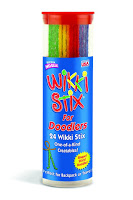
Use Wikki Stix (affiliate link) for spacing on paper with physical cues for margins and spacing. Use the wikki sticks to space between words and a “ball” of the wikki stick to space between words.

Position in Space Toys

What is spatial awareness? Use these activity suggestions from an occupational therapist.

More Occupational Therapy Toys

  1. Fine Motor Toys 
  2. Gross Motor Toys 
  3. Pencil Grasp Toys 
  4. Toys for Reluctant Writers 
  5. Toys for Spatial Awareness 
  6. Toys for Visual Tracking 
  7. Toys for Sensory Play 
  8. Bilateral Coordination Toys 
  9. Games for Executive Functioning Skills 
  10. Toys and Tools to Improve Visual Perception 
  11. Toys to Help with Scissors Skills 
  12. Toys for Attention and Focus

Printable List of Toys for Spatial Awareness

Want a printable copy of our therapist-recommended toys to support spatial awareness?

As therapy professionals, we LOVE to recommend therapy toys that build skills! This toy list is done for you so you don’t need to recreate the wheel.

Your therapy caseload will love these SPATIAL AWARENESS toy recommendations. (There’s space on this handout for you to write in your own toy suggestions, to meet the client’s individual needs, too!)

Enter your email address into the form below. The OT Toolbox Member’s Club Members can access this handout inside the dashboard, under Handouts. Just be sure to log into your account, first!

Therapist-Recommended
SPATIAL AWARENESS TOYS HANDOUT

    We won’t send you spam. Unsubscribe at any time.

    Colleen Beck, OTR/L has been an occupational therapist since 2000, working in school-based, hand therapy, outpatient peds, EI, and SNF. Colleen created The OT Toolbox to inspire therapists, teachers, and parents with easy and fun tools to help children thrive. Read her story about going from an OT making $3/hour (after paying for kids’ childcare) to a full-time OT resource creator for millions of readers. Want to collaborate? Send an email to contact@theottoolbox.com.

    Toys and Tools to Help With Attention and Focus

    Here we are talking toys that help kids pay attention. These focus toys can be ways to support concentration or toys to help kids with the working memory skills needed for functional tasks, by allowing them to sustain attention during an activity. Part of our occupational therapy toys lists, this resource supports the development of attention through play.

    Amazon affiliate links are included in this blog post. As an Amazon Influencer, I earn from qualifying purchases.

    Toys to Help with Attention

    Some of the toy suggestions you find here are fidget items. Others are toys or games to support the skills needed to pay attention. Skills like sustained attention, maintaining focus in order to utilize working memory throughout a task, and items to support ADHD or generalized attention challenges can be developed through practice and play.

    Helping kids with attention and focus can be difficult.  Presenting games and toys can be frustrating for these kiddos and their parents or teachers when there are underlying reasons for inattention and lack of focus.  We’ve shared several posts on attention in the past and wanted to put together a list of great toys and tools that can help with attention and focus for participation in games or other leisure activities, school tasks, and daily skills.
     
     
    Use this gift guide to help kids who need tools and toys to help with attention and focus in the classroom, school, or at home.


    Toys and Tools to Help with Attention and Focus

     
    Affiliate links are included in this post.
     
    These DIY fidget toys  are an option for the classroom or in the home. 
     
    Strengthening the core can have a great effect on helping kids improve attention and focus in the home and in the classroom.  Read more about strengthening the core to help improve these skills.


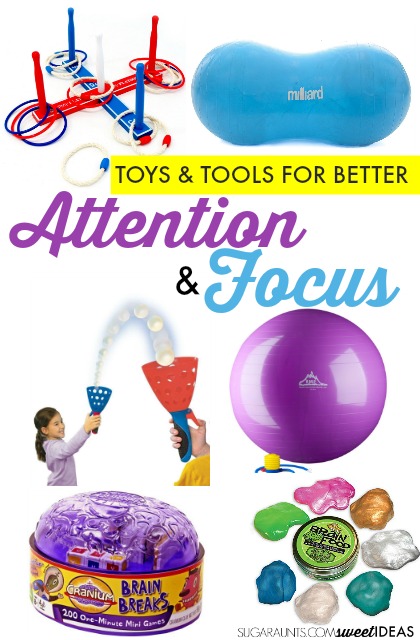
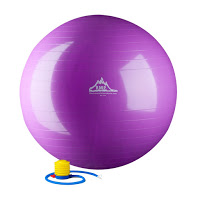
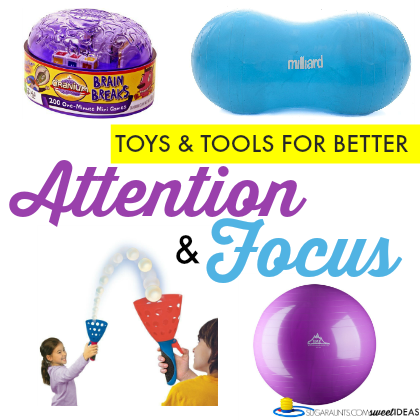
    A smaller sized therapy ball like this 9 inch Stability Ball (affiliate link) might be a better option for kids who use the balls for floor activities like laying prone on the ball in a superman pose.  This is a great core strengthening and vestibular activity that can help with strengthening and sensory needs.


    Other smaller sized therapy balls would be more appropriate when the balls are used as a seat to help with attention. Proper positioning is essential for handwriting and reading when seated at a desk.  Try this 28 inch therapy ball (affiliate link) for younger kids.

    Large Stability Ball (affiliate link) is a great tool to have in the home or classroom.  Use it for alerting sensory input or as a strengthening tool to build core strength. 

    Brain Breaks Game (affiliate link) is a great game that allows time for movement during, before, and after learning. Read more about brain breaks and other ways to help kids focus here.

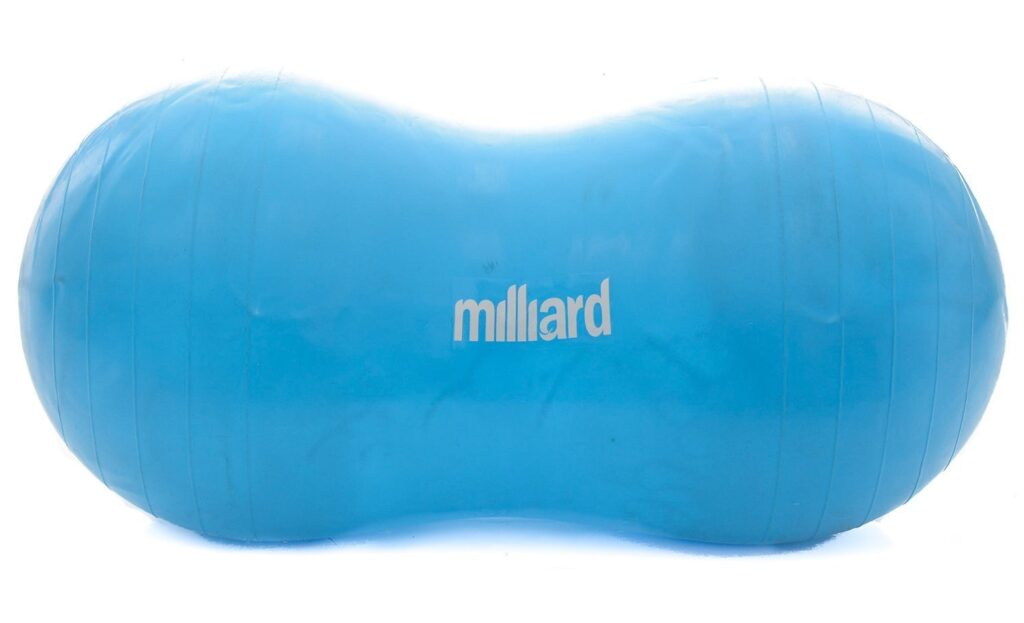
    The Peanut Therapy Ball (affiliate link) is great for inviting movement and sensory input in a variety of positions.  Try this as a seat or to engage core muscles.

     
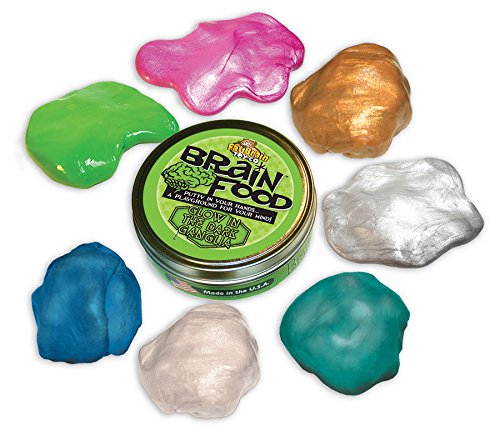
    Thinking Putty (affiliate link) Squeezing putty provides heavy input through the hands.  This can be calming for children and a valuable tool for allow kids to take focus off sensory needs and onto the task at hand.  This type of putty comes in a variety of colors.


    It is important to remember that every child is different.  Just as needs and interests differ, the thing that can capture attention and focus will vastly vary from child to child.  Use the interests that your child cares about to improve focus and attention.  

    Try these attention building tips:


    Begin by playing one on one with the child in an environment that is free from distractions.


    Try playing a game or completing an activity for a short period of time with breaks for movement and gross motor activity.  It is not the movements that will boost attention, but rather the break to allow for movement.  Coming back to a desk-top or structured activity or game may be easier for kids with attention and focusing issues.


    Slowly increase the time spent on a task.

    toys for concentration

    Try games without a lot of rules or classic games that do not have a lot of distracting colors, sounds, and lights.  Other children may require toys that light up with sounds and flashes in order to help with attention, based on the use of novel auditory or visual stimuli. 


    Low-tech attention boosting toys and tools might include:

    Checkers (affiliate link) is a classic game that can encourage increased time focusing on an end goal.  This type of game will certainly not work for all children with attention or focusing difficulties.  The limited colors and simple game board can be a benefit for other children, however.

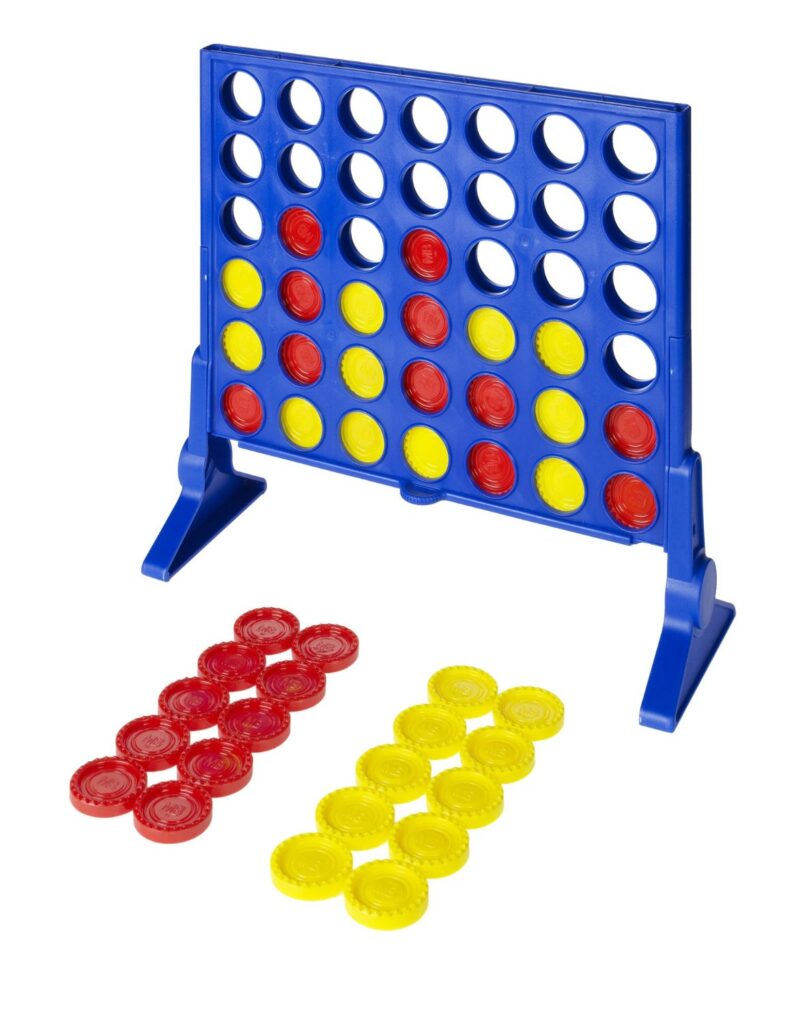
    Connect 4 (affiliate link) Try playing this game on it’s side to eliminate the need to shift the vision and observe distractions.  Use the legs on the game and lay it down on a table surface to have enough slant for the pieces to fall into place. A slight shift might be needed to get the game pieces to fall into place.

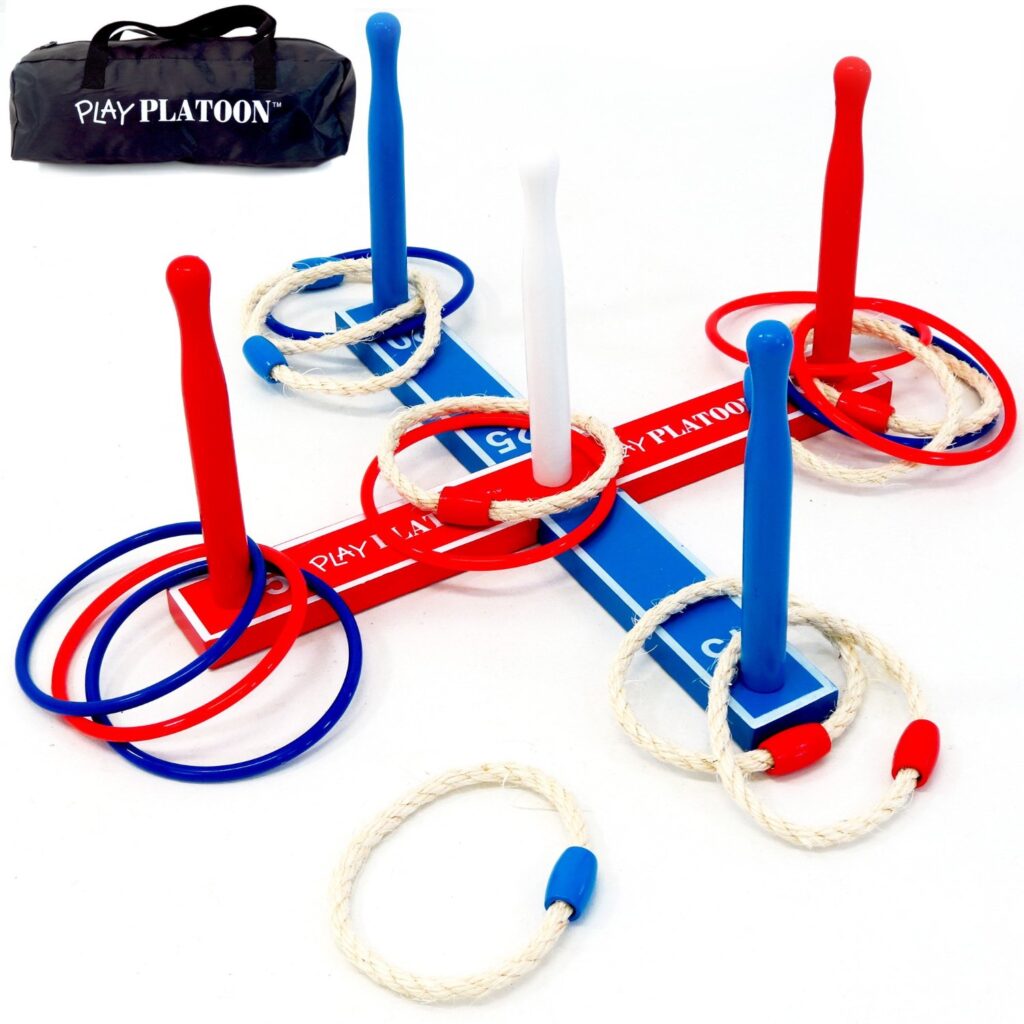
    Ring Toss (affiliate link) is a game that can allow for movement during game play.  Try adding weights to wrists or ankles for heavy work input during game play.  Position the ring toss game in a corner of a room to eliminate distractions.  This type of game is often times an incentive to address leaning concepts such as math, sight words, and spelling.


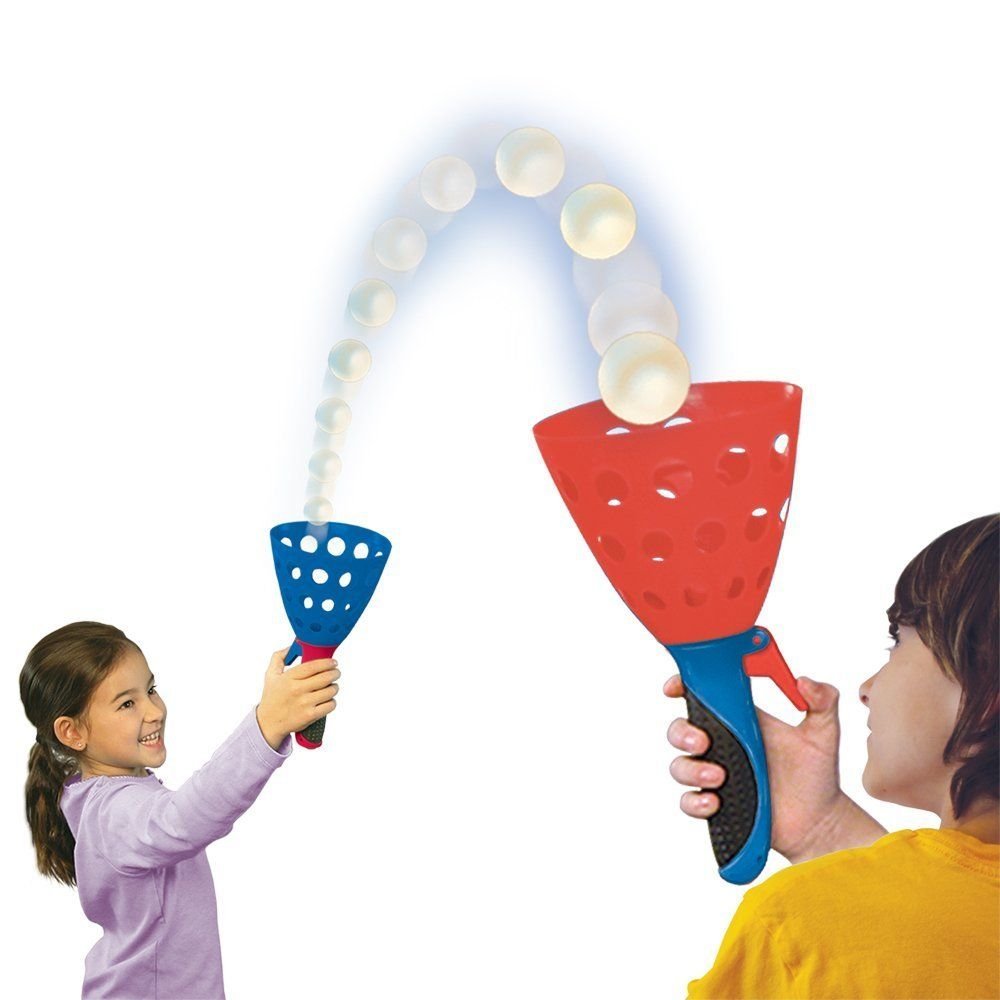
    Pop and Catch Game (affiliate link) is another movement-based way to encourage focus.  Kids will need to keep their eyes on the ball as they move their cup to catch it before it hits the ground.  This might be a challenge for children with visual motor integration difficulties. Try sitting on the floor, close together.  Then, build up to kneeling, moving farther apart, standing, and even sitting in a rolling chair.

    Use these toys and tools to help with attention and focus including visual attention needed for functional tasks and reading or writing.

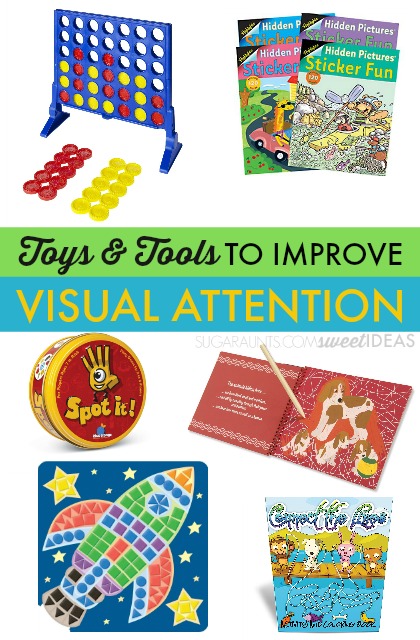
    Toys to help with Visual Attention


    For some kids, the attention concerns arise when there are too many distractions in the child’s visual field.  They are unable to pick out the important information. This might occur when a child is trying to find matching socks from a drawer full of unpaired socks.  They can not scan and search to find the sock they need and give up.    

    Other kids simply can not filter out unnecessary information in a cluttered scene. These kids wiggle, fidget, and can’t focus in the classroom.

    Toys and tools can support these areas. Games and activities like a math maze activity that incorporates interests are one idea. Then, you could also try games and toys that are out there on the market.

    toys to help focus

    These toys to support focus and attention are Amazon affiliate links. Each toy can foster attention and focus by playing the game. 

    Some tips to use toys to support the ability to focus and attend during game play, there are a few ways to make the game not only fun and engaging, but also meaningful in development.

    Using toys to develop focus skills in children is an essential aspect of occupational therapy because kids and play are one and the same! Play is the primary occupation of the child, so game play is one way to foster specific skills.

    When using games to develop focus, use these tips: 

    1. Choose Purposeful Toys: Select toys that encourage concentration and engagement. For younger children, toys with vibrant colors, interesting textures, and simple features can capture their attention. Examples include building blocks, puzzles, or toys that involve sorting and matching.

    2. Incorporate Sensory Elements: Integrate sensory experiences into play to enhance focus. Toys with various textures, shapes, and sizes can stimulate different senses, promoting sensory integration. This could include engaging in flexible seating options and varied sitting positions during play (laying on the floor, alternative seating options, etc.). It could also mean a calming corner to play. Or, you could incorporate sensory bins or other sensory materials in game play. Sensory play has been linked to improved attention and focus in children (Case-Smith & O’Brien, 2010).

    Remember, each child is unique, and it’s crucial to tailor activities based on their individual preferences and developmental level.

    Reference: Case-Smith, J., & O’Brien, J. C. (2010). Occupational therapy for children and adolescents. Elsevier Health Sciences.

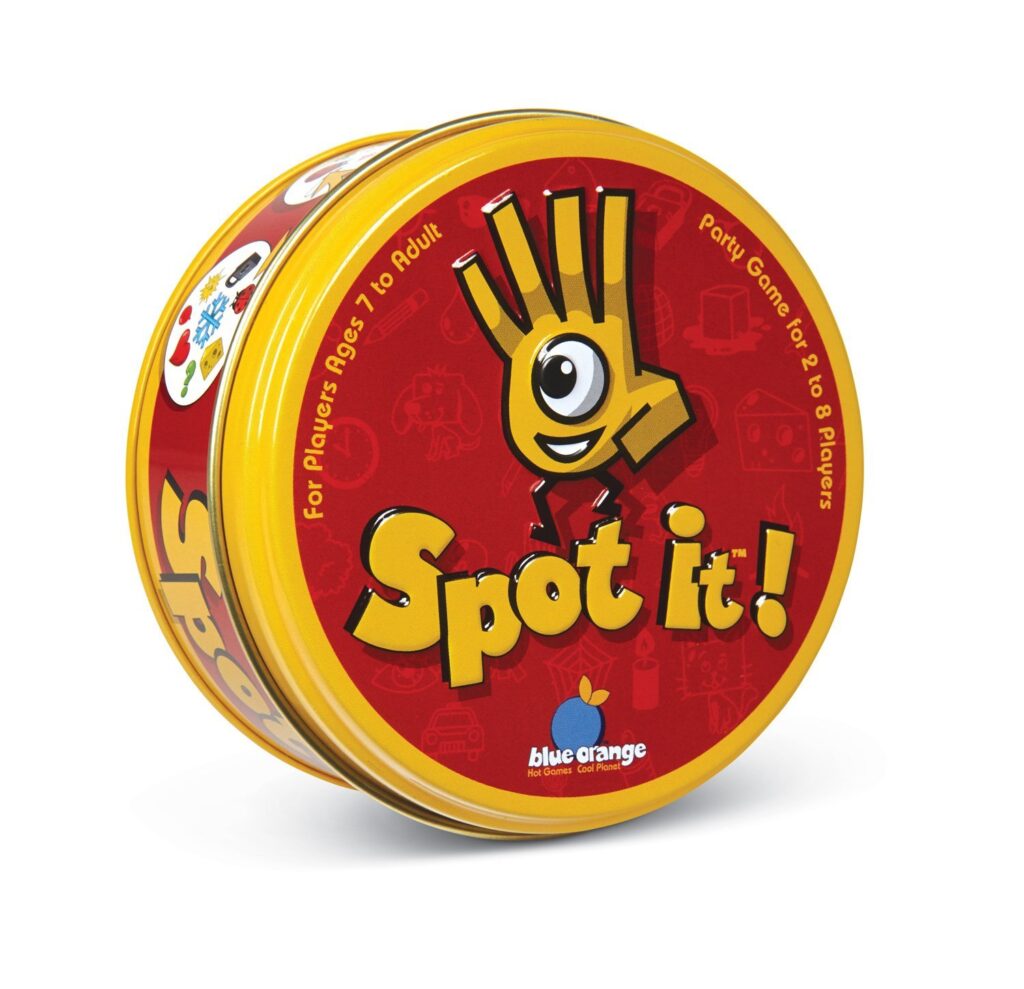
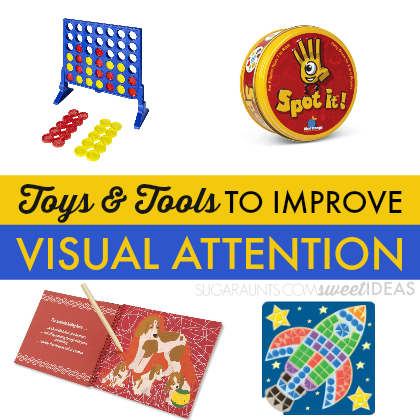
    Spot It (affiliate link) requires kids to pull out and match items between two cards.  This is a great game for car rides, too!


    A Maze Puzzle Book (affiliate link) encourages kids to visually attend to the correct line as they scan the puzzle.
     
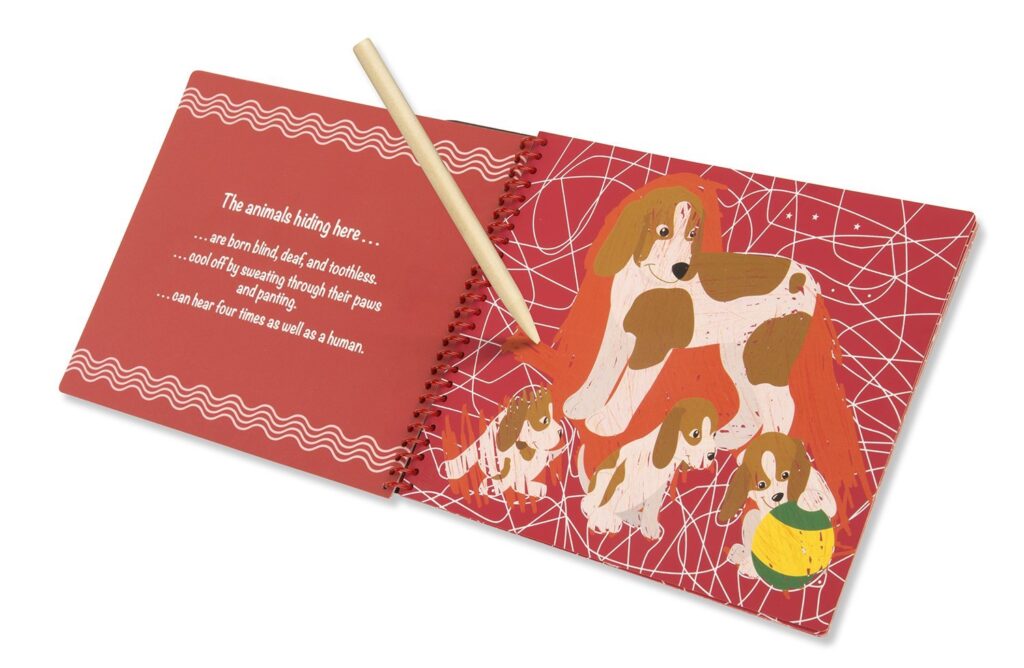
     Visual Attention Scratch art book
     
     Where’s Waldo Books (affiliate link) are a visual attention and memory game. Focus on the details!


    Use Hidden Picture Books (affiliate link) like these sticker books to help kids pull out visual information from a cluttered page.  Using stickers can be motivational for kids.


    Fidget Toys to Help With Attention and Focus

     
    Finally, there is the sensory need that results in inattention.  When kids are preoccupied with a sensory over-stimulation or under-stimulation, attention and focus lack.  We’ve shared toys and tools that can help to meet sensory needs with fidget toys.  Try these ideas for fidget tools for classroom and home use.
     

    The Tangle Jr. Original Fidget Toy (affiliate link)will keep fingers and hands busy so kids can concentrate on homework or school work. 

    A ball of play dough or this Pull and Stretch Bounce Ball (affiliate link) is a good way to keep kids’ hand occupied as they move with the small motor proprioceptive input. This heavy work for the hands can allow kids to concentrate as they write. 

    The Sensory Desk Stickers (affiliate link) is great for kids who are doing homework as it can sit on a table surface or notebook on the go.

    A pencil topper like these Pencil Tops Fidget (affiliate link) can help kids while they write, and can be fidgeted with on or off the pencil. 

    THE ULTIMATE FIDGET (affiliate link) is a quiet fidget toy that kids can keep in their pocket. 
    Keychain Fidget Toys are another option that can help with attention and focus.

    Toys and tools to help with attention and focus in kids.
    Use these toys and tools to help kids with attention and focus including visual attention.

    More tools for addressing attention needs in kids

    There are so many strategies to address attention in kids and activities that can help address attention needs. One tactic that can be a big help is analyzing precursors to behaviors related to attention and addressing underlying needs. 


    How to Support Students with Attention in the Classroom

    Common questions come up when we support parents and teachers with attention needs in the classroom. I will put my responses as an occupational therapist here.

    Why do so many students struggle with attention and focus in school?
    Classrooms today often require students to sit for extended periods, engage in unengaging lessons, or manage high expectations for behavior. This can overwhelm students, leading to attention and behavior challenges. Addressing these concerns requires a multi-faceted approach, including movement breaks, hands-on learning, and strategies to enhance self-regulation.

    How can therapists help teachers promote attention and focus?
    School-based occupational therapy practitioners can collaborate with teachers by providing strategies that are easy to implement in the classroom. Ideas include short brain breaks using tools like the ones inside The OT Toolbox Membership, GoNoodle, Brain Gym, or MeMoves, and introducing standing desks or alternative seating. Offering staff in-service training on integrating movement and sensory strategies into the school day has proven effective in reducing referrals.

    What role does movement play in improving attention?
    Movement is so critical for self-regulation and attention. Activities like brain breaks, outdoor running, or even a few minutes of yoga can help reset a student’s focus. Encouraging more recess or gym time is another way to give students the physical activity they need to stay engaged and attentive.

    How can individualized strategies support students struggling with attention?
    Individualized movement plans, such as creating movement breaks or providing specific tools like wobble cushions or standing desks, can help active students channel their energy productively. Additionally, teaching students to self-advocate for movement breaks empowers them to manage their own needs.

    What are some easy-to-implement strategies for classrooms?
    One idea I love is to use a Google Chrome extension like Move It for reminders to stand and stretch.

    As the OT in a building, I also like to send out weekly emails to staff with tips and articles related to sensory regulation, motor skills, and attention (e.g., “Motor Monday”). Provide teachers with pre-referral manuals or lists of classroom-based interventions.

    How do sensory strategies contribute to attention?
    Sensory strategies help regulate a student’s nervous system, making them better able to focus. These can include heavy work activities, calming tools, or visual schedules to establish routines. There are more inside The OT Toolbox membership. Combining sensory activities with executive functioning strategies like chunking material or using visual aids enhances classroom participation.

    How can we address pushback from teachers on implementing these strategies?
    Middle school and high school teachers may resist incorporating movement into their classrooms. Offering research-backed evidence and easy-to-apply methods, such as brief standing activities or mindfulness moments, can help ease resistance. Highlighting how these tools benefit classroom management and academic success makes them more appealing.

    Can alternative seating really help students?
    Yes, flexible seating options like standing desks, wobble cushions, and other alternative seating options allow students to move subtly while working, improving focus and reducing disruptive behavior that impacts attention.

    How can therapists address teacher overwhelm about attention issues?
    Regular communication, such as weekly emails with simple, actionable ideas, can reduce teacher stress. Providing clear, evidence-based strategies in handouts or in-service sessions ensures teachers feel supported without being overwhelmed.

    More therapy toys to support specific skills:

    1. Fine Motor Toys 
    2. Gross Motor Toys 
    3. Pencil Grasp Toys 
    4. Toys for Reluctant Writers 
    5. Toys for Spatial Awareness 
    6. Toys for Visual Tracking 
    7. Toys for Sensory Play 
    8. Bilateral Coordination Toys 
    9. Games for Executive Functioning Skills 
    10. Toys and Tools to Improve Visual Perception 
    11. Toys to Help with Scissors Skills 
    12. Toys for Attention and Focus 

    Printable List of Toys for Attention and Focus

    Want a printable copy of our therapist-recommended toys to support attention and focusing skills?

    As therapy professionals, we LOVE to recommend therapy toys that build skills! This toy list is done for you so you don’t need to recreate the wheel.

    Your therapy caseload will love these ATTENTION toy recommendations. (There’s space on this handout for you to write in your own toy suggestions, to meet the client’s individual needs, too!)

    Enter your email address into the form below. The OT Toolbox Member’s Club Members can access this handout inside the dashboard, under Handouts. Just be sure to log into your account, first!

    Therapist-Recommended
    ATTENTION & FOCUS TOYS HANDOUT

      We won’t send you spam. Unsubscribe at any time.

      Colleen Beck, OTR/L has been an occupational therapist since 2000, working in school-based, hand therapy, outpatient peds, EI, and SNF. Colleen created The OT Toolbox to inspire therapists, teachers, and parents with easy and fun tools to help children thrive. Read her story about going from an OT making $3/hour (after paying for kids’ childcare) to a full-time OT resource creator for millions of readers. Want to collaborate? Send an email to contact@theottoolbox.com.

      Bilateral Coordination Toys

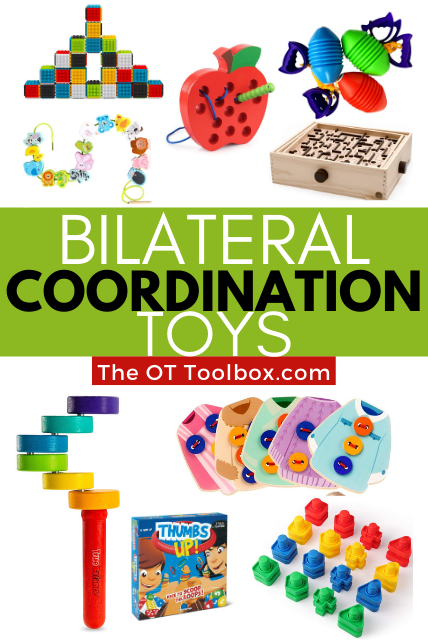
      Bilateral coordination toys

      Here we are covering all things bilateral coordination toys. When it comes to bilateral integration, coordinating both sides of the body in play can be a challenge for some children. These bilateral skills impact functional use of the body, motor planning, and bilateral integration as a whole. It’s through play with occupational therapy toys targeting bilateral skills that children can strengthen and develop this essential motor skill. Let’s dissect a few select toys that promote this skill.

      Amazon affiliate links are included in this blog post. As an Amazon Influencer, I earn from qualifying purchases.
      Bilateral Coordination Toys

      We’ve previously covered both fine motor toy ideas and gross motor toys. Today’s topic closely mirrors those areas. Today is all about the bilateral integration that goes into motor play. 

      First, let’s talk Bilateral Coordination Toys!

      Bilateral coordination toys are an occupational therapy intervention that helps children develop essential skills in bilateral integration. Toys that use both hands in a coordinated manner help children with bilateral coordination, crossing midline, and using both hands in tasks. These are essential skills that allow for an integration of both sides of the body, but more than that, bilateral coordination tells us that the brain is communicating effectively and sharing information between sides of the brain.

      Today, I’m excited to share bilateral coordination toys and games to help support this essential skill.

      Bilateral coordination toys for kids to develop coordination of both sides of the body.

      Bilateral integration

      Bilateral coordination in functional tasks makes up much of our day! Think of all of the other areas where you are using both hands or both sides of the body at the same time: getting dressed, tying shoes, cooking, typing, holding a book while reading, pouring a glass of water…the list could go on and on!

      Read about bilateral integration in the cross crawl exercise resource.

      This integrated use of both sides of the body can be developed through play.

      Using both sides of the body together is a skill needed for many tasks: writing with a pencil with one hand while stabilizing paper with the other hand is one such activity.

      Another bilateral coordination task is cutting with scissors with one hand while holding and manipulating paper with the other hand.

      For children with difficulty in crossing midline, or using integrated bilateral skills, using toys in play is an effective way to work on and nurture this skill.

      Looking for a toy to work on bilateral coordination to add to your gift giving this holiday season? Today we are covering ways to build bilateral coordination skills using toys and everyday items. We also have another giveaway to share today. This time it’s a fine motor toy that promotes a variety of sills, bilateral integration being one of them. I wanted to highlight this as a toy for building bilateral coordination because as we know, promoting this skill is a valuable building block to other tasks such as handwriting, cutting with scissors, self-care tasks, and more.

      Working on bilateral coordination in play is a means and a strategy for building this essential skill. So, why is bilateral coordination so important? And what exactly does bilateral coordination mean?

      DIY Bilateral Coordination Toys

      We’ve shared quite a few bilateral coordination toys and DIY activities here on this site in the past.

      A bilateral coordination lacing plate is a DIY toy and activity that can be used to work on coordinated use of both hands with a variety of themes.

      Using puzzles and games that you already have with an extra special addition can be a great way to work on bilateral coordination with puzzles.

      Play dough and sensory doughs are fun ways to play while working on skills like bilateral coordination and other motor skills.

      Stickers are an easy way to work on bilateral coordination and can be used in the classroom, clinic, or home and in combination with obstacle courses and other motor activities.

      Pegboards (both DIY and store-bought versions), are a fantastic way to work on bilateral coordination in play and in developing visual motor skills and coordination.

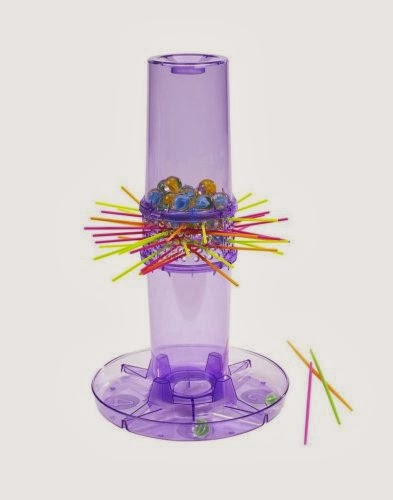
      DIY pick-up sticks are a fun way to address bilateral integration and coordinated use of both hands together.

      Making DIY lacing cards are a fun way to work on bilateral coordination. Making the lacing cards is part of the fun.

      Miniature rhythm sticks can be a musical and creative way to encourage bilateral coordination.

      Lock and keys games like with this DIY lock and key activity makes fine motor development an out of the box way to work on skills kids need for independence and instrumental activities of daily living.

      Bilateral Coordination Toys

      There are many bilateral coordination toys on the market as well. Let’s take a look at some toys and games that you can add to your therapy toolbox.

      Amazon affiliate links are included below.

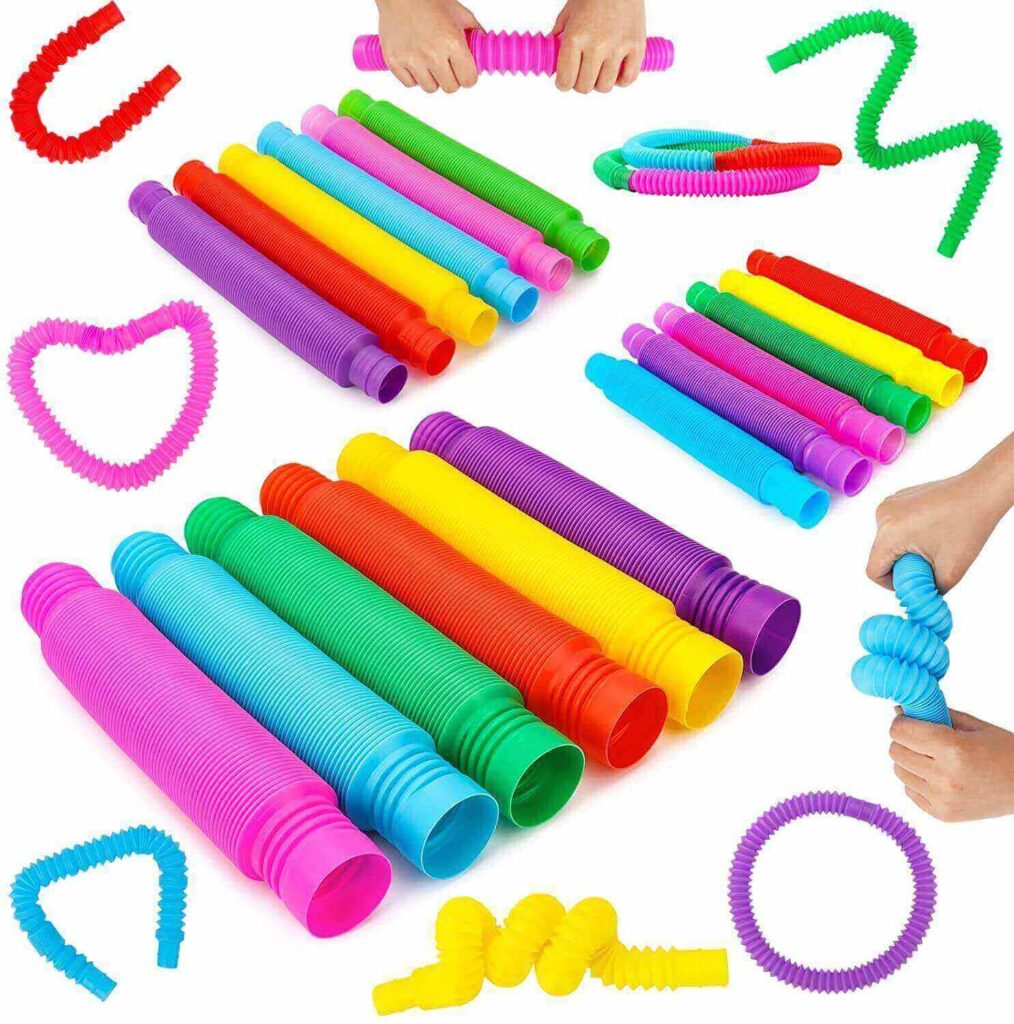
      Pop Tubes Toy for Bilateral Coordination– (affiliate link) Pop tubes can be used in many ways to work on bilateral skills. Use them for a fine motor bilateral coordination task, or use them to work on a large scale or small scale. Wrap one around a wrist and build off of that tube. Or create a chain of tubes. Hold one and drop objects through the tube and into a container. How will you use this bilateral coordination toy?

      Bilateral coordination toy for use in bilateral coordination obstacle courses and other occupational therapy interventions.

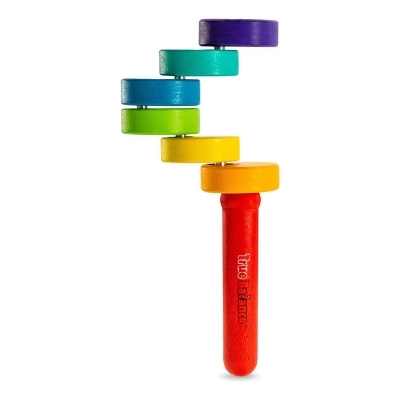
      TruBalance Bilateral Coordination Toy (affiliate link) This toy requires both hands as well as the eyes to challenge balance, coordination, and bimanual skills. Kids can work with this toy while sitting, standing, or in more challenging positions. Try incorporating couch cushions for a balance activity. Use this toy in a bilateral coordination obstacle course. Kids can use the pieces in a scavenger hunt type of activity where the parts are scattered at various levels and positioning, allowing the child to crawl, climb, walk, or squat while balancing the toy. The options go on and on!

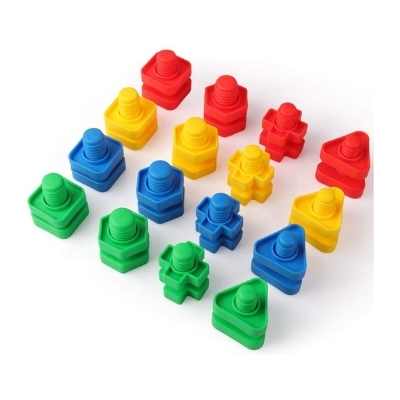
      Use nuts and bolts activities to help kids develop bilateral coordination.

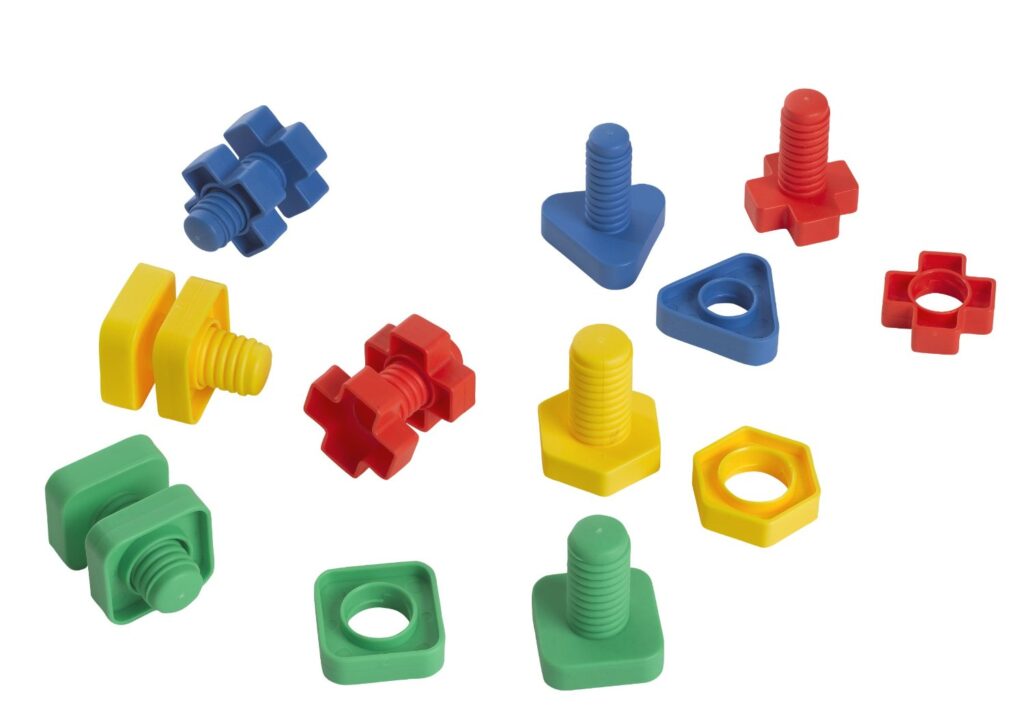
      Nuts and Bolts Bilateral Coordination Toy– (affiliate link) This nuts and bolts activity is great for developing fine motor skills as well as bilateral coordination by requiring the child to use one hand to manipulate the parts while the other hand acts as a stabilizer. This is a nice way to develop skills needed for tasks like handwriting, pouring, stabilizing, cooking, etc.

      Another great option is a tube building toy. This has a lot of open-ended creative building that can be done.

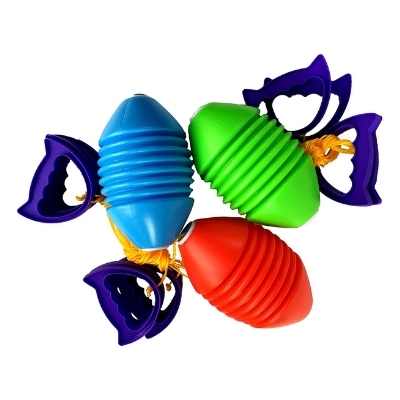
      Zoom ball in therapy can be used to work on bilateral coordination, visual convergence, core strength, shoulder stability, and motor planning.

      Zoom Ball– (affiliate link) This classic toy is such a great way to work on many skills: bilateral coordination, core strength, shoulder stability, visual convergence, motor planning, and coordination. Just like the TruBalance toy, a zoom ball can be used in different positions to challenge balance and vestibular input: Try using the zoom ball in sitting, standing, kneeling, standing on couch cushions, a slant…again, the options are limitless! Use our favorite zoom ball games to get started.

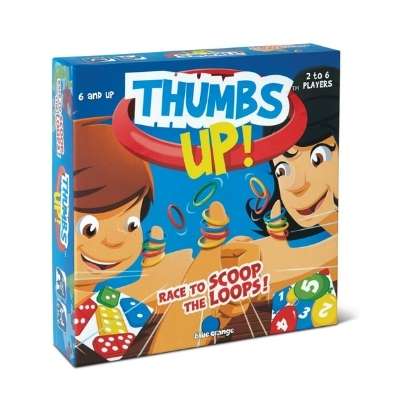
      Thumbs up is a bilateral coordination game for kids.

      Thumbs Up Game– (affiliate link) This bilateral coordination game requires players to place rings on their thumb in a “thumbs up” position while they race to scoop and find the correct combination of colored rings to add to their thumb. It’s a fun racing game that builds visual perceptual skills too: figure ground, visual discrimination, visual memory, as well as the visual processing skill of scanning.

      Lacing cards help kids develop bilateral coordination skills.

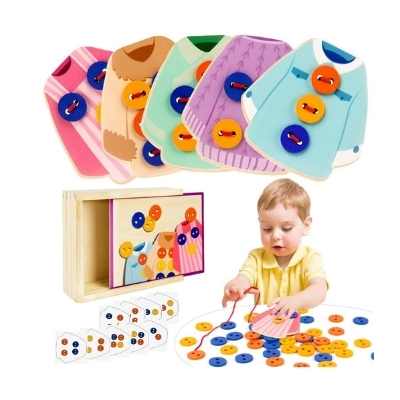
      Lacing Buttons– (affiliate link) There is no doubt about the power of lacing cards when it comes to developing bilateral coordination skills. However, this lacing buttons activity takes it up a notch with the eye-hand coordination and visual processing skills. Kids can lace buttons onto wooden shirt pieces while building bilateral skills, fine motor skills, and eye-hand coordination. However, the set also includes puzzle cards that ask the child to lace on colored buttons in specific order so it matches the cards. What a workout in visual processing skills, too!

      use lacing beads to help kids with coordination, fine motor skills, and bimanual skills.

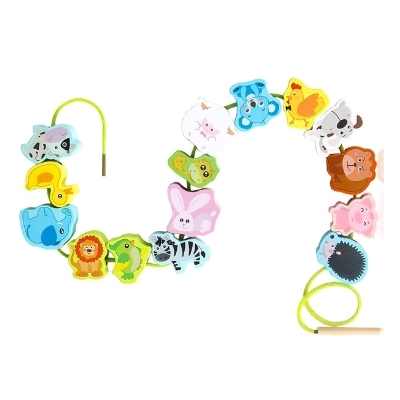
      Animal Lacing Beads– (affiliate link) These lacing beads are chunky wooden animals that help kids develop bilateral coordination, eye-hand coordination, fine motor skills, and visual perceptual skills. As an occupational therapist, I am drawn to this toy because of the different animals that could be used in sequencing activities, sensory bins, pretend play, stacking activities, and so much more.

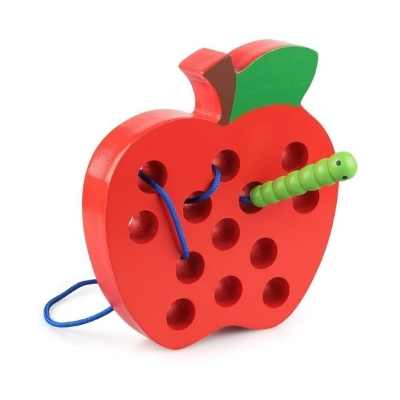
      Apple lacing activity for bilateral skills.

      Wooden Lacing Apple– (affiliate link) This lacing puzzle challenges bilateral coordination skills and can be used to work on eye-hand coordination, tripod grasp, and motor planning. Use this activity to help with stabilization as well.

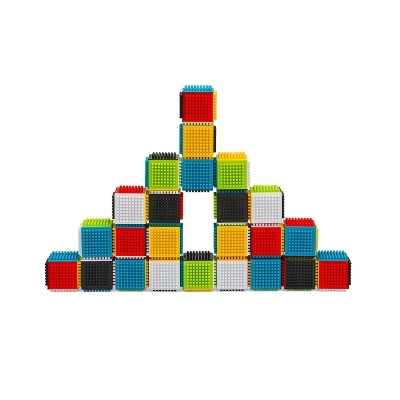
      Press blocks offer a sensory feedback opportunity for building bilateral coordination.

      Press and Stay Blocks– (affiliate link) These building blocks require bilateral coordination with a press so they stay, helping kids to develop bilateral coordination and get proprioceptive input to push them together and then take them apart. Building blocks are a great way to build fine motor skills and visual perceptual skills, and these are a great addition to your therapy toolbox collection.

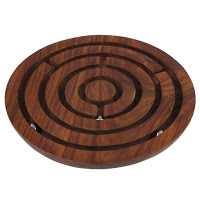
      Labyrinth Game (affiliate link) This maze game is a favorite in our house, and a tool for building bilateral coordination and visual perceptual skills too. Kids need to manipulate two knobs at the same time and coordinate visual information with one hand or the other…or both. It’s a brain building challenge that involves both sides of the body. Challenge kids to do this activity in a kneel or while standing on their knees at a low table to challenge balance and offer proprioceptive input as well.

      fine motor toy for kids

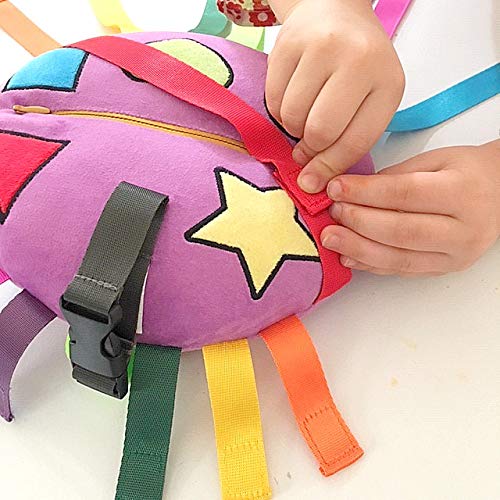
      Octi Buckle Plush Toy with Hook and Loop Straps– (affiliate link) This play toy is a strategy to encourage development of fine motor skills, problem solving, color matching, coordination, and more. This stuffed play buddy is a toy that promotes development of many skills, bilateral coordination being one of them.

      Using toys that double as quiet time activities, busy bags, or travel toys…all while working on skills is what makes toys like the buckle plush toy a therapist-approved toy. A buckle toy, with bright colors, shapes, straps, and zipper pouch will provide countless hours of recognition activities, brain building games and development puzzles. Your little one will stay busy counting the number of straps, connecting them together, pulling them apart, and starting over again. Kids can hide small items and treasures in the zip pouch, then unzip it later and get excited over their discovery!

      More Bilateral coordination activities

      Amazon affiliate links are included below.

      Also, check out these other toy suggestions based on therapeutic development through play.

      1. Fine Motor Toys 
      2. Gross Motor Toys 
      3. Pencil Grasp Toys 
      4. Toys for Reluctant Writers
      5. Toys for Spatial Awareness 
      6. Toys for Visual Tracking 
      7. Toys for Sensory Play 
      8. Bilateral Coordination Toys 
      9. Games for Executive Functioning Skills 
      10. Toys and Tools to Improve Visual Perception 
      11. Toys to Help with Scissors Skills
      12. Toys for Attention and Focus 

      Printable List of Toys for Bilateral Coordination

      Want a printable copy of our therapist-recommended toys to support bilateral coordination?

      As therapy professionals, we LOVE to recommend therapy toys that build skills! This toy list is done for you so you don’t need to recreate the wheel.

      Your therapy caseload will love these BILATERAL COORDINATION toy recommendations. (There’s space on this handout for you to write in your own toy suggestions, to meet the client’s individual needs, too!)

      Enter your email address into the form below. The OT Toolbox Member’s Club Members can access this handout inside the dashboard, under Handouts. Just be sure to log into your account, first!

      Therapist-Recommended
      BILATERAL COORDINATION TOYS HANDOUT

        We won’t send you spam. Unsubscribe at any time.

        Colleen Beck, OTR/L has been an occupational therapist since 2000, working in school-based, hand therapy, outpatient peds, EI, and SNF. Colleen created The OT Toolbox to inspire therapists, teachers, and parents with easy and fun tools to help children thrive. Read her story about going from an OT making $3/hour (after paying for kids’ childcare) to a full-time OT resource creator for millions of readers. Want to collaborate? Send an email to contact@theottoolbox.com.

        Visual Tracking Tips and Tools for Treatment

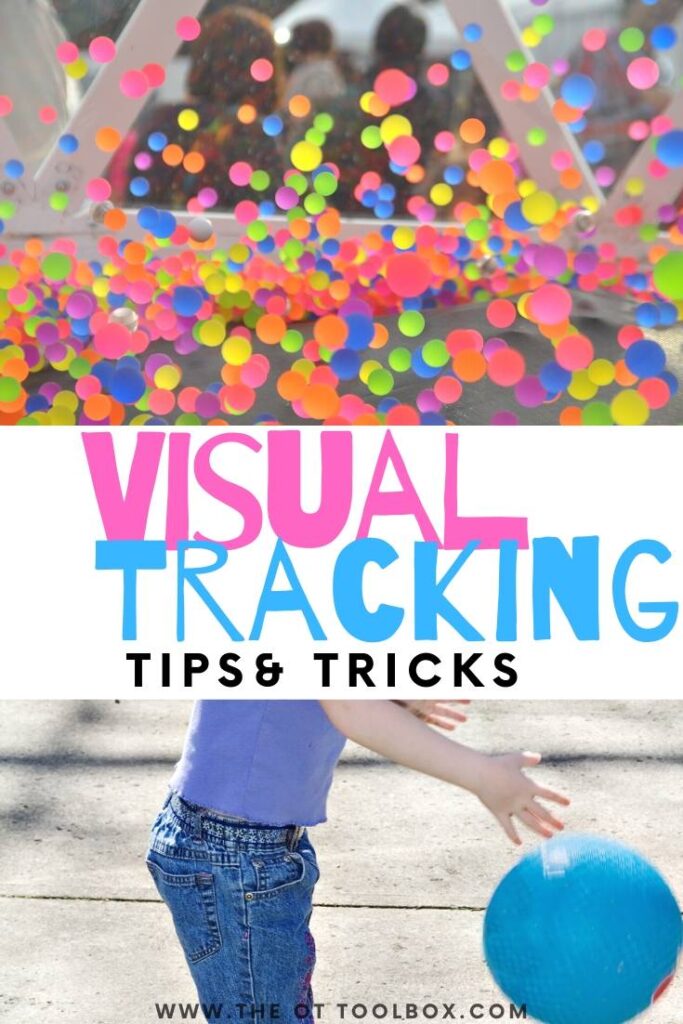
        Here we are covering all things visual tracking, including what visual tracking means, how to improve visual tracking skills, and visual tracking toys to support development of this visual processing skill.

        Amazon affiliate links are included in this blog post. As an Amazon Influencer, I earn from qualifying purchases.

        Visual Tracking toys and tools to improve visual fixation, visual tracking, visual saccades, in handwriting, reading, and so many functional daily tasks and skills in kids.

        What is Visual Tracking

        Visual tracking is typically defined as the ability to efficiently move the eyes from left to right (or right to left, up and down, and circular motions) OR focusing on an object as it moves across a person’s visual field.

        This skill is important for almost all daily activities, including reading, writing, cutting with scissors, drawing, and playing.  According to typical development of visual processing, the ability to visually track objects emerges in children around the age of five.  

        Reading a paragraph without losing their place, copying a list of homework from the chalkboard, misalignment of vertical and horizontal numbers in math problems, confusion in interpreting written direction, mixing up left/right, persistent letter reversals…Does any of this sound familiar? It’s all visual tracking!  

        Vision and visual tracking are tasks that happen without us even realizing.  The brain and it’s jobs is an amazing thing and our eyes are moving, tracking, scanning, focusing, pursuing, and accommodating without us even realizing.     There are many ways to work on visual perception in playful and creative ways.

        Related is the visual figure ground piece, which allows us to pull visual information from a busy background, and track that visual input.  

        visual tracking exercises

        Visual Tracking Exercises

        Using visual tracking exercises like the one described below can be a powerful way to use eye exercises to improve vision in kids. These are the visual skills needed not for visual acuity, but rather, those unseen visual problems that impact visual processing skills.

        Visual tracking exercises can include vision therapy activities that improve areas such as visual saccades or smooth visual pursuit.

        Difficulties in Visual Tracking

        You might see problems with these tasks if a child has difficulty with visual tracking:

        • Losing place when reading.  Re-reads or skips words or lines.  
        • Omits, substitutes, repeats, or confuses similar words when reading.
        • Must use finger to keep place when reading.
        • Poor reading comprehension.
        • Short attention span.
        • Difficulty comprehending or remembering what is read.
        • Confusion with interpreting or following written directions.
        • Writing on a slant, up or down hill, spacing letters and words irregularly.
        • Confusion with left/right directions.
        • Persistent reversals of letters (b, d, p, q) when naming letters.
        • Reverses letters when writing (persistent reversals after 2nd grade.)
        • Errors when copying from a chalkboard or book to paper.
        • Misalignment of horizontal and vertical series’ of numbers in math problems.

        Also related to visual tracking and very similar while being involved in many of these problem areas, is visual scanning.  

        It is important to note that not all of these difficulties indicate a true visual tracking and or visual scanning problem.  For example, many children demonstrate poor reading comprehension and may show a short attention span while not having visual scanning problems.  

        All children should be evaluated by a pediatric physician, behavioral optometrist, and occupational therapist to determine true visual processing and visual tracking or visual scanning deficits.  These recommendations are meant to be a resource.    

        Visual Tracking toys and tools to improve visual fixation, visual tracking, visual saccades, in handwriting, reading, and so many functional daily tasks and skills in kids.

        Visual Tracking Activities

        Today, I’m sharing an easy visual tracking activity that will help kids with many functional difficulties.  This post is part of our new series where we are sharing 31 days of Occupational Therapy using mostly free or inexpensive materials.

        Today’s activity should cost you at most $2 unless you already have these items in your craft cupboard or office supplies.  Add this activity to your treatment bag for multiple activities.  Read on:

        Amazon affiliate links below.

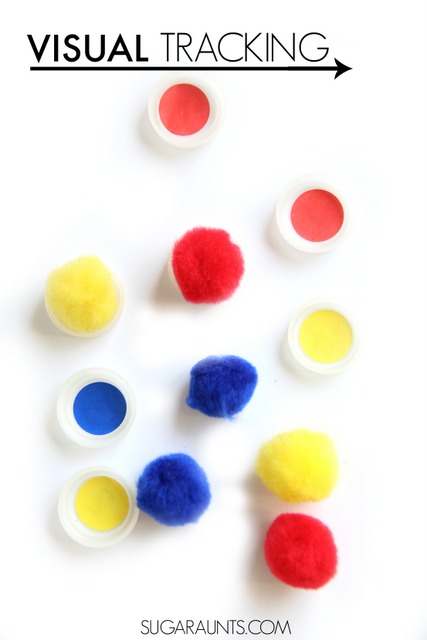
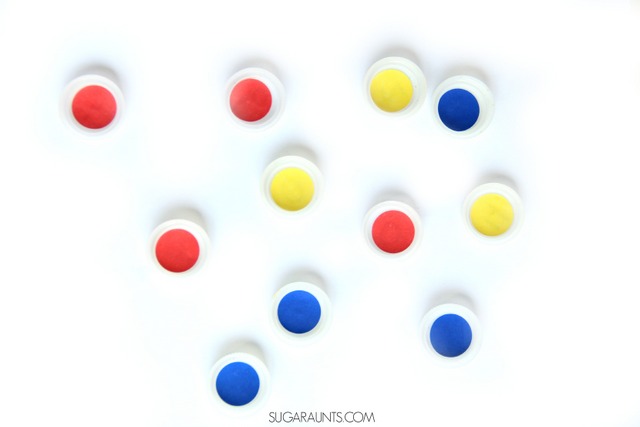
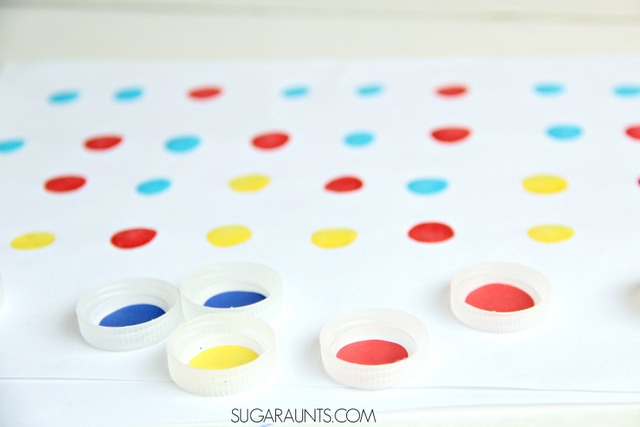
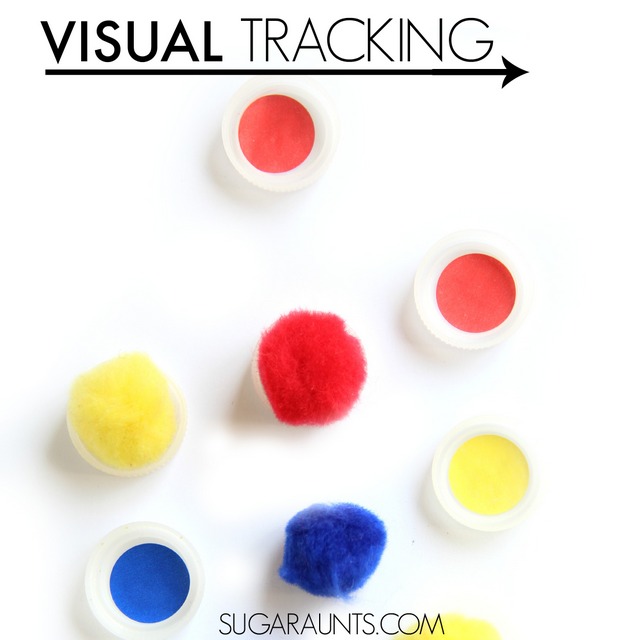
        This Visual tracking activity is easy to set up.  Gather recycled bottle caps.  I used round dot labels (affiliate link) from our office supplies to color the inside of each cap.  You could also use a marker or paint to color the bottle caps.  Use what you’ve got on hand to make this treatment activity free or almost free!   Next, gather matching crafting pom poms. (affiliate link)  These can be found at the dollar store for and inexpensive treatment item.    

        visual tracking activities

        Skills Related to Visual Tracking

        It’s important to mention that there are several skills related to visual tracking. These sub-areas should be identified as a piece of the overall puzzle. Areas related to visual tracking play a role in the eyes ability to fixate on an object and follow it as it moves. These skills include:

        • Visual fixation
        • Peripheral tracking
        • Visual pursuit

        Visual Fixation Activity: (Maintaining vision on an item in the visual field) Work one eye at a time.  

        1. Have your child close one eye and place a colored crafting pom pom onto a matching bottle cap.  They need to use one hand to place the pom pom into the corresponding bottle cap and not move bottle caps around on the table.
        2. After the child has filled all of the bottle caps using one eye, repeat the task with the other eye.  
        3. Then complete the activity using both eyes.    
        4. You can also do this activity by placing the label dots on a paper. Match the bottle caps onto the dots. 

        Visual Stare Activity (the amount of time the eyes can fixate on an object without eye movements)

        1. Hold up one bottle cap on your nose.
        2. Ask your child to sit about 18 inches from you and stare at the bottle cap.  Note their eye movements as they stare.  
        3. Keep track of time that the child can stare at the target without visual saccades (eye movements).

        Peripheral Tracking Activity (visually tracking from the peripheral visual fields)

        1. Arrange the bottle caps on the table.  
        2. Place a pom pom in the center of the table, with the bottle caps all around it.  
        3. Ask your child to stare at the pom pom. While keeping their head still and only moving their eyes, ask them to quickly find a bottle cap with the same color.  
        4. Ask them to scan to another bottle cap of the same color until they’ve found all of the caps with that color.  
        5. You can add a level to this task by writing letters or numbers in the bottle caps and asking the child to find letters in order or numbers in order.

        Visual Tracking Pursuit Activity (watching and tracking a moving object)

        1. Set one bottle cap on the right side of the table.  
        2. Place another at the left side.  
        3. The adult should blow a crafting pom pom from the right to the left and ask the child to follow the pom with his eyes, without moving their head.
        4. Repeat by blowing the pom pom from the left to the right, front to back, and back to front in front of the child.

        Visual Tracking Tracing Lines (Watching a pencil line as it is formed, and following the line with eye-hand coordination to trace with a pencil or marker)

        1. Set one vertical row of bottle cap on the left side of the child.  
        2. Place another vertical row on the right side.
        3. The adult should draw a line from one bottle cap on the left side to a matching bottle cap on the right side.  
        4. Instruct the child to follow the pencil as you draw.  Nest, trace the line with your finger.  
        5. Ask the child to trace the line with their finger.  
        6. They can then trace the lines with a pencil or marker.
        Visual Tracking toys and tools to improve visual fixation, visual tracking, visual saccades, in handwriting, reading, and so many functional daily tasks and skills in kids.

        More eye tracking Strategies

        • Complete mazes
        • Do puzzles.
        • Use a newspaper or magazine article.  Ask your child to highlight all of the letter “a’s”.
        • Draw or paint pictures.
        • Place a marble in a pie pan.  Rotate the pan around and watch the ball as it rolls. Don’t move your head, only your eyes!
        • Find as many things shaped like a a square in the room.  Repeat the activity, finding all of the circular shaped items in the room.
        • Play “I Spy.”
        • Dot-to-dot pictures.
        • Play balloon toss.
        • Use tracing paper to trace and color pictures.
        • Trace letters with chalk.
        • Play flashlight tag on walls and ceilings. The adult an child each holds a flashlight. As the adult shines the light on walls, the child keeps their light superimposed on top of yours. Start with simple strait lines.  Then add curved lines, then a circle.  Tell them what you are drawing next.  Advance the activity by drawing shapes without telling them what you are doing next.
        • Play with wind-up cars.
        • Create a race track on the floor. Follow cars with your eyes.
        • Roll a ball between you and the child.  Roll from left-right, right-left, front-back, back-front, and toss the ball.

        Visual Tracking toys and tools to improve visual fixation, visual tracking, visual saccades, in handwriting, reading, and so many functional daily tasks and skills in kids.

        Visual tracking Toys

        Looking for more tools to improve visual tracking?  The toys below are great for improving visual tracking and visual scanning in fun ways.  These toys, games, and ideas may be a great gift idea for little ones who have visual perceptual difficulties or problems with visual tracking and handwriting, body awareness in space, letter reversals, detail awareness, or maintaining place while reading.  

        SO, save these ideas for grandparents and friends who might ask for gift ideas for birthdays and holidays.  These are some powerhouse visual tracking ideas!

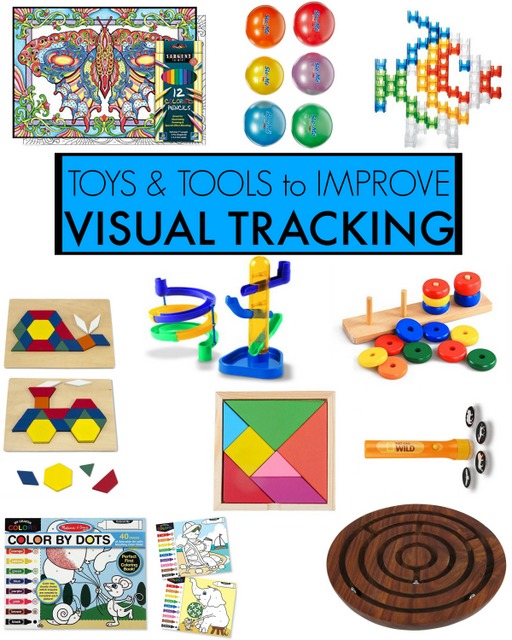
        Use Pattern Blocks and Boards (affiliate link) to work on visual fixation of shapes and sizes of shapes. 

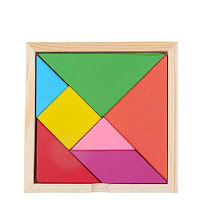
        This Wooden Tangram Puzzle (affiliate link) has many different shapes and forms that can be copied from instructions. Copying from a diagram is a great way to practice visual tracking.

        For younger kids, this Wooden Stacking Toy encourages tracking for color sorting.  Try some of our pom pom activities that we discussed above!

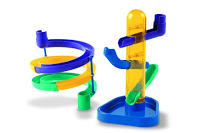
        Mazes are excellent for fostering and building on visual tracking skills. Particularly those that involve a moving ball such as a Marble Run (affiliate link)
        or a labrynth (affiliate link).

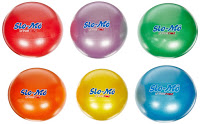
        Watching a ball or moving object that is thrown around a room (like a balloon) is a great way to work on tracking in a big area. These Sportime Sensory Balls SloMo Balls (affiliate link) are lightweight and move more slowly than a typical ball, allowing kids to visually track the bright color. These are very cool for games of toss and rolling in all planes and directions. Use them to address peripheral tracking as well. 


        A flashlight can be used in so many visual tracking activities. Shine the light on words or letters taped to walls. Play “I Spy” in a dark room, shine shapes like this flashlight (affiliate link)can for visual tracking and form tracking.

        More visual Tracking Toys

        These visual tracking toys are Amazon affiliate links.

        Also check out these other top occupational therapy toys:

        1. Fine Motor Toys   
        2. Gross Motor Toys 
        3. Pencil Grasp Toys 
        4. Toys for Reluctant Writers 
        5. Toys for Spatial Awareness 
        6. Toys for Visual Tracking 
        7. Toys for Sensory Play 
        8. Bilateral Coordination Toys 
        9. Games for Executive Functioning Skills 
        10. Toys and Tools to Improve Visual Perception 
        11. Toys to Help with Scissors Skills 
        12. Toys for Attention and Focus 

        Printable List of Toys for VISUAL TRACKING

        Want a printable copy of our therapist-recommended toys to support visual tracking skills?

        As therapy professionals, we LOVE to recommend therapy toys that build skills! This toy list is done for you so you don’t need to recreate the wheel.

        Your therapy caseload will love these VISUAL TRACKING toy recommendations. (There’s space on this handout for you to write in your own toy suggestions, to meet the client’s individual needs, too!)

        Enter your email address into the form below. The OT Toolbox Member’s Club Members can access this handout inside the dashboard, under Handouts. Just be sure to log into your account, first!

        Therapist-Recommended
        VISUAL TRACKING TOYS HANDOUT

          We won’t send you spam. Unsubscribe at any time.
          Visual Tracking toys and tools to improve visual fixation, visual tracking, visual saccades, in handwriting, reading, and so many functional daily tasks and skills in kids.

          Toys to Improve Scissors Skills

          scissor skills toys

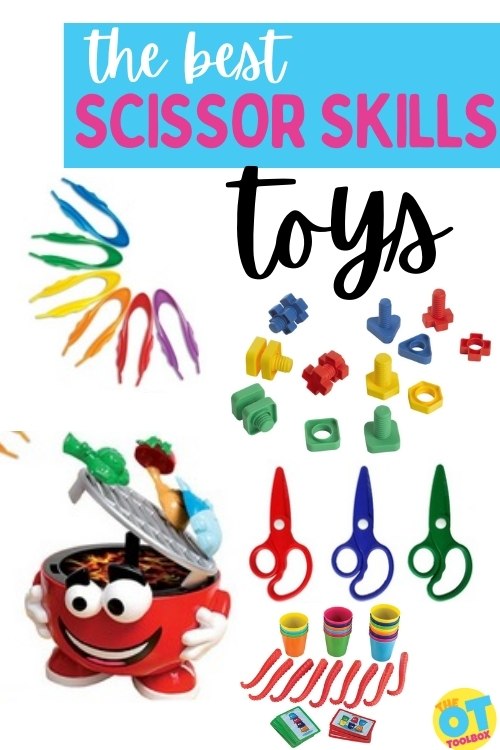
          Today we are talking all about the very best toys to improve scissor skills. When kids are learning to cut with scissors, developing scissor skills precision through actual use of scissors to cut various grades of paper is the primary goal and means. But, did you consider different toys that support scissor skill development? These occupational therapy toys specifically develop the skills needed to snip paper, cut, and manipulate scissors to cut!

          Amazon affiliate links are included in this blog post. As an Amazon Influencer, I earn from qualifying purchases.

          Scissor skills toys to help kids use scissors.

          Scissor Skills Toys

          When working as an Occupational Therapist in the schools, one of my favorite skills to work on with kids was scissor skills. I loved working on the fine motor strength to open and shut scissors repeatedly in order to cut a shape with endurance, the eye-hand coordination needed in order to manage the scissors along lines, and the bilateral hand coordination needed to manage the paper and the scissors.  

          There are a lot of little steps needed for each of these components of cutting a shape.  A child can become very frustrated with the task of cutting with scissors if just one of these areas are difficult.  I love that many scissor tasks can be graded according to skill, age, or ability when it comes to snipping.  And I love doing activities with my kids to work on hand strength needed for using scissors or working on visual motor skills  needed for cutting shapes with scissors.  

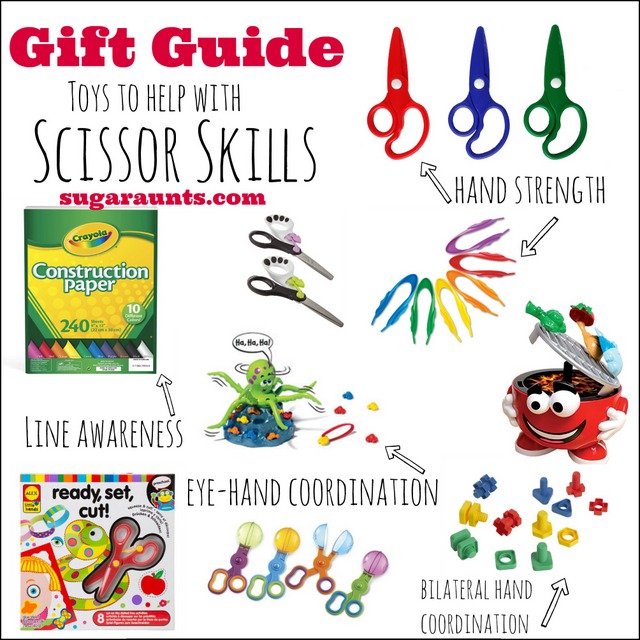
          When it’s time to look for toys or holidays or birthdays, sometimes parents want a gift that is purposeful for independence or developmental skills like toys to help kids with getting dressed or toys to help with pencil grasp.  This one is all about our favorite toys to help with Scissor Skills!  

          The scissor skills toys listed below will support development of scissor use no matter what type of scissors are used; The recommended toys for scissor use support development of the underlying skills needed for scissor use.

          Toys and ideas to work on scissor skills in kids.  These are great gift ideas for preschoolers and Toddlers.

          Toys to Help Kids work on Scissor Skills:

          Scissor sets can help kids work on the developmentally appropriate levels of using scissors: snipping, cutting strait lines, then curved lines and angled lines. Finally simple shapes and complex shapes are covered as the child works their way through the books.  

          Affiliate links are included below.

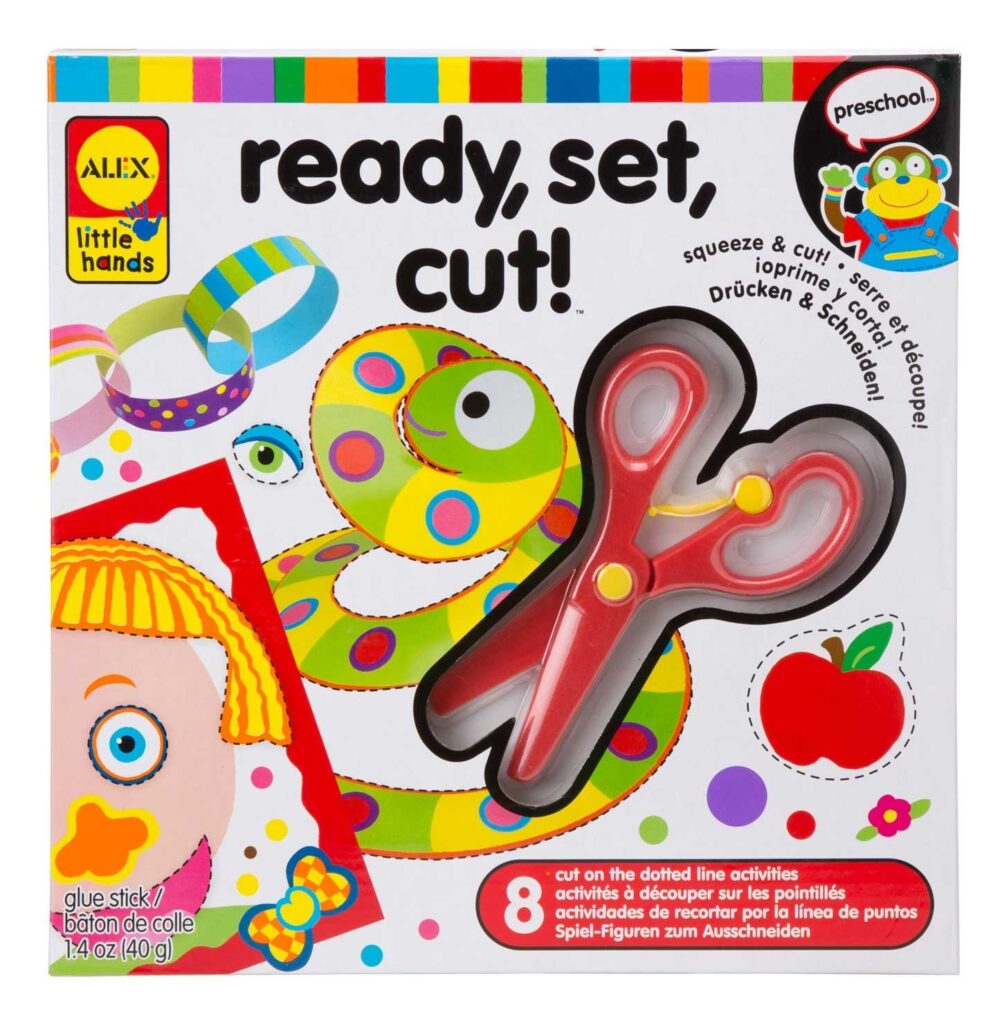
          Ready, Set, Cut! (affiliate link) from Alex Toys for scissor practice on curved and spiraled lines to create eight crafts.

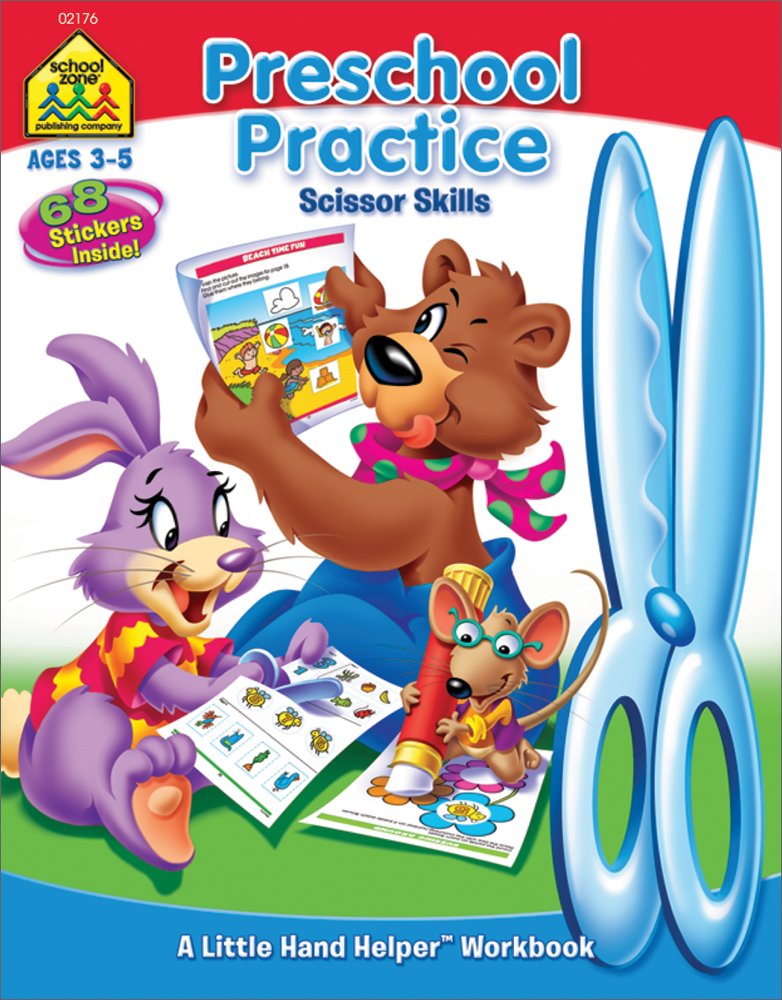
          Preschool Practice Scissor Skills (affiliate link) book for ages 3-5 with 32 pages of scissor readiness skills for kids.  

          The Melissa & Doug Scissor Skills Activity Pad (affiliate link) with 20 pages of scissor skill mazes, activities, and art.  This book includes a pair of scissors.

          Hand strength for scissor tasks

          Toys that develop hand strength, separation of the sides of the hand, and the endurance needed to manipulate scissors in order to cut through paper can be developed with the use of fun with scoop toys and tong toys:

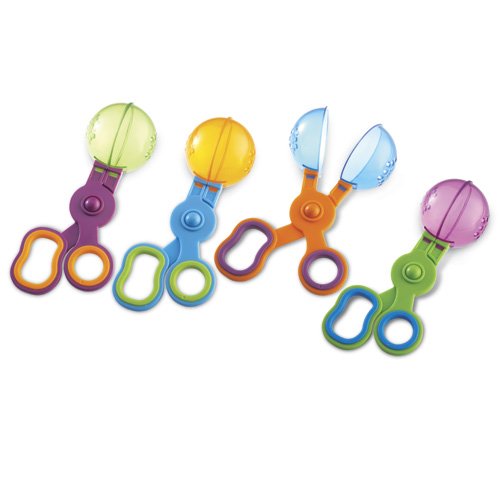
          Learning Resources Handy Scoopers (affiliate link) are beyond cool for scissor readiness and strengthening.  These scooping tools are great for using the muscles of the hands needed in scissor motions.  The opening and closing motions needed for scissor manipulation can be tiring for some children.  Practice scooping up crafting poms, cotton balls, tiny erasers, water beads, play dough, and more with these fun tools. Cutting playdough builds so many skills, so this is a fun way to make the development even more fun.

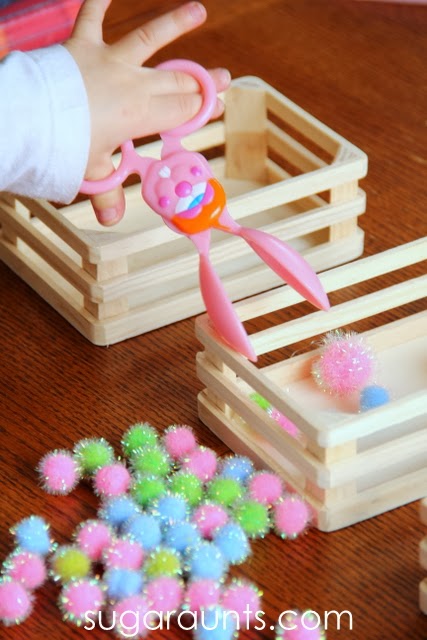
            We used bunny tongs in scissor play to work on hand strength.  These bunny tongs aren’t on Amazon right now, but we did find other egg tongs (affiliate link) that will work on hand strength.  You can also use play dough to improve scissor skills.

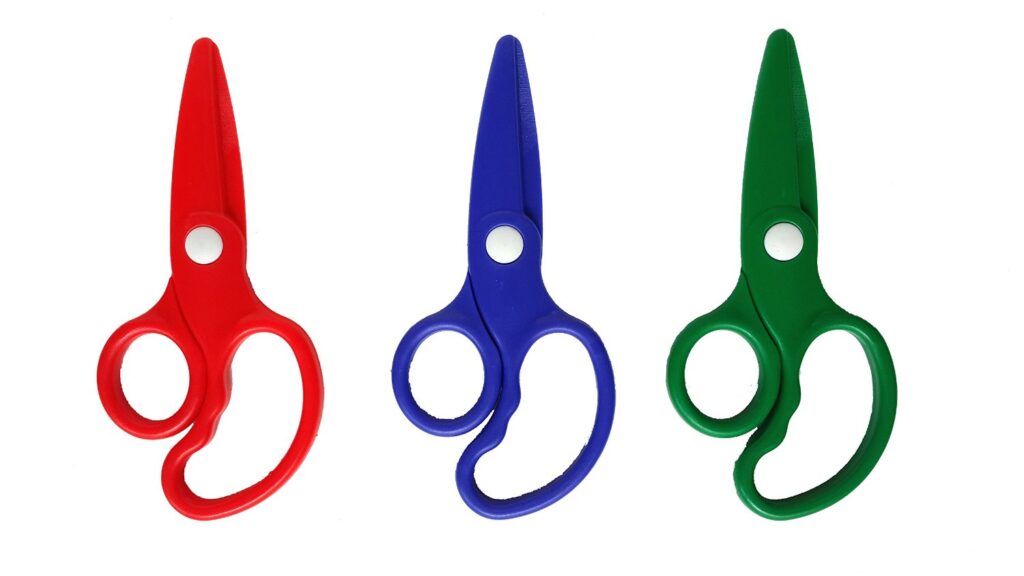
          Something really neat are these dough scissors (affiliate link) for cutting clay and play dough.  These are great for strengthening the muscles of the hands.

          Tong Toys to work on Eye Hand Coordination

          Cutting with scissors requires precision in eye hand coordination skills. The ability to open and close scissors is a coordinated skill. This is one that develops through practice. These tong games are great for developing hand-eye coordination in scissor skill work:

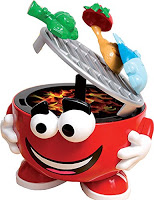
          How cute is this Barbecue Party Game (affiliate link) that comes with barbeque tongs (great for grasping play!)  

          Equally as cute and equally great for hand endurance is the PlayMonster Stacktopus (affiliate link) which requires repetitive open/shut motions of the hand using octopus tentacles that slip onto the fingers and thumb. These open/shut motions mirror tongs or that of the movement of scissors…and it’s a great pre-curser for scissor skills!  

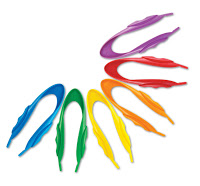
          Jumbo sized Tongs (affiliate link) would make a great stocking stuffer and are big time fun for grasping erasers, crafting poms, dice, and small items of all kinds.

          Fun Scissors Gift Ideas for Kids: 

          These would be fun stocking stuffer ideas while using tools and toys for scissor skills!

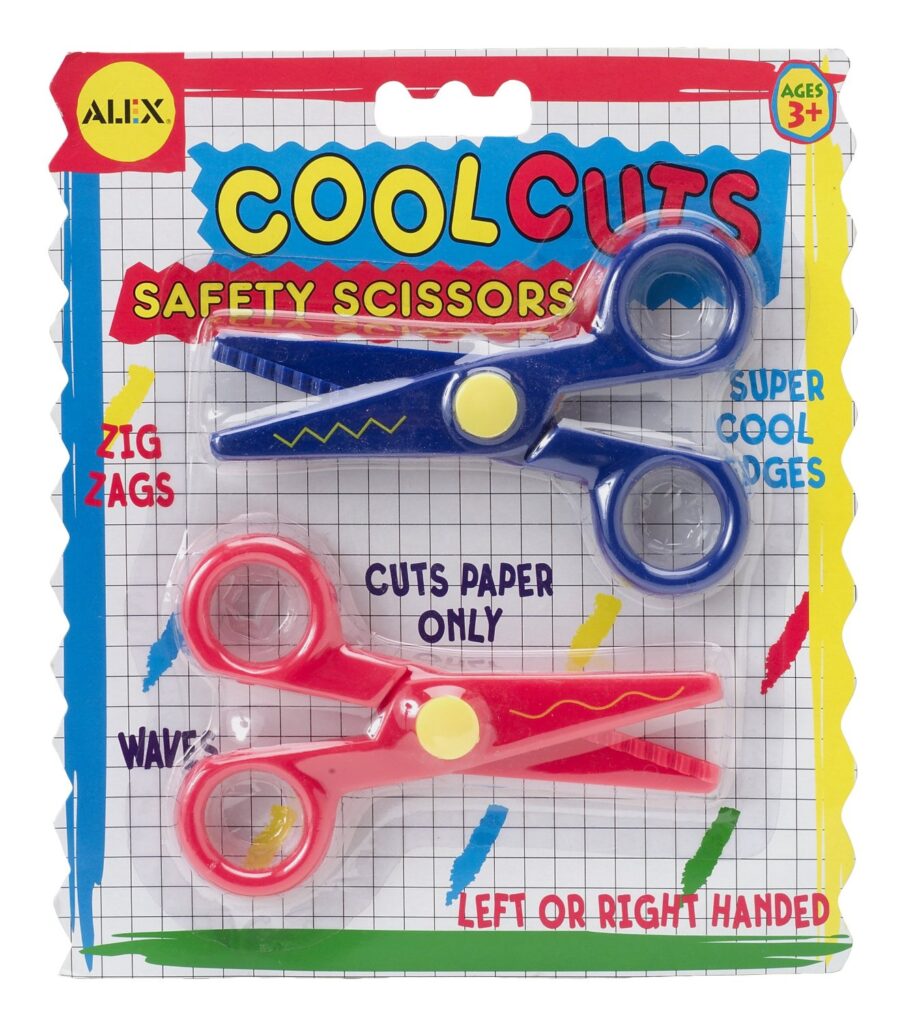
          Zig Zag Cool Cuts scissors (affiliate link) from Alex Toys cut zig zags and wavy edges.  These scissors make snipping fun.  A fun blade can make scissor practice fun for kids of all ages.  Throw this together with a pack of colored paper for an easy gift idea.  

          Cardstock is thicker and can provide more resistance for new scissor users.  This increased resistance will slow snipping paper speed and allow for more accuracy when cutting lines of shapes.

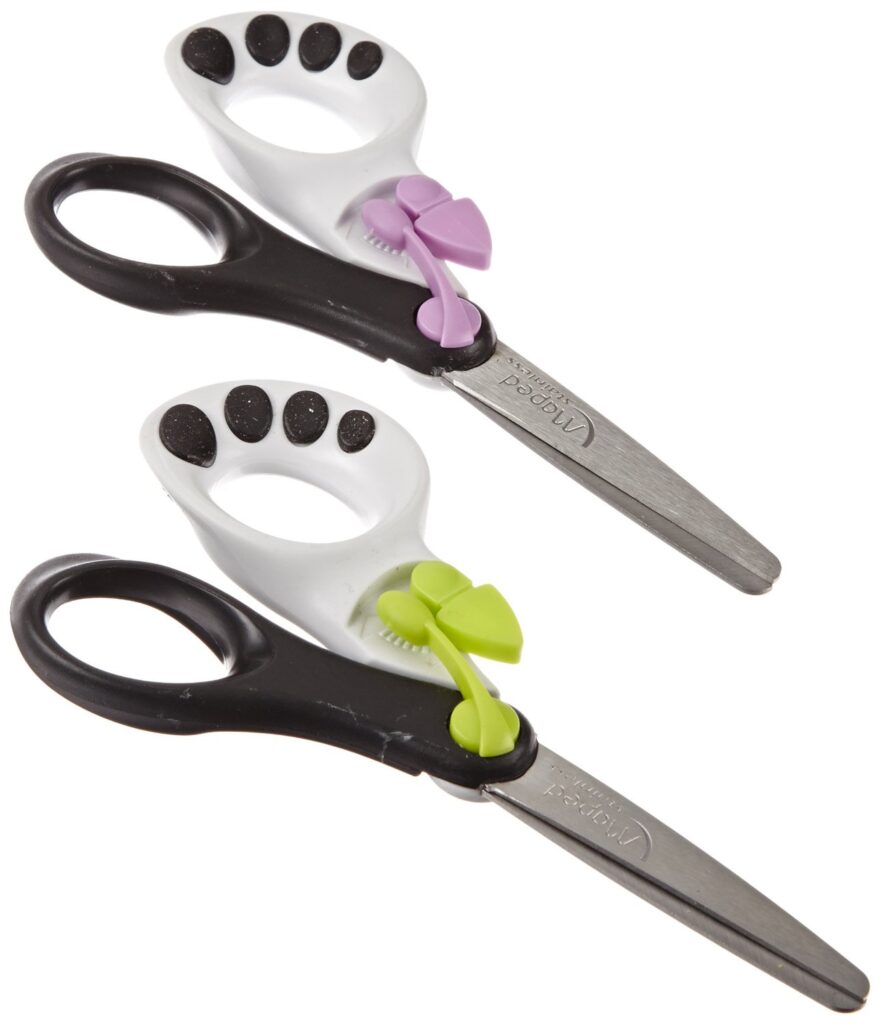
          Loop scissors (affiliate link) are great for children with weakness in extending the thumb, or coordination difficulties.  The loop of the scissors opens automatically and the ease of opening the blades can allow for improved line awareness in cutting if the child does not need to focus on the physical task of opening and closing the scissor blades.

          Spring Assist scissors (affiliate link) are great for a child with hand weakness or fine motor difficulties.  The blades open with a spring assist and are great for beginner scissor users.

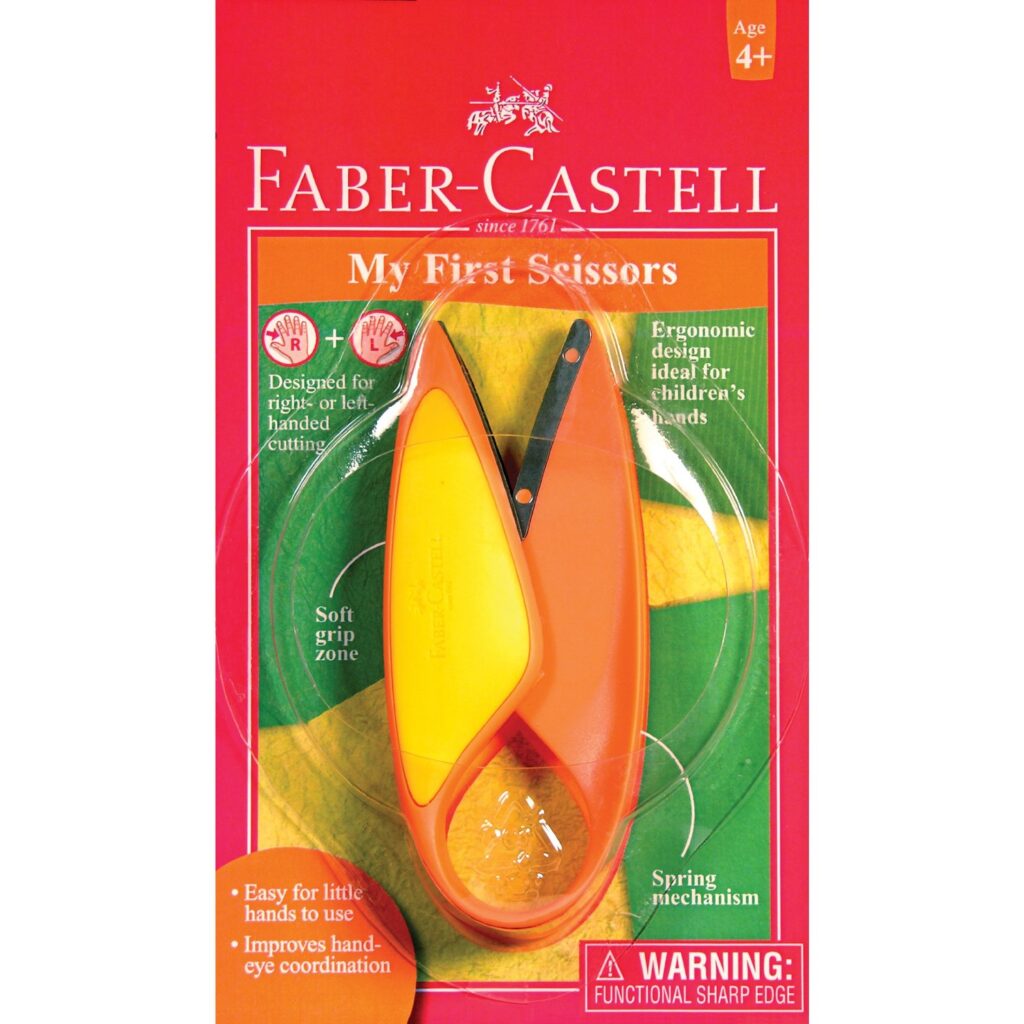
          My First Scissors (affiliate link) don’t have loops for little fingers to manage.  These snips are great for small children to use in the whole palm.  There is a spring mechanism to open the blades.

          Ways to work on scissor skill line accuracy:

          These materials make great gifts and are tools to help kids with scissor skill accuracy when cutting lines and shapes. Each material offers different textures or grades of resistance. Add some of these toy ideas to a gift bag for a child working on scissor skills through play.

          Sometimes a child can manage the hand strength, and visual motor skills needed to manage scissors (open and shut with controlled movements) and hold the paper with an assisting hand while holding the scissors with an appropriate grasp.  The difficulty lies in their visual motor skills.  

          Eye-hand coordination difficulties can make cutting along a line difficult.  Slower snipping with the scissors will allow for improved accuracy.  Providing a child with thicker paper can make cutting accuracy easier as increased resistance allows for slower snips.  

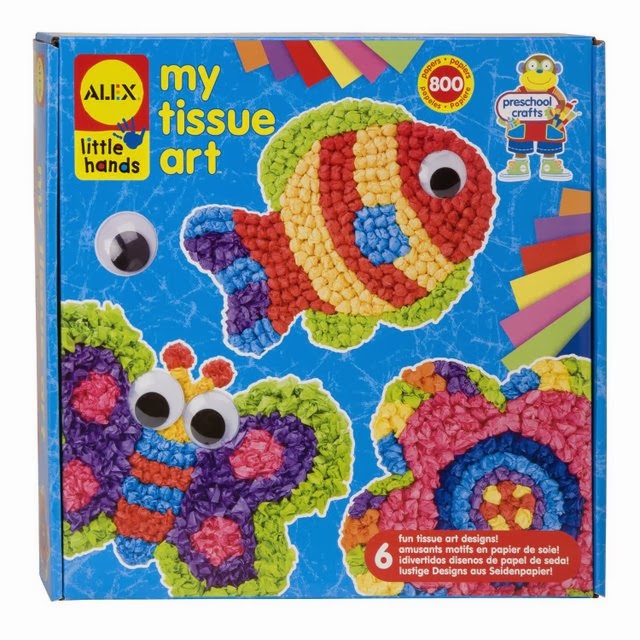
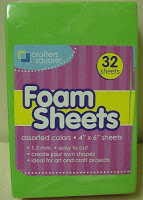
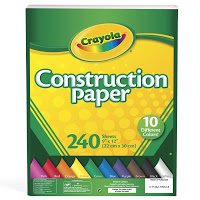
          We love practicing cutting skills with foam crafting sheets for line awareness. Foam crafting sheets (affiliate link) make a great stocking stuffer.  Going down the line of greatest to least resistance in scissor skills (and making scissor accuracy more difficult) would be cardstock(affiliate link), then construction paper (affiliate link), printer paper(affiliate link), then thinner paper or materials like tissue paper (affiliate link).  

          bilateral hand coordination for scissor skills

          We’ve covered specific toys for bilateral coordination skills in the past and those toys would be great for kids that need to improve scissor skills. When working to use both hands together in a coordinated manner to hold the paper with one hand and manage scissors with the other, bilateral integration is a must.

          Bilateral hand coordination is needed to hold the paper (and rotate the page when curves and angles are happening) and to manage the scissors with the dominant hand.  These nuts and bolts (affiliate link) are a fun way to work on bilateral hand coordination and strength of the hand.

          Have fun shopping for fun scissor games and activities for your little one!

          Check out these other great occupational therapy toy ideas:

          1. Fine Motor Toys 
          2. Gross Motor Toys 
          3. Pencil Grasp Toys 
          4. Toys for Reluctant Writers 
          5. Toys for Spatial Awareness 
          6. Toys for Visual Tracking 
          7. Toys for Sensory Play 
          8. Bilateral Coordination Toys 
          9. Games for Executive Functioning Skills 
          10. Toys and Tools to Improve Visual Perception
          11. Toys to Help with Scissors Skills 
          12. Toys for Attention and Focus 

          Printable List of Toys for SCISSOR SKILLS

          Want a printable copy of our therapist-recommended toys to support scissor skills?

          As therapy professionals, we LOVE to recommend therapy toys that build skills! This toy list is done for you so you don’t need to recreate the wheel.

          Your therapy caseload will love these SCISSOR SKILLS toy recommendations. (There’s space on this handout for you to write in your own toy suggestions, to meet the client’s individual needs, too!)

          Enter your email address into the form below. The OT Toolbox Member’s Club Members can access this handout inside the dashboard, under Handouts. Just be sure to log into your account, first!

          Therapist-Recommended
          SCISSOR SKILLS TOYS HANDOUT

            We won’t send you spam. Unsubscribe at any time.

            Colleen Beck, OTR/L has been an occupational therapist since 2000, working in school-based, hand therapy, outpatient peds, EI, and SNF. Colleen created The OT Toolbox to inspire therapists, teachers, and parents with easy and fun tools to help children thrive. Read her story about going from an OT making $3/hour (after paying for kids’ childcare) to a full-time OT resource creator for millions of readers. Want to collaborate? Send an email to contact@theottoolbox.com.

            Visual Perception Toys

            Let’s talk visual perception toys. These games, toys, and play are designed to promote visual perceptual skills: a complex combination of various visual processing skills. These visual perceptual skills are necessary together and in coordination with one another in order for use to see information. Occupational therapy toys that visual information to create responses support functional abilities like movement or processing.

            Amazon affiliate links are included in this blog post. As an Amazon Influencer, I earn from qualifying purchases.

            Visual perception Toys

            Visual perception is our ability to make sense of what we see. Visual perceptual skills are essential for everything from navigating our world to reading, writing, and manipulating items.

            Here is more information about strategies to address visual perceptual skills and handwriting. Also, be sure to check out our blog post on types of eye specialists. and this resource on behavioral optometrists.

            Use these visual perception toys to help kids develop and improve visual perceptual skills needed for handwriting, reading, and writing.


            What are Visual Perceptual Skills?

              This post contains affiliate links.   

            Visual Perceptual Skills and how they are used to complete tasks like reading, writing, manipulating items, and functioning in everyday tasks:

            Visual Memory– This is one’s ability to store visual information in short term memory.  This skill allows us to recall visual information.  When completing hidden picture puzzles, kids visually store images of items they are looking for when scanning to locate a specific shape or image.  This skill is necessary for handwriting tasks when copying information from a source, such as lists of words, homework lists, and copying sentences.   

            Visual Closure– This visual perceptual skill allows us to see part of an object and visualize in our “mind’s eye” to determine the whole object.  When we see part of an item we use visual closure to know what the whole item is.  This skill requires the cognitive process of problem solving to identify items.  Visual Closure is used to locate and recognize items in a hidden picture puzzle.  In written work, we use visual closure to recognize parts of words and letters when reading and copying work.  

            Form Constancy– This skill allows us to visually recognize objects no matter their orientation.  When completing a hidden picture puzzle, children can recognize the missing object whether it is upside down or sideways.  In handwriting skills, we use this ability to read and know letters and numbers no matter which direction we see them.   

            Visual Spatial Relationships- This visual perceptual skill allows us to recognize and understand the relationships of objects within the environment and how they relate to one another.  

            Visual Discrimination–  This visual perception skill enables us to determine slight differences in objects.  In hidden picture activities, this skill is needed to determine and locate different hidden objects.  When writing and reading, visual discrimination allows us to perceive the difference between “p” and “d”. Puzzles including ones like the wooden letter puzzle described below address visual discrimination. There are many puzzles on the market that meet different age and grade levels. Here are a variety of puzzles (affiliate link) to consider.    

            Visual Attention- This visual perceptual skill allows us to focus on the important pieces or parts of what we see. When we “take in” a scene or image in front of us, we are able to filter out the unimportant information. In this way, a student is able to focus our eyes on the teacher when she teaches. Driving down a road requires visual attention to take in the road so we can drive safely. Visual attention is important in copy work as students copy information from a Smart Board or book onto a piece of paper. As they visually scan from one point to another, they attend to the place they left off. Visual attention is also important and very needed in reading.   

            Visual Sequential Memory- This visual perceptual skill is the ability to visually take in and then later recall the sequence or order of items in the correct order. This skill is important in reading and writing. Visual sequential memory is important in spelling words correctly and recognizing that words are not spelled correctly.  

            Visual Figure-Ground–  This skill enables us to locate items in a busy background.  Finding hidden items in a hidden pictures puzzle works on this skill by visually scanning and identifying items within a busy scene.  In handwriting, visual figure ground is necessary for copying written work from a model and locating the place left off when shifting vision.  

            Toys to Improve Visual Perception

            Highlights Hidden Pictures book set– (affiliate link) Hidden pictures are a fantastic tool for helping kids develop and strengthen visual perceptual skills like figure ground, visual attention, visual discrimination, form constancy, and visual memory. This set of hidden pictures is a nice stocking stuffer that disguises “work” as a rainy day activity.

            Self-Correcting Heads & Tails Animal Match Puzzle– (affiliate link) Puzzles like this one helps kids address visual perceptual skills like visual discrimination, figure-ground, visual attention, form constancy, and visual memory. These are easy puzzles that can be used with younger children. Add this game to an older child’s visual perceptual activities by asking them to write stories or sentences based on the puzzle pieces while sneaking in visual perceptual skill work.

            Self-Correcting Counting Puzzle– (affiliate link) This puzzle is very similar to the previous match puzzle, only it uses math concept to match. Work on visual perceptual skills with a math component.

            Uppercase & Lowercase Alphabet (affiliate link) Help kids develop skills in upper/lowercase letter matching by addressing visual discrimination, form constancy, spatial discrimination, form constancy, visual memory, and visual discrimination.

            Preschool Alphabet Animal Wooden Puzzle (affiliate link) Visual discrimination is a skill needed for noticing differences in letters like letters b and d. It’s a skill that carries over to reading and noticing the differences between words like can and car.  visual discrimination skills enable the eyes to notice differences between the orientation and parts of letters and can promote a more fluent reading ability. This skill is also important in math and spelling.  Puzzles like this one also help with form constancy, visual figure ground, among other visual perceptual skills. 

            Pixy Cubes -(affiliate link) Noticing small differences in colors and direction is an important part of visual discrimination and reading, writing, math, and spelling. These skills are important for fluency as children age and need to complete reading and math skills at faster levels appropriate for grade advances. Matching and figuring out visual puzzles like this one address skills like visual attention, visual memory, visual sequencing, spatial relationships, and visual sequencing.

            Learning Resources iTrax Critical Thinking Game– (affiliate link) This visual perceptual toy allows children to copy and build designs using blocks of different sizes. Children can develop and boost visual perceptual skills such as visual figure-ground, visual attention, visual memory, visual sequencing, and spatial relationships in order to create the mazes that they see on the cards. There are various levels of mazes, allowing for development of skills.

            Learning Resources Dive into Shapes! “Sea” and Build Geometry Set– (affiliate link) This building set is a visual perception activity that develops various visual perceptual skills needed for skills such as handwriting and reading. Using double-sided activity cards, children can develop skills such as visual figure-ground, visual attention, visual memory, visual sequencing, and spatial relationships while they copy the three-dimensional figures they see on the cards. This activity is a powerhouse therapy tool as children can strengthen fine motor skills while building with the pieces.

            Tumble Trax Magnetic Marble Run– (affiliate link) This marble run building set is a visual perception activity that develops various visual perceptual skills needed for skills such as handwriting and reading. Children can copy different levels of marble run forms using activity cards while developing skills such as visual figure-ground, visual attention, visual memory, visual sequencing, and spatial relationships. The magnetic pieces can be used on surfaces such as a refrigerator or large magnetic sheet on the wall. It’s a great tool for strengthening the upper body, developing balance and core stability, and shoulder stability while working on a vertical surface.

            Code & Go Robot Mouse Activity Set– (affiliate link) Use the activity cards to copy maze forms while developing visual perceptual skills such as visual figure-ground, visual attention, visual memory, visual sequencing, and spatial relationships. The maze is a great self-confidence booster for children as they complete mazes for the battery operated mouse. This game provides an opportunity for developing and introducing coding skills. When watching the mouse as it travels through the mouse, children can enhance visual scanning skills.

            Let’s Go Code! Activity Set– (affiliate link) This visual perception game requires children to hop, turn, step, and move through a gross motor maze of directions. Children can develop visual perceptual skills such as visual attention, visual memory, visual sequencing, and spatial relationships. Directionality is enhanced with movement activities such as this one and is much needed in tasks such as writing and identifying direction of letters and numbers. 

            Spot It– (affiliate link) This game is a fun way to help children develop and strengthen visual perceptual skills like figure ground, visual attention, visual discrimination, form constancy, and visual memory. The game is small enough to be used as a busy activity while waiting at restaurants and appointments. It’s a game that boosts skills and can be used during family game night, too.

            Q-bitz Jr.– (affiliate link) Noticing differences in colors, forms, and directions are important skills needed in visual discrimination for reading, writing, math, and spelling. These skills are important for fluency as children age and need to complete reading and math skills at faster levels appropriate for grade advances. This game is a fun way to address skills like visual attention, visual memory, visual sequencing, spatial relationships, and visual sequencing.

            Wooden Pattern Blocks Set– (affiliate link) These copying puzzle activities is a great way to develop skills like form constancy and visual discrimination. Children can look at the picture card and recreate the form using three dimensional blocks. It’s a nice way to develop visual perceptual skills like visual attention, visual memory, visual sequencing, spatial relationships, and visual sequencing.

            Classic Tangoes– (affiliate link) Similar to the tangrams above, children can view the image on a card and use tangrams to re-create the picture in this classic game. This activity develops visual perceptual skills like visual attention, visual memory, visual sequencing, spatial relationships, and visual sequencing, form constancy, and visual discrimination, all needed for handwriting and reading. Read more about using tangrams in visual perception and handwriting.

            Equilibrio Game– (affiliate link) This building activity requires players to copy forms from a puzzle book while re-creating buildings that challenge balance and gravity! When copying and building the forms, kids develop and build eye-hand coordination skills and visual perceptual skills like visual attention, visual memory, visual sequencing, spatial relationships, and visual sequencing, form constancy, and visual discrimination.

            Use visual perception toys to support the development of visual perceptual skills in kids.


            More Therapy Toys

            Looking for more toys to address specific skill areas? Check out these occupational therapy toys:

            1. Fine Motor Toys 
            2. Gross Motor Toys 
            3. Pencil Grasp Toys 
            4. Toys for Reluctant Writers 
            5. Toys for Spatial Awareness
            6. Toys for Visual Tracking
            7. Toys for Sensory Play 
            8. Bilateral Coordination Toys 
            9. Games for Executive Functioning Skills
            10. Toys and Tools to Improve Visual Perception
            11. Toys to Help with Scissors Skills 
            12. Toys for Attention and Focus

            Printable List of Toys for Visual Perception

            Want a printable copy of our therapist-recommended toys to support visual perception?

            As therapy professionals, we LOVE to recommend therapy toys that build skills! This toy list is done for you so you don’t need to recreate the wheel.

            Your therapy caseload will love these VISUAL PERCEPTION toy recommendations. (There’s space on this handout for you to write in your own toy suggestions, to meet the client’s individual needs, too!)

            Enter your email address into the form below. The OT Toolbox Member’s Club Members can access this handout inside the dashboard, under Educational Handouts. Just be sure to log into your account, first!

            Therapist-Recommended
            VISUAL PERCPTION TOYS HANDOUT

              We won’t send you spam. Unsubscribe at any time.

              Colleen Beck, OTR/L has been an occupational therapist since 2000, working in school-based, hand therapy, outpatient peds, EI, and SNF. Colleen created The OT Toolbox to inspire therapists, teachers, and parents with easy and fun tools to help children thrive. Read her story about going from an OT making $3/hour (after paying for kids’ childcare) to a full-time OT resource creator for millions of readers. Want to collaborate? Send an email to contact@theottoolbox.com.

              Executive Function Games

              executive function games

              These executive function games are specifically selected to improve attention, organization, focus, working memory, and other executive functioning skills. Executive function is a set of cognitive skills that allows us to perform tasks.

              Below we have board games for executive functioning skill development. We also have pencil and paper games for executive functioning skills. This section is at the bottom of the page.

              Use this list of games and toys to help kids build and establish executive functioning skills in the home, school, or community. These are great games to use in therapy to boost executive function for improved independence, safety, and task completion.

              Kids, teens, and young adults are developing executive functioning skills up through the early twenties and even early thirties in order to accomplish daily life tasks. The key to building skills in attention, focus, prioritization, etc. is practice!

              Actually trying and trying again when unsuccessful is a huge strategy when it comes to practicing executive functioning skills, but games and toys are a fun way to develop these skill.

              Amazon affiliate links are included in this blog post. As an Amazon Influencer, I earn from qualifying purchases.

              Executive function games

              There are some really fun and engaging games and toys for executive functioning skill development out there! We’ve broken down some of our top picks for building skills in distraction, planning, prioritization, self-control, and other areas of executive function.

              Other tools you might like include our self-awareness games. These support executive functioning skills and overall awareness of tools that an individual might need to use.

              You might want to check out our blog post on handwriting games for more ideas. Using pencil and paper games can target handwriting and executive functioning skills, which has a connection.

              These games are fun ways to help kids improve executive function skills.

              What is Executive Functioning?

              First, let’s briefly discus what executive function means…and how can you support this development through game play?

              There is much that can be read about executive function.  Essentially, executive functioning skills include the ability to perform a series of skills during functional tasks.  These include attention, impulse control, emotional control, flexible thinking, working memory, self-monitoring, planning and prioritizing, task initiation, and organization.  Looking at this skills set, executive function skills are essential for independence in most tasks.  

              Utilizing all of the underlying components that make up “executive functioning skills” is the mental dexterity that enables nimble thinking in the task or in the moment.


              For the younger child, executive function abilities present themselves when they perform a multi-step task such as completing the parts of a morning routine.  Parental involvement and the prompting that comes with young kids are more involved.  

              When a child is able to perform a multi-step process with more independence, they may be able to prepare their cereal, clean up the dishes, brush their teeth, get dressed, gather items needed for the day, and leave the house even when a shoe is hidden under a table, the toothpaste spills, and the dishwasher is too full to add another bowl.


              Executive functioning is initiating a task, adjusting to problems, negotiating obstacles, while organizing and prioritizing all of the steps and details.


              Children can strengthen executive functioning skills in fun and creative ways.

              Games and toys are a great way to target the development of executive functioning skills!

              • Toys make practice fun.
              • Games are engaging and it’s play…it takes the urgency off practicing essential skills.
              • Playing a game challenges kids to try their best to accomplish a specific task.
              • Executive functioning toys can break down target skills very specifically.
              • RELATED READ: Sometimes executive function skills are to blame for sloppy handwriting.

              Another related read is this blog post on executive function coaching, which can include executive functioning games as a recommendation for building skills in specific cognitive areas.

              Toys to improve executive function

              Affiliate links are included.

              Take a look at these executive function games. There is something for every level.

              This I Never Forget a Face Memory Game (affiliate link) can help boost working memory and other executive function skills. The game focuses on details of faces and facial expressions, which can be a great way to focus on details and visual memory skills.  

              Battleship (affiliate link) is a game I loved as a child, and now as an occupational therapist, I love this game even more! The executive functioning benefits are huge: You can focus on planning out a move, prioritization in making the correct calls in the order that makes sense to sink a battle ship, and you can target working memory skills. There’s a lot of strategy in this game! As an OT, I also love the fine motor benefits, especially working with the pegboard and small pieces and working on the vertical plane.

              Head Rush (affiliate link) is a game that targets the development of mindfulness, empathy, and open communication. This is a great therapy game for helping kids develop communication tools with family and friends, especially when voicing their personal challenges and emotions.

              This game would be perfect for family game night!  

              Dress Code Logic Game (affiliate link) can help kids address executive functioning abilities by addressing problem solving, prioritizing, reasoning, logic, and abstract thinking.  

               Executive function game for helping kids with self control

              Learning Self-Control in School (affiliate link) is a game that addresses planning, attention, and consequences to behaviors.     

              The game Actions and Consequences (affiliate link) can help kids learn that their actions have consequences! It’s a good game for younger kids.  

               What Do I Feel emotions game for kids

              What Do I Feel (affiliate link) is a game that allows kids to explore emotions and address emotional control as they respond to different scenarios.      

              This Memory Chess Game (affiliate link) is a fun game to address focus, working memory, and concentration.  It’s got a great fine motor component, too.  

               Original memory game

               The Original Memory Game (affiliate link) is the one that has spurred a TON of varieties of matching, memory, and concentration.   

              I Went on a Picnic Game is another memory game that kids love.

              Try these games and toys to improve executive function skills

              More activities for executive function

              There are so many strategies to address attention in kids and activities that can help address attention needs. One tactic that can be a big help is analyzing precursors to behaviors related to attention and addressing underlying needs. 

              Look for toys that challenge the child to register, screen, organize, and interpret information from our senses and the environment. This process allows us to filter out some unnecessary information so that we can attend to what is important. Kids with sensory challenges often time have difficulty with attention as a result.

              It’s been found that there is a co-morbidity of 40-60% of ADHD and Sensory Processing Disorder. Seek out games and toys that help kids boost attention and focus in the classroom by mastering sensory processing needs. 

              You will find information on the sensory system and how it impacts attention and learning. There are step-by-step strategies for improving focus, and sensory-based tips and tricks that will benefit the whole classroom.

              Look for games that provide tactics to address attention and sensory processing as a combined strategy and overall function. There are charts for activities, forms for assessment of impact, workbook pages for accommodations, and sensory strategy forms.

              Some top picks include:

              Amazon affiliate links included below.

              These games and toys support the development of metacognition, task initiation, planning, prioritization, working memory, and more!

              1. Fine Motor Toys 
              2. Gross Motor Toys 
              3. Pencil Grasp Toys 
              4. Toys for Reluctant Writers
              5. Toys for Spatial Awareness
              6. Toys for Visual Tracking 
              7. Toys for Sensory Play 
              8. Bilateral Coordination Toys 
              9. Games for Executive Functioning Skills 
              10. Toys and Tools to Improve Visual Perception
              11. Toys to Help with Scissors Skills 
              12. Toys for Attention and Focus 

              Pencil and Paper Games for Executive Functioning Skills

              Next, I wanted to put together executive functioning games that use only paper and pencil. This is important because when we work with kids in OT, we might not have access to games like the ones listed above.

              These are great for your executive functioning page because they require only a piece of paper and a pencil, making them easy for classrooms, therapy sessions, teletherapy, and home carryover.

              We are also working on creating worksheet versions of these games below. They will be available inside The OT Toolbox Membership (Level 2).

              working memory game

              Working Memory Games

              The first set of games are targeting working memory skills.

              • Repeat and draw a pattern from memory
              • Listen to a list of words and write them in reverse order
              • Copy a design after looking at it for 10 seconds
              • Remember a sequence of shapes and recreate it
              • Write the alphabet while skipping every other letter
              • Follow a series of written directions without looking back
              • Remember a list of items and categorize them

              Cognitive Flexibility Games

              The next list of paper and pencil games target cognitive flexibility. This skill allows us to adapt to new situations and to think creatively.

              • Draw one object and think of 10 different uses for it
              • Finish a doodle in three different ways
              • Create multiple endings to a short story
              • Write words that belong to two different categories
              • Alternate writing letters and numbers (A-1-B-2-C-3)
              • Switch between uppercase and lowercase letters
              • Create rules for a game, then change the rules midway
              • Draw an object from different perspectives

              Inhibition and Impulse Control Games

              Inhibitory control requires self-awareness and impulse control. We can practice these skills with games. We also have another resource specifically on self-awareness games.

              • Go/No-Go drawing game (draw only when hearing a target word)
              • Color only every second shape on a page
              • Cross out every letter except a specific target letter
              • Draw a line without lifting the pencil or crossing lines
              • Write slowly while maintaining legibility
              • Complete a page while following multiple restrictions
              • Simon Says on paper (“circle the square unless…”)
              • Connect dots while ignoring distracting symbols

              Planning and Organization Games

              Working on planning and prioritization helps in many functional tasks. These games support these skills:

              • Plan a route through a maze before drawing
              • Create a schedule for a pretend day
              • Design a treasure hunt map
              • Organize a grocery list into categories
              • Plan steps for making a sandwich
              • Draw a room layout before arranging furniture
              • Create a packing list for a trip
              • Sequence picture cards by drawing and numbering

              Task Initiation Games

              Task initation can be difficult for many. Here are pencil and paper games for this skill:

              • One-minute doodle challenge
              • Quick-write prompts
              • Finish-the-picture activities
              • Timed brainstorming challenges
              • Begin a story from a single sentence starter
              • Draw the first thing that comes to mind from a word prompt

              Self-Monitoring Games

              Next are some games to play that support self monitoring skills.

              • Find and correct errors in copied text
              • Compare handwriting samples and identify improvements
              • Complete a drawing and check against a checklist
              • Review work for missing details
              • Rate performance after an activity
              • Predict performance before starting and compare afterward

              Attention Games

              Next, we have some games for attention. You can also check out our article on exercises for focus and attention.

              • Letter cancellation pages
              • Hidden object drawings
              • Spot-the-difference activities
              • Visual scanning grids
              • Follow a complex path through a maze
              • Search for specific symbols among distractors
              • Find all items meeting two criteria

              Problem Solving Games

              Games are a great way to work on problem solving skills.

              • Draw a bridge that connects two points
              • Complete logic puzzles
              • Create escape routes through a maze
              • Solve visual riddles
              • Design a structure using only drawn shapes
              • Complete pattern sequences
              • Create and solve your own code

              Time Management Games

              • Estimate how long a task will take
              • Race against a timer to complete a puzzle
              • Prioritize items on a to-do list
              • Schedule events into a daily planner
              • Break a large project into smaller steps

              Emotional Regulation and Reflection Games

              • Draw your stress level on a scale
              • Create a coping skills menu
              • Design a calm-down plan
              • Write alternative responses to a problem
              • Identify triggers and solutions
              • Draw a feelings thermometer

              Multi-Step Executive Function Challenges

              • Follow a 5-step drawing direction activity
              • Create a comic strip with planning requirements
              • Draw a map and add specific landmarks
              • Complete a directed drawing while following rules
              • Build a word puzzle and then solve it
              • Design a board game on paper

              OT Favorite: One-Paper Executive Function Challenges

              These target multiple executive functioning skills simultaneously:

              • Create a neighborhood map from memory
              • Design your dream bedroom within a budget
              • Plan a birthday party
              • Organize a school backpack checklist
              • Create a restaurant menu
              • Draw and label a zoo map
              • Plan a road trip
              • Make a weekly schedule
              • Design a playground
              • Create a treasure map with clues

              These activities naturally address working memory, planning, organization, inhibition, cognitive flexibility, self-monitoring, task initiation, and problem solving while requiring nothing more than paper and a pencil.

              Printable List of Toys for Executive Function

              Want a printable copy of our therapist-recommended toys to support executive functioning skills?

              As therapy professionals, we LOVE to recommend therapy toys that build skills! This toy list is done for you so you don’t need to recreate the wheel.

              Your therapy caseload will love these EXECUTIVE FUNCTION toy recommendations. (There’s space on this handout for you to write in your own toy suggestions, to meet the client’s individual needs, too!)

              Enter your email address into the form below. The OT Toolbox Member’s Club Members can access this handout inside the dashboard, under Educational Handouts. Just be sure to log into your account, first!

              Therapist-Recommended
              EXECUTIVE FUNCTION TOYS HANDOUT

                We won’t send you spam. Unsubscribe at any time.

                Colleen Beck, OTR/L has been an occupational therapist since 2000, working in school-based, hand therapy, outpatient peds, EI, and SNF. Colleen created The OT Toolbox to inspire therapists, teachers, and parents with easy and fun tools to help children thrive. Read her story about going from an OT making $3/hour (after paying for kids’ childcare) to a full-time OT resource creator for millions of readers. Want to collaborate? Send an email to contact@theottoolbox.com.

                Best Sensory Toys

                sensory toys and sensory tools

                If you are looking for the very best sensory toys to challenge sensory exploration, tactile play, or to offer sensory input to calm or alert a child, then you are in the right place. This gift guide of toys for sensory play cover many aspects of sensory processing in fun and engaging ways. Whether you need to add a few components to a sensory diet through play, or you are looking for a gift idea that develops specific skill areas, these occupational therapy toys, sensory toys, fidget toys, and movement toys cover all the bases.

                When it comes to sensory toys, many of the ideas in our gross motor toy suggestions will hit on movement and heavy work input, so be sure to check that gift list out as well. Today is all about the sensory motor play.  Many of these toy recommendations would make great additions to a sensory room equipment collection or a sensory gym!

                First, let’s talk Sensory Tools and Toys!

                Amazon affiliate links are included in this blog post. As an Amazon Influencer, I earn from qualifying purchases.

                Sensory toys and sensory tools for kids

                The Best Sensory Toys

                We had so much fun putting together our recent Gift Guide Toys to Improve Pencil Grasp, that we decided to put together this gift guide for Toys to Inspire Sensory Play.  If you follow our blog posts, you know that we LOVE messy, sensory, textural play.  


                There are so many benefits to sensory play for young children.  They can explore textures, colors, scents while manipulating with their hands, expanding language skills, developing self-confidence, and so much more.  And while they are playing, they are exploring, exploring, investigating, and creating!  


                This gift guide provides ideas to incorporate sensory play into daily play.  We wanted to provide a list of gift ideas so that sensory play can be done easily once you have all of the needed items.  What better time to stock the activity bin/closet/box than during the holidays?  


                Maybe a relative is asking for gift ideas and there is something you would LOVE your kids to play with for sensory experiences.  Direct them to this gift guide for ideas to encourage sensory play!

                Sensory Tools

                First let’s cover a bit about how these toys are sensory tools. When it comes to kids, play is their primary occupation. It’s their main job. Through play, kids learn about the world around them, they practice and develop skills, and they interact with others.

                Play is also a prime way to incorporate movement and sensory experiences, allowing kids to regulate their nervous system, calm down, focus, attend to tasks, and remember important experiences.

                Sensory tools are means of facilitating sensory input. Whether that input is calming, alerting, or something else, it’s through experiences or sensory tools that a child gains sensory input. Sensory tools can offer movement, tactile input, visual input, or input through the olfactory system, gustatory system, auditory system and interoceptive system.

                Check out this resource on sensory processing for more information on all of the senses and how they integrate to enable functional participation in day to day tasks.

                The specifically selected toys and tools below incorporate sensory input in one way or another.

                Amazon affiliate links are included below.

                Sensory Toys and sensory tools ideas for kids

                Light Tables as a Sensory TOOL

                Have you ever used a light table in therapy? It’s a fun sensory experience for kids to challenge fine motor skills, as well as cognitive skills, and even posture or balance, all with the sensory input of a light table and manipulatives.

                Light Panel in Sensory Play:
                This Portable Light Panel (affiliate link) is great for visual sensory exploration.  Tracing and tactile manipulation can enhance math, handwriting, spatial relationships, and more through sensory play.

                You could add a few Light Table Pattern Blocks (affiliate link) or even magnetic Imaginarium Letters & Numbers (affiliate link) like we did in our DIY Sensory Light Box (affiliate link) post.  Explore the shapes and textures of leaves, petals, and so much more with a light table!

                Messy Sensory Toys

                Our kids LOVE to get messy!  Not all kids do, however, and may need gradual experiences to build up their tolerance to sensory touch and manipulate different textures.  Some of our favorite messy play materials are:

                Kinetic Sand (affiliate link) (such a cool texture…but be warned, Moon Dough is VERY messy!)

                Educational Insights Playfoam (affiliate link) (such a neat textural experience!)

                Aqua Sand Playground (affiliate link) is another super messy but very cool play experience.  The wet sand dries immediately, how fun!

                Glow in The Dark Slime (affiliate link) is slimy, messy, and glow in the dark.  Add a few Marbles and you’ve got a super sensory texture. The slime and the marbles would make fun stocking stuffers!

                Scented Sensory Toys

                Scented Play is a fun way to engage and alert the senses through sensory toys.

                Remember these Mr. Sketch Scented Markers (affiliate link) from grade school?  I can still remember that blueberry scent!  What a great way to explore the sense of smell while playing and creating art.  Have the kids draw with the markers and then spray the art work with a water bottle to see the colors run.  This would be a great sensory and process art project for kids of all ages!

                This Scented Balls Set (affiliate link) sounds so neat!  We’ve never played with these before, but they each come in a different scent and would make an awesome stocking stuffer!

                Sensory Bin Toys

                There are so many ways to use a sensory bin in sensory play. You can offer texture challenges that meet the needs of the child AND incorporate learning opportunities.

                Color Changing Tablets for Sensory Play:
                The sense of sight is such an immediate one!  A sensory experience can be set up for the kids and as soon as they see a bright green bin of water with scoops or foam pieces, they are excited for play! 

                These Color My Bath Color Changing Bath Tablets (affiliate link) are great for setting the stage for multi-sensory play.  We’ve used them in our Swamp Water Bin Sensory Play activity.  Watching the colors fizz and mix is such a fun experience!

                Throw these tablets into the bath tub along with a few unexpected items like Paint Brushes, fun eye droppers like these Learning Resources Twisty Droppers (affiliate link), or a Funnel Set (affiliate link) and you’ve got a great sensory play environment!

                Manipulatives In Sensory Play:
                Sensory play is such a fun way to play and learn any topic.  Exploring textures with sensory input can really instill learning. So what can you put in the sensory bin, or water bin, or in the shaving cream on a tray?  The possibilities are endless!

                Try a jungle theme and add Jungle Animal Counters (affiliate link).  Maybe your child LOVES dinosaurs and would go crazy to play with Mini Dinosaurs (affiliate link)
                in a tub of birdseed.  Any theme or subject can be added to sensory play. 

                Sensory Bins in Sensory Play:
                There is nothing more fun than this sensory play item!  Water Beads (affiliate link)are typically used as a vase filler because once soaked in water, they expand and become a super sensory, fun, fine motor medium. 

                We’ve used them in sensory bins of all kinds.  This set from Bundle Monster is great deal and comes in so many fun colors.  (Note: always be sure to supervise children when playing with water beads!)

                Water Tables In Sensory Play:
                Water tables are great for sensory play.  Despite it’s name, water tables are not JUST for water!  There are so many possibilities for messy play with a water table.  Goop, moon dough, birdseed,  shaving cream…the possibilities for sensory and textural play are endless! A water table is not just for outdoor play during the summer months.  We love bringing our sand and water table indoors during the cooler months and playing with bigger items like seashells, animal figures in play dough, mixing flour and a bit of water. 

                We love this Step2 Water Table (affiliate link) for its large basin, the added water wheel (How fun to pour sand and watch it fall!). So many senses can be addressed with water table play.  We explored the textures of fall with a Fall Themed Water Table.  Since we’ve added our water table to our play, we’ve had so much sensory play fun!

                Sensory Tools in a sensory bin

                There are many materials that can be added to a bin or low tray and used as a sensory tool. Some of these can be very inexpensive, making them great tools for sensory exploration. Incorporate these materials into multisensory learning, too.

                More Ideas for sensory play:

                • shaving cream
                • food coloring
                • scoops
                • birdseed
                • field corn
                • split peas
                • dry beans
                • colored rice
                • colored sand
                • cotton balls
                • tinsel

                Sensory Fidget Toys

                Fidget toys are a fun (and popular) way to address attention needs through small scale sensory input. Each of these fidget toys promote fine motor development by encouraging finger isolation, bilateral coordination, precision, and eye-hand coordination.

                Amazon affiliate links are included below.

                Great stocking stuffers for sensory play:

                Sensory Balls (affiliate link)

                Textured Sensory Fidget Toy– (affiliate link) Great for bilateral coordination and fine moor skills.

                Wooden Puzzle Fidget(affiliate link)

                Pull and Stretch Bounce Ball (affiliate link)

                Sensory Toys for Calming Input

                The ideas below make great gift ideas because they add heavy work input, or calming movement input, through the proprioceptive system and vestibular sensory system. These sensory tools can be a great addition to the home.

                These are Amazon affiliate links.

                Alerting Sensory Toys

                These toy ideas van be alerting activities that “wake up” the sensory system. For others, through, they can calm the system, because the child gains a sensory work out when using them. Be sure to contact an occupational therapist for a sensory evaluation and suggestions for the needs of each individual.

                This list is Amazon affiliate links.

                So, if you are looking for a few ideas to add some sensory fun to your gift giving this holiday…or have family and friends asking for gift ideas…maybe one of these sensory play toys will be just right for your little one!  This list is by no means exclusive.  There are limitless ways to encourage sensory exploration into play.  We just wanted to provide a few ideas.  Happy playing!

                More Movement sensory toy ideas

                The lists of toy suggestions in the following blog posts are geared toward specific developmental areas. But, when it comes to movement, there are many sensory components intrinsically incorporated into the play. Check out these specific toy ideas:

                1. Fine Motor Toys
                2. Gross Motor Toys
                3. Pencil Grasp Toys
                4. Toys for Reluctant Writers
                5. Toys for Spatial Awareness
                6. Toys for Visual Tracking
                7. Toys for Sensory Play
                8. Bilateral Coordination Toys 
                9. Games for Executive Functioning Skills 
                10. Toys and Tools to Improve Visual Perception 
                11. Toys to Help with Scissors Skills 
                12. Toys for Attention and Focus 

                Printable List of Toys for SENSORY NEEDS

                When it comes to sensory needs, we are all different! Targeting different needs with toys that meet various needs is encouraging and motivating.

                Want a printable copy of our therapist-recommended toys to support sensory processing?

                As therapy professionals, we LOVE to recommend therapy toys that build skills! This toy list is done for you so you don’t need to recreate the wheel.

                Your therapy caseload will love these SENSORY toy recommendations. (There’s space on this handout for you to write in your own toy suggestions, to meet the client’s individual needs, too!)

                Enter your email address into the form below. The OT Toolbox Member’s Club Members can access this handout inside the dashboard, under Educational Handouts. Just be sure to log into your account, first!

                Therapist-Recommended
                SENSORY TOYS HANDOUT

                  We won’t send you spam. Unsubscribe at any time.

                  Colleen Beck, OTR/L has been an occupational therapist since 2000, working in school-based, hand therapy, outpatient peds, EI, and SNF. Colleen created The OT Toolbox to inspire therapists, teachers, and parents with easy and fun tools to help children thrive. Read her story about going from an OT making $3/hour (after paying for kids’ childcare) to a full-time OT resource creator for millions of readers. Want to collaborate? Send an email to contact@theottoolbox.com.

                  Gross Motor Toys

                  gross motor toys

                  If you are looking for the best gross motor toys to challenge coordination, balance, motor planning through whole-body movement and heavy work play, then you are in luck with these occupational therapy toys. Each one is designed to develop gross motor skills: strength, coordination, balance, posture, and more.

                  PLUS, head to the bottom of this blog post for Day 2 of our therapy toy giveaway. We’re giving away a gross motor kit with agility cones, tossing loops, bean bags, and hula hoops, perfect for gross motor, balance, coordination, and even heavy sensory play through whole body movements.

                  We started off the fun with yesterday’s fine motor toy ideas. Today is all about the gross motor play.

                  First, let’s talk Gross Motor Toys!

                  You’ll also want to check out our blog post on Gross Motor Activities for Preschoolers because many of the gross motor toy ideas listed in this post would be great for the preschool years (and beyond!).

                  Amazon affiliate links are included in this blog post. As an Amazon Influencer, I earn from qualifying purchases.

                  Gross Motor Toys

                  Kids need gross motor movement for so many skills. Today, I have gross motor toys to share! Here, you’ll find the best whole body toys and ideas to help kids with balance, core strength, stability, coordination, and endurance.

                  These gross motor games and toys support a variety of skill areas and functional tasks. Gross motor toys can be used to strengthen balance, coordination, motor planning, position changes, and other areas.

                  And, when you see kids struggling to kick a ball, walk in a line at school, jump, skip, ride a bike…that’s where therapeutic play comes in!

                  Scroll on to check out some therapist-approved toys that help gross motor skill development!

                  Gross motor toys to help kids develop skills in running, hopping, jumping, skipping, crawling, and more.

                  Gross Motor Toy Ideas

                  This list of toys for gross motor skills pairs well with our recent list of Fine Motor Toys. Today however, you’ll find toys that develop a few areas that are essential to areas of child development:

                  Bilateral Coordination– Kids need bilateral coordination in whole body movements to move their body in a coordinated way. These whole body movements can include coordination of the upper and lower body, or both arms, or both feet, and all of the above! Here are bilateral coordination toys to address this specific area.

                  Motor Planning– Motor planning with the whole body allows children to move in a room without crashing into objects or other people. Gross motor motor planning allows children to climb steps, navigate obstacles, or any movement-based task. Here is more information on motor planning and motor planning toys to address this specific sub-area.

                  Gross motor coordinationCoordination of gross motor skills is needed for tasks such as kicking or catching a ball, riding a bike, getting dressed, or any task that uses the entire body. Here are hand eye coordination toys to address this particular sub-area.

                  Proprioception– Integration of proprioceptive input allows children to know where their body is in space. It tells the body how much effort is needed to pick up and move objects. Proprioception allows us to understand the body’s position as it moves in a coordinated manner.

                  Vestibular input- Integration of vestibular input allows children to navigate the world around them as they move. Going up or down steps or bleachers is an example of this. Moving into different positions during tasks is another example of vestibular integration. Movement through different planes requires integration of vestibular input.

                  All of these areas work together in functional tasks and all are rooted in gross motor skills.

                  Related: This dinosaur gross motor game is a skill builder, as well.

                  Toys for Gross Motor Skill Development

                  So often, therapists and teachers purchase items to use in their work using their own money. This giveaway offers a chance for you to win an item that will be useful in helping kids thrive.

                  And, given that kids are on screens more than ever before with all of the virtual learning and hybrid learning models being incorporated all over the world, therapists are seeing more need for active, physical play.

                  These are gross motor toys that you will find in therapy clinics. There is a reason why…because they are gross motor powerhouses! So, if you are looking for toy recommendations that build whole body motor skills, this is it!

                  Amazon affiliate links are included below. You can read more about these items by checking out the links.

                  Zoom ball is a great gross motor toy for kids.

                  Zoom Ball– This classic toy is such a great way to work on many skills. A zoom ball can be used in different positions to challenge balance and vestibular input. Try using the zoom ball games in sitting, standing, kneeling, standing on couch cushions, a slant…again, the options are limitless! Address skills such as:

                  • Bilateral coordination
                  • Core strength
                  • Shoulder stability
                  • Visual convergence
                  • Motor planning
                  • Coordination
                  Pop and catch toys can help kids develop gross motor skills.

                  Pop and Catch- Use this coordination toy indoors or outdoors to get kids moving. This toy can be played with while the child is standing, sitting, kneeling, or in a half-sit to challenge the core and eye-hand coordination in a variety of planes. Try playing on all fours on the floor for a shoulder girdle stability activity. Another use for this toy is by playing by standing at a table while the child shoots the ball across the table surface as they play like a ping-pong type of game. There are many uses for this pop and catch activity:

                  • Eye-hand coordination
                  • Motor planning
                  • Vestibular input
                  • Core strength
                  • Stability of core
                  • Stability of shoulder girdle
                  use bucket stilts to help kids develop gross motor skills.

                  Bucket Stilts– These bucket stilts are perfect for helping kids develop gross motor skills. I love this set because there are 6 colored buckets that make a great gross motor obstacle course tool, too. You could use them as stepping stones to challenge balance and coordination, too. Here are gross motor skills that you can work on using these bucket stilts toys:

                  • Core strength
                  • Vestibular input
                  • Motor planning
                  • Coordination
                  • Balance
                  • Endurance
                  • Stabilizing
                  use agility cones to help kids build gross motor skills in obstacle courses and more.

                  Agility Cones– Sports cones are such an open-ended gross motor toy that can be used to develop so many skills: hopping, jumping, skipping, running, climbing, crawling…the options are endless. Use these agility cones in therapy obstacle courses, challenges, drills, and more. I chose these particular cones because they can go very nicely with a Zones of Regulation activity! Use cones to support these areas:

                  • Motor planning
                  • Vestibular input
                  • Coordination
                  • Core strength
                  • Endurance
                  Use carpet markers to build gross motor skills with gross motor obstacle courses, motor planning, and more.

                  Carpet Markers– These carpet markers are an occupational therapist’s dream toy! Use the colored marker spots to help kids work on so many movement skills in obstacle courses, visual perceptual skill activities, direction following, sensory movement breaks, positioning guides, and so much more. The arrows are perfect for addressing directionality. Use them to work on crawling, hopping, jumping, stopping on a point. Just some of the areas that these carpet spots support:

                  • Core strength
                  • Shoulder stability
                  • Motor planning
                  • Coordination
                  • Endurance
                  • Proprioception
                  A parachute is a great gross motor toy for kids.

                  Parachute– A parachute is another open-ended gross motor toy that the kids just LOVE. This one is small enough for small groups, but builds motor skills in a big way. Use the parachute to help kids develop:

                  • Core stability
                  • Arm strength
                  • Motor planning
                  • Endurance
                  • Bilateral coordination
                  • Proprioceptive input

                  Toys for Core Strength

                  Toys that develop core strength get kids moving in a variety of positions. These toys support and challenge the vestibular and proprioceptive systems so they can be calming activities as well. Strength and stability in the core is needed for almost all functional tasks. Challenge kids with these core strengthening toys by getting them moving, on the floor in floor play or strengthening the core muscles through movement and balance coordination. Some ideas for developing and strengthening core strength include:

                  Toys for balance

                  Toys that challenge movement changes, stepping from high to low and low to high, and movement with vestibular input offer opportunities to challenge and develop balance and coordination skills.

                  Gross Motor Coordination Toys

                  Encourage movement, whole body play, and gross motor coordination with throwing, tossing, and hand-eye coordination or foot-eye coordination skills with these gross motor coordination ideas:

                  Obstacle Course Toys

                  All of the gross motor toys listed above could be used in obstacle courses…and what a great way to encourage so many skills! These are perfect additions to your obstacle course ideas, and challenge balance, coordination, motor planning, and add sensory input. Use these obstacle course toys to vary movement and encourage the specific skills kids need:

                  Want to add these toys to your home, classroom, or therapy practice? I am SO happy to fill your toolbox so you can help kids thrive and build and develop the skills they need!

                  More therapy Toys

                  Check out the other therapy toy recommendations in the list below:

                  1. Fine Motor Toys
                  2. Gross Motor Toys
                  3. Pencil Grasp Toys
                  4. Toys for Reluctant Writers
                  5. Toys for Spatial Awareness
                  6. Toys for Visual Tracking
                  7. Toys for Sensory Play
                  8. Bilateral Coordination Toys
                  9. Games for Executive Functioning Skills
                  10. Toys and Tools to Improve Visual Perception 
                  11. Toys to Help with Scissors Skills 
                  12. Toys for Attention and Focus 

                  PRINTABLE LIST OF TOYS FOR GROSS MOTOR

                  Want a printable copy of our therapist-recommended toys to support gross motor development?

                  As therapy professionals, we LOVE to recommend therapy toys that build skills! This toy list is done for you so you don’t need to recreate the wheel.

                  Your therapy caseload will love these GROSS MOTOR toy recommendations. (There’s space on this handout for you to write in your own toy suggestions, to meet the client’s individual needs, too!)

                  Enter your email address into the form below. The OT Toolbox Member’s Club Members can access this handout inside the dashboard, when you search “toys” in the search bar inside the membership. Just be sure to log into your account, first!

                  Therapist-Recommended
                  GROSS MOTOR TOYS HANDOUT

                    We won’t send you spam. Unsubscribe at any time.

                    Colleen Beck, OTR/L has been an occupational therapist since 2000, working in school-based, hand therapy, outpatient peds, EI, and SNF. Colleen created The OT Toolbox to inspire therapists, teachers, and parents with easy and fun tools to help children thrive. Read her story about going from an OT making $3/hour (after paying for kids’ childcare) to a full-time OT resource creator for millions of readers. Want to collaborate? Send an email to contact@theottoolbox.com.

                    Check out the blog comments below to see tips and ideas from readers telling us which gross motor toys they would love to use with the kids they work with and love. Have other gross motor favorites that aren’t listed here? Tell us about them!