Christmas Tree Scissor Skills Craft

Paper Christmas trees for scissor skills

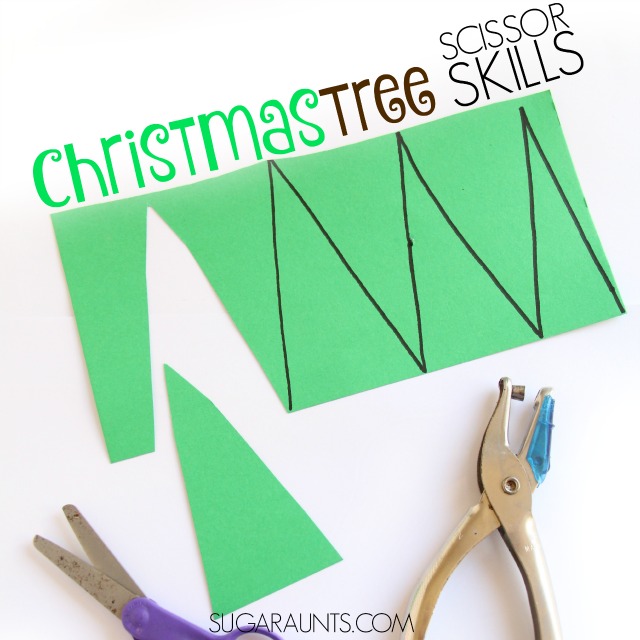
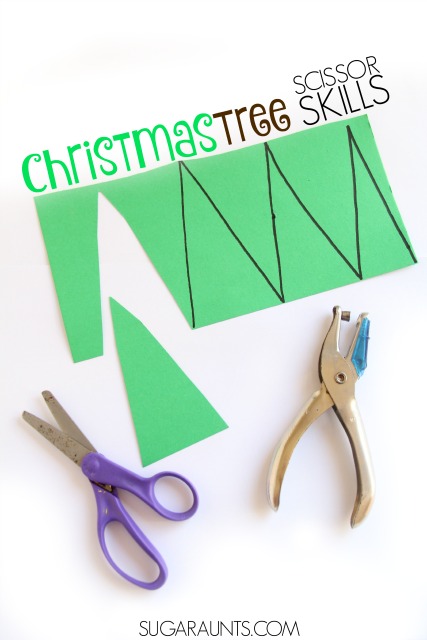
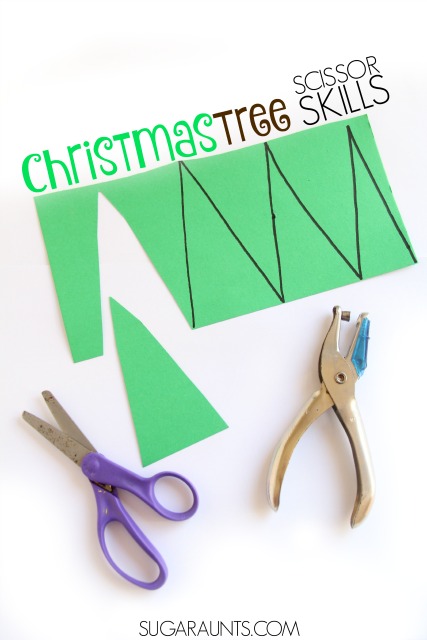
If you need a preschool scissor skills activity, then this Christmas cutting craft is for you. Based on the beginning scissor skills of cutting through a page, the Christmas tree cutting activity helps young learners to hold scissors perpendicularly on the page while cutting through the paper (and not tearing the paper!) It’s a fun way to work on skills this time of year!

Christmas Tree Cutting Activity

 
This time of year, working on Occupational Therapy goals like scissor skills can be difficult for kids who are more excited than Santa’s elves. Sometimes, you have areas you need to work on even though the kids are more excited about all of the exciting sights that the Christmas season brings.  
 
That’s where this Christmas Tree Scissors activity comes into play!
 
Christmas Tree Scissor Skills craft can help kids work on cutting on lines and scissor control with a fun, holiday craft that will bring smiles from your little elves!
 
Check out these Christmas Fine Motor Activities for more creative ways to work on fine motor skills and address development of skills this Christmas season. 


Christmas Tree Scissor skills craft for kids this holiday season, perfect for preschool parties or play dates while working on Occupational Therapy goals like cutting on lines.


Christmas Tree Scissor Skills Craft for kids

This post contains affiliate links. 
 
You might have seen this scissor skill craft on our OT Christmas calendar where we shared a month of Christmas-y Occupational Therapy activities.  In it, we shared occupational therapy activities that can be done this time of year to develop skills and help kids thrive. 
 
The idea actually was one we shared a few years ago with our icicle scissor skills craft. The basic premise is helping young scissor users to cut through the page to create a craft or an actual result.
 
When learners are first starting out with scissor use, they tend to push through the paper, resulting in torn paper and frustrated kids. This craft is a simple way to work on cutting through the page with engaged scissors, maintaining vertical positioning of the blades of the scissors in a perpendicular position compared to the paper. 
 
You can learn more about the progression of scissor skills and how to grade activities to support learners as they move to the next level of scissor use in our crash course on scissor skills. We used gift wrap to work on scissor skill progression, so it’s a great activity for the holiday season! 
 
An easy printable template of our icicle craft is available as well.
 
The same concept of cutting through the page (without tearing the paper) can be carried over and used in this Christmas cutting craft.


Christmas Tree Scissor skills craft for kids this holiday season, perfect for preschool parties or play dates while working on Occupational Therapy goals like cutting on lines.
 

How to make paper Christmas Trees

 
You’ll need just a couple of items to create these paper Christmas trees and work on scissor skills:
  • Green Paper
  • Brown Paper
  • Scissors
  • A Marker
 
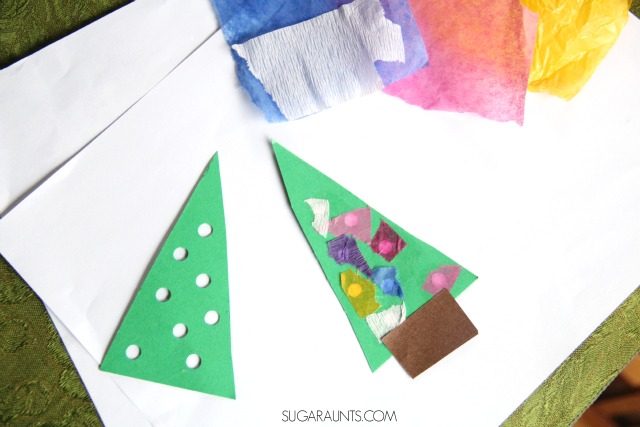
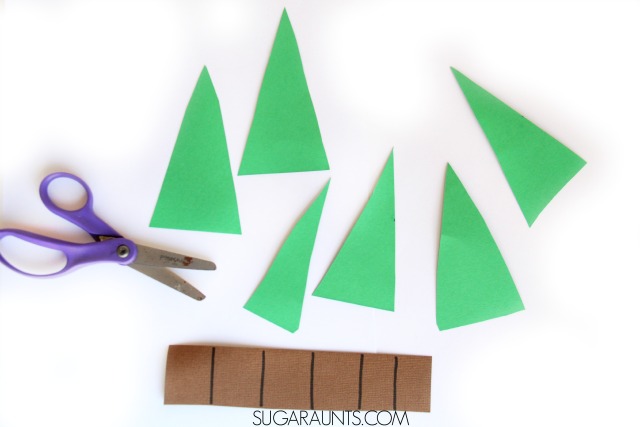
To practice scissor skills with a festive, Christmas tree spin, use Green Cardstockto cut triangles.  
 
Cutting card stock provides a greater resistance than regular printer paper and is a great way for beginner scissor users to learn to cut on lines accurately, with precision.   
 
1. Draw long lines from one edge of the paper to the other so children can cut along one line without turning the page.  This craft can be modified for older children by drawing triangles on the page to allow the child to turn the page to cut around a sharp angle. 


2. Draw short lines on a strip of Brown Cardstock to practice snipping in one solid cut.  Holding a strip of paper with short cuts is perfect for beginner scissor users.

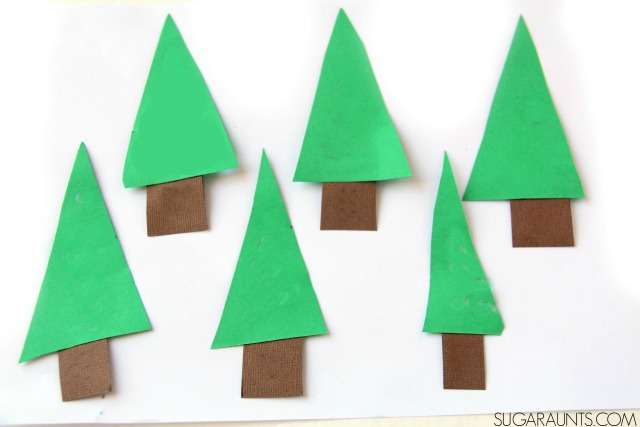
3. Next, have the child to glue the trunks onto the green triangles.


Christmas Tree Scissor skills craft for kids this holiday season, perfect for preschool parties or play dates while working on Occupational Therapy goals like cutting on lines.

 
Christmas Tree Scissor skills craft for kids this holiday season, perfect for preschool parties or play dates while working on Occupational Therapy goals like cutting on lines.
 
Love this idea? Share it on Facebook! 
 

Christmas Handwriting Activities

Writing out that Christmas wish list is a difficult task that brings out tears instead of holiday excitement.  I’ve got a solution for your kiddo with handwriting difficulties: a packet of modified paper for all of the Christmas handwriting tasks that come up each year.  Use this handwriting pack to help kids who struggle with handwriting to participate in holiday traditions while even working on and developing their handwriting skills!

Working on handwriting with kids this Christmas season? Grab your copy of the Christmas Modified Handwriting Packet. It’s got three types of adapted paper that kids can use to write letters to Santa, Thank You notes, holiday bucket lists and much more…all while working on handwriting skills in a motivating and fun way! Read more about the adapted Christmas Paper here

How to Use these Christmas Trees To Work on Scissor Skills

So, after you’ve shown a learner how to cut simple Christmas trees using the cut-through method that we’ve covered above, how can you use this activity to build on motivation as a meaningful task?

Having “buy-in” or a reason for completing an activity is part of the way to develop skills through meaningful and motivating activities. When we show the learner that we can use the Christmas trees that they’ve cut to create a card or craft that can be given to a loved one, we immediately get that buy-in so they want to put forth their best effort.

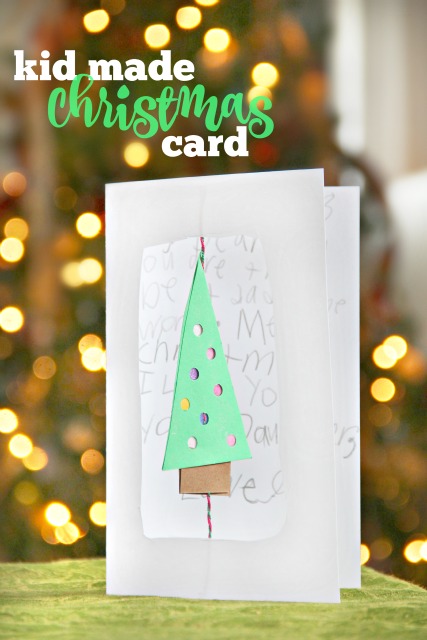
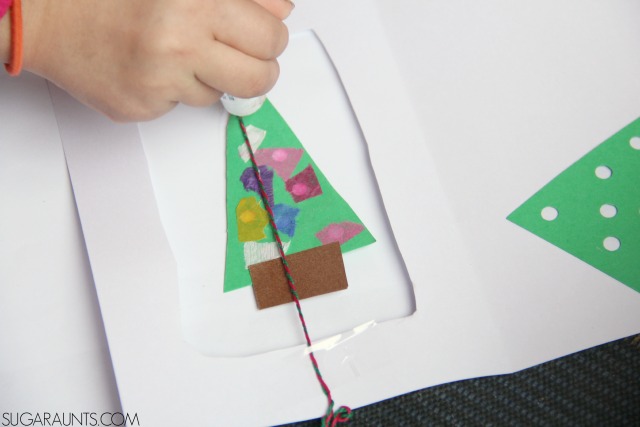
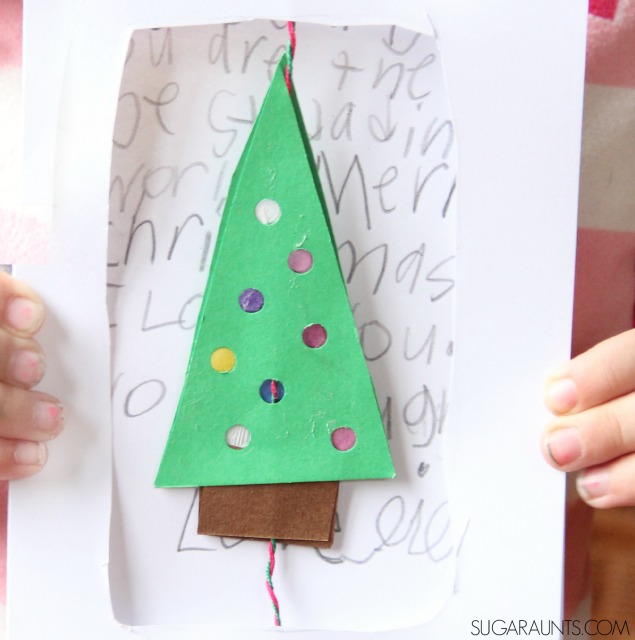
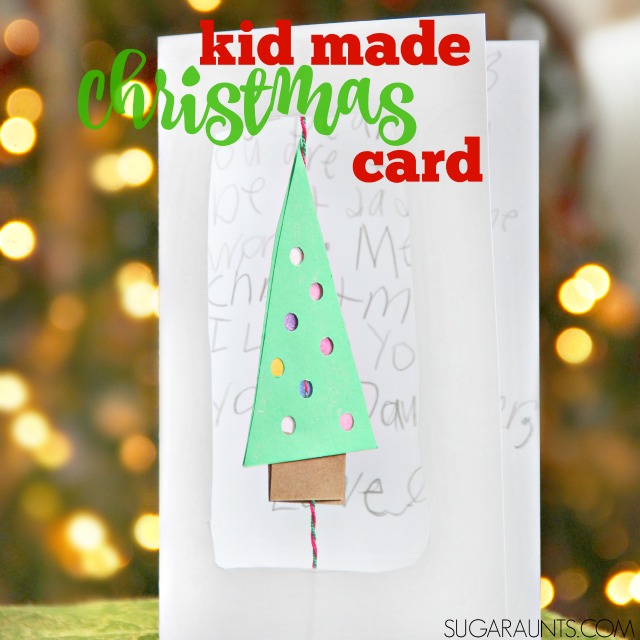
  1. Use the paper Christmas trees to create a homemade Christmas card that builds fine motor skills.

2. You can also use these Christmas Trees in a math activity. This activity strengthens the hands as well by using a hole punch to count. It’s a great activity to build on the scissor skills task.

3. Use the paper Christmas trees in decorations by clipping them with clothes pins or paper clips to string them across the room in a Christmas garland.  

Then, to further develop the hand strength needed to hold and cut across a page with scissors, work on the fine motor strength to strengthen hands that cut with scissors, try making this clothes pin Christmas tree.

There are many ways to develop fine motor skills through play and this scissor skills Christmas tree is just one of those activities for this time of year. Grab more creative activities in our post on Christmas fine motor activities.

Looking for done-for you therapy activities this holiday season?

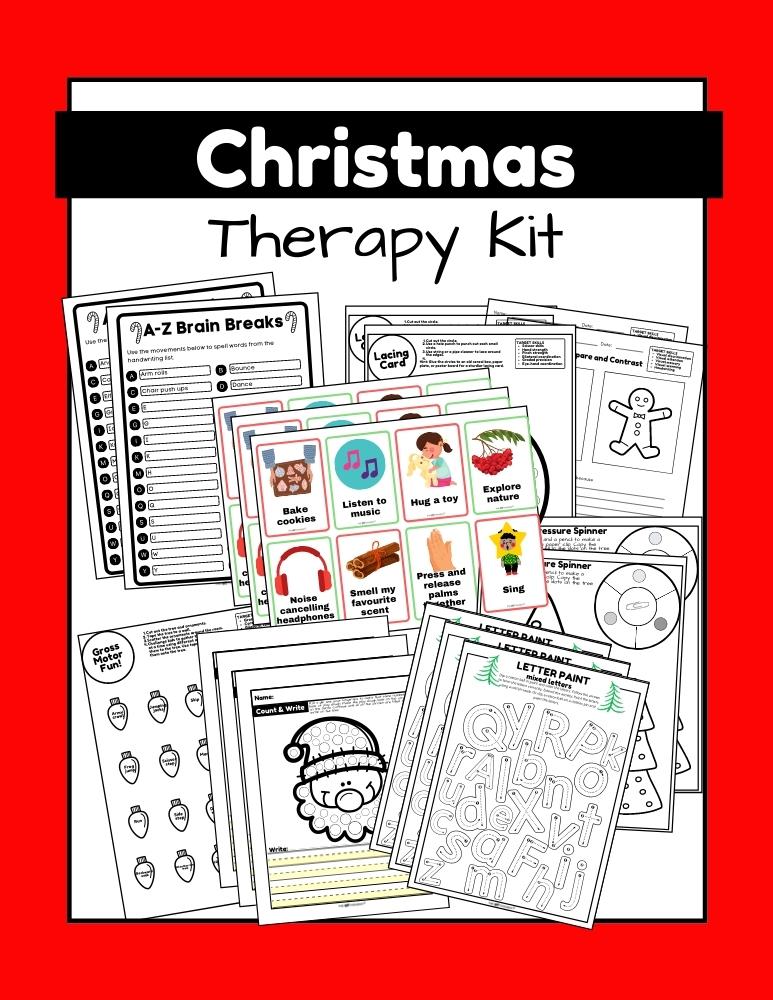
This print-and-go Christmas Therapy Kit includes no-prep, fine motor, gross motor, self-regulation, visual perceptual activities…and much more… to help kids develop functional grasp, dexterity, strength, and endurance. Use fun, Christmas-themed, motor activities so you can help children develop the skills they need.

This 100 page no-prep packet includes everything you need to guide fine motor skills in face-to-face AND virtual learning. You’ll find Christmas-themed activities for hand strength, pinch and grip, dexterity, eye-hand coordination, bilateral coordination, endurance, finger isolation, and more. 

Colleen Beck, OTR/L has been an occupational therapist since 2000, working in school-based, hand therapy, outpatient peds, EI, and SNF. Colleen created The OT Toolbox to inspire therapists, teachers, and parents with easy and fun tools to help children thrive. Read her story about going from an OT making $3/hour (after paying for kids’ childcare) to a full-time OT resource creator for millions of readers. Want to collaborate? Send an email to contact@theottoolbox.com.
2nd Grade Mental Math Adding 10s and 100s with a Harvest Theme

Worksheets and kids are a tough mix.  My second grader plows through a long school day and then brings home a math wroksheet (among other homework items) almost every weekday.  We do the worksheet, but sometimes it’s hard to practice the math concepts when she needs to just practice new math ideas.  One of the strategies she’s learning in second grade is Mental Math. 


Mental Math is simply doing math in one’s head, mentally (makes sense, right?) It’s the way that we figure out answers to math problems quickly, and without pencil and paper.  So, in second grade, my daughter’s been learning how to add 10’s and 100’s to single and double digits using mental math as a strategy.


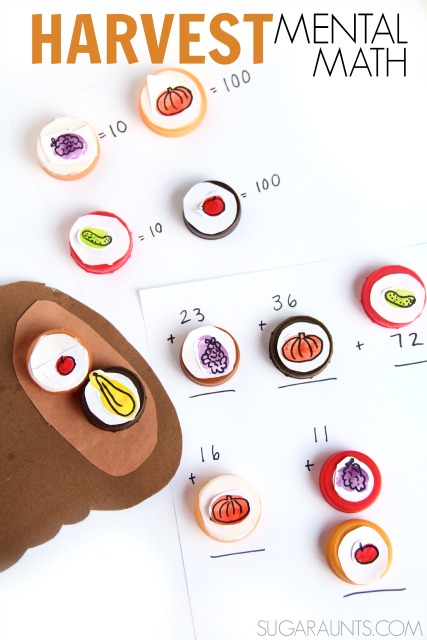
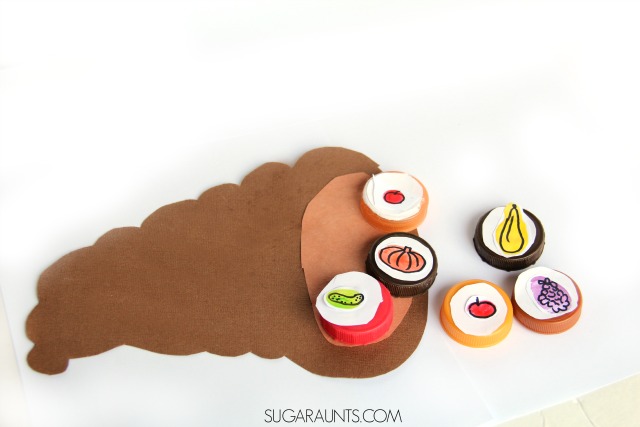
This Harvest themed Mental Math activity was a fun one to create and even more fun to use.  We made harvest-themed fruits and vegetables and a cornucopia craft to go along with the math practice.


Second grade mental math strategy to add 10s and 100s to digits with hands on learning in this creative Harvest-themed activity. I love the cornucopia craft!

Harvest Themed Mental Math Activity

You’ll need just a few materials to make this activity. (Affiliate links are included in this post.)
Brown cardstock

Recycled bottle caps
Glue
Label Sheets

Fingerpaints

White printer paper
Black permanent marker
Scissors


Second grade mental math strategy to add 10s and 100s to digits with hands on learning in this creative Harvest-themed activity. I love the cornucopia craft!


Make a cornucopia shape from the Brown cardstock.  On the printer paper, use the finger paints to make fingerprints in red, yellow, orange, green, and purple.  You can read all about the importance of creating fingerprint art over here.  It’s a great fine motor activity that really works on a child’s finger isolation skills and helps with tasks like handwriting, shoe tying, typing, and more.

Second grade mental math strategy to add 10s and 100s to digits with hands on learning in this creative Harvest-themed activity. I love the cornucopia craft!


Allow the fingerprints to dry and use the black marker
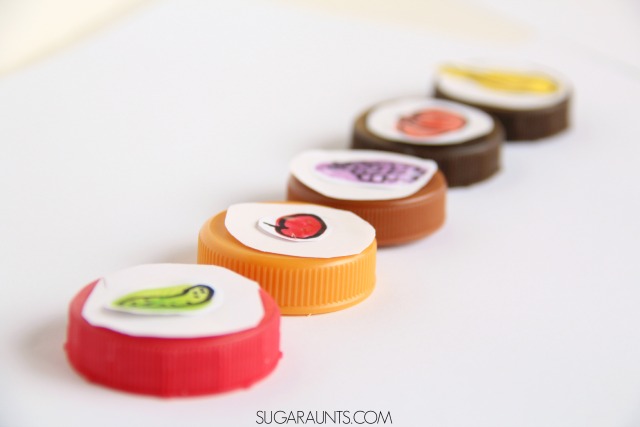
to turn them into fruits and veggies.  We made tomatoes, pumpkins, squash, grapes, and a pickle. 


Every cornucopia needs a pickle, right?


Cut out the harvest crop into small circles.  This was a great scissor skill activity for my preschooler.  We also cut circles from the Label Sheet
and stuck them onto the bottle caps.  Then, glue the fingerprint circles onto the bottle caps.  You could certainly skip the bottle cap step and just use the fingerprints, if you like.


Second Grade Math: Adding 10’s and 100’s

Second grade mental math strategy to add 10s and 100s to digits with hands on learning in this creative Harvest-themed activity. I love the cornucopia craft!


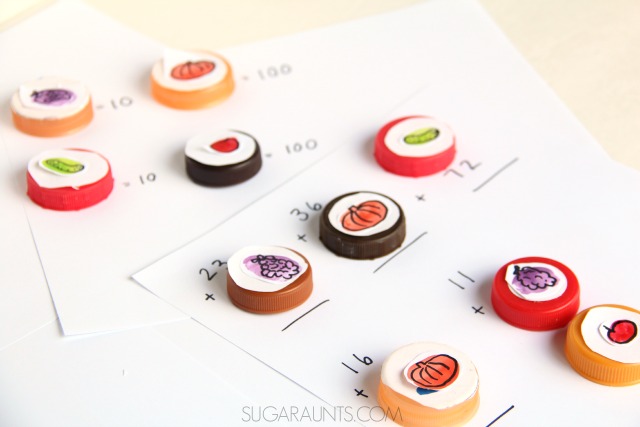
Adding digits while lining up the tens and hundreds column is a little tricky for some kids.  This activity was a way to help with that and make it a little fun with a harvest theme.


I made a code for my second grader to figure out.  Each fingerprint fruit or vegetable equaled either 10 or 100.  We then chose numbers to add to the pumpkins, tomatoes, grapes, squash, and pickles.


Adding tens and hundreds this way made it a little more fun to practice mental math!


NOTE: I wasn’t able to get any pictures of my second grader doing this activity because of the dark light we’ve got after 4:30 pm.  Fall means yummy harvest fruits and vegetables and gorgeous colored leaves…but it also means darkness at 5:00 pm!  Yuck!


Looking for more HARVEST themed activities for your second grader?   Try these from the 2nd Grade Blogger Team:

 
Harvest Vegetable Soup from Crafty Kids at Home


Saving Seeds Science from Rainy Day Mum
Scarecrow Glyphs Patterns from Still Playing School


We love creative math activities!  Here are some of our favorites: 


Ghost Craft Sensory Exploration

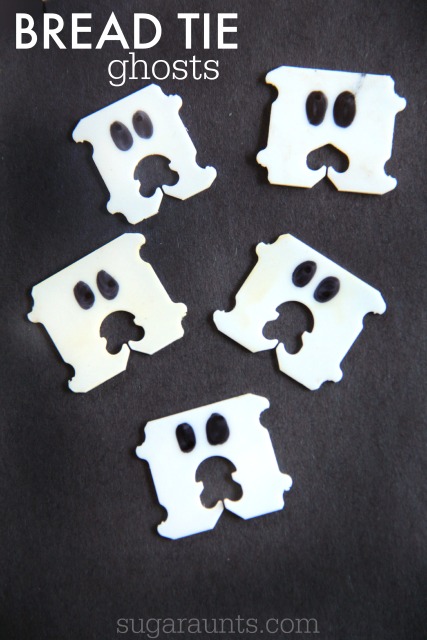
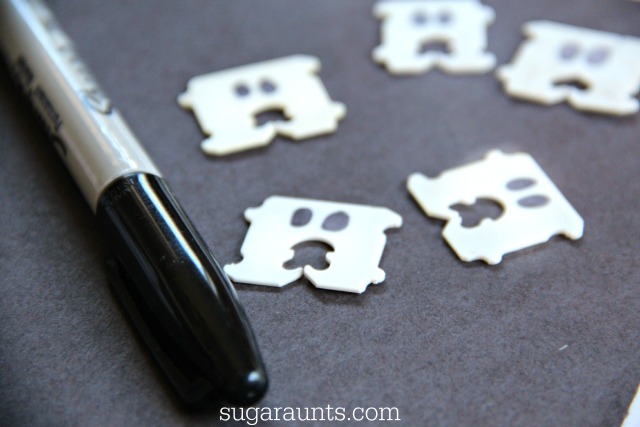
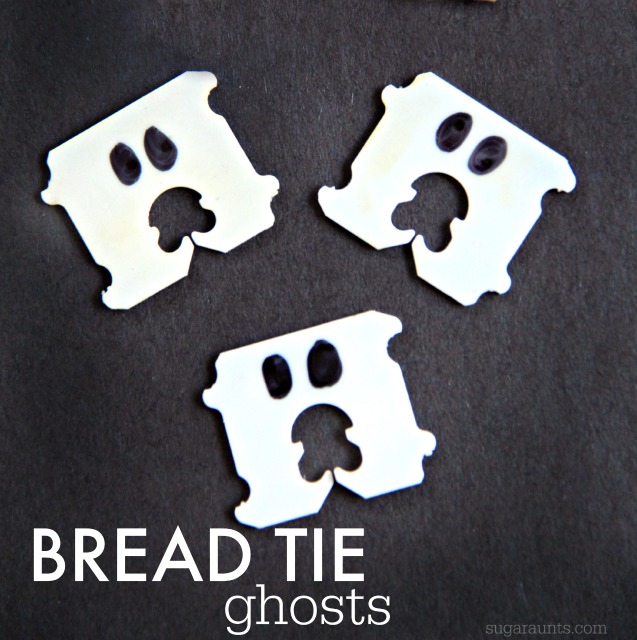
This Halloween Ghost craft was so beyond easy to throw together.  I tend to save a little bit of everything to use in play, crafts, and fine motor/sensory/movement activities and use them in occupational therapy halloween crafts to work on a variety of areas with a fun fall theme.  We have a pile of these plastic bread ties that I’ve been saving for a fun craft or learning activity.  Today, we made an easy ghost craft with them and used these cutie pie ghosts in a tactile sensory exploration play. For another ghost craft that can be used at Halloween parties for kids or in OT this season, try this easy ghost craft that works on scissor skills or this recycled container ghost craft.

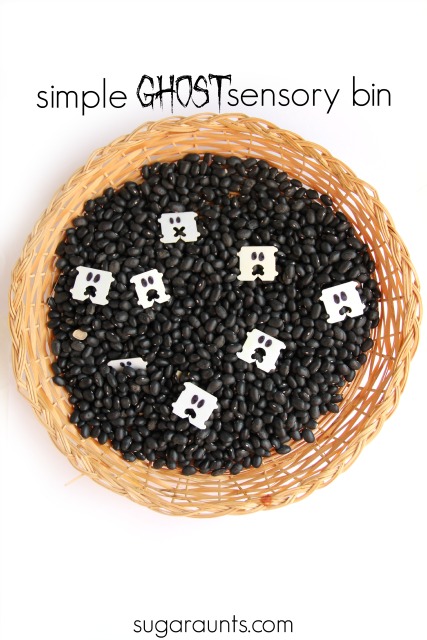
Ghost sensory bin with cute bread tie ghost craft.  Lots of sensory bin tips and tools in this post, from an Occupational Therapist, including why sensory bins are so great for kids with and without sensory issues!

Ghost Craft for Kids

To make the bread tie ghosts, you’ll need just two items: (We’re including affiliate links in this post.)

These ghosts are just one way to use recycled materials in kids crafts.

Plastic Bread ties (you can save these from loaves of bread, bagels, and other grocery items.
A black permanent marker


Ghost sensory bin with cute bread tie ghost craft.  Lots of sensory bin tips and tools in this post, from an Occupational Therapist, including why sensory bins are so great for kids with and without sensory issues!

Simply draw on eyes for each ghost.  Done!  Kids will like making this simple ghost craft and using them in sensory or fine motor play.

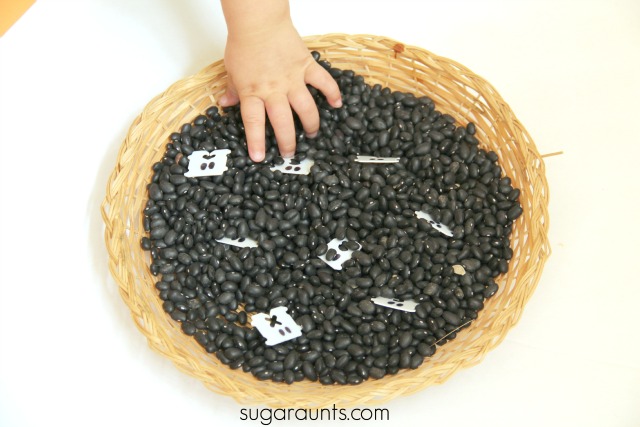
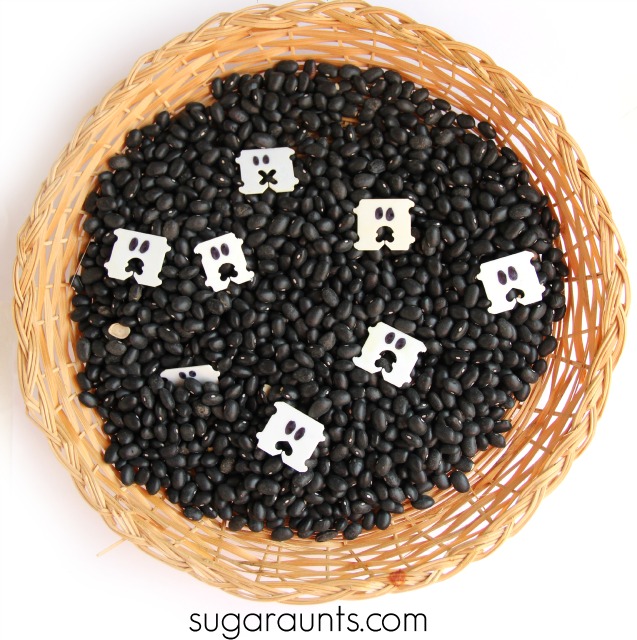
Fill a bowl with a sensory bin filler.  We used dry black beans, but you could use any material.  Some ideas are shredded paper, dyed rice, pumpkin seeds, dry split peas, cotton balls, or sand.  The options are limitless.  Ask your child for ideas, too. They probably have some some ideas that you might not have thought of!

Sensory bins and sensory play is important in discovery of materials, tactile exploration, and learning how a child’s environment works together.  Not only that, but simple sensory bins like the one we made can encourage language development, self-confidence, and work on tactile defensiveness in kiddos.  (This post is part of our 31 Days of OT series where I’m sharing free or almost free materials in Occupational Therapy activities.)

Ghost sensory bin with cute bread tie ghost craft.  Lots of sensory bin tips and tools in this post, from an Occupational Therapist, including why sensory bins are so great for kids with and without sensory issues!


Start playing!  

Ghost Sensory Bin

Sensory bins allow a child to explore textures through play.  Discover, explore, and inspire creativity with a simple sensory bin like this ghost and bean bin.  In Occupational Therapy settings, therapists might use a sensory bin like this to provide a calming period in a sensory diet or lifestyle.  A sensory bin provides an opportunity for the body to slow down, much like a sensory bottle.  It can be relaxing for a child who is overstimulated or hypersensitive to his or her environment. Some kids do not prefer to touch materials that are sticky, squishy, scrapey, or tickly.  A sensory bin can allow a child to explore these textures and more in a confined area (a box, bin, bowl, or baby pool are some ideas.) Other kids who are easily overstimulated in their environment can benefit from a sensory play like a sensory bin be exploring the textures and getting a chance to calm down.  Sensory bins can be small and perfect for hand activities, or big enough to hold the whole child.  Another benefit of a sensory bin in therapy and play is that you can customize them to fit the needs of your child/children: Fine motor, visual motor, tool use, bilateral hand coordination, gross motor skills, and even learning objectives can be added to sensory bins. 

Sensory play in sensory bins is a great way to encourage a “just right” sensory level as part of a sensory diet. Kids can benefit from sensory bin play to challenge sensory processing, to fidget, more, or help with self-regulation. Here is more information on how to create a sensory diet.

For more information on tactile sensory play this time of year, try our list of Fall Tactile Activities.

Ghost sensory bin with cute bread tie ghost craft.  Lots of sensory bin tips and tools in this post, from an Occupational Therapist, including why sensory bins are so great for kids with and without sensory issues!
 
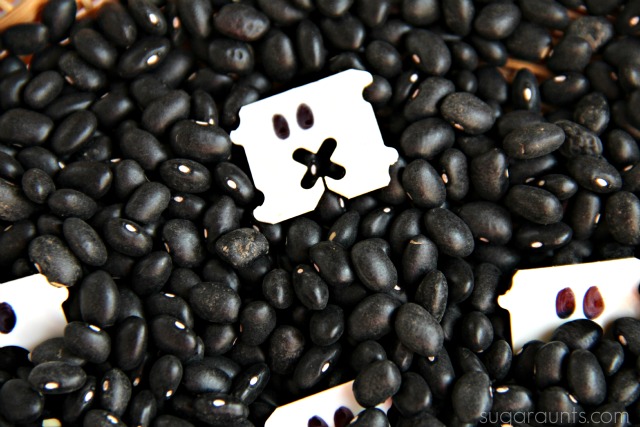
This cute ghost looks like he’s not feeling too well, doesn’t he??


Sensory Bin Items for Learning and Play

Ghost sensory bin with cute bread tie ghost craft.  Lots of sensory bin tips and tools in this post, from an Occupational Therapist, including why sensory bins are so great for kids with and without sensory issues!


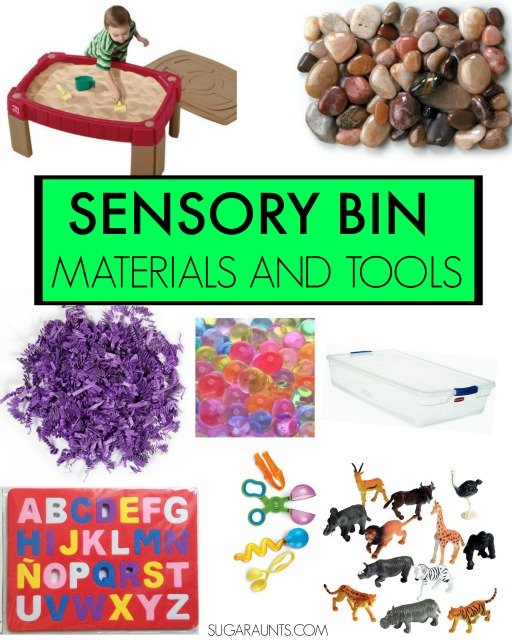
These are some items you might want to include in your sensory bins for a filler, manipulation, leaning, and exploring.  These are just some ideas to get you started, and only the beginning of sensory bin play!  The awesome thing about sensory bins is that they can be customized according to the child’s needs and interests and so, there are limitless ways to set up and play with a sensory bin!

 
Waterbeads are an awesome sensory bin filler. Have you tried these yet? They are a fine motor powerhouse and great for tactile sensory fun. See how we played with them here


Sensory bins are a great way to practice fine motor skills. No matter what your learning objective is (or maybe it’s just simple play!), these fine motor tool set
can be used in so many sensory bins for scooping, tweezing, dropping, and dumping! 


 So what do you put your sensory bin IN? We love our Sand Table. Kids can stand and play with any sensory bin. We’ve used ours for sand, water, paint, water beads, bubbles, and more. You can also take the legs off and play right on the floor or ground. 


We use our sand and water tables often in sensory bin play, but many times we use a Under the bed storage bin (or really any plastic bin!). It’s so easy to use the bin as a storage area for all of our sensory tools and then use it in sensory bin play, too! 


Natural River Rocks are a creative sensory bin filler. Use them in bug sensory bins, proprioceptive play, and more. 


Shredded Paper is an easy sensory bin filler. Explore and play while searching for items. 


Animal figures are perfect for small world sensory play and can be used in pretend play sensory exploration in so many ways. Freeze them into ice cubes, play with them in flour, add to a bin of dry beans…How would you play with these animals? 


I love this Alphabet Puzzle for letter learning with sensory play. Put the letters into a sensory bin for literacy activities. Or, play with the puzzle itself, like we did here.
Sensory lifestyle handbook- How to create a sensory diet

Are you looking for more information on Sensory Processing, creating a sensory diet, or understanding the body’s sensory systems and how they affect functional skills and behavior?  This book, The Sensory Lifestyle Handbook, will explain it all.  Activities and Resources are included.  Get it today and never struggle to understand or explain Sensory Integration again.  Shop HERE.

 
Ghost sensory bin with cute bread tie ghost craft.  Lots of sensory bin tips and tools in this post, from an Occupational Therapist, including why sensory bins are so great for kids with and without sensory issues!Ghost sensory bin with cute bread tie ghost craft.  Lots of sensory bin tips and tools in this post, from an Occupational Therapist, including why sensory bins are so great for kids with and without sensory issues!


Paper Football Sight Words

What do you do when your Kindergarten student would rather play paper football than practice sight words?  You combine his love of flicking folded paper across the table with introducing new words!  This Paper Football Sight Word game will get the most resistant student excited about scoring sight word touchdowns!


Sight word paper football game for Kindergarten students and beginner readers.


Paper Football Sight Word Game

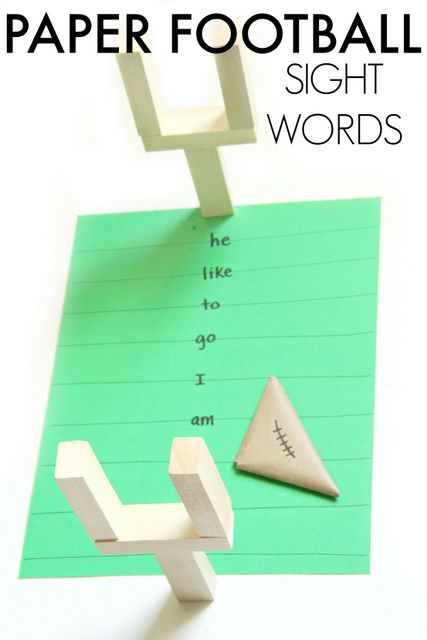
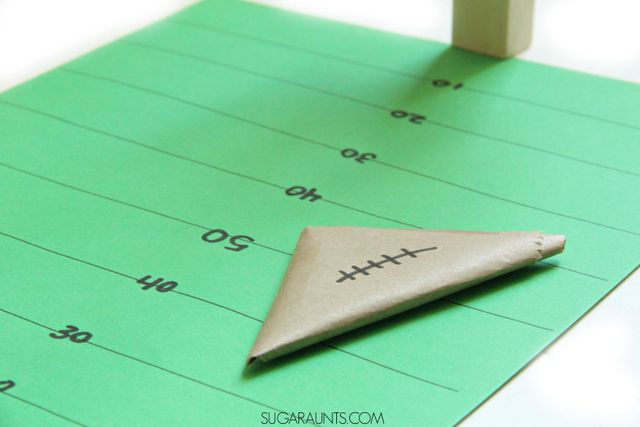
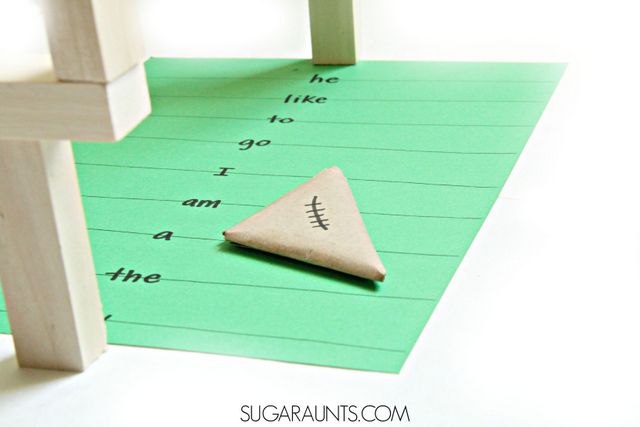
This post contains affiliate links.  This sight word activity is really easy to throw together.  I used Jenga game pieces and a sheet of Green Cardstock to make the football field pretty easily.  To make the goal posts, tape the pieces into a goal post shape using little “donuts” of tape.  Stick more tape to the bottom piece to keep the goal post in place.  Here’s a hint that we shared about the Jenga pieces over on our Instagram page.  Grab up a Jenga game at your dollar store or $5 store for cheap play.  we use these blocks for all kinds of creative play and learning.   (Follow us on Instagram so you can see our daily fun!)
How to make a paper football.

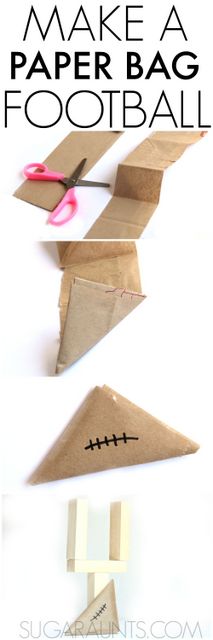
Next you’ll make a paper football.  We used a strip of brown paper bag for a nice brown football.  

How to fold a paper football:

Now, I know that many of you, my lovely readers were note-passing-in-grade-school-on-up-through-high-school-who-passed-so-many-notes-your-locker-was-filled-a-third-of-the-way-with-folded-triangle-notes KNOW how to fold a triangle shaped paper note (I mean football).

This was you, too…right?

But.  Just in case you didn’t fill your locker with paper triangles of notes from friends, here is how you fold a paper football:

Cut a small paper bag in half, long-ways.  Then, cut down the sides so you have a long strip of paper that makes up both sides of the paper bag.  

Starting at one side of the strip, fold over a triangle.  Continue to fold the triangle over and over down the length of the strip of paper.  When you get to the end of the strip, tuck the remaining paper into the folds of the triangle.  Add a bit of tape to keep your football’s shape as you play paper football.

Sight word paper football game for Kindergarten students and beginner readers.
Then, on your Green Cardstock, draw lines for each of the 10 yard lines.  You can add numbers in for the lines.  (Practice counting off by tens with your child while doing this!)

Sight word paper football game for Kindergarten students and beginner readers.

To practice sight words, write a sight word on each yard line.  Start playing paper football. When the point of the football falls close to a word, have your child read the sight word. 

Looking for more Kindergarten sight word activities?  Try these:


Pirate Puppet Craft

Argh!  September 19th is International Talk Like a Pirate Day and we’ve joined a handful of bloggers from all over the world in Pirate crafts and activities for kids.  We made this Pirate Puppet craft using a cupcake liner and are ready for Pirate fun.  So, Yo Ho Ho! Let’s make Pirate Puppets!
Pirate Puppet Craft for International Talk Like a Pirate Day (or any day!) Perfect for a Pirate theme party or lesson plan.


Pirate Puppet Craft

This post contains affiliate links.  We started with a few materials for our Pirate Puppet craft:
Poster Paint
(in Black, White, and Yellow) 

Red cupcake liner 
A Jumbo Craft Stick
Black Permanent Marker 
Tape
Glue
Cardstock
(or construction paper) for the Pirate’s face
Pirate Puppet Craft for International Talk Like a Pirate Day (or any day!) Perfect for a Pirate theme party or lesson plan.
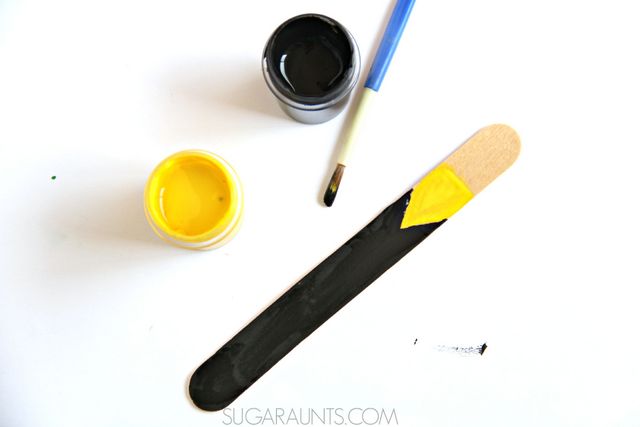
Start by painting most of the craft stick with poster paint.  We love THIS BRAND for it’s bold colors that dry brightly.  Add a yellow strip or triangle-ish shape tot the top of the craft stick.  The nice thing about this craft is that it doesn’t have to be exact, let your child’s imagination run wild with their Pirate’s clothes and painting!
Pirate Puppet Craft for International Talk Like a Pirate Day (or any day!) Perfect for a Pirate theme party or lesson plan.
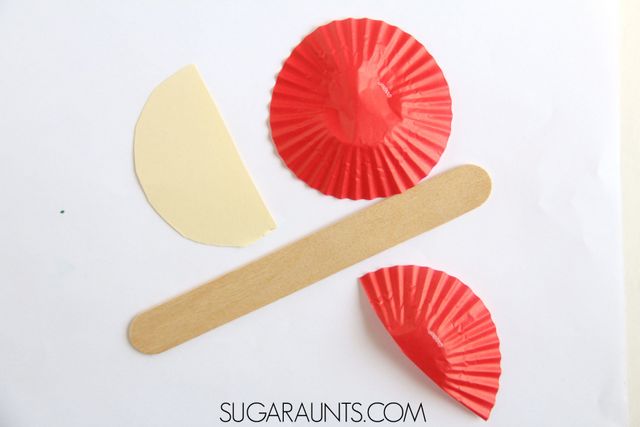
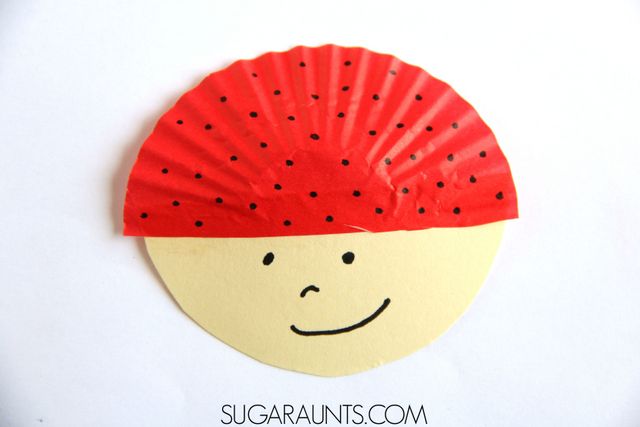
Allow the paint to dry while you create the puppet’s head.  Cut the Red cupcake liner in half to create the Pirate’s hat.  Cut the cardstock in half and glue the cupcake liner to the edge of the face.
Pirate Puppet Craft for International Talk Like a Pirate Day (or any day!) Perfect for a Pirate theme party or lesson plan.
Add block dots with the marker.  You can also use washable markers!  My 8 year old has a new-found love for permanent markers, though and was happy to make the dots with hers. 
 
Add a Pirate-y smirk or angry face if you like.
We decided to add an eye patch, too.
 
Finally, tape the dry craft stick to the Pirate puppet’s head.  You will have to allow a couple of hours for the paint to dry, but then be sure to pretend play Pirate stories and Pirate jokes!  Let us know did you make this craft.  
 
Stop by and see what the other bloggers in our Pirate blog hop have created:
Click on the button below to see them all in one place over on Peakle Pie:
 
Make Your Own Pirate Treasure – The Gingerbread House
Set Sail with this DIY Pirate Boat – The Resourceful Mama
It’s a Pirate’s Life for Me – Study at Home Mama
Pirate Colouring Pages – In The Playroom
Pirate Books for Kids of All Ages – Superheroes and Teacups
Treasure Chest Craft – Messy Little Monster
Pirate Sensory Bin – Life with Moore Babies
Pirate Preschool Printable – Living Life and Learning
Pirate Perler Bead Patterns – Brain Power Boy
Going on a Pirate Treasure Hunt – Play & Learn Everyday
Treasure Alphabet Match – The Kindergarten Connection
Make Your Own Pirate Map – My Little Poppies
Non Scary Pirate Books and Movies – Edventures with Kids
Fizzing Pirate Treasure Adventure – Preschool Powol Packets
 
More crafts you will love:


Germ Craft to Teach Kids About Germs

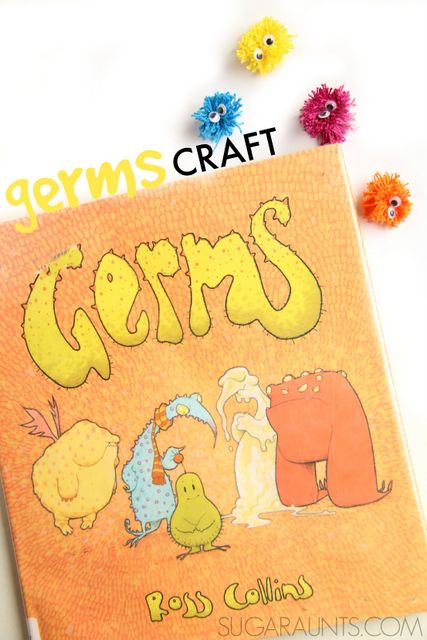
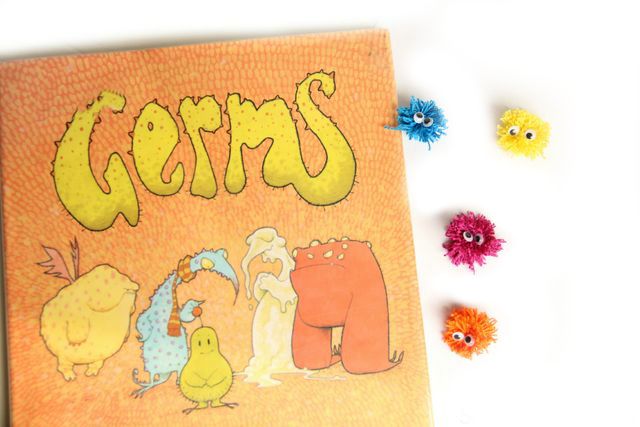
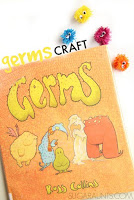
With kids, germs and illness happen.  We found this fun germ book at our library recently and had so much fun reading and learning about how germs spread, that we had to make a Germ Craft to go along with the book.  Get ready to teach kids about germs and get crafty!

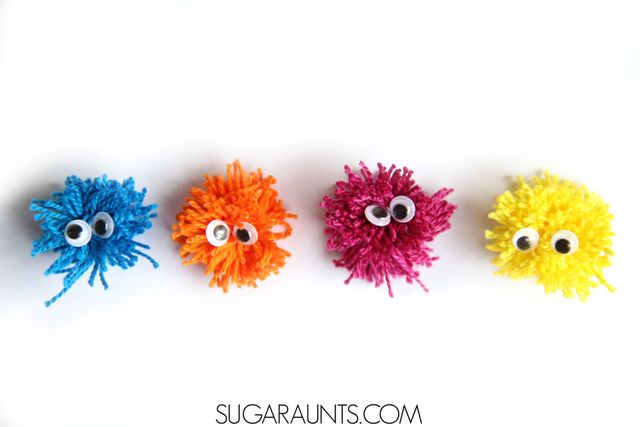
Germ craft based on a kids book, Germs by Ross Collins. This is great for teaching kids how germs are spread.
This book about germs is a fun addition to a fine motor germ craft!

Make these!  So cute.  Not like real germs.


Germ craft to show how germs are spread:

Did you know we do a lot of crafts and activities based on books?  This one had to be added to “read and create about it” list.  It really is a gem of a germ book. Because fuzzy germs are cute.  And we sure do love our craft time.
This post contains affiliate links.
This time of year especially, it’s important to teach kids how germs and sickness are spread from person to person. Germs, by Ross Collins is such a cute book that shows in detail how a germ gets into a person and is fought off by white blood cells.  The pictures in this book are detailed and fun.  My kids giggled at the pictures of the germs and were mesmerized by the silly story.  We decided to make a germ of our own that was just as fun and silly!


Germ craft for kids

Germ craft based on a kids book, Germs by Ross Collins. This is great for teaching kids how germs are spread.
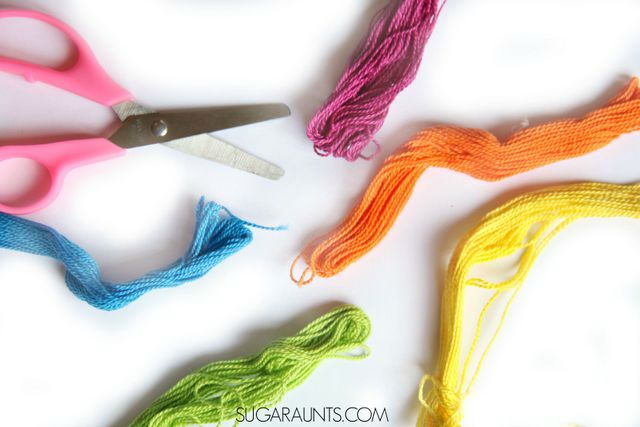
For your germ craft, you’ll need just a few materials:

Embroidery Floss
(We received ours from www.craftprojectideas.com.) 

Googly Eyes 
Glue 
Fork
Scissors

Germ craft based on a kids book, Germs by Ross Collins. This is great for teaching kids how germs are spread.

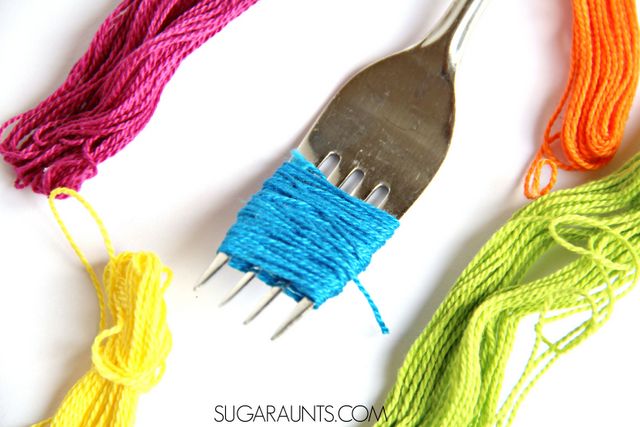
This is such a fun and addicting craft to make.  First, chose the colors of Embroidery Floss you want to use for your germs.  Next, create puff balls from the thread.  Simply use a fork to wrap the thread around and around the edges. Tie the thread to one prong of the fork or just hold it in place with your thumb. Then, wrap the thread around the prongs of the fork and until you have a a large puff. Feel free to use a whole length of the thread. 

This germ craft is a great way to work on bilateral coordination, motor planning, dexterity, and eye-hand coordination.

Germ craft based on a kids book, Germs by Ross Collins. This is great for teaching kids how germs are spread.
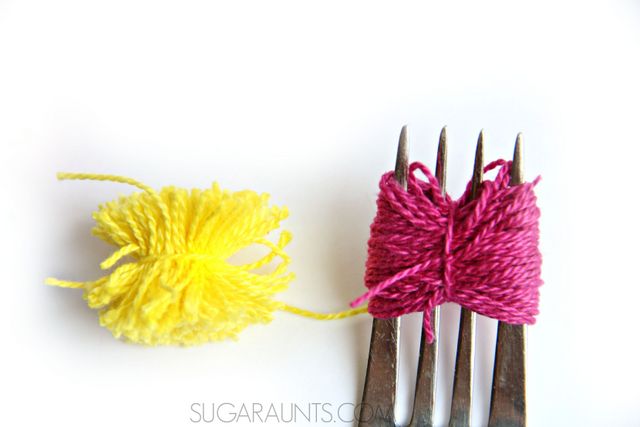
 Tie a small piece of floss around the middle in a knot.  Slide the floss from the fork and snip the looped edges.  Fluff out your puff ball by lightly pulling at the threads.  Careful! The threads will pull right out of the pom pom if you pull too hard.  With scissors, snip any stray threads.
Germ craft based on a kids book, Germs by Ross Collins. This is great for teaching kids how germs are spread.
 
Next, Glue on the Googly Eyes.  How cute are these germs? 
 

Germ Book and Germ Activities 

First, read the book, Germs. Then, make a few germ crafts for the kiddos. Use these cute germs in showing kids how the icky germs are spread.  Practice blowing them from your child’s hand and they can see how a cough or sneeze will make the puffball germs (and real germs!) fly.
Set them on a table surface and notice how a little breeze or breath will make them move. Use a tissue and cover the child’s nose. They can hold the tissue in place and try to blow the germ crafts. Do they blow as far or move at all? Teach kids about germs and how they move when a tissue is used. 
Place the germ craft on the floow and use a straw to blow the germs. See how far they spread on a hard floor.
How many other ways can you think of to use these pretty little friendly germs spread just like bad, illness inducing germs?
This craft can be a helpful addition to teaching kids to blow their own nose.
Use this germ book and germ craft to teach kids about how germs spread.
Have fun making germs of your own (And only cute fuzzy germs like this.  Stay Healthy!) 
How can you make this germ craft cuter?  Try adding glitter, gems, yarn, or other embellishments.  
Looking for more fun kids’ crafts?  Try these:
   

Preschool Books and Activities

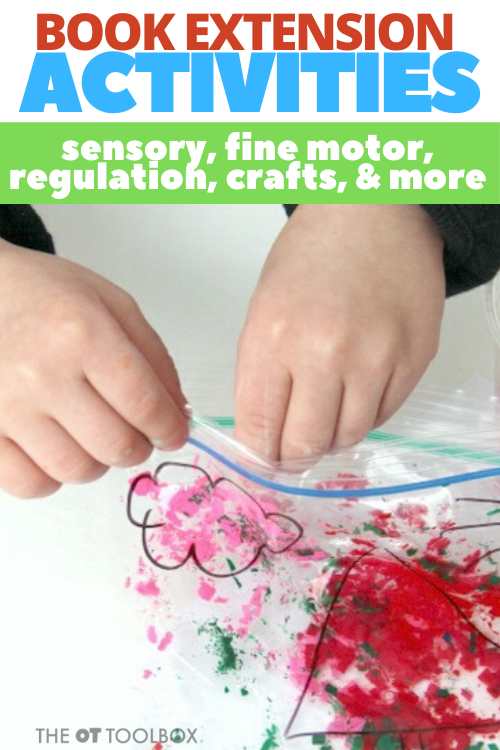
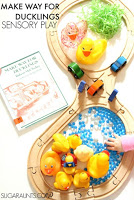
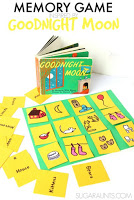
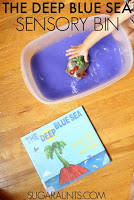
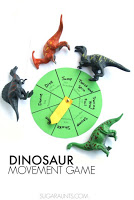
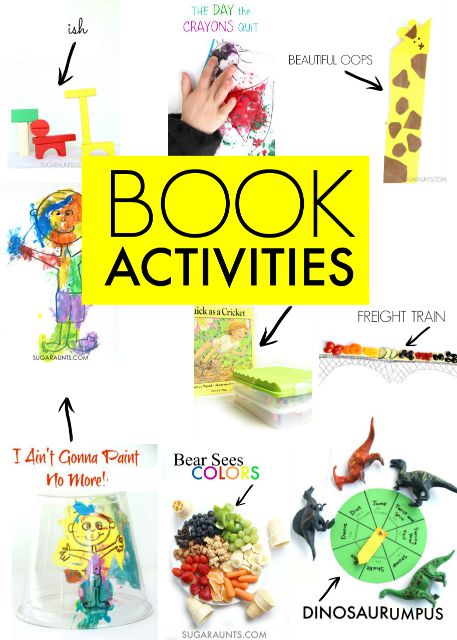
Children can explore books through their senses and with a hands-on approach while learning and making memories. These preschool books and the activities that we’ve come up with…are popular children’s books that are fun to read, and fun to play along with! These are book extension activities that we’ve read and come up with book-based sensory play ideas, regulation ideas, fine motor activities, crafts, and more. Check out the list below, because these are some of our favorite ways to use books in therapy activities and learning!

The fine motor activities for preschoolers page is another great place to find activity ideas to meet the needs of preschool children. Many of the book activities here incorporate developmentally appropriate play activities using these concepts.

Preschool book extension activities to use to explore children's books through play. Use these preschool books in activities for kids!

Preschool ACTIVITY Books

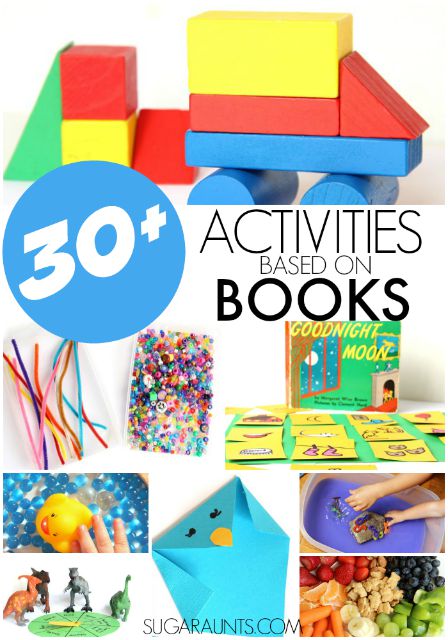
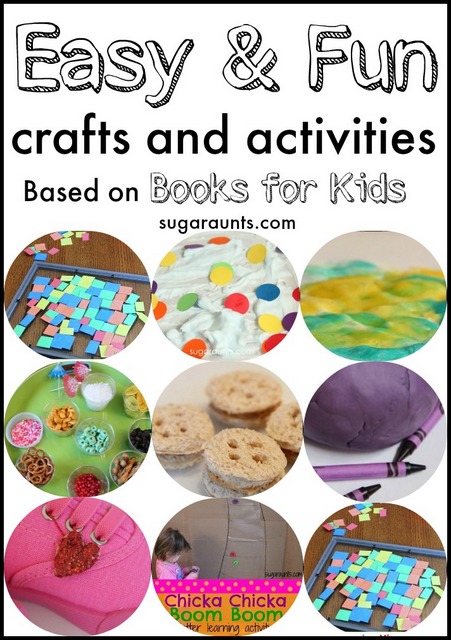
We love coming up with fun crafts and activities based on favorite books.  This is a collection of crafts and activities that go along with some fun books for Preschoolers, Toddlers, and School-aged kids.  

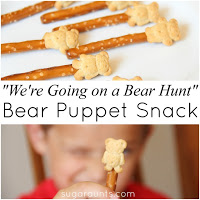
Kids remember the activity that you create for a book long after they’ve read a book.  So often, my kids will say (out of the blue), “Hey Mom, remember when we made bear puppets?” in reference to our We’re Going on a Bear Hunt activity.  

We love to create multi-sensory play and learning enrichment activities to extend themes of books.  We’ve covered many Preschool books and activities in our blogging days, but also many school-aged books with creative play and learning ideas.  We’ll be adding to this page, so be sure to stop back for more fun ideas!

Related, these friendship activities for preschoolers are more great tools to address social emotional learning in young children.


Book activities for kids


Preschool, Toddler, and School-aged Children’s Books and Crafts Activities

This post contains affiliate links.

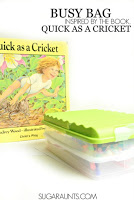
 Quick as a cricket book activity   


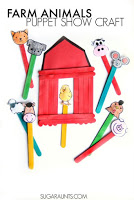
 Big Red Barn puppets  


Book extension activities for kids


Books We LOVE (Book Lists):


The books Preschoolers LOVE:

Activities and crafts based on Preschool and Toddler books.  This blog has so many quick and easy ideas for kids!

hands-on activities to explore social emotional development through children's books.

Love exploring books with hands-on play?  

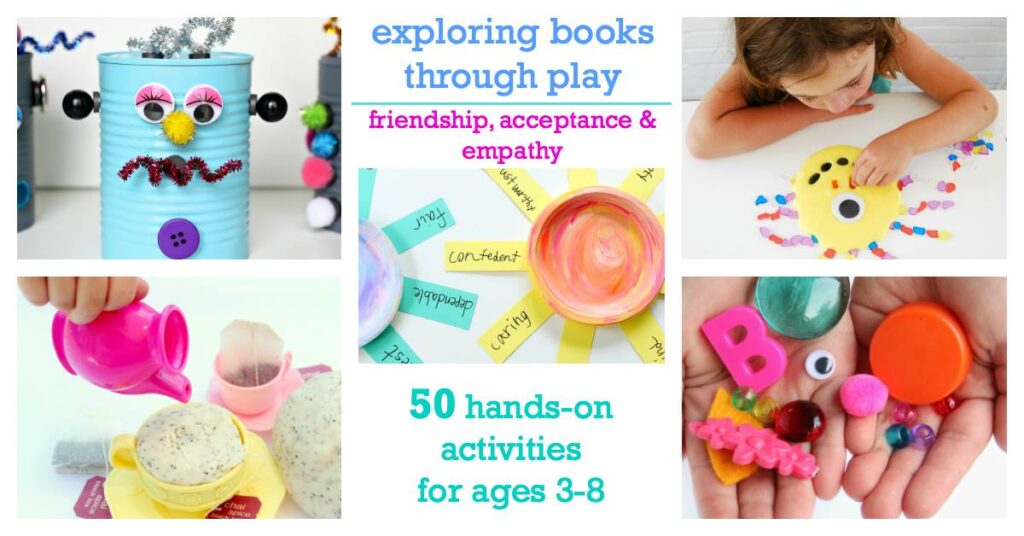
Grab our NEW book, Exploring Books Through Play: 50 Activities based on Books About Friendship, Acceptance, and Empathy, that explores friendship, acceptance, and empathy through popular (and amazing) children’s books!  This digital e-book (or physical book, available on Amazon), contains 50 hands-on activities that use math, fine motor skills, movement, art, crafts, and creativity to support social emotional development. This resource includes activities, crafts, hands-on play ideas, and so much more. There are activities based on 10 popular children’s books:
 
A Sick Day for Amos McGee
The Day the Crayons Quit
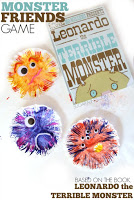
Leonardo the Terrible Monster
Boy + Bot
Little Blue and Little Yellow
Red
The Adventures of Beekle
Chrysanthemum
Penguin and Pinecone
Whoever You Are
 
Each activity is designed to be hands-on and encourage acceptance, empathy, and friendship through play and sensory exploration. This book allows children to explore their favorite children’s books with their senses! Includes printable resources. 
 
 
Amazon affiliate link:

Kids Party Theme Ideas

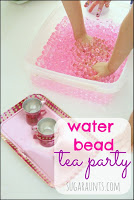
Kids’ parties don’t need to be outrageous and extravagant.  We love to throw easy and creative birthday parties and themed play dates (occasionally-themed days are NOT an every day thing.  Or even a frequent thing around here!).  Sometimes it is nice to celebrate the child and the excitement of youth with a special day.  Sure it can be easy to get out of control with themed days or celebrations.  But, childhood is such a fleeting time and being a mother to a child is such a thing to celebrate.  It is an honor to use creative ideas in celebration of the day…whether it be a birthday or a special play date.  Then there are the creative ways to celebrate neighbors or special people in you life.  A thoughtful special day would be a fun way to spend time and build memories with a niece or nephew.  Put together a quick and easy water bead tea party or a sleepover waffle bar for special time with your special little ones!


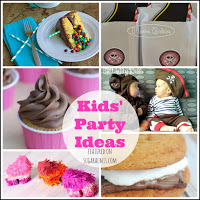
Party Theme Ideas for Kids

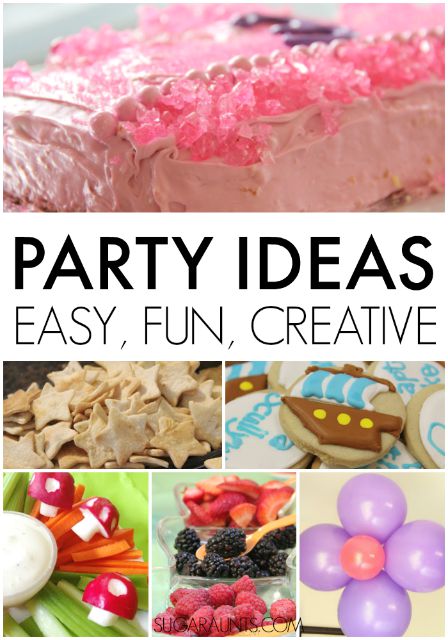
Party ideas for kids' birthday parties, themed play dates, and celebrating special little ones.


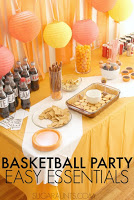
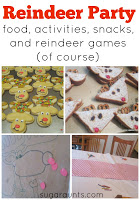
Some of our favorite ways to celebrate special times with our kids and nieces and nephews:
Kids party themes, games, themed food and snacks, decorations, activities, favors, and crafts can be found for each party theme.  Have fun planning your child’s party or themed play date.  Don’t stress about making the day extra special, just enjoy the being creative in honor of your special someone!


Super Hero Craft for Skip Counting

super hero craft

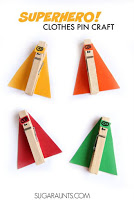
I have a fun occupational therapy craft to share today. This superhero craft is a SUPER way to help kids develop fine motor skills and hand strength. It’s a clothes pin craft, so when kids make these super hero clothes pins, they are really strengthening hand strength and endurance in the hands.

Add these superhero craft to these superhero activities:

Make a super hero craft with clothes pins to work on fine motor skills with a super hero theme.

Super Hero Craft

Super hero craft made with clothes pins to help with hand strength and fine motor skills as well as teaching skip counting.

How to make a super hero craft 

  Making the super heroes are part of the fun with this math activity.  We used a few items to create these super cute super heroes:  

  1. Cut the card stock into triangle shapes with a flat top.  Measure the size against the length of the clothes pins.  
  2. Glue the Triangle to one long side of the wooden clothes pins  with the narrow part of the triangle at the part that pinches.  The “head” of your superhero will be the part that pinches paper.  
  3. Cut small rectangles from the card stock to fit the width of the clothes pins.  These will become the superhero’s mask.  
  4. Glue the mask onto the clothespin about a 1/4 inch from the top of the clothes pin.  
  5. Use a marker or permanent marker to draw a smirk (or angry face, if you like) and eyes on the mask.  
Superhero themed second grade math for place value, addition, and skip counting to 1000.

  This super hero craft is ready to fight math crime!

Super hero craft made with clothes pins.

Skip Counting by 1000

You may know that occupational therapists love hands-on learning. We love to seek multisensory learning and activities that kids can move and learn at the same time. This superhero craft does just that.

The school year is about to begin and we will have a second grader in our house.  HOW did that happen?? She loved math in first grade and I’m excited to see her growth and learning this year in second grade.  We do so many enrichment and homework extension activities and it is fun to come up with creative ways to practice what the kids have been learning in school.  

This Super hero Skip Counting Activity was a fun way to practice skip counting and basic addition up to 1000.  (Affiliate links are included in this post).  

For more fine motor math, grab our count and color worksheet to build many visual motor skills.

Use this super hero craft for hand strengthening and to teach skip counting to 1000.

  Next, we used the printer paper to create strips of paper that became our math skip counting columns.  Simple fold the paper into quarters lengthwise.  Then, use the sharpie to draw ten horizontal lines.  You can draw a picture at the top of the strip of paper, like buildings, stars, a medal, or other superhero-ish pictures.

Superhero themed second grade math for place value, addition, and skip counting to 1000.

Multisensory Math- Skip Counting to 1000

We made four strips of paper and my daughter wrote in numbers.  On one strip she wrote 1-10. On the second, she wrote 1-100 by tens.  On the third strip she wrote 5-50 by fives.  On the last strip, she wrote 100-1000 by hundreds.  

We then used the superheros to skip count up to 1000.  

She was able to use the various strips together to do basic adding by 1’s, 5’s, 10’s, and 100’s.  

One of the standards in second grade math is understanding place value.  Skip counting to 1000, and reading and writing numbers up to 1000 are important concepts in place value.  

You can position the hundreds strip next to the ones strip and easily note that the numbers 100, 200, 300, 400, 500, 600, 700, 800, and 900 refer to one, two, three, four, five, six, seven, eight, nine, or ten hundreds (and 0 tens and 0 ones).   There are so many ways to use these superhero skip counting strips and superhero counters.  

My daughter has been using them every day (and carting them around in her tote bag) to count out how many silly band bracelets she’s made.  She will slide the superhero counters up the strips one by one on the ones strip.  

Then when she reaches the 10, she slides the superhero up on the tens strip.  She’s got a long way to go to reach one thousand silly band bracelets, but she sure does have lofty goals (and a super fun superhero way to keep track)!    

Teach skip counting with this super hero clothes pin craft.
Superhero clothes pin craft for fine motor strengthening

These make a great fine motor strengthening activity, too.  Pinch these superheros on yarn or paper for superhero fine motor strength!   Looking for more Superhero themed ways to learn in second grade?  Try these from our Second Grade Blog Team:

Super Hero States of Matter from Look! We’re Learning!   
uperhero Pattern Stones from Rainy Day Mum   
Super Hero Reading Logs from 123 Homeschool 4 Me   

Superhero Contractions Memory Game from School Time Snippets   
Superhero Cityscape Art Project with Van Gogh from Preschool Powol Packets   
Create your own Superhero Comic-Photo-Strip from Crafty Kids at Home   
Super Hero Self Portrait from Still Playing School

More Multi-Sensory Math ideas you may enjoy: