Check out the Christmas Tree Activities on this blog post for creative ways to incorporate a Christmas tree theme into occupational therapy interventions. Tis the season for Christmas tree crafts and festive holiday activities that develop skills and learning. A lot of these Christmas crafts and sensory ideas only require a few items to make and they can last for many years to come. Add these Christmas occupational therapy ideas to your therapy toolbox.
Christmas Tree Activities
These activities are listed below in sections, so you can pick and choose the holiday activities that meet the needs of the child you are working with in therapy (or at home as a parent).
Kids can work on fine motor skills, visual scanning, visual tracking, in-hand manipulation skills and grasp patterns with a holiday theme. The tree activities below develop skills through Christmas tree ornaments, garland and Christmas themed sensory bins.
Christmas Tree Crafts
These are fine motor crafts that build motor skills, coordination, planning, and hand strength with a Christmas tree theme.
Make a bottle cap Christmas tree
Bottle Cap Christmas Tree craft-Save those bottle caps and make a Christmas tree. Help you kids paint and arrange the bottle caps into a Christmas tree. This is a great fine motor eye- hand activity for kids.
Clothes pin Christmas tree
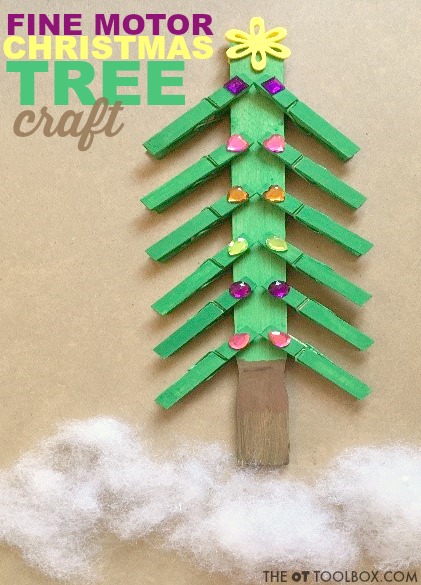
Christmas Tree Craft– Have some clothespins siting in a drawer? Gather those up with some paint, stickers and paperclips to make a fun craft for the holidays.
Christmas tree stamp art
Christmas Tree Stamp Art– have your child make homemade gift tags. This activity will work on fine motor skills (scissor skills and grasp patterns).
A Very Merry Occupational Therapy Christmas –This article provide a variety of activities focused around Christmas for the whole month! Scroll down to activity eight to make a craft of stringing cranberries and popcorn to make garland for your tree. Stringing items works on so many important skills. Bilateral coordination, visual tracking and visual scanning, fine motor skills and patterning.
Christmas tree made from egg cartons
Fine Motor Egg Carton Christmas Tree Craft-Save your egg cartons to make this fun Christmas tree craft. Grab some green paint and decorations to help your child make a table decoration.
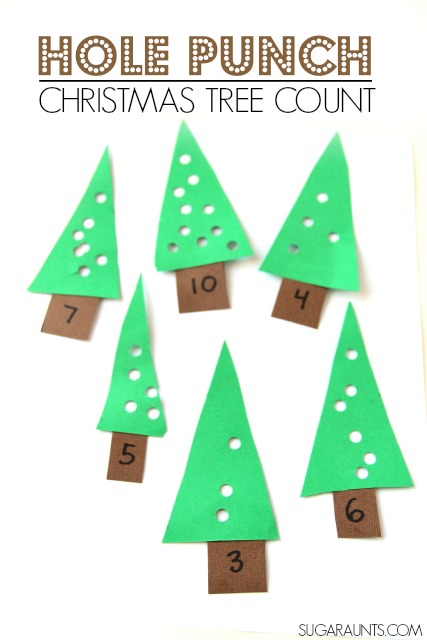
Christmas Tree Fine Motor Craft– Grab a hold punch and paper and let your kids have fun by making Christmas trees with various amounts of holes. Can be used as a great way to count as well. The squeezing of the hole punch provides proprioceptive input and strengthening to the hands.
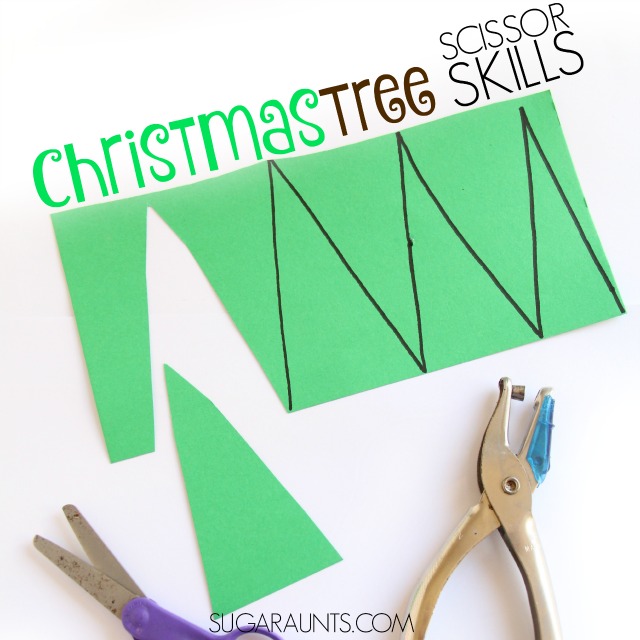
Christmas Tree Scissor Skills Craft– Use the same concept and have kids work on scissor skills with this easy cutting activity. These Christmas trees would look great on a holiday garland.
Make a pine cone Christmas tree and build fine motor skills.
Pine Cone Christmas Tree Ornaments-Take a walk outside and gather up pinecones. Grab some paint and glitter, pom poms and make these cute ornaments with your kids.
Christmas tree suncatcher
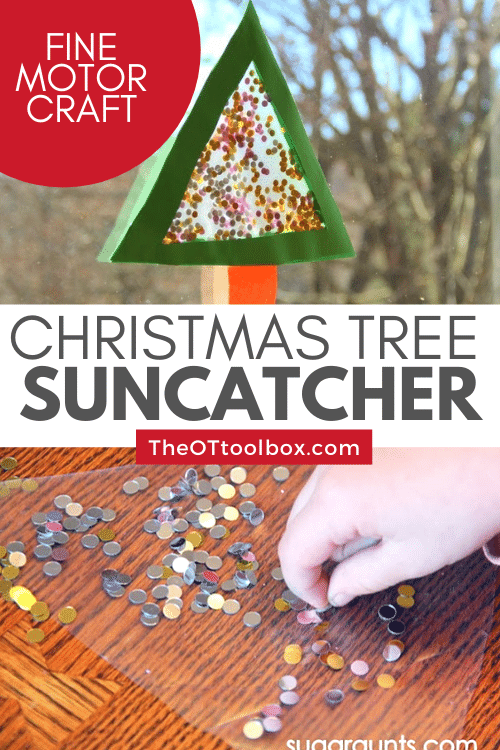
Christmas Tree Suncatcher Craft-what is better then seeing the sun in the winter? Having a beautiful sun catcher to see it through. This activity works on pincer grasp and in-hand manipulation skills.
Make a pattern Christmas tree with beads
Pattern Christmas Tree Ornament– This fine motor craft is a fun one to work on pincer grasp, tripod grasp, in-hand manipulation, and more.
Christmas Tree Sensory Activities
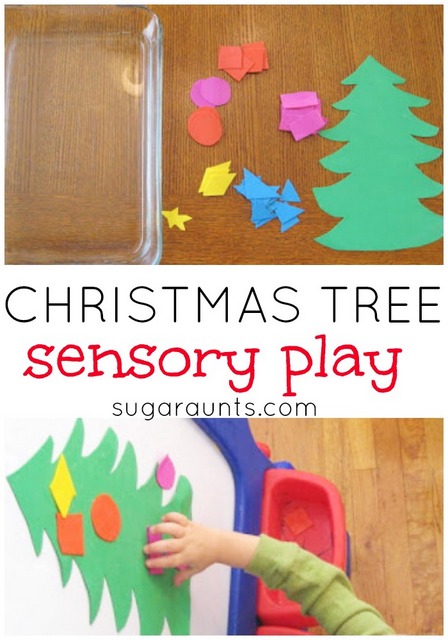
Christmas tree sensory play
Christmas Tree Sensory Play-make a fun Christmas tree with foam shapes and water. A fun sensory activity that works on cutting, patterning and sorting.
Christmas Sensory Bin–kids love playing in sensory bins. We used green peas and potpourri as the items in the bin. To make it a Christmas tree them use the green peas and add round ball for ornaments.
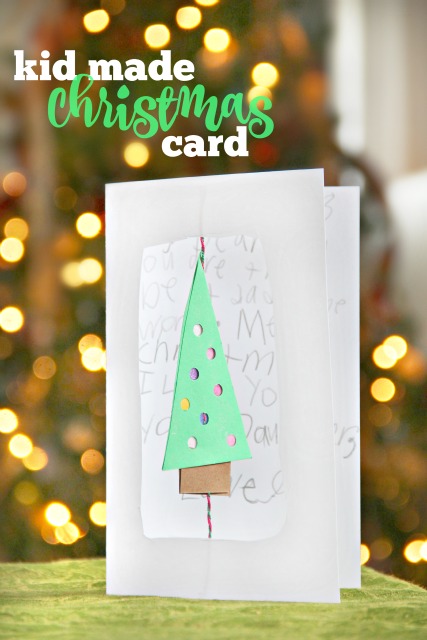
Christmas tree card to build fine motor skills
This Christmas tree card kids can make is a fine motor skill activity that builds scissor skills, hand strength, eye-hand coordination, and more.
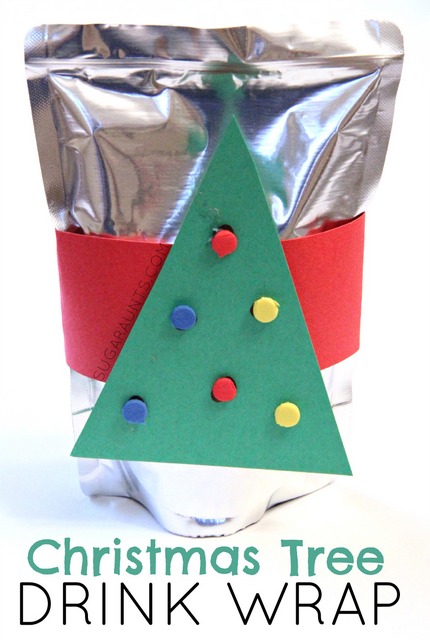
Christmas tree drink wrap
Christmas Tree Oral Motor Activity– Did you know that drinking from a juice box offers kids heavy work through the mouth as they suck on the small juice box straw? This Christmas tree craft can be used with a juice box for a bit of calming sensory input through the mouth.
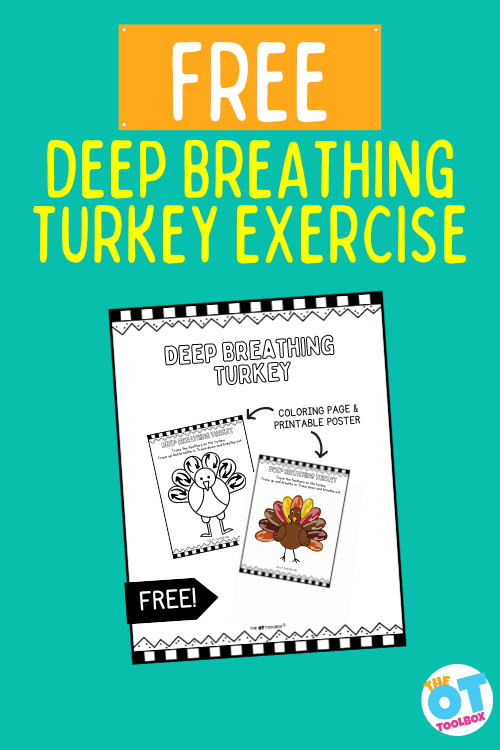
Christmas Tree Mindfulness Activity– Use this Christmas tree deep breathing activity as a sensory break to address self-regulation for sensory needs or emotional needs. Print and go!
About Christina: Christina Komaniecki is a school based Occupational Therapist. I graduated from Governors State University with a master’s in occupational therapy. I have been working in the pediatric setting for almost 6 years and have worked in early intervention, outpatient pediatrics, inpatient pediatrics, day rehab, private clinic and schools. My passion is working with children and I love to see them learn new things and grow. I love my two little girls, family, yoga and going on long walks.
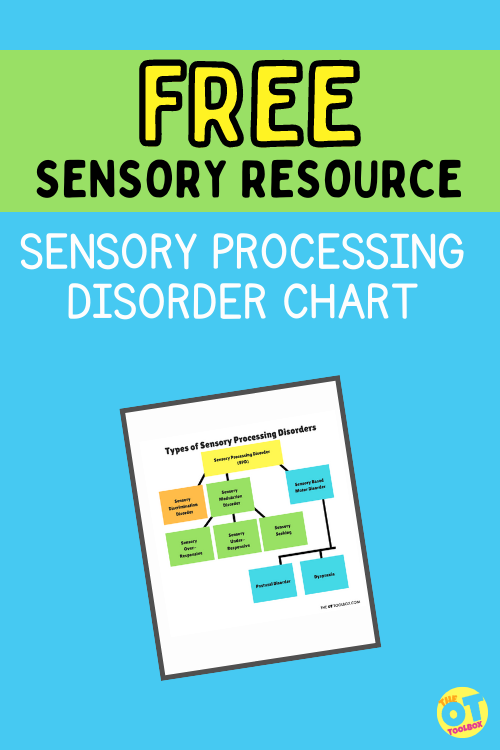
One of the first postnatal senses to develop is sensory touch. There are eight senses to sensory processing, with touch being one of the more important ones. The tactile system helps the brain understand and make sense of the world around it. Starting in infancy, people use touch to explore objects, protect themselves from danger, and safely navigate their world. Sensory touch is an important piece to looking at a sensory processing disorder checklist.
Sensory touch
According to what we know about sensory processing, and looking at the sensory processing disorder chart, The body sends tactile information to the somatosensory cortex through neural pathways to the spinal cord, the brain stem, and the thalamus.
The primary somatosensory cortex is the primary receptive area for touch sensations and is located in the lateral postcentral gyrus, a prominent structure in the parietal lobe of the human brain.
Think of sensory touch and the tactile system as a set of wired pathways, similar to the inner workings of a machine. In a typical body, the wires are the correct size, go the right direction, and send the appropriate information from the touch receptors to the brain.
Three Types of sensory touch
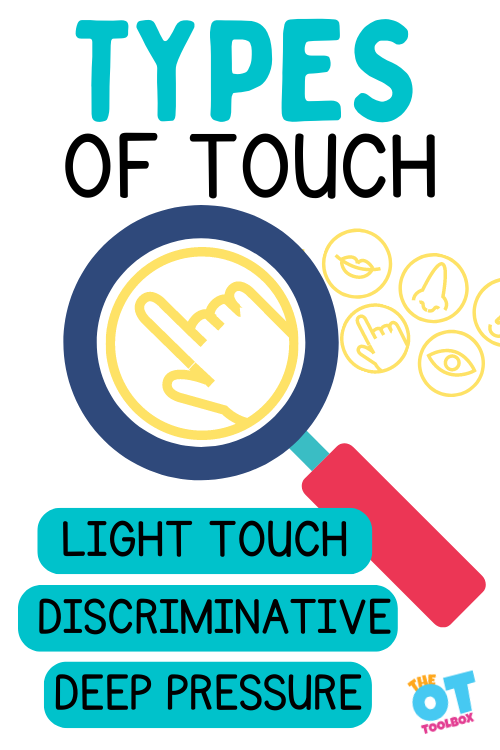
There are three types of touch; light touch, deep pressure, and discriminative touch.
Light touch is alerting. It may alert you to danger such as something touching the skin, or brushing against a spider web. For those with sensory sensitivity, light touch can be bothersome, painful, and elicit negative emotions.
Deep pressure tends to be calming. Hugs, weighted blankets, and compression clothing, offer external deep pressure sensory touch. Deep pressure can also alert the body about how tight something is, if there is too much pressure, or not enough.
Discriminative touch alerts the body/brain to the type of sensory touch. It helps describe the incoming information. Was it sticky, wet, dry, rough, bumpy, hot/cold, or smooth?
Sensory Touch Issues
How does this affect people with sensory touch difficulties?
If the sensory touch system is not functioning optimally, the wiring can be off. Some wires might be too large, sending too much information at once (sensitivity).
Other wires may be too small, not sending enough information (sensory seeking).
Sometimes the wires are too long, taking it longer for the messages to be sent to the brain and registered.
Other times the wires don’t go where they are supposed to, and misinformation is sent.
Slow responses to touch sensory input, or the wiring may be too long/send misinformation:
Doesn’t notice if hands or face are messy or dirty
Doesn’t cry when seriously hurt and isn’t bothered by minor injuries
May not notice if bumped or pushed
Seeking out touch sensory input or the wiring is too small:
Touching people to the point of irritating them
Loves messy play
Likes haircuts
Constantly touching objects, running their hands along the walls, or playing in the dirt
Sensitivity to touch sensory input or the wiring is too big:
Dislikes having hair cut or brushed
Difficulty with toe and fingernail cutting
Fussy with food textures
Avoids getting messy, wants to wash hands immediately
Does not explore with touch
Irritated with certain clothing textures, labels and seams and socks. Avoids new clothes
Sensory Touch and Function
So, how does touch affect functional tasks?
Touch is critical to making sense of the world. Along with the other senses, it teaches the brain the characteristics of an object or situation.
This is the reason babies and young children touch everything! They can not understand a new object without physically exploring it.
Let’s break down the definition of sensory touch terminology:
Stereognosis – a fancy word meaning; the ability to feel an object, and know what it is without seeing it. An example of stereognosis is reaching into a bag to find a set of keys.
Dyspraxia – difficulty with motor movements. Without the correct sensory touch information, movements and motor planning can be difficult. Is that sand going to be soft and squishy, how close to the wall am I walking, how much force do I use when petting this puppy?
Tactile defensiveness – Inability to tolerate touching food, wearing certain clothes, standing in line, being touched, exploring the environment, or experiencing new tactile sensations.
Another component of touch that impacts functional performance is the information about touch that keeps us safe and gives us information about the world around us. This includes touch information such as:
Where is a particular item touching me?
The sensory touch awareness that “disappears” over time (feeling your socks on your feet when you put them on, but then not constantly feeling the “feel” of the socks on your feet). This awareness isn’t always present in Autistic individuals.
Is this item hot or cold?
Is a particular item too sharp or dangerous?
Somatosensory Touch
Somatosensory touch is a physiological body process which includes several aspects of sensory touch:
Exteroception input which can include touch sensitivity, thermoreceptive input (heat and temperature awareness), pain receptors
Interoceptive perception– awareness of pressure or feelings inside the body
Proprioceptive perception– feelings and awareness of joints and body awareness.
Research about the somatosensory touch sense
There are several research articles available on the somatosensory or tactile system:
This article covers the sensory neurons of touch, including important information about the somatosensory system which serves three major functions; exteroreceptive (perception of sensory stimuli outside the body and on the skin), interoceptive (perception of internal stimuli inside the body), and proprioceptive functions (for the perception and control of body position and balance). Of important mention is the inclusion of
This article which covers the development of touch.
This article which discusses the common influences of the visual and tactile systems in using similar cognitive processes to enable humans to rely merely on one modality in the absence of another to recognize surrounding objects.
This article discusses how Meissner’s corpuscles work in sensory touch, and how the location and presence of the number and distribution of Meissner’s corpuscles occurs in different locations on the human body.
These are scientific journal articles which provide facts and research on theories about the sensory touch aspect of sensory processing. To the layperson, they are difficult to read and decipher. Using the wiring example above, along with concrete examples may prove to be more beneficial to caregivers.
Sensory Integration and Touch
Sensory integration is the ability to correctly receive and interpret information from the senses. Difficulty with sensory integration, often labeled sensory processing disorder, results in misinformation about incoming information.
It can be in one or more of the senses.
For more information on this theory, please do read our resource on Ayres Sensory Integration for an understanding of what is happening in our nervous systems that results in the motor or behavioral output. It’s truly fascinating!
Why do babies touch everything?
Babies and toddlers explore with touch. A person who has not integrated this sense, may need to explore with touch long beyond the acceptable time frame. Learners who are developmentally delayed may exhibit “inappropriate” sensory behaviors because their system is functioning at a much lower level.
A four year old functioning at a one year old level would be expected to explore with taste and touch.
Infants and children who are born prematurely may also have difficulty with sensory regulation. Their sensory systems were not developed well in utero, and it is almost impossible to mimic the womb sensations in an external NICU.
Premature children may be especially vulnerable to sensory challenges.
Sensory Touch Preferences
Everyone has their own set of sensory preferences. You might dislike wearing jeans, cut the tags in your clothing, love snuggling under a heavy blanket, or prefer not to get messy.
These can be normal reactions to touch. It becomes a problem when the reaction to sensory input impacts function.
The person who can not wear any clothes, is not able to be around people who might touch them, or has a panic attack stepping on the sand, are on the further ends of the typical spectrum.
Their ability to lead a productive life is being compromised by their sensory difficulties. These are the people who may benefit from treatment.
What can I do about this?
The first step is understanding. Understanding a child is not “bad” or being difficult on purpose. Provide good tactile experiences to nurture and build the sensory system.
Understanding sensory touch, along with the other seven senses is tricky and complicated. What seems like a basic human function, can be a tangled web of crossed wires and misinformation.
NOTE*The term, “learner” is used throughout this post for readability and inclusion. This information is relevant for students, patients, clients, preschoolers, kids/children of all ages and stages or whomever could benefit from these resources. The term “they” is used instead of he/she to be inclusive.
Victoria Wood, OTR/L is a contributor to The OT Toolbox and has been providing Occupational Therapy treatment in pediatrics for more than 25 years. She has practiced in hospital settings (inpatient, outpatient, NICU, PICU), school systems, and outpatient clinics in several states. She has treated hundreds of children with various sensory processing dysfunction in the areas of behavior, gross/fine motor skills, social skills and self-care. Ms. Wood has also been a featured speaker at seminars, webinars, and school staff development training. She is the author of Seeing your Home and Community with Sensory Eyes.
Having a mindful Thanksgiving is so important, but have you ever considered HOW to achieve Thanksgiving mindfulness during a time when abundance is everywhere? Today, we have a few tips on holiday mindfulness, but also a great turkey exercise. This Thanksgiving deep breathing exercise is a tool to use when the overwhelming feelings of a big holiday event can overcome emotions and behaviors. Add this turkey activity to your Thanksgiving occupational therapy plans.
Thanksgiving Mindfulness
This time of year, being mindful is a huge part of the gratitude of Thanksgiving. This Thanksgiving Mindfulness activity doubles as a deep breathing coping strategy but also is helpful in teaching kids to be mindful during a time of year when the holidays can get the best of them.
A few weeks ago, you may have seen a Pumpkin deep breathing exercise on The OT Toolbox. This mindfulness strategy is inline with that coping tool. Use it to talk to the kids about mindfulness or as a sensory strategy.
You can also use this activity along with our Thanksgiving tree to work on mindset and gratitude.
During the time of year when signs of a feast is everywhere (from a family get together to a feast in the classroom), it can be easy to become overwhelmed by tensions, boundaries of others, and even the over-abundance.
For our kiddos with sensory needs, we see this play out in emotions, behavioral meltdowns, and sensory regulation needs.
However, for ALL of us, sometimes having an open mind and mindful strategies can support a complex season.
Mindfulness for kids can be a creative way to address common concerns with attention, self-regulation, self-awareness, coping skills, and concentration.
Mindfulness activities can be a way for kids to be more present in the moment, and more aware of themselves in every situation, including in the home, in the classroom, and while performing everyday activities.
With the turkey exercise below, we use a few areas of mindful attention:
Deep breathing
Coloring (if using the coloring page)
Deep breathing exercises can improve a child’s attention, emotional regulation through mindful attention to Breath Control.
Breathing exercises are a coping tool to support relaxation by attentive breathing. When focused breathing occurs with breath control to inhale a deep, diaphragmatic breathing strategy, and then held for a moment to hold the breath at full capacity, there are many calming benefits, which can slow a racing mind. This relaxation breathing is a breath control mechanism.
Mindfulness Strategies for Big Holidays
There are many ways to incorporate mindfulness into holidays like Thanksgiving or Christmas. You can still honor the spirit of Thanksgiving or other big holidays even when overwhelm and a racing mind are at play.
Here are some of our favorite mindfulness tools for holidays:
Fun Mindfulness activities for kids– creative mindfulness exercises that can help kids feel better, reduce stress, address anxiety, and have a greater awareness of their body and mind. Mindfulness activities for kids can be used as a self-regulation tool or a coping strategy.
Go for a quick walk to add movement, heavy work through the body, and the opportunity to take a few deep breaths.
Make a list of things you are grateful for. Use that gratitude to pray, give thanks, or use in gratitude meditation.
Talk about gratitude with kids. This Bear Says Thanks activity is a great hands-on activity for this lesson.
Take a walk in nature and practice gratitude while walking
Talk about gratitude. You don’t need to save thankfulness for the Thanksgiving table. Talk about the things you are thankful for each day.
Consider mindful eating during big meals or family meals.
Winter Theme Mindfulness Activities– Use these tips for mindfulness in the classroom and creative mindfulness exercises with a winter theme.
Mindfulness Videos on YouTube– Use these YouTube videos to help kids pay attention and responding to input from the world around us, including emotionally and cognitively.
Make gratitude and mindfulness a habit.
Adding a quick morning meditation can help with overall wellbeing.
Hug your friends and family. Did you know there are benefits to giving and receiving hugs? Not only do they offer proprioceptive input through deep pressure, but they can be very calming.
Turkey Exercise for Mindfulness
This mindfulness activity is a fun one for kids this time of year. Like our pumpkin deep breathing exercise, we used a visual graphic of a turkey paired with directions to breathe deeply as a sensory coping strategy. Use the turkey deep breathing activity to teach kids mindfulness and awareness.
What better activity is there for Thanksgiving and the season of gratitude?
Kids can use this Thanksgiving mindfulness activity to wind down after a busy day, cope with sensory overload, and be more aware of things they can express gratitude for.
Use the printable turkey exercise as a breathing tool during the chaos of a family dinner.
Use this Thanksgiving themed mindfulness tool to address sensory issues such as sensory overload. It’s a great way to add a mini-sensory break into busy days filled with family and festivities. Simply taking a few moments to add deep breathing exercises can help with feelings of overwhelming sensory overload and add the calming moment a child might need.
It works for kids of all ages, too…take a few moments with your kiddos to step back, breathe deeply, and express gratitude or awareness.
It’s a great way to introduce mindfulness to children with a visual representation of the deep breathing strategy and awareness of the world around them.
Ok, so how does this work? Let’s try this mindfulness meditation task!
How to Use this Turkey Exercise for Mindfulness
Print off the turkey exercise by entering your email address into the form below. This resource is also available in our OT Toolbox Member’s Club, on the Thanksgiving Therapy Theme page.
Use the visual graphic to follow the arrows as you take deep breaths in and out.
Pair the deep breathing with thoughts of things that you are thankful for with each breath.
For each feather on the turkey, you will concentrate on one thing, person, or aspect that you are thankful for. Maybe it’s a warm house. Maybe you are thankful for the sun shining outside. Maybe it’s a frantic house filled with family and friends. Maybe it’s a job that pays the bills.
Thinking about whatever it is that you are grateful for is a simple way to pair the benefits of slow deep breaths with intentional thoughts.
Use the Thanksgiving mindfulness with kids as a group or individually. You can set this up in several ways. Ask them fist to list out some things they are thankful for. Then, quietly say an item with each breath break.
As a mindfulness group activity, use the turkey graphic and explain that they will be pairing deep breathing with a focus on gratitude. Come up with a list of things the group is thankful for and as you work through he deep breathing exercise, the children in the group can focus on things that they are thankful for personally.
Or, you could invite the child to think in their head about some things they are thankful for and then with each breath in, they intentionally concentrate on that thing/person/idea.
Adding the deep breathing exercise with intentional thoughts makes this a Thanksgiving Mindfulness activity that can be so helpful for kids (and adults) of all ages!
Thanksgiving Exercise for Deep Breathing
When focusing on gratitude and mindfulness during the Thanksgiving holiday, having an exercise with a turkey theme is a fun way to support self-regulation needs.
If you include this Thanksgiving exercise with gratitude and mindful breathing, it’s a great sensory tool, especially when worries or overthinking is happening. Gratitude and mindfulness can be powerful coping tools for anxiety by helping individuals shift their focus from negative thoughts and worries to more positive and present-moment experiences.
Pair this Thanksgiving exercise with gratitude by asking the user to think of things they are thankful for as they complete each breathing exercise.
This can help the user because mindful breathing and gratitude helps us to be present in the moment, promotes relaxation, and supports emotional regulation.
Free Thanksgiving Mindfulness Exercise
You can print off a version of this turkey exercise deep breathing tool. Enter your email address into the form below. The OT Toolbox Member’s Club members can access this resource inside our Member’s Club on the Thanksgiving Therapy Theme page.
Colleen Beck, OTR/L has been an occupational therapist since 2000, working in school-based, hand therapy, outpatient peds, EI, and SNF. Colleen created The OT Toolbox to inspire therapists, teachers, and parents with easy and fun tools to help children thrive. Read her story about going from an OT making $3/hour (after paying for kids’ childcare) to a full-time OT resource creator for millions of readers. Want to collaborate? Send an email to contact@theottoolbox.com.
This bat template is a fine motor activity, perfect for building motor skills with a Halloween twist. Use the bat printable as a stencil to cut out, trace, and then use in fine motor work. Add this to your Halloween occupational therapy activities!
Bat Template
Fall is here and that means it’s time to pull out the Halloween crafts! This bat Halloween craft is a favorite in our house, and it’s actually a fun way to celebrate Halloween with kids without spooky decorations.
We also used this bat template in a Stellaluna activity that also challenged visual processing skills. Be sure to check that activity out for another way to use this printable bat stencil.
The nice thing about using our bat template is that it becomes an open-ended Halloween craft idea is one that doesn’t need a lot of materials. In fact, it’s a simple craft idea that is big on the fine motor skill development! When kids make this bat craft, they will be boosting skills such as fine motor strength and dexterity in a big way.
For more Halloween craft ideas, check out some of the ideas at the bottom of this post…it’s the perfect addition if you’re looking for Halloween crafts for toddlers or Halloween crafts for preschool parties.
Related, check out these spider activities for more spooky but fun ideas.
Bat Template Craft
We made this bat craft with a fun sensory twist. And, since we have a certain second grader that is cursive handwriting obsessed, we decided to add a cursive handwriting twist to this activity. This activity could work to help kids with letter formation of upper case letters, lowercase letters, or numbers too. The possibilities are endless.
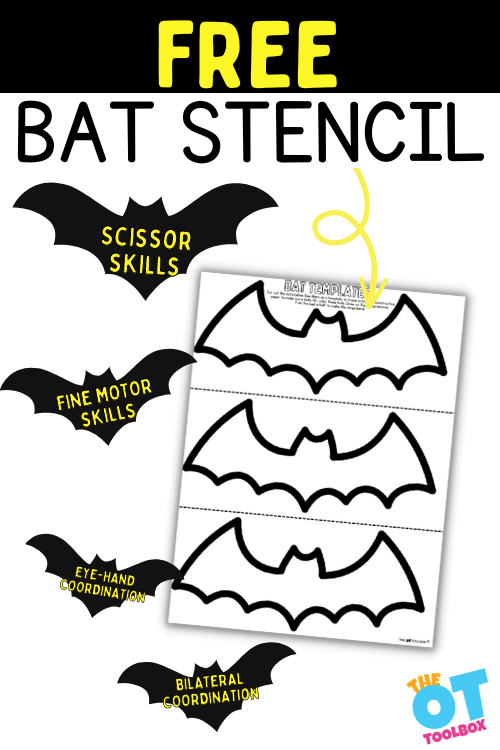
We arranged the bat template so you can print out one bat printable page and then get 3 bats from the one page.
Or, if you are using the bat templates with a group of kids like in a classroom Halloween party activity, you can easily cut the bat template page into three sections with one bat stencil for each child.
This post contains affiliate links.
Bat Printable
To make your bat craft, you’ll need just a few materials.
Scissors (THIS is my favorite brand and the ones that I always recommended as an Occupational Therapist!)
Pencil or marker
This is a great Halloween craft for preschoolers because it’s a fantastic way to work on scissor skills with a Halloween activity.
Make the Bat Template
First print out the Pat printable onto printer paper.
Cut out the bat templates on the page. Each template has three bats. Students can cut out the bat printable or the adult can do this as preparation work.
Trace the bat template onto cardstock or black construction paper. This is another good task for students to do as tracing the bat template supports development of bilateral coordination skills, eye-hand coordination, crossing midline, and pencil control skills.
Cut out the bat template.
Kids can cut out the shape using their Scissors for great scissor skill work. The bat shape is a complex cutting shape and can be done by Elementary aged students.
Cutting the angled wings and curves can be difficult, but by using the cardstock, kids will get a bit fore proprioceptive feedback from the thicker resistance of the paper material.
To make the task easier, cut wings without the jagged lines or use thicker cutting lines when you draw the bat shape.
Decorate the Bat Cutout
Once you have the bat, you’ll need to cut pieces of the black yarn. Have your child cut long or short pieces, it doesn’t really matter what length they wish to cut for their bat’s texture.
Cut black yarn for the bat cutout.
Cutting the yarn is a great material to practice appropriate scissor positioning and bilateral hand coordination.
If a child is holding the scissors on an angle, cutting the yarn will be more difficult. (You may see them trying to “saw” at the yarn!) Encourage them to hold the scissors straight up and down and the blades of the scissors at a 90 degree angle to the yarn. You can find more of our Scissor Skills activities.
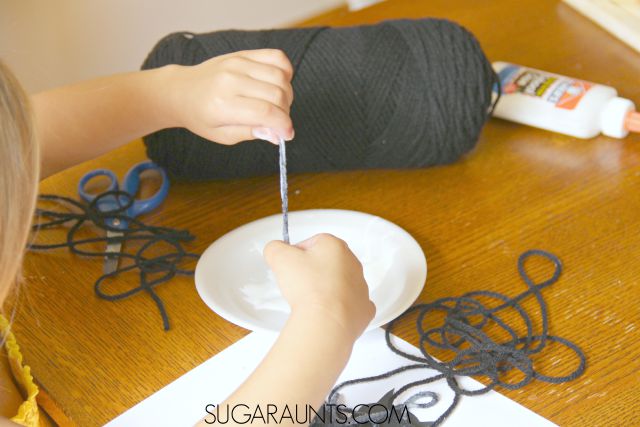
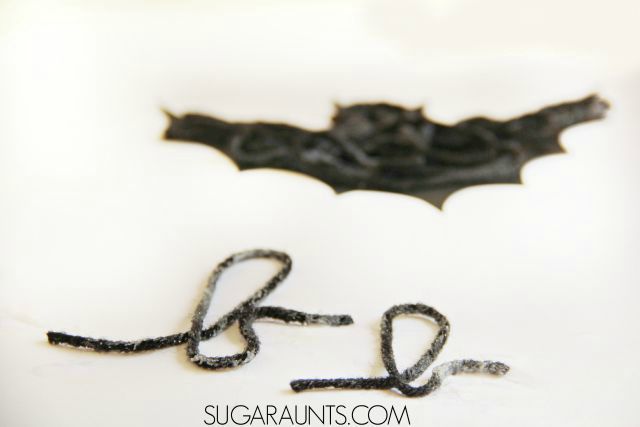
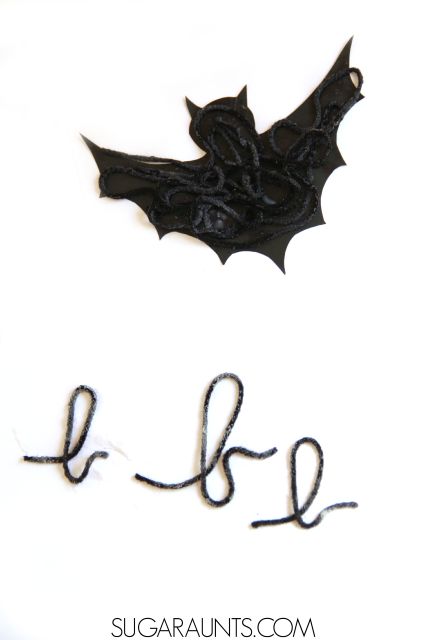
2. Next, pour some glue into a shallow dish or plate. Show your child how to drag the yarn through the glue and get it nice and saturated with the glue. Use both hands to pinch and “scrape” off excess glue from the piece of yarn.
3. Next, drape the black yarn on the bat shape. You can let your child get as creative as they wish with this part. Some might like to outline the bat shape and others, just pile it up on the bat.
4. Let the glue and yarn harden and you’ll have a textured bat craft to use in Halloween decorations this Fall. You will have to wait for the glue to dry, probably overnight.
Use the Bat Printable in Handwriting Practice
Occupational therapy practitioners know the value of using a single activity or material to develop a variety of skill areas. That is the case with this bat printable…use it to work on handwriting skills too!
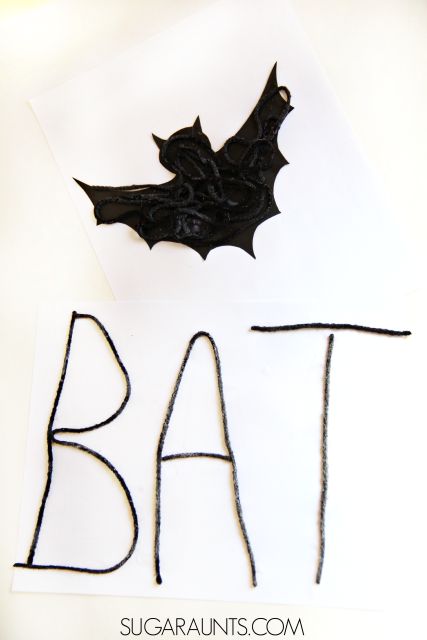
We used those saturated yarn pieces to build cursive letters, but you could build printed letters as well, using our letter construction method.
Use this Bat Craft for kids to work on letter formation of any kind. It’s a creative writing activity that they will be sure to remember. Work on forming individual letters, spelling sight words, or making Halloween words.
Use the Bat Printable in Learning
This would work as a very fun…and very sensory…classroom Halloween party idea or learning activity for this time of year, while working on team work skills, and learning components.
Split kids up into teams. Give each team a collection of cut black yarn and a bowl of glue.
Write a spelling word, or a Halloween word on the board or hold up a sign with a Halloween word.
Each team has to work together to use the cut yarn and glue to spell the Halloween word on a piece of paper or cardboard.
Once a team has completed the word, they have to hold up their paper or cardboard. The first team to spell the word with the letters sticking wins! (Too much glue or not enough glue will make this a fun race for Halloween parties for kids of all ages.)
Build printed letters with the glue yarn, too. We had a lot of fun with this Halloween craft and it was a hit with all of my kids…from preschool on up to grade school.
Check out some of these other Halloween activities and crafts:
Make a Spider Craft using potato stamps. Fun for parties or just Halloween fun with the kids!
Use cookie cutters and chalk to make Halloween Chalk Art. It’s a messy and sensory Halloween activity that the whole family can get involved in.
Want a copy of this free bat template printable? Enter your email address into the form below to get a copy of this Halloween printable. This activity is also available inside The OT Toolbox Member’s Club under our Bat Therapy Theme. Members can log in and get the bat template there without entering an email address. Not a member yet? Join us today.
Colleen Beck, OTR/L has been an occupational therapist since 2000, working in school-based, hand therapy, outpatient peds, EI, and SNF. Colleen created The OT Toolbox to inspire therapists, teachers, and parents with easy and fun tools to help children thrive. Read her story about going from an OT making $3/hour (after paying for kids’ childcare) to a full-time OT resource creator for millions of readers. Want to collaborate? Send an email to contact@theottoolbox.com.
If taking a break is a must, but getting outside is tricky, then this Forest Sensory Path hits the mark! We’ve created another fun printable to our collection of free sensory paths with all of the calming benefits of nature and being in the woods. This printable forest sensory walk is perfect for bringing the calming input of nature into the indoors. Be sure to read this resource on sensory nature walks to read up on those calming and organizing self-regulation benefits of woods and nature.
Forest Sensory Path
It seems life is getting more chaotic since the pandemic. This may stem from isolation, lack of exposure, too much electronic use, stressors, or a sudden thrust back into “real life”. Compounding this is the fact that learners do not know how to combat these environmental stressors, or self regulate. It seems learners need instruction on how to take a break. That’s where these Forest Themed Sensory Path stations come in, which provide a structured sensory break, to help reorganize thoughts and body.
Sensory paths and sensory stations became popular with the addition of expensive stickers set up around the school. These are awesome as a self-regulation activity and to address mindfulness with kids! If you don’t have the budget or space for these custom stickers, try one of the sensory walk stations offered by the OT Toolbox.
This month the Forest Sensory Path will fit in perfectly with your fall leaves occupational therapy theme. Add your email below to be sent this FREE download.
How does the FOrest sensory path work?
Sensory activities like this Forest Sensory Walk Station offer tasks to promote body and mind regulation. The initial response to a learner out of sync is to tell them to calm down.
What does “calm down” mean to you? Adults generally have already figured out appropriate strategies to reduce anxiety, inducing a feeling of calm.
Children have no idea what “calm” looks like, because they rarely act this way. They also lack the ability to calm themselves, or know what to do to slow their body/brain down. Having a strategy, movement, or action to stop, self-analyze, breathe for a moment, and take a break from the environmental or internal input, is a literal break for the brain and body. This is where we get the term brain breaks!
Sensory stations provide the framework for self regulation.
Printable Sensory Path: Forest Theme
This Forest Sensory path combines deep breathing and proprioceptive input with eight different activities. Proprioceptive exercise is a “go to” input for organizing the sensory processing system and regulating the sensory systems.
It is alerting for those who are experiencing low arousal, and calming for those who seek additional input to get regulated.
Connected to proprioception and interoception, deep breathing exercises slow the central nervous system, often elevated during periods of fight or flight responses.
The ultimate goal of sensory regulation is self-regulation. Learners need to understand what strategies work for them, and when they are needed. Sensory strategies are unique to each learner.
Just as adults have different routines they use for concentration and focus, children develop varied strategies.
Imagine the additional responsibility teachers take on remembering and learning the sensory needs of each of their students.
When a student can advocate for themselves, this not only helps the student, but their caregivers as well.
How to use the Forest Sensory Paths?
Lowest level learners need to be taken through the walk step by step
Middle level learners can be supervised while participating
Higher level learners will be able to complete this activity when instructed, or advocate for a sensory break
Laminate the page for reusability. This saves on resources. Caregivers or young learners can help decorate these pages before they are laminated.
Make this part of a larger lesson plan including gross motor, sensory, social, executive function, or other fine motor skills
Print in black and white, in color, or on colored paper for different levels of difficulty
Project this page onto a smart board for students to learn these activities as a group
More or less prompting may be needed to grade the activity to make it easier or harder.
Learners can explore other ways they could use this activity
Explore different options for setting up this sensory station. It could be appropriate in a classroom, hallway, gymnasium, outside the school, or walking into the cafeteria, depending on the needs of your learners
sensory paths for elementary schools
Some of the big budget sensory paths are thousands of dollars and require permanent installation over laminate floors. In many cases, getting approval for the purchase of a sensory path in an elementary school is just out of the question.
The good news is that our printable sensory paths are totally free, AND you can print off the pages and switch out the themes according to the season.
The other benefit that most therapist users see is that the printable pages can be positioned and placed according to the environment. These sensory path pages can be placed in a page protector sleeve and hung in a hallway. Or they can be laminated and placed in a calm down corner. The options are pretty limitless.
A few other common questions about using the Forest sensory path in elementary schools or in therapy clinics can include:
Do sensory paths work for all learners? No. Sensory strategies are not one size fits all unfortunately. Much of the treatment relies on trial and error. If the forest sensory stations walk does not calm your learner, it is possible the treatment came too late, after the learner was already shut down. Some learners are not able to self regulate through all parts of the sensory stations, however it is a great and simple activity for those who do.
How long should my learner use a sensory path? There is no defined time frame for any self regulation strategies. Some learners calm quickly, needing a diversion from their current state in order to regulate. Other learners may take several minutes to calm after an upset. Watch for signs of regulation and calming before suggesting your learner stops. After the Forest Sensory Station Walk, take note of how long your learner is able to stay regulated.
How often should I use a sensory path? Some learners need a boost of sensory regulation every twenty minutes, while others can go several hours before they need a moment to reset. Watch for signs of disorganization and jump in with strategies before meltdown occurs.
Will a sensory path work consistently every time? Probably not. This worked last week, but not this week. What happened? Sensory strategies are not an exact science. Have a large “bag of tricks” in your toolbox to be able to offer several different strategies.
How long will the effects of a sensory path last? Every learner is different. A very dysregulated learner may need almost constant strategies for self regulation. A learner who is more organized and has been practicing strategies for a while, might reap the benefits of this sensory stations for two hours. A great sensory workout can have long lasting effects.
Are sensory paths and sensory stations an evidenced based practice? Because of the nature of sensory dysregulation and the strategies offered, it is very difficult to get consistent data in this area. Use your clinical judgment and observations to determine how effective this Forest Themed Sensory Stations Walk is.
Hanukkah Deep Breathing Printable (add this to pieces from the Winter sensory paths and Christmas sensory paths to create a great Hanukkah Sensory Path)
Want to add a forest themed sensory path to your therapy toolbox? Enter your email address into the form below. This resource is also available inside The OT Toolbox Member’s Club. Members can log into their account and access this resource in the Forest Animals Therapy Theme area. Not a member of The OT Toolbox Member’s Club? Join us!
Victoria Wood, OTR/L is a contributor to The OT Toolbox and has been providing Occupational Therapy treatment in pediatrics for more than 25 years. She has practiced in hospital settings (inpatient, outpatient, NICU, PICU), school systems, and outpatient clinics in several states. She has treated hundreds of children with various sensory processing dysfunction in the areas of behavior, gross/fine motor skills, social skills and self-care. Ms. Wood has also been a featured speaker at seminars, webinars, and school staff development training. She is the author of Seeing your Home and Community with Sensory Eyes.
The Sensory Lifestyle Handbook walks you through sensory processing information, each step of creating a meaningful and motivating sensory diet, that is guided by the individual’s personal interests and preferences.
The Sensory Lifestyle Handbook is not just about creating a sensory diet to meet sensory processing needs. This handbook is your key to creating an active and thriving lifestyle based on a deep understanding of sensory processing.
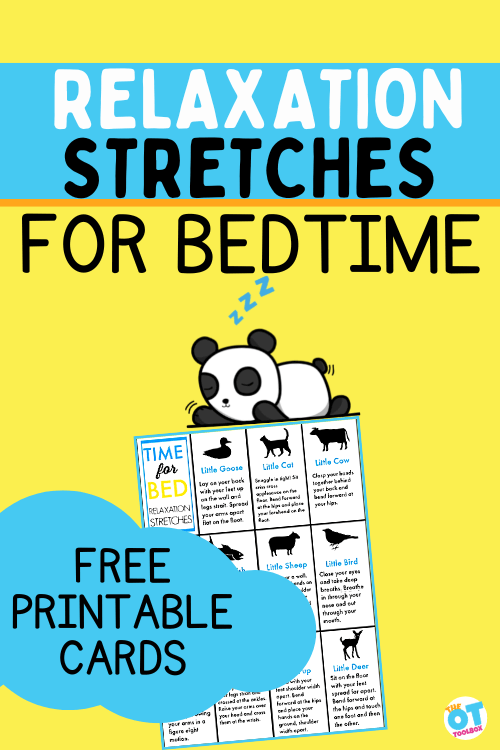
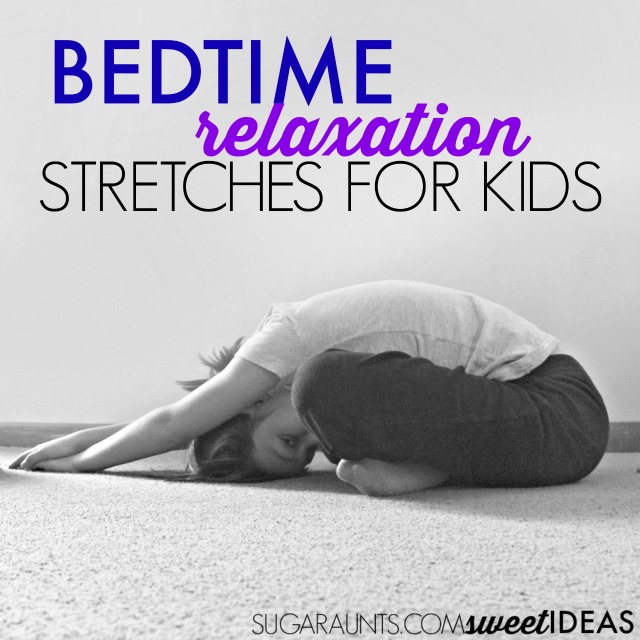
In this post, you will find calming bedtime relaxation stretches for kids and families, based on the popular children’s book, Time for Bed. These activities are perfect for helping kids calm down before bed. We know the power of sleep hygiene in child development, but let’s consider the powerful impact of stretches before bed have on children.
Relaxation Stretches for Kids Sleep
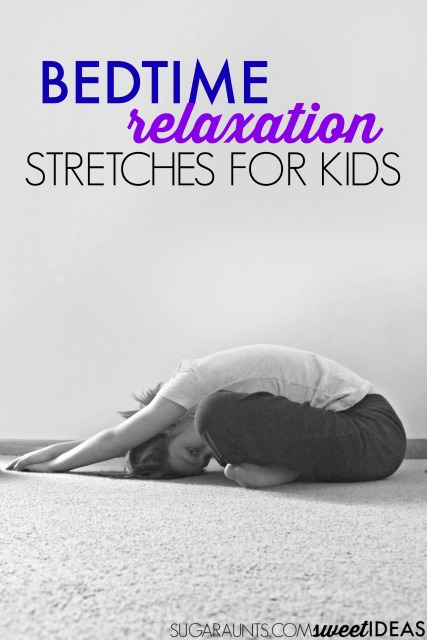
An important thing to cover when it comes to helping children fall asleep and stay asleep at night is the concept of pre-bedtime yoga. When kids participate in bedtime stretches as part of their bedtime routine, it’s a sensory diet that supports sleep.
Use animal theme yoga poses to support relaxation at bedtime.
Related is our resource on the role occupational therapy professionals can play in sleep for the whole family, when it comes to supporting a baby or newborn not sleeping.
Relaxation Stretches for Kids Sleep
An important thing to cover when it comes to helping children fall asleep and stay asleep at night is the concept of pre-bedtime yoga. When kids participate in bedtime stretches as part of their bedtime routine, it’s a sensory diet that supports sleep.
I love to bring this concept together for kids by first talking about how everyone needs sleep. Kids, adults, and even pets and animals. Sleep supports growth, learning, and allows our brains to rest. You can even use a few of our hibernation activities to take this concept further with kids, depending on the interest level.
Children can get a little wound up before bed. All it takes is one rouge energy burst and you’ve got giggling kids bouncing from every surface imaginable.
Couch cushions? check. They are jumping up and down.
Running from room to room? Check. There’s two of them chasing one another back and forth will the occasional knee slide across the hardwoods.
Practicing the living room tumbling skills? Yep and check. There’s one more doing somersaults across the room.
Why must they gang up on me with their endless energy during those exhausting pre-bedtime hours?
Having a set of bedtime relaxation stretches in the nightly routine can support sensory needs and promote a sense of calm before bedtime, just when children are wound up and excitable.
benefits of stretching before bed
We know that sleep is a necessary occupation for all of us, but for children sleep patterns and healthy sleep cycles support so many aspects of development.
Cognition
Learning
Behavior
Nutrition
Emotional development
Social development
When children don’t get enough hours of sleep, or if they don’t get quality sleep on a consistent basis, there are several things that can occur:
Poor focus
Trouble concentrating
Attention and behavior problems
Poor academic performance in school
Excess weight or increased food intake
Problems paying attention
Health problems: obesity, type 2 diabetes, poor mental health, and injuries
Decreased physical activity
Poor mental health
Unhealthy risky behaviors related to decision-making
Risk-taking behaviors, bullying,school violence-related behaviors, and physical fighting
Higher risk of unintentional injury
There are several studies describing the benefits of stretching before bed. Kids can benefit from a pre-bedtime stretching sessions to integrate sensory processing systems and the calming benefits of slow movement, heavy work as a regulation tool. This calms the body and helps with relaxation before bed.
Stretching before bed supports sleep quality. One review of multiple studies found that mindfulness meditation practices that incorporate gentle stretching, such as yoga and tai chi, generally improve sleep quality.
Another study found that older adults reported improved sleep quality after performing low level physical and cognitive activity. The researchers found that gentle stretching resulted in better sleep than when the participants performed more strenuous exercises, such as aerobics.
Bedtime stretches help kids stay asleep. A study into resistance exercise training and stretching found that exercises could improve symptoms of insomnia. In the study, the participants performed stretching in 60-minute sessions three times per week for a period of 4 months. The results showed improved sleep quality when stretching in the evening.
Better sleep supports learning and executive functioning skills. Other studies tell us that better sleep hygiene in children support development of executive functioning skills.
yoga poses for stress relief
Today, I’m sharing a great way to calm kids down before bed so that quality sleep is possible. These yoga poses for stress relief and bedtime relaxation promote organizing heavy work through the proprioceptive sensory system and gentle movement through the vestibular sensory system.
Another contributing factor is the interoceptive system which connects our internal systems such as digestion, heart rate, circadian rhythms, and muscle tension. All of these factors play a vital role in impacting sleep, with both the ability to fall asleep, and the ability to stay asleep throughout the night. This study shares more on the interoceptive system’s role in sleep.
These organizing and calming yoga poses stretch the muscles and joints to offer feedback to regulate an overactive system.
If you’ve ever participated in a yoga session, you know the benefits of certain yoga poses in reducing stress and anxiety.
It’s important to make the connection between stress responses, anxiety, over-active thoughts, and a hyper-response to stimulation and emotional responses. The difficulty in identifying and describing emotions in self (a huge part of social emotional learning and development) is referred to as Alexithymia.
Specifically, alexithymia is defined as difficulty identifying and describing emotions in self. We know that noticing and understanding internal body signals (aka interoception) is crucial to a bodily systems, so it makes sense that if interoception is affected, using or showing emotions, and identifying emotions in self will be affected.
Interoception influences emotions by it’s control and underlying influence on internal processes of the body: toileting, hunger, thirst, and sleep!
When interoception impacts sleep, it then further impacts emotions:
stress
getting angry or frustrated easily
anxiety
fear
worry
overly emotional responses
sadness
over-excitability
hyperactive responses
All of these emotional responses are normal and good feelings to experience. However, when sleep is reduced, they can move into an area of impacting other functional tasks or everyday occupations.
You’ll also find information and resources in this article on the limbic system including the stress response. You can see how all of these concepts fit together to impact daily functioning.
How to use yoga poses for stress relief with children
Using yoga to support relaxation at bedtime is not a new concept. Yoga naturally supports relaxation through the heavy work input of the proprioceptive sense.
However, yoga also adds the benefit of deep breathing exercises to calm and center the body as an organization tool.
When it comes to bedtime, adding anything to the nightly routine can mean a delayed bedtime, so making the relaxation stretches part of the routine that is already in place is important. If you read a book together each night, incorporate stretches into that. If brushing teeth and going to the bathroom are the only tasks that happen each night, use the time just after those jobs to do a few stretches.
Adding bedtime stretches for the purpose of relaxation doesn’t need to be difficult. The most important thing here is to make it work for your situation and home. down the somersaults and hardwood floor stunts into relaxing bedtime.
Here are some tips to support relaxation at bedtime:
Use bedtime relaxation stretches in a nightly routine. A visual schedule can be helpful with some kids.
Dim the lights and turn on soothing music
Read a book before bed
Drink a warm drink as a calming food/sensory tool.
Set the mood for sleep with a calming bedroom or sleep space: snuggly blankets, cozy pillows, or cool temperature, depending on the individual’s preferences.
Use the relaxation stretches listed below.
One way that helps to get kids relaxed before bed is reading a great book. When kids can listen to an engaging story that is read aloud, their bodies can’t help but slow down.
Bedtime Relaxation Stretches for Kids
These bedtime relaxation stretches are a combination of relaxing yoga moves and heavy work that helps to ground the body through proprioceptive input to the body’s sensory receptors in the muscles.
Performing these relaxing stretches can help transition kids to a calmed state that allows for a better sleep.
Below are forms of yoga poses for children.
We decided to use one of our favorite going to bed books, (Amazon affiliate link) Mem Fox’s Time for Bed.
In the book, we hear a rhyming verse about each animal’s transition to sleep. It’s such a beautiful book to snuggle up with kids during night time routines. In fact, Time for Bed can easily become one of those books that you read over and over again.
We loved looking at the watercolor pictures in Time for Bed and picturing each animal as it got ready for sleep.
To go along with the book, we tried some of these bedtime relaxation stretches.
Grab your copy of the free printable below by entering your email address into the form, or going to The OT Toolbox Member’s Club and heading to the Mindfulness Toolbox.
To do these exercises, simply cut out the printable on the lines, and create a small stack of stretches. Kids can do one or more of these relaxation stretches to calm down before settling in with the Time for Bed book. (affiliate link)
Simply pull out a couple of the stretches and join your child on the floor to perform each stretch. The stretches are designed based on the animals in the book.
When doing the stretches, hold the stretch for 2-3 minutes while maintaining deep breathing.
Print off these relaxation stretches for a bedtime calm down session for kids.
As we all know, kids will be kids. If your child is getting too wound up from the stretches (because sometimes the sleepy sillies take over and make concentrating on stretches and relaxing deep breaths nearly impossible!) simply put the stretches away and try them another day.
Relaxation stretch for kids, incorporating yoga poses for stress, anxiety, or to calm down before bed.
Your child will love doing these bedtime relaxation stretches with you and the whole family!
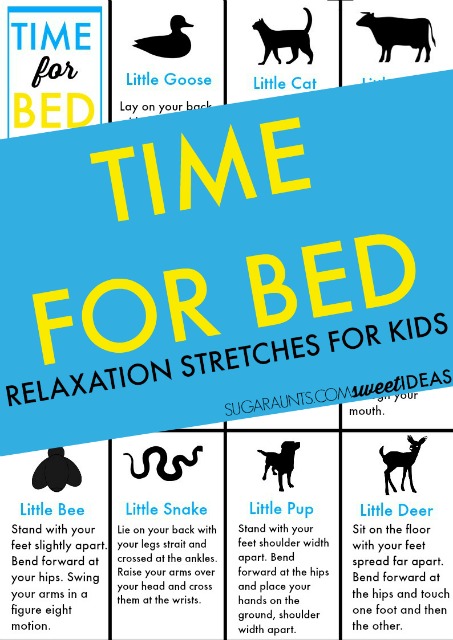
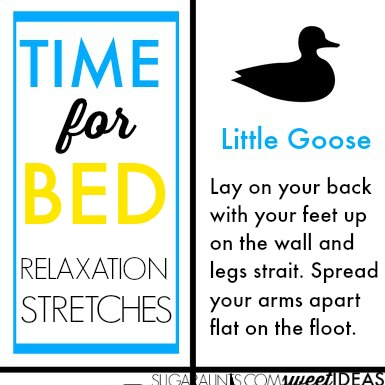
Little Goose Stretch– Lie on the floor on your back, with your feet raised up on the wall. Keep your knees straight. Spread your arms out on the floor like a goose. Bend and point your toes slowly.
Little Cat Stretch– Snuggle in tight! Sit criss cross applesauce on the floor. Bend forward at the hips and place your head on the ground. Stretch your arms out on the floor over your head.
Little Calf Stretch– Grasp both hands together behind your back. Bend forward at the hips and raise your arms up behind you.
Little Foal Stretch– Lie on your back and pull your knees in with your arms. Hold the position and whisper about your day.
Little Fish Stretch– Take a deep breath. Hold your breath in your cheeks and puff out those cheeks. Slowly let out your breath with pursed lips.
Little Sheep Stretch– Stand facing a wall and place your feet shoulder width apart. Place your hands flat on the wall, shoulder width apart. Push against the wall by bending and straightening your elbows.
Little Bird Stretch– Close your eyes. Think about your day and take deep breaths. Breathe in through your nose and out through your mouth. Add a “wing” component by raising your arms up high as you breathe in and lowering them as you slowly breathe out.
Little Snake Stretch– Lie on your back on the floor. Keep your legs straight and cross them at the ankles. Place your arms over your head on the floor. Cross them at the wrists.
Little Pup Stretch– Get into a downward dog yoga position.
Little Deer Stretch– Sit on the floor with your legs straight. Spread them far apart and bend at the hips to touch one foot. Hold it and then stretch to touch the other foot.
Try this tonight! Do a few stretches and then snuggle up while reading Time for Bed! (affiliate link)
MORE relaxing bedtime books for kids
These relaxing bedtime books for kids are other ideas to use to support calming sensory input in a relaxation bedtime routine:
Free Printable set of relaxation stretches for bedtime
Use the Time For Bed book and relaxation stretches we used above in a bedtime routine of your own. Get a printable PDF of these stretches by entering your email address into the form below. Or, members in The OT Toolbox membership club can grab this PDF by logging in and heading to Brain Break Tools.
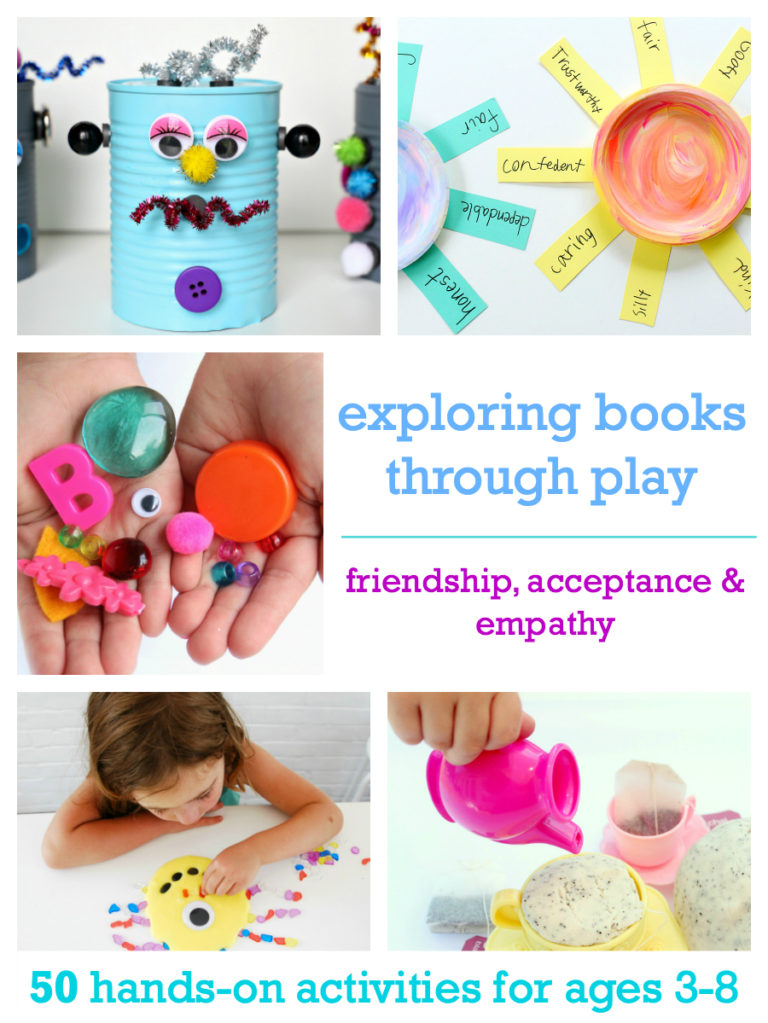
One more thing! If you are into creative ways to extend and learn based on books, you will LOVE this resource! 50 activities based on books that address friendship, acceptance, emotions…This ebook is amazing for covering all things emotional development through play!
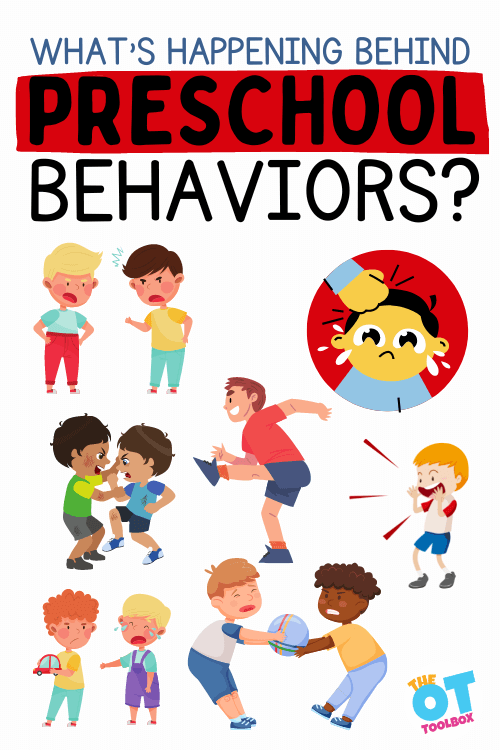
Today, we’re covering problem behavior in preschoolers, including behaviors that impact learning and development because of participation in preschool activities. Every preschooler, family, and classroom is different. With the uniqueness embedded into an Early Childhood Classroom, it isn’t uncommon for teachers to have some run-ins with concerning behavior. This blog will teach you the five steps to creating a behavior plan for managing preschool behaviors, which encourages positive interactions with parents and children.
The uniqueness of every family and child plays a role in each preschool classroom. Every teacher has expectations. All classrooms are set up differently, and the environment can change, based on the activities and people who are present. Understanding how to support children and their families, while teaching children academic, social, and emotional skills, can be daunting for preschool teachers.
examples of challenging preschool behaviors
Some of examples of challenging behaviors in preschoolers include:
Hitting, scratching, slapping, grabbing
Biting, spitting, chewing on non food items, licking
Kicking others
Bolting out of the classroom or other setting
Refusing to work, refusal to cooperate, talking back
Yelling, screaming, crying
Tantrums – Check out this post on the OT Toolbox to better understand meltdown vs. tantrum behavior
This is just the tip of the iceberg. Do any of these behaviors sound familiar?
What causes challenging behaviors in preschool?
Before covering strategies to address behaviors that impact learning and the development of skills, it is important to understand why we may see challenging behaviors in the preschool setting.
Based on theseKindergarten readiness standards of emotional readiness, 5-6 year old children are expected to know how to calm down, listen to teachers, follow directions, take turns with peers (this is a great resource on turn taking), and transition between activities throughout the school day.
When a child enters preschool, they typically haven’t had much experience with some of these tasks. Some young children adapt well to the social and emotional expectations of a large group situation, while other children need extra support.
Behavior Triggers
There can be a multitude of reasons why problem behaviors occur in the preschool setting. Just some of the behavior triggers that lead to common issues in the preschool setting include these causes:
Having a new routine (potty training, time change, or differing work schedules of parents are some examples) throws off the child’s ability to self regulate
Experiencing a change in home environment (a new baby added to the family, moving to a new home, or other home changes)
Not getting enough sleep (check out this article on sleep hygiene)
There are three common causes behind preschool behaviors: basic needs need met, environmental issues, or the behaviors of others (peers). Let’s explore each of these common causes of preschool behaviors.
Three common triggers of preschool behavior outbursts:
Basic needs (hunger, sleep, thirst, temperature) Is the child hungry, tired or overwhelmed? Is it close to snack time or nap time? Did the child drink enough water while they were playing outside? Basic needs affect everyone differently. Children tend to be sensitive to bodily changes. Medical issues may affect basic needs. Make sure to be in contact with parents about any sort of change in a child’s health. This includes toileting challenges (constipation), new medications they may have been given, and allergy concerns.
Environment (changes to routine of the environment, home situation, transportation, changes to the classroom environment: lights, sounds, smells, temperature, distractions, unexpected changes).
Behavior of others (behavior of peers, behaviors and actions of adults, parents, caregivers, educators, and behaviors of others in the classroom: other children making noise, someone provoking them, someone else having a tantrum). These friendship activities for preschool can help with this area of social emotional learning.
Triggers of challenging behavior in the preschool age range can be compounded by several of these considerations occurring at one time. Additionally, preschoolers can struggle with communication to let others know what is happening in their world.
How to support challenging preschool behaviors
Children learn best from consistency. This pertains to social and emotional expectations, both at home and in the classroom.
Talking to families about concerns regarding their child’s behavior, is one of the hardest conversations that a teacher can have.
By creating a 5 step behavior plan with the family, educators can support children, while also demonstrating to families that they are there to help by teaching their child how to interact and engage with their peers.
5 Step Behavior Plan for Preschoolers
Here are the 5 steps to complete when creating a behavior plan for a child. Going through these steps, you’ll see that addressing emotional regulation, getting to the root of underlying causes and considerations, creating an age-appropriate plan, including play-based strategies or tools to support development in these areas.
As always, the concept of the “iceberg” of underlying considerations is upheld.
1. Determine the cause of the behavior
There are many different causes of a child’s behavior. Parents and teachers can track the behavior of a child, gathering data using an ABC chart. This refers toantecedent (what happened before the behavior started), behavior (what that child did), and the consequence (how did the child and adult respond to the behavior.)
When observing children to understand the cause of their behavior, make sure to pay close attention to the common behavior triggers addressed and listed above. Getting clear on what’s causing the visible behavior is essential.
*Keep track of children that are known to have sensory sensitivities (Here are some questions to ask yourself when monitoring the environment:
Have you changed anything in the room?
Has the weather been different (humid, rain, snow, extra cold or hot)?
Is it really bright and sunny, or gloomy and foggy?
Does the child have any sensory sensitivities such as clothing, sounds, being touched?
Have you changed the classroom routine?
Has the child touched or engaged in a sensory rich experience they may not have liked (finger-paint, sensory bin, slime, play dough)?
Is the classroom too loud or very busy?
Check if the child is wearing something new/uncomfortable (do their shoes fit? Is there a scratchy tag on their clothes? Is their diaper too tight?)
Once you have narrowed down the cause of the behavior, make a plan to meet with the child’s caregivers (parents, grandparents, daycare staff) to go over your findings. Include any member of their team who spends a great amount of time with this child.
Documented evidence and observations from the ABC chart will give you concrete examples of what is happening, and why.
When starting the conversation with the family, begin by describing the child’s strengths. Share their child’s favorite activity to do at school, who their friends are, and one great thing they did that week.
Next, show the family the ABC chart, explain what behaviors you want to change, and what new behaviors you would like the child to do instead.
Encourage the family and other caregivers to share their observations of the child at home, and out in the community.
3. Create goals to improve preschool behaviors
After sharing what you are going to work on with their child, include the team in goal setting, allowing caregivers to share what they would like their child to do. As you write these goal, phrase the goals in a positive way, showing what you expect from the child.
As with all goals, make sure they are measurable and attainable. For goal setting tips, check out this post on using a goal ladder.
Make an appointment for a follow up meeting with the family, so you can check in on how the child is doing at home, at school, and out in the community.
For example:
Jackie will use her words when she wants to use a toy 80% of the time.
Mark will participate in circle time for 10 minutes with supports such as breaks, sensory fidgets, alternative seating without leaving the area.
Trent will transition from outside to inside time on her own without maladaptive behaviors or needing to have physical support.
Next, it’s time to come up with a way to support the child in meeting these goals.
4. Establish interventions for challenging preschool behaviors
As you determine the interventions to be used at school, share them with the family, encouraging them to use the same interventions at home and in the community.
Children thrive on consistency. When receiving the same messages and intervention techniques at home and school, children will learn the behavior faster. They will learn to carry over the behaviors from one setting to the next.
Three common interventions to include in a preschool behavior plan:
Create a calm down corner with tools for emotional regulation- Children tend to become overwhelmed, losing control of their emotions, when they don’t have a positive way to calm down. Soothing Sammy teaches children how to calm down, using visual and tactile tools, while supporting a positive image of feelings. As children learn how to manage their feelings, they are able to communicate and problem solve in different situations.
Sensory diet for the classroom – When children become frustrated due to sensory difference, a sensory diet for the classroom and home works wonders, by giving children the tools to cope with their struggle. This list, created by occupational therapists, includes practical strategies easily implemented in any preschool classroom.
Utilize Visual and Auditory Cues for Transitions- Children who are overwhelmed or frustrated, don’t always hear what others are saying to them. These transitions for children can be a challenge. The use of visual schedules, visual prompts, and auditory cues remind children what is expected of them, when they aren’t able to process what is said. Using visual tools such as a picture schedule, first/then chart, or picture exchange cards (PEC), while keeping directions clear and simple can help. Adding an auditory prompt, such as a bell or clapping, to signify it is time to clean up, gives children multisensory ways to receive a direction.
Check out this visual cue resource for use in daily activities, sensory diets, PECs, and visual supports.
5. Preschool Behavior Plan Follow through
When following through with a preschool behavior plan, the next steps are important. This follow through looks like many things.
Talking with parents and caregivers, make sure that you follow up with a second meeting to discuss the child’s progress. This is important, as it gives the parents the ability to weigh in on the next steps, the teachers to provide parents with constructive feedback of how their child is doing, and an opportunity to discuss a referral to specialists if needed.
Some of the most common specialist referrals are:
Audiologist for a hearing evaluation
Occupational therapist for sensory, behavior, motor skill concerns
Speech therapist for language delays
Early Intervention for developmental delays
Behavior therapist for more intensive behavior needs
Pediatrician for concerns about medically based delays (including autism, ADHD, nutrition, sleep, or gastrointestinal issues)
Note: teachers need to be cautious when suggesting referrals to other professionals, offering possible diagnoses, or alarming caregivers.
check out these other great resources from the OT Toolbox to support behavior
Creating a behavior plan helps parents and teachers work together regarding preschool behaviors. Providing an environment that includes consistency, open communication, and sensory supports, will give every child a supportive environment they need to thrive. This five part behavior plan blueprint includes strategy ideas, goal creation tips and resources for behavior tracking. A behavior plan is an essential component of a healthy classroom.
Jeana Kinne is a veteran preschool teacher and director. She has over 20 years of experience in the Early Childhood Education field. Her Bachelors Degree is in Child Development and her Masters Degree is in Early Childhood Education. She has spent over 10 years as a coach, working with Parents and Preschool Teachers, and another 10 years working with infants and toddlers with special needs. She is also the author of the “Sammy the Golden Dog” series, teaching children important skills through play.
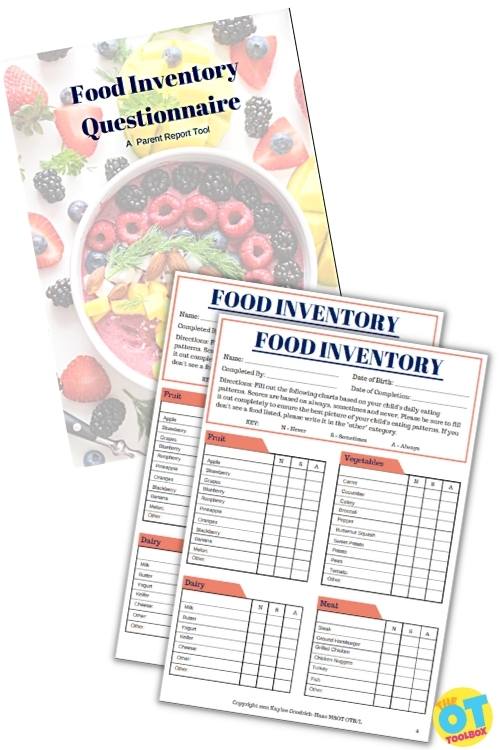
An integral part of an occupational therapy feeding evaluation is the food questionnaire or checklist. This is the foundation for building your learner’s food repertoire based on their likes and dislikes. When discussing preferences with the parent and child, the more details they are able to provide, the smoother the sessions will go.
How to Do a Feeding Evaluation
The first step to a feeding evaluation is often a comprehensive Food Inventory Questionnaire. By understanding what a child is and is not eating helps the therapist to better understand food preferences in the way of food texture issues, flavors, colors, tec.
The food inventory is a great tool for consistent data collection. Accurate data collection will helpful be able to provide a just right challenge. Before beginning any feeding program, it is important to become educated on feeding therapy, treatment, and problem areas in a thorough feeding assessment. This guide will provide a basic understanding of sensory versus oral motor feeding concerns.
Check out the tips below to help guide your discussion.
When Planning a Feeding Evaluation, Provide Questionnaires Ahead of Time
The first tip we as OTs love to recommend refers to the pre-referral information. It’s so helpful to get that background information ahead of time.
If at all possible, try to provide a feeding assessment checklist or questionnaire ahead of time, or ask the parent to come prepared with a list of foods that their child does or does not like. This is SUPER important, because asking a parent during the feeding evaluation, does not typically go well.
It is likely that you will not get a complete picture, or the parent will forget some key pieces of information–such as what brand of cereal their child eats or be so overwhelmed they claim their child eats “nothing”.
Not all of the problems presented will be sensory food issue related. There are times when they stem from an oral motor deficiency. It is important to be able to spot the difference before beginning treatment.
During a Feeding Evaluation: Ask About Food Jags
Tip number 2 when it comes to feeding evals refers to food jags. As parents, you’ll want to tell your therapist about these! And evaluating therapists: make sure you ask if food jags are present.
What is a Food Jag?
The term “food jag” is fairly new term referring to a preference toward a couple of foods, eating them all of the time; suddenly stopping eating a once highly preferred food, refusing to add it back into their repertoire. A food jag refers to the case of children only eating one type of food or a small number of food items. Some common food jags include:
The child that only eats chicken nuggets, crackers, and French fries (all foods are consistent in taste and texture.
The child that only eats Goldfish crackers, dry cereal, and crackers (all foods are bland, have some crunch, but are thin in width
The child only eats yogurt tubes or yogurt smoothie drinks (the consistency and sweetness of the yogurt flavors are satisfying)
Food jags include any small group of limited food selections. These food limitations can change over time.
You’re looking to see if this has happened over the course of the child’s feeding history as it may be indicative of trauma (i.e.-choking), emergence of sensory processing difficulties, and feeding developmental milestones that occur in leaps and stages.
This is also common in people who do not eat a variety of foods. They get tired of eating the same three foods over and over. Food jags can happen to people who eat a variety of foods also, but generally people have other foods to put in its place.
For instance, I may eat peanut butter and jelly sandwich every day for three weeks, then get tired of it. That is fine because I can switch to yogurt, or ham, or turkey. A person with limited food choices loses a preferred food and does not have anything to replace it with.
If you notice a trend of food jags in the child’s history, make sure that you provide education on how food jags occur and how to prevent food them, before they leave the evaluation.
Complete a Sensory Evaluation of Food- Review Each Food Category
Tip number 3 for a comprehensive feeding evaluation refers to the sensory aspect of feeding. We really want to break down various foods by category and consider the sensory contributions of the different types of food. Considering how different food is based on sensory factors can open doors for offering new foods in therapy interventions. Just explaining that to parents can turn on a lightbulb!
Even if the parent fills out a feeding assessment checklist/questionnaire and hits all the food categories, fruits, vegetables, starches, dairy, protein (meat, eggs, nuts) and other (snack foods), make sure that you go through the list with the family.
When you review each category, even briefly, it may spark the parent to remember something regarding the child’s eating patterns.
Consider the sensory evaluation of food including differences in types of food categories, and how there can be minute or vast sensory differences in foods based on preparation (cooked in the oven or cooked in the microwave, different brands (drier consistency vs. saltier flavor), or types of foods (spaghetti pasta vs. smaller elbow noodles).
A food evaluation should take the sensory evaluation of foods into consideration for each meal.
Questions to ask regarding food preferences:
For example, if the parent reports that their child eats noodles, you might want to ask what kind of noodles.
Do they eat only elbow noodles?
All types of noodles?
And all varieties of noodles-egg noodles, veggie noodles, rice noodles?
Another example of food variables is seen in fruit.
Fruit can be whole, peeled, fresh or comes in a container.
Apples can be peeled, sliced, or presented whole.
How does the child eat them?
Mandarin oranges come in syrup or can be freshly peeled. Which does your learner prefer?
If the parent reports that their child is very specific or limited on how they will eat their food, this is a starting place for pushing their food limits and boundaries in the first couple of sessions.
Ask About Brands
Tip number 4 for completing a food eval is to consider different brands of foods that the child does and does not eat. This tip ties into Tip #3 when discussing the categories of foods. You want to know if the child will only eat a specific brand of food. This is common with cereal, snack foods, pizza, and pastas such as macaroni and cheese. It can happen with all foods, so it’s good to ask.
This may indicate that the child has challenges with processing novel experiences and may be easily distressed by change, from a sensory perspective. It also indicates that the child is very rigid in their thinking and expectations for mealtimes.
You will need to build confidence and trust, as something as small as changing brand of cereal might be a big leap.
during feeding evaluation: Ask About Temperature
Tip #5 for feeding evaluations is to think about the temperature of foods.
Another aspect to the sensory evaluation of food is the temperature of preferred foods. Ask how the child likes their food served–hot, cold or room temperature. While this may not seem like a big deal, but it can be for a child who is already struggling with introducing new foods and experiences into mealtimes.
It’s also a very personal preference, and by knowing that preference, you have an increased understanding of the child which leads to trust, and eventually a broadened food repertoire.
Sometimes the issue at hand is not the food at all. It is the learner’s difficulty getting it into the mouth. There are many choices when it comes to spoons, bowls, plates, cups, and serving ideas.
Check out some of these ideas to see if these may help your learner with self feeding or trying new food challenges.
Feeding therapy is complicated
Feeding therapy is complicated. Without the right knowledge and tools, therapist/parents can make the problems worse. Take time to get educated on correct feeding therapy techniques. In the meantime, feel free to engage your learner in messy play. This is a great first step to understanding and tolerating new foods.
Other areas to consider in a feeding assessment include:
Muscle considerations and issues that impact musculature (digit sucking, extended use of bottle or pacifier, reverse swallow/tongue trust, tongue, chewing habits, lip closure, vertical chewing during food prep stage,
Sleep habits (sleeping through the night, snoring, light sleeper/heavy sleeper) Support sleep hygiene and even addressing newborns not sleeping through the night as sleep has a role in feeding routine and schedules.
Tone and musculature of the body-impacting range of motion, posture, etc.
Fine motor skills
You’ll want to contact a pediatric occupational therapist who is experienced in feeding evaluations, including the oral motor aspect of food assessments.
Feeding Evaluations in the School Setting
While feeding evaluations are not typically done in the school setting for various reasons, there can be some components of feeding that a school based OT will address.
Specifically, the educational model of school based occupational therapy services simply means that feeding aspects may not impact the educational participation of the student. It will definitely depend on the specific needs of the individual, so there isn’t a one size fits all definition to feeding and schools.
For one thing, not all school based therapists are proficient in feeding therapy, and some aspects should be addressed in an outpatient setting under the medical model. And, feeding therapy and interventions can be pretty intensive, and are typically covered by insurance. While feeding is in the scope of occupational therapy’s practice, the risk for carryover, aspiration, and safety protocols for swallowing is simply too great. Feeding is an area of intervention where collaboration and carryover is essential, so the school cafeteria just might not be the safest place for this!
Some areas of feeding that might be addressed in the school setting include:
OT can make accommodations for the child like where they sit or who is near them
If gag reflux is present when sitting in the cafeteria, then maybe other accommodations are needed and OT can support this area.
OT can provide calming strategies before, during, and after eating.
OT absolutely can work with the student to make sure they can open food and lunch containers
OT can provide seating opportunities for balance and posture when eating lunch
OT can offer suggestions for getting on and off the cafeteria benches or lunch table seats, especially if motor planning is an issue.
OT can support the self regulation and social aspects of feeding in the school cafeteria.
To address these areas and if you need information on how to request an OT eval in schools, start with our related blog posts.
This tool provides the therapist with a data sheet for a child’s repertoire allowing for consistent data collection over the course of feeding treatment. It also provides the therapist with a professional looking tool and talking point during the initial feeding evaluation to ensure that a comprehensive list of foods the child eats is gathered to support successful feeding therapy.
Contributor: Kaylee is a pediatric occupational therapist with a bachelors in Health Science from Syracuse University at Utica College, and a Masters in Occupational Therapy from Utica College. Kaylee has been working with children with special needs for 8 years, and practicing occupational therapy for 4 years, primarily in a private clinic, but has home health experience as well. Kaylee has a passion for working with the areas of feeding, visual development, and motor integration.
*The term, “learner” is used throughout this post for readability, however this information is relevant for students, patients, clients, children of all ages and stages or whomever could benefit from these resources. The term “they” is used instead of he/she to be inclusive.
Did you know that sensory processing disorder can be broken down into several aspects of “sensory” based on considerations that you see in sensory challenges? Here, you’ll find a sensory chart covering these sensory processing attributes to better explain the vastness of SPD. You’ll also want to check out our resource containing a sensory processing disorder checklist as it covers sensory red flags that potentially indicate the terms you see below in this sensory chart.
Gaining an understanding sensory processing disorders can have a vast difference in supporting clients, patients, parents, and the entire team involved with children or students who struggle with daily functional tasks as a result of sensory processing differences.
The neurodiversity make us who we are, but understanding how this all works together is pivotal.
For more information on sensory integration, please check out our resource on Ayres Sensory Integration as a tool for understanding the theory behind sensory processes. It can make all the difference in gaining a full picture of the nervous system.
Sensory Processing Disorder Chart
Let’s cover the sensory breakdown to better understand this complex concept and various attributes of sensory preferences and behaviors. These explanations and sensory information is found in greater detail in our resource, The Sensory Lifestyle Handbook.
Sensory Processing Disorder as a global umbrella term that includes all forms of this disorder, which includes three primary areas (Sensory Modulation Disorder, Sensory Discrimination Disorder, and Sensory-Based Motor Disorder).
Let’s look at each of these areas:
Sensory discrimination disorders–
Sensory discrimination is defined as the ability to discriminate (or identify) sensory input, sensory differences, quantities, and qualities of sensory stimuli. When we discriminate sensory input, we use our sensory systems to taste, touch, hear, feel, smell, and perceive sensory information. This discrimination allows for safety and functional participation in everyday tasks. Sensory discrimination can mean smelling smoke from the stove vs. smoke from a backyard firepit, hearing an alarm sounding, tasting spoiled food, knowing when to go to the bathroom, knowing when to stop spinning on the swing, and so many other aspects of daily life!
Children with sensory discrimination difficulty have problems recognizing or interpreting differences in stimuli.
They will bump and crash into others or objects.
They might eat until they are sick rather than stopping when full.
Individuals with sensory discrimination disorders frequently drop items
There might be poor balance
Others may be overly afraid of heights
You may see balance and coordination challenges.
It can look like so many different things! Check out this resource on sensory red flags for more descriptions.
There are so many aspects of daily life that are related to sensory discrimination!
Sensory modulation disorder
Sensory modulation disorder is defined as the challenge of interpreting sensory information, either overly responding, under-responding, or specifically seeking out sensory input.
Sensory Modulation Disorder is further broken down into subtypes, or three categories:
Sensory Over-Responsiveness
Sensory Under-Responsiveness
Sensory Seeking
Sensory Over-Responsiveness– With one type of sensory modulation disorder, over-responsiveness, sensory input can be irritating, painful, or abrasive and the individual avoids that particular sensory input. The sensory systems are overly responsive in this way. You may see food or texture avoidance, issues with noisy environments, and distractions by light, sounds, textures, etc.
Sensory Under-Responsiveness- The other end of the spectrum is a under-responsive sensory system. In this case, the individual may not realize or recognize sensory input. They may seek sensory input, but they can also be lethargic or fatigue easily. This is where you will see running into traffic, slow to react, or clumsiness.
Sensory Seeking- Another type of sensory modulation issue is the seeking out of specific sensory input. Likewise, sensory input can be stimulating and pleasant. The individual will seek out sensory input that they prefer: rubbing a particular texture, jumping, crashing, etc. are some examples of sensory seeking.
With each of these types, you will see preferences of certain sensory inputs and a withdrawal from other responses. They may become upset by noises and sounds and are easily distracted by stimuli. Each individual will be drastically different.
These kids have problems regulating response to sensory input.
These subcategories are explained in further detail under the sensory systems section.
For children who struggle in this area, a sensory diet might help them to modulate sensation in the environment. Children experience a poor compatibility of sensory information and the tasks they need to accomplish.
Sensory Based Motor Disorder
Sensory Motor Disorder is another aspect of sensory processing, referring to the motor output as it relates to sensory information. Those with sensory motor disorder challenges have difficulty navigating their world. Their bodies don’t do what their brains tell them to do.
Sensory Based Motor Disorder has two subcategories: Dyspraxia and Postural Disorder.
Dyspraxia– Children with dyspraxia have difficulty planning, timing, organizing, sequencing, or executing unfamiliar actions. These children may appear awkward and poorly coordinated. Dyspraxia describes developmentally acquired motor planning deficits and includes poor planning of movements.
Postural-Ocular disorder– Children with postural-ocular disorder have trouble with controlling movements and posture. They may have difficulty with coordination of functional vision. Joint instability seen in these children results in controlled motions. These children may slouch in their seats and exhibit muscle weakness, low tone, or poor balance. Kids with postural disorders have difficulty keeping up with their peers and may appear as lazy or clumsy.
Sensory Processing Disorder Considerations
Each of the areas described in the sensory processing disorder chart may have some or all of the considerations listed below. We cover these areas in greater detail in our book, The Sensory Lifestyle Handbook.
Emotional regulation– Children with this difficulty have trouble maintaining an emotional state that matches the task or activity. They may overrespond to emotional situations. Read more on emotional intelligence to determine typically developing emotional regulation skills vs. challenges in this area.
Somatodyspraxia is a type of sensory-integrative based dyspraxia where there is evidence of poor processing of somatosensory information. Essentially, somatodyspraxia is a combination of visual and proprioceptive input. The somatosensory system interprets information from the skin and around joints and carries that information to the central nervous system.
This includes tactile discrimination or sensory touch which includes heat or temperature awareness, vibration, pain registration, interoception, pressure, proprioception, and position of body in space. All of this information leads to one’s ability to perceive temporal and spatial organization, develop body scheme and postural response, stabilize the head and body during movement, and interpret touch sensation and pain needed for movements and actions.
Children with somatodyspraxia often exhibit poor tactile and proprioceptive processing, clumsiness, frequent tripping, falling, and bumping into objects; difficulty with fine motor and manipulation skills, and poor organization (Cermak, 1991).
Treatment focuses on providing heavy work, deep pressure, and light-touch experiences. Verbal cuing and feedback may also be used (Koomar & Bundy, 1991). The sensory diet/sensory lifestyle and environmental modification ideas for decreased discrimination of tactile and proprioceptive information should be used in addition to the ideas specific to praxis issues.
Impaired Bilateral Motor Coordination
Children with impaired bilateral motor coordination often exhibit difficulty with bilateral activities, or tasks that require the two sides of the body to work together in a coordinated manner.
This includes clapping, hopping, skipping, and jumping jacks.
Individuals with impaired or delayed motor coordination may have some right–left confusion, avoid midline crossing, and have difficulty developing a hand preference. Additionally, they appear to have vestibular and proprioceptive difficulties.
Treatment generally focuses on providing vestibular and proprioceptive experiences and graded bilateral activities. Treatment may start with simple crossing midline, rotation, and symmetrical activities and work toward asymmetrical activities and more complex coordination skills (Koomar & Bundy, 1991).
The sensory diet/sensory lifestyle and environmental modification ideas for decreased discrimination of vestibular and proprioceptive information that address vestibular input should be used in addition to the ideas specific to bilateral motor coordination.
Tactile Defensiveness
Children with tactile defensiveness often exhibit an aversive response to a variety of tactile experiences, such as craft materials, food, clothing, bathing, or touch. They will often avoid a variety of activities and may react aggressively at times. They can be easily distracted and have difficulty with attention.
Therapy generally focuses on providing heavy work and deep pressure input. Slow linear vestibular input may also be helpful.
Therapy also provides opportunities for participation in graded tactile experiences (Royeen & Lane, 1991). The proprioceptive sensory diet ideas for decreased discrimination of proprioceptive and vestibular information could be used in addition to the ideas specific to tactile defensiveness.
Gravitational Insecurity
Children with gravitational insecurity may exhibit limited participation in gross motor play; avoidance or fear of escalators, elevators, cars, or planes; or resistance to being off the ground. Treatment in the clinic environment generally focuses on providing proprioceptive input and graded vestibular input. In treatment, the child is always in control of the amount of vestibular input received and is never pushed beyond his or her limits (Koomar & Bundy, 1991).
Environmental modifications would focus on helping the child to feel safe in all environments and situations. Sensory diet activities would focus on providing calming proprioceptive input throughout the day. The proprioceptive sensory diet ideas for decreased discrimination of proprioceptive and vestibular information could be used in addition to the ideas specific to gravitational insecurity.
Individuals with these difficulties may have certain behaviors or characteristics in common. There are underlying needs that result in adverse reactions to sensory processing.
The integration of sensory input leads to poor attention, self-regulation, co-regulation, self-monitoring, self-esteem, anxiety, discrimination, motor skills, communication, or responsiveness. Incorporating healthy sensory habits within the family lifestyle is critical to success.
The Sensory Systems
Most of us learn about the five senses early in our childhood education. Taste, touch, sight, sound, and scent are ingrained from a very young age. It might be surprising to find out there are actually more than just five sensory systems. With a typical Google search, you will learn that there are two more sensory systems that are added on to those five sensory systems.
The sensory breakdown includes aspects of each of the sensory systems (listed below):
The proprioception system and vestibular system are two additional sensory systems. However, when we consider perception, regulation, movement, interaction, and functioning, there are actually MORE systems that are involved.
These important systems are deeply connected to the central nervous system and are essential for perceiving and interpreting our world around us. While they do not specifically sense input from the environment, they are and always have been an essential part of our existence.
Interoception is the sensory system of our inner body. It includes organs, our heart, blood vessels, etc. While the receptors to the five commonly known senses are obvious and clear, the receptors to the interoceptive system are inside our bodies. They may not be seen but they are definitely important for functions such as emotional awareness, hunger, nervousness, fear, and feelings. Our ability to sense fullness, elimination needs, temperature, thirst, sweat, and all require regulation of the interception system.
You can see how this system is very much related and a part of other sensory systems in how a person functions.
Additionally, there are other important systems that we are going to discuss in this book. The somatosensory system refers to the integration of the visual and proprioceptive systems in order to perceive and respond with temporal and spatial organization, develop body scheme and postural response, stabilize the head and body during movement, and interpret touch sensation and pain needed for movements and actions.
Finally, praxis, or kinesthesis help us understand how to move our bodies. The praxic system, or the kinesthetic system essentially “puts it all together” when it comes to motor responses to sensory information that has been perceived by the other senses.
Putting it all together
Let’s look at all of the sensory systems in a list:
And the systems that are deeply connected to these sensory systems:
Somatosensory System (Movement organization)
Praxic/Kinesthetic System (How to move)
Challenges with processing can mean that each of these sensory systems do not functioning adequately as an overall well-oiled machine. It’s then that you’ll see individuals with a poor reaction to the environment.
Typically, dysfunction within these sensory systems present in many different ways.
You may see withdrawal or over-responsiveness to auditory and visual stimuli.
You may see lack of focus on tasks and may feel insecurity in the environment, with poor body perception as a result.
A child with sensory difficulties may be over- or under-responsive to sensory input.
They may operate on an unusually high or unusually low level of activity.
They may fatigue easily during activity or may constantly be in motion.
Children may fluctuate between responsiveness, activity levels, and energy levels.
Additionally, children with sensory processing dysfunctions typically present with other delays. Development of motor coordination, fine motor skills, gross motor skills, social-emotional skills, behaviors, executive functioning skills, language, and learning are all at risk as a result of impaired sensory processing.
It is important to note that sensory processing is deeply connected to a combination of the sensory systems working together as well as the impact of environmental stimuli.
Sensation from the environment is combined with family life, parent expectations, peer interactions, classroom rules, community expectations, internal states such as feelings, hunger, fatigue, and health to result in behaviors responses. Looking at the underlying reasons for behavioral responses is absolutely key to identifying strategies to help with “behaviors” or the actions we see.
Sensory Chart
We’ve created a visual, sensory processing diagram to show exactly how these terms break down from an umbrella term of sensory processing disorder into more detailed and nuanced areas. As you can see, there is a lot to the overarching term of “sensory processing”.
This free printable sheet guide to the breakdown or types of Sensory Processing Disorder is a great addition to your therapy toolbox.
Print off the sensory chart and hang in on a wall or bulletin board for sensory processing awareness. This occupational therapy chart is a great visual to share with parents or educators when explaining how the whole system relates to behaviors and sensory considerations.
Sensory Processing Disorder Chart- Enter your email address below to get access to a printable version that can be hung on bulletin boards or used as an educational tool.
Want a printable version of this sensory processing disorder chart? Enter your email address into the form below. You’ll receive the printable chart in your email inbox.
This sensory chart is also found in our Member’s Club. Members can log in and access the handout under our Sensory Downloads area in the membership. While you’re there, also grab other sensory resources without the hassle of entering your email address for each resource.
More Sensory Processing Information
Want to know more or to add another handy educational handout to your therapy toolbox? Grab a copy of each of the sensory processing tools below.
Sensory processing information handout– It’s a great way to break these complex concepts down into easily digestible and understandable information. Print off the pamphlet and use it to share with educators, parents, caregivers so they can better understand sensory processing disorder.
Sensory Red Flags– Print off this list of sensory red flags to use as a checklist to determine sensory challenges.
Sensory Strategies Toolkit– The Classroom Sensory Strategy Toolkit is a free printable packet of resources and handouts that can be used by teachers, parents, and therapists. Whether you are looking for a handout to explain sensory strategies, or a tool for advocating for your child, the Classroom Sensory Strategy Toolkit has got you covered.
Sensory Lifestyle Handbook– This is a resource for those living with, teaching, or working with children with sensory needs. For the child with sensory processing needs, everything about life can be distressing! Sensory processing challenges can impact a child’s every interaction and environment. Sensory challenges affect behavior, self-regulation, attention, development, learning, social skills, emotional development, and independence. The child who struggles with sensory processing may be challenged daily with rigorous interactions. For these children, sensory input or sensory-based accommodations can make all the difference.