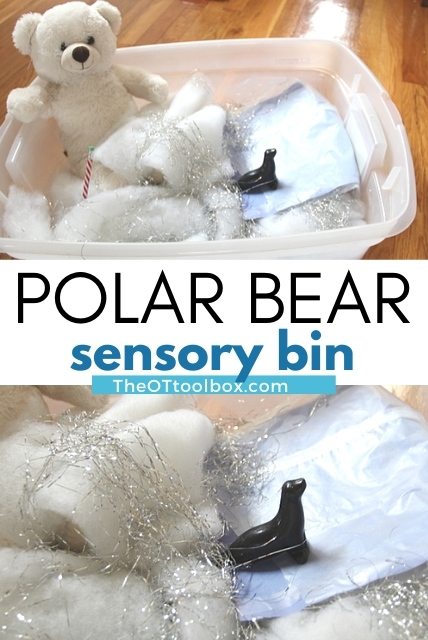
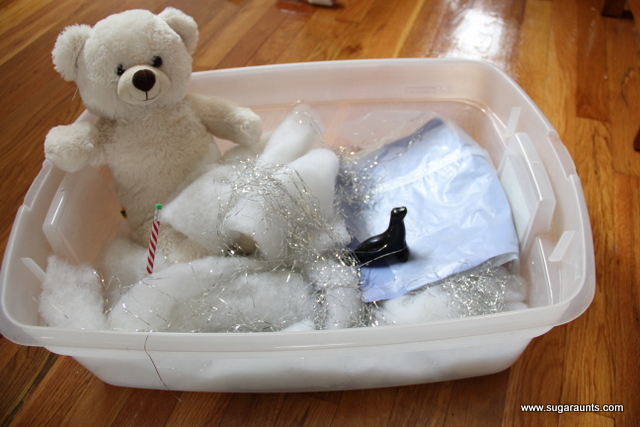
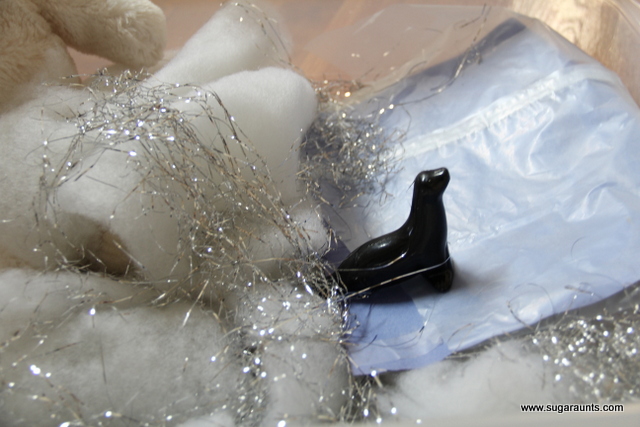
This polar bear sensory bin is an old one from The OT Toolbox site archives. This tactile sensory activity is a fun way to challenge sensory exploration with a variety of textures and materials. But more than that, this polar bear activity can be used in a therapy theme to address skills. The next part of the polar bear gross motor activity included a Our Polar Bear Sensory bin was cotton batting, tinsel, a stuffed polar bear, and a seal toy. This is a Winter Sensory bin that can go along with an arctic animals theme.
Polar Bear Sensory Bin Materials
There are many ways to set up this sensory bin. Use items you have in your home or therapy space. Use some of the materials listed below. You DO NOT need all of these items. The nice thing about creating a themed sensory bin is that you can use what you have on hand. Some ideas for the sensory bin include:
Container or bin
Teddy bear
Tinsel
Cotton balls
Cotton batting
Tissue paper
Rice
Dry beans
Blue or white construction paper
Tape
Wax paper
Clear cellophane
Aluminum foil
Arctic animal figures
Other materials that you may want to add to the polar bear sensory bin to encourage fine motor skills and coordination skills:
Using the materials and tools above, students can work on fine motor skills to manipulate and explore the items in the sensory bin. Some ways to work on fine motor skills include:
Address in-hand manipulation by sorting items in the hands into containers or cups.
Work on hand strength and arch development by moving items with tongs, tweezers, or pickle picker.
Work on open thumb web space by pinching and pulling cotton balls.
Work on finger isolation by moving materials and items around in the bin.
Work on grasp and precision by picking up small items such as tinsel, mini-erasers, crumbled paper or tissue paper, etc.
Use a Sensory Bin for Visual Perception
This polar bear sensory bin can be used to address a variety of visual perceptual skills: visual discrimination, visual memory, visual attention, figure ground, and visual closure.
Ask children to locate specific items by color or texture. They can also recall items that they found in the sensory bin. Ask kids to locate items that are partially hidden by other objects or sensory bin filler materials. These are all ways to work on visual perceptual skills with this polar bear sensory bin.
Use a Sensory Bin for Eye-Hand Coordination
A sensory bin like this polar bear theme can be used in so many ways to address eye-hand coordination:
Pouring materials
Scooping materials like beans or rice
Using tongs or tweezers to pick up and move items like mini erasers
Sorting sensory bin items into piles or containers
Picking up and exploring various sensory bin items
Polar Bear Imagination Play
My kids had fun just imagining stories for the items in the sensory bin. We used the stuffed bear as a polar bear and a seal figure who was trying to escape into the ocean…Imagination play!
Little Guy glued some waxed paper to blue construction paper to make an ocean covered with ice. We had a striped Christmas pencil for our “North Pole”.
Baby Girl did NOT like the texture or “feel” of the tinsel. It got stuck to her hands and she would try to pull it off…The seal is another story. She carried that thing around all day 🙂
Looking for more Polar Bear play ideas?? We had fun with our first Polar Bear Theme activities day! We should have more ideas up tomorrow to go along with the Polar Bear theme.
You’ll also love all of the items in our Winter Fine Motor Kit. It’s loaded with coloring sheets, handwriting pages, puzzles, and crafts with a polar bear theme. There are sensory bin materials, polar bear finger puppets, lacing cards, and so much more.
Have you ever played with moon sand, or moon dough? This moon dough recipe is an old post here on The OT Toolbox, and one that we loved looking back at. Have you made your own moon dough? This stuff is seriously messy and majorly fun! We made our Peppermint Moon Dough recipe a little different than the usual moon dough recipe that is out there. This moon dough recipe is very soft and fun even for moms to play with! It’s a great companion to our peppermint play dough recipe from years ago, and our free printable candy cand puzzles, too.
Moon Dough Recipe
We started with what we had on hand. When it comes to kid-related messy play and making these sensory play activities, we love to use something that otherwise would be thrown away. Likewise, waste in these activities is not something we are big fans of. So, when ever possible, we’ll re-use sensory play materials for other activities and save things like dyed pasta and rice for future sensory activities.
Note: This post contains affiliate links.
This moon dough recipe used something that would otherwise be headed to the trash bin…I had some scented lotion that I had for a while… I really didn’t care for the scent. That and some corns starch were all that were needed to make the base of our moon dough!
Moon Dough Ingredients
There are only four ingredients in this easy moon dough recipe. You could even omit the food coloring and make this a 3 ingredient moon dough recipe!
To make the consistency of moon dough, use a 4:1 ratio of corn starch to lotion. This will make a nice and fluffy, but moldable moon dough.
We added a few drops of peppermint extract and some red food coloring. We used the gel type of food coloring, but only because that is all we had on hand. I’m sure liquid food coloring would work just as well, although with the added liquid of scent and food coloring, a little extra corn starch might be needed.
Also to note when making your moon dough recipe is that different brands of lotion may effect this recipe. As you mix the ingredients together, you many need to use more or less corn starch depending on the consistency.
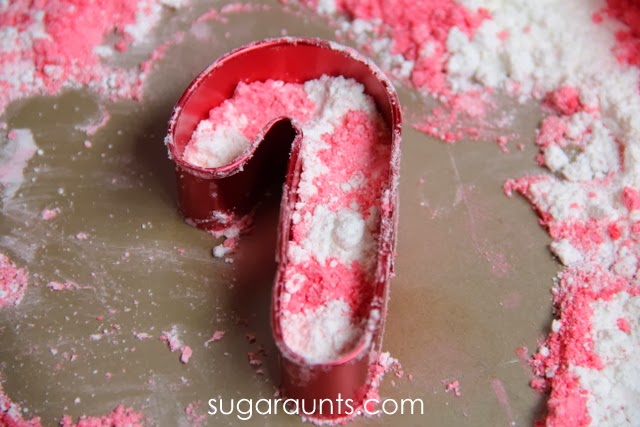
Half of the moon dough, I kept plain white and the other half got the red food coloring for a very candy cane look. Add a few little bowls and spoons for scooping, and a couple of Candy Cane cookie cutters, and we were ready to play!
We all got busy scooping, fluffing, and mixing. This was such a fun sensory play experience (for mom, too!) The lotion made this dough very soft and with the peppermint scent, you could no longer smell the lotion’s scent.
Baby Girl (age 2) especially loved to scoop the moon dough. She used the spoons and filled one cup after another. And what great fine motor skills this was for her! She liked to mix the red and the white colors together, dump it all out, and start scooping again! Here is information on the developmental benefits of scooping and pouring with toddlers.
We played right on the hard wood floor of our dining room for an easy clean up. Any stray moon dough bits were easy to broom right up.
Little Guy’s favorite part was making the candy cane molds. We packed the moon dough into the cookie cutters and then pulled it up. The moon dough would hold it’s shape of the candy cane. There were a bunch of little moon dough candy canes before we finished!
The scent of peppermint candy canes filled the room! We had so much fun playing with this moon dough!
When we were finished playing, I poured all of the moon dough into a storage bad and saved it to make a new play activity. We’ll be using it again, soon!
Have you made moon dough? How about candy cane scented moon dough?
Looking for more fun candy cane scented sensory play?
More Christmas sensory ideas
You’ll find more Christmas sensory activities here, but be sure to try some of these sensory dough materials this holiday season.
Colleen Beck, OTR/L has been an occupational therapist since 2000, working in school-based, hand therapy, outpatient peds, EI, and SNF. Colleen created The OT Toolbox to inspire therapists, teachers, and parents with easy and fun tools to help children thrive. Read her story about going from an OT making $3/hour (after paying for kids’ childcare) to a full-time OT resource creator for millions of readers. Want to collaborate? Send an email to contact@theottoolbox.com.
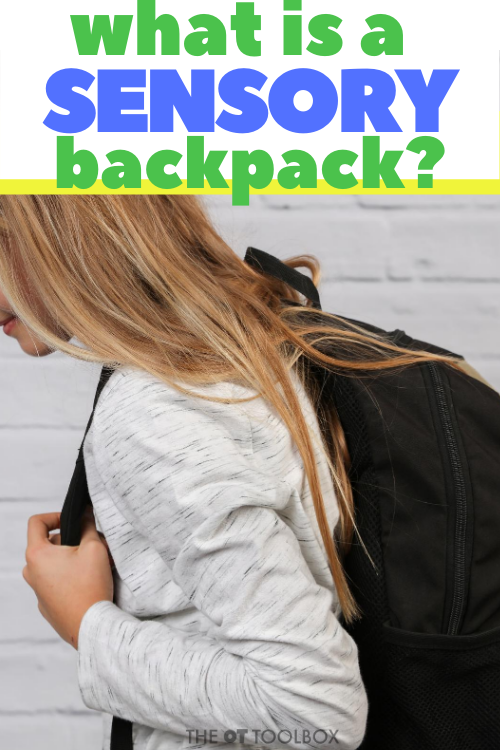
Today, we are starting off our Christmas in July celebration with a giveaway on a Sensory Backpack! Sensory backpacks are a powerful calming tool for children of many needs. There are weighted backpacks, compression packs, and book bag fidget tools out there. Here, you’ll find out some information on these sensory resources AND, can enter for a chance to win a Relax Pack Sensory Backpack of your own!
What are Sensory Backpacks?
Have you heard of the term “sensory backpack”?
Most kids you know probably have a backpack that weighs way too much for their age or size. But for some children, the added weight of a backpack is calming. It’s proprioceptive input that has an organizing effect on kids.
Sensory diet bags are tools that help to support a child’s sensory needs, while on the go, at school, or in the community. Understanding your child’s Sensory Needs is just part of the puzzle.
A sensory kit can be used to meet the needs of a child and can look like many things: Sensory kits like a weighted backpack offers calming sensory inputthat can be used to both calm and stimulate a child’s sensory system.
Typically, it is portable and easy to maneuver as a way to make the tools accessible at all times to the child or children in need. Since all children have sensory needs, a sensory backpack can be a way to provide sensory input in a discreet and engaging way.
Sensory backpacks offer proprioceptive input in the way of pressure and weight.
They offer a means for the child to fidget and move their hands.
Many times, there are chewable items for the child to gain calming, heavy work through the mouth.
By using all of these items on a sensory backpack, kids can gain calming, heavy work input that allows them to focus, pay attention, remain safe in group settings, and help to organize the child during community settings or outings.
Calming Sensory Input
Children with sensory problems often are either at high alert hyper-reactive or unresponsive (hypo-reactive) to the input from their environment. They become overly distracted by outside stimuli, or they may seek out additional sensory input from the world around them. Over responsiveness or under-responsiveness can mean difficulty with paying attention or focusing.
The proprioceptive system receives input from the muscles and joints about body position, weight, pressure, stretch, movement and changes in position in space. Our bodies are able to grade and coordinate movements based on the way muscles move, stretch, and contract. Proprioception allows us to apply more or less pressure and force in a task. But, the sensory system allows us to accept input too, in a way that is calming and organizing, so that we can self-regulate input from the world around us.
Self-regulation is an issue in sensory integration disorders and other diagnoses…as well as in children without a specific diagnosis. Children with self-regulation problems usually demonstrate unusual sleeping patterns, eating difficulties and self-calming issues. They struggle to cope with sensory input and need coping strategies.
Sensory input in the way of deep pressure, weight through the muscles or joints, chewing on resistive surfaces, or bear hugs are some coping tools that can have a grounding effect on kids with sensory issues.
Sensory Backpack Calming STRATEGY
That’s why a sensory backpack offers such a calming and organizing input for kids.
It’s a powerful way to help kids feel safe, pay attention, focus on walking in the hallway, or on the bus.
This year, children may return to school with an even higher level of anxiety or worries. Things are different this year and the school schedule may be different. Maybe kids are not in school at all.
A sensory backpack can offer a routine for schooling at home and allow them to self-sooth using proprioceptive input so they can complete distance learning tasks.
These auditory sensory activities are a variety of backyard sensory play ideas that can be used as tools for addressing auditory sensory processing needs at home. using what you’ve got in (or outside) your house is a great way to work on auditory processing needs with kids. Think about all of the backyard sounds that can be used as therapy tools to help with auditory memory or auditory comprehension. In fact, the backyard is the perfect place to work on sensory needs with kids.
This blog post is part of my backyard sensory play series. It’s an old post here on The OT Toolbox, but it’s one that I’ve revamped to make into a movement and sensory challenge to help kids be active and building therapy skills at home.
The auditory sensory activities listed here can be used as part of a sensory diet for kids. Some of the ideas are great auditory seeking activities. Others are great for helping to challenge those with hypersensitivity to sound. In either case, the auditory sensory activities can be used as part of a sensory diet for those with needs.
If you are looking for information on how to create a sensory diet and use these movement activities with kids, then you are in the right place. Here are more outdoor sensory diet activities to get you started with sensory needs and the outdoors.
Auditory Processing Activities
Try these auditory processing ideas this summer. Each activity can be modified to make is a challenge for auditory seeking or auditory sensitivities.
Neighborhood Listening Scavenger Hunt- Notice the sounds in the neighborhood. Ask your child to locate or name the origin of the sounds as they walk around the neighborhood. If the sound is too far away, ask them to name the origin. During this activity, they need to discriminate between sounds.
Auditory Hide and Seek- Play a game of hide and seek with sounds. They child that is searching for kids can make a call and each hider responds with their own sound. The person who is looking for others can determine who is making the sounds they hear and locate each child one at a time.
Listening Tag- Play a game of tag in the backyard as children race to tag one another. When the person who is “it” comes near another person, they can tag a person unless the runner sits on the ground and makes a noise. When the child sits, they are on “base” and safe from being tagged. They can stand up again when the child who is “it” makes the same noise.
Noisy Toy Positioning Game- Use a squeaky toy or bike horn in this noisy toy game. Have one child hide with the toy and make it squeak. The person who is looking for the toy needs to describe where the toy is hidden by using descriptive words like “over”, “under”, and “left”.
More auditory Sensory Activities
Bell parade
Kazoo sound hunt
Listening for birds or animals
Record backyard sounds and play back the recording. Try to recognize and name the sound and where it was located in the yard.
Fill containers with items from the backyard. Shake plastic containers or even paper bags with the items and see if your child can name the objects.
Play Marco Polo in the yard!
Looking for more backyard sensory ideas for summer?
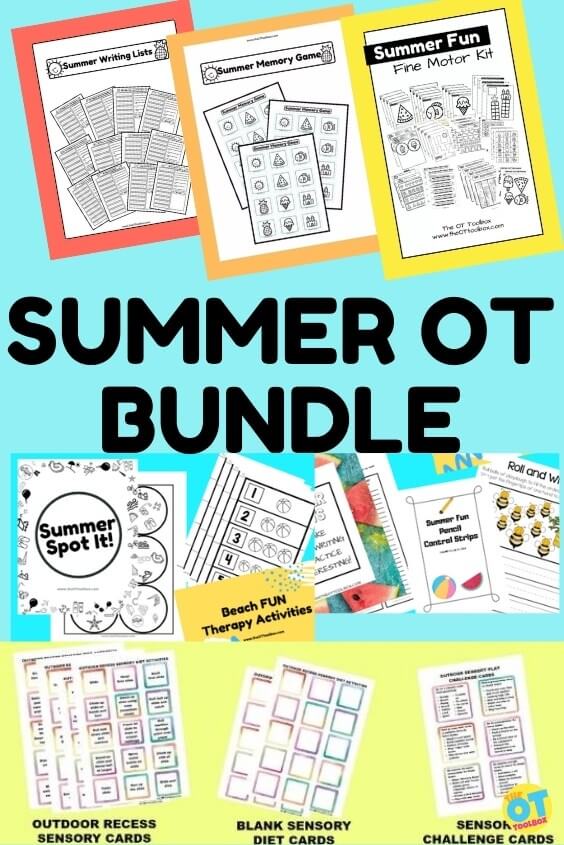
The Summer Sensory Activity Guide is the place to find everything you need for a summer of sensory input. Use the sensory activities described in the booklet as a guide to meet the individual needs of your child. The activities are not a substitute for therapy. Rather, they are sensory-based summer activities that are designed to address each sensory system through summer play. Activities are described to involve the whole family. Right now, the Summer Sensory Activity Guide is a free bonus item to the new Summer Occupational Therapy Activities Packet.
The Summer OT Activities Packet is a collection of 14 items that guide summer programming at home, at school, and in therapy sessions. The summer activities bundle covers handwriting, visual perceptual skills and visual motor skills, fine motor skills, gross motor skills, regulation, and more.
You’ll find ideas to use in virtual therapy sessions and to send home as home activities that build skills and power development with a fun, summer theme. Kids will love the Summer Spot It! game, the puzzles, handouts, and movement activities. Therapists will love the teletherapy slide deck and the easy, ready-to-go activities to slot into OT sessions. The packet is only $10.00 and can be used over and over again for every student/client!
Wobble Ice Disk– Add vestibular input with a DIY wobble disk. Kids can help to make this heavy ice disk, adding proprioceptive input for a hot summer day.
Use a therapy ball– A large ball or a therapy ball/ exercise ball is a great way to add movement, heavy work, and calming proprioceptive input into backyard play.
Make a Water Bin– Water play is a great way to spend hot summer days in sensory play.
The Auditory Processing Kit is a tool to support learners by building skills in listening comprehension, auditory processing needs, and much more. The tools offer support to learners with hyper-responsive or hypo-responsive auditory systems. Therapists love the hands-on activities to support learning and active listening through play and handwriting tasks.
Listening Comprehension
Fine Motor Listening Skills
How to Improve Listening Skills Poster
Clap It Out Syllables Orthographic Activities
Beginning Sounds Letter Activity
Rhyming Words Activity
Activity Listening Activity
Hearing Skills Activity
Auditory Memory Strategies
What Does Active Listening Look Like?
Whole Body Listening Activity
Whole Body Listening Poster
Listening and Motor Skills Game
2 Step Direction Cards
How to Support Hyper-Responsiveness of the Auditory Sense (handout and info sheet)
How to Support Hypo-responsiveness of the Auditory Sense (handout and info sheet)
Auditory Processing Tools Cards
Auditory Processing Speed -2 Digit Numbers
Auditory Processing Speed -3 Digit Numbers
Auditory Processing Speed -4 Digit Numbers
Use the handouts and posters to teach about the auditory system and auditory challenges, with strategies to support individualized needs. Get your copy of the Auditory Processing Kit today.
Colleen Beck, OTR/L has been an occupational therapist since 2000, working in school-based, hand therapy, outpatient peds, EI, and SNF. Colleen created The OT Toolbox to inspire therapists, teachers, and parents with easy and fun tools to help children thrive. Read her story about going from an OT making $3/hour (after paying for kids’ childcare) to a full-time OT resource creator for millions of readers. Want to collaborate? Send an email to contact@theottoolbox.com.
Sometimes the kids need an outdoor challenge to get moving and add active play to their day. I’m really excited to add a new activity challenge here on The OT Toolbox website. It’s a fun summer activity for the whole family and can be used to help kids stay active and build skills. This list of oral motor activities for summer is actually a fun way to add calming activities and alerting activities to sensory diets for kids. In fact, this page is part of a series of backyard sensory activities for kids.
This is such a fun list of Oral Sensory Processing activities that can be done at home right in the backyard this summer. If you are new to this blog, you might know that I’ve put together a lot of sensory activities here on the website. In particular, you will want to check out all of the summer occupational therapy activities here on The OT Toolbox!
Today, I’m sharing one part of that backyard sensory play list and outdoor activity challenge. These oral sensory processing activities can be done frugally and right in your backyard. Getting the kids outside to play is important with all of the research out there telling us that kids are not playing outdoors as much as they used to. These backyard sensory ideas are sure to bring smiles to your kids’ faces while sneaking in some sensory input.
Understanding development of oral motor skills is a great place to start when it comes to oral sensory processing concerns. Oral sensory input or challenges with oral motor skills can impact self-regulation in kids as well as improving attention, focus, and adding a calming component to slow down a sensory seeking child. Adding simple oral motor sensory breaks throughout the day can make a big impact in a sensory diet for kids.
Oral Motor Skills and sensory Activities
Try these backyard oral sensory processing activities this summer:
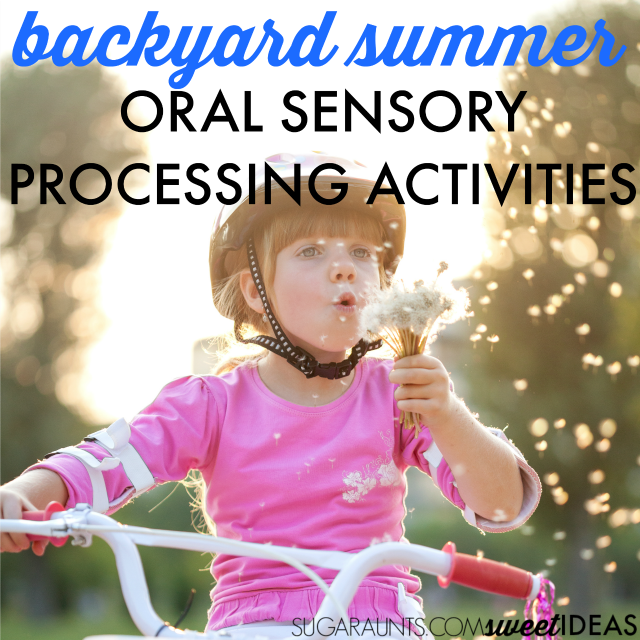
Dandelion Race- Pick several dandelions and place them into two piles. Kids can race another child to blow all of the seeds from the dandelions one at a time. Blowing dandelions is a proprioceptive activity that provides calming sensory input through the mouth.
Balloon Bin- Help your child blow up a bunch of balloons and place them into a large bin. An under the bed storage bin works well for this activity. Once the bin is full of balloons, spray in a bottle of shaving cream. Mix the balloons and shaving cream around to coat the balloons. Ask kids to scrape off the shaving cream with their hands to reveal the color of the balloon. This is a tactile sensory activity as well as an oral sensory activity.
Smelly Bubbles- Most kids agree that there is nothing more fun or summery than bubbles. Try adding a scented component by using scented bubbles. Blowing bubbles is an oral sensory calming activity for kids.
Kazoo Parade- Gather kids from the neighborhood and pass out a bunch of kazoos. Blowing a kazoo is a sensory activity that provides proprioceptive input through the mouth. This is a calming activity and can be used for self-regulating or improved focus.
Hot and Cold Taste Test- Alternate between hot and cold taste sensations in a taste testing game. Prepare cold foods like ice cubes, chunks of popsicles, and frozen vegetables alongside a hot foods tray like warm applesauce, warm sun tea, and toasted bread. Set up a roadside stand for taste testing and create a “most liked” survey.
The Summer OT Bundle is a collection of handouts, activities, and more that build skills this summer. You’ll find everything you need to keep the kids active, learning, and building skills this summer.
You’ll find ideas to use in virtual therapy sessions and to send home as home activities that build skills and power development with a fun, summer theme. Kids will love the Summer Spot It! game, the puzzles, handouts, and movement activities. Therapists will love the teletherapy slide deck and the easy, ready-to-go activities to slot into OT sessions.
The BONUS is that there is a special added bonus item with the Summer Activities Kit right now. Grab the packet of activities now and get the Summer Sensory Activities Guide to keep the kids moving with the senses all summer long.
More outdoor activity challenges
Bookmark this page for the summer fun. Be sure to check out some of the other backyard sensory activities in this challenge for kids:
Oral motor activities are perfect for addressing self-regulation, focus, attention, coping, and sensory input needs by adding a calming effect or alerting effect. Try some of these oral motor activities:
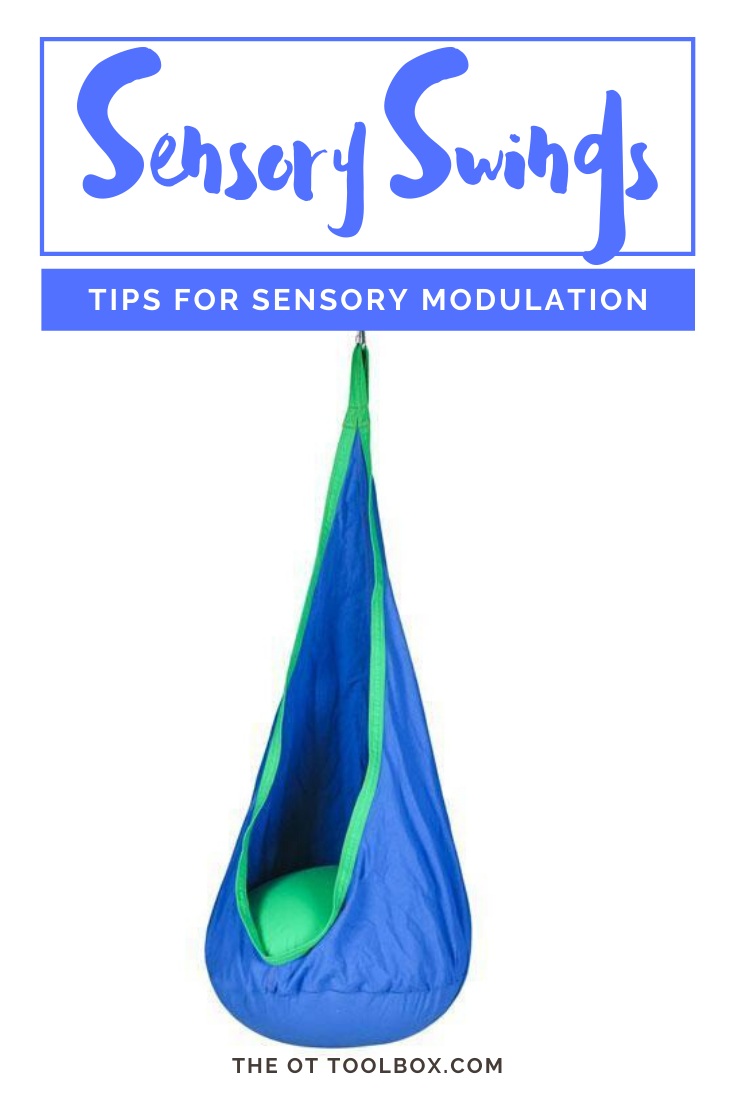
Sensory swings are a wonderful tool for improving sensory modulation in kids. We’ve covered different swings in the past, including specific types like a platform swing. Here, we will discuss how and why a sensory swing is used for modulation of sensory needs. Sensory swings are powerful sensory strategy when it comes individuals with sensory processing needs. Let’s discuss how sensory swings can help with sensory processing and modulation.
You’ve seen the issues in classrooms and in homes. There are kiddos struggling with self-regulation and management of sensory processing. We notice the child that gets overwhelmed or stuck on a direction to complete a worksheet. We see a child who breaks down and resolves into a pattern of hitting, biting, kicking, or damaging property. We notice the child that can’t sit upright in their seat to listen to their teacher. We can identify the child who bites on their pencil to the point of nibbling on eraser bits and chunks of wood. We see the actions and we see the results of a real need. Sometimes, we can even predict the events or situations that lead to these behaviors.
What we don’t see is the internal struggle.
We miss out on the feeling of overwhelming sensory input. We can’t feel the emptiness or the detached sensation. We miss out on what’s happening inside those beautiful, intelligent, and awesomely created brains and bodies.
While we can connect the dots from event to behavior, our biggest struggle as advocates, educators, and loved ones is to know the true internal path that connects those dots.
An occupational therapist analyzes the occupational domains that a child or individual pursues. They determine any difficulties in modulation, discrimination, praxis, motor skills, and other components that impact those occupations. In providing sensory-based interventions, therapists use tools to move their clients to optimal levels of arousal for functioning.
The sensory swing is one of those ways to help with sensory modulation.
What is Sensory Modulation
As discussed in the book, The Sensory Lifestyle Handbook, sensory modulation is the organization and regulation of sensory input through the central nervous system to enable skills and abilities such as attention, activity levels. This skill is an efficient, automatic, and effortless occurrence in those with typically developing individuals.
Sensory modulation is defined by Dr. A Jean Ayres as “the neurological process that organizes sensation from one’s own body and from the environment and makes it possible to use the body effectively within the environment. The spatial and temporal aspects of inputs from different sensory modalities are interpreted, associated, and unified” (Ayres, p. 11, 1989).
Problems with sensory modulation result in difficulty responding to and regulating sensory input. A child with sensory modulation disorder might withdrawal as a result of their responses. They may become upset by noises or sounds. They may become overly distracted or obsessed with specific stimuli.
Sensory Modulation in a Nutshell
Essentially, sensory modulation is the ability to take in sensory input, sort it, and respond to that input. Modulation results in function, alertness, awareness of self, and awareness of the world around oneself.
When sensory modulation is stalled, moving slowly, or running on hyper speed, we see disorganized, over-responsive, or under-responsive individuals.
As a result, children struggle to complete functional tasks, follow directions, learn, manage emotions, interact socially, etc.
How to Help with Sensory Modulation
Sensory modulation issues can be improved to impact a child’s arousal state so they can be effective and function in daily living tasks, in school, emotionally, and socially. Some sensory strategies to help with modulation are listed below.
Use the expertise of an occupational therapist to identify and analyze modulation levels. Identifying strengths and weaknesses can play a part in helping to understand other underlying areas that need addressing and play into sensory modulation concerns. Functioning individuals may require specific levels and intensities of specific sensory input, which can vary across different environments or on a day-to-day basis.
Use sensory activities to add proprioception, vestibular input, or touch input to help with arousal states, and calm or alert levels in order to function in tasks.
Create a sensory diet that allows for sensory use across environments and sensory tools or strategies to address changes in modulation or arousal.
Set up a sensory station to successfully integrate sensory activities into daily lives. Sensory stations can occur in the home, classroom, or on-the-go.
A sensory swing can be used to impact sensory modulation in all of these strategies.
Use a sensory swing for Modulation
A sensory swing can be a calming place to regroup and cope. It can be a safe space for a child to gain calming vestibular input through slow and predictable motions.
A sensory swing can be a source of intense vestibular input as a means to challenge arousal levels.
A sensory swing can use a firm pillow base to provide proprioceptive feedback and heavy input while addressing tactile defensiveness.
A sensory swing can be a means for combining calming or alerting motions with coordinated movement strategies to impact praxis, postural control, and perception.
A sensory swing can be used with others as a tool for building social skills and emotional regulation.
A sensory swing can be used as an outlet for meltdowns before they turn into biting, kicking, hitting, or yelling.
A sensory swing can be a transition tool to provide calming vestibular input before physical actions and executive functioning concepts needed for tasks such as completing homework, or getting ready for bed.
INDOOR Sensory Swing
Want to address modulation and impact sensory processing needs in the home, classroom, or therapy room? we’ve talked about how sensory swings impact sensory processing and the ability to regulate sensory input. Let’s take things up a notch by getting a therapy swing into your hands.
One sensory swing that I’ve got in my house is the Harkla sensory swing. We’ve used this exact swing as an outdoor sensory swing, but it’s a powerful tool when used as an indoor swing. Today, you have the chance to win one of your own. Using a Harkla swing as an indoor swing provides opportunities for modulation in various environments and as a tool to regulate emotions, behaviors.
Over or under inflate to provide more or less base of support and a challenge in postural control. Additionally, this swing holds up to 150 pounds, making it an option to address sensory modulation for adults.
Use the cocoon swing to create a relaxation space or sensory station right in the home or classroom. With the easy-to-install swing, a sensory diet space can come alive using the Harkla Therapy Swing!
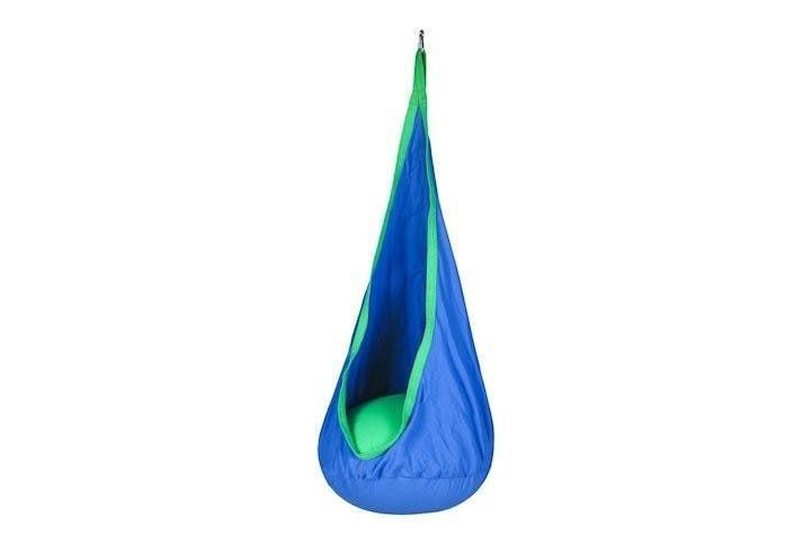
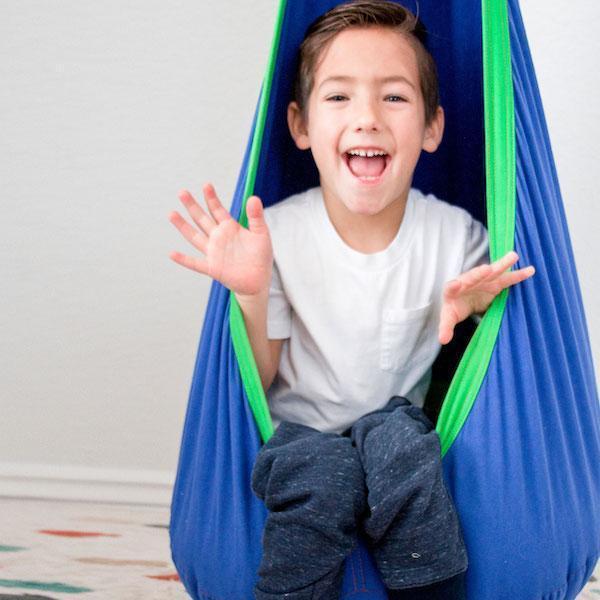
Occupational therapists use pod swings to address sensory modulation, attention needs, regulation, or sensory processing disorder. The cocoon swing we’re giving away below provides a hug-like effect to address sensory needs or as a fun space to hang out in in the classroom or home. A few more details about this indoor swing option:
Comes with all the hardware for an easy setup, including a pump, adjustable strap, 4 bolts, carabiner, and a ceiling hook
Holds up to 150lbs for a safe place for your child
Includes an adjustable strap to make it easy to safely hang your sensory swings indoors from any height
Comes with easy-to-follow directions so anyone can hang it up
Free shipping & a lifetime guarantee
Harkla Sensory Swing Giveaway
This giveaway, sponsored by Harkla, has now ended.
TOns of Sensory Modulation Ideas
Also, check out these other toy suggestions based on therapeutic development through play.
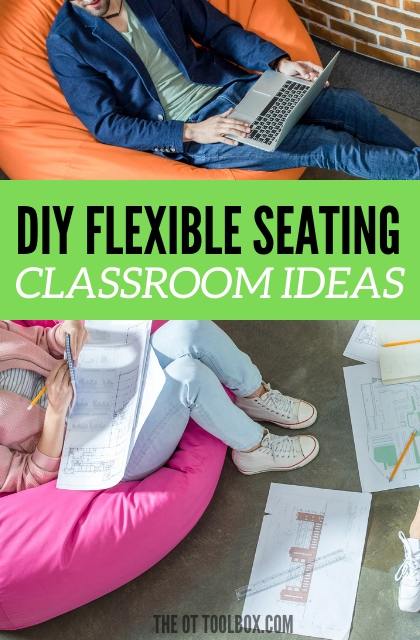
For those of you looking for flexible seating ideas for the classroom, we’ve got some to share! But, one of the most common concerns about setting up flexible classroom seating arrangements is the price! Finding inexpensive seating options that meet the needs of kids can be difficult. In place of pricy alternative seating ideas, why not try the frugal version and make a few DIY flexible seating ideas? Here are some ideas for adding sensory seating to the classroom with do-it-yourself versions of seating options to arrange a classroom for success!
DIY Flexible Seating Ideas
Add some of these seating strategies to a classroom sensory diet, to meet sensory needs, or to help with self-regulation or attention issues. These classroom seating options can meet the needs of a single student or a group of students. From wobble seats, to therapy balls, to using a futon in the classroom, flexible seating looks like a lot of different things! The alternative seating options below are a do-it-yourself version.
Tire Seat- You may have seen DIY tire seats shown on Pinterest. Be sure to check out our Pinterest page of flexible seating options for some ideas and more options! One easy DIY tire seat tutorial is listed on A Life That We Built, which shows how to construct a tire seat as a seating idea for kids. This looks easy enough!
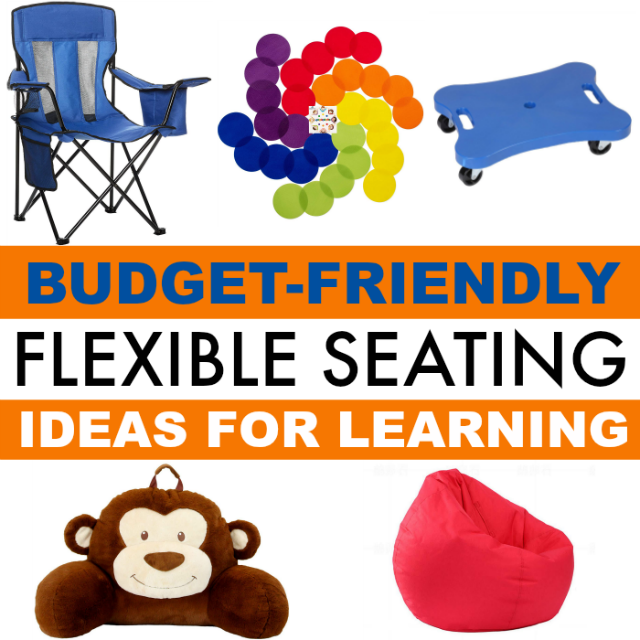
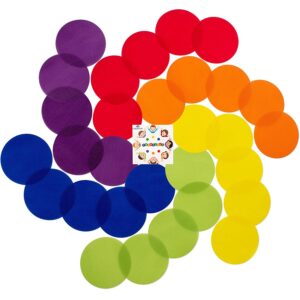
Circle Dots- Kids can really benefit from floor time! The versatility of moving colorful dots around the room as a seating option is perfect for the classroom that covers many needs. While these carpet dots are available commercially, what if you could frugally create your own version? Here’s the how-to:
Using a black marker, trace a dinner plate on each sheet of felt.
Use your sharpest scissors and get to cutting.
Done! Use those carpet dots to encourage movement, set up visual cues for seating, sort students into groups by colors, create in-classroom obstacle courses, and use as a visual seating spot for learning of all kinds!
Partially Deflated Beach Ball– Yes, a beach ball! We shared how and why this DIY seating option works in a past blog post. Using a beach ball as a cheap seating option is a great way to encourage the proprioceptive and vestibular input kids need.
Therapy Ball- A flexible seating option doesn’t need to be specified as a seat. Just like using a partially deflated beach ball described above, try adding more or less air to exercise balls aka a stability ball, yoga ball, or balance ball.
Chair or Couch Made from a Wooden Pallet– Use a couple of discarded pallets to create a small chair or bench. One tutorial is available on Funky Junk Interiors. This would make a nice reading space in a classroom or home.
Milk Crate with Cushion- Use a milk crate, fabric, and foam to create a no-sew milk crate seat. These can be adjusted for students by adding softer or thicker foam, inflatable cushions, or other options. Really Good Teachers shares how to make no-sew milk crates easily and without pulling out the sewing machine!
Pillow Pile on Shag Carpet– Keep your eyes peeled for a sale on area rugs and especially for a shag carpet that’s on sale. A small cozy reading corner can be made using a shag rug and a pile of pillows. The shag seems to be a great fidget for some kids, too. Here is one option for a reasonable price.
Window Seat with Storage- Curling up with a book and some comfortable pillows sounds like a fun way to spend a little free reading time. Use a cube storage bench with pillows to create a flexible seating idea for the classroom or home. Store books or other materials in the cubes.
Cozy Corner Tent with Pillows- A calm-down space or cozy corner can be a part of the classroom’s flexible seating options or used as an area to meet specific sensory needs within the classroom. Some ideas for creating a cozy corner can include a teepee or tent, cardboard box, or even a fort structure with a sheet roof.
Lounge Cushions- Make your own lounge cushions by recycling old couch cushions or sewing up a sleeping bag. You can often times find cushions available on Facebook marketplace.
Carpet Scrap Placed Upside Down on Linoleum– This is a quick seating option that can help kids with the wiggles while providing a means of vestibular input The ability to scootch and slide the carpet square can be a movement break for some kids. Keep the carpet square “parked” in a designated spot when it’s needed and the child can keep their hands and feet still. This alternative seating option is a nice one for helping kids with personal space, too.
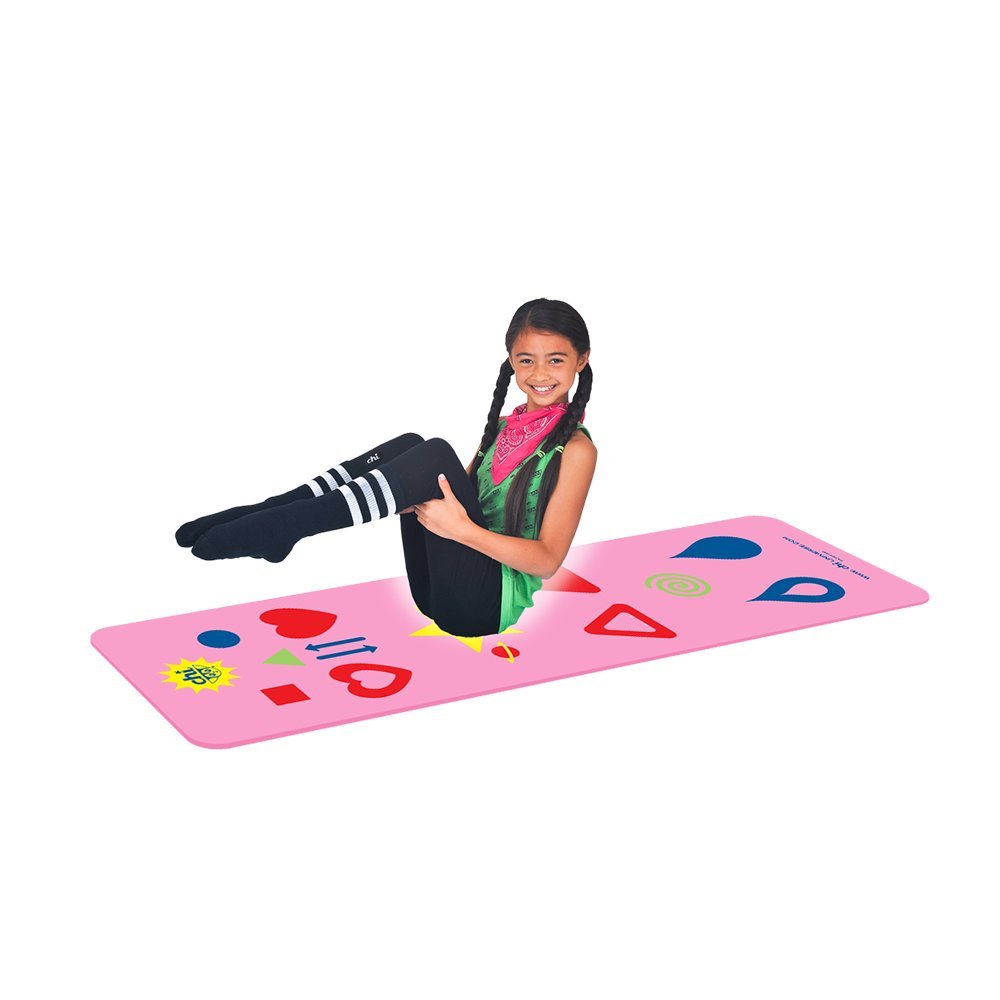
Yoga Mat– A yoga mat can be purchased fairly inexpensively and can be a nice way to provide movement in the classroom, both as a movement break, or even as a space to lounge while reading or completing group work. Yoga mats can be rolled up and stored in a closet or locker and pulled out for group yoga activities. While this isn’t a DIY seating idea specifically, you could use painter’s tape or electrical tape to create markings on the yoga mat for specific seating ideas to help with body awareness or marked spaces to sit and work.
Cardboard Box– Alternative seating strategies don’t need to be expensive! Use a large cardboard box either as a quiet space for reading or chilling, or as a seating option. Kids can get into a cozy box and read or complete a specific task. The walls of a cardboard box can muffle some distracting noises and can be a space to create or calm down. Add a string of Christmas lights for a sensory tunnel space or cave like we did in an old blog post.
Laundry Basket- Another inexpensive seating option, a laundry basket offers a cozy and small space for kids to calm down and focus on a task such as reading.
Soft Tent- There are so many options for play tents out there. Grab one or tow and make it a calm down space in the classroom that offers a quiet place to read, complete an assignment, or regroup. Kids can complete written assignments by using a small stool or lap tray to write on in the cozy sensory tent. They could also just chill and read in quiet by lounging on a bean bag or some pillows. Search pop-up kids indoor tent on Amazon to find lots of options.
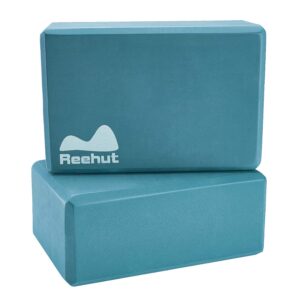
Foam Blocks- Yoga blocks can be used for so many different positioning needs. Use them to prop up feet to provide a foot rest for fidgeting or to get kids into a better posture for writing. The input through the feet can help kids with proprioceptive input that aligns their body for a better upright posture. Foam blocks could be used to prop up a clipboard to create a DIY slant board option, too. There are options on Amazon, but these can be found at discount stores like Five Below, too. To make a DIY version, use an old phone book with duct tape to create a sturdy block. Or, cut hard foam from packing materials and cover with tape.
Lowered Table and Kneeling- One nice option about some tables and desks is that they can be lowered with the help of the custodial staff at schools. The lower legs can be removed and placed into a cut tennis ball to creates a half-sized desk or table, Kids can then sit or kneel to work at the table surface, while getting some really great proprioceptive input in through their knees and legs.
Standing Table Surface- Other tables can be raised to create a standing surface. Kids can then stand to work in small groups or to complete short assignments. A pub-style table is a great surface as a standing table. This one is very nice for one or two students to work on a task.
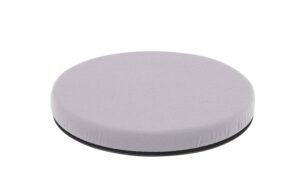
Swivel Seat- This is an alternative seating idea that provides much-needed sensory input for some kids. Think of a Lazy Susan and the spinning/rotation benefits that can occur. A swivel seat pad can provide that spinning or rotating vestibular input on any chair surface or even the floor. Kids can rotate their lower body to turn back and forth in their seats. I love this swivel seat option.
Flexible seating tips
What are your favorite DIY flexible seating ideas? Would any of these alternative seating ideas work in your classroom or home? Let me know in the comments below!
Halloween is a holiday of sweets and treats. Sometimes, you need a healthy Halloween snack for the kids that doesn’t involve chocolate, processed ingredients, or high calories. That’s where this Halloween smoothie recipe comes in.
Halloween recipes that double as a fun and cute healthy snack is almost as much of a hit with kids as the sugary candy is. We make a lot of smoothie recipes, so my kids are used to the blender chopping up foods into smoothies, so it was not difficult to think of this smoothie recipe for kids to enjoy!
Skip the sweets and serve up fruits and veggies with this fun Halloween green smoothie recipe.
Halloween Smoothie Recipe
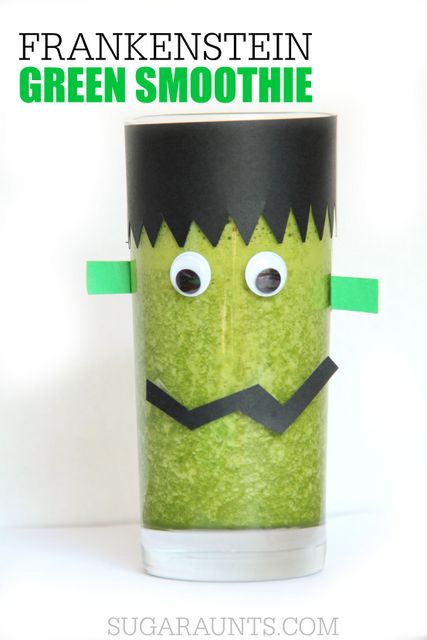
We’ll start by making a Frankenstein face on the cup. This detail is not only cute, it’s a fun Halloween craft for kids!
So, we are a big smoothie family over here. We love smoothie recipes made with a variety of fruits and veggies.
Frankenstein Face
This Halloween smoothie was a spur of the moment idea though. We started by making a Frankenstein craft with a simple glass.
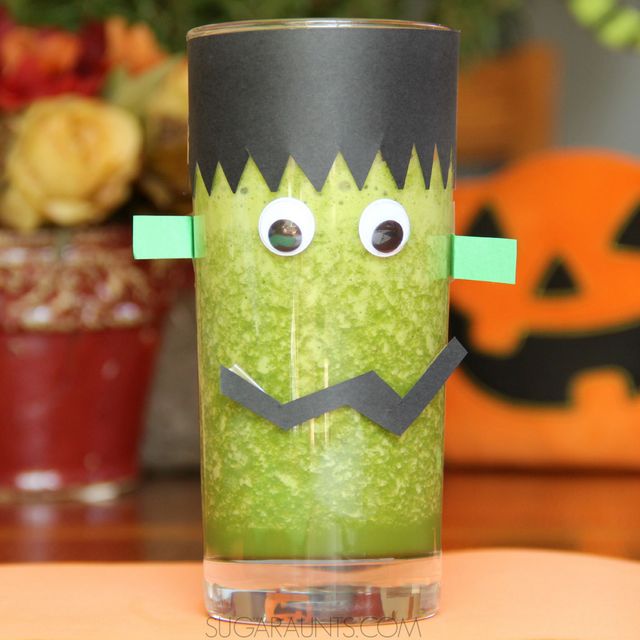
We started by cutting out the paper pieces to put a Frankenstein face on the cup. This can make a green smoothie more appetizing, especially for kids who may not want to drink up a tall green smoothie!
(Affiliate links are being included in this post.)
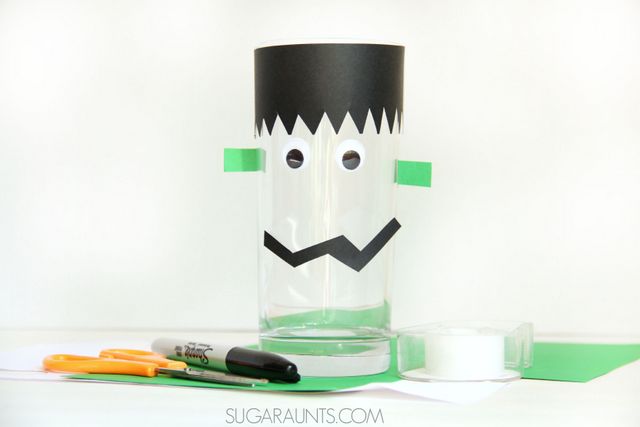
The materials you’ll need for your Frankenstein face craft include:
Cut a strip of black cardstock (affiliate link) and cut a jagged line along one edge. Tape this onto the top of the glass or cup. Stick the sticky back googly eyes onto the face of the Frankenstein.
2. Cut small rectangles of the green Cardstock (affiliate link) and tape them at the ear. Bend the cardstock so the rectangles stick out.
3. Cut a jagged mouth and tape it into place.
It’s that easy! This would be such a fun craft for kids to make at a Halloween party. You could use a green plastic cup and fill it with treats, or you could make the Frankenstein face on a cup that is used to hold pencils and other school supplies.
Green Monster Drink
Next, get your kids in on the cooking activity by making a green smoothie together. The nice thing about this recipe is that you can use whatever fruits or vegetables you’ve got on hand.
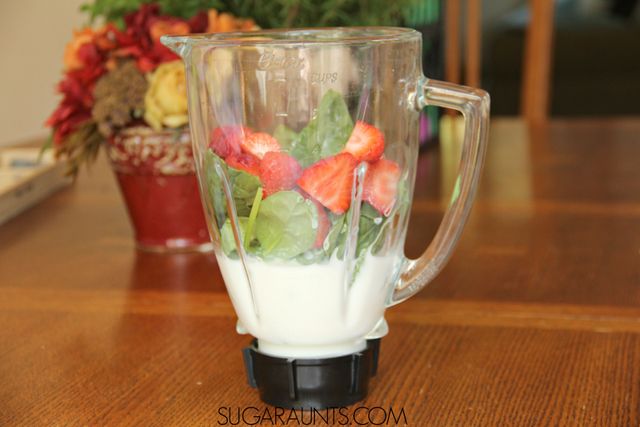
We made our green smoothie using baby spinach, strawberries, and milk.
Other ingredients might include frozen (or fresh) bananas, blueberries, raspberries, mango, kiwi, blackberries, cherries, pears, apples, peaches, or any fruits. For the green color you could substitute kale or other leafy green vegetable.
Smoothies for Kids
To make the Halloween green smoothie…
Toss 1 cup of baby leaf spinach into a blender. Pour in 1 cup of milk.
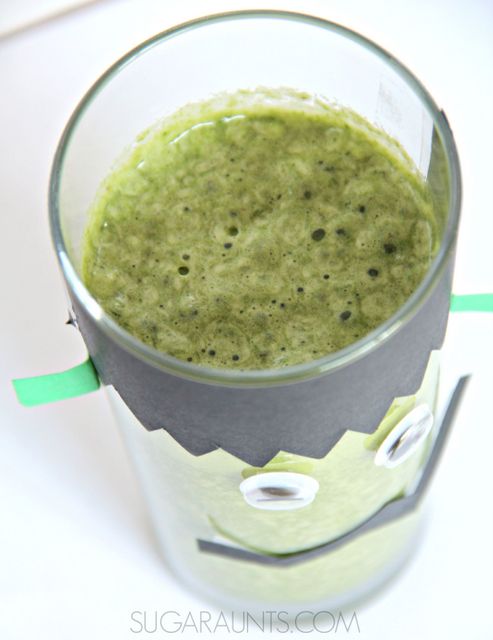
2. Blend this together on a high speed until the spinach is pulverized and liquid.
3. Add 1 and 1/2 cup fresh or frozen strawberries. Blend again until the fruit is well blended.
4. You could use other liquids for your smoothie instead of the milk. Try juice, almond milk, water, or coconut milk. Also consider adding ice cubes for a frozen drink.
5. As you can see, there is a lot of room for substitution with this recipe. Pour the green smoothie into the Frankenstein cups and have fun with your Halloween treat!
Play around with different combinations for a healthy and fun snack for the kids!
What are some other ways you could make a Halloween smoothie with a little creativity?
Use a glass cup and draw a face on the outside of the cup using a dry erase marker.
Make a purple monster drink using berries to make a monster smoothie for Halloween breakfast.
Make a mango and strawberry smoothie and make it into a pumpkin for a smoothie recipe kids will love.
Sensory Benefits of Smoothies
Ok…This Frankenstein green smoothie has been on The OT Toolbox for yeeeaarsss and I totally forgot about it!
Actually, drinking a smoothie has a lot of sensory benefits. The oral motor skills required to drink a smoothie through a straw offers heavy, proprioceptive input and feedback. “Sucking is also a calming and organizing activity which requires closing the lips, lip strength and the ability to hold the jaw in a stable position” (Yack, Aquilla and Sutton, 2015).
When kids need a calm down moment or a chance to chill after a day at school, a smoothie can make all the difference. We talk about the sensory oral motor benefits to the mouth and jaw in our blog post on using a sports water bottle for sensory input. You could double down on the sensory input by drinking the smoothie through a straw.
How fun for a group activity…talk about the calming effects of sipping a smoothing through a straw, self-regulation, and coping strategies like the heavy “work” that a smoothie offers!
This would be GREAT “homework” for kiddos to do with the family. You could totally do a purple monster spin on this recipe and go for berries ? instead of the leafy greens ? that we used to make this one. ✌?
Halloween Foods for Kids
Tell me…Have you made a Halloween smoothie for a Halloween breakfast?
Yack, E., Aquilla, P. and Sutton, S. (2015) Building Bridges Through Sensory Integration (Third Edition).
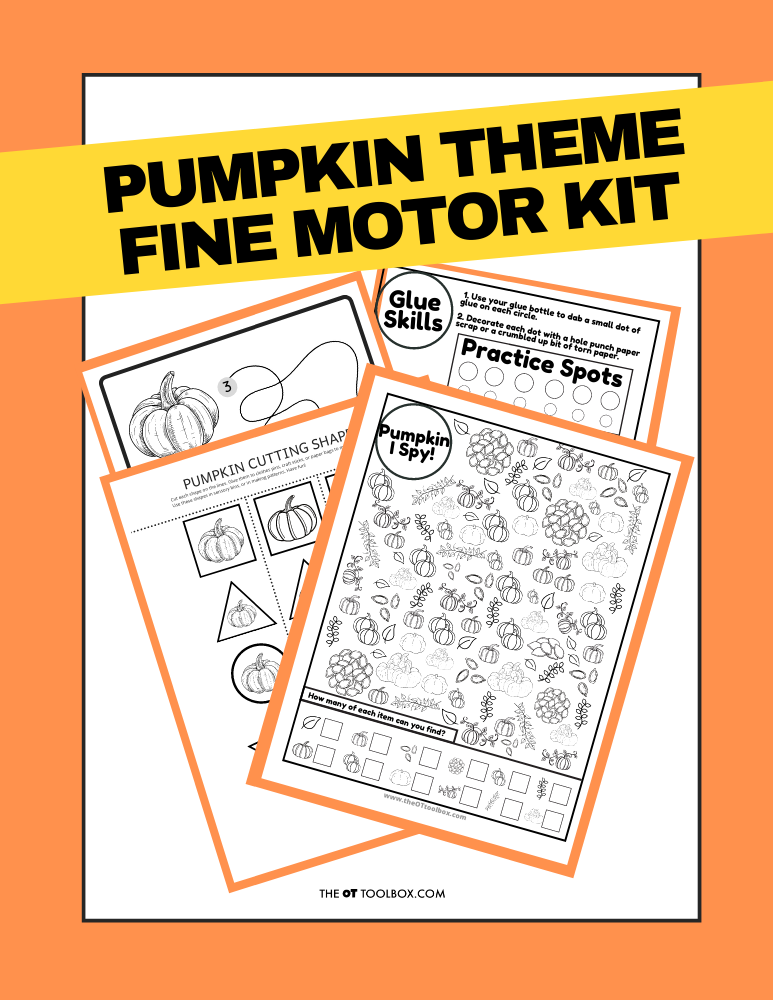
Grab the Pumpkin Fine Motor Kit for more coloring, cutting, and eye-hand coordination activities with a Pumpkin theme! It includes:
7 digital products that can be used any time of year- has a “pumpkins” theme
5 pumpkin scissor skills cutting strips
Pumpkin scissor skills shapes- use in sensory bins, math, sorting, pattern activities
2 pumpkin visual perception mazes with writing activity
Pumpkin “I Spy” sheet – color in the outline shapes to build pencil control and fine motor strength
Pumpkin Lacing cards – print, color, and hole punch to build bilateral coordination skills
2 Pumpkin theme handwriting pages – single and double rule bold lined paper for handwriting practice
Work on underlying fine motor and visual motor integration skills so you can help students excel in handwriting, learning, and motor skill development.
Colleen Beck, OTR/L has been an occupational therapist since 2000, working in school-based, hand therapy, outpatient peds, EI, and SNF. Colleen created The OT Toolbox to inspire therapists, teachers, and parents with easy and fun tools to help children thrive. Read her story about going from an OT making $3/hour (after paying for kids’ childcare) to a full-time OT resource creator for millions of readers. Want to collaborate? Send an email to contact@theottoolbox.com.
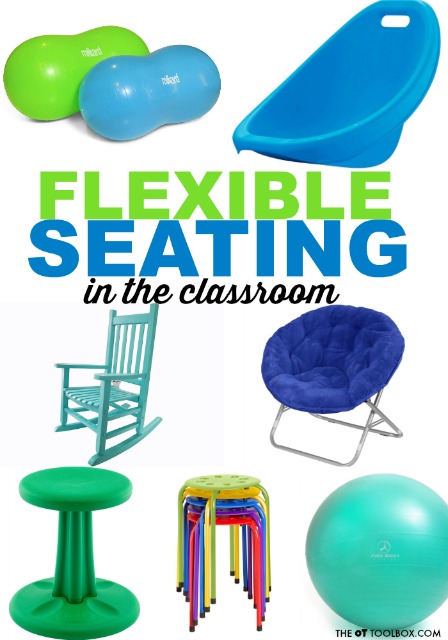
It’s that time again when we are heading back into the school year. Teachers are getting into the classrooms and setting up room arrangements. School-based OTs are gearing up for the back-to-school chaos. When the thoughts of classroom organization and caseloads come into mind, flexible seating in the classroom ideas may not be the first thing you think of. Seating options may even be a part of a classroom sensory diet. But here’s the thing: Flexible seating ideas are always good to keep in mind! There are so many benefits to flexible seating arrangements. From DIY flexible seating ideas to types of seating ideas that can be used in classrooms…there is a lot to think about!
Flexible Seating Ideas for the CLassroom
There is so much to think about when it comes to accommodating to various seating needs. Positioning and specific student needs are just part of the puzzle. Facilitating learning while encouraging collaborations among students is important and the primary concern when it comes to out-of-the-box seating arrangements. Below, you will find various flexible seating for the classroom and information on the benefits of flexible seating ideas…as well as how to adapt to this classroom sensory strategy.
Things to consider about Flexible Seating
When considering flexible seating ideas for the classroom, there is a lot to think about. These considerations include a variety of needs including behavior, cognitive needs, physical abilities, posture, and more.
Many times therapists are consulted regarding specialized seating as a result of postural needs. In these cases, an individualized assessment may be warranted and aspects of seating should be analyzed before addressing specific seating needs:
Posture and seating needs may be a result of sensory issues such as physical limitations, weakness, range of motion as a result of tone issues or spasticity, sensory impairments,or other needs.
Physical limitation or deformities may impact seating posture and positioning. These may include posterior pelvic tilt, pelvic rotation, scoliosis, joint contractures, leg length discrepancies, head and neck positioning, extremity limitations, or other concerns. Each of these may impact learning and attention in the classroom.
When providing a new or novel seating option in the classroom, there are considerations to keep in mind as well. A flexible seating option may not be the primary classroom seating situation. In other words, it may be the best situation for the classroom learning to occur in traditional desks. Flexible seating in the classroom can be provided for supplemental learning, small groups, independent reading, or other similar activities.
In some cases, it’s important to consider optimal support in seating options including for those students with physical needs. As a result, some situations may not warrant a full classroom of flexible seating. Chairs and surfaces may not provide optimal postural alignment in order to provide adequate trunk support. Upper extremity mobility and positioning is important to consider if students will be using the seating arrangements for writing tasks. Additionally, considerations such as correct height/depth of the seat and the placement of both feet on the floor is needed for writing tasks.
Benefits of Flexible Seating in the Classroom
A primary benefit of alternative seating options is the improvement to learning and attention that can occur. There may be several reasons that various seating options offer in the classroom.
Opportunities for Choices- Students may find that the ability to make a choice in their seating situations makes all the difference in learning and attention. Some students may really like the option to pick where they sit!
Something for Everyone- When there are several options for seating in the classroom, it can be one way to meet the needs of a whole classroom. Some teachers may find that kids change in their activity or attention levels throughout the day. When additional movement or proprioceptive input is needed, an alternative seating method may be just the ticket to learning.
Heavy Work Opportunities- Use of various flexible seating techniques in the classroom can offer occasional or scheduled use of flexible seating options can provide opportunities for heavy work input by moving desks, bean bag seats, or other seating set-ups as students or a specific team of students move furniture from determined positions. Don’t forget the sensory benefits of moving desks and chairs!
No Singling Out- When there are various flexible seating options in the classroom, no child is singled out. This is important for the child with sensory issues or self-regulation needs. Some students may need extra movement or heavy input to facilitate learning, and when the whole classroom has the option to choose a beanbag for reading time, the flexible seating methods are there for everyone…and no student feels singled out based on needs.
Flexible Seating Ideas for the Classroom
Now that we’ve covered considerations and a few benefits of flexible seating ideas, let’s cover some specifics! Below are alternative seating methods that may work in the classroom.
You’ll find a list of options for adding proprioceptive input to the seating system, as well as a large list of alternative seating ideas. Some of these are able to be purchased (Amazon affiliate links are included below). Other options are quite frugal or are DIY ideas. Have fun exploring and considering the flexible seating ideas!
Flexible seating and proprioception input
Sensory benefits play a big part of choosing the best flexible seating option. While some alternative seating options provide sensory input or feedback via the positioning, others provide heavy input by hugging the student. There are many ways to add weight that provides a calming benefit into seating ideas. Consider some of the options below in adding to a seating system:
Tips for adding proprioceptive input or weight to a alternative seating system:
Add a weighted lap pad
Try a therapy band or bungee cord to the chair legs
Use a body sock or fabric tube to the legs of the chair. Done in a non-restricting way, this tube can be a place to slide legs into while sitting in a regular chair
Bean bag for under/over the child
Computer lap desk over the child’s legs (Can be used as a writing station)
Homemade bean bags over legs or feet. Slide these into tube socks or knee-high socks and knot two socks together to create a weighted tube to drape over legs or the shoulders.
Under-the-table sling
Therapy swing in the classroom or outdoor space
Add velcro wrist weights to the inside of a 4 inch binder. Use the binder as a lap writing surface.
Encourage tummy time writing. (Write, draw, or read while lounging on bellies on the floor. Make this a fun reading experience by asking students to bring in a flashlight from home.)
Try some of the additions listed and described below.
Remember that finding an ideal seating system can require a lot of investigation and trial and error. Some students may benefit from one of the ideas listed here and others may require a mix of several options. Keep it individualized and remember to consult your child’s occupational therapists regarding seating ideas.
Flexible Seating Ideas
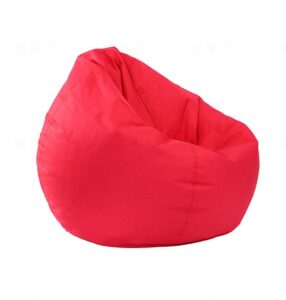
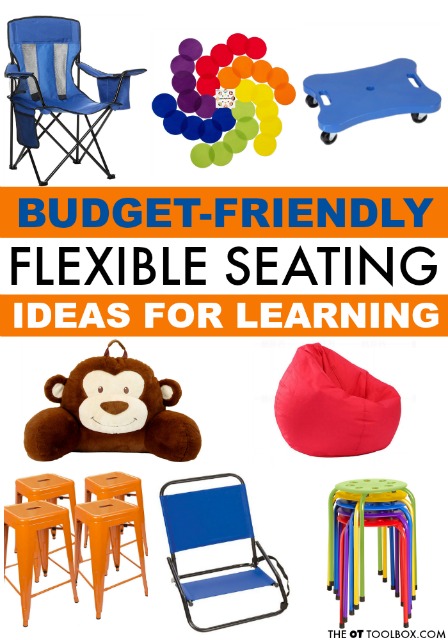
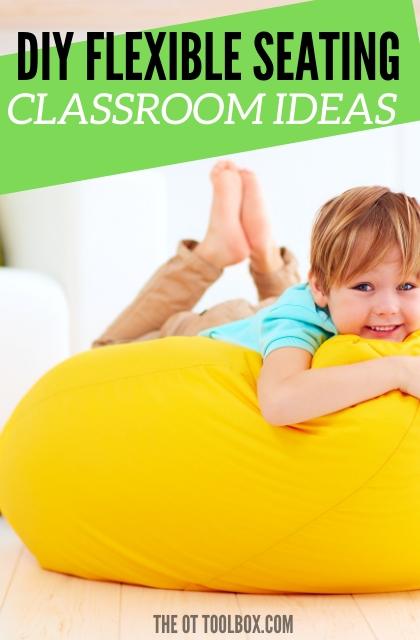
Bean Bag Chairs- Use these on the floor or at a low table. Consider lowering a table to 2-3 feet off the ground for a low writing and reading surface. Other times, bean bags can be used in small group work or for quiet reading. Consider using a bean bag as a cover for legs to provide heavy input through the legs. There are some inexpensive bean bag seat options available. There are also a few varieties of stuffed animal bean bag covers that create seats using old stuffed animals.
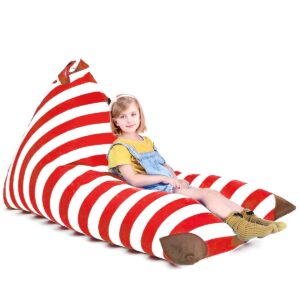
Stuffed Animal Bean Bag Seat- Ask around for stuffed animal donations from family and friends! This bean bag cover creates a bean bag seat using old stuffed animals as a seating option and can be adjusted as needed. Add more stuffed animals to fill the seat or take some out depending on the child’s sensory needs. This stuffed animal cover comes in a larger size that can be used as a lounger chair.
Duvet Lounger- Using the same concept of filling a bean bag with upcycled stuffed animals is the DIY version of using a duvet cover as a method to create a lounger seat. Fill a duvet cover with cushions, pillows, or stuffed animals and create a crash pad that can be used as a lounger seat for the classroom or home.
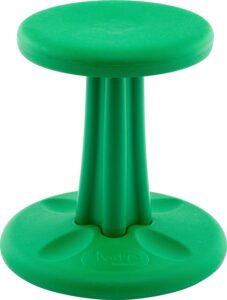
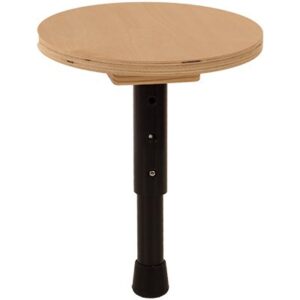
T-Stools- A T-stool is a common seat seen in classrooms. The stool allows students to wobble, move, and wiggle just as their bodies need, while reading, writing, learning, and listening! You’ll find a variety of T-Stools available: The Kore Wobble Chair is great for grades K-3 and provides a larger base of support. The Stabili-T Tool Tube provides less support but requires more core contraction and work, allowing for more movement. A T-Stool Single Leg stool offers more vestibular input given a much smaller base of support and an adjustable height option.
Milk Crate with a Ball Inside– Going for a multi-option flexible seating arrangement in the classroom? Adding a large kickball or small therapy ball inside a milk crate is a great option for the frugal. This is one way to create several seats for a lower cost. Line the milk create up under a low table for a centers activity or small group.
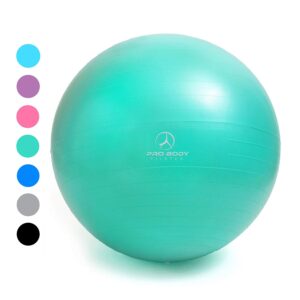
Therapy Ball– Another frugal means of offering opportunities for movement and sensory input in the classroom is using therapy balls. There are many options available on the market and in stores. Search for yoga balls or exercise balls to find the best prices, in many cases. Worried about them rolling away or becoming massive projectiles in the classroom? Make a “station” using a hula hoop as a base.
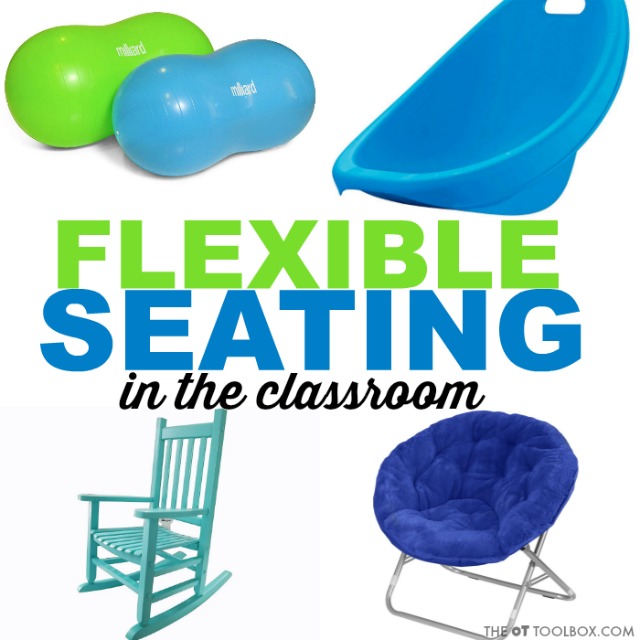
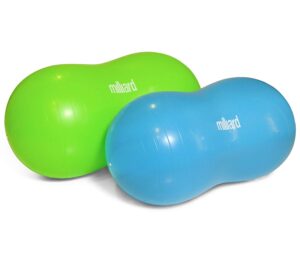
Peanut Seat- A different version of the therapy ball is the peanut ball seat. Kids can use these seats in a variety of ways, sitting or lying prone on the ball. The peanut ball allows for only unidirectional rolling so they can be easier to contain in the classroom setting when compared to a round therapy ball.
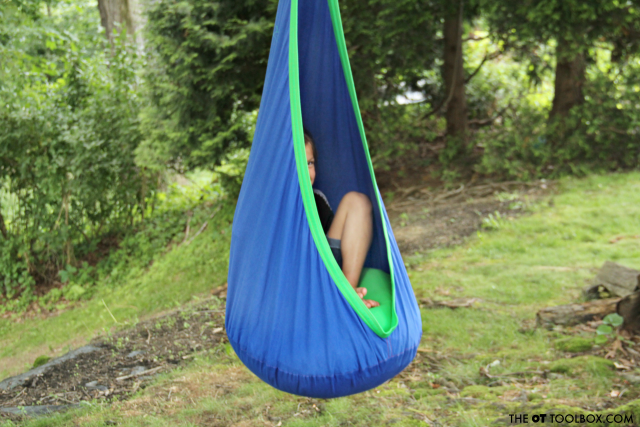
Sensory Swing- A sensory swing is a versatile seating option for reading, small group work, individual work, or a much-needed sensory break. We’ve tried and loved the Harkla Sensory Pod Swing for it’s cozy support and use as a calm-down space. The great thing about Harkla sensory swings is the easy-to install ability to place them in a classroom. We tried ours outdoors too, for an outdoor sensory swing option. Kids love the outdoor sensory swing in a shaded area such as under a patio deck or even hanging from a tree limb.
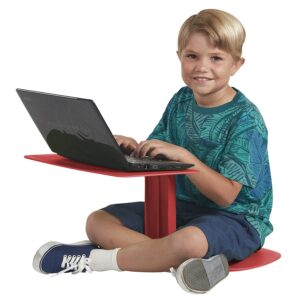
Portable Laptop Stand- This portable laptop stand doesn’t need to be used for just laptops! Use it as a writing station or for a small reading center. I would love to see a DIY version of this…wonder if an awesome school janitor could whip one together using scrap materials? P.S. If you have one of these stands made…or you make one yourself…let me know! I would LOVE to see it!
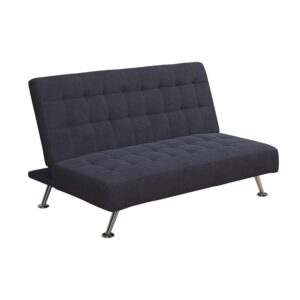
Futon- An easy way to incorporate flexible seating options in the classroom is to add a futon. You can grab one at a big box store or on Amazon and have it shipped directly to where you need it to go. The benefits of using a futon in the classroom are endless- A “job” can be to open the futon and replace pillows after quiet reading time, adding opportunities for heavy work. Add a few weighted throw pillows and a weighted lap blanket if it’s appropriate. Sometimes lounging during instruction may be just what is needed.
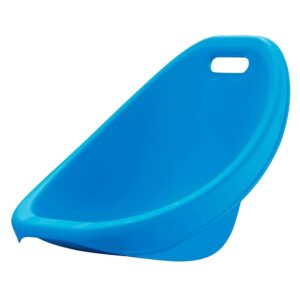
Scoop Rocker Chairs- Kids love these scoop rocker chairs! They are versatile in that they can be used at a lowered table or during circle time. The light-weight and handle make them easy to carry from class to class or to special classes, if needed. There is a special deal on Amazon offering a set of 6 scoop rocker chairs for $48 right now. Who knows how long that price will last!
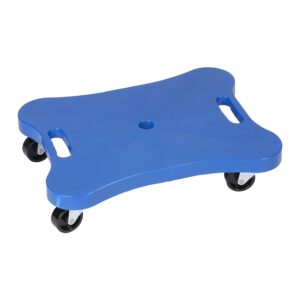
Scooter Board- Have a scooter board in your car trunk (If you are a mobile therapist, this totally applies to you…) or in the physical education gym/supply closet at school? Scooter boards make awesome foot fidgets for when sitting at a desk. Kids can also use them during circle time. (Provide a hoola hoop boundary!) Or to sit on at a low table or when working in a small group. You can find them at great prices on Amazon!
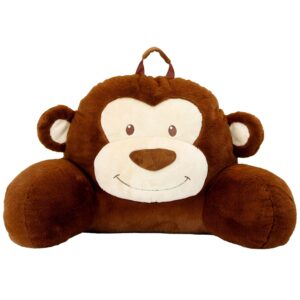
Cushions or Pillows- Super easy to get, and at a very inexpensive cost, pillows and cushions are a fantastic way to create a cozy corner or crash area. Kids will love quiet reading time or group work when sitting on a pillow or cushion. Stalk your local resale shops for great prices. You can also ask parents to send in a small pillow or chair pad cushion (the kind you use on kitchen chairs) that can be used at desks for seated work. A reading pillow (the kind you typically use on a bed) works really well in a calm-down space, too.
Body Pillow- A body pillow can be an inexpensive way to add movement and positioning to the classroom or home. Add it to a futon or couch in the classroom or include it in a calm-down space.
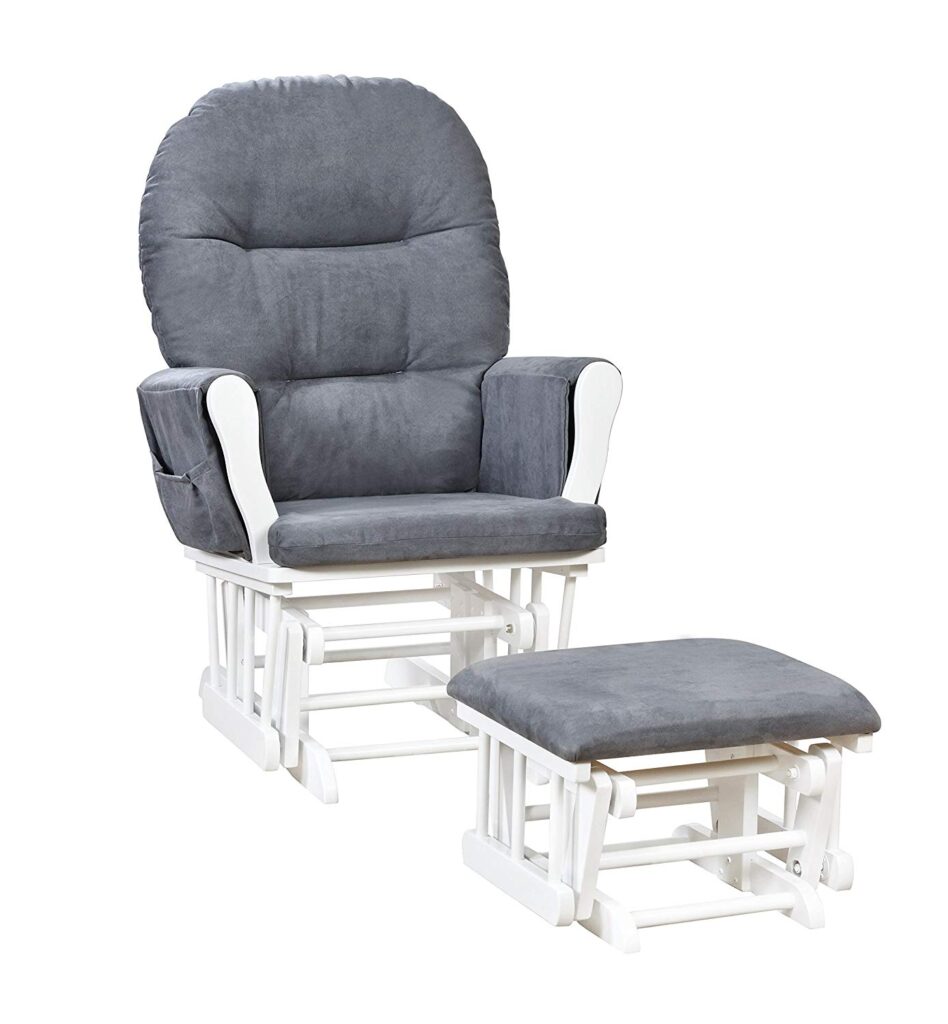
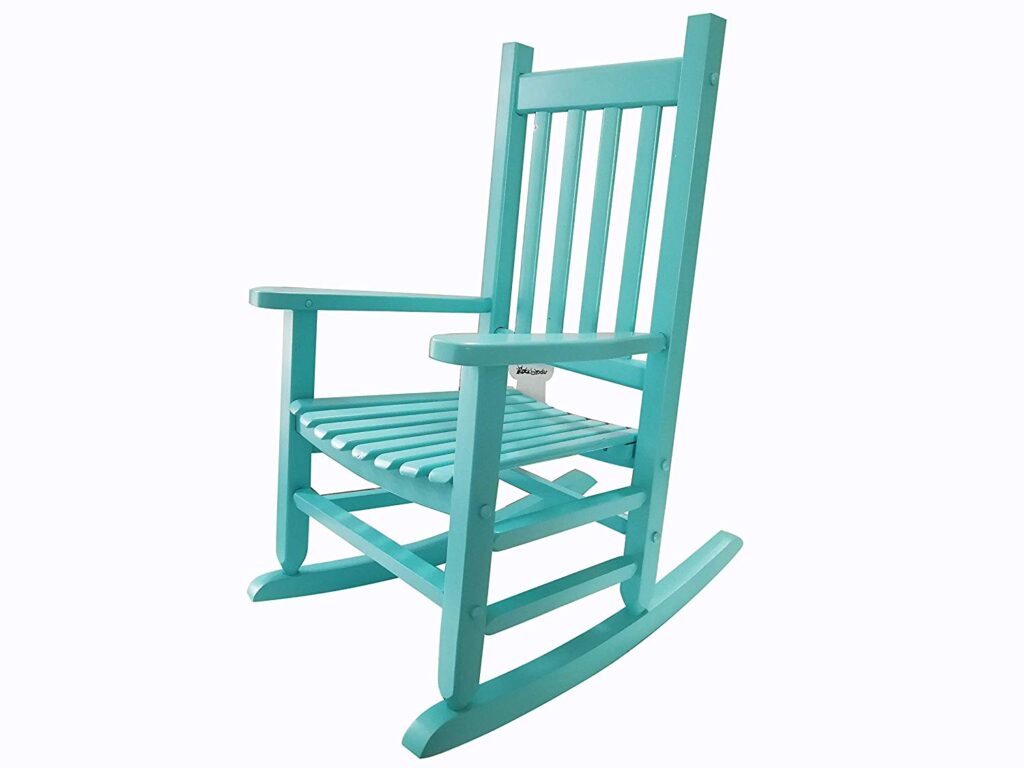
Rocking Chair- An old-fashioned porch rocker is a wonderful addition to the classroom. There’s just something about rocking back and forth that brings back memories of quieting fussy babies during the night for this mama…but perhaps the calming effects of slow linear rocking can be just the thing to turn classroom fidgeting into focused learning. If the price tag of a traditional wooden rocking chair is a problem, consider adding a camp rocking chair or an upcycled nursery glider. You can find these baby nursing chairs on Facebook marketplace or in consignment shops for a great price.
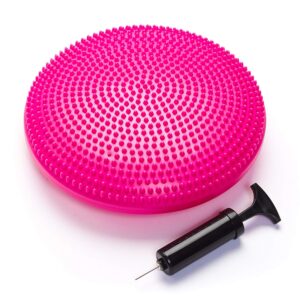
Balance Cushion-Balance cushions can be used on a traditional desk seat or for floor seating. Adding this to your flexible seating line-up promotes an opportunity for attention and balance by adding movement to learning. Add more air or remove some from the cushion to provide more or less movement and stability required.
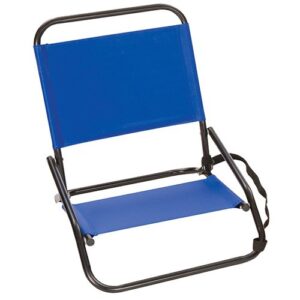
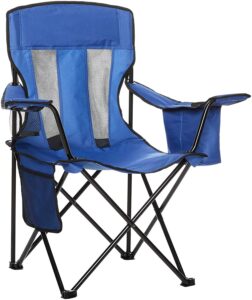
Beach Chair- A beach chair is a super inexpensive way to add flexible seating options to a classroom. Set up an area with a few beach chairs for group activities or use them in circle time or morning meetings.
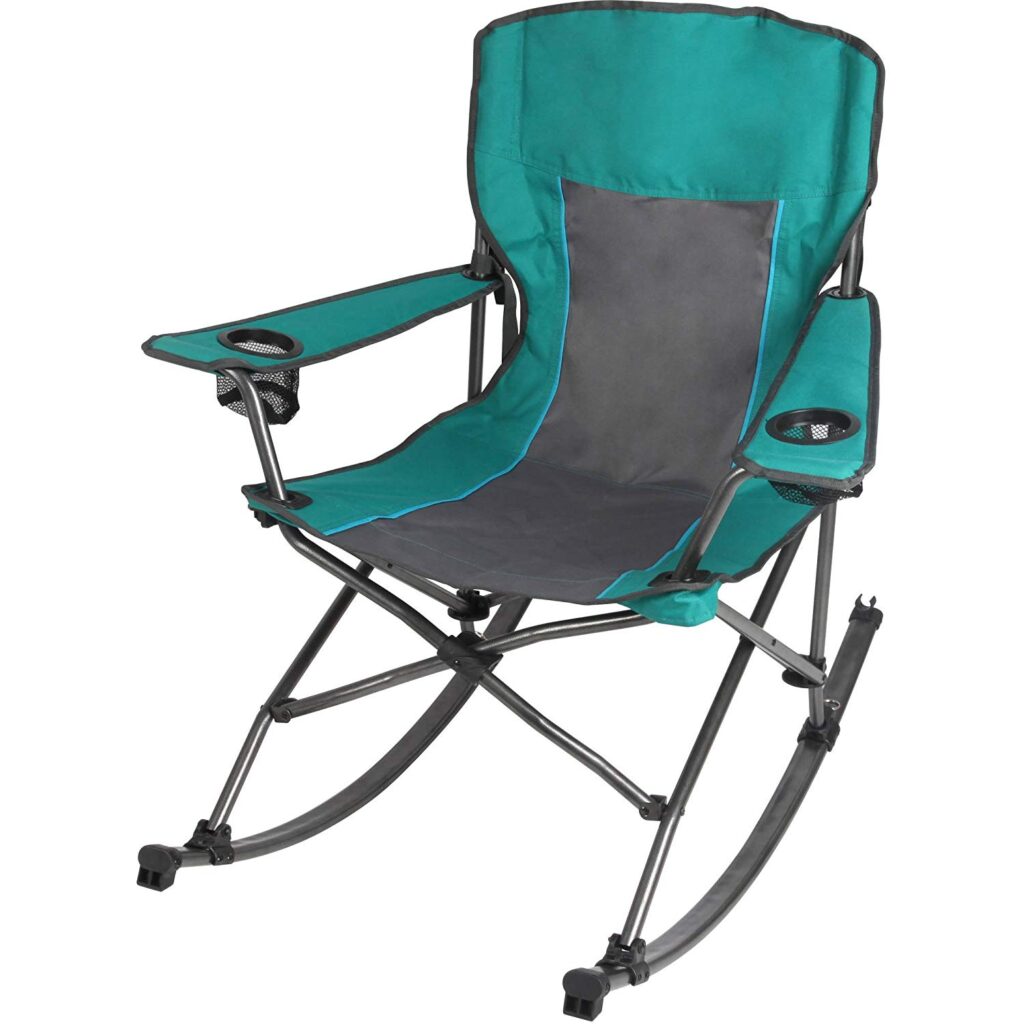
Camp Chair– A camp chair is another inexpensive option for alternative seating. The curved base provides a cozy and calming space for reading or listening to read alouds in the classroom or home. There are a lot of options on the market in the ways of camping chairs. From the basic camp chair to those with rockers, recliners, or loungers, the choice is yours based on needs in the classroom or home.
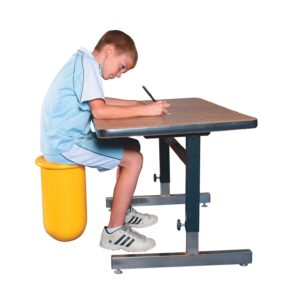
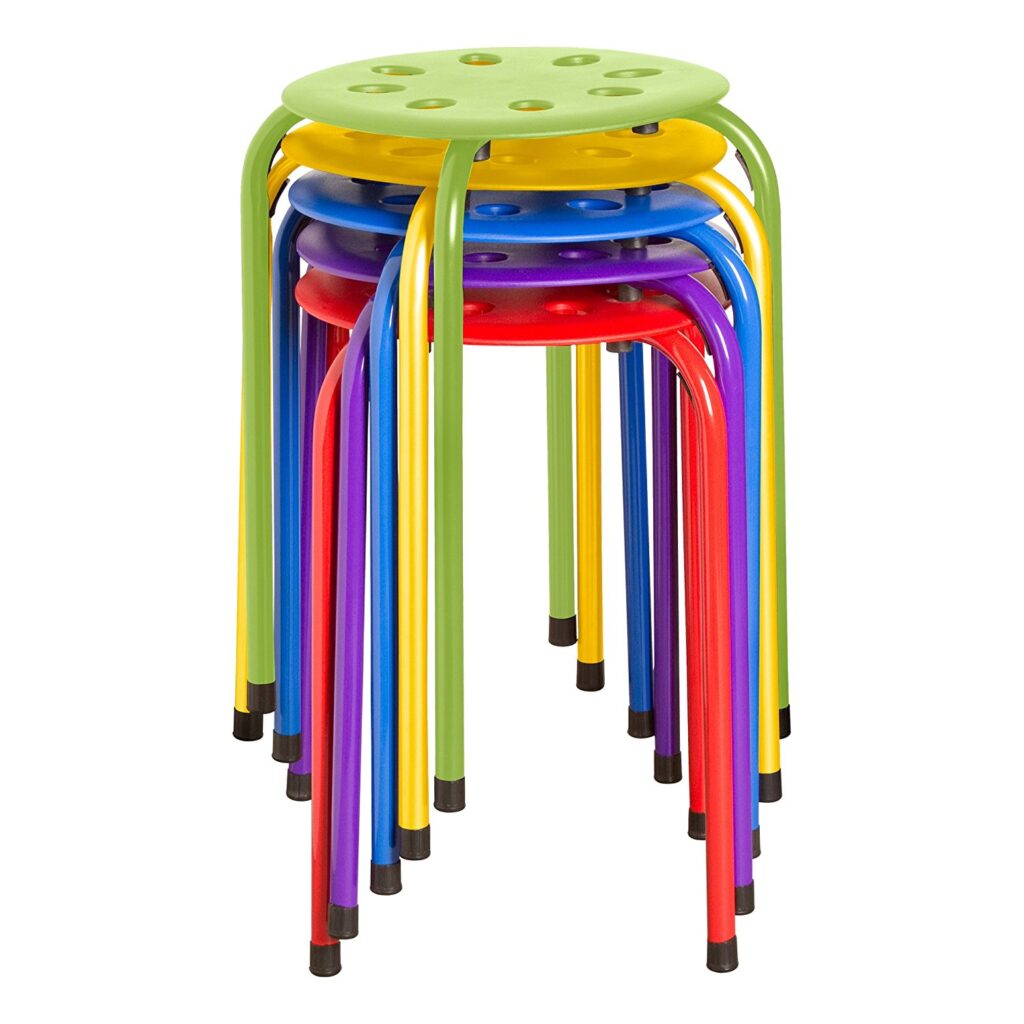
Stools- There are a lot of stool options out there. Using a stool in a flexible seating arrangement provides a variety of use for addressing various needs while making arranged seating easier to change out without much effort. Some ideas for stool use in the classroom include high-stools. These can be used at a high top table which also offers an opportunity for standing. They can be arranged into circle time or small groups while offering vestibular input. Other stool ideas include a small foot stools. These can be used at low tables, in circle time, in a small group circle, or at a low table. Try using them while writing on a paper hanging on a wall or at an easel for vertical writing, which offers more proprioceptive input and movement challenges. Stackable stools are still another option. These are great in place of traditional desk chairs in some cases. The great thing about using stools as part of an alternative seating system is that students can move and set up seating options, offering built-in heavy work.
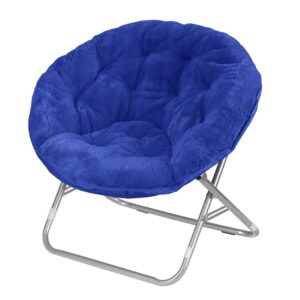
Papasan Chair– A papasan chair or a lounger seat is great for the classroom. Quiet reading or group learning can be calm and focused with a supportive and cozy seat. You can find a great price on these chairs in big box stores or on Amazon.
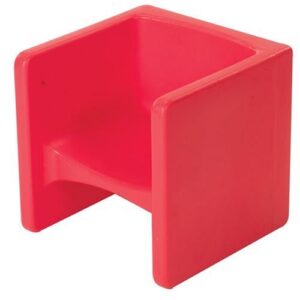
Cube Seat- This cube seat is an option that provides support for the back and trunk while containing and providing a boundary for seated activities. This cube seat option is nice because it can be used in one direction as a low seat and flipped over to allow for a higher height or for use as a table writing surface with visual blocks when visual attention is an issue.
Partially Inflated Beach Ball- Yes, it’s true. Grab a dollar store beach ball and blow it up just a little, so that the air in the beach ball provides a movable cushion. This seating system is appropriate for younger children, but it’s an option for testing out movement in the seat. You’ll find more about using a beach ball cushion in a previous The OT Toolbox blog post.
More Flexible seating ideas
What are your best tricks and tips for adding movement to the classroom while meeting the needs of various students? Flexible seating in the classroom doesn’t need to be complicated. It doesn’t need to be expensive either! Stop back soon, because we’ll have a line-up of DIY flexible seating ideas coming your way very soon.
Some of the ideas listed above are very budget-friendly, especially if you are able to find items second-hand or by upcycling items. Other budget-friendly seating options include using a cardboard box, cushions, or stadium seats, for example. We’ll have more budget-friendly seating ideas for you coming up soon!









 , too.