Bear Ornament

Bear ornament


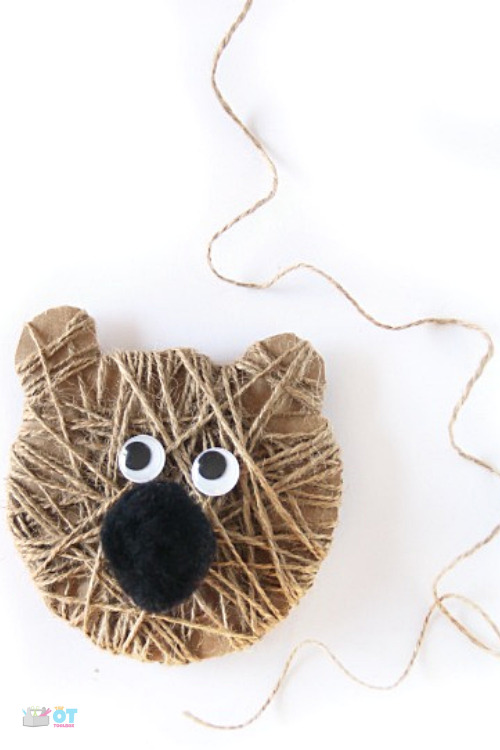
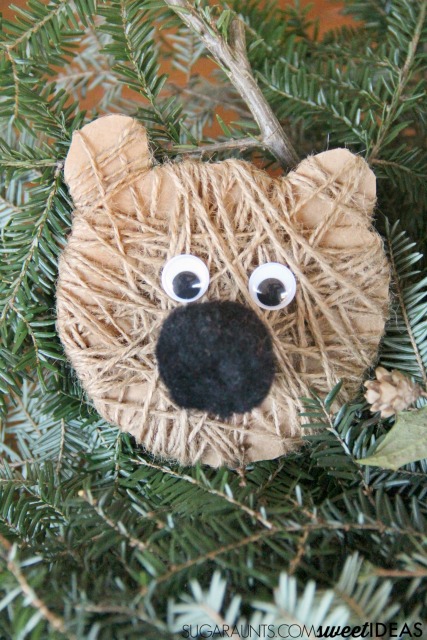
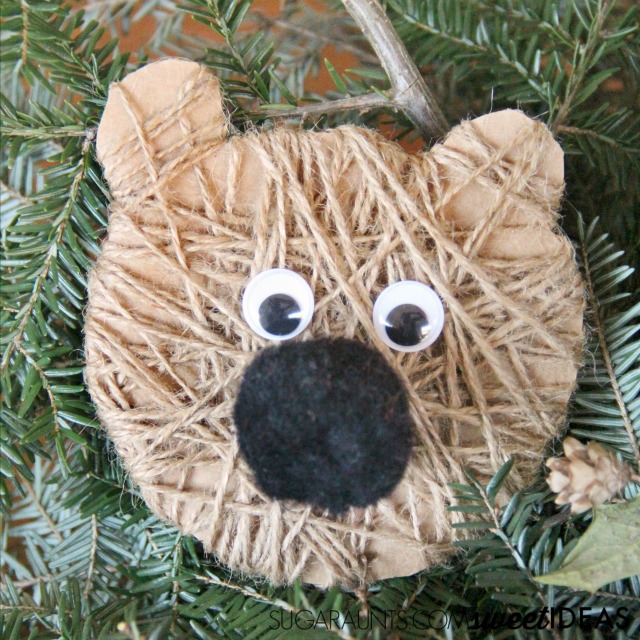
Making holiday ornaments like this bear ornament with kids is such a fun way to develop fine motor skills, and then see the work hanging on the Christmas tree. Kids will love this teddy bear ornament but occupational therapists will love it even more for the developmental aspects! Add this bear ornament craft to your occupational therapy Christmas crafts.

Bear Ornament

Check out these Christmas Fine Motor Activities for more creative ways to work on fine motor skills and address development of skills this Christmas season. 

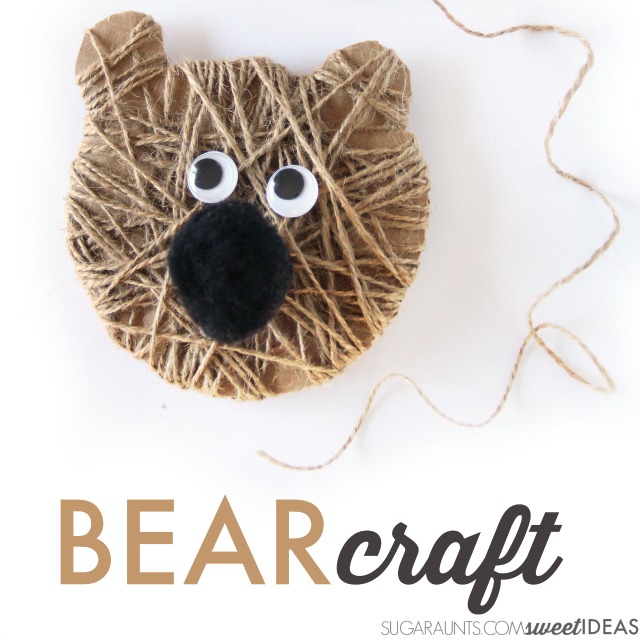
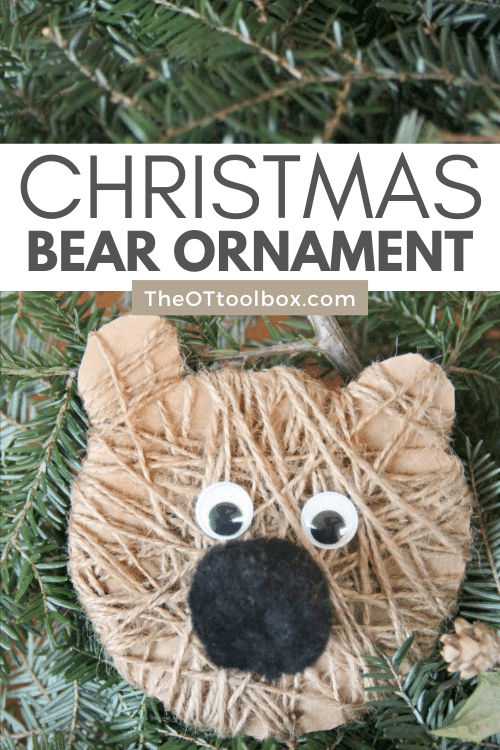
Today, I have a fun bear craft to share with you. This bear ornament is such a fun way to get kids creating and crafting during the Christmas season. We used this as a bear Christmas ornament, and a children’s book extension activity for the Bear Books by Karma Wilson.  

We made the bear craft based on Bear Stays Up for Christmas.  It’s true that in our house, we do love to come up with crafts and activities based on children’s books and this Christmas book themed Christmas ornament craft was no exception.

Bear ornament that kids can make for a book related Christmas ornament.

How to make a Bear ornament

This post contains affiliate links.

When we came up with this bear craft, we knew we wanted to create a cute bear that matched the bear in Karma Wilson’s Bear Stays Up for Christmas.  The bear books are such a fun series to read and we loved to see Bear’s friends help him stay up to celebrate Christmas.

Bear Stays Up for Christmas is the perfect book to add to your reading list this Christmas season.  It shows us how bear discovers the best gift of all is giving.  How fun would it be to read this book, make the cute bear craft Christmas ornament, and then give it to a friend?

Such a cute bear ornament for Christmas.

You’ll need just a few materials to make this bear craft:

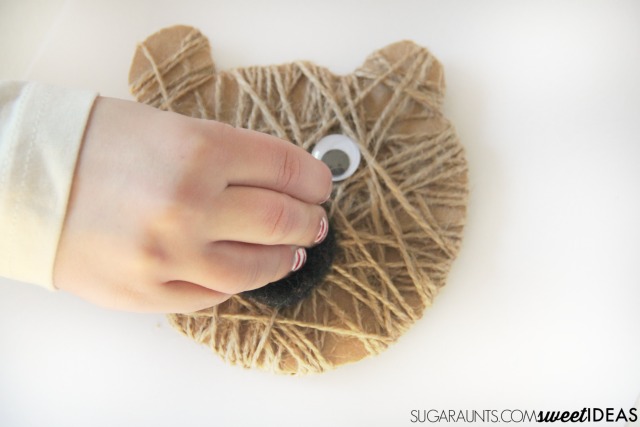
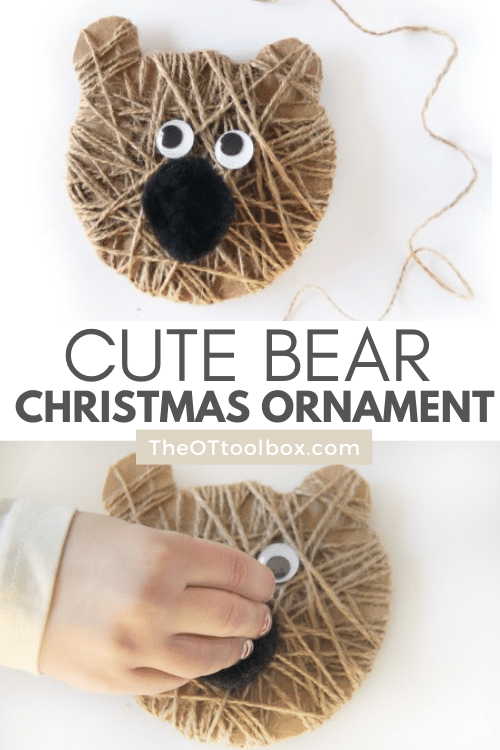
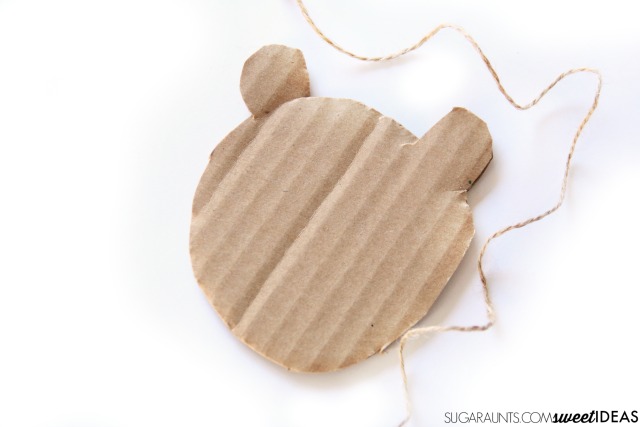
This is such an easy bear craft.  It would be perfect for preschool aged kids or grade school children. To start, you’ll need to cut a bear face shape from the cardboard.

Bear craft that kids will love to make while working on fine motor skills.

Bear Craft

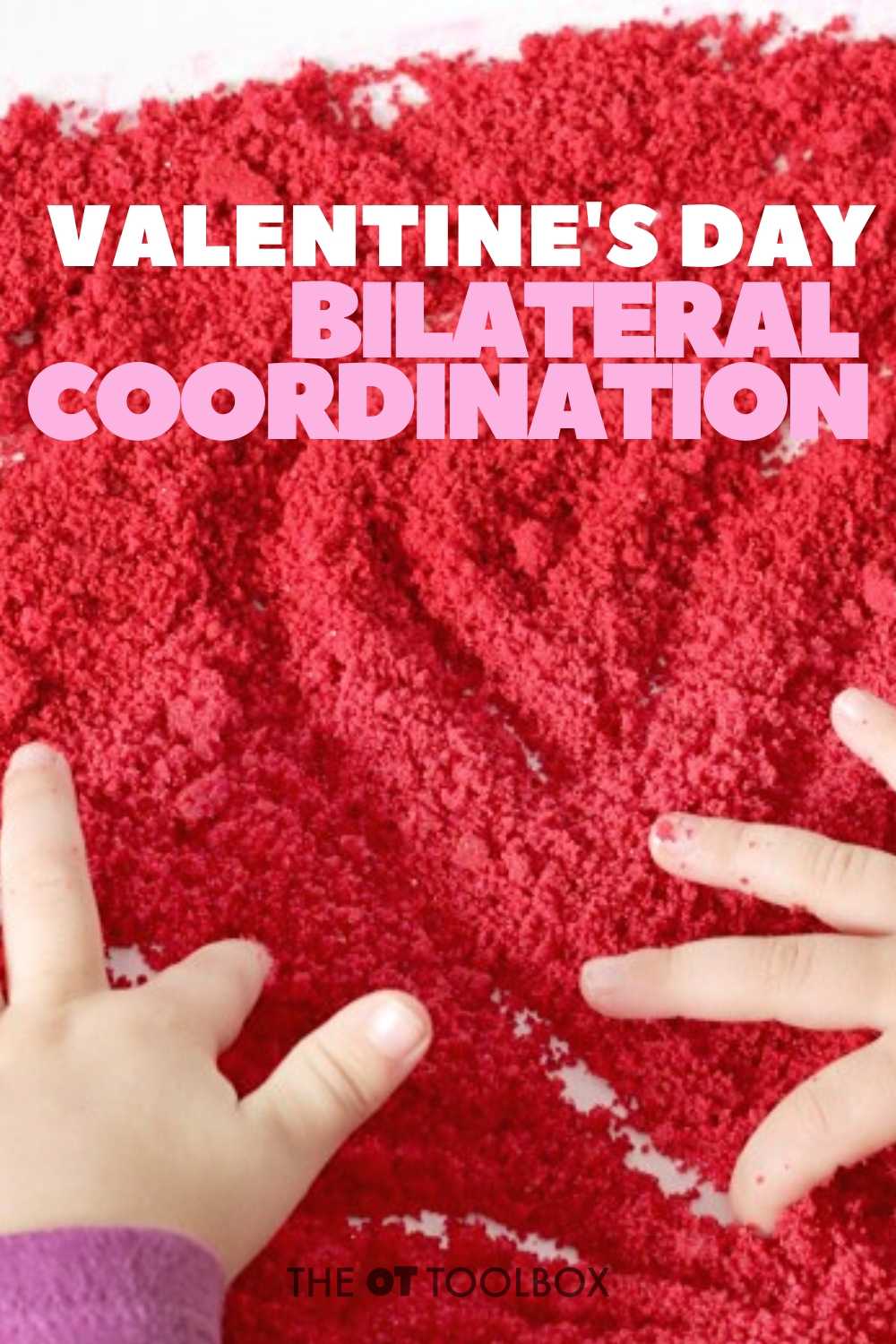
Bear crafts can be made this time of year, or all year long to work on skills like fine motor work, eye-hand coordination, bilateral coordination, and more.

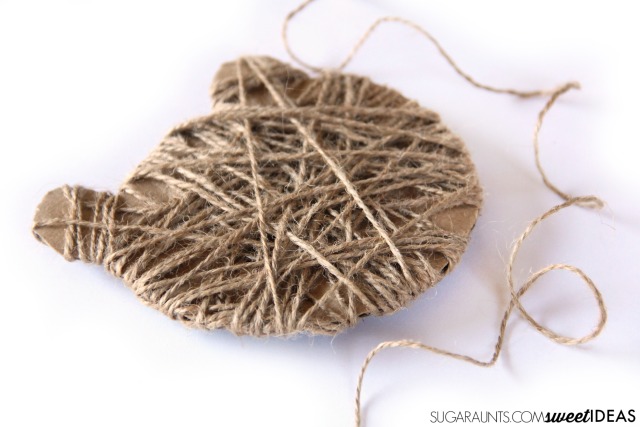
Then, use the brown twine to wrap all around the cardboard face shape. Tape the twine to the back of the bear to keep it in place.

Help kids work on fine motor skills with a bear craft that is perfect for a Christmas ornament.

Fine motor tip: This activity is a great way to address bilateral coordination skills. Wrapping the twine around the cardboard shape allows kids to coordinate both hands together with a working hand and a non-dominant, assisting hand.  This type of activity requires a child to work at midline while looking down toward their hands.  It is a good activity for kids to seem to switch hands when writing or require prompts to hold the paper when writing and other tasks that utilize an assisting hand and precision work with the dominant hand.

Read here for more information on creative ways to address bilateral coordination

Continue to wrap the twine around the cardboard until most of the cardboard is not showing, including around the bear’s ears.


Add a small piece of tape to the back of the bear craft to hold the end of the twine down.


Next, stick the peel and stick googly eyes on the bear’s face.

Kids love to make crafts like this bear craft based on a popular childrens book.

Use a dab of glue or a glue dot to stick the crafting pom pom onto the bear craft.


Finally, use a small piece of twine on the back of the bear craft to create a loop in order to hang the bear craft Christmas ornament onto the Christmas tree.


While this bear craft was based on a popular children’s Christmas book, it would be a great accompaniment for any bear themed preschool book or children’s book.

Kids can make this bear craft based on the book, Bear stays up for Winter, or any bear book for kids.

Make this bear craft Christmas ornament based on Bear Stays Up for Christmas childrens book.

Need more ornament crafts? 


Nativity Tree Decorations 

Spice Jar Lid Star Ornaments 

Dog Ornament 

Pine Tree Ornament

Looking for more kid-created Christmas ornaments?  Here are some of our favorites:

Bottle Caps Holly Ornament

Spaghetti Wreath Ornament

ee cummings Little Tree Christmas Ornament

Olive the Other Reindeer Ornament

Cutest ever bear craft Christmas ornament for kids.
Every Christmas tree needs this kid-made Christmas tree bear craft ornament!


Colleen Beck, OTR/L has been an occupational therapist since 2000, working in school-based, hand therapy, outpatient peds, EI, and SNF. Colleen created The OT Toolbox to inspire therapists, teachers, and parents with easy and fun tools to help children thrive. Read her story about going from an OT making $3/hour (after paying for kids’ childcare) to a full-time OT resource creator for millions of readers. Want to collaborate? Send an email to contact@theottoolbox.com.
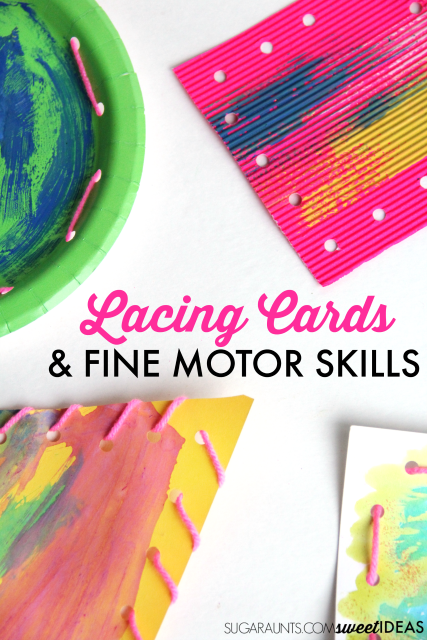
The Most Creative Lacing Cards and Fine Motor Skills

Fine motor development is essential for so many tasks.  Kids begin their fine motor skills development as soon as they are placed in tummy time as an infant.  While the manipulation of small motor muscles in activities like lacing cards and handwriting doesn’t come until much later, the building blocks for success in tool manipulation and dexterity is established within days of birth.


Because fine motor skills are used in so many of our daily functions, it can be frustrating for kids (and their parents or teachers!) when manipulation and dexterity of the hands and fingers are a struggle.


Today, I’m sharing in inside scoop on how lacing cards boost fine motor skills and creative ways to further develop those skills through creation of DIY lacing cards, in unique process art ways!

Use lacing cards to address fine motor skills with kids in the classroom, home, or therapy clinic.

Lacing Cards and Fine Motor Skills


When kids thread a string through a lacing card, they are doing much more than establishing a baseline of sewing skills.  The motor movements required to perform this activity are powerful.  In fact, it shouldn’t come as a surprise to know that many Occupational Therapists use lacing cards as a power tool, i.e. a therapy treatment tool that addresses many common goal areas in kids.

Lacing cards and fine motor skills are great for building skills needed in tasks.

Let’s talk about the skills needed to manage and lace up a lacing card:


Bilateral Coordination-  In order to hold the lacing card and the string or ribbon, kids need to be able to manipulate and coordinate both hands together in a functional way.  They need to bring both hands to midline and work with one hand moving as a manipulating hand to move and thread the string.  The other hand, typically the non-dominant hand works as an assisting hand to hold the lacing card.  Both hands, wrists, and shoulders need to work together to position the card and string in a coordinated fashion.  


Read more about bilateral coordination activities.


Tripod grasp or Pincer grasp-  Depending on the size of the lacing card holes and the thickness of the string, different types of pinching grasps can be used with the dominant hand.  it is common for these grasps to vary during and throughout the task of lacing a single card.  One thing is consistent though and that is the fact that the fingers are working in a functional way that is beneficial for pencil grasp and manipulation of small items such as needles, beads, and clothing fasteners.  


Here is more information about a pincer grasp and activities to address this skill.


Separation of the two sides of the hand- When holding the string, it is useful for the ring and pinkie fingers to bend into a fist in order to stabilize the hand.  This positioning is effective for a functional grasp on the pencil when writing. In this way, lacing cards boost fine motor skills as a pre-writing tool. 


Check out these easy ideas to address motoric separation of the hand.


Visual Motor Skills- Coordinating visual information with motor movements of the hands is essential for handwriting, cutting with scissors, and many other tasks.  Manipulating lacing cards is an excellent way to address these needs. 


Read more about visual motor skills.


Motor Planning- A motor plan is functional execution of a task which is viewed with the eyes and carried out with the hands in order to complete tasks, such as mazes, walking around obstacles, cutting along a line, and writing within a space on a form.  Visual motor skills can be difficult for children with visual processing difficulties.  Identifying and organizing information is in a motor plan works on problem solving skills.  


Read more about motor planning activities for kids.


Process Art DIY Lacing Cards 

This post contains affiliate links.
 
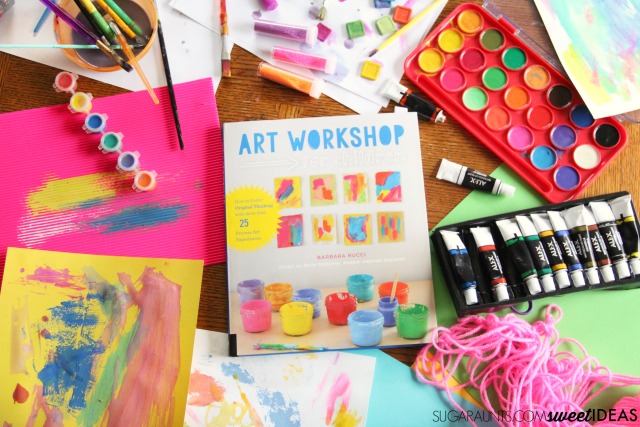
While there are many lacing cards available on the market, it can be a lot of fun (and quite beneficial) to make your own lacing cards.  We had a blast making a big set of lacing cards recently, using inspiration from Barbara Rucci’s new book, Art Workshop for Children.  
 
We were lucky to receive a book to check out and WOW! What a resource for developing creativity and inspiration in kids.  I loved flipping through every page with my kids as we picked out project after project to complete.  
 
One of the art projects that stood out to me, is the watercolor lacing cards activity.  As an Occupational Therapist, I was drawn to the fine motor goldmine with this activity.
 
We were inspired by the watercolor lacing cards in the book and HAD to make our own.  Just like the extended activity ideas that are included with every art activity in Art Workshop for Children, I had to get my kids creating by making their own colorful and creative lacing cards.
 
So often you see printable lacing cards that are very cookie cutter.  There are so many on the market that are simple shapes and single colors or images.  These are fun and completely perfect for boosting the fine motor skills needed for functional tasks.

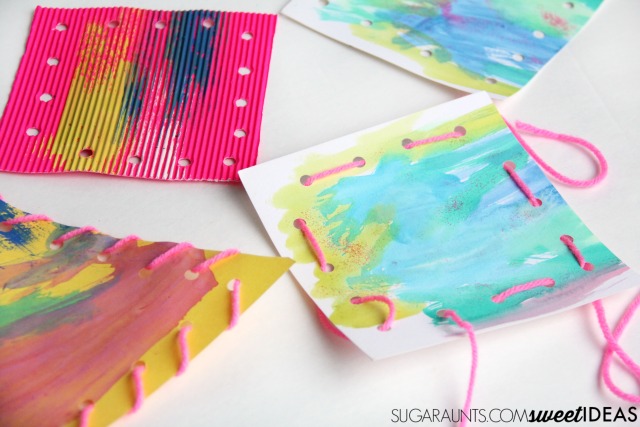
Use art supplies to make your own lacing cards and address fine motor skills.


However, when we saw the creative opportunity in Art Workshop for Children, we had to get busy with the fine motor development!
 

Creative DIY Lacing Cards and Fine Motor Skills

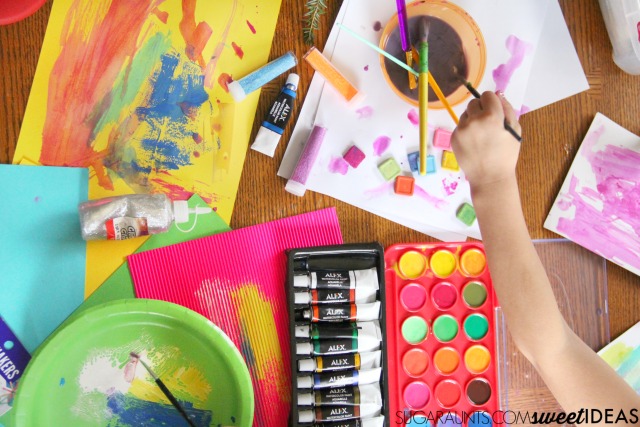
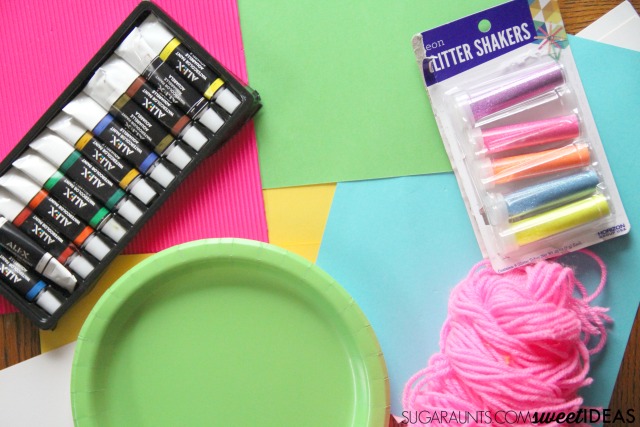
I set up our dining room table with a bunch of supplies:

Paper plates

Glitter Shakers 
Glitter Glue
You'll need just a few materials to make your own lacing cards and fine motor skill development.
 
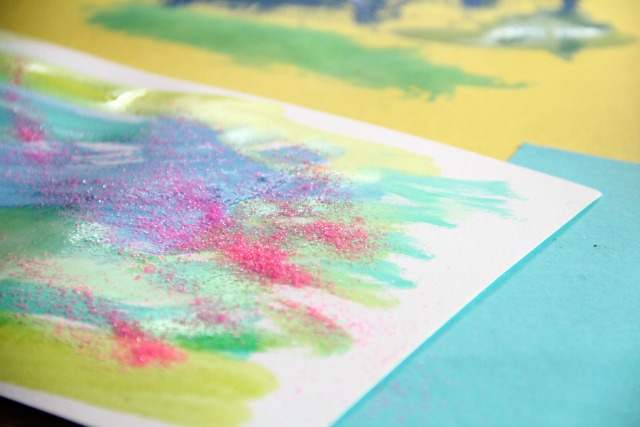
I didn’t have to do much in the way of instruction with this creative activity.  My kids were drawn to the paints and paint brushes like kids to candy.  They got busy painting, dripping, splotting, and dumping.  It was fun to hear the comments about glitter and paint mixing and I laughed because it reminded me of the “Overheard” sidebar comments in the Art Workshops for Children book.

Glitter and watercolors are all you need for creative lacing cards and fine motor skills development in kids.
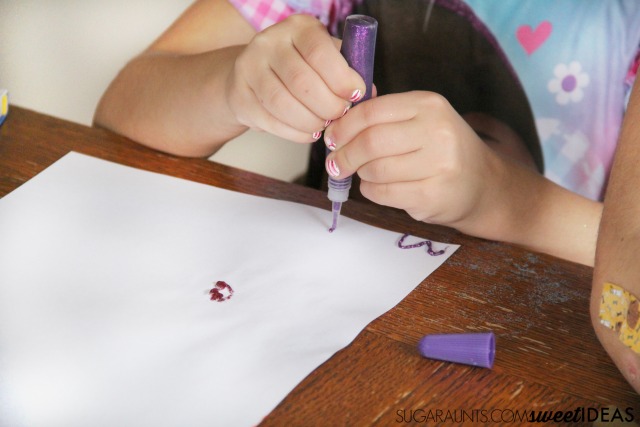
Use glitter glue to make creative lacing cards and fine motor skills development.
 
Just making the watercolors were a fine motor goldmine.  Squeezing glitter glue tubes, sprinkling glitter, and painting with paint brushes of all sizes worked those intrinsic muscles of the hands. 

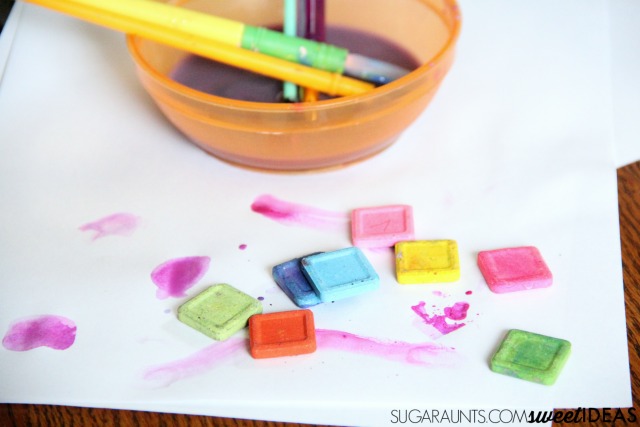
Use watercolor cakes to paint lacing cards and address fine motor skills.


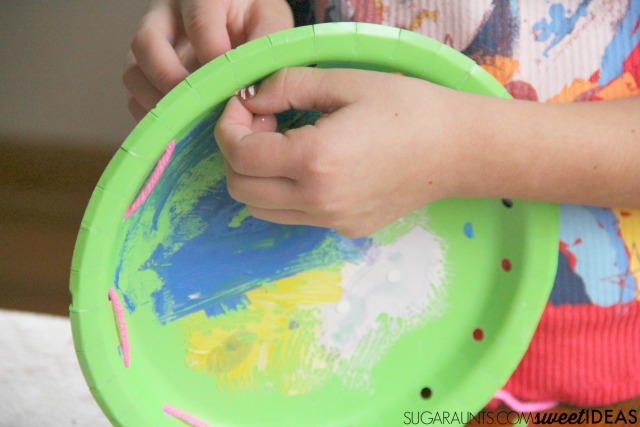
Kids can make lacing cards for fine motor skills.

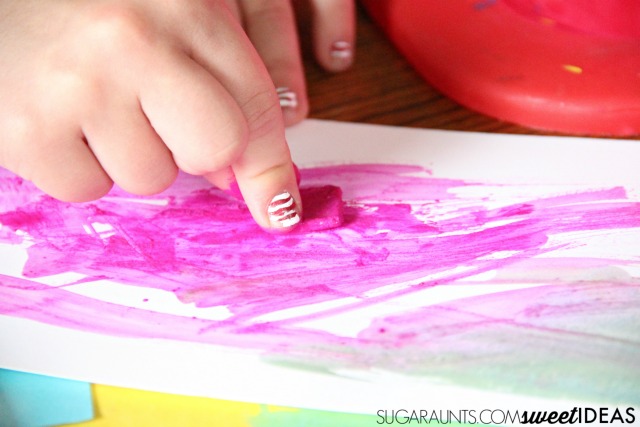
One surprising way that we worked on fine motor skills was using old water color cakes.  I pulled the cakes right from the water color set and showed my kids how to dip them into water and then draw on the paper.  Pinching the wet and messy watercolor cake was a great sensory experience that promoted a tripod grasp.  This is a great way to strengthen the intrinsic muscles of the hand and promote arch development needed for endurance in tasks such as coloring and writing.

 
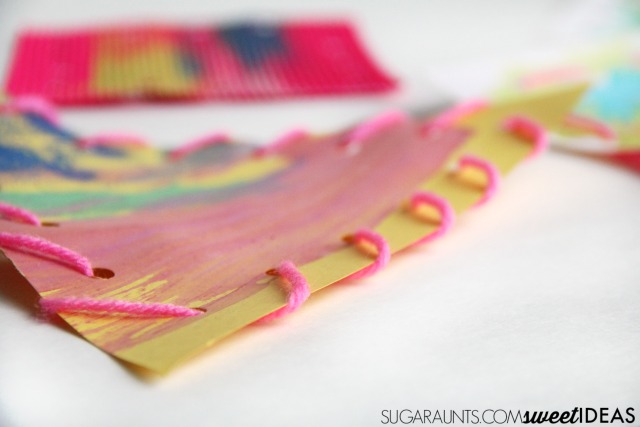
Once our paintings were dry, my oldest daughter and I cut them into large shapes and used a hole punch to create lacing cards.  We used yarn to thread around the holes.  I showed my kids how to stitch the holes in two different ways, going up and down through the holes and also around the edge of the lacing card.  Both techniques great for addressing the fine motor skills described above.

Kids love to make their own lacing cards for addressing fine motor skills.
Lacing cards and fine motor skills go hand in hand with creative activities.
 
These gorgeous watercolor lacing cards are perfect for developing fine motor skills in kids and are great addition to any home, classroom, or therapy clinic…from start to finish!  We’ll save our lacing cards and use them again and again! 
 
I am so excited to be on the Art Workshop for Children blogging team.  You can read more about the book here and read more about the creative activities in the book. 
 
Consider adding Art Workshop for Children to your holiday shopping list!  Pair the book with art supplies for a creative and unique gift idea that kids of all ages will love.  Teachers and therapists will find this book beneficial for the classroom or clinic, too. 

Grab the Art Workshop for Children book for creative art ideas.

Who do you know that would love a creating art gift like this?

Lacing cards and fine motor skills are great for developing the strength in the hands for handwriting and pencil grasp.

Visual Motor Integration Tool with KORXX Blocks

Disclosure: This post was sponsored by KORXX.  All opinions are my own.
 

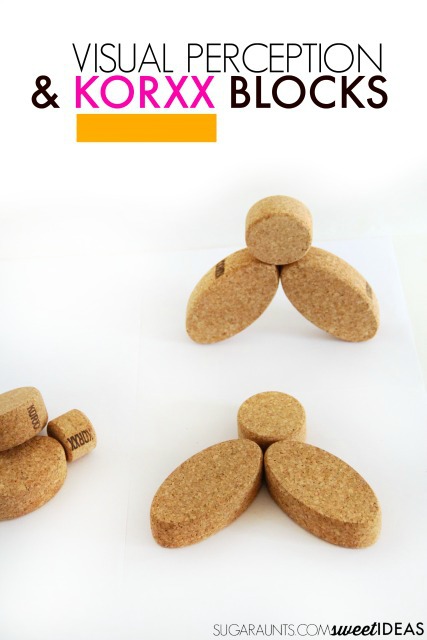
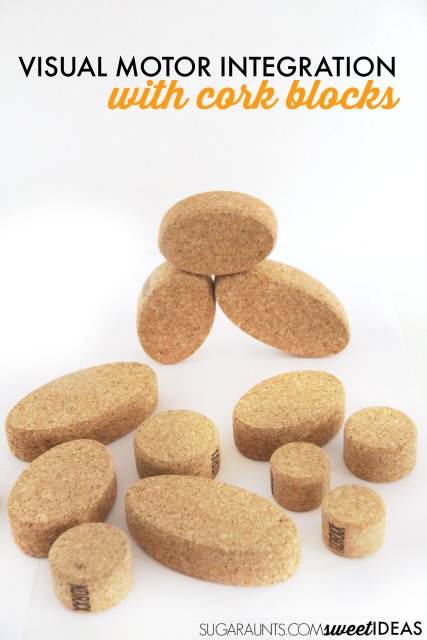
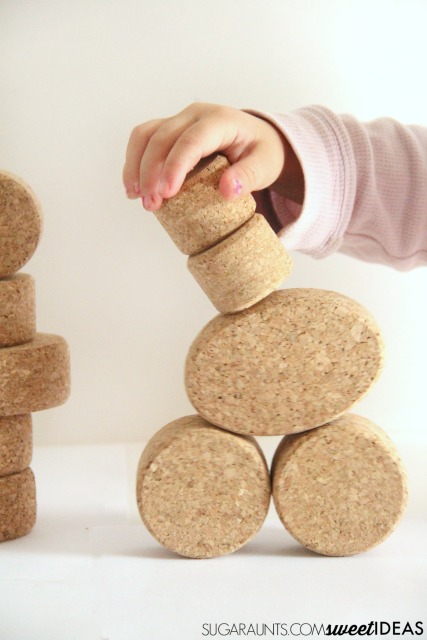
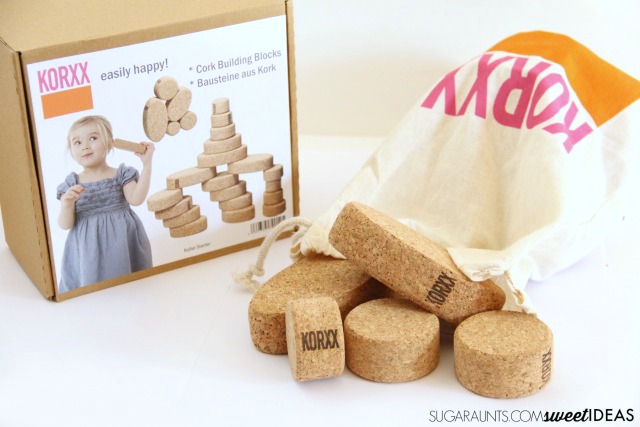
We found a new favorite building toy for play, learning, and imagination, and are so excited to share it with you.  If you haven’t played with KORXX blocks before, you are in for a fine motor and visual motor integration treat.  These cork building blocks are a natural and sustainable and a light material for little builders. We received a set of KORXX blocks to try and had a blast using them for a visual motor integration challenge.  Using blocks to assess and build a child’s visual motor integration skills are an easy way to challenge the skills needed for skills such as handwriting and letter formation and any task that requires the child to use the hands and eyes together in a coordinated and effective manner.  


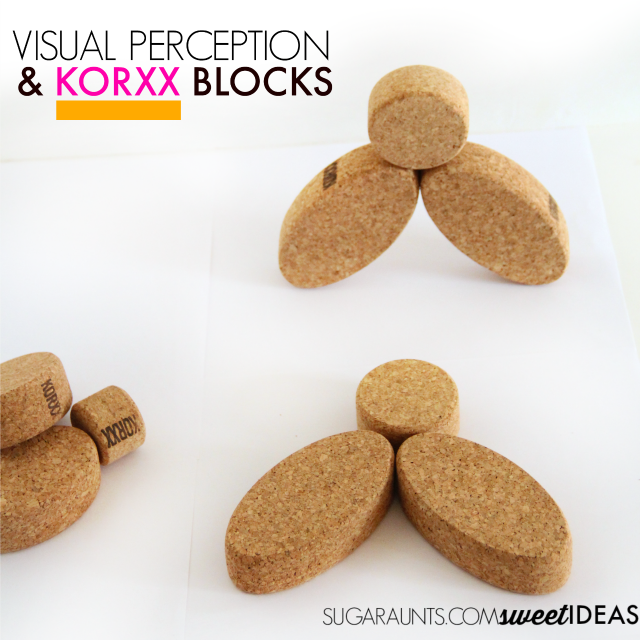
Address visual motor integration in written work by improving visual perception using block copying skills with KORXX cork blocks.
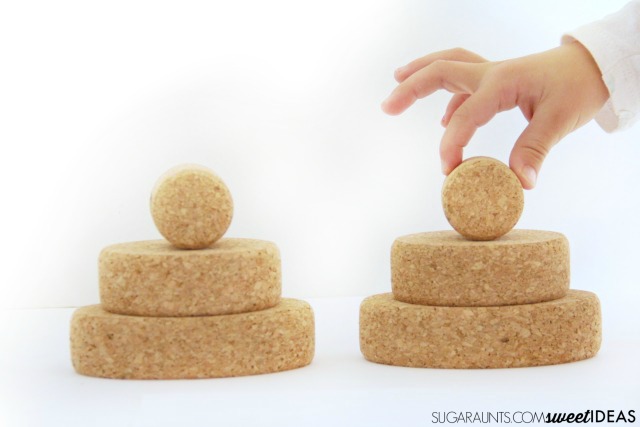
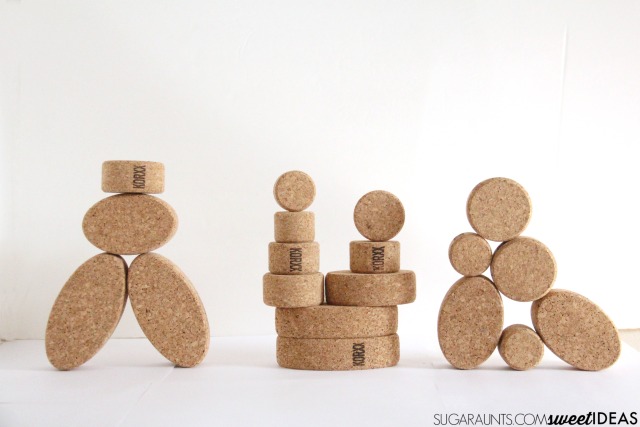
When we played with our KORXX blocks, we were excited to see how the blocks can easily be used to create three dimensional or two dimensional constructions. The therapist in me immediately noted the unique opportunity for addressing visual motor integration skills in this toy! 
 
Address visual motor integration in written work by improving visual perception using block copying skills with KORXX cork blocks.

Visual Motor Integration and KORXX Building Blocks

 
Blocks are quite often used as a therapy tool to address and assess visual motor integration skills.  The fact that blocks are a toy that is common in classrooms, playrooms, and therapy gyms makes using blocks for eye and hand skill needs easy and fun for kids.  
 
Visual motor integration skills are essential for any task that requires the hands to manipulate items based on what the eye perceives.  In that manner, our eyes must perceive certain information and process it to allow our hands to work in an efficient manner to produce written work, catch a ball, manipulate clothing fasteners, or copy and draw shapes and pictures.  
 
Visual motor integration is an essential skill needed for forming and copying letters in handwriting.
Address visual motor integration in written work by improving visual perception using block copying skills with KORXX cork blocks.


Visual Perceptual Skills and Visual Motor Integration

Skills that fall under visual perception are needed for visual motor integration. Skills such as form constancy, visual memory, visual discrimination, visual figure ground, visual closure, and visual sequential memory.
 
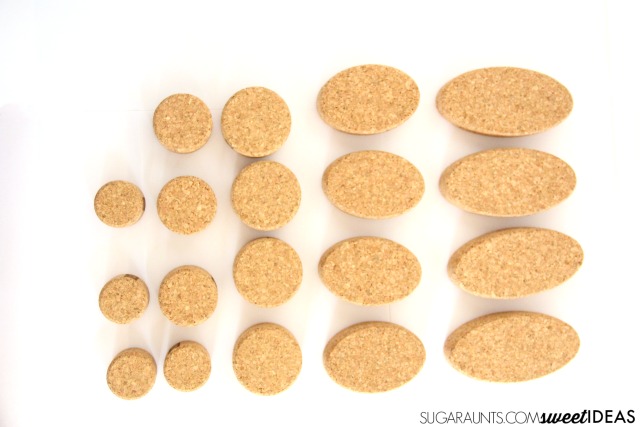
Form Constancy allows us to recognize shapes or letters and numbers no matter what position they might be in.  Blocks positioned on their side or in a different direction are still the same block.  A large oval shaped KORXX block is still a large oval shaped block and can be recognized for use in copying block patterns.
 
Visual Memory allows us to hold a memory in our mind of something we just saw.  It also allows us to recall letter formation when writing.  When we shift our vision to copy written work from the chalk board onto our paper, we are using visual memory to hold and then recreate that piece of information.  KORXX blocks can be used to address this skill by creating a block form in the upright position and then constructing a two dimensional copy of that form with the same shape and sized blocks.
 
Visual Discrimination allows us to discriminate between differences in parts of letters (for example, we are able to see the difference between an “R” and a “P”).  The different sizes in the KORXX block sets are perfect for this visual perception skill.
 
Visual Figure Ground is a skill that allows us to locate and identify items when they are scattered among other items.  Locating a single puzzle piece on a table of puzzle pieces is just on example of this skill.  Use the KORXX blocks to locate needed pieces when they are scattered on the table.
 
Visual Closure allows us to identify an object when we are able to see only a portion of it.  Blocks that are stacked in a scatter on a table surface require visual closure for children to locate specific needed pieces.  They can locate a small oval KORXX block when it is partially covered.
 
Visual Sequential Memory allows us to create words or numbers in the correct sequence.  When building and copying block forms, we need to start with the correct KORXX blocks in order to copy the form.
 
So, using the parts of visual perception is a necessary part of copying letters and words in written work, math problems, and block forms in a play activity!
 
Address visual motor integration in written work by improving visual perception using block copying skills with KORXX cork blocks.
For our block play, we used our Kuller set KORXX block set to copy different forms.  I created a few multi-dimension block forms to add a depth perception component.  I set up blocks in  front of my preschooler and asked her to copy the forms.  By looking for the correct block on the table surface, she had to use all of the visual perception areas described above.  
 
Address visual motor integration in written work by improving visual perception using block copying skills with KORXX cork blocks.
 
This is such a great exercise for kids who are copying written work from an overhead position.  In the classroom, kids might have to copy their homework from an overhead position.  Between using the information they perceive in combination with their motor component of forming letters and manipulating the pencil, there are a lot of areas where illegibility can occur.
 
Address visual motor integration in written work by improving visual perception using block copying skills with KORXX cork blocks.
Try using simpler block copying forms to address visual motor and visual perception needs can be done with forms placed flat on the table surface in a top-to-bottom orientation.  Place the block form on the table and the child can construct their own form directly under the block form.  Limit the number of KORXX blocks that are presented to the child.
Address visual motor integration in written work by improving visual perception using block copying skills with KORXX cork blocks.

A little more information about KORXX blocks:

  • These eco-friendly blocks are all natural and made free of any harmful contaminants. There are no phthalates, dioxins, or other sensory emissions. The product adheres to the guidelines for children’s toys (under 3 years) and the harmonized standard DIN EN 71.
  • The soft and light cork blocks provide excellent stability without slippage. This makes them perfect for grasping by young children.
  • The KORXX bricks are made from natural cork harvested without harming the trees.
 
  • KORXX is an all natural and sustainable building block made from natural cork harvested without harming the trees.
 
You can purchase any of the KORXX block sets here.
 
Address visual motor integration in written work by improving visual perception using block copying skills with KORXX cork blocks.
 

Check out these activities using KORXX blocks:

 
Nature Play with KORXX Blocks from Fireflies and Mud Pies  

Balancing Activities with KORXX Quiet Blocks from Preschool Inspirations


Friendship Gross Motor Activity

friendship activity for preschool

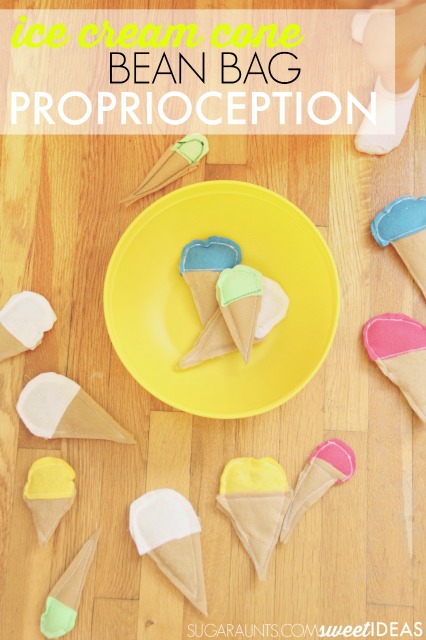
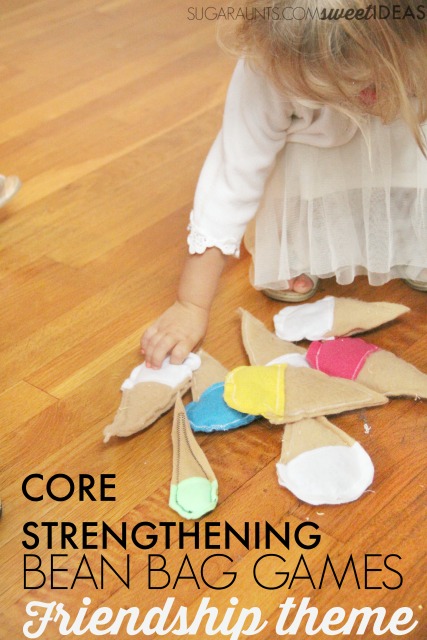
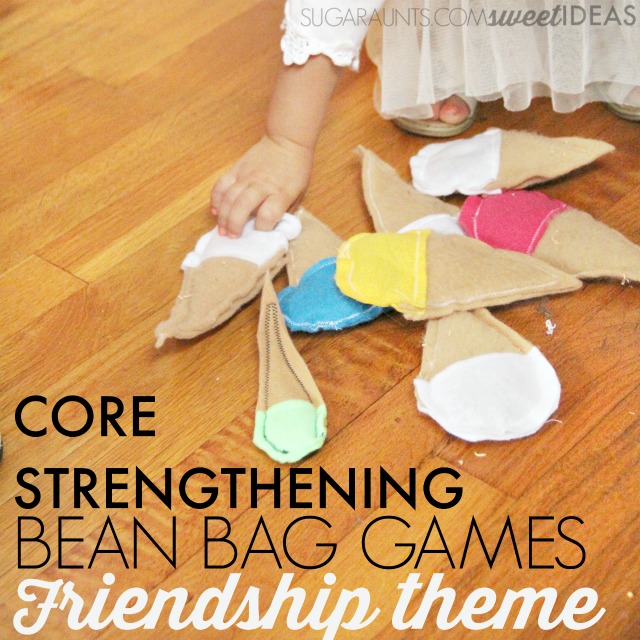
This ice cream gross motor activity is also a fun friendship gross motor activity too! In fact, movement games are a great way to build friendship and establish relationships, especially when team building and problem solving are involved.  Here, you’ll find an ice cream bean bag activity that challenges not only core strength, movement patterns, and motor planning (with an ice cream theme!) but also is a fun friendship activity for a group.

The friendship gross motor activities here are bean bag games that would fit nicely with a movement gross motor activity because it’s just another way to improve core strengthening.

The friendship theme is a bonus, making it a fun friendship activity for preschoolers and younger kids developing from parallel play to associative play to cooperative play.

Use this ice cream therapy activity to add a movement break in the classroom, a creative ice breaker game for a group of new friends, and a playful ways to promote friendship with movement.  

And even better, bean bag games improve core strengthening through whole body movement and these friendship themed games are one that will build memories.

Friendship theme gross motor bean bag activity for kids in preschool, classroom.

Affiliate links are included in this post.

Gross Motor Core Strengthening ActivitY

Building core strength is important for so many reasons: attention, focus, and positioning are just a few reasons to strengthen the core.  Read more about core strengthening and attention here

Use bean bag games in Friendship Activities

There are several reasons why bean bag games are a great addition to any kids’ day. These are the underlying reasons why you’ll see bean bag activities in therapy. But, also bean bag games can be beneficial as a gross motor friendship activity, too.

  • Bean bag games are a great movement and core strengthening activity.
  • They are an easy way to add a movement brain break to classroom activities. 
  • Movement games foster friendship and invite conversation in groups like classrooms, youth groups, play dates, and birthday parties.
  • Bean bag games offer repetition with heavy work, adding proprioception for a calming and organizing activity.
  • Bean bag games offer an opportunity for gross motor visual motor integration skill work, which is necessary for developing the skills needed for handwriting, reading, and learning.
  • Bean bag games allow a child to build core muscle strength.
  • Group games with bean bags build problem solving and group interactions.

For our gross motor friendship activity, we attempted to build core muscle strength through repetition of core muscle building, using a gross motor ice cream theme.  

This would be a good activity for a group setting, however, you could definitely do this activity individually as well.    

We used the ice cream bean bags that we made last summer.  Read more about how to make the ice cream cone bean bags here.    

While any bean bags would work for these friendship movement activities, we used what we had in the house, and they went perfectly with our book for this week, Mo Willems’ Should I Share My Ice Cream.  (Tell me, are your kids as Elephant and Piggy obsessed as mine are???)  

Gross Motor Friendship Ideas

Line up your group of kids.  We played a few different games and they all involved FUN!

  1. Bean Bag Slide– Kids can line up side by side, facing in the same direction. Start with all of the bean bags to the left side of one child.  The first child should reach down and grab one bean bag. They can then slide the bean bag on the floor between their legs, placing it behind them.  The child to their right should lean down and grab the bean bag between their legs.  They can then place the bean bag on the floor in front of their feet.  The child to their right can grab the bean bag and continue it down the line of kids.
  1. Bean Bag Over Head– Kids can sit on the ground one in front of the other.  The bean bags should begin in a pile in front of the first child.  That child can pick up one bean bag and place it over their head to pass it to the next child behind them. That child can grab the bean bag and pass it over their head to the child behind them. Continue down the line.

2. Bean Bag Side to Side– Kids can sit in a line behind one another. The kids should pass bean bags down the line by twisting at the core to rotate their trunk. Continue the bean bag pass down the line.

3. Bean Bag Toss– Kids should line up in a line by standing up a few feet from one another.  One child should pass one bean bag to the next student by tossing a low toss to the next child.  Try to keep the bean bag close to the ground but not touching the ground. Continue to pass bean bags down the line. 

4. Bean Bag Foot Pass– Kids can lie on their backs in a line.  The fist child should use only their feet to pick up one bean bag and pass it to the next child. That child should grab the bean bag using only their feet.  Continue all of the bean bags down the line.

Each of these games can be done in a line or in a circle.  

Friendship activities for preschoolers including a Gross motor bean bag game for a group with a friendship theme.

friendship activity for preschoolers

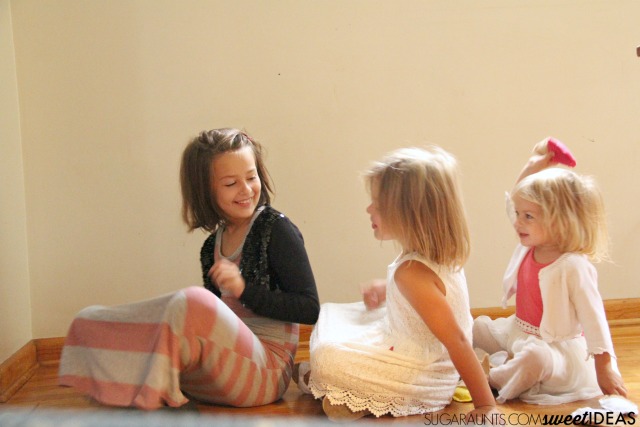
By playing a group game, children can build friendships, foster relationships, problem solve, resolve conflicts, learn from others, and establish many other powerful developmental benefits of group activities.  

For this friendship gross motor activity, we first, read one of our favorite Elephant and Piggy books, Should I Share My Ice Cream.  We then used our ice cream bean bags to play a friendship game together.  As we passed the ice cream bean bags, we shared ways to be helpful.  

Sharing with a friend is just one way to be nice to a friend.  Being helpful at school, making a nice card, or inviting a friend to play are other ways to be nice to a friend. As we passed the bean bags to one another, saying these qualities of a friend allowed us to slow down in the bean bag passing game.  

This way, we could build muscle strength with slow movements.   

While we used the ice cream bean bags, you could read the book and  use any bean bags in your gross motor friendship activity!   What are your favorite bean bag games?  

Want more friendship activities for preschoolers?

In the resource, Exploring Books Through Play, you’ll do just that.

This digital, E-BOOK is an amazing resource for anyone helping kids learn about acceptance, empathy, compassion, and friendship. In Exploring Books through Play, you’ll find therapist-approved resources, activities, crafts, projects, and play ideas based on 10 popular children’s books. Each book covered contains activities designed to develop fine motor skills, gross motor skills, sensory exploration, handwriting, and more. Help kids understand complex topics of social/emotional skills, empathy, compassion, and friendship through books and hands-on play.

Click here to get your copy of Exploring Books Through Play.

Friendship themed bean bag activity for gross motor core strengthening exercise

Check out more Friendship themed activities based on Should I Share My Ice Cream? Simple Friendship Concentration Game from Toddler Approved Spelling Names Ice-Cream Centre from Still Playing School Kind Words Sensory lesson from Preschool Powol Packets Listening Games with Elephant and Piggie from Inspiration Laboratories Making Pumpkin Ice-Cream with Friends from The Educators’ Spin On It Cupcake Cones from Kori at Home Friendship Ice-Cream is a Fun Way to Practice Sharing from Mama Smiles How to Make a Catapult from JDaniel4’s Mom Paper Tube Friendship Bracelets from Clare’s Little Tots How to Make Colour Mixing Ice-Cream from Peakle Pie How to make Happy Faces in a Sand Tray from Big Owl, Little Owl, Whitty Hoots Share the Ice-Cream Fine Motor Game from Views from a Step Stool Pass the Ice-Cream Sharing Activity for Preschoolers from Sunny Day Family Friendship Ice Cream Throw from Adventures of Adam Build 2D and 3D Ice Cream Cones with Friends from Kara Carrero Piggie and Elephant Shape Sorting Activity from Mosswood Connection

Colleen Beck, OTR/L has been an occupational therapist since 2000, working in school-based, hand therapy, outpatient peds, EI, and SNF. Colleen created The OT Toolbox to inspire therapists, teachers, and parents with easy and fun tools to help children thrive. Read her story about going from an OT making $3/hour (after paying for kids’ childcare) to a full-time OT resource creator for millions of readers. Want to collaborate? Send an email to contact@theottoolbox.com.


Bilateral Coordination Lacing Activity and Functional Tasks

Bilateral coordination allows us to use both of our hands together in a coordinated manner.  Coordination of our two hands enables a person to zipper up a jacket, hold a paper with one hand while writing and erasing with the other, and many (many) other functional skills throughout our day.   
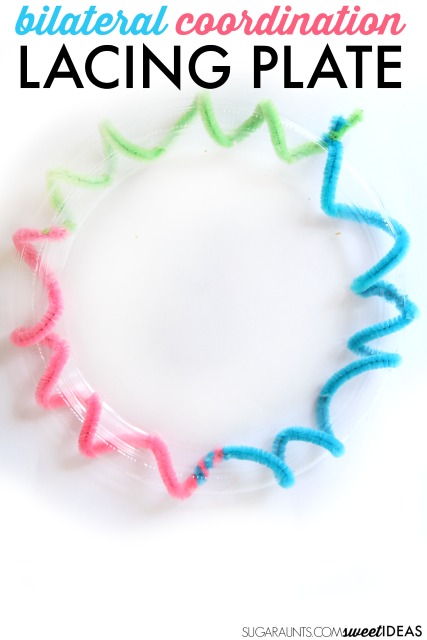
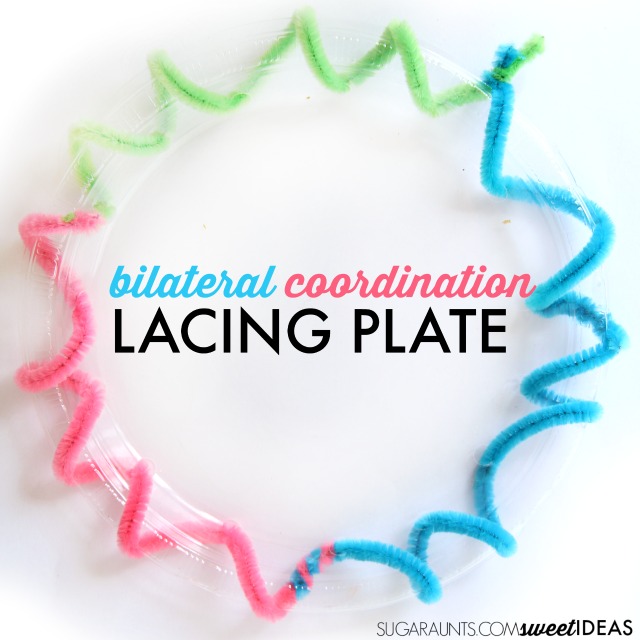
This simple plate lacing activity is a creative way to work on bilateral coordination in order to improve coordination in these areas.  Find more lacing activities here.

This fine motor bilateral coordination activities covers a variety of underlying needs related to motor skills! 


Bilateral coordination activity with lacing a plastic plate to build midline crossing, coordination of the two sides of the body, and hand dominance for improved functional skill motor use.

Using activities like this one to address fine motor skills helps with development of bilateral coordination in skills like self-feeding, handwriting, and more functional tasks. 


Why is bilateral coordination important? 


When bilateral coordination or bilateral integration is intact and progressing appropriately through development, it is an indicator that both sides of the brain are communicating effectively and sharing information during functional tasks.

Younger toddlers and babies can be observed using both hands in play as they pick up objects in their line of sight. However, they typically will pick up items with the hand that is closest to the object or toy.

As toddlers progress in development, they will begin to establish a dominant hand and crossing midline. This ability to utilize a dominant hand and a non-dominant hand in activities indicates a maturation of the brain and lateralization in functional tasks, which is very important for motor planning, directionality, and visual motor skills.


Symptoms of poor bilateral coordination skills can present in a variety of ways in the classroom, fine motor tasks, or functional tasks. 


Bilateral Coordination Activity with Plate Lacing


This post contains affiliate links.

You’ll need just a few materials to create this activity:
Pipe cleaners (We received ours from www.craftprojectideas.com)

Related Therapy Activities: Looking for some indoor bilateral coordination activities like the one shared here? Try our list of Winter Bilateral Coordination Activities.

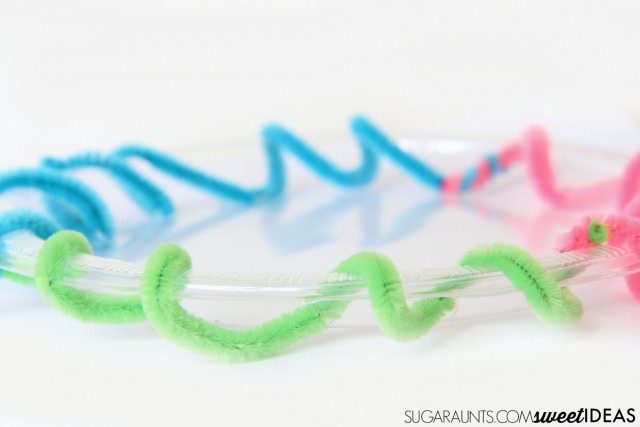
Bilateral coordination activity with lacing a plastic plate to build midline crossing, coordination of the two sides of the body, and hand dominance for improved functional skill motor use.
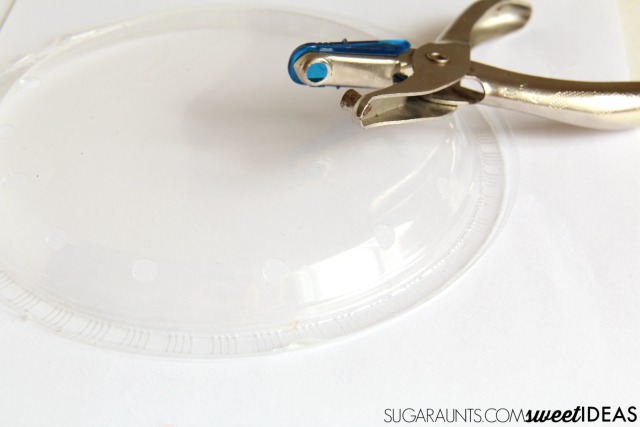
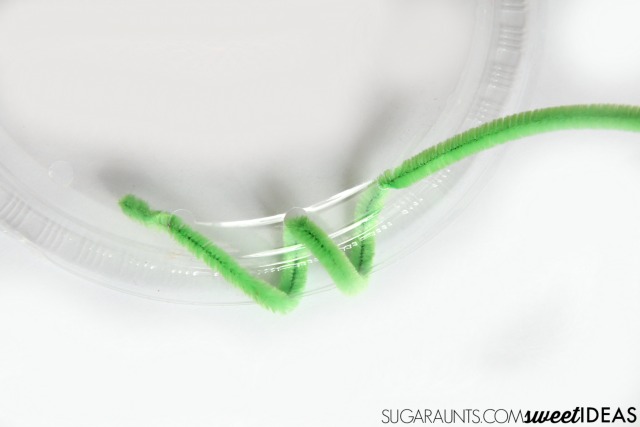
Twist several pipe cleaners together to create a long piece.  Using the hole punch, punch holes around the outside edge of the plate, every two inches.  Start threading.  It’s that easy.  

Bilateral coordination activity with lacing a plastic plate to build midline crossing, coordination of the two sides of the body, and hand dominance for improved functional skill motor use.
Lace the pipe cleaner in any way your child likes, as there is no right way or wrong way while working on bilateral coordination.  Simply holding the plate and threading the pipe cleaner in and out of the holes requires the hands to work together while holding the pipe cleaner with the dominant hand, and moving the plate over and back again as the pipe cleaner is threaded through the holes.

Why Work on Bilateral Coordination? 


Think about all of the daily tasks that you perform on a daily basis.  Your brain’s two sides needs to communicate easily in order for both sides of the body to be coordinated effectively.  Hand dominance and crossing the midline are key parts of  coordinated and fluent movement with the hands in functional tasks.  Read more about hand dominance here.  

This plate lacing activity allows the child to build and strengthen a clear hand dominance by requiring the non-dominant hand to hold and maneuver the plate as the dominant or stronger hand performs the fine motor work. 

Bilateral coordination activity with lacing a plastic plate to build midline crossing, coordination of the two sides of the body, and hand dominance for improved functional skill motor use.
Typically, a child with bilateral coordination concerns will show difficulty with crossing midline, delayed hand dominance, or switching hands between activities or within the same activity.  They will have trouble discerning left from right and knowing which hand they prefer to write or color with. They might also have impaired or delayed kinesthetic sense. 

Bilateral coordination activity with lacing a plastic plate to build midline crossing, coordination of the two sides of the body, and hand dominance for improved functional skill motor use.

Activities that require Bilateral Coordination

Clapping
Coloring
Writing
Climbing Stairs
Riding a bike
Jumping Rope
Kicking a ball
Catching a ball
Hopscotch
Using a fork/knife
Cutting with scissors
Typing 
Texting
Playing a piano
Climbing playground equipment
And any task that requires the two sides to work together!

You’ll love these bilateral coordination ideas: 

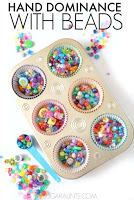
 Scooping and pouring fine motor and hand dominance with beads

https://www.theottoolbox.com/2015/11/benefits-of-playing-with-stickers-occupational-therapy.html   

Fine Motor Feather Burlap Weaving

burlap feathers lacing activity
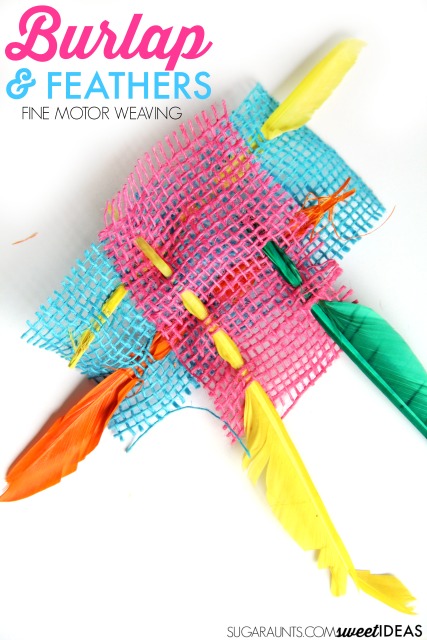
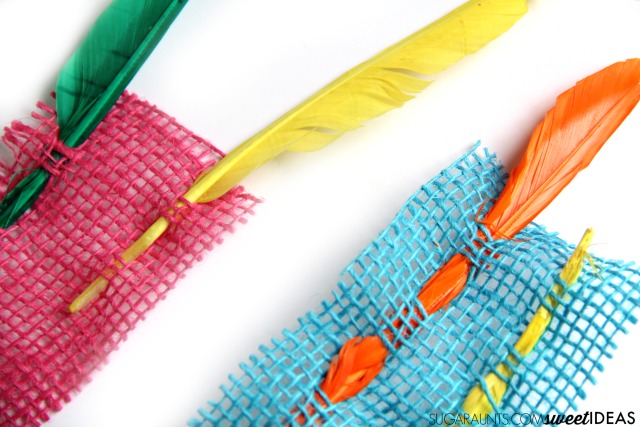
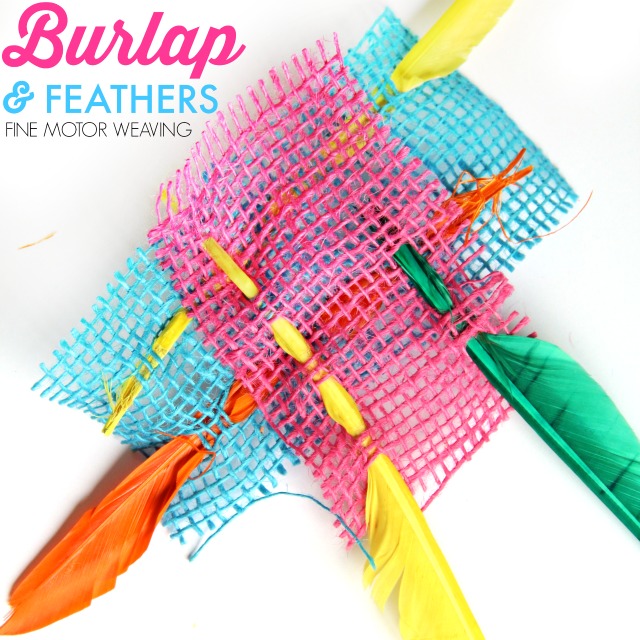
Fine motor feather burlap weaving activity is a creative way to build many fine motor skills  needed for functional tasks.  This creative weaving activity uses a few materials you might have in your craft area or can be easily found in craft stores.  Grab some feathers and get ready to work on those fine motor skills! If you re looking for easy ways to sneak in bilateral coordination skills, we’ve got a ton to share! 
 
For another fun fine motor activity with feathers, be sure to check out this beaded feather activity
 
 
Fine motor feather burlap weaving activity to build fine motor skills
 

Burlap Weaving Activity

 
This post contains affiliate links.
 
This fine motor activity was last minute project that used feathers and burlap ribbon in a couple different colors.  
 
Weaving colorful feathers and colored burlap fine motor activity
 
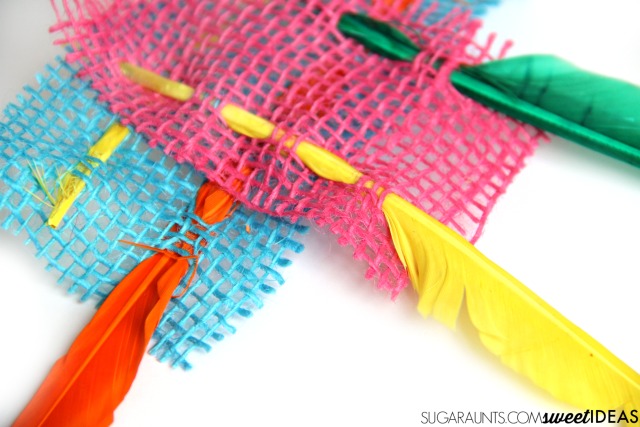
To work on fine motor skills with this weaving activity, cut the burlap ribbon into squares.  Then, start weaving the feathers through the holes of the burlap material.  There is no right or wrong way to complete this activity.  It’s a true process art activity that works on so many fine motor skills.
 
Overlap pieces of burlap ribbon for a colorful collage art that is hands-on and multi-textural.
 
Feather and burlap fine motor activity for kids


Neat Pincer Grasp Fine Motor Activity Buttoning Tips and Tricks http://www.sugaraunts.com/2015/11/benefits-of-playing-with-stickers-occupational-therapy.html


Try “racing” one feather against another in a piece of burlap ribbon.  This is a great way to build spatial and positional awareness as well as eye-hand coordination.  

Weaving Burlap Fine Motor Skills

When weaving burlap, there are many fine motor skills that are addressed.

So, what exactly are you working on when completing this project?

Threading the feathers through the holes of the burlap ribbon is a fun way to work on many skills needed for skills like pencil grasp, handwriting, manipulating clothing fasteners, and tying shoes.  

Click on each of the links above to read more about that skill area as well as additional creative activities designed to build that particular area.  

Weave feathers through burlap for a fine motor activity.

Looking for more easy fine motor activities?  Try these: 

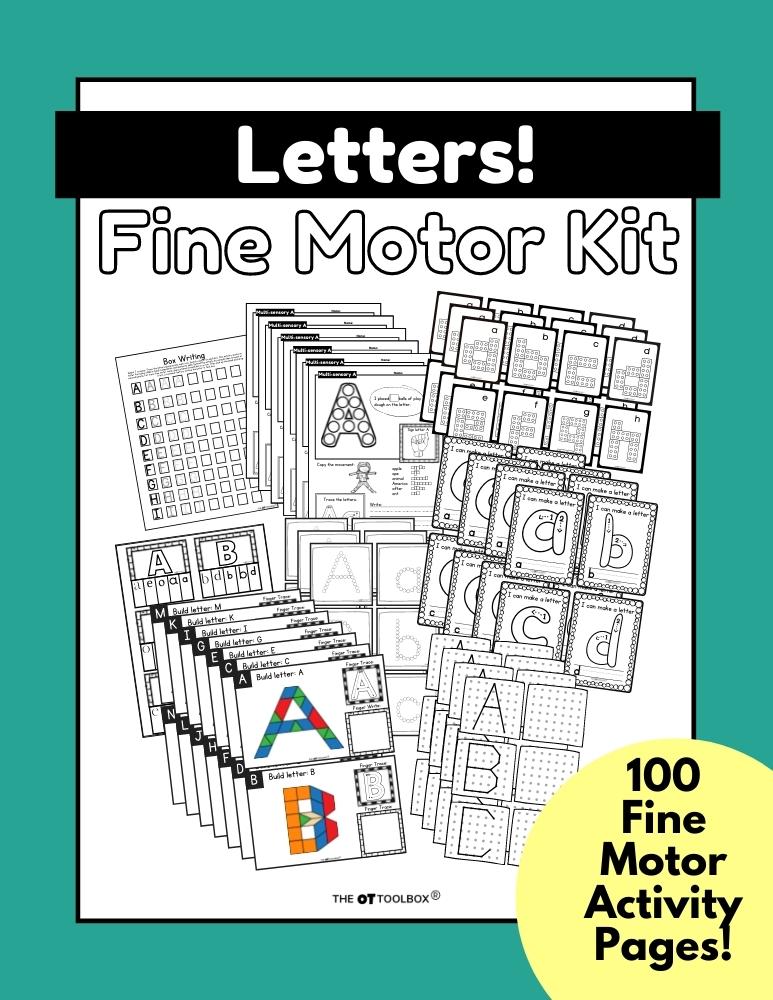
You’ll find more bilateral coordination and fine motor activities in our Fine Motor Kits:

Working on fine motor skills, visual perception, visual motor skills, sensory tolerance, handwriting, or scissor skills? Our Fine Motor Kits cover all of these areas and more.

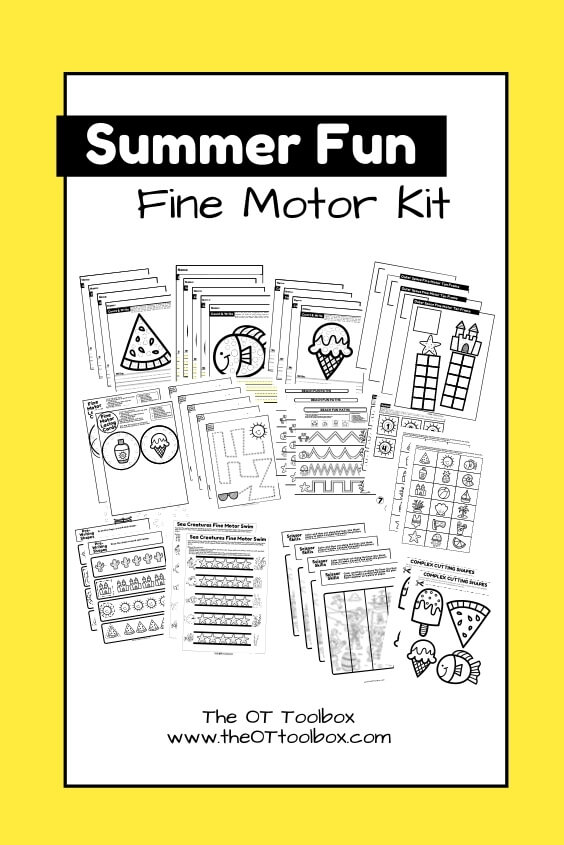
Check out the seasonal Fine Motor Kits that kids love:

Or, grab one of our themed Fine Motor Kits to target skills with fun themes:

Want access to all of these kits…and more being added each month? Join The OT Toolbox Member’s Club!

Colleen Beck, OTR/L has been an occupational therapist since 2000, working in school-based, hand therapy, outpatient peds, EI, and SNF. Colleen created The OT Toolbox to inspire therapists, teachers, and parents with easy and fun tools to help children thrive. Read her story about going from an OT making $3/hour (after paying for kids’ childcare) to a full-time OT resource creator for millions of readers. Want to collaborate? Send an email to contact@theottoolbox.com.
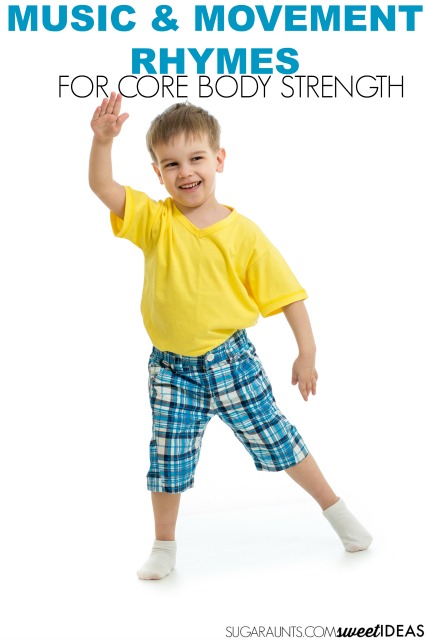
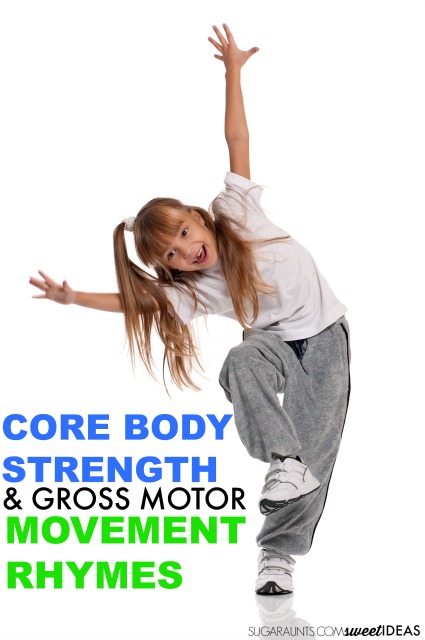
Core Strengthening with Music and Movement

Kids love to move and wiggle.  They also need the strengthening that occurs as a result of all of that moving and wiggling.  Today, I’ve got fun ways to build the core body strength using music and movement songs and rhymes.  These are childhood classics that are fun to pass on to kids!

When children have a strong core (or trunk), they are able to sit up at a desk, play on the floor without drooping or slumping, write with a functional position, and even dress themselves more easily.  Strength of the core body is essential for every childhood function, and even allows the child to pay attention more easily. 

Core strengthening with movement and music rhyming songs for kids

Core Body Strengthening with Music and Movement Songs

This post contains affiliate links.


Think back to your childhood.  Are there games or activities that you recall doing in carefree childhood play?  Some of those music rhyming games can be used to work on strength and stability of the body’s trunk. 


Try these core body strengthening ideas. I love all of the creative exercises and activities for building strength in the trunk. Plus, these are great tools for posture exercises for kids.

Core strengthening with movement and music rhyming songs for kids

Music and Movement Rhymes for addressing core body strength:
I’m a Little Teapot
Head Shoulders Knees and Toes
Row, Row, Row Your Boat
Teddy Bear Teddy Bear Turn Around
If You’re Happy and You Know It
Hokey Pokey
The Wheels on the Bus


Try these rhyming games to work on the strength of the upper body with your kids, all while having fun and inducing giggles!

What should you do when weak core muscles impact handwriting?

Strengthening the core can have a HUGE impact in handwriting!  

Core strengthening with movement and music rhyming songs for kids

Do you have any favorite movement and music rhymes from your childhood?

Improve Handwriting with Art

There are some kids out there who absolutely HATE handwriting.  Let me re-phase that.  There are a ton of kids who completely despise to their core the act of working neat handwriting, pencil grasp, slowing down so people can read their words, and writing on the lines.  A ton.  I’ve worked with many (many!) kids like this.  I’ve recommended fun activities to about a zillion parents and teachers of these kiddos.  It just isn’t fun and it is work for them.  Poor handwriting can result from so many factors: fine motor development, motor planning, visual perceptual skills, and attention, are just a few of the areas that interfere with neatness in written work.  

So how do you possibly get through to build those areas up when the child is resistant to pick up a pencil and copy written work? 


You make it completely NOT handwriting practice.


I’ve got a super creative way to sneak in skills like pencil control, line awareness, spatial awareness, and letter formation.  And kids won’t realize they are building their ability to write on lines, space between words, and form letters the correct size.  And it all uses art!


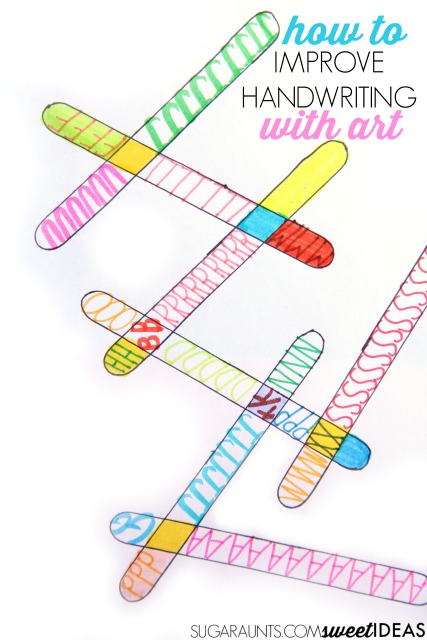
Work on handwriting skills like line awareness, letter formation, pencil control, spatial awareness, and bilateral coordination with tangle art!


Work on Handwriting with Tangle Art


Affiliate links are present in this blog post. 


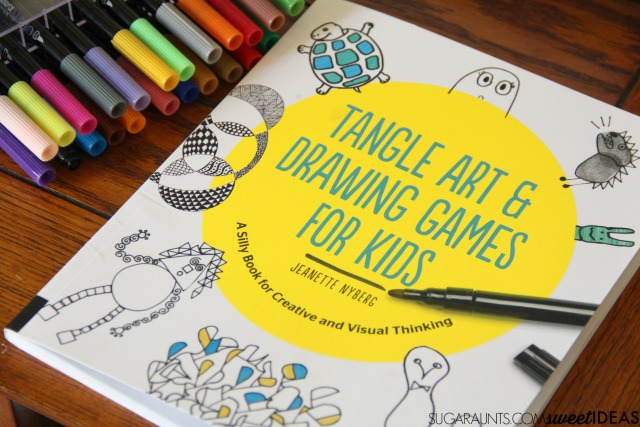
I was lucky enough to snag a copy of my friend Jeanette’s new art book, Tangle Art Drawing Games for Kids: A Silly Book for Creative and Visual Thinking.  This book is completely creative with easy and fun ways to get arty.  I flipped through the book and loved every single project.  They are no-prep art ideas that require only a pen and paper for most of the ideas.  You could do every project in the book and then go back to the beginning and re-do them all and still be inspired to create new and fun art.  


Seriously, the new favorrite book in our house is Tangle Art Drawing Games for Kids: A Silly Book for Creative and Visual Thinking!


One project in the book drew me in when i saw it.   Ice pop stick tangle art is the perfect workout to build the skills needed for neatness in handwriting while creating fun art.  

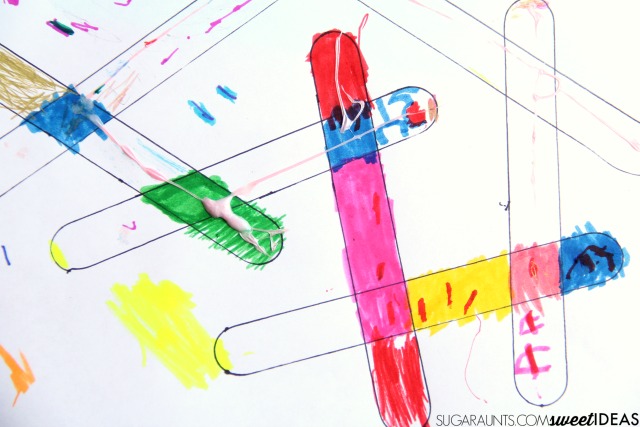
We followed the directions in the book to make shapes using craft sticks.  Just tracing the craft sticks is a great way to work on bilateral coordination.  When a child writes, it is essential that they hold the paper with their non-dominant hand.  Then need to stabilize the paper in order for the pencil to glide across the page.  


Just try writing without holding the pencil and you will notice a difference in neatness.  This small task is often one that slides when kids loose attention in a handwriting task.  You might see them slouch over at their desk and write without holding the paper.  


Tracing those craft sticks is a nice way to physically attend to the bilateral coordination needed in handwriting tasks. 


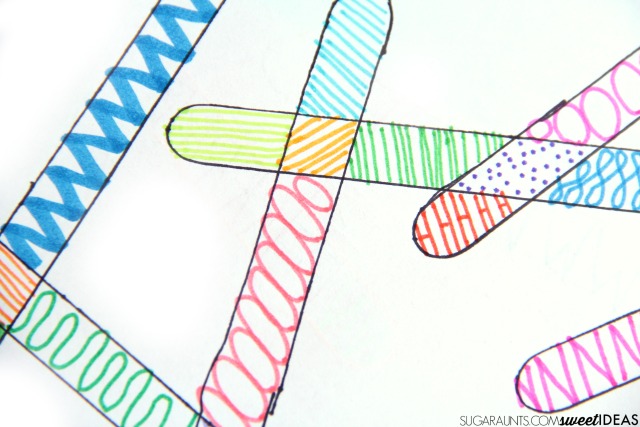
We used both the jumbo-sized craft sticks and the regular size to build more pencil control.  Use a sharpie marker to get a thicker line for building line awareness. 


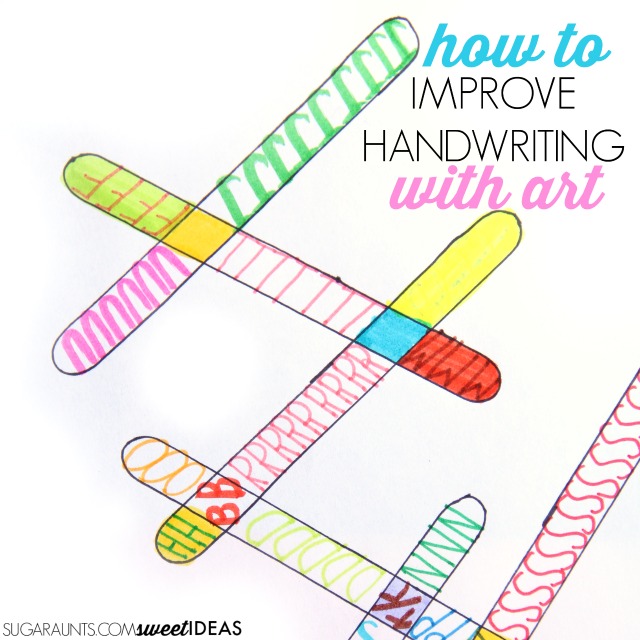
After you’ve got your shapes on the paper, hand over a bunch of brightly colored fine point markers.  You can do some tangle art that is described in Tangle Art Drawing Games for Kids: A Silly Book for Creative and Visual Thinking or you can make letters and numbers in the craft stick shapes. Try adding color to a section and then make shapes and letters in the color.  


It is fun for kids to make hidden messages in the shapes by spelling out a name or word with all of the letters.


Work on handwriting skills like line awareness, letter formation, pencil control, spatial awareness, and bilateral coordination with tangle art!

If your kiddo is VERY anti-letters, try working on spatial awareness and pencil control by practicing the writing strokes needed for letter formation.  Instruct them to make counter clockwise circles close to one another, diagonal lines, horizontal and vertical lines, and mountain shapes.  


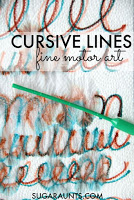
Encourage them to use those fine point markers to write very closely spaced lines.  We also tried a few cursive line formations.  


Work on handwriting skills like line awareness, letter formation, pencil control, spatial awareness, and bilateral coordination with tangle art!

For the younger crowd, this activity is great for pre-writing skills, too.  Coloring in the shapes encourages the motor skills needed to move the pencil in handwriting.  


Work on handwriting skills like line awareness, letter formation, pencil control, spatial awareness, and bilateral coordination with tangle art!

Now go off and make art while working on handwriting!  Don’t forget to grab your copy of  Tangle Art Drawing Games for Kids: A Silly Book for Creative and Visual Thinking!  You will love it!!

Work on handwriting skills like line awareness, letter formation, pencil control, spatial awareness, and bilateral coordination with tangle art!

Intrinsic Hand Muscle Strengthening with Tongs

Handwriting legibility and hand strength are closely tied.  You might say they go hand-in-hand.  (I had to go there!)  

 
This easy fine motor tong activity is designed to build some of the muscles needed for managing a pencil.  The intrinsic muscles are the muscles in the hand that define the arches of the hands, bend the knuckles, and oppose with the thumbs.  


Among these muscles are a group called the lumbricals.  The lumbrical muscles have a job to bend (flex) the MCP joints and extend (straighten) the PIP and DIP joints.  When the lumbricals are in action, the hand might look like it is holding a plate with the big knuckles bent and the fingers extended.  


Use kitchen tongs to work on the lumbrical intrinsic muscles of the hands to build strength in handwriting, using tongs for this color search and hand eye coordination activity for kids.


Lumbrical Muscles of the Hands and Handwriting 

This post contains affiliate links.


The lumbrical muscles of the hands are important in handwriting.  They are used to hold the pencil in a functional grasp.  Advancing the pencil in an upward motion using the joints of the fingers require strength and endurance of the lumbrical muscles.  Forming letters like upstrokes in cursive letters and the re-trace of letters like a, d, g, h, m, n, p, q, r, u, v, and w require upward pencil strokes.


Hand strength can be developed through many creative, hands-on activities, like blocks and rubber bands or rolling balls of play dough.  This kitchen tong activity is another fun way to work on important skills. 
 
Use kitchen tongs to work on the lumbrical intrinsic muscles of the hands to build strength in handwriting, using tongs for this color search and hand eye coordination activity for kids.
 
 
A quick and easy way to develop and strengthen the lumbricals is a tong activity like this one.  Use a large kitchen tong utensil to grasp items.  We used this kitchen tong, but any large tong would work for this strengthening activity.  Foam blocks are a nice size and make a great hand-eye coordination exercise for children with the tongs.  Fill a bin with water and add in the foam blocks.  Ask your child to grab the blocks as you call out colors for a color identification activity.


Idea:  Re-use the blocks to build MORE fine motor skill development like we did here.

Use kitchen tongs to work on the lumbrical intrinsic muscles of the hands to build strength in handwriting, using tongs for this color search and hand eye coordination activity for kids.


Using tongs to work on handwriting

It is important to notice the position of your child’s hand on the tongs in activities like this one.  You want to see a slightly extended wrist and tongs UNDER the hand to work on lumbrical muscle strength.  This is different than a task geared toward building precision and thumb intrinsic muscle strength. 

Use kitchen tongs to work on the lumbrical intrinsic muscles of the hands to build strength in handwriting, using tongs for this color search and hand eye coordination activity for kids.


More intrinsic muscles needed in handwriting

The muscles used in handwriting can be broken up into two actions.

The muscles: 
  • flexor digiti minimi, abductor digiti minimi and opponens pollicis & digiti minimi are referred to as the hypothenar muscles work to stabilize the ulnar side of the hand during handwriting. 
 
The muscles:
  • abductor pollicis brevis, flexor pollicis brevis, and opponens pollicis work to rotate the thumb for manipulation of the pencil.  
  • Adductor
    pollicis strengthens thumb opposition.
 
Looking for more ways to use tongs and fine motor tools in learning?  Try these:


Use kitchen tongs to work on the lumbrical intrinsic muscles of the hands to build strength in handwriting, using tongs for this color search and hand eye coordination activity for kids.Use kitchen tongs to work on the lumbrical intrinsic muscles of the hands to build strength in handwriting, using tongs for this color search and hand eye coordination activity for kids.


Looking for more strengthening exercises for hands?  Try these:
 

 fine motor writing activity Pencil Grasp Activity Pencil Grasp Exercise Thumb opposition activity
 

Colleen Beck, OTR/L has been an occupational therapist since 2000, working in school-based, hand therapy, outpatient peds, EI, and SNF. Colleen created The OT Toolbox to inspire therapists, teachers, and parents with easy and fun tools to help children thrive. Read her story about going from an OT making $3/hour (after paying for kids’ childcare) to a full-time OT resource creator for millions of readers. Want to collaborate? Send an email to contact@theottoolbox.com.