Free Virtual Connect 4 Game

Virtual Connect 4 Game

Today I have another fun virtual therapy activity: A therapy board game Connect 4! This therapy slide deck is a free virtual Connect 4 game designed for occupational therapy services (or other therapy services) that combine motor skills with visual perception and eye hand coordination. Therapeutic games are nothing new; Occupational therapists use board games in therapy services all the time to address function and independence skills. This therapy game is a bit different: it builds skills in kids through game play, and is a fun game for teletherapy.
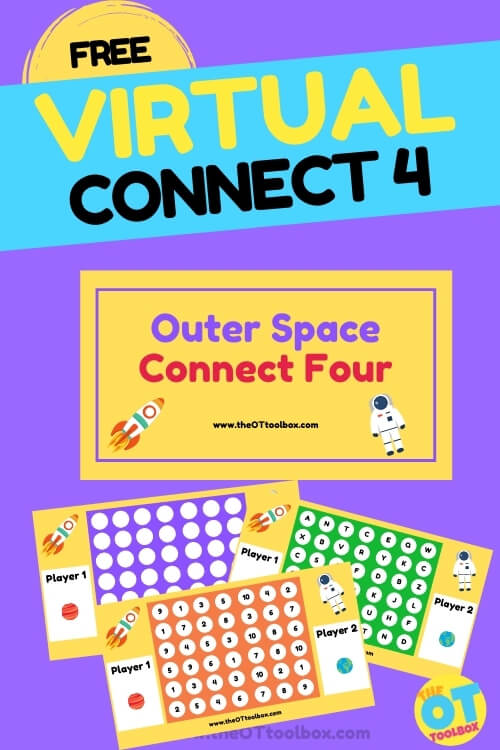
Grab this free virtual Connect 4 game for building skills in occupational therapy, using a outer space connect 4 game!

Therapy Board Game

We’ve shared virtual games and board games to use in therapy previously on this site. Some games are great for helping kids develop specific skills:

Today’s virtual Connect Four game is just as much fun, and it’s a great tool to add to your therapy toolbox!

Virtual Connect 4

When it comes to teletherapy services, it can be hard to incorporate game play into therapy sessions in a way that addresses functional goals like handwriting, motor skills, or self-regulation. This virtual Connect 4 game does just that!

This game is a Google slide deck and one of our free slides that can compliment therapy services, both online or in face-to-face sessions.

To play the game, you’ll add the free slide deck to your Google drive, pull up the slide deck during therapy sessions, and work on a variety of skills. To use this game in distance therapy situations, you can send the link to students and you’ll each play on your own computers, watching as the edits are made to the slide deck. (Be sure to make a copy and send that specific link to a student- this way your student has their own copy of the slide deck on their Google drive.)

The game is just like the classic Connect 4 game: try to get four in a row and block the other player from getting four in a row.

This particular Connect 4 game has an outer space theme. So, the game pieces are planets! Check out more space theme activities below.

When suing the Connect 4 game in therapy, kids can work on the following skills:

  • Visual perception
  • Visual motor skills
  • Eye hand coordination
  • Fine motor skills
  • Mouse use/keyboard use
  • Finger isolation

The virtual Connect 4 game includes handwriting slides, so that when users place the game pieces, they cover a letter or a number. These are designed to promote handwriting skills and number formation skills.

Use the handwriting slide to work on letter formation, word writing, sentence writing, and copying skills.

Use the number slide to work on forming numbers, writing number words, or even gross motor skills: kids can do a motor activity like jumping jacks to animal walks the same number of times as the number they covered with their game piece.

To reset the game pieces:

  1. When you are done playing, just hit the EDIT HISTORY link.
  2. Look on the right side bar for “Version History”.
  3. Click the box that says “Reset Game”.
  4. Then go to the top left corner of the screen where there is an arrow pointing left. Click this arrow.
  5. All of the movable game pieces will be reset to their original spots. You can start the game over again.

This Space Connect 4 game will be a hit in your therapy sessions (or at home and in the classroom!)

More space activities for therapy

You can add this virtual Connect 4 game to these other Space theme activities, to help with therapy planning:

Free Virtual Connect 4 for Therapy

Want to add this free slide deck to your therapy toolbox? Enter your email address into the form below and you’ll gain access to this slide deck on your Google drive.

For those using school district, university, or organization emails- You may have trouble accessing the free slide deck due to increased security warnings. To get around this, try entering a personal email address.

Free Virtual Connect 4 Game for Therapy!

    We respect your privacy. Unsubscribe at anytime.

    Colleen Beck, OTR/L has been an occupational therapist since 2000, working in school-based, hand therapy, outpatient peds, EI, and SNF. Colleen created The OT Toolbox to inspire therapists, teachers, and parents with easy and fun tools to help children thrive. Read her story about going from an OT making $3/hour (after paying for kids’ childcare) to a full-time OT resource creator for millions of readers. Want to collaborate? Send an email to contact@theottoolbox.com.
    Outer Space Fine Motor Kit

    NEW RESOURCE: Outer Space Fine Motor Mini-Pack!

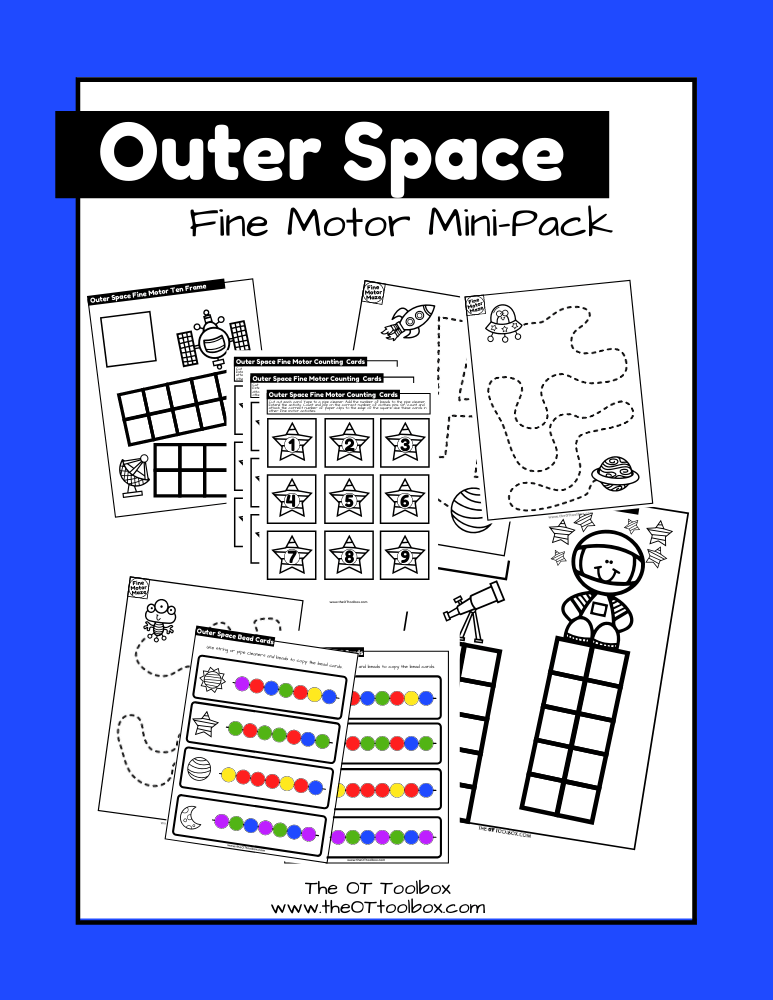
    Working on fine motor skills? Know a child who loves all things outer space? This Outer Space Fine Motor Mini-Kit is for you!

    Work on grasp, hand strength, eye-hand coordination, handwriting, scissor skills, and all things fine motor with this Outer Space fine motor mini-kit.

    Addressing hand strength, endurance, and precision is out of this world fun!

    Includes:

    • Fine Motor Mazes
    • Fine Motor Ten Frames for motor activities
    • 1-20 Star Counting Cards
    • Bead Copying Strips
    • Space Alien Directed Drawing Sheets

    Grab your copy of this no-prep Outer Space fine motor worksheet set!
    What are Primitive reflexes?

    what are primitive reflexes

    Have you even heard the term reflexes and wondered what are primitive reflexes? One of the many things that your newborn’s pediatrician will check periodically is their primitive reflexes. The existence of reflexes can be a great marker for neurological health in people of all ages, as they are controlled by the nervous system – the brain, spinal cord, and nerves. Primitive reflexes develop in the womb and are integral to an infant’s survival and future development. Below we will break down each of these reflexes and their purpose. Be sure to read our blog on retained primitive reflexes as well, to discover how to support reflex integration.

    what are primitive reflexes

    Related: Books About Primitive Reflexes 

    What are Primitive Reflexes?

    As infants develop into toddlers, these reflexes should do what health care professionals call “integration”. The response that comes with the primitive reflex should integrate into a more mature or voluntary movement.

    If they are still present long after they should have integrated, the child will display certain characteristics specific to the retained reflex, many of which hold back their development and academic skills. 

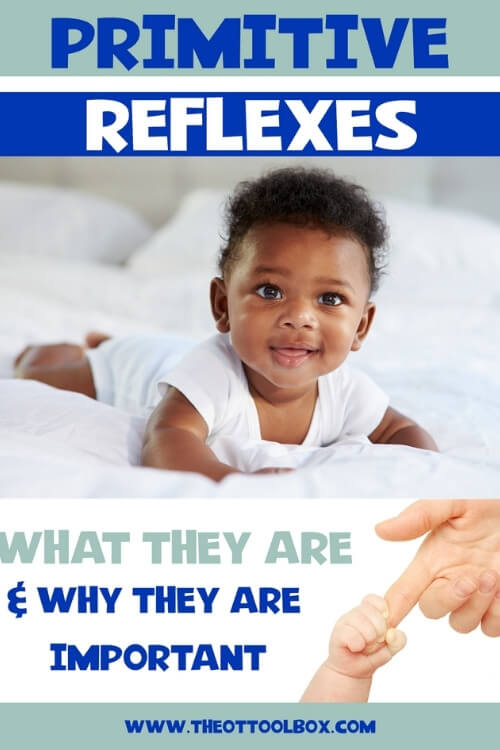
    Let’s begin with the most easily noticeable reflex that babies have: the palmar reflex. This is also known as the grasping reflex. You will see this when you place your finger into the palm of an infant’s hand, and they hold on tight. This is an adorable response that can make you feel pretty special, but it is involuntary up until about 6 months of age when the reflex should disappear. 

    PALMAR REFLEX

    The palmar reflex is important for the development of purposeful grasping, something that an infant is learning throughout their first year of life. 

    Fun Fact: if your baby is holding your hair in a death grip because of this reflex, stroke the back of their hand with your finger – it should initiate a release of the grasp. 

    ROOTING REFLEX

    The rooting reflex is one of the main “survival” reflexes. The rooting reflex can be elicited by stroking an infant’s cheek with your finger, or more likely, a bottle or breast nipple. This is because when the cheek is stimulated, the infant will turn his or her head towards that stimulation. 

    If you ever need your baby to pay attention to their feeding, try giving their cheek a little stroke or tap so they turn towards the feeding source. This response should be seen in infants up until about 4 months of age. 

    SUCKING REFLEX

    Similar to the rooting reflex, the sucking reflex is necessary for an infant’s feeding abilities. To stimulate the sucking response, touch the roof of the infant’s mouth and they will automatically begin sucking. 

    Most infants learn this skill very quickly (they do get tons of practice, after all!) and the reflex will disappear by about 2 months old. 

    MORO REFLEX

    This reflex is the first of three on this list that is a response to a change in body position. Also known as the startle reflex, the Moro reflex can be seen by gently dipping a baby’s head and neck backward, as if they are falling. It can also be elicited by other stimuli like a startling noise or a drastic change in temperature. 

    The response that you will see in the baby is that of fear – their arms, legs, and head will reach out and then tuck back in – jerking their body back and forth. They may also open and close their hands and may even cry. The movement that is created by a startling stimulus is to protect your baby and allow them to move away from the stimuli even before they can control their own movements. Pretty cool, huh?

    You may notice the startle reflex really kicking in around 1 month old. If your baby is inconsolable and moving around their body in this way, securing supporting their bottom and their head should help them realize that they are safe. By six months old, or as early as two months, this reflex will disappear. 

    TONIC LABYRINTHINE REFLEX

    The tonic labyrinthine reflex (TLR) is used for head and postural control. We know that baby has poor control of their head and neck when they are born, and this reflex is part of what helps them gain control over this part of their body. 

    It’s important to know that posture in kids that impact functional performance (sitting at a desk for example) can be a result of a retained reflex and this is an area that is sometimes overlooked.

    The TLR can be seen when moving the head and neck forward and backward. When the head moves forward toward the chest, the arms and legs bend and the baby assumes the fetal position. When the head moves back away from the chest, the arms and legs straighten. You can see this really well during tummy time! 

    The TLR will disappear by about 4 months old so that more advanced reflexes and movements can begin development. 

    ASYMMETRICAL TONIC NECK REFLEX

    Last on the list of movement-based reflexes is the asymmetrical tonic neck reflex (ATNR). As the name suggests, this reflex has to do with the neck. You can see the reflex if you turn a baby’s head to one side while they are laying on their backs. They will reflexively straighten their arm and leg on the side that they are looking, and bend the arm and leg of the other side. That is where the asymmetrical part comes in: their left side and right side of their body are opposite. They look a bit like an archer, about to shoot an arrow. 

    This reflex is important in the birthing process, as the motions of the head can control the movement of the rest of the body help the baby through the birth canal. It is also important to the initiation of crawling, as the arms and legs move as a baby turns their heads while on their belly. For this same reason, the ATNR is crucial to the development of hand-eye coordination. 

    The ATNR disappears around the time an infant is gearing up for crawling, around 6 months old. 

    MORE ON PRIMITIVE REFLEXES

    There are a few more infant reflexes that we did not mention, and you can check them out if you are looking to learn more!

    The Spinal Galant Reflex, the Babinski Reflex, the Landau Reflex, and the Symmetrical Tonic Neck Reflex (STNR) are some that we missed in this article. The Landau and the STNR are actually not primitive reflexes, as they develop after the baby is born, but they are developmentally important nonetheless! 

    Luckily, we have a resource to share that covers these reflexes and much more…

    Check out this primitive reflexes course. (affiliate link)

    Assessment And Integration Of Primitive Reflexes For Improved Independence In Daily Activities is a course on primitive reflexes where you’ll learn how to, screen, test and integrate retained primitive reflexes and find tools to help your client or child improve motor, social and daily functioning skills by implementing fun, therapeutic, and functional activities!

    In this primitive reflexes course, created by two occupational therapists, you’ll find modules and functional intervention activities for:

    1. Moro reflex
    2. The Tonic Labyrinthine (TLR) & Landau Reflex 
    3. The Rooting Reflex
    4. The Asymmetrical Tonic Neck Reflex (ATNR)
    5. The Spinal Galant Reflex
    6. The Palmar Grasp Reflex
    7. The Symmetric Tonic Neck Reflex (STNR)
    8. Support for kids who push back
    9. Printable handouts, screening tools, and checklists
    10. Information on postural reflexes, yoga, sensory diets, and more
    11. Case studies
    12. Research
    13. AOTA continuing education: 1.05 AOTA CEUs

    If your child has retained primitive reflexes, learning to integrate them could lead to improved development in many areas:

    • Social Skills
    • Learning
    • Motor Skills
    • Executive
    • Functioning
    • Coordination
    • Reading & Writing

    Find out more and gain insight and tools on retained primitive reflexes and start supporting kids needs with “Assessment And Integration Of Primitive Reflexes For Improved Independence In Daily Activities” today.

    Sydney Thorson, OTR/L, is a new occupational therapist working in school-based therapy. Her
    background is in Human Development and Family Studies, and she is passionate about
    providing individualized and meaningful treatment for each child and their family. Sydney is also
    a children’s author and illustrator and is always working on new and exciting projects.

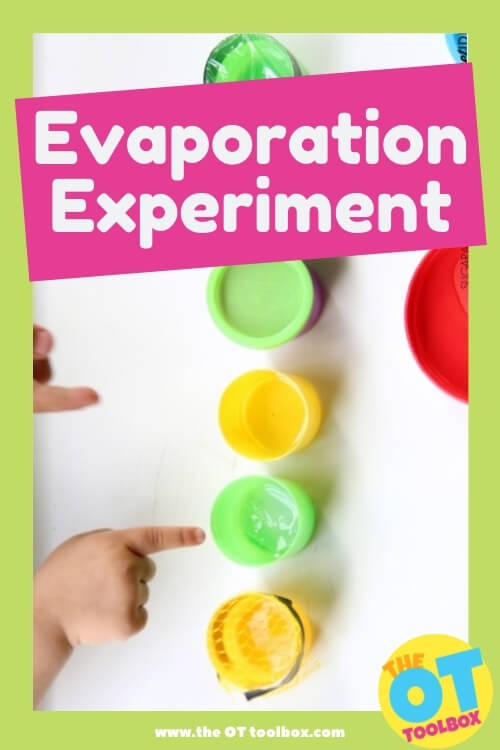
    Evaporation Experiment

    Evaporation experiment

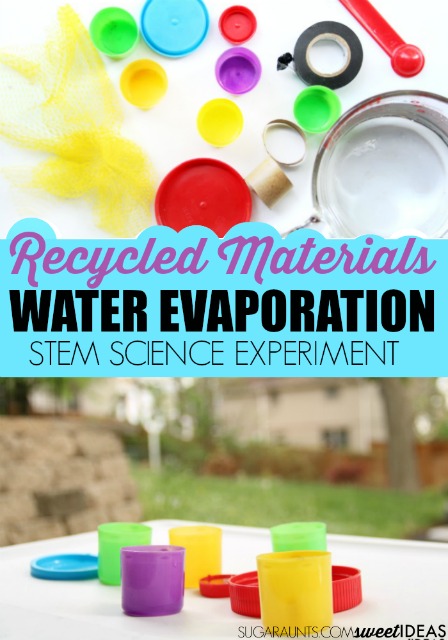
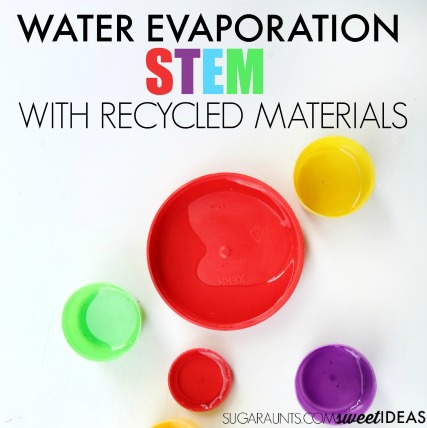
    This evaporation experiment uses recycled materials to explore evaporation. Kids can use the recycled materials projects as a science science experiment to explore how evaporation works with different sized containers.

    Evaporation experiment for kids. This is a great fine motor activity, too!

    Evaporation Experiment

    This was SUCH a fun way to explore science with my kids.  We talked about water evaporation while engineering a few different water containers and working in a bit of math, too.  Getting outside to play is something we do everyday, so this outdoor STEM activity was a perfect way to bring a little bit of learning outdoors on a sunny day.

    Evaporation experiment using recycled materials

    Evaporation Experiment with Recycled Materials

    Use bottle caps and recycled materials in an evaporation experiment for kids.

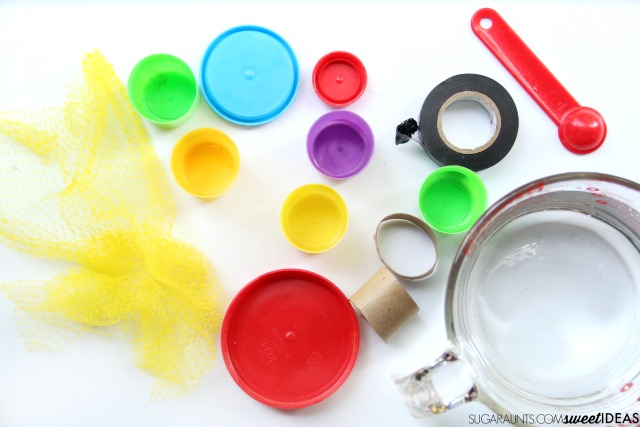
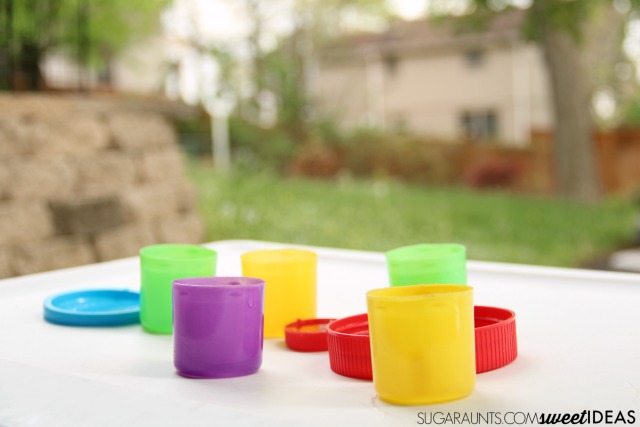
    To complete this science experiment, we used all items from our recycle bin.  You’ll need a few items to do this evaporation experiment at home:

    • Lids from various containers. (We used lids of various sizes to explore how fast water would based on container size. Some lids you’ll want are deep lids, bottle caps, and low lids like one from a play dough canister.) If you have a recycled materials craft bin started, just pull from there.
    • Other recycled materials to see if we could adjust the lids that were alike.
    • Tape (This was the only non-recycled material that we used in this science experiment.)
    • Eye-dropper, small spoon, or a straw to drop water into the cups and containers.
    Use these recycled materials in an evaporation experiment with preschoolers.

    Evaporation Activity for Kids

    To set up this evaporation experiment, we worked on a bit of fine motor skills and visual perceptual skills. First we expored each container, lid, and cup to determine which was biggest, smallest, and which we thought would hold more water.

    This is a great evaporation activity for preschoolers!

    Determining the containers by size allows preschoolers to explore visual perceptual skills and size concepts.

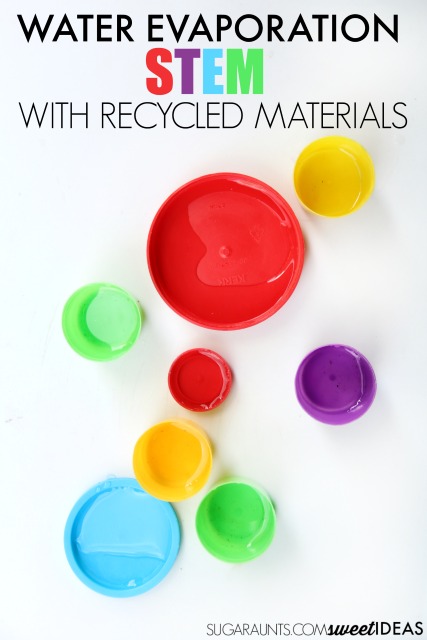
    Next, you’ll need to add the same amount of water to each cup or container. There are several ways you can do this: by using an eye dropper, small spoon (like a teaspoon), or the end of a straw. We used a dropper to fill each lid with the same amount of water. Each lid had 10 ml of water.  

    You can use the end of a straw to drop water drops into the cups. When you use the straw, kids are working on so many fine motor skills. We talked about how to do this (and why using a straw to drop water into the cups) is such an awesome way to build precision and dexterity in this butterfly painting craft.

    My preschooler had fun scooping water into the lids and counted the measurements.


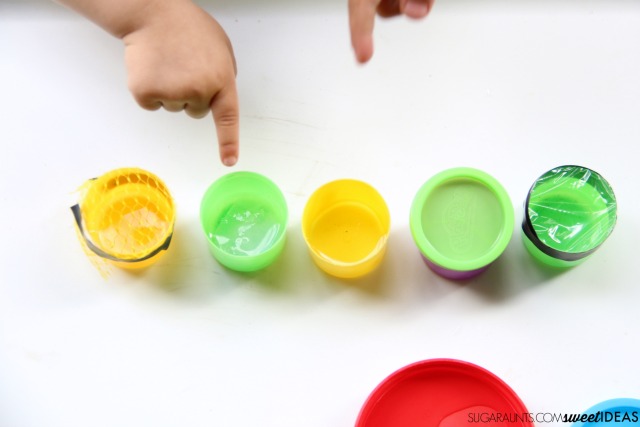
    We then noticed how we had four containers that were all the same size.  The other lids were various sizes.  

    To the four lids of the same size, we modified the containers slightly to see how the top would affect rate of evaporation.  We covered one with foil.  Another was covered with plastic wrap and poked with small holes. The third was covered with mesh. The fourth container was left open to the air.


    Related: You could take this evaporation experiment further and use ice cubes that then melt and evaporate. Here is information on the motor benefits of scooping ice. The ice cubes would then have to melt to a liquid and then go through the process of evaporating to a gas state.

    Evaporation Experiment Predictions

    I asked my kids from which lid they thought water would evaporate more quickly.  


    My preschooler said she thought the smallest lid (the bottle cap) would evaporate first because it was the smallest lid.  She thought the play dough lid’s water would evaporate slowest because it was the biggest lid.  She hypothesized that of the four containers that were the same size, the open container would evaporate first and the covered container would evaporate last. 


    I thought her answers were interesting and clearly following Piaget’s conservation theory.  In this case, she thought the bottle cap appeared to have more water because it was filled to the brim, where the large and low play dough lid was only slightly covered with water.

    Recycled materials water evaporation STEM Science experiment

    My older kiddos had different answers:  They thought the play dough lid would evaporate first because it had less “deepness” (or depth).  We decided that the sun would shine and evaporate this lid’s water first.

    They agreed with my preschooler when they said they thought the uncovered lid would evaporate before the covered lid. 

    Recycled materials water evaporation STEM Science experiment

    While we made good hypotheses with this experiment, we ran into a bit of bad weather luck following our outdoor science.  Our sunny day turned into several days of rain and gloomy skies.  We’re still waiting for our water to evaporate and will update this post when we have some results!

     Outdoor STEM ideas

    This post is part of the 31 Days of Outdoor STEM Activities series.  Stop by and see all of the ideas shared.

    Recycled materials water evaporation STEM Science experiment


    You will love these STEM activities that we’ve shared:
    Recycled materials Fulcrum and Lever
    Lemon STEM science experiment ideas
    Tinker Toys STEM Pulley

    Colleen Beck, OTR/L has been an occupational therapist since 2000, working in school-based, hand therapy, outpatient peds, EI, and SNF. Colleen created The OT Toolbox to inspire therapists, teachers, and parents with easy and fun tools to help children thrive. Read her story about going from an OT making $3/hour (after paying for kids’ childcare) to a full-time OT resource creator for millions of readers. Want to collaborate? Send an email to contact@theottoolbox.com.

    Virtual Visual Motor Room

    Visual Motor Skills Virtual Therapy Room

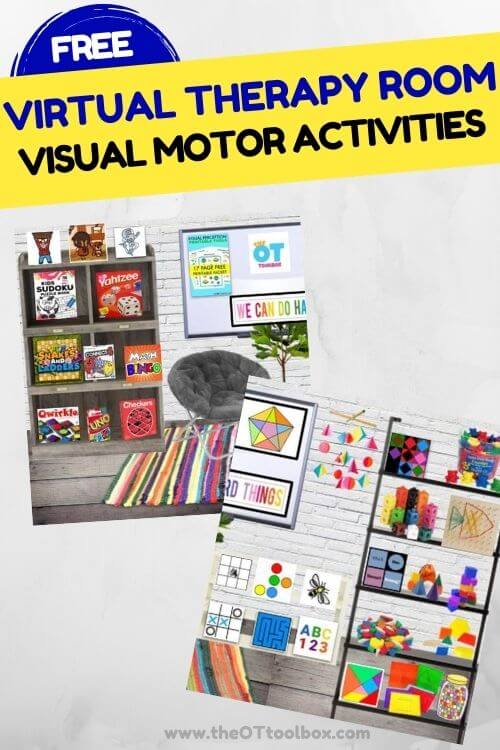
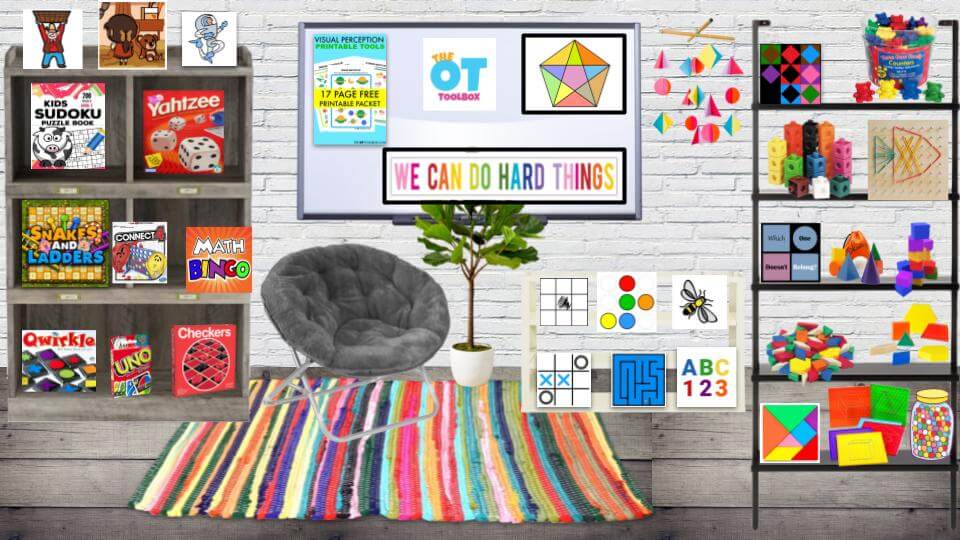
    If you are looking for online games to target visual perceptual skills, and ways to build visual motor skills when working virtually, then this virtual visual motor room (or virtual visual perceptual skills therapy room) is for you. This virtual therapy room is based on our virtual sensory room and is designed to develop and strengthen visual motor skills, visual perceptual skills, visual figure ground, and eye-hand coordination. Let’s play!

    This Visual Motor Skills Virtual Therapy Room is going to be a hit with your caseload.

    Free virtual visual motor activities for online occupational therapy activities

    Online Visual Motor Activities

    For therapists working in teletherapy, online puzzles, virtual games, and remote therapy games are one way to help kids build the skills they need for visual perception, visual motor, eye-hand coordination, and even executive functioning.

    That’s where this virtual visual motor room comes in.

    Therapists can access the free virtual therapy room from their Google drive and use the tools in teletherapy sessions.

    This slide deck is just one of the many free slide deck collections available here on The OT Toolbox.

    For more teletherapy games and tools that can be done remotely with kids on your therapy caseload, check out this resource on virtual therapy games.

    Virtual Visual Motor Activities

    There are so many awesome visual motor resources that can be used in occupational therapy teletherapy. In the virtual therapy room, you can find games and activities like these:

    • Online Sudoko
    • Virtual Connect 4 game
    • Online Snakes and Ladders
    • Virtual Bingo
    • Qwirkle
    • Uno
    • Yahtzee
    • Online Tic Tac Toe
    • Tangrams
    • Connect the dots
    • Geoforms
    • Shape building activities
    • Counting and graphing activities
    • Visual memory activities
    • Mazes
    • Word searches
    • What’s missing puzzles
    • MUCH more

    All of these virtual therapy activities can be used to challenge kids’ visual perceptual skills, visual motor skills, and motor skills.

    You’ll also see links to hands-on visual motor activities listed here on The OT Toolbox as well as a link to our free visual perception packet. Use these hands-on and printable therapy tools along with the virtual games and activities.

    Virtual therapy room for visual motor skills.

    When you click on the images in the virtual therapy room, you’ll be sent to links to videos, exercises, and resources to promote visual perception activiites and visual motor activities. T

    This therapy room is a great resource for kids of all ages. You’ll find therapy activities for all levels of visual perceptual skills and visual motor integration.

    Free virtual therapy room slide deck

    Want to add this therapy slide deck to your OT toolbox? Enter your email address into the form below and you can access this resource from your email.

    NOTE: Lately email addresses from school districts, organizations, and those with strict security walls have had our slide decks blocked. Consider using a personal email address to access this slide deck.

    Free Virtual Visual Motor Room!

      We respect your privacy. Unsubscribe at anytime.

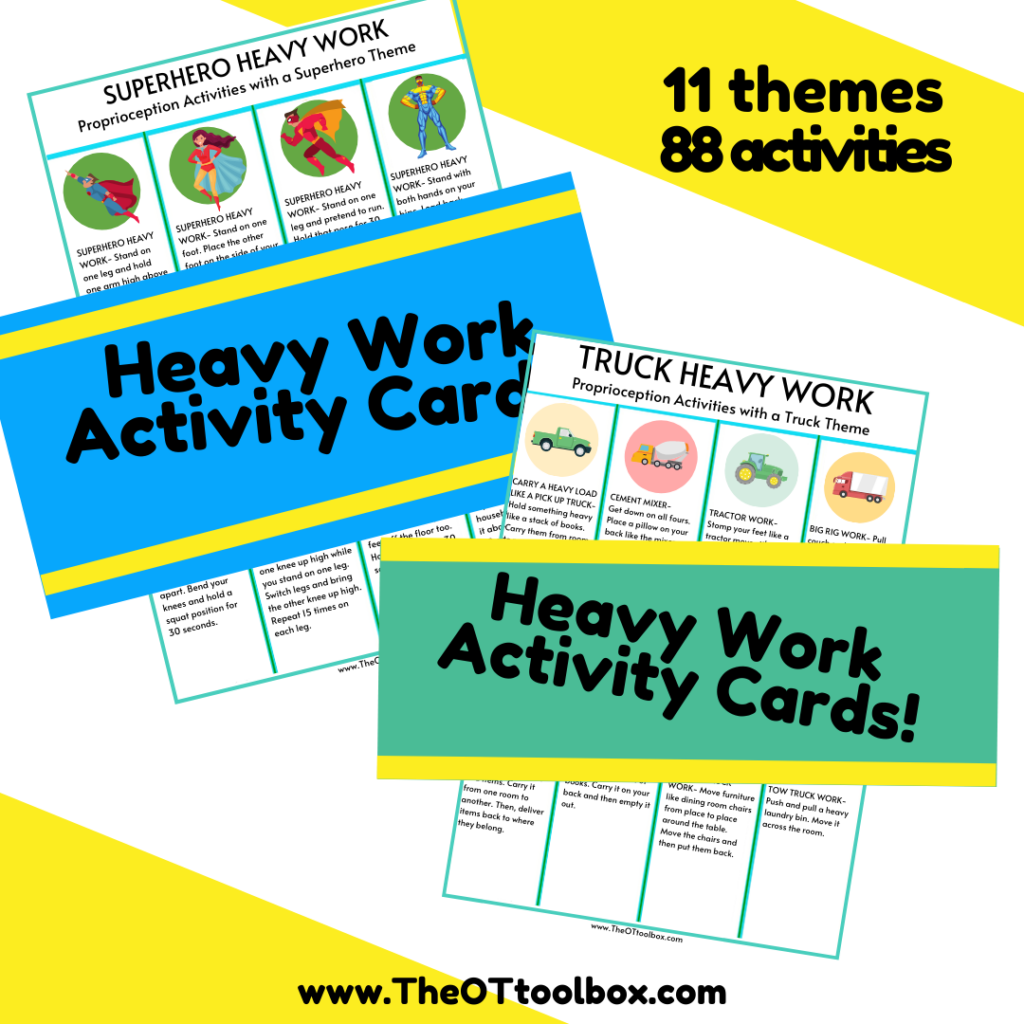
      Add heavy work with these heavy work exercises to incorporate many themes into therapy and play.

      heavy work cards for regulation, attention, and themed brain breaks

      Click here to grab these heavy work cards.

      Colleen Beck, OTR/L has been an occupational therapist since 2000, working in school-based, hand therapy, outpatient peds, EI, and SNF. Colleen created The OT Toolbox to inspire therapists, teachers, and parents with easy and fun tools to help children thrive. Read her story about going from an OT making $3/hour (after paying for kids’ childcare) to a full-time OT resource creator for millions of readers. Want to collaborate? Send an email to contact@theottoolbox.com.

      Cupcake Liner Butterfly

      cupcake liner butterfly

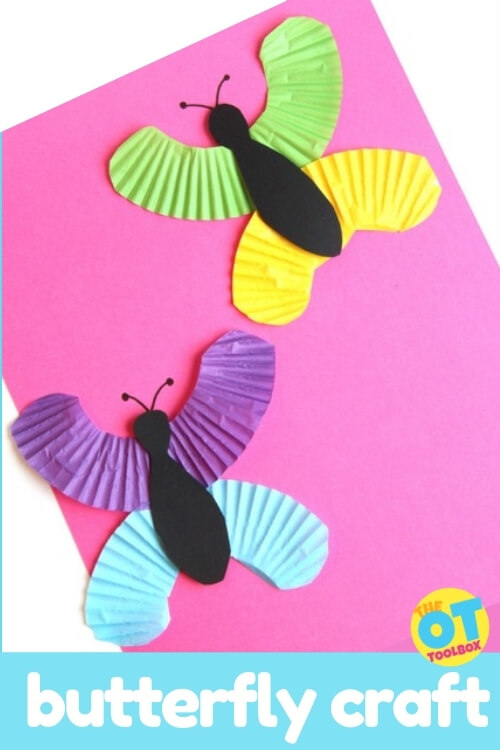
      This cupcake liner butterfly is a scissor skills craft to build fine motor skills and scissor skills. Use this cupcake liner craft in therapy with a butterfly theme or in Spring occupational therapy activities. Spring is here (whether the weather agrees or not!) and this butterfly craft is a fun way to celebrate!  With how easy this cupcake liner butterfly craft is, we’ll be sure to make a few batches of these all summer long.

      Cupcake liner butterfly craft for kids

      How to make a Cupcake Liner Butterfly

      You’ll need a few materials for this craft: 

      Butterfly craft made with cupcake liners!

        This post contains affiliate links.  

      Related Read: Use this scented scissor skills activity to help kids learn graded scissor use in a fun way! 

      Use cupcake liners to help with scissor skills with kids.

      To make the butterfly craft, follow these directions:

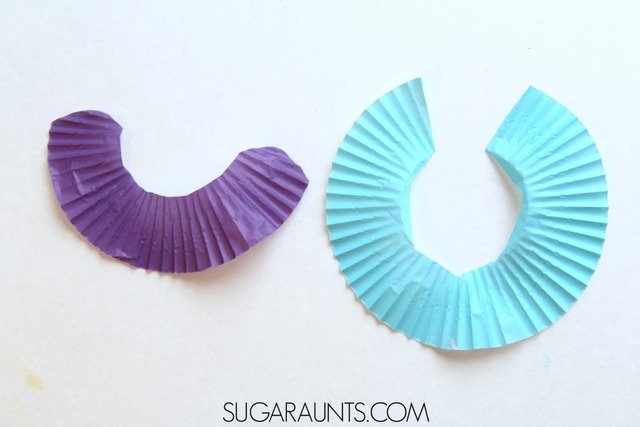
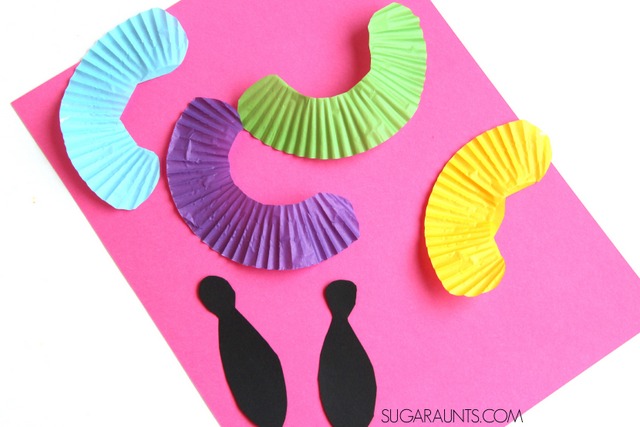
      1. Cut the cupcake liners like the picture above.  Kids can work on their scissor skills by cutting a material like a cupcake liner.  It’s a lighter weight material than regular paper and a great way to address line accuracy and scissor control.
      Make a cupcake liner butterfly to work on scissor skills with kids.

      2. Cut butterfly bodies from the black cardstock.  

      3. Trim the butterfly wings to curved “C” shapes.   

      Cupcake liner butterfly craft for spring!

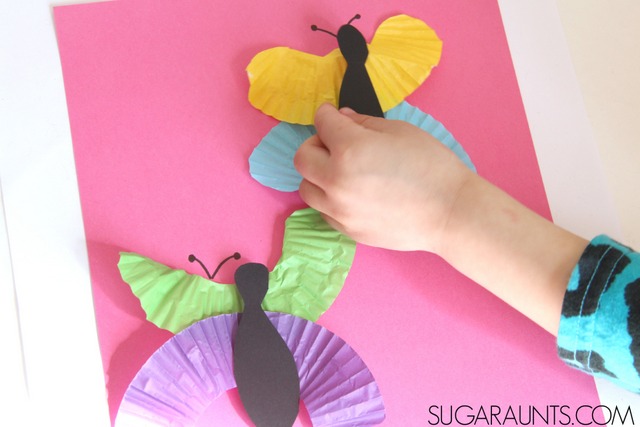
      4. Build the butterflies!  We loved mixing up the colors for this bright and cheery Spring craft.  

      Moving the pieces of the butterflies to build the insects is a challenge in visual motor skills.

      More butterfly activities for therapy

      More Cupcake Liner crafts

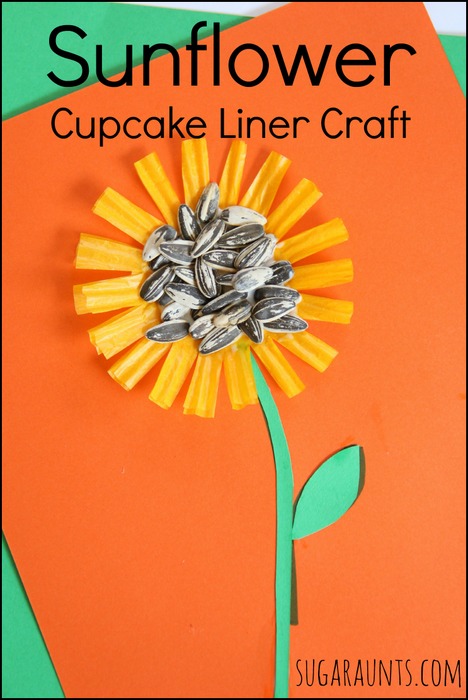
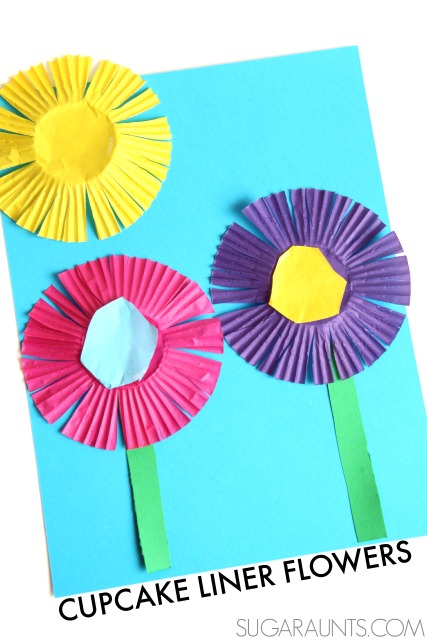
      Try these cupcake liner crafts to help kids develop precision and coordination in scissor skills using cupcake liners.  


      Spring Fine Motor Kit

      Score Fine Motor Tools and resources and help kids build the skills they need to thrive!

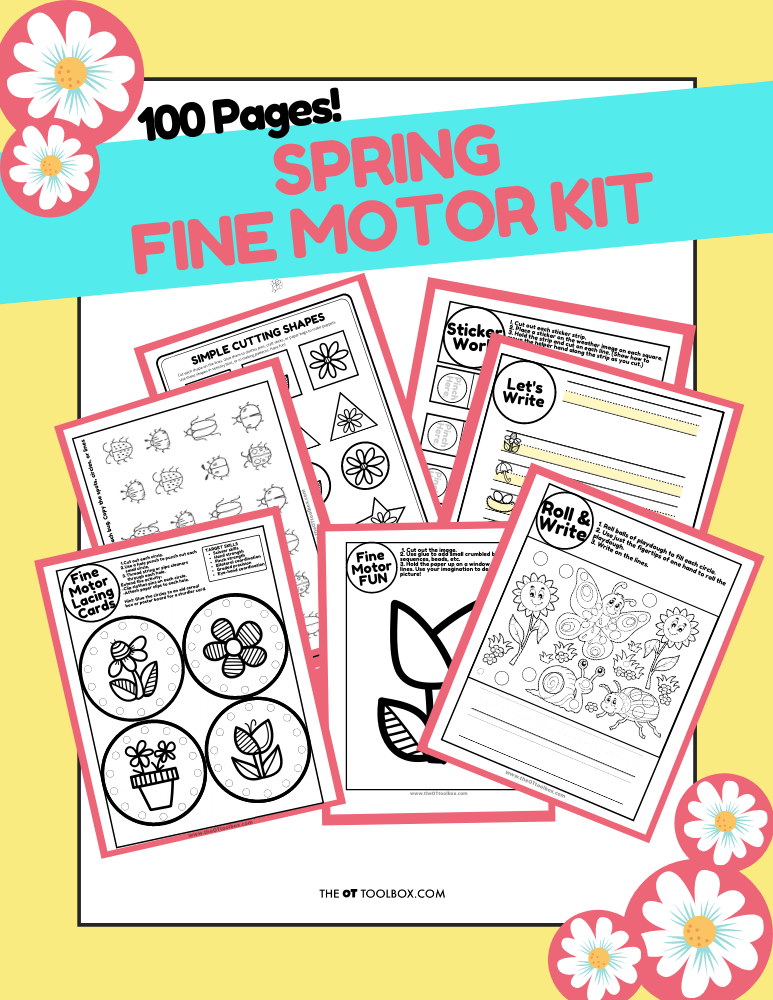
      Developing hand strength, dexterity, dexterity, precision skills, and eye-hand coordination skills that kids need for holding and writing with a pencil, coloring, and manipulating small objects in every day task doesn’t need to be difficult. The Spring Fine Motor Kit includes 100 pages of fine motor activities, worksheets, crafts, and more:

      Spring fine motor kit set of printable fine motor skills worksheets for kids.
      • Lacing cards
      • Sensory bin cards
      • Hole punch activities
      • Pencil control worksheets
      • Play dough mats
      • Write the Room cards
      • Modified paper
      • Sticker activities
      • MUCH MORE

      Click here to add this resource set to your therapy toolbox.

      Spring Fine Motor Kit
      Spring Fine Motor Kit: TONS of resources and tools to build stronger hands.

      Grab your copy of the Spring Fine Motor Kit and build coordination, strength, and endurance in fun and creative activities. Click here to add this resource set to your therapy toolbox.

      Colleen Beck, OTR/L has been an occupational therapist since 2000, working in school-based, hand therapy, outpatient peds, EI, and SNF. Colleen created The OT Toolbox to inspire therapists, teachers, and parents with easy and fun tools to help children thrive. Read her story about going from an OT making $3/hour (after paying for kids’ childcare) to a full-time OT resource creator for millions of readers. Want to collaborate? Send an email to contact@theottoolbox.com.

      Butterfly Life Cycle Crafts Activities

      butterfly life cycle crafts and activities

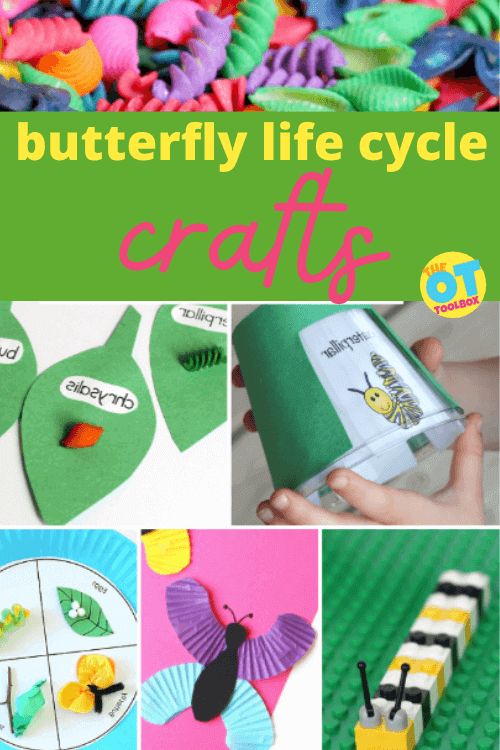
      Butterflies are on our brain right now.  We’re patiently waiting for the postman to drop off our batch of caterpillars that will be a part of our family for a little while as we watch their development through the butterfly life cycle.  Add these butterfly life cycle crafts and activities to your Spring occupational therapy activity themes and help kids develop the fine motor skills needed for function.

      Butterfly life cycle crafts and activities for therapy sessions

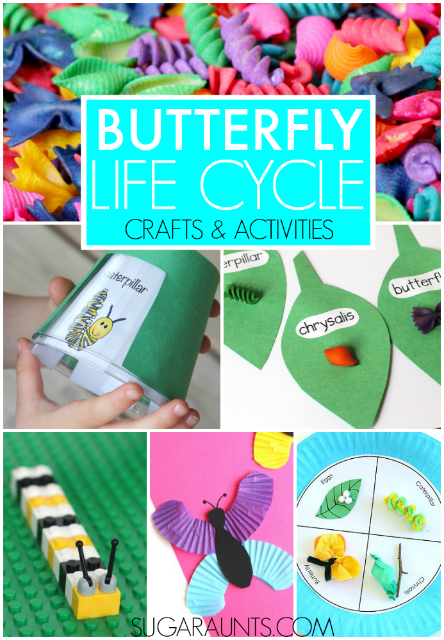
      The kids received a (and this is an affiliate link…) Live Butterfly Garden as a Christmas gift this year and we are SO excited to watch the butterfly life cycle.  We can’t wait to watch our new family members grow and develop and do a few butterfly life cycle activities as well!  (I can’t get over the cuteness of that Lego butterfly life cycle below!)
      Butterfly Life Cycle Crafts

      These crafts and activities are great to add to a life cycle of a butterfly lesson plan or to use in therapy planning in the clinic, classroom, or home. 

      This butterfly cupcake liner craft is a fun way to work on scissor skills and direction following, as well as fine motor work.

      Or, make a butterfly from a coffee filter and build hand strength and bilateral coordination skills.

      Create a caterpillar craft using an egg carton and build hand strength and fine motor development.

      This wooly bear caterpillar craft and handwriting activity helps kids with scissor skills, bilateral coordination, and includes a handwriting component.


      Butterfly Life Cycle Activities

      If you want to start with caterpillar and then move to butterfly activities, use this free bug and caterpillar slide deck to work on fine motor strength and development. The play dough and other fine motor tasks build hand strength in kids.

      Recently, we released a new therapy slide deck to use in virtual therapy sessions that explores the butterfly life cycle. The butterfly therapy slide deck encourages gross motor skills, motor planning, and heavy work movement.

      These heavy work cards include a page of butterfly life cycle activities that incorporate calming heavy work activities for motor planning and proprioceptive benefits.

      This butterfly handwriting activity slide deck is another virtual therapy tool for using in teletherapy or even face to face sessions while working on letter formation and handwriting skills.

      In the Spring Fine Motor Kit, you’ll find butterfly and caterpillar activities that are designed to build a variety of fine  motor manipulation, dexterity, and strengthening tasks.


      Creative butterfly life cycle crafts and activities for kids


      More Butterfly Life Cycle Crafts and Activities


      Try these crafts that combine the full butterfly life cycle into crafts and activities: 


      Spring Fine Motor Kit

      Score Fine Motor Tools and resources and help kids build the skills they need to thrive!

      Developing hand strength, dexterity, dexterity, precision skills, and eye-hand coordination skills that kids need for holding and writing with a pencil, coloring, and manipulating small objects in every day task doesn’t need to be difficult. The Spring Fine Motor Kit includes 100 pages of fine motor activities, worksheets, crafts, and more:

      Spring fine motor kit set of printable fine motor skills worksheets for kids.
      • Lacing cards
      • Sensory bin cards
      • Hole punch activities
      • Pencil control worksheets
      • Play dough mats
      • Write the Room cards
      • Modified paper
      • Sticker activities
      • MUCH MORE

      Click here to add this resource set to your therapy toolbox.

      Spring Fine Motor Kit
      Spring Fine Motor Kit: TONS of resources and tools to build stronger hands.

      Grab your copy of the Spring Fine Motor Kit and build coordination, strength, and endurance in fun and creative activities. Click here to add this resource set to your therapy toolbox.

      Colleen Beck, OTR/L has been an occupational therapist since 2000, working in school-based, hand therapy, outpatient peds, EI, and SNF. Colleen created The OT Toolbox to inspire therapists, teachers, and parents with easy and fun tools to help children thrive. Read her story about going from an OT making $3/hour (after paying for kids’ childcare) to a full-time OT resource creator for millions of readers. Want to collaborate? Send an email to contact@theottoolbox.com.

      Earth Day Activities

      Earth Day activities

      These Earth Day Activities are great for occupational therapy activities because they are full of fine motor work, bilateral coordination, motor planning, and sensory experiences. Plus, when kids create these Earth day crafts and play experiences, they are learning about recycling, cleaning up the Earth, and nature.

      Earth day activities for occupational therapy

      Earth Day Activities

      Let’s get to the Earth Day fun!

      1. Make a recycled materials craft bin. Kids can gather recyclable materials from food containers, cardboard, artwork, and use them to make a DIY craft bin that is used for making more crafts and using in fine motor or sensory play activities. I love that the wax paper sleeves or egg cartons can be easily stored in cut cereal boxes. What a way to work on scissor skills with a variety of materials.

      Here are more crafts and activities using recycled materials.

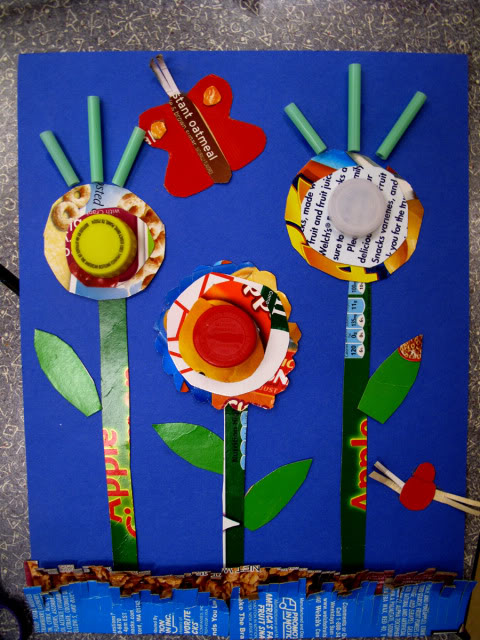
      2. Use recycled materials to make a flower craft– Then, after that recycled materials craft bin is sorted, use the items to make a flower craft. Things like used egg cartons, cereal boxes, paper bags, can be cut and manipulated to craft and work on fine motor skills.

      3. Head outside. There are so many benefits to playing and exploring the outdoors. And, kids can learn about the earth, too.

      4. Read about recycling. These books about recycling are great to incorporate into therapy activities.

      5. Incorporate recycled materials into learning concepts. Use these strategies to integrate therapy goals into the classroom with a recycling theme. You’ll find math, reading, science, and more ideas here.

      This series on 31 days of learning using free materials will get you started on lots of ways to use recycled materials in classroom concepts.

      6. Plant something- Explore this post on sensory gardens to find ways to incorporate sensory input in the outdoors.


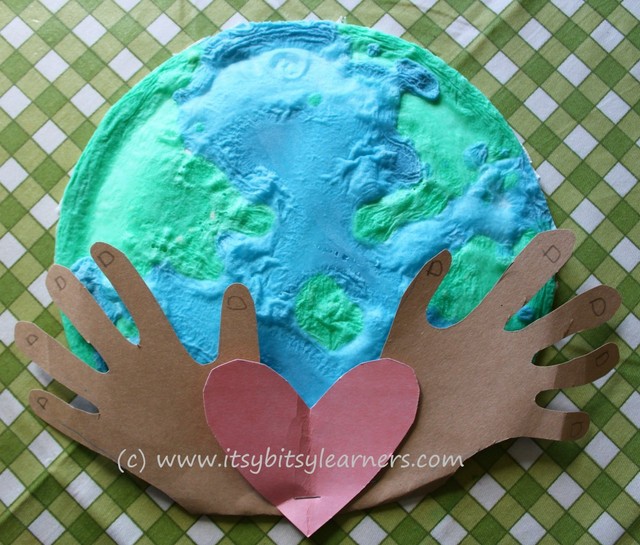
      I was surfing around on some other lovely blogs and trying to find some fun crafts that we could try.  Here are a few of our favorite ones we came across all geared towards children ages two through five.


      Itsy Bitsy Learners
      This is a fun activity for preschoolers using homemade textured paint.


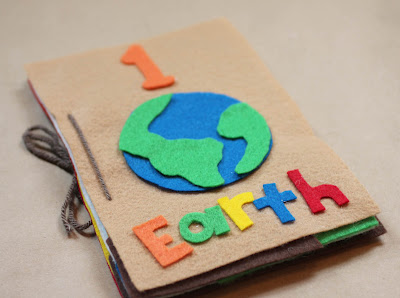
      Repeat Crafter Me
      This Earth Day inspired felt counting book is such a great idea for toddlers.


      Imprints From Tricia
      What a fun idea- go on a nature hunt and create a Nature Book. Press plants, leaves, and flowers into paint and then write to describe the prints. It’s a great sensory based handwriting activity.


      Laugh Paint Create 
      Created some great recycled artwork with cardboard food boxes. Work on scissor skills, bilateral coordination, and more.


      Teach Beside Me These adorable Rock faces will make anyone smile and make a beautiful addition to a garden.


      All of these great posts have inspired us to go create something special out of recycled items or something Mother Earth has provided for us…we can’t wait to get our hands dirty!


      Colleen Beck, OTR/L has been an occupational therapist since 2000, working in school-based, hand therapy, outpatient peds, EI, and SNF. Colleen created The OT Toolbox to inspire therapists, teachers, and parents with easy and fun tools to help children thrive. Read her story about going from an OT making $3/hour (after paying for kids’ childcare) to a full-time OT resource creator for millions of readers. Want to collaborate? Send an email to contact@theottoolbox.com.

      Unicorn Activities: Slide Deck & Unicorn writing prompts

      Unicorn activities

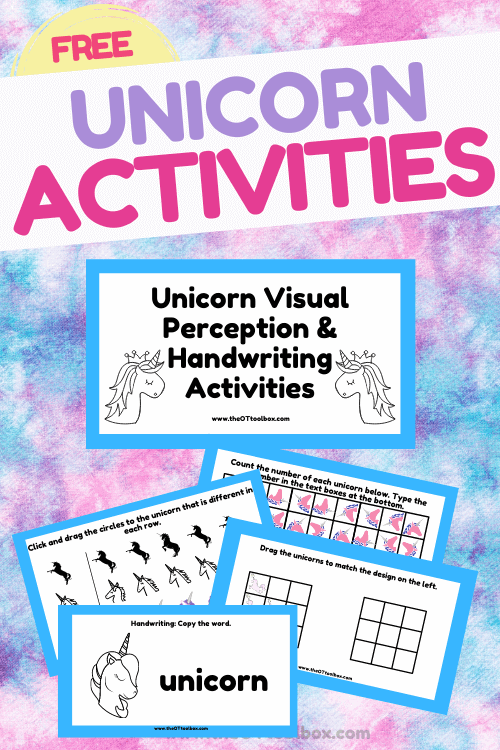
      Today’s free therapy slide deck is a fun one. It’s a Unicorn slide deck for telehealth to work on visual perception, eye-hand coordination, and visual motor skills. Your favorite unicorn fan will also love the unicorn writing prompts that come on unicorn worksheet tasks. Check out these unicorn activities for big therapy fun! Add these unicorn activities to our unicorn yoga and your littlest unicorn fan will be so excited to develop skills!

      Unicorn activities

      The unicorn activities listed in the free resource below go well with some of the other activities we have:

      Unicorn activities including handwriting, visual perception, and writing prompts

      Unicorn Activities- Visual Perception Slides

      In this slide deck, you can work on various visual perceptual skills with kids: visual memory, visual attention, visual figure ground, visual discrimination, and form constancy.

      There are various slide deck activities to help kids with skills of handwriting, learning, and functional tasks.

      There are unicorn puzzle activities that require the user to discriminate between details on the slides. Check out these resources for more information on visual perceptual skills:

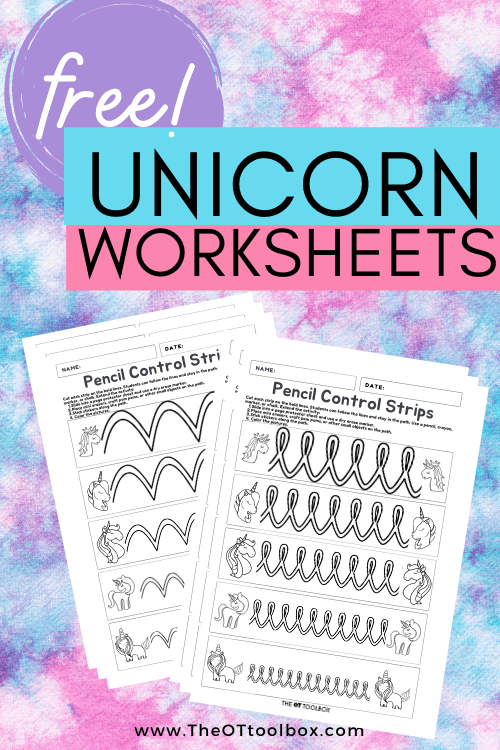
      Free unicorn worksheets to work on pencil grasp

      Unicorn Writing Prompts

      Also included in the slide deck are handwriting activities. Kids can write unicorn words, copy the letters and focus on legible handwriting as well as copying skills.

      There are also unicorn writing prompts included. You’ll find sentences that encourage writing longer writing tasks. Depending on the user, you can make this more structured or less structured and ask that users write a full sentence, or several sentences. You could even use these writing prompts as a group writing activity.

      Unicorn Worksheets

      Finally, when you access the free slide deck in the form below, you’ll also get unicorn worksheets as well. These particular activities work on various areas:

      • pencil control
      • visual perceptual skills that impact handwriting
      • visual spatial skills
      • line awareness
      • fine motor skills.

      Want to add these unicorn activites to your therapy toolbox? Enter your email address into the form below to access the visual perception/handwriting activities and the pencil control sheets.

      NOTE: Due to increased email security settings, many of those using school district emails, clinic, or other work email addresses have indicated increased difficulty accessing these free resources. It’s recommended to use a personal email address to access these materials.

      FREE Unicorn Activities Handouts & Slide Deck

        We respect your privacy. Unsubscribe at anytime.

        Colleen Beck, OTR/L has been an occupational therapist since 2000, working in school-based, hand therapy, outpatient peds, EI, and SNF. Colleen created The OT Toolbox to inspire therapists, teachers, and parents with easy and fun tools to help children thrive. Read her story about going from an OT making $3/hour (after paying for kids’ childcare) to a full-time OT resource creator for millions of readers. Want to collaborate? Send an email to contact@theottoolbox.com.

        Cute Unicorn Craft for Fine Motor Scissor Skills

        Unicorn craft

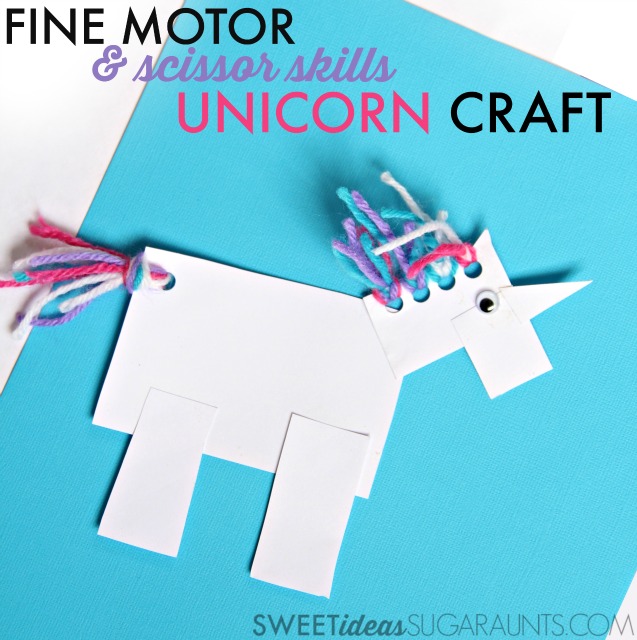
        If you have a child that loves all things unicorns, then this unicorn craft is the way to go. It’s a craft that develops fine motor skills and scissor skills but has magical fun of unicorns! For more unicorn activities, try this Unicorn Yoga activity as well.

        I love creating crafts for kids that serve a purpose.  There are a lot of anti-kids craft-ers out there, but as an Occupational Therapist, I am in the camp that kids crafts are GREAT for working on fine motor skills.  Direction following, task completion, fine motor work, and dexterity (among other goal areas) can all be addressed with a fun craft that kids will have fun making and be proud of! 

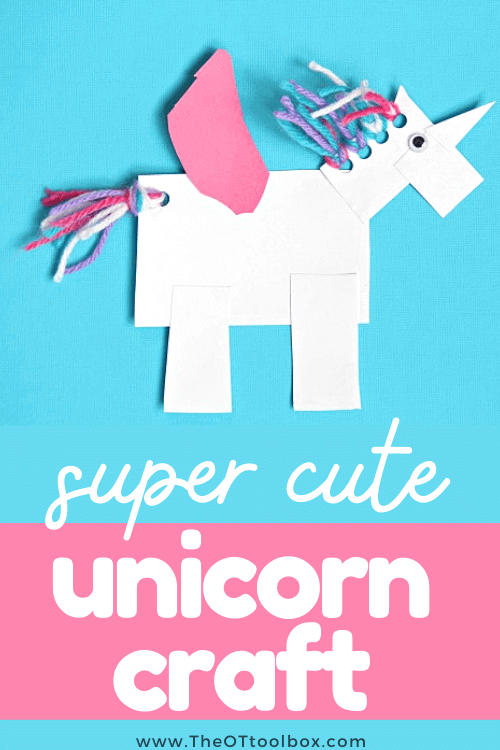
        Unicorn craft for developing fine motor skills, eye hand coordination, scissor skills and other occupational therapy goal areas.

        Unicorn Craft

        (AND, the bonus to a purposeful craft is that it’s fun for the kids to make something that interests the child…whether it’s a specific animal, a favorite character, or a season…crafts build up a child with excitement and smiles.)


        I do have to say, though that process-oriented arty creations are equally precious in child development and learning.  It’s all about balance! 


        This super cute Unicorn craft is one that my kids loved making, and we worked on scissor skills and fine motor skills.  And they didn’t even know it!

         
        Cute unicorn craft for kids that is great for fine motor skills and scissor skills.


        How to make a Unicorn CraftFull disclosure: This post contains affiliate links.

        You’ll need these materials to make a Unicorn Craft:

        • White and Pink card stock
        • Paper
        • Pink card stock paper
        • Scissors (These are the brand I love best for kids and new scissor users.)
        • Hole punch
        • Yarn in different colors. We used pink, purple, white, and blue.
        • Small Googly eye
        • Glue
        Cute unicorn craft for kids that is great for fine motor skills and scissor skills.

        Directions to make this unicorn craft:

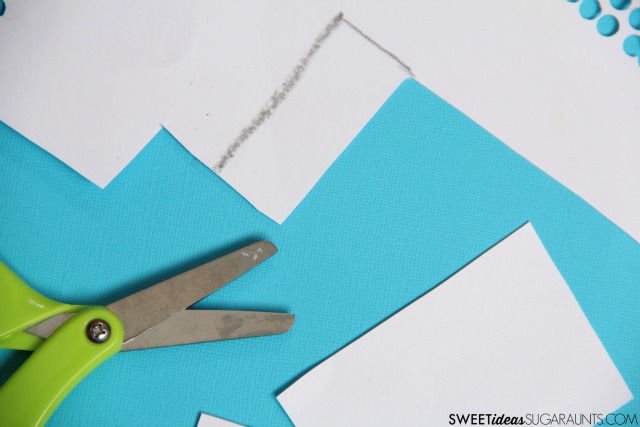
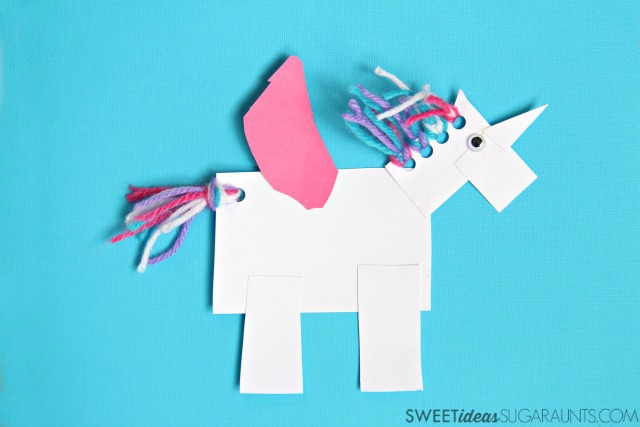
        1. First, you’ll need to cut the white card stock into several shapes: One large rectangle, three small rectangles, a square, and a triangle.  
        2. Cut the pink card stock into a wing shape.
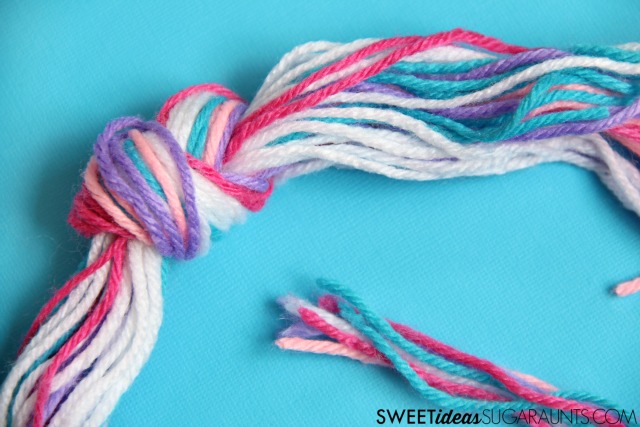
        3. Cut the yarn into small pieces about 4 inches long.
        4. Once all of the shapes and yarn pieces are cut, glue the paper shapes together in a unicorn shape.  
        5. Use the hold punch to create holes along one of the small rectangles and on the corner of the large rectangle.
        6. Tie the yarn into the hole punch holes.  To do this, pinch the center of the yarn and push it into the hole.  Then, pull it halfway through the hole and slip the tail ends of the yarn into the loop.  Do this for the unicorn’s mane and tail.  
        7. Trim the unicorn’s hair and tail so the yarn is shorter and an even length.
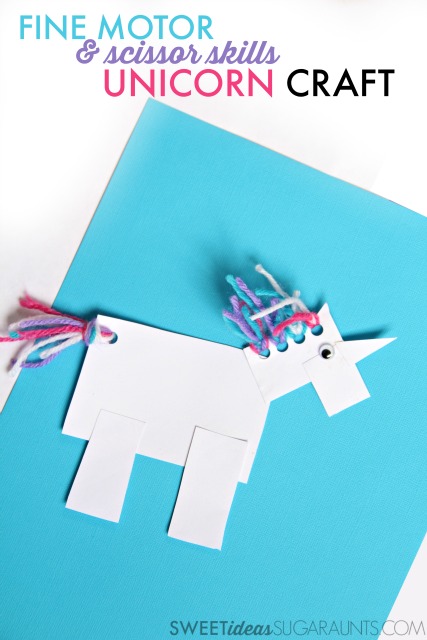
        Unicorn craft for kids to use in occupational therapy crafts.

        Use this uncorn craft to build therapy skills

        This unicorn craft is a great craft for occupational therapy sessions because it works on so many areas and skills:

        • Direction following and executive functioning skills
        • Visual motor skills (copying the shapes and placing them on the paper to make the unicorn)
        • Eye-hand coordination to cut along lines
        • Scissor skills and graded hand precision
        • Hand strength using a hole punch
        • Fine motor precision to thread string through the holes
        • Bilateral coordination to cut with scissors, use hole punch, and tying knots

        Making this craft is a great way to work on and practice scissor skills including cutting multiple-angled shapes like rectangles, squares, and triangles.  I made an example of the unicorn craft and had my preschooler practice cutting on the lines.  

        Cutting card stock is a great medium for younger kids because of the thicker paper and more resistance to the scissors during cutting.  This, along with a thick line like a crayon line provides an easier task for younger kids.  Thicker lines and paper provide a child with a graded down component to the craft and allow for more accuracy.  

        Another way to make this activity easier or grade the craft is to provide help to a younger child who is completing this craft is to position the shape on the edge of the paper, so a rectangle would have only two cutting lines into the paper.  The child can then reposition the paper instead of cutting around a corner.


        Kids can cut yarn in crafts to work on scissor skills.

        Cutting the yarn is a great way to work on scissor skills: A child needs to hold the yarn with one hand and cut with the other, working on bilateral coordination skills.  A different medium like yarn or string is a fun way to encourage more scissor practice, including accuracy and precision of snips.

        So, how can you encourage fine motor skills with this craft?  Simply by doing it!  It’s a powerhouse of fine motor work.  From cutting, snipping, hole punching, and threading the yarn through the holes, knotting the yarn, and gluing on the Googly eye: it’s a fine motor work out!

        Use this unicorn craft in occupational therapy to work on a variety of goal areas with kids.
        National Unicorn Day is April 9th.

        National Unicorn Day is April 9th. Who knew?! If you have a kiddo that loves all things unicorns, it’s a great theme to use in therapy or in home activities to help kids develop fine motor skills, visual motor skills, motor planning, and all of the areas described above.


        More easy and fun crafts for kids that you will love:

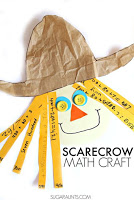
        Scarecrow craft

        Scarecrow Math Craft

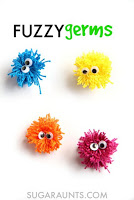
         Germ Kids craft

        Germ Craft

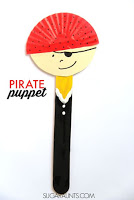
         Pirate Puppet

         Pirate Puppet

        Colleen Beck, OTR/L has been an occupational therapist since 2000, working in school-based, hand therapy, outpatient peds, EI, and SNF. Colleen created The OT Toolbox to inspire therapists, teachers, and parents with easy and fun tools to help children thrive. Read her story about going from an OT making $3/hour (after paying for kids’ childcare) to a full-time OT resource creator for millions of readers. Want to collaborate? Send an email to contact@theottoolbox.com.