Colleen Beck, OTR/L is a pediatric occupational therapist and the owner and author of The OT Toolbox website. She manages all of The OT Toolbox social media accounts and runs the popular newsletter.
Read about Colleen's experience and career as an occupational therapist, including how The OT Toolbox began on our About The OT Toolbox page: https://www.theottoolbox.com/about-us/
Colleen created The OT Toolbox in 2011 and since then has written thousands of blog posts designed to support therapy providers, educators, parents, counselors, admin, and caregivers in promoting the healthy development of kids.
Check out Colleen's blog posts below:
This granola superfood recipe is a staple in our house. It’s one of the occupational therapy recipes we love to make with kids as a life skill cooking tool, but it’s also got superfood powers (more than you may think when you think of granola as a superfood…) We’re talking about the calming benefits of heavy work through the jaw and crunching this granola superfood is one way to achieve that regulation technique!
Granola Superfood
This mama has been on a granola kick recently. We shared a picture on our Instagram feed not too long ago about a yummy pregnancy craving involving granola, peanut butter, and apples. When the granola ran out, there was nothing to do but make a batch from scratch!
This granola recipe has some major super food ingredients and is one of the many batches I’ve been experimenting with. I wanted to share this recipe because it is SO good, and the kids have been gobbling it up. Every mom wants Healthy snacks for kids and this one hits the mark! They’ve even choosing it over all of the boxed cereals we’ve got for breakfast choices.
Granola is a Calming Sensory Food
When we say that granola is a superfood, I’m not just talking about the ingredients.
Chewing crunchy and chewy foods offers calming heavy work through the jaw and mouth. This is a self-regulation tool that offers regulating and calming input. We talk about this in our resource on oral motor exercises.
Granola as a calming food can be used in a sensory diet that includes food as a tool for adding in the sensory input an individual needs throughout the day. We all need calming and organizing sensory input in the form of heavy work tasks that provide proprioceptive input through the muscles and joints.
Heavy work snacks like this granola superfood can also be incorporated into lunchboxes, breakfasts, and after school snacks to help the sensory system feel calm and restful. At school, heavy sensory input for the whole class can be incorporated at regular intervals during the day during snack time.
Incorporating heavy work (and other sensory system input) into daily functional tasks, or setting up a sensory lifestyle, are all concepts covered in the book The Sensory Lifestyle Handbook.
Granola Superfood Ingredients
What ingredients go into granola superfood? There are several and many of them are the typical super foods you think of when it comes to healthy eating with brain benefits: almonds, flaxseed, wheatgerm, walnuts, etc.
Almonds! These little buggers were chopped up and one of the super foods in this recipe.
I went with ingredients we had on hand. The cool thing about granola recipes is that you can adjust so many ingredients based on what you’ve got handy or individual tastes, and you get totally different (YUMMY) results.
There was some stealing happening.
How to make granola superfood
Spread 2 cups of uncooked Oats (another super food!) on a large cookie sheet.
Mix in 3/4 cup almonds.
Add in 1/2 cup cranberries (super food!)
Mix in 1/4 cup uncooked quinoa (super food!)
Combine 2 tablespoons of dark brown sugar, 2 teaspoons Ground Cinnamon(affiliate link), and 1/2 teaspoons. Ground Nutmeg (affiliate link). Mix those spices into the granola mixture.
Add 1/2 cup ground flax seed (super food!) and 1/2 cup wheat germ (super food!) to the mix.
Toss all of these super foods together and drizzle 3 teaspoons of vanilla, 2 teaspoons of olive oil (super food!), and 1/2 cup honey (…super food on some lists, although not the link I shared above…).
Mix it all up and throw into the pre-heated oven set at 250 degrees F for 45 min. Keep an eye on your granola and stir it all up at least 3 times. Watch it towards the end of the 45 minutes.
Now for the super super food part…I added How pretty does this look? The flax seed will give your granola a nutty taste, but it’s not overpowering and goes well with the almonds.
Yumminess. Try not to eat it while it’s still hot. Let the goodness sit on the cookie sheet until cooled and then scoop it up with a spatula into a container.
The kids gobbled up this banana-peanut butter-granola snack!
We’ve been loving our granola over Greek yogurt, with apples and peanut butter, and with milk as cereal. I love all of the healthy foods that the kids are getting with this snack/breakfast.
What other alternatives can you think of to add or substitute to your granola recipe?
Granola Superfood Substitutes
We’ve also done some of these substitutes and are definitely going to try some others. These granola add-ins also offer chewy and crunchy input through the jaw, which are calming sensory movements that activate the joint receptors and the proprioceptive sensory system.
Each of these chewy ingredients support the calming benefits of granola!
This list of 105 creative painting ideas is a fun way to build skills through creative art. We’ve pulled together creative painting to support child development through creation play! Whether you are looking for painting ideas for toddlers, preschoolers, for the classroom, or for the occupational therapy clinic, these creative paint activities will get your brain ticking with ideas to support creative expression, emotions, sensory play, fine motor skills, and more!
Add these ideas to your list of occupational therapy crafts that build skills. We also love these ideas for helping our parents that ask us how they can help their child “how to learn colors” with kids of all ages.
Creative Painting
In Occupational Therapy interventions, OTs and OTAs love to support their clients through creative outlets, specifically those that are meaningful to the client. For some children, art and painting is just that: a tool that inspires movement, sensory challenges, visual motor integration, crossing midline and more. OTs can use creative painting as a motivating strategy to develop skills…and maybe add in a bit of creative expression at the same time! Some of these are sensory paint ideas but most involve problem solving and creativity expression through creative paint!
Why Use Creative Painting?
Creative painting with clients develops skills. When painting in creative ways, you’ll see movement and sensory experiences that they typical canvas and brush don’t allow:
Fine motor skills
Gross motor skills
Crossing midline
Problem solving
Executive functioning skills
Motor planning
Tactile exploration
Sensory experiences
Bilateral coordination
MORE!
Creative Painting materials
The ideas listed below will get your creative juices flowing for your next paint project. Kids love when a creative painting idea is presented to them because it’s a bit of the unexpected! Out-of the box thinking when it comes to painting ideas is part of the magic.
Gather some of these materials for your next painting adventure:
Paints– tin of watercolors, washable paints, acrylics, finger-paints, etc.
Painting surfaces– canvas, cardboard box, paper, newspaper, paper towel, clothing, paper plates, styrofoam, bubble wrap, piece of paper, watercolor paper, etc.
Sensory mediums to mix paint into– shaving cream, sand, salt, dough, bubbles, etc.
Tools to paint with– brushes, paintbrushes, rolling pin, flowers, feathers, forks, ice, crayons, cotton swabs, pencils erasers, etc. You can even go on a nature walk to gather items to use to paint with.
This list is just a starting point…the creative ways to paint is literally in your imagination. Take these ideas and run with them to make your next creative painting masterpiece.
The Mess of Creative Painting
It can be common to immediately think about the mess involved with all of this creative art making, however there is therapeutic benefit as well, and focusing on those aspects can help with the mess issue.
Plus, the clean up portion of painting is a great time to work on those OT self-care goals that aren’t some of the more fun parts of childhood:
hand washing – a paint activity is great motivation for washing little hands!
cleaning the body
scrubbing hard enough to remove the paint
cleaning up one’s surroundings
wiping down a table
cleaning out a sink
washing paintbrushes
drying a table
Creative Painting Ideas
There are so many fun ways to explore color, texture, and creativity through paints listed here. We can not wait to try them ALL! There is just something about painting that is relaxing and satisfying…
This blog post has a collection of Fruit Loop rainbow crafts and ideas to make during the Spring, or even for St. Patrick’s Day activities. We love using Fruit Loops or other colorful loop cereal in crafts and activities, because they are a great inexpensive fine motor tool for kids.
It’s that time of year, when kids are making Fruit Loop rainbow craft time! Yes, you heard it right, Fruit Loop Rainbow Crafts! With spring slowly moving near, it’s time to transition to rainbow-themed crafts for your toolkit. Whether you are wanting to make rainbows for St. Patrick’s Day, want to celebrate the season, or simply just have some fruit loop-loving kiddos, these craft ideas will be very popular with the kiddos in your life.
Pair these craft ideas with the other rainbow activities here on the website, including our popular rainbow breathing for self-regulation as well as fun skill-building.
Fruit Loop rainbow crafts can be simple or complex.
Fruit Loop Rainbow Craft
You’ve probably seen them before…the colorful cereal loops that make their way onto paper to form a bright rainbow. But did you know there are many fine motor skill benefits to this occupational therapy craft?
From toddlers to preschoolers to kindergarten and beyond, this fun rainbow craft is a skill builder!
A Fruit Loop rainbow can easily be used in therapy sessions for skill development, in the classroom as stations, or even just at home for fun, but despite where you use them, the children will likely think you’re the best adult ever!
In this fun post, you will find all kinds of unique and colorful fruit loop crafts that will involve craftiness, learning, and flat-out eating time excitement. These activity ideas will help give you some creativity to your fine motor and visual motor skills repertoire of activities and with an OT-eye you can upgrade or downgrade and expand them as you see the need for ALL of the kiddos in your world.
How to make a Fruit Loop Rainbow
There are many variations on this rainbow craft, as you can see from the list below. However, a simple rainbow craft is all you need to do to work on fine motor skills and visual motor development.
You need just a couple of items:
Box of Fruit Loop cereal or an off-brand round loop cereal that comes in different colors
bowl
Rainbow template on a piece of paper
Glue
Cotton balls if you want to add clouds at the end of the rainbow
Children can use the rainbow template to glue the colorful cereal pieces onto each layer of the rainbow. When they do this, they are using a pincer grasp to pick up the cereal pieces from the bowl.
A tip to expand on fine motor skills is to use a more narrow or smaller bowl or small cup. This requires the child to define their grasp into a separation of the sides of the hand, and encourage in-hand manipulation as they move the cereal pieces from the fingertips into the palm of the hand and then back to the fingertips. One easy way to do this is to use a narrow drinking cup that is labeled with the the colors of the rainbow like in our rainbow order stacking cups.
A rainbow template can be as simple as a rainbow lines drawn onto construction paper or a paper plate, or it can be a printable rainbow template like the ones we have inside the Member’s Club. These printable rainbows have both a row for the colorful cereal to be placed into according to color, and others have circles for placing each colored cereal piece.
Skills that are addressed with this portion of the activity:
The entire rainbow can be made by sorting colors out the cereal into bowls or piles of colors, then gluing them onto the paper. The color of the fruit loops can be matched up to count out the number of each color while working on finger isolation in order to count each piece. We used a similar concept in our rainbow sorting activity with an ice cube tray.
Finally, work on hand strengthening by pulling apart a cotton ball to fluff it up and gluing that onto the paper at the end of the rainbow shape. Stretching out a cotton ball with the finger tips is a great way to address several areas of development:
Finally, if you wanted to extend the activity further, you can incorporate scissor skills by cutting a pot of gold out of paper and gluing that together. Then glue the pot of gold at the end of the rainbow.
Rainbow Crafts with Fruit Loops
A different way to work on other skills such as pencil control and more refined dexterity is to ask the child to draw the lines of a rainbow. They can make a very large rainbow to cross midline or they can make a smaller one. Simply use different colored markers or colored pencils. Show them how to:
Use the red marker to make the red line of the rainbow
Use the orange marker to make the orange line of the rainbow…and so on with the rest of the colors.
Then, show them how to place the red fruit loops on the red line, the orange fruit loops on the orange line, and so on.
They can make the rainbow form without actually gluing the cereal onto the page.
This task requires refined motor skills because placing the cereal onto the line without glue requires precieion to not bump the cereal pieces already on the lines.
Draw the colorful marker lines on a piece of cardboard or a cardboard box.
Press a toothpick along each line.
Carefully place the colored cereal loops onto the toothpicks to match the marker lines.
Work on crossing midline, visual scanning, and visual memory by using a rainbow ladder. Children can place the loop cereal on the colored marker lines of the ladder.
This activity is even more difficult because it encourages wrist extension and a tripod grasp to press the toothpicks into the resistive surface, as well as the other fine motor skills mentioned above.
As you can see, a simple cereal rainbow craft is a goldmine of important skill development, as well as so much fun to make! And, if young children want to have a fun snack at the same time as making a craft, that can happen too.
Fruit Loop Rainbow Craft Ideas
But first, let’s get started with these Fruit Loop craft ideas. These could each be added to a rainbow theme. You’ll love the Rainbow theme inside the Member’s Club for many skill development printables.
Got kiddos that like to destruct? Well, these two are for them! Crush Fruit Loops involves the crushing of the cereal into small bits to create a colorful rainbow of art. And how about crushing up more Froot Loop cereal and creating a layered Froot Loop Sand Cup by Kellogg’s.
Fruit Loop Nature Activities
Sequencing with Fruit Loops- This idea provides a fun way for young children to work on colors during any rainbow unit you might have in your closet. It is a simple one, but a great one to work on fine motor skills and bilateral and eye-hand coordination. Oh, and don’t forget the fun color sequencing that’s added.
Fruit Loop Flower Craft-This idea screams spring. This fun craft has children sorting and pasting fruit loops to create some colorful flowers. They can even draw the stems and leaves and add some cute buttons for added skill work.
Fruit Loop Cloud Craft- This idea has a threading aspect, but with this one, the child can draw their own cloud with a fun face to cut out and then string the fruit loops after sorting them.
Fruit Loop Animal Crafts
Fruit Loop Fish- This craft provides children with a threading activity that makes fish from fruit loops and pipe cleaners. Threading a cereal loop onto the end of the pipe cleaner is a great fine motor and eye hand coordination task. Cute and fun!
Loop Cereal Starfish Craft- This craft gives the opportunity for rainbow color sequencing to create a decorative starfish. It’s a great way to sequence the colors of the rainbow after maybe cutting out the starfish first.
Fruit Loop Cereal Jellyfish-This craft is a fun tracing activity of the hand that turns into a jellyfish. Following the tracing and cutting out of the hand, the child will then glue fruit loop pieces onto it to make it more colorful. Kiddos will sort fruit loop colors and work on the functional skills of pencil, scissors, and glue to make this cute craft.
Another fun idea craft that includes a threading aspect which is important for fine motor skill development, plus if you can find a jellyfish printable can include a coloring aspect too! Oh, and don’t forget the eye-hand coordination skills needed to string those fruit loops.
Mouse craft-This craft is a cute craft that allows for color matching of the fruit loops to the whiskers and then the child threads the mouse’s whiskers. This one can easily be re-used as a station activity or if you prefer, sent home as a craft. Fun!
Fruit Loop Shapes and Learning:
Make Shapes with Fruit Loops-This idea allows for some great sequenced threading so fine motor, eye-hand coordination, and bilateral coordination skills are involved while the kiddo creates some fun shapes.
Estimate with Fruit Loops- This idea is a fun one to have a child trace the hand and try to guess how many fruit loops will be able to fit inside their handprint and then place the pieces and see how close they get to their estimate.
Fruit Loop Name Craft-This idea provides a child the opportunity to write their names, trace the letters with glue and then turn their name into a rainbow-colored craft by using Fruit Loops in a pattern sequence or simply by color.
Force Regulation Activity- This idea works on more destruction skills, but look at how force regulation can be worked on and eye-hand coordination too while also learning!
Scissor Skills Activity- Here is a unique craft that the child coordinates by possibly cutting strips of paper to create the rainbow stripes and then writing the letters of their name on the strips followed by the pasting of strips to a cotton ball cloud to create the rainbow pattern. The last thing is to sort the fruit loops to glue onto each matching strip. A little more time-consuming and skill involved so possibly for older kiddos.
Fruit Loop Treats
Cooking with kids is a tool for developing self-regulation, social emotional skills, fine motor skills, and of course, executive functioning. Try these recipes that kids will love to help make:
Fruit Loop Rainbow Treat-this recipe is a fun way to make self-treats for home or snack time by sorting and layering the fruit loops and marshmallows to create a rainbow treat bag.
Fruit Loop Rainbow Snack Craft- This idea is where kiddos first create the craft on a plate and then eat it! Or another idea would be to use the fruit loop cereal turned into Rainbow Bars. Some life skills can be involved with this one in the use of kitchen tools and appliance operation (with adult supervision of course). Shh, one more easy idea, not a craft but a yummy mixture of rainbow goodness.
Fruit Loop Turkey Donuts- This recipe is really more of a Thanksgiving food craft, but we had to toss it into this collection of fruit loop fun! It includes food items that are put together to create a colorful turkey that can be eaten when done. What skills does this one work on? Well, fine motor and eye-hand coordination and when copying a model, some visual perceptual skills too.
Fruit Loop Jewelry
Fruit Loop Bracelets are a powerful fine motor tool. We break down the fine motor and visual motor components in our rainbow bracelet craft.
All you need is a bowl of Fruit Loop cereal and pipe cleaners.
Make a necklace like this craft or this necklace idea is a fun way for children to engage in the threading of rainbow-sequenced fruit loops to create a jewelry piece to wear.
One more, bracelet craft is created the same as the necklaces above, but with a shorter string and worn on the wrist. They could even turn it into a friendship bracelet.
Fruit Loop Activities
Not exactly crafts, but these ideas are great to pair with the rainbow theme using a box of rainbow loop cereal!
How about an edible Fruit Loop Rainbow Sensory Bin? This is a great way to explore tactile differences and work on scooping and pouring, as well as fine motor skills.
Stack Fruit Loops
These towers include multiple fine motor skills to create the playdough balls. You can also place the cereal loops onto a spaghetti stick, and sort and place the fruit loops onto the sticks to create the rainbow towers.
Stick toothpicks into marshmallows and stack the loop cereal for an added means of fine motor development.
So, there you go, rainbow fruit loop crafts and other ‘just because’ ideas to simply help you charge forward to the new season and the new holiday. Now all that’s left is to do is to run to the store and buy some Froot Loops to get started!
Note- Consider food waste: Using stale fruit loops is the way to go, if you have those in your house, use them to make a rainbow Fruit Loop craft!
Regina Parsons-Allen is a school-based certified occupational therapy assistant. She has a pediatrics practice area of emphasis from the NBCOT. She graduated from the OTA program at Caldwell Community College and Technical Institute in Hudson, North Carolina with an A.A.S degree in occupational therapy assistant. She has been practicing occupational therapy in the same school district for 20 years. She loves her children, husband, OT, working with children and teaching Sunday school. She is passionate about engaging, empowering, and enabling children to reach their maximum potential in ALL of their occupations as well assuring them that God loves them!
Rainbow Handwriting Kit– This resource pack includes handwriting sheets, write the room cards, color worksheets, visual motor activities, and so much more. The handwriting kit includes:
Write the Room, Color Names: Lowercase Letters
Write the Room, Color Names: Uppercase Letters
Write the Room, Color Names: Cursive Writing
Copy/Draw/Color/Cut Color Worksheets
Colors Roll & Write Page
Color Names Letter Size Puzzle Pages
Flip and Fill A-Z Letter Pages
Colors Pre-Writing Lines Pencil Control Mazes
This handwriting kit now includes a bonus pack of pencil control worksheets, 1-10 fine motor clip cards, visual discrimination maze for directionality, handwriting sheets, and working memory/direction following sheet! Valued at $5, this bonus kit triples the goal areas you can work on in each therapy session or home program.
These February lesson plans are perfect for developing skills in occupational therapy sessions, OT at home, or even other areas where child development is being addressed. We love to come up with themed lessons to support skill building and these February themes do just that.
February Lesson Plans
When we say February lesson plans, you might think classroom curriculum. But being an occupational therapist, we know that in the schools, OT professionals support all aspects of education as a supplement. At home or in the clinic however, it’s a great idea to have weekly therapy themes and motivating activities to use in therapy planning.
Use these ideas to support skill-building!
You’ll want to add these tools to your February Lesson Plans:
You’ll want to add a couple of resources to your therapy toolbox as well to support data collection and activity materials for the month of February:
Occupational Therapy Screening and Data Collection Kit– This has a packet for each month of the year and includes themed and motivating materials for all aspects of pediatric OT: handwriting, cutting with scissors, coloring, self-dressing, fine motor skills, visual motor skills, and more.
Fix the Mistakes Mega Bundle– This huge set of handwriting activities covers the whole year including themes for each month. Work on handwriting carryover by asking users to correct handwriting mistakes.
It’s been a lot of fun coming up with creative activities for Occupational Therapy treatment ideas for the past couple of months. Since sharing our December and January calendars, I’ve had a lot of great feedback from Occupational Therapists who are using the calendars in treating clients, parents who are looking for creative activities to do with their kids at home, and teachers who are applying the ideas to the needs of the kids in their classroom. These OT activity calendars are fun (for me!) to make, and I’m loving that they are being used to help so many kids with creative Occupational Therapy goals.
This calendar is meant to be a resource and not treatment. All activities should be applied and modified to fit the needs and goals of your particular child or student. Please contact an Occupational Therapist for assessment and evaluation of your child, as all kids are different and what works for one child will not necessarily work for another.
This post contains affiliate links.
Activities for Occupational Therapy Students in February:
1.Smash Peanuts Proprioception– Work on hand-eye coordination, proprioceptive input, and strengthening with this Valentine’s Day activity. Modify the fun for a non-holiday activity. Read about it here.
2. Heart Eye-Hand Coordination– Use DIY cardboard hearts to work on fine motor skills like tripod grasp, intrinsic muscle strength, and an open thumb web space while addressing eye-hand coordination, visual scanning, and figure ground skills. Read about it here.
3. Heart Wall Push-Ups- These are a great warm-up for fine motor tasks. They can also be used as a brain break, or proprioception heavy work activity. You’ll need two foam hearts (affiliate link).
Tape them to a wall at chest level for your child. Show them how to place their hands on the foam hearts (affiliate link)and do wall-push ups. For the child who is working on left-right discrimination, write left/right on the hearts.
4. Valentine’s Day Sensory Bin– A sensory bin provides textural sensory play in a container or bin and can be modified in so many ways to address tactile defensiveness and sensory exploration. Try this sensory bin to work on eye-hand coordination and motor control with scoops. Other ways a sensory bin helps kids are: language development, self-confidence, motor planning, visual tracking, and figure ground skills. Read more here.
5. Heart Flashlight Game- Use the same idea that we did here and use a flashlight to work on visual scanning, and visual tracking. Add movement into the activity with spinning, jumping, and skipping to provide vestibular sensory input to the activity. Write numbers or letters on hearts like these.
Then, simply tape foam hearts (affiliate link) to the wall and turn down the lights. If you are using movement in your activity, you will want low lights instead of having the lights off completely. Call out letters on the hearts and have the child use the flashlight to scan for the correct heart and “tag” it with the light.
6. Valentine’s Day Sensory Goop Painting– Explore tactile sensory play with homemade sensory goop. Create heart valentines with the goop painting. You can re-create this activity another time with white goop and snowflake cookie cutters on blue paper.
7. Valentine’s Day Sensory Bottle– Create a sensory bottle for a calm down visual sensory tool. Kids can help to make the bottle, working on fine motor skills.
8. Heart Bead Fine Motor Sort– Work on eye-hand coordination, tripod grasp, and in-hand manipulation with this bead color sorting activity.
9. Fine Motor Sprinkle Art– This fine motor craft works on tripod grasp and gross motor strength while providing a olfactory sensory input. Work on scissor skills and handwriting to create Valentines’ Day cards for loved ones.
10. Heart Therapy Ball Activities– Use something you’ve got in your home to improve core muscle strength and proprioceptive input to address attention issues.
11. Snowflake Trace- Work on handwriting and proprioception to the hands with resistive handwriting. Tape paper to a window and trace snowflakes as they shine through the paper. You can draw snowflakes on one side of the paper and trace the other side of the sheet. Work on line awareness and pencil control for use in handwriting like we did here.
12. Heart Balance Beam- Place foam hearts (affiliate link)on the floor to create a balance beam like we did with snowflakes. Address vestibular sensory needs, core muscle strength, and motor planning with an indoor balance beam.
13. Heart Buttoning Skill Activity– Work on self-care skills with homemade heart buttons to work on buttoning and fine motor skills.
14. Heart Lacing Activity– Lacing activities are powerful way to work on many skills. Address eye-hand coordination, bilateral coordination, tripod grasp, visual scanning, motor planning, tool use, direction following, extended wrist, and more with lacing cards. Make a heart shaped DIY lacing card like we did here. Read more about all things lacing cards.
15. Fine Motor Snowman Craft– This craft works on precision and tripod grasp to build a snowman with stickers. You can also address task completion, direction following, and problem solving with this OT craft.
16. Snowman Smoothie- Make an icy treat with milk or ice cream and add snowman details to the glass like we did here. Add a straw for proprioceptive oral sensory input. Sucking a straw is calming and organizing for a child. Try this activity during or right before a task that requires attention and focus like homework.
17. Snowman Hopscotch- Draw a snowman on the sidewalk or on a large sheet of cardboard. Add more circles for the snowman’s body and show your child how to hop along the snowman. Activities like hopscotch provide vestibular and proprioceptive input. Throwing a rock is a functional hand-eye coordination task that also addresses visual scanning, tracking, and motor planning.
18. Play the Snow-key Pokey- This is a fun game for indoor play. Sing the hokey pokey song with a snow theme by substituting “hokey” with “snow-key”. Add other winter themed details like putting your right mitten in and putting your boots out. How creative can you get with the snow-key pokey?
Movement games like this provide vestibular input. This game, in particular is a great listening skills and attention task. Kids need to listen to follow directions and not miss instructions. The Snow-key Pokey works on range of motion, too.
19. Snow Hop- This activity works on many skill areas: handwriting, motor planning, gross motor skills, balance and coordination, direction following, listening skills, and proprioception. Create a map of a snowy land using couch pillows and blankets. A white sheet works well for this activity.
Pile pillows up in some areas and cover them with a blanket. This is your “snowy land” with hills and valleys. Drawing a map addresses handwriting skills while using visual perceptual skills and spatial reasoning skills. The child can hide a toy in the snowy land and draw an “X” on their map to show where they’ve hidden the toy. Then, take turns navigating the land to find the toy. This is a heavy work activity as the child moves cushions and pillows. Walking on an unstable surface is a good balance and coordination activity, as well as a way to incorporate the vestibular sense.
20. Snow-barrow Races- Do a wheelbarrow race with a snow theme. Ask the child to put on winter clothing like boots, scarves, and gloves. They then have to do a wheelbarrow (or SNOW-barrow) race across the room. This activity is a fun one to do with several kids, but works well as an individual activity with an adult. Wheelbarrow races provide proprioception sensory input and is a great upper body activity. Quickly dressing with the snow items is an exercise in motor planning and self-care.
21. Frozen Snow Dough– Make a batch of snow dough for sensory tactile input. This is a great activity for kids who are tactile defensive. Add scoops and other utensils to work on eye-hand coordination and tool use.
22. Build a Snowman- This activity provides proprioception while working on strengthening and motor planning, problem solving, bilateral hand coordination, crossing midline, and more. Grab three pillow cases and towels and small blankets. Use the blankets to stuff the pillow cases until they are mostly full. Try to get the pillow cases into a circular-ish shape. Build a living room snowman with the stuffed pillow cases. Use pillows to prop up the snowman.
23. Paint Snow– Work on tool use to paint snow like we did here. Don’t have snow? Use a wet paper towel for creative painting. Add a hand strengthening and power grasp component by using squeeze bottles to paint, like we did here.
25. Soda Dough Snowmen– Cook up a batch of baking soda dough and use it to work on fine motor skills like strengthening, tripod grasp, intrinsic strength, and in-hand manipulation like digital rotation while creating snowmen using this resistive, yet soft dough.
26. Winter What’s Missing Tray- Work on visual memory with a winter-themed tray. Grab many winter-objects: gloves, tinsel, fake snow, cotton balls, to work on visual memory. Ask the child to stare at the tray for 3 minutes, remembering as many items as they can. Then, take the tray away and remove 3-5 items. See if the child can recall the missing objects.
27. Paper Icicles– Practice scissor skills with this paper icicle craft. Use thicker paper for proprioceptive input.
28. Snowman Fine Motor- Fill a large bin with cotton balls. Use tweezers to pick up and transfer the cotton balls to bowls. Add other small pieces like a snowman hat, scarf (use foam crafting sheets to make these parts), and toothpicks for snowman arms. Transfer the pieces to work on tripod grasp, open thumb web space, intrinsic muscle strength, and extended wrist.
29. Motor Planning Snow Maze- Create an indoor maze using yarn like we did here. Use white yarn to wrap around chairs. Try to transfer winter items like scarves and gloves through the maze without dropping any items or bumping into the yarn maze. This is a great exercise for motor planning while working on core muscle strength and the vestibular sense as the child bends over and around the yarn.
Use these ideas all month long to add Occupational Therapy into creative play while working on so many areas!
Even MORE great pages you where you will find tons of Occupational Therapy treatment ideas and info that can be incorporated into simple play at home, using frugal (mostly free) items that you already have:
The Occupational Therapy Data Collection Kit includes activities for each month of the year with themes to make building skills fun and engaging. Follow along as your child makes progress in handwriting, copying and forming letters, coloring, cutting, completing self-care tasks, and more.
Colleen Beck, OTR/L has been an occupational therapist since 2000, working in school-based, hand therapy, outpatient peds, EI, and SNF. Colleen created The OT Toolbox to inspire therapists, teachers, and parents with easy and fun tools to help children thrive. Read her story about going from an OT making $3/hour (after paying for kids’ childcare) to a full-time OT resource creator for millions of readers. Want to collaborate? Send an email to contact@theottoolbox.com.
In child development, one of the underappreciated areas of development is the developmental stages of drawing, and specifically drawing milestones. Here, we are talking all things drawing, and what to look for when a child draws. This post will delve into the typical drawing milestones for young children or learners beginning to draw (as not all learners develop at the same pace). You will also learn about what a drawing might say about a person. The post will also include helpful strategies for developing drawing milestones as what to look for. Let’s explore development of drawing skills in detail.
Also be sure to check out all of the ideas on our creative painting list for more self-expression fun.
Drawing Milestones
What do you look for when analyzing a learner’s drawings? Design copy, clarity, number of details, realism, or psychosocial issues? It can be all, some of the above, or something entirely different.
From a toddler scribbling to a teenager drawing realistic art representations, there are various developmental stages of drawing that progress as grip, visual motor skills, eye-hand coordination, and imaginative thinking (and other areas) develop.
The following is a general guide to the development of drawing skills. Not all learners develop at the same rate or age, however they tend to follow a similar pattern.
According to the Empowered Parents group, caregivers should not teach drawing skills, or use coloring books, as this stunts the learner’s natural creativity. This is a presumptive statement, as learners who are neurodivergent, or who have special needs, do not learn in the same way as their typical peers.
Due to lack of insight or awareness of their environment, some learners will need to be taught or shown a model.
Developmental Stages of Drawing
There are definite developmental stages of drawing, however, not every individual will progress through these stages in the same timing.
Unlike other areas of developmental milestones, the development of drawing skills is fluid. Consider the ages and stages listed below as approximate as well as the characteristics for each stage.
At about 12 months of age, babies can make a mark on the paper about an inch long
15-18 months babies draw scribbles and lines. This scribbling stage is the stage of cause and effect, with uncontrolled motor movements.
Age two years is the start of controlled scribbling. Learners may be able to draw lines and circular loop strokes. They may be able to write a figure that looks like the letter T, but not purposefully intersecting lines yet. At this age learners understand that their movements are able to make marks on the paper. Drawing occurs through movement in the elbow and use of the whole hand. Fine motor control is becoming more of a contributing factor to line drawings.
Three year olds are able to make basic circles, crosses, dots, loops, and sometimes poorly formed squares. Their drawing of a person resembles a tadpole, with a large head and floating legs. Very little detail is added at this stage. They may be able to tell you about their picture, even if it is not recognizable. Drawing continues to use the whole hand to make pencil movements. They do not accurately use colors to represent images. Hand eye coordination plays a role but it is primitive at this stage of drawing.
By four years learners begin making patterns and attributing meaning to their artwork. They are able to make circles and squares, and attempt a triangle, although usually poorly formed. They start pre writing skills at this stage. Their drawing of a person contains some details such as arms, eyes, and fingers. Some children will begin to form a trunk at this stage. Learners can start adding items together to form something like a house or a car. Often they learn these skills by watching others.
At five years, drawing has some realism as well as detail to it. Their person may have hair, ears, glass, fingers, and clothing. They start to be able to draw other familiar objects such as houses, horses, dogs, trucks, and rainbows. They use color to represent certain features such as eye color, hair, or color of a house. Objects are generally out of proportion and floating, as learners have not developed visual perceptual skills to understand these concepts yet. Interesting tidbit from Empowered Parents: children often place themselves large, and in the center of their drawing as they are egocentric at this stage.
Ages 6-7: learners start to develop a specific drawing style. Their shapes and representations are more clearly defined at this stage. They start to draw things in perspective. such as a tree being bigger than a person, or the family standing in the grass. Colors are more realistic at this stage. Learners tend to draw what they know or are interested in. They draw their perception of the world, such as a horse being very large next to them or windows being very high on a house.
Seven to twelve: drawings start to have a pattern to them, learners develop a more artistic style, and some learners begin to excel at drawing.
Just as the average adult reads at a fifth grade level, I would venture a guess that most adults can draw at this childhood level also!
Drawing Milestones Tests
One of the famous drawing milestones tests was seen in a scene from Silence of the Lambs. In the movie, the subject was asked to draw a person, a tree, and a house, so the examiner could determine if the man was psychotic.
Other drawing tests are used to determine visual motor integration levels. Occupational therapists are familiar with the use of basic shapes in order to determine visual motor skills and visual perceptual skills.
One of these drawing tests is the Bruininks-Oseretsky Test of Motor Proficiency (BOT2). This test includes a form copying portion to determine visual motor integration skills.
Another drawing test is portions of the Beery-Buktenica Developmental Test of Visual-Motor Integration (Beery VMI). This test is an assessment of the child’s development of visual motor integration and includes drawing assessment to copy geometric forms arranged in order of increasing difficulty.
Draw a Person Test
The creators of the Draw a Person test claimed it was able to determine if a person had schizophrenia by the nature of the subject’s drawing. Features such as a large head, no hair, omitted ears, and large hands, indicated various conditions such as paranoia, narcissism, oppositional behavior, impulsivity, and more.
What do you look for when analyzing a picture? In school we learned that a person without eyes must have poor eye contact or difficulty seeing, whereas a person without ears feels they are not heard. In practice it seems more likely that the learner forgot certain elements, doesn’t think about parts like ears, or has not mastered that stage of drawing milestones.
Have you seen any drawings that have made you pause? Perhaps a young child drawing something graphic or violent, or possibly inappropriate? As a rule of thumb, I try to analyze the learner as a whole, rather than becoming overly alarmed simply by their drawings.
Clock Drawing Test
Clock-drawing tests are a traditional tool to assess the mental status of patients and is one of the most widely used screening tests for cognitive impairment in Alzhiemer’s Dementia. By drawing a clock from memory, this drawing test can assess various components such as executive functioning, visual spatial skills, and semantic memory. This drawing assessment shows presence of a cognitive decline in patience.
Benefits of Drawing
What are the Benefits of Drawing?
Helps build eye-hand coordination
Works on bilateral integration
Develops fine motor skills
Enhances creativity when drawing freely
Begins the foundation of pre-writing skills
Helps develop grasping pattern
Addresses attention and focus
Develops cognitive skills, visual perception, and social function
While tracing and copying do not develop creativity, these activities will help build the other important skills above. Hopefully copying drawings will develop into creative expression
How to Develop Drawing Milestones
Provide lots of tools/mediums for drawing and exploration including paint, chalk, markers, crayons, finger paints etc
Encourage creativity and free play with drawing tools and craft supplies
Entice young learners with fun objects such as glitter, sequins, pom poms, and colored paper to add to their pictures
Model drawing and coloring skills- color at a restaurant, while waiting for a doctor, or as a family
Play family drawing games such as Pictionary
Some learners may refuse crayons because of the texture or force needed to color. Provide alternatives such as markers, bingo pens, or paint brushes to encourage expression
Look at all of the details of the drawing when critiquing. How many body parts are present, how many different colors were used, are the shapes open or closed at the corners, is the picture recognizable to others. These measurements can be used to track their performance from previous work.
Despite what the folks at Empowered Parents say, I personally love a good coloring book. It has not stunted my creativity, because there are endless color combinations, glitter pens, and coloring styles!
Drawing Milestone Activities
If a child (or older individual) has an interest in drawing, this is a great way to support development of skills. Try some of the drawing activities listed below.
The OT Toolbox is a great resource for drawing and coloring activities. Check out some of these products:
Victoria Wood, OTR/L is a contributor to The OT Toolbox and has been providing Occupational Therapy treatment in pediatrics for more than 25 years. She has practiced in hospital settings (inpatient, outpatient, NICU, PICU), school systems, and outpatient clinics in several states. She has treated hundreds of children with various sensory processing dysfunction in the areas of behavior, gross/fine motor skills, social skills and self-care. Ms. Wood has also been a featured speaker at seminars, webinars, and school staff development training. She is the author of Seeing your Home and Community with Sensory Eyes.
Visual attention is a hot topic when it comes to learning! There’s more than meets the eye when it comes to being visually attentive, however. Attention to visual information is an area of visual processing that is more than just focusing on a task or leaning activity. Attention and awareness of visual information is a skill necessary for noticing details, adjusting to patterns, reading, and so much more of the giant visual processing umbrella.
Be sure to read our resource on near point copying as visual attention plays a role in copying written work.
Visual Attention
Read on to discover what is visual attention and how this visual skill impacts so much of what we do.
What is visual attention?
First, it’s important to recognize where visual attention lies in the visual processing umbrella. Visual processing is an aspect that includes the cognitive components, once visual information is received through oculomotor skills and visual acuity.
Attention of visual information is an area of obtaining visual information and communicating that information with the brain. This collection of information requires several eye mobility skills including: voluntary eye movements, visual fixation, smooth pursuits (or visual tracking) and visual scanning.
Additionally, visual perceptual skills are included in the visual processing skill. These skills allow us to discriminate details and fill in “missing pieces” such as partially obscured portions of the form and to use the “mind’s eye” to visualize those aspects.
About Visual Processing…
For more information on visual processing and the aspects that are a part of visual skills (oculomotor skills, visual perception, visual motor integration, etc.) join us in a free 3-day email series, the Visual Processing Lab, as we discuss each aspect of visual processing with a fun, chemo or bio lab theme!
As a related component, the visual input from a picture story sequence can support needs of individuals to work on visual attention.
Visual Attention includes:
1.) Alertness- Defined as “the quality of being alert”, alertness is that watchful and attentive manner of being ready and responsive to visual information. Visual alertness requires focused vision and keenness to a specific object or area in the visual field.
2.) Selective Attention- The ability of noticing and processing specific information while disregarding other, less relevant information describes selective attention. This ability to discern visual information is needed for attending visually to information.
3.) Surrounding Attention- This aspect of attention refers to the surroundings and position in space. An awareness of our body position and the environment happening around us, including distance impacts attention at large.
4.) Mindful Alertness- The ability to be mindful and aware of visual input with a concentrated effort allows attention needed for participating in a visual task. The continuous alertness in a focused state allows us to attend with intention.
5.) Shared Attention- This aspect of visual attention allows us to shift focus between visual input. This can involve filtering of unnecessary information.
Visual Attention and Preattentive Features
If visual memory and attention is depiction of and focusing on specific qualities of a form, then pre-attentive features are basic features of visual information that are automatically noticed by the eyes. These features are easily pulled out of a background or group in a visual display.
Pre-attentive features include:
Color
Orientation
Curvature
Size
Motion
Depth Cues
Vernier
Lustre
Aspects of Shape
Visual Attention and Occupational Therapy
Occupational therapy providers address functional skills in their clients. They help to support every day tasks. Visual attention is one of the underlying components that are required in the visual system and plays a key role in supporting visual processing for performance of everyday activities.
There are several types of visual problems:
1. Visual efficiency- This includes eye movements, eye alignment, and eye focusing. These three abilities relate to functional performance.
Consider these questions related to the attentional mechanisms surrounding visual efficiency:
Can you be a good reader if you lose your place constantly while reading, because of poor eye movements?
Can you be a good reader if you are seeing double? Wouldn’t you express visual inattention as a result of double vision?
Can you be a good reader and learner if the words are moving in and out of focus and as a result you have headaches and eye strain? Wouldn’t these hardships signal the eyes to close one to shutdown, thus losing visual attention to the stimulus of the reading task?
Wouldn’t visual efficiency problems impact your ability to think with reasoning and impact comprehension as a result?
Looking at these questions, it’s easy to see the attentional effects that visual efficiency has on maintaining attention to visual stimuli.
2. Visual Perception- Visual perceptual skills impact academic performance, and visual attention is one of these. These skills work together to allow for functional vision! Visual perception and attention skills enable the cognitive processes.
Visual attention
Visual memory (which requires attention)
Visual discrimination (which visual attention is a key component in order to discriminate between details)
Visual closure (in which visual attention is a skill that impacts the mind’s eye in closing a visual image)
Spatial attention in written work
3. Visual motor integration- The components of visual motor integration includes the integrates the perceptual awareness with the motor output, and attentional skills are a main role. Consider:
Automaticity of movement
Rhythm and timing
Body knowledge and control
Laterality and directionality
Reaction time, which is related to the visual attention on a stimulus
Filtering out irrelevant information
All of these areas listed above impact everyday life!
Visual Attention Tests
There are screening tools that can look at visual attention. These allow the examiner to determine both a focus of attention as well as efficiency and accuracy components. Attention tests won’t give the full picture when used in isolation, but they should be considered as contributing evidence of visual attention challenges.
Some visual attention tests include:
Basic vision screening- Follow a tongue depressor with a sticker at one end with the eyes, or follow the end of a pen with the eyes. The visual attention screening tool can be used to examine how the eye moves to follow a stimulus across various fields of vision. Another screening task is to ask the participant to scan between tow stimuli held at different sides of their field of vision. Both are also a way to see the attentional capacity to follow a moving target. Included in this screening is a look at pursuits (eye tracking) and saccades (eye scanning). You’ll find more information in our blog posts on visual tracking and visual scanning.
Automaticity refers to the ability to perform routine activities effortlessly and automatically, or without conscious thought. Every motor task that we do throughout the day required conscious through and effort when it was first learned.
Once we’ve done a task for long enough, it becomes routine and automatic. We can then do other tasks at the same time. You see this when driving a car, for example. When the task of driving become so routine and ingrained that it is automatic, we can do other things at the same time: think about our day, remember a thought, carry on a conversation, change the radio station, etc.
Driving is an extremely complex task that moves to a conscious routine over time!
However, the issue is that we have a sort of blindness when we do other things even during an automatic task. Have you ever driven home from work, only to not recall the drive because you were thinking about other things?
We as humans also challenge ourselves, often unsafely, by thinking we can do other things while performing an automatic task. Think: texting while driving. The results from this is unfortunate.
What is at play with automaticity is the visual attention skill that moves from a conscious effort to an unconscious effort.
Similarly, this ability is present when we read or write.
A proficient reader is able to automatically recognize, recall, and reproduce, or write, letters and numbers without conscious effort to identify each letter and number form.
This attention to detail has become ingrained and automatic.
When we see challenges with reading proficiency, comprehension, speed, and overall the student who is struggling academically, the automaticity may be missing. The visual scene is incomplete without the automatic integration of visual attention.
Visual Attention Activities
Visual challenges with spatial skills, omitting materials in reading or writing, and other functional considerations can mean working on visual attention can help. Attention tasks like the ones below can support this skill.
The goal for using these visual attention activities is to have comfortable, efficient, and accurate vision at various distances through the function of play and learning. We want to see eye alignment, eye focusing, and eye movements, all operating at an automatic and reflexive level, or without conscious effort.
Tangram activities
Laterality or directionality activities
Letter tracking in word searches
Brock string
Bead stringing sequences
Directional jumps
Mazes
Code deciphering activities
Dots game
Sorting items (beads, buttons, etc.)
Hidden pictures activities
I Spy
What’s missing activities
Spot it game
Sequencing activities
For the individual with cognitive impairments such as following a stroke or other impairment in which visual inattention is present, some strategies can include:
Eye patching
Dynamic stimuli (flashing lights)
Activities to activate orientation and overall attention
Tactile cuing to engage the participant to look at the unattended side
Mirror therapy
Using an adaptive approach to visual inattention is important to foster functional participation, independence, and safety. These strategies can include:
Compensation strategies
Incorporate the patient’s awareness
Place necessary items within the patient’s field of vision
How to work on Visual Attention
For more information and specific activities that can address visual attententiveness in fun and meaningful ways, grab the Visual Processing Bundle. In it, you will find 17 digital products, e-books, workbooks, and guides to addressing various aspects of visual processing. The bundle is valued at over $97 dollars for these products, and includes over 235 pages of tools, activities, resources, information, and strategies to address visual processing needs.
References: Wolfe J. Visual attention. In: De Valois KK, editor. Seeing. 2nd ed. San Diego, CA: Academic Press; 2000. p. 335-386.
Colleen Beck, OTR/L has been an occupational therapist since 2000, working in school-based, hand therapy, outpatient peds, EI, and SNF. Colleen created The OT Toolbox to inspire therapists, teachers, and parents with easy and fun tools to help children thrive. Read her story about going from an OT making $3/hour (after paying for kids’ childcare) to a full-time OT resource creator for millions of readers. Want to collaborate? Send an email to contact@theottoolbox.com.
Occupational therapy handwriting assessments analyze the components of handwriting to discover what may be leading to sloppy or illegible handwriting. One way that occupational therapy practitioners work with students in school based OT is by conducting handwriting assessments in occupational therapy. Here, we are covering areas that an OT looks at in an occupational therapy handwriting assessment.
Occupational therapy practitioners tend to get a bad rap in the schools because they are the go-to service for supporting handwriting needs. While we aren’t “handwriting teachers”, we do know a lot about the intricacies of underlying skills that impact legibility! Identifying those specific needs all starts with the handwriting eval!
When it comes to analyzing handwriting, there is no escaping handwriting if you are a pediatric OT. Handwriting evaluations and interventions is a main task of school-based occupational therapists. It’s no wonder when you consider that handwriting is one of the primary tasks that school-aged children engage in, and is one of the most prominent reasons for an OT referral in the school and outpatient settings.
Today we’re talking handwriting analysis and clinical observations related to assessing handwriting.
Check out our informative video on handwriting evaluations in the classroom environment:
Seems like handwriting should be pretty easy right? The challenge in teaching kids to use legible handwriting is often the limited exposure we receive prior to entering the field, and ensuring that we are providing a skilled service and not tutoring.
Handwriting Clinical Observations
In a handwriting assessment occupational therapy providers look at specific areas. These are the skilled components that are necessary for figuring out what’s going on.
When I was in school, we briefly touched on fundamentals of handwriting, and the Handwriting without Tears program. I later had some great exposure to handwriting during my Level 2 fieldwork in a school setting, but still felt unprepared to really dive into what prohibited kid’s from learning to write, and to then decipher those findings. For information on Handwriting Without Tears letter order, we have a comprehensive explanation on that aspect of this program.
Since practicing on my own, I have developed a set of clinical observations that are relevant to the handwriting process as it relates to OT and what they meant in terms of function. Check out the list of clinical observations below.
Working on handwriting and pencil grasp? Be sure to join the Pencil Grasp Challenge…a FREE five day challenge loaded with information, strategies, and resources related to a functional pencil grasp.
Below are strategies to use in analyzing handwriting. These are clinical observations that can impact the legibility of written work.
Fine Motor Skills in an Occupational Therapy Handwriting Eval
One major component to handwriting is fine motor skills, and this motor aspect is assessed in the handwriting assessment occupational therapy practitioners conduct.
Fine motor skills play a HUGE role in a child’s ability to participate in writing activities. From grasp patterns, to which hand they use, to endurance and in-hand manipulation skills—there’s a lot to make sure you are checking off during your observations and evaluations.
Let’s break down the components that are assessed in a handwriting evaluation. OT’s typically look at:
We’ve broken these skills down into categories below.
Pencil Grip/Grasp pattern
Dynamic finger movements
Finger mobility
Joint positioning and joint integrity
Hand and wrist mobility
Posture
Segmental Drawing
Hand dominance
Visual motor skills (segmental line skills)
Letter formation
Sizing, spacing, line use
Sequence and strokes of pencil lines
Uppercase and lowercase letter usage
Fluidity of handwriting
Pencil Grip
This one seems like an obvious one, but there have been many times that I have sat down to write an evaluation and realized that I didn’t note anything about the grip pattern. Yikes! The major points of clinical observations of pencil grips to keep in mind are that you watch for dynamic finger movement, hyperextension of joints and overall functionality.
Grasp pattern in a handwriting Assessment Occupational Therapy
When an occupational therapist conducts an OT handwriting assessment, they look at the grasp pattern the student is using when writing. The occupational therapist asks themselves what does this look like while the child is writing? Is it a dynamic tripod? Static tripod? Or some form of primitive grasp pattern like a fingertip pattern or a gross grasp?
Make sure that you watch throughout the evaluation to see if they have any regression to a primitive pattern or switch how they hold the writing utensil frequently.
If you notice grasp pattern regressions, fidgeting or switching of grasp positions frequently, it’s a sign of fatigue related to poor muscle endurance and strength. It may also be an indicator that there is poor separation of the two sides of the hand, under development of the arches of the hand, and finger to thumb opposition, and even potentially poor web space development.
Bonus Tip! Watch for consistency of skills. If you notice that a skill is consistent, even if it’s an immature pattern, you can determine what is due to poor muscle strength and fatigue (inconsistent patterns) versus an established pattern or compensatory pattern (consistent patterns) that’s going to be difficult to change.
Dynamic Finger Movements and Pencil Grip
Dynamic finger movement is a big key to preventing fatigue.
If the hand or wrist move as a unit, fatigue and endurance significantly
increase. Dynamic movements also allow for more control of the utensil within a
given space.
Once dynamic
movements have developed, it is exponentially easier for the kiddo to color or
write in small spaces, form multi-step lower case letters and produce smaller
sized letters and numbers.
Occupational Therapists Look at Finger Mobility in a Handwriting Eval
Similar to wrist and hand mobility, you will also want to assess finger movements and joint isolation.
Mature patterns will allow for the thumb, index and ring fingers to move in synchronized flexion/extension patterns to great dynamic movements. If you don’t see this, or notice that the child uses their whole hand to form letters, this is another inefficient pattern that you’ll want to address in your treatment.
If you’re not sure that this is an issue, have the child walk their fingers up and down a pencil to evaluate their in-hand manipulation skill focusing on shift.
Whether you are assessing an 8th grader or a preschooler, fine motor components are addressed across the continuum to promoting independent and successful handwriting experiences. Working from this list of skills you can develop these skills further and take the stress out of handwriting!
Functionality of Pencil Grip
Current evidence-based practice in occupational therapy indicates that there are several functional pencil grip patterns outside of the standard tripod grasp pattern that we all identify as “the best” or “most functional” grip pattern. Other patterns include static and dynamic variations of tripod and quadropod grips.
However, I really encourage you to just take a minute to see
if the child is functional with their current grip pattern. Trying to change
the pattern they are functional with is not always the best option for
addressing handwriting.
If they are able to control the utensil for accurate execution of strokes, are able to remain in the given boundary and are not showing signs of poor endurance or fatigue—then they are functional and other components of handwriting should be addressed.
Hyper-Extended Fingers and Pencil Grip
When a child hyper-extends a joint when holding a writing
utensil, the grip typically appears “tight” or “too hard”. Hyperextension can
lead to damage in the joint itself, along with uncomfortable feelings to the
fingers, increased levels of fatigue, poor overall endurance, and hinder
dynamic movement.
Children with poor overall joint stability or poor strength often exhibit this pattern of pencil grips. The “tight” or “too hard” grip that leads to hyperextension is a compensatory strategy to increase motor control and dexterity within the task. Due to the variety of pencil grips that children display, it is important to assess the functionality of the grip before attempting to change it.
Analyzing Joint Integrity in an OT Handwriting Evaluation
Joint integrity of the joints of the fingers, hand, and wrist when holding a pencil is an important component of pencil grasp that needs to be assessed and documented during a handwriting assessment by the occupational therapist.
Joint integrity is super important because a child that has a grasp pattern that is too tight or too loose can have compromised joints.
A grasp pattern that is too tight puts undue stress on the joints, ligaments and muscles which will lead to poor endurance, and hand cramps. And even potentially repetitive stress injuries.
On the opposite end, a grasp pattern that is too loose or where the child has hyper extended joints, they will experience similar pain and concerns. They are more likely to have joint pain due to the bone on bone of hyper extension patterns.
Both patterns are inefficient and will need to be addressed to help the child be successful with handwriting.
Analyzing Wrist and Hand Mobility
Related to the above factors is a more proximal look at the motor component. Occupational therapists will assess the wrist and hand mobility in a handwriting eval because the stability of the joint proximal to the arches and fingers offer the support to provide distal mobility and dexterity.
In this category, we want to look at how the wrist and hand move both as a unit, but also separately. Ideally, the hand and wrist should move independently of one another when writing with the wrist being stable and the hand moving.
If you see that the child is moving their hand and wrist as a unit with stabilization coming through the forearm, that is an inefficient movement pattern that you will want to work on addressing. This pattern is inefficient because it requires more energy from large muscle groups instead of utilizing them for stability.
Posture and handwriting
I want to touch on posture’s impact on handwriting quickly because you can learn some interesting things about a child’s handwriting this way.
If they are slouched over or use their hand to hold their
head up, poor core and upper body strength may be the culprit. This will
greatly impact their fine motor skills. Without a strong foundation, dexterity
skills will not develop.
It’s also important to note if the hand that is holding the
child’s head up is covering one eye consistently. This may indicate that there
is an underlying vision issue that needs to be addressed. Children typically
cover the eye that is making them see double or causing blurred vision.
This is not only an issue from a vision standpoint, but also
because you now don’t know what the child is seeing for letters or strokes.
Once the vision concern is addressed, the child may have to “relearn” the
letters and strokes which can appear as a regression of skills.
Similar concerns are also noted when the child is
consistently adjusting their head position in location to the paper.
Hand Dominance
Dominance plays a large role in handwriting and if a child
does not display a dominant side, or has mixed dominance, delays in handwriting
can occur.
Lack of dominance can prevent adequate levels of motor practice of strokes and letters from being completed. This can then lead to sloppy or illegible writing, along with confusion on the sequence of strokes to form letters. Children who display these motor patterns typically have delayed automation of handwriting, may have a higher incidence in reversals and struggle with getting their thoughts onto paper.
When looking at hand dominance, you want to look and see if they are consistent with the use of one hand, or if they are trying to switch hands. If you observe challenges with consistency, this may indicate poor muscle strength and endurance.
Visual Motor Skills
Visual motor integration is a major piece of the handwriting assessment that occupational therapists analyze. Visual motor skills enable us to write using specific aspects that highly contribute to overall handwriting legibility:
Each of these components plays a different role in overall handwriting legibility. In general, writing that has poor sizing, spacing, and letter formation will have challenges with letter formation. However, when some of the components are addressed (spacing between words and baseline use), legibility increases greatly allowing for functional handwriting. In most cases, functional and legible writing is possible even with mixed case use and inconsistencies with letter size. Think about your average medical doctor, whose scripts are written in mixed case and mixed size. Many adults work with these handwriting inaccuracies and the written output is legible and functional.
However, in the teaching moment of working on these skills, legible handwriting for children and students has a different version of functional, so that for the child, addressing letter size along with line use and spacing supports legible written output.
The handwriting occupational therapy assessment then needs to take all of these contributing factors into consideration in order to create an individualized plan of care to support legible written work.
Segmental Drawing
Segmental drawing is when a child “draws” or writes a letter
using singular strokes with clear, and abrupt stops between the strokes. This
is time consuming, and requires a high level of active thought for the child.
Essentially, it’s very non-functional and needs to be addressed.
Segmental drawing not only provides a picture about the
child’s writing skills, it also provides insight to the therapist on how they
process information. Children who typically utilize segmental drawing are only
able to process small or shorter pieces of information at one time. For
example, they may need directions given in short bursts or in simple statements
to be successful.
Sequence of Strokes and Handwriting
Building on segmental drawing is the sequence in which
strokes are completed. Letters in our culture flow from top to bottom, and left
to right. A child who is demonstrating a bottom to top orientation or sequence
of strokes, when writing may have a significantly harder time learning to form
letters correctly and fluidly. Their brains may be “wired” naturally to move in
this pattern, or they may be compensating for a visual motor impairment such as
spatial relations deficits.
uppercase/lowercase letters Assessment
The case a child chooses to write in, or the combination of
case they use provides information on letters that they may be unable to
recall, are unsure of their direction (reversal prevention/compensatory
strategy), or are unable to execute. By analyzing the use of upper case and
lower case letters you can determine where the break down in skill is.
Fluidity and Handwriting
Finally, as all of these observations come together, the
final piece is fluidity. This looks at a
few different things including the child’s speed of writing, whether they talk
to themselves or watch their hand when they write, and if they demonstrate any
motor overflow.
The amount of time that a child takes to write can be an
indication of poor memory recall and lack of automation of the writing process.
The longer the task takes, the more difficulties the child is having retrieving
the information from their memory and utilizing it effectively.
Children who are struggling with writing often talk
themselves through the process—from where to start to the verbal cues taught to
them. This external processing further indicates poor processing speeds. This
can also be seen in the form of oral motor overflow. This is when a child’s
mouth moves in odd patterns, they stick their tongue out or some combination of
jaw and tongue movement.
Along with motor overflow and outward verbal processing, a child may watch her hand when writing. By watching her hand, the child ensures that the stroke she recalled from her memory is indeed correct and that she is able to execute it. This pattern further hinders the automation of handwriting and indicates challenges with processing and memory recall. When writing requires this much active thought for just the formation of the letters, spelling, sizing, spacing, and thought completion often go by the way side.
Final Thoughts
Handwriting is such a large part of being a kid, and being a
pediatric OT, that it deserves more attention than it often gets. There are so
many foundational skills that go into handwriting, and many places for the
skills to become a challenge for a kiddo.
Hopefully everyone from seasoned OT’s to brand new grad’s found this post helpful and learned something new in handwriting analysis and clinical observations needed to assess handwriting.
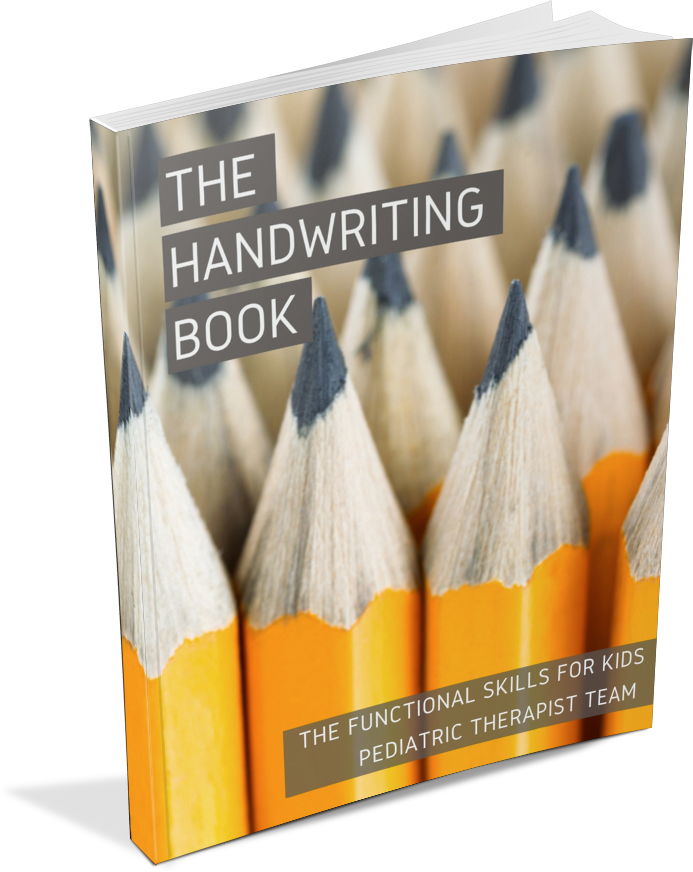
The Handwriting Book is a comprehensive resource created by experienced pediatric OTs and PTs.
The Handwriting Book covers everything you need to know about handwriting, guided by development and focused on function. This digital resource is is the ultimate resource for tips, strategies, suggestions, and information to support handwriting development in kids.
The Handwriting Book breaks down the functional skill of handwriting into developmental areas. These include developmental progression of pre-writing strokes, fine motor skills, gross motor development, sensory considerations, and visual perceptual skills. Each section includes strategies and tips to improve these underlying areas.
Strategies to address letter and number formation and reversals
Ideas for combining handwriting and play
Activities to practice handwriting skills at home
Tips and strategies for the reluctant writer
Tips to improve pencil grip
Tips for sizing, spacing, and alignment with overall improved legibility
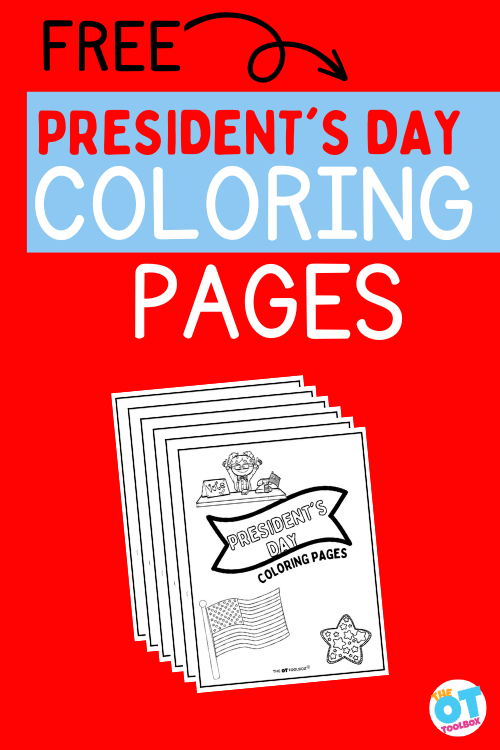
Today we have a fun printable resource: presidents day coloring pages! These are great for President’s Day, but also any any holiday with flags and stars. We know the power of coloring in developing fine motor skills, visual motor skills. Be sure to grab these free printable coloring pages of presidents and US holiday images! You’ll also want to use these occupational therapy coloring pages in building skills in therapy, at home, and in the classroom.
Get this free printable at the bottom of the post, as well as way to use this US presidents activity in a variety of ways to support OT goal areas.
Presidents day coloring pages
Presidents Day is nearing and what will you do? How about coloring? You can simply work on coloring or jazz it up and combine colors to create a new color! Read on and you will find coloring sheets appropriate for multiple skill levels and sheets that help to celebrate past and current presidents.
Do you want to expand on how you use these sheets? Use them as an opportunity to learn about the United States Presidents from George Washington, Thomas Jefferson to the current president, Joe Biden, and all others in between.
Read on to find coloring and learning sheets designed for ALL ages!
February 21st is President’s Day but we designed these Presidents Day Coloring Pages to be used for various holidays in America. They include other items to color:
Flag
Stars and Stripes
Presidents of the United States
more
President coloring sheets and learning pages are great for American history, Presidents Day, and for the season. Once the weather begins to warm some, you can pull these out and share how some of these presidents have shaped our country. You will find simple coloring sheets for youngsters and coloring pages with key facts about each president to supplement the educational program intended for the day.
Need to more fully understand what skills are involved in learning to color or do you need other ideas for how to teach coloring skills?
Then check out our posts here at The OT Toolbox – How to Teach Coloring Skills which teaches the skills needed for coloring, coloring skills by age, and the tools you can use to teach coloring to multiple age groups, and The Benefits of Coloring with Crayons that teaches why coloring with crayons provides so many benefits and helps to build important basic skills. Don’t forget while you’re there to check out this post too – How to Teach Carryover of a Functional Grasp with Coloring which gives you tips to teach kids to carryover the grasp skills they’ve learned in therapy during coloring.
free presidents day coloring pages
Use these President’s Day coloring sheets in a variety of ways:
Color in single objects to work on hand strength
Address line awareness and spatial awareness
Work on spatial relations by identifying objects in relation to others
Direction-following skills: Ask the child to color a specific object on the president coloring pages a certain color and then another item a different color. You can make this specific to the child’s needs and grade the activity
Play a Presidents Day I Spy game: Ask the child to find and color Abraham Lincoln for example
Work on handwriting skills- Ask the child to color an object and then write the words on paper.
Address scissor skills- Cut out pictures on the President’s Day coloring sheets
Write sentences with patriotic vocabulary using the images on the free worksheets
How will you use this PDF file to develop skills with a president’s day theme?
We hope that you have enjoyed this collection of Presidents Day coloring sheets which provides a variety of sheets that addresses multiple skills while also giving the coloring aspect as the main reason for it. These are perfect for the upcoming holiday, so just print them and celebrate!
Get your presidents Day activities sheets below
Enter your email address into the form below to access these printable pages. You can also find this resource inside The OT Toolbox membership under our therapy theme: President’s Day and US holidays. Level 1 members can access this and all of the free downloads on the website under freebie dashboard: Coloring Pages.
Regina Parsons-Allen is a school-based certified occupational therapy assistant. She has a pediatrics practice area of emphasis from the NBCOT. She graduated from the OTA program at Caldwell Community College and Technical Institute in Hudson, North Carolina with an A.A.S degree in occupational therapy assistant. She has been practicing occupational therapy in the same school district for 20 years. She loves her children, husband, OT, working with children and teaching Sunday school. She is passionate about engaging, empowering, and enabling children to reach their maximum potential in ALL of their occupations as well assuring them that God loves them!
In this blog post, we are addressing self-reflection activities as a tool to support self-understanding, self-awareness, and personal insight. In young children, this is a challenge that progresses as development occurs. But for some, the personal perspective becomes an area of frustration when empathy, executive functioning, and the ability to self-evaluate is a challenge. Challenges in the ability to self-reflect impact functional performance, social emotional skills, and learning. Let’s cover self-reflection activities and specific self-awareness exercises as a tool for development and personal growth.
Self-Reflection Activities
Self reflection leads to growth. Without looking back at failures and successes, growth is inhibited. If you are one of the few who are actually perfect in every way, you can stop reading. For the rest of the world, read on. The start of a new year often brings bouts of goal setting and self reflection.
WHAT IS SELF AWARENESS?
Self-reflection is a tool that kids and adults can benefit from. Reflecting on one’s actions and behaviors is a great way to grow as an individual and to meet personal goals. Think about a time you’ve set a personal goal. Maybe you wanted to start exercising and lose a few pounds.
By self-reflecting on a day’s events, you can determine what worked in meeting your goal and what didn’t work. You can intentionally put a finger on the parts of your day that helped you meet your goal of going to the gym and what stood in the way of eating healthy meals.
Self-reflection is essential for goal-setting! Most of these occupational therapy activities are free or inexpensive ways to address self-reflection in kids.
Whether this is the start of a school year, or the turning of the calendar to a new year, self reflection activities and resolutions begin to surface. For some, self reflection comes naturally, searching for meaning, purpose, and ways to become a better person. Others find reflection difficult.
This post is full of self reflection activities to spark conversation, goal setting, and prompt growth.
It has been said that the first stage of recovery or change, is to recognize there is a problem.
Many people are unable or unwilling to change because they do not believe there is a problem. Becoming aware takes a lot of self reflection.
People need to recognize the skills they have, and those they are lacking. They need to keep an open mind about who they are and where they are going.
These self-reflection activities can be a vehicle for helping kids to address areas of functioning in several areas. Improving self-reflection can help kids with self-regulation, knowing what coping strategies to pull out of their toolbox, how to act with impulse control, how to better pay attention, how to improve executive functioning skills, and how to function more easily. It’s the ability to stop and think before acting or responding, based on internal knowledge and experiences.
Additionally, self-reflection pays a part in mindfulness. If we are practicing attentiveness in the moment and attending to internal and external experiences, we can self-reflect on what worked, what didn’t work, and how to make things work better next time.
Self-reflection can be so helpful in social-emotional skills, academic learning, functional task completion, organization, and well-being! An awareness of self and the impact one’s own actions has on others is part of the stages of empathy development, too.
According to Dean Graziosi, New York Times best selling author, “Self-awareness is the ability to understand your thoughts, emotions and core values, as well as realize how these elements impact your behavior. It requires emotional intelligence, and it’s about objectively evaluating yourself and aligning your actions with your internal standards. To be self-aware is to be able to realistically assess your strengths and weaknesses while maintaining a positive mindset. It’s the ability to judge where you are in life, determine where you would like to be and set goals to achieve your vision.”
One tool for supporting awareness of emotions in general is by doing an emotions check in where the student (or any one, this can be done at any age), identifies how they feel and what their emotions are based on the situation, setting, and triggers. Another tool which is similar but different, is the feelings check in.
Self-Reflection Activities for Kids
One of the first steps in raising self-reflection to to help kids be more self-aware. They can use tools to improve mindfulness to notice how they feel, how the react, or how they behave. Most kids will struggle with this ability in the moment (It’s tough for adults, too!) but they can identify what worked and what didn’t work in a particular situation through conversation.
Using self-control strategies like the Zones of Regulation can be helpful in talking about feelings and self-awareness.
Explore along with the child. When a child is playing or exploring their environment, it can be helpful to play right along with them. Use play experiences to communicate through play.
Use play experiences to mirror actions. When a child is playing, play right along with them! Mimic their actions and words to be more aware as a caregiver of the details of a child’s interactions and to bring awareness for the child. Use this tactic only when the child is in a positive mood. Mirrored actions should not be completed when a child is behaving poorly or to bring attention to behaviors.
Reflect on the day as a family. Plan a family meeting and talk about the good, the bad, and the ugly of the day. It’s a good way to talk about ways to work on areas of need.
Create a Choice Collection. Come up with options that include coping strategies or tools to use in different environments. These could be part of a sensory diet or self-regulation strategies.
Finally, try some of these self awareness games to build skills through game-playing.
reflection about personal development
Children, teens, and adults of all ages develop in different ways. It’s said that we never stop learning, and this is true at every age and stage. Through learning experiences, there is either success or failure, with some level in the middle. This development occurs whether learning a new skill, trying something new, or trying a new way of doing something.
When there is learning, there is personal development.
As participants in an activity, we can utilize self-awareness skills to monitor successes or challenges that lead to goal achievement.
We can use that information to identify areas of need, or specific areas that we need to try again in a different way.
This allows us to create a feedback analysis of sorts that supports further growth in an area.
Some ways to reflect on personal development include tactics that are used for self-awareness and goal achievement. These strategies are types of reflection exercises and include:
Self-talk
Monitoring progress
Goal mind maps
Goal ladders
Identifying next steps
Talking with others for constructive feedback
Addressing negative feedback
POSITIVE SELF REFLECTION ACTIVITIES
Self-reflection activities are not just focused on the negative perspective.
There is a certain stigma to self reflection activities that they are just focusing on the negative things that need to change. There is positive self reflection also. What did you do well that you need to encourage yourself to keep doing? What did you learn that will be a great asset to your skillset?
Positive self reflection takes as much practice as reflection for growth.
Theoretically is your glass half full or empty? Do your learners search for problems, look for drama, or doubt themselves? By answering these questions we can come up with tools to support habits that our learners might be challenged with. Self-awareness activities are strategies to support self-reflection.
Encourage positive self reflection by trying some of the following activities:
Write three positive things about yourself each day
Journal about positive experiences
Practice acts of kindness
Don’t compare yourself to others, solely reflect on your own abilities
I am….- learners write positive statements starting with “I am”
Post positive affirmations around the room, class, social media, or wherever it helps to self reflect on positive thoughts and actions
Teach learners to flip a negative into a positive – I am bad at math, could be turned into I am a great reader, or I can count to 1000
Use a mirror for positive self talk – practice affirming while looking at yourself
Create a positive self talk morning ritual – The Miracle Morning is a powerful resource
SELF REFLECTION ACTIVITIES FOR GROWTH
Everyone has room for growth. Some have the personality type that limits self-reflection and personal awareness, while others have a stream of consciousness that easily enables self-reflection. We are all unique individuals, and these different types of traits are totally ok!
I bet the number one athletes in the Olympics believe there is room for growth. Practice does not make perfect, it makes it better. When I am evaluating students, I often start by asking them why they think I am seeing them. Most of them have some idea, even if they have no idea what Occupational Therapy is. That is my jumping off point. I find out what they believe to be their weaknesses and strengths, and go from there. They may not be accurate, but it is their belief, so it can be shaped.
The key to shaping beliefs and setting goals is to set measurable ones. The acronym SMART stands for specific, measurable, attainable, relevant, and timebound.
Use metrics and data to gather correct information about skills and deficits
Learners who have an unrealistic view of themselves, may need counseling to work through this. Body dysmorphia is one such example. People suffering from BD see flaws that no one else sees. They set unrealistic expectations and goals for themselves trying to reach an imaginary goal
Teach The Power of Yet – I may not be the best chess player YET. I could be with more practice and instruction
Create a realistic self view – while some learners feel they are all bad, others feel they are amazing. It seems counterintuitive, but the second group will need some help to realize everyone has growth potential. Gently shape these learners to also see their weaknesses as well as their strengths without squelching their self confidence
Take a step back – electronics spoon feed information, making it readily available. The answers are just a click away. While this is great in some ways, it is not teaching self control, reflection, and the power of doing nothing
Utilize the individual’s passions as a vehicle for addressing self-awareness. If they have a hobby or skill where they are successful, how did they learn the ability to complete aspects of that skill? How did they accomplish goals? How would they support another learner who is at the beginning of this skill learning? Sometimes when shifting the perspective to a teaching role, we can all use creativity in supporting self-reflection skills.
Focus on emotional vocabulary as a tool to support students’ reflections of themselves, whether they are looking at personal achievements in a positive light or a negative light. This is an important skill to encourage, as we all have moments of doubt and moments of high confidence and assurance. Emotional learning is one tool in the toolbelt for supporting self-reflection in daily functional tasks.
A FINAL THOUGHT on self-reflection activities
Mindfulness is not new, but it has resurfaced as people have forgotten how to slow down. Monks have been using this technique for centuries. They can sit for an entire day doing and thinking nothing. They are able to clear their mind for hours. I have tried this and can make it about 30 seconds before my mind is racing. It even races while I sleep. Self reflection takes the same discipline and focus to make it meaningful.
As with anything new and different, change takes time and practice. The act of self reflection itself, can be your first goal!
The Impulse Control Journal…a printable resource for helping kids strategize executive functioning skill development. When saying “calm down” just isn’t enough…
When a child is easily “triggered” and seems to melt down at any sign of loud noises or excitement…
When you need help or a starting point to teach kids self-regulation strategies…
When you are struggling to motivate or redirect a child without causing a meltdown…
When you’re struggling to help kids explore their emotions, develop self-regulation and coping skills, manage and reflect on their emotions, identify their emotions, and more as they grow…
Grab the Impulse Control Journal to build organizational strategies, planning, prioritization, habits, and mindset in kids.


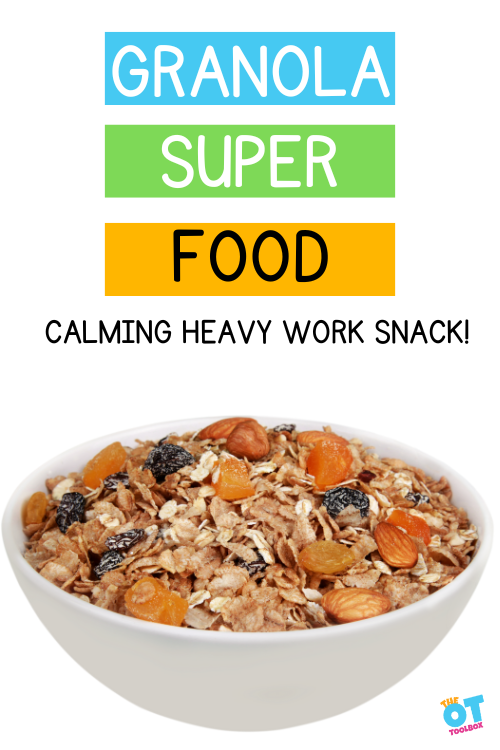
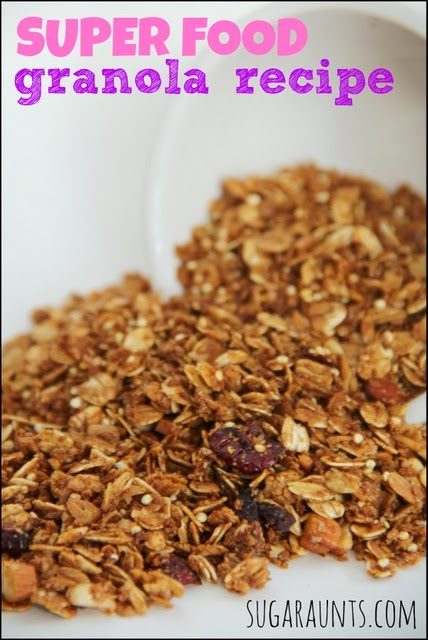
(affiliate link)
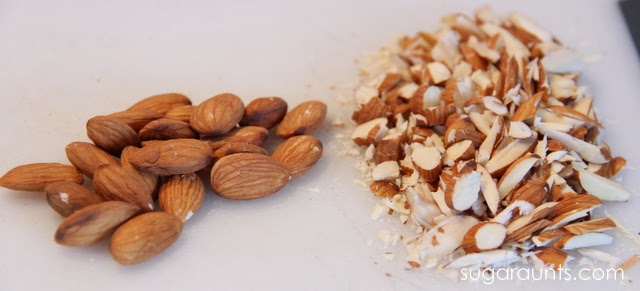
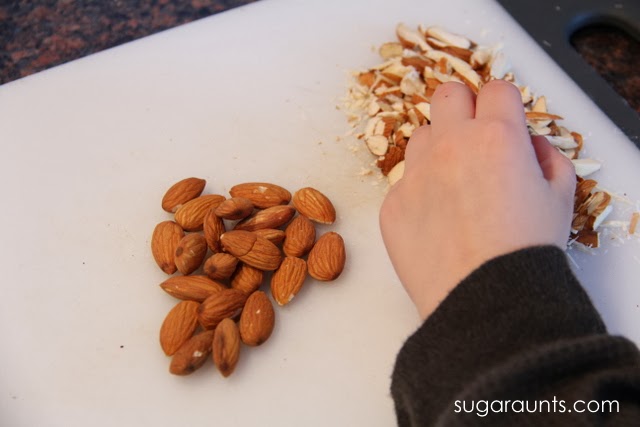
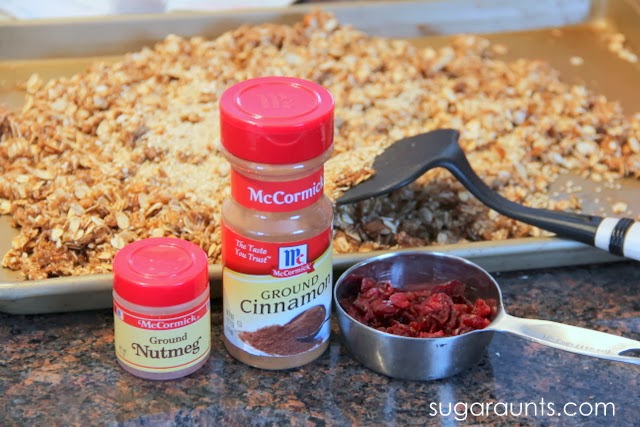
. Mix those spices into the granola mixture.
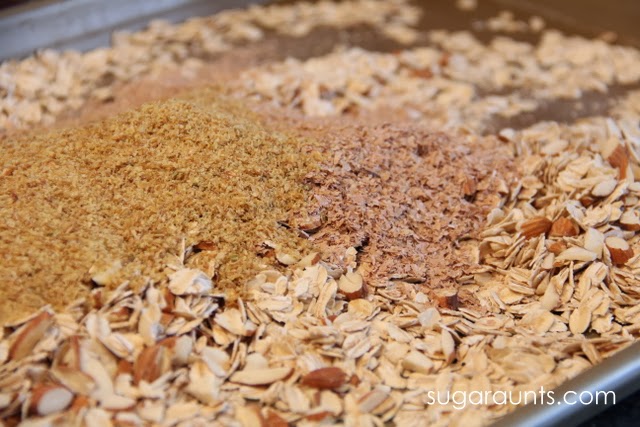
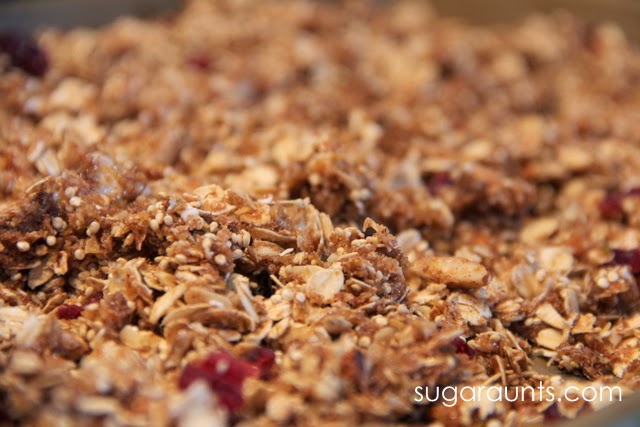
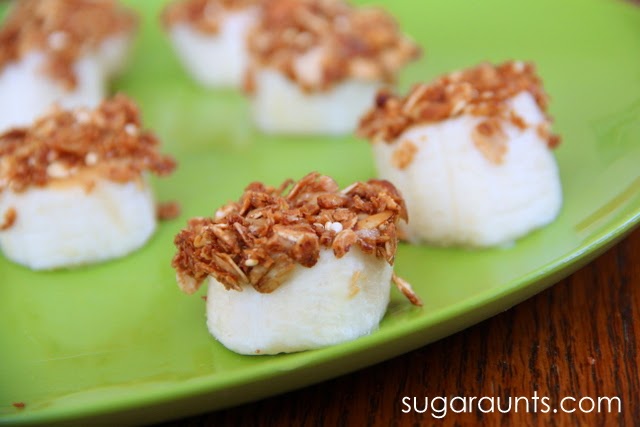

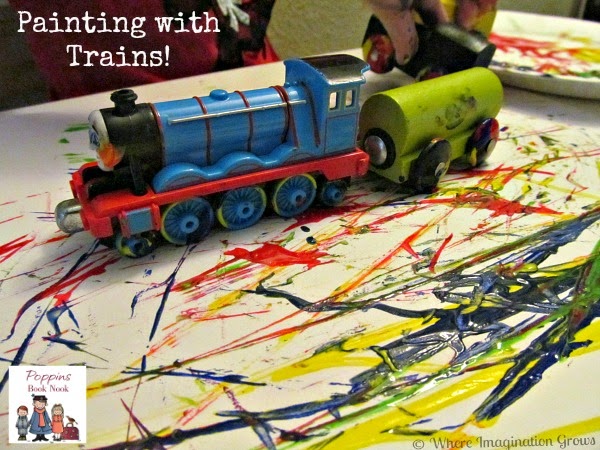
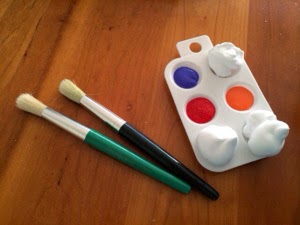


.JPG)
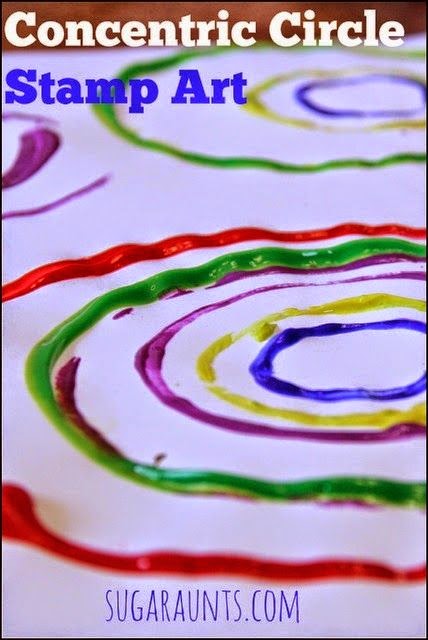
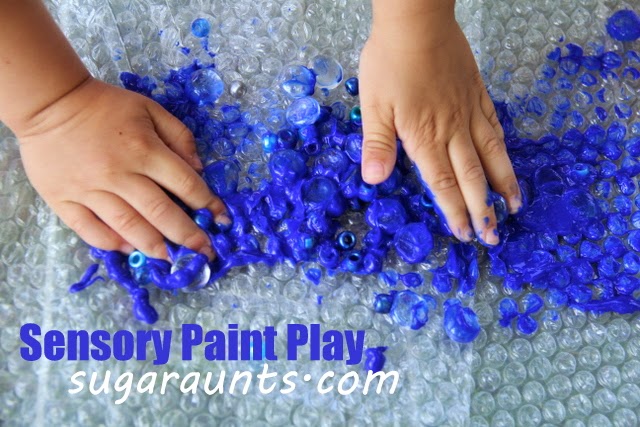


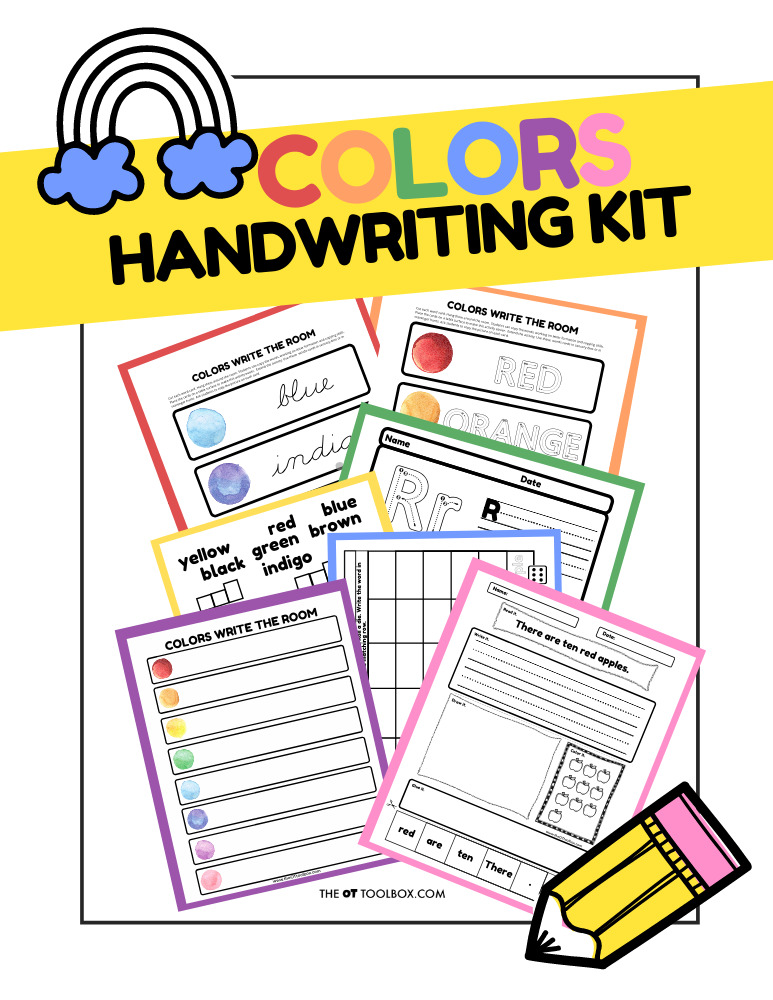

 (affiliate link).