Recycle Activities for Kids and OT

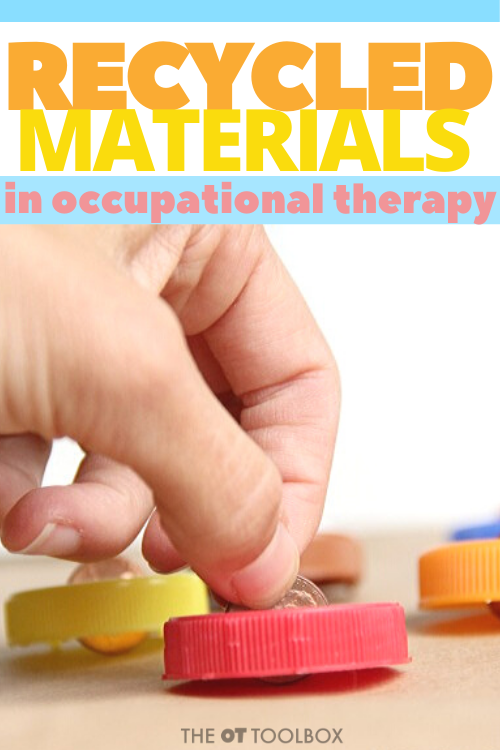
Recycle materials in occupational therapy

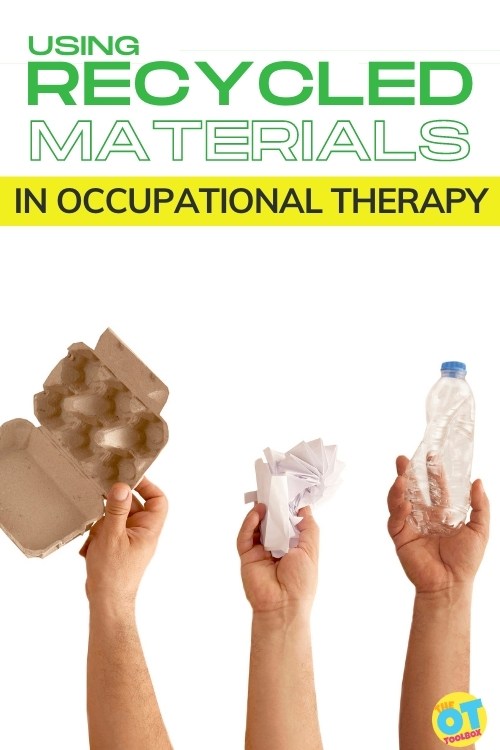
Having a few recycle activities up your sleeve is great as a busy OT, teacher, or parent…The thing is you can always find a way to use recycled items in crafts or play that supports the development of fine motor skills! Using recycled materials in occupational therapy crafts is a great way to create while using items that are in the home.

Some of the therapy ideas here include projects made from recycled materials, and others are activities that use recycled items in actual therapy tools. Still others are recycling activities for kids.

These recycle activities for kids are crafts that can be used in occupational therapy sessions to work on fine motor skills, direction following, motor planning, eye-hand coordination, and other OT goal areas. Many of the ideas below are activities using recycled materials you probably have in your recycling bin right now. Start saving those egg cartons, plastic containers, used water bottles, newspapers, and paper, because these crafts and activity ideas build skills!

These are great to add to your Spring occupational therapy activities: Think Earth Day fun!

Using recycled materials in occupational therapy for Earth day activities and building skills and OT goal areas through the use of recycled materials.

Recycle Activities In Occupational Therapy

Be sure to check out the list of recycled materials for art projects and fine motor activities, too. You can pass this list on to parents so they hold onto items like paper towel tubes to be used in OT home programs or teletherapy sessions. 

For more ideas, check out this ultimate occupational therapy teletherapy resource. We’ve shared a bunch of ways to play and build skills by using recycled items in therapy activities, like this gross motor grasp activity with plastic containers.

There are so many ways to use recycled materials in occupational therapy activities. When you think about the task of recycling, this is a very occupation-centered daily task.

activities using recycled materials

In OT, we address the functional tasks that one participates in throughout the day. Cooking, hygiene, and home management are those types of tasks. And, when participating in those daily tasks as an independent and functional being, there is trash that results as a result. That’s where activities using recycled materials comes into play.

When part of that task completion is the clean-up, or home management portion, you can insert activities using recycled materials, while recycling. So, managing recyclable refuse is part of that task completion. You can get your therapy clients involved in these recycling activities for kids while coaching towards goal areas.

In occupational therapy, we can cover the management of recycling.

There are many OT areas that can be addressed in therapy sessions (for all ages):

  • Sorting recycling
  • Identifying recyclable items
  • Cleaning out recyclable materials
  • Creating a recycle center in the home
  • Taking out recyclables along with the trash
  • Hand washing

And, part of that task process can be using recycled materials in therapy activities to address other goal areas, such as fine motor skills, strength, coordination, and balance.

Consider the possibilities of using recycle items in crafting and play!

Save this page, because you have a collection of activities in your toolbox using everyday items that are heading to the trash!

Use recycled materials in occupational therapy sessions.

Check out the past posts listed below to find tons of creative and fun ways to learn and play with recycled materials and a few projects made from recycled materials:

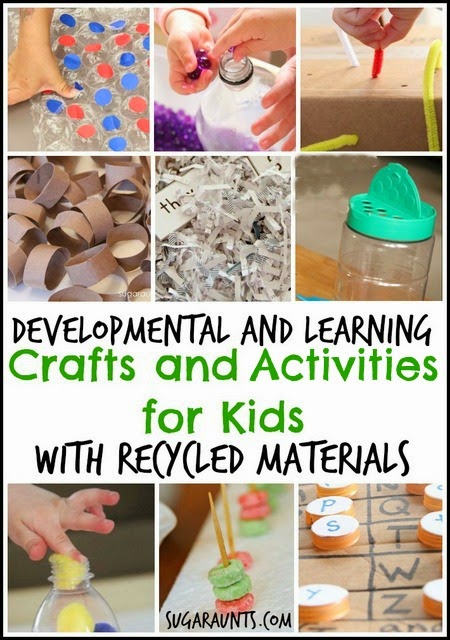
Kids will love these simple developmental and learning crafts and activities made with recycled materials

projects made from recycled materials

In therapy or in learning activities, crafts are a great way to build specific skills like scissor skills, crossing midline, eye-hand coordination, motor planning, executive functioning, bilateral coordination, and other skills. Here is our giant collection of craft ideas for kids that can be used in OT sessions.

Below, you will find craft ideas using recycled items. Below, I’ve broken down OT activities by the recycled materials.

Use the ideas listed here as recycling activities for toddlers, preschoolers, and older ages, too.

Some of these ideas are great for a physical education lesson using recyclable materials, and even balance, coordination and motor planning skills needed in physical therapy sessions.

One way that I love to use these activities is to create a handwriting portion. You can ask the clients to list out materials used and then add a piece on “how did i use recycled materials in this activity?” It’s a great way to include functional handwriting.

You’ll find a section for OT activities using egg cartons, ideas using recycled containers, OT ideas with paper towel tubes, etc. Each material has so many ways to build common goal areas. Let’s get started…

These recycled materials are good to have on hand for helping kids build skills and work on occupational therapy activities.

Egg carton crafts and activities for kids:

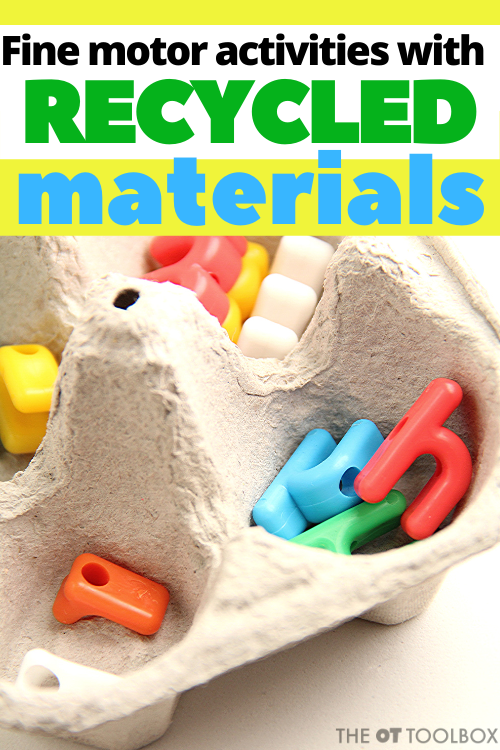
Save those egg cartons! Whether you are building hand strength, working on eye-hand coordination, or building motor planning skills, recycled egg cartons can be a powerful tool to add to your therapy toolbox. Try some of these ideas in OT sessions or in the classroom or home to build skills.

Work on intrinsic hand strength with an egg carton– We used pieces of straws to build hand strength, but you can use other small items like toothpicks, beads, small toys, or even rolled pieces of paper.

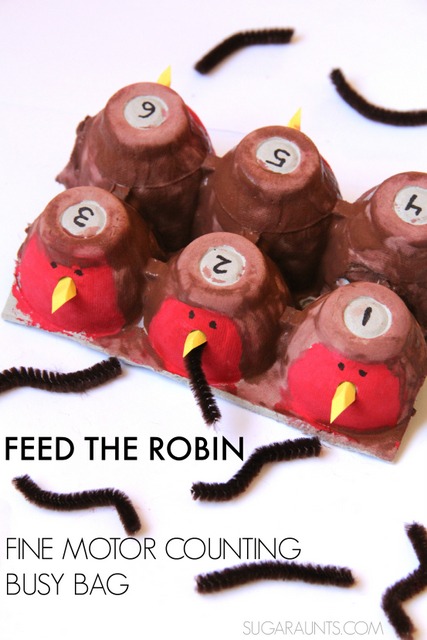
Speaking of hand strength, this robin craft and fine motor activity uses an egg carton and pipe cleaners to build strength and endurance in the hand with a focus on precision and an extended wrist.

Work on buttoning with kids? Teach buttoning with an out-of-the-box activity using a recycled egg carton.

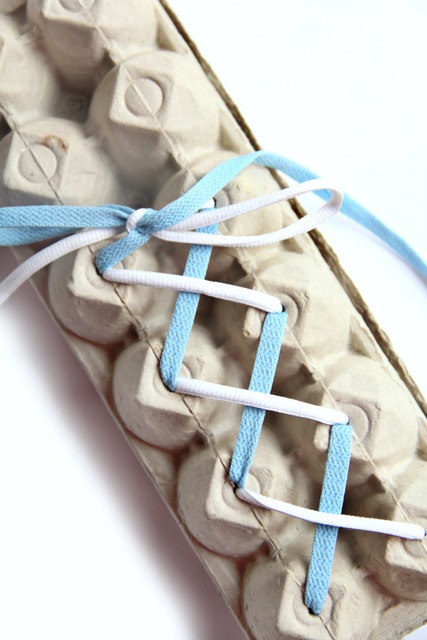
Take shoe tying to another level by teaching kids to tie shoes with an egg carton. Tying shoes can sometimes be difficult when switching to different shoes. Try practicing shoe tying on a different medium for something fun, while still working on skills such as bilateral coordination, motor planning, pinch, and sustained grasp.

Egg carton fine motor color sorting– We painted the egg carton and used colored jingle bells to work on in-hand manipulation, grasp, precision, and eye-hand coordination, but you could use any small item, and painting is totally optional.

More egg carton activities include:

  • Cut the sections and stack them in a tower
  • Clip clothes pins to the edges
  • Write a number or letter inside the carton. Place the correct number of small items in each section.
  • Sort letters written on pieces of paper
  • Cut the egg tray so it contains 2 rows of 5 sections. Use it as a hands-on 10 frame for teaching kindergarten math skills.

Egg Carton Crafts

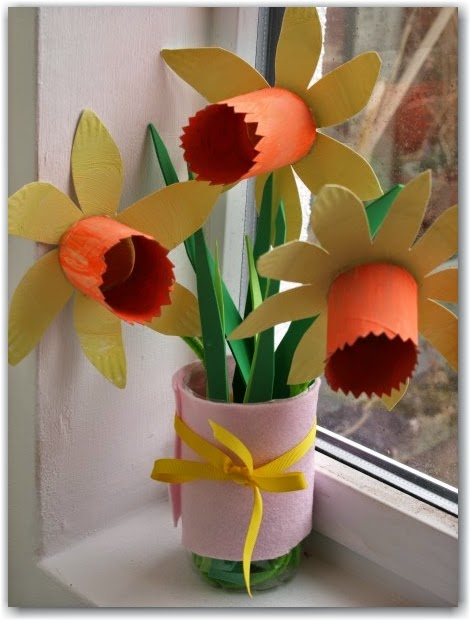
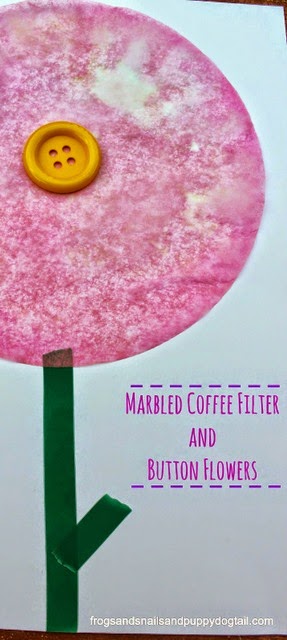
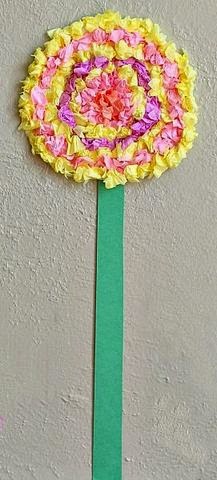
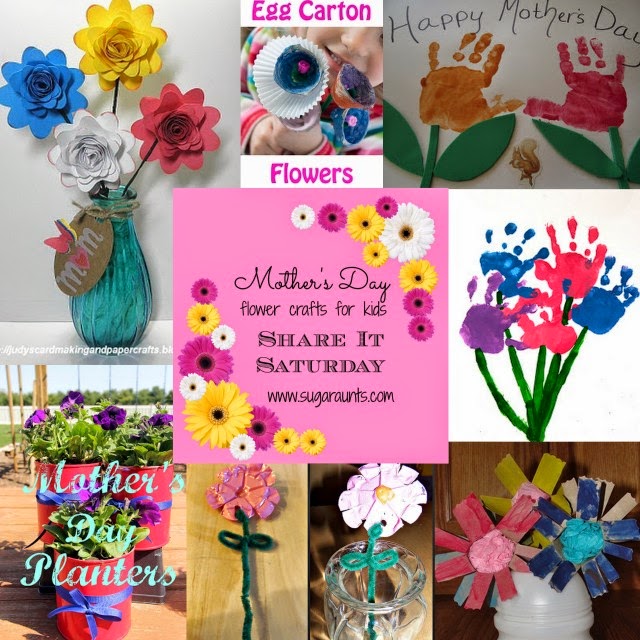
Use an empty egg carton to build skills with a craft material that you might already have in your home right now. From egg carton flowers to fine motor power tools, these are recycled egg carton crafts that are therapist-approved.

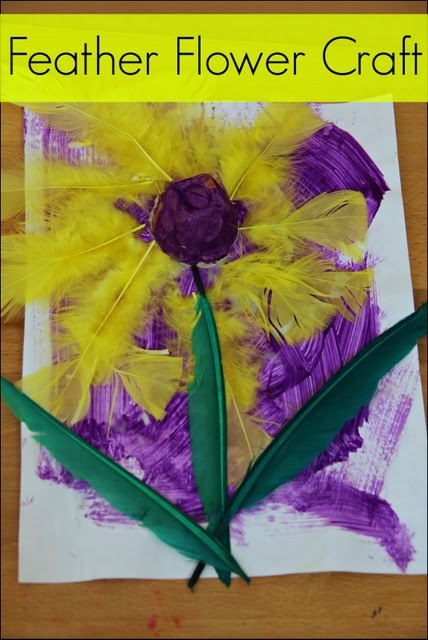
Flower feather craft~ fine motor skills, direction following, multi-step feather art


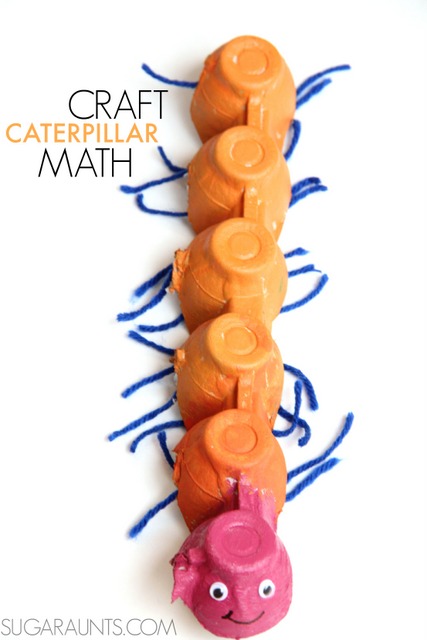
Egg carton caterpillar craft- This classic recycled egg carton craft is a fun one for kids. We used it to build math skills, too.

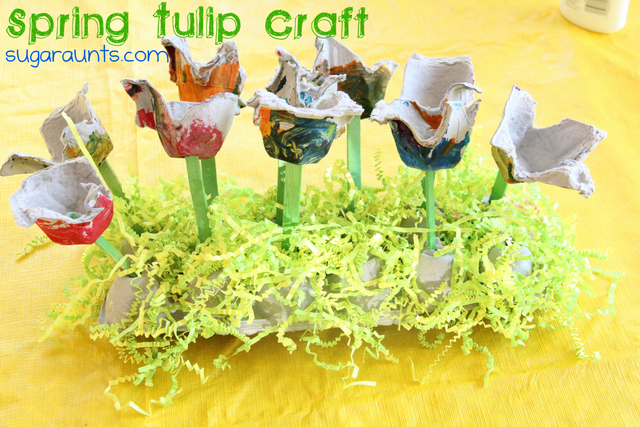
Spring tulip craft with recycled egg cartons~ tripod grasp, multi-step direction following


Snowman math activity~ fine motor pincer/tripod grasp while working on math skills


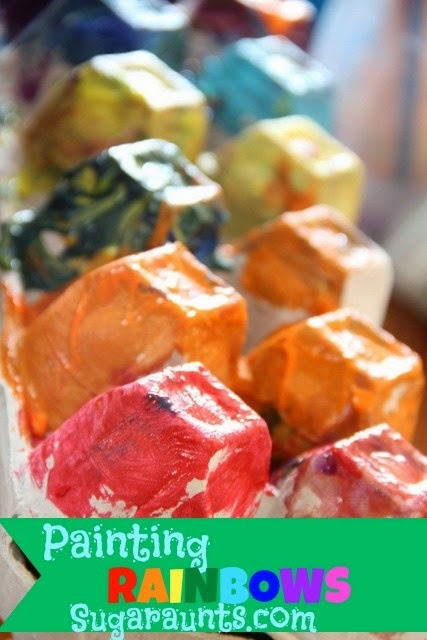
Painted rainbow recycled egg cartons– Paint egg cartons and then use them in other crafts or sorting activities. Painting the sections of the egg carton tray requires precision and coordination.

Egg carton pumpkins– This is an OLD post here on the website, but one that is such fun. Kids can use golf tees to hammer into the sections of the egg carton, making pumpkin stems while building coordination and motor skills.


Fine motor egg carton Christmas tree~
Work on building tripod grasp to thread a Christmas tree from egg cartons. You could also just stack the recycled egg carton sections into a tower if you want to build this activity year-round.

Use toilet paper tube crafts in occupational therapy activities to help kids build motor skills.


Toilet Paper tube crafts and activities for kids:

Cardboard tube crafts using recycled paper towel tubes or toilet paper rolls are a great way to use what you’ve got while building fine motor skills. These toilet paper tube crafts have got you covered. You can also use paper towel tubes for many of these recycled materials activities and crafts. The paper tube provides a great material for young children to practice cutting, while positioning their scissors correctly and promoting bilateral coordination. When cutting a cardboard tube, kids have to start at their midline and work away from their body while holding onto the tube. It’s a great starter project for children.

  • Clip paper clips to the edges
  • Stack them up and knock them over by rolling a ball to work on coordination
  • Drop small items through the tubes into a target bin or basket
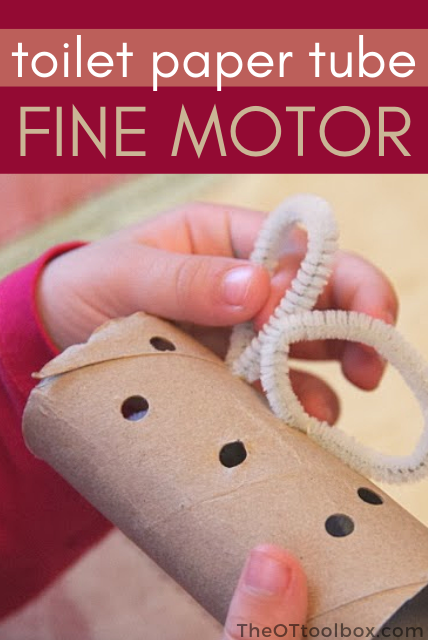
  • Use a hole punch to punch holes in the sides. Thread pipe cleaners through the holes
  • Slit the edges and create a building toy
  • Practice scissor skills by cutting down the edge
  • Clip clothes pins to the edges

Toilet paper rolls and paper towel tubes make a great item to use in OT sessions. Here are ways to use paper tubes visual tracking exercises with kids.

Build gross grasp and coordination with paper tubes and small balls or toys. Kids can balance the items on the cardboard rolls while building skills.

Toilet Paper Tube Crafts

Olympic rings craft with paper tubes– Kids can cut toilet paper rolls into small circles and create an Olympic ring craft.

Spring chick juice box cover~ tip to tip grasp, multi-textural craft for Spring


Rainbow recycled cardboard tube craft~ Color the sides of the toilet paper tube with crayons, paints, or markers and build fine motor skills, imagination, pretend play, language skills

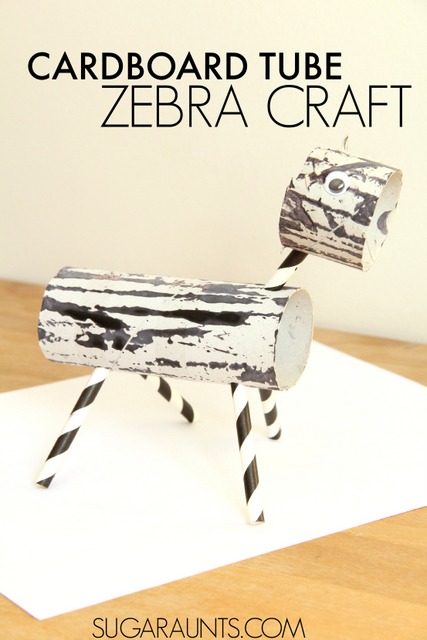
Cardboard tube zebra craft– Cut a toilet paper tube into an animal shape and turn it into a zebra craft.


Rainbow binocular
s~ imagination, pretend play, fine motor skills


Cardboard tube turkey napkin ring~
fine motor work with a napkin ring craft. we made a turkey, but you could make any animal.


Recycled cardboard tube turkey juice box cover~
Use a paper towel tube to make a juice box cover. we made ours into a turkey, but you could create any animal. This craft builds tripod grasp, multi-step craft


Cardboard tube stamp painting~
Work on gross grasp, fine motor skills, and coordination.


Recycled cardboard tube pumpkin stamps~
Use a paper towel tube or a toilet paper tube to paint pumpkins in this fine motor craft.


Cardboard tube apple stamps~
Use a toilet paper tube to paint apples in a coordination craft. What other round objects could you paint by using a paper roll?

Use recycled containers such as plastic bottles to build fine motor skills like in-hand manipulation and coordination.

Recycled Plastic container activities for kids:

Use recycled bottles in fine motor activities– Plastic bottles like shampoo bottles, soap bottles, and other squeezable bottles are great for building gross hand grasp.

Fine motor color sorting activity with recycled grated cheese container~ tripod grasp, color, pattern, and sorting learning skills. This is a great early math activity!


In-hand manipulation activities ~uses a grated cheese container and a recycled two liter drink container to develop in-hand manipulation and translation skills.


Play dough cupcakes ~using a recycled cupcake container with strengthening and fine motor  development.


Outdoor snow restaurant activity with recycled containers~ imagination, pretend play, language skill development. Don’t have snow? Use play dough, slime, or even homemade kinetic sand.


Fine motor play with plastic bottle and crafting poms~ tripod grasp, color, sorting, and pattern learning


Recycled milk container ghost catch game~ gross motor, eye-hand coordination, and visual motor catch game


Plastic bottle and tissue paper fine motor play~ tripod grasp, auditory processing activity with colors


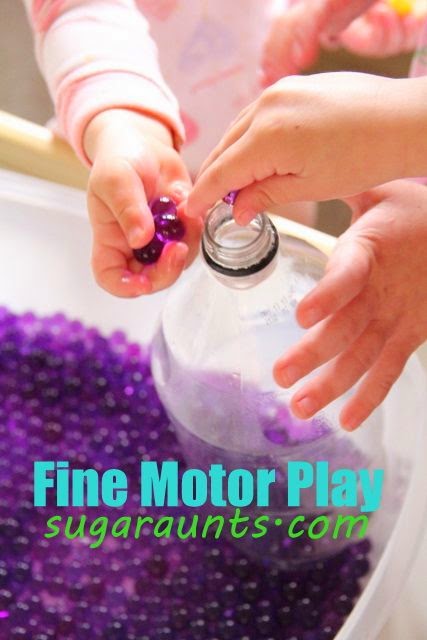
Fine motor sensory water play with recycled water bottles~ color learning in a multi-sensory activity with fine motor (tripod grasp) components

Spy sight word sensory bottle~ visual scanning activity to work on language. This is a great eye-hand and visual-motor activity!


Fine motor tripod grasp activity~ Tripod grasp and in-hand manipulation skills with a grated cheese container


Recycled plastic water bottle pipe cleaner fine motor activity~ Tripod grasp, fine motor skill development with an auditory component…all while working on colors.

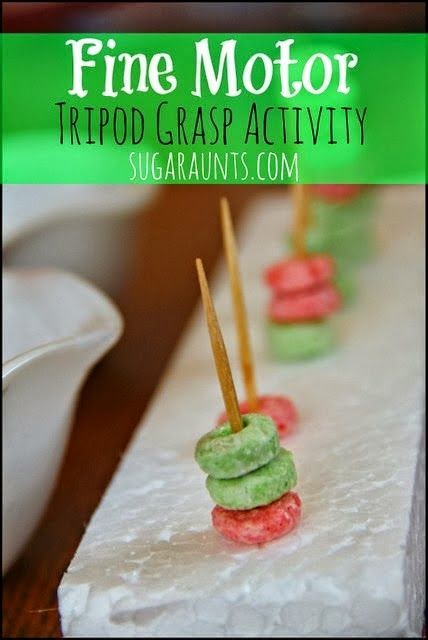
Use recycled materials in occupational therapy sessions such as styrofoam as a base to press toothpicks into while building fine motor skills.

Styrofoam activities for kids:

Use recycled bubble wrap to work on hand strength and auditory processing with kids.

Recycled Bubble wrap activities for kids:

Finger dexterity game with recycled bubble wrap~ fine motor skills to strengthen thenar muscles of the thumb with visual scanning, tracking, crossing midline.


Sensory paint play with recycled bubble wrap~ Challenge the tactile sense with creative play while working on language development, color learning, and fine motor skill play


Mess-free bubble wrap painting~ Build fine motor skills such as tripod grasp, tip-to-tip grasp, and index finger isolation work while engaging in creative painting.


Fine motor and auditory bubble
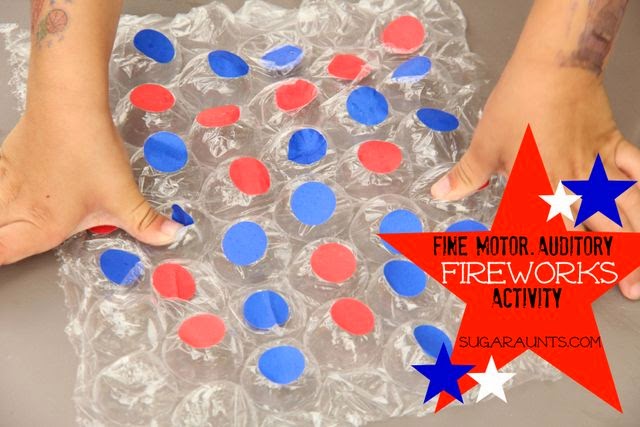
wrap activity~ Address color learning, visual tracking and scanning, eye-hand coordination with an auditory component.

Use recycled materials in occupational therapy activities and to build skills such as fine motor skills or sensory play.

Recycled Shredded paper crafts and activities for kids:

Sight word sensory bin with shredded paper~ Use recycled paper from the paper shredder in tactile sensory play while learning and identifying sight words, visual scanning activity


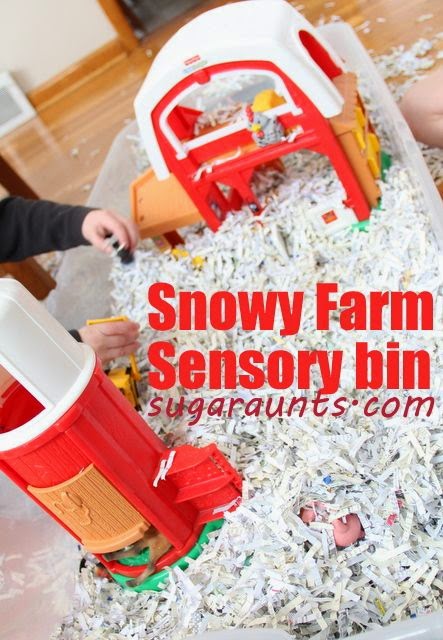
Shredded paper snowy farm sensory bin~ Build language, creative expression, and imagination through pretend play with a sensory bin using recycled paper as a sensory bin base.


Valentine’s Day shredded paper sensory bin~ This sensory play activity uses colors, fine motor work with tools, imagination, and pretend play.

Use a recycled cardboard box to build fine motor skills.

Cardboard crafts and activities for kids:

Small world activity with a cardboard box~ imagination, pretend play, language development


Valentine’s day door banner craft~ Multi-step direction following with fine motor work

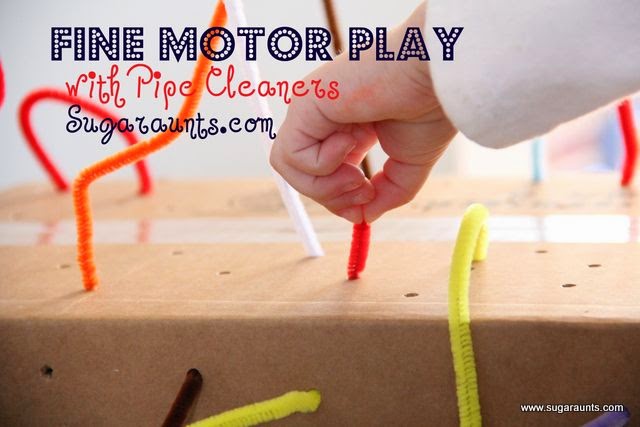
Fine motor with pipe cleaners and a cardboard box ~ tripod grasp, eye-hand coordination, tip-to tip- grasp


Cardboard box golf tee hammering~ eye hand coordination, tool use, strengthening, letter learning, visual scanning, visual motor activity


Cereal box fine motor coordination~ tripod grasp, visual motor play

Pretend play pizza shop~ imagination, pretend play, language development


How to create a craft bin from recycled materials~ process art with imagination


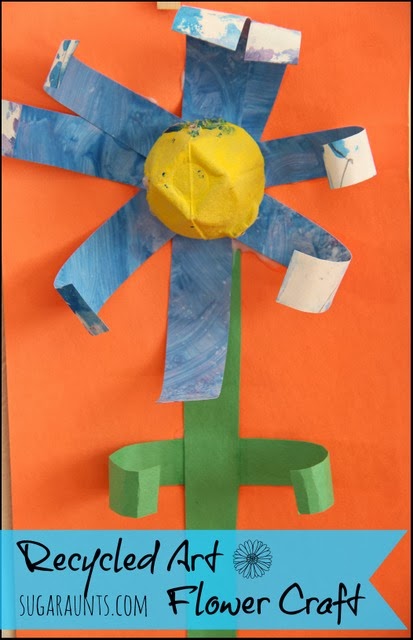
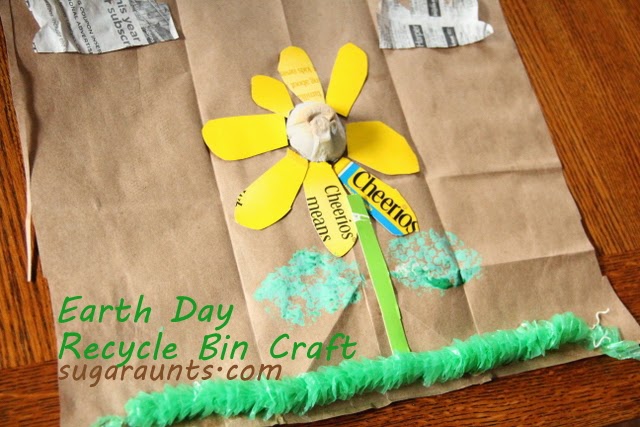
recycle bin flower craft~ fine motor development

Make a recycle bin project using items you find in the recycling bin. This is a great activity to inspire creativity and imagination!

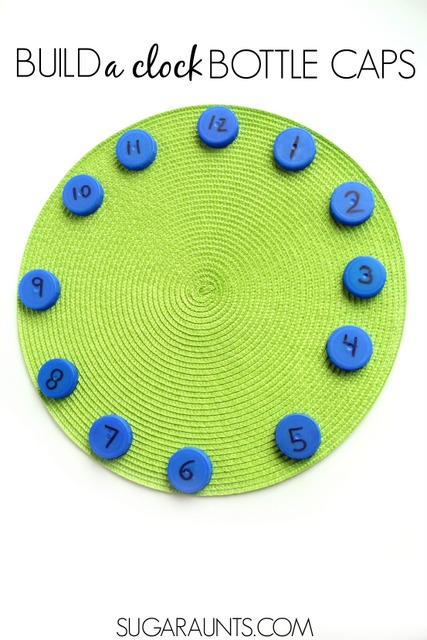
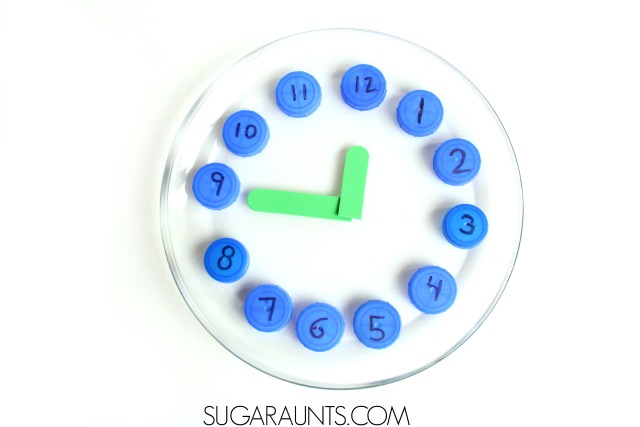
Use recycled bottle caps to work on occupational therapy activities or address learning such as letter identification, fine motor skills, and more.

Bottle cap crafts and activities for kids:

Christmas stamps with recycled bottle caps~ fine motor development

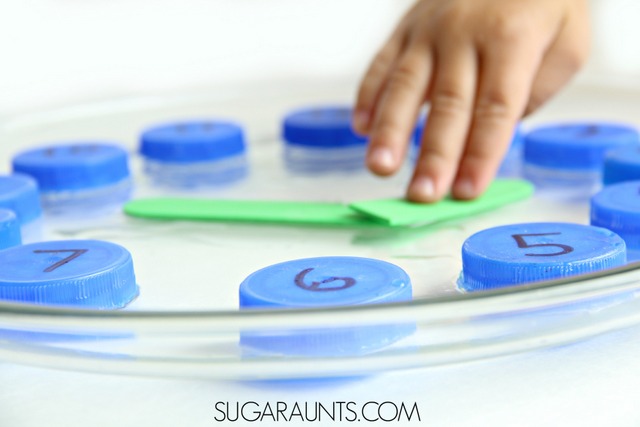
Recycled bottle caps fine motor activity– We used dry chick peas to build fine motor dexterity with recycled bottle caps, but you can use any small object.

Bottlecap Spinning Tops- These fine motor power tools are great for precision, dexterity, grasp, in-hand manipulation, and arch development of the hands

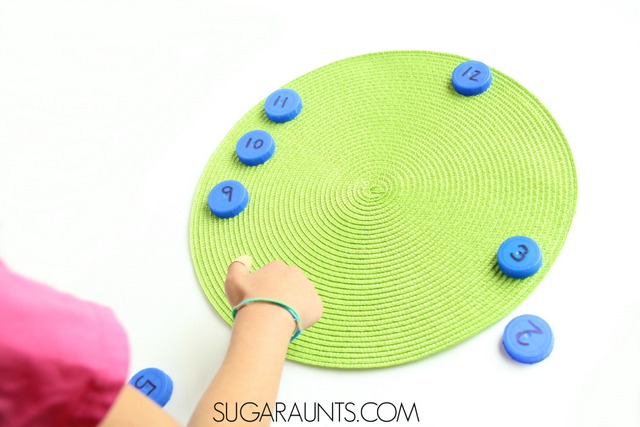
Use bottle caps in visual tracking– Recycled materials can be used with big visual processing benefits to address visual scanning and tracking.


Recycled bottle cap sight word stamps~ sight word learning, visual scanning, matching

Bottle cap flower craft– Build precision and eye-hand coordination with bottle caps.

Bottle Cap DIY Toys– Recycle bottle caps into DIY toys with fine motor benefits.


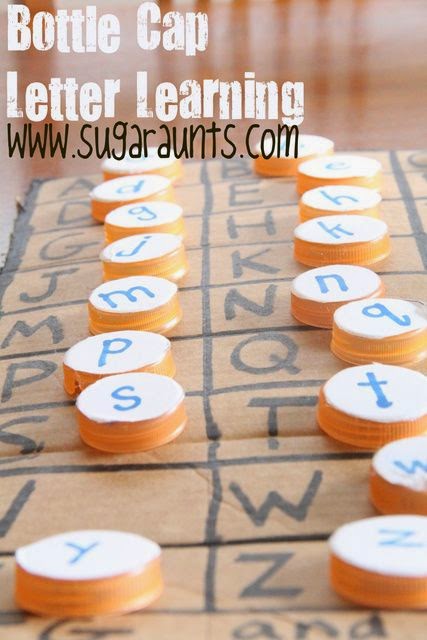
Letter learning with recycled bottle caps~ letter learning, visual scanning, matching

Recycled Materials List for Parents

Working wiht children on an Occupational tehrapy home program or in OT teletherapy sessions? You can ask parents to hold on to some of these recyceld materials to use in OT sessions or to work on specific recommended activities;

  1. Toilet paper tubes
  2. Paper towel tubes
  3. Plastic containers (spice jars, Parmesan cheese containers, squeeze jars, shampoo bottles, berry containers, cupcake containers, etc.)
  4. Bottle caps
  5. Cardboard tissue boxes
  6. Delivery cardboard boxes
  7. Egg cartons (cardboard or Styrofoam egg trays)
  8. Styrofoam take-out containers
  9. Shredded paper
  10. Old worksheets, paper that’s been used on just one side
  11. Paper bags
  12. Cereal boxes

What would you add to this list?

Looking for more ways to work on specific skills in teletherapy? Check out this ultimate occupational therapy teletherapy resource to guide a wide variety of treatment ideas.

Earth Day Crafts

Any of these recycled crafts make a great Earth Day craft…why? Kids are using recycled materials in crafting and they are learning to use what they have on hand!

For more seasonal crafts to use in OT sessions, you’ll love our Spring Crafts library!

Colleen Beck, OTR/L has been an occupational therapist since 2000, working in school-based, hand therapy, outpatient peds, EI, and SNF. Colleen created The OT Toolbox to inspire therapists, teachers, and parents with easy and fun tools to help children thrive. Read her story about going from an OT making $3/hour (after paying for kids’ childcare) to a full-time OT resource creator for millions of readers. Want to collaborate? Send an email to contact@theottoolbox.com.
Fine Motor Activities to Improve Open Thumb Web Space

open thumb web space activities

An open thumb web space ensures a functional grasp on the pencil and is an important fine motor skill. When the thumb is squashed against the pencil and the index finger, it is difficult to control the pencil with small motor movement changes. These activities are designed to promote an open thumb web space. Why not try using them before a handwriting task to warm up the hands?

This paper clip activity prompts opposition of the thumb with an open thumb web space. Games with paper clips are a great way to target an open thumb web space.

open thumb web space activities

What is Hand Web Space?

Let’s start by covering thenar web space and the definition of hand web space. The thumb web space is that space between your thumb and pointer finger that makes an “O” when you make the “OK” sign. It’s the first web space, which opens in a spread open palm. This area is also known as the thenar space. 

The web space is that area between the thumb and the index finger.

In order to grasp small items with your thumb and index finger, you need to oppose the tip of your thumb to the tip of your pointer finger. Not only do the tips of the fingers need to touch, but the thumb must rotate at the joint closest to your hand. This opposition is needed to manipulate and grasp small items like shoe laces, buttons, and zippers.

In the hand, there are several anatomical features that impact web space:

  • Thenar eminence– (The bulk of the muscles at the base of the thumb, in the palmar area)
  • Thenar muscles- the abductor pollicis brevis, the flexor pollicis brevis, and the opponens pollicis
  • Carpal bones
  • Metacarpal bones
  • Phalangeal bones
  •  Lumbricals- The main role of the lumbrical muscles is to straighten the fingers to straighten and help bend the MCP joints.
  • Intrinsic Muscles- Also known as the thenar muscles. In the role of the thumbweb space, the intrinsic muscles include: adductor pollicis, flexor pollicis brevis, abductor pollicis brevis, opponens pollicis. These are muscles that originate and end within the hand.
  • Median nerve– the nerve that innervates the thenar muscles, with the exception of the deep head of flexor pollicis brevis and adductor pollicis muscle, which receive their innervation via the ulnar nerve. 
  • Long Flexor Tendons- Tendons that originate outside of the hand, in the forearm of the upper extremity. These muscles bend the wrist forward toward the palm.
  • Extrinsic Muscles- Muscles that originate in the forearm of the upper extremity. Extrinsic muscles include the flexors and the extensors. 
  • Long Flexor Muscles- Flexor Pollicis Longus and Abductor Pollicis Longus. 
  • Long Extensor Muscles- The extrinsic extensors make up the border of the anatomical snuff box: Extensor pollicis longus, Extensor pollicis brevis, and Abductor pollicis longus 

Closed Web Space in the Hand

Closed web space occurs when the thumb is squashed up against the side of the index finger during functional tasks. 

When kids write or color with that web space area squashed shut, it’s a sign of problems. There may be limited dexterity and precision in fine motor tasks when a closed web space is present. 

Then, as a result, there might be compensating for thumb instability, underdeveloped hand arches, and/or poor strength. Each of these problem areas will lead to difficulties with handwriting, dexterity, manipulation of small items like beads, and pencil grasp.

Writing with a closed web space is inefficient and will cause poor and slow handwriting, especially as kids grow and are expected to write at faster speeds. A closed web space while attempting to manage fasteners such as buttons and zippers will lead to fumbling and difficulty.

Web hand space includes two components:

  • Opposition with rotation of the thumb at the CMC joint 
  • Flexion of the distal joints of the thumb (MCP joint and IP joint)

Opposition with Rotation- Related to hand web space is opposition of the tip of the thumb to the tip of the pointer finger. This blog post covers more on opposition with a fine motor paper clip activity

When opposing objects with the thumb and pointer finger, the thumb’s thenar muscles work to oppose with a nice, rounded web opening during functional tasks.  This is needed for advancing and positioning a pencil when writing, precision tasks such as threading a needle. stringing beads, closing a plastic sandwich bag, managing a button with ease, and pulling a zipper.  

With a closed thumb web space and lateral pinch of the thumb versus true opposition, a child will fumble.

 Flexion of Thumb Joints- Also related to thenar web space, or open thumb web space is the flexion of the joints of the thumb. Flexion, or a bent position, allows the thumb to bend toward the palm at the joints in the thumb. 

  1. The CMC joint-CMC joint refers to carpo-metacarpal joint. Also known as the basal joint, or the saddle joint. This joint is located between the trapezius of the carpal joints in the wrist and the metacarpal in the first digit. There are three movements completed by the CMC joint:
    • Flexion- When the CMC joint moves in isolation, the thumb is able to flex, or bend, across the palmar area to touch the base of the pinkie finger, or the small finger of the hand. 
    • Rotation- This joint also enables rotation to oppose the fingertips.
    • Abduction/Adduction- Abduction spreads the thumb away from the second finger and creates a wide web space. Adduction brings the thumb back to the second finger to close the thumbweb space.
  2. The MCP Joint- The MCM joint is the metacarpophalangeal joint. This joint is located between the metacarpal bone and the proximal phalangeal bone in the thumb. When the MCP joint bends in isolation, the joint at the base of the web space across the palm to touch the base of the pinkie finger (5th digit, or small finger). 
  3. The IP Joint- The IP joint is the interphalangeal joint. This joint is located between the proximal pharynx and the distal pharynx of the thumb. When the IP joint works in isolation, only the tip of the thumb bends.

This blog post on a thumb wrap exercise covers more on thumb flexion and the flexion of the individual joints that impact functional grasp on a pencil during handwriting.

web space hand functions

An open thumb webspace is necessary for tasks requiring in-hand manipulation such as moving coins from the palm to the fingertips. If the thumb is squashed up against the index finger, it can not be helpful in manipulating items.

An essential part of a functional open thumb webspace is a flexed thumb IP joint. Read more about this simple tip for a functional pencil grasp that encourages a flexed IP joint.

RELATED READ: Here are activities and tools to address pencil grasp.

Fine Motor Activities to Improve Open Thumb Web Space

These web space hand activities will help improve an open web space for functional grasp:

1. Using a flexed IP joint of the thumb while encouraging thumb opposition is the number one best way to encourage an open thumb web space. The resulting rotation of the thumb and a tip-to-tip grasp will result in an open space that allows for improved dexterity.

2. Beading Activities- This activity with small beads and play dough is an easy way to strengthen these skills.

3. Fine Motor Crafts- Make and Take made these caterpillar pets that address bilateral coordination and an open thumb web space when threading the pony beads.

4. Threading Activities- Thread beads onto feathers like we did in this fine motor beading activity.

5. Tweezer Activities- Use homemade craft stick tweezers to encourage an open thumb space. Tweezer Games like Operation are a great way to work on this skill. Tweezer activities promote an open web space and stabilization of the thumb. 

6. Lacing Activities- Encourage an open thumb web space during lacing activities, like in this DIY lacing activities.

Here are more lacing card ideas that you can use to promote an open web space.

7. Pegboard Activities- Use a homemade pegboard to encourage an open thumb web space.

Web Space Hand Activities

An important piece of an open thumb space is the components that make up the skill. These include arch development, opposition of the thumb to the pointer finger, rotation of the thumb CMC joint, and flexion of the MCP and IP joints.

To encourage arch development try these web space hand movements try these activities:

  • Tearing small pieces of paper
  • Shaking dice within the hand
  • Rolling small pieces of play dough into balls

To encourage opposition of the thumb to the pointer finger and rotation of the thumb CMC joint, a child needs strength in the muscles of the thumb. The bulk of the thenar eminence allows for rotation, control, and endurance in activities with sustained thumb rotation.

Remember, while completing these activities, encourage the child to flex the thumb IP joint and to rotate the thumb to oppose the fingers. This promotes an open thumb web space, and not a squashed space!

A few toys that help encourage an open web space:

Amazon affiliate links are included below:

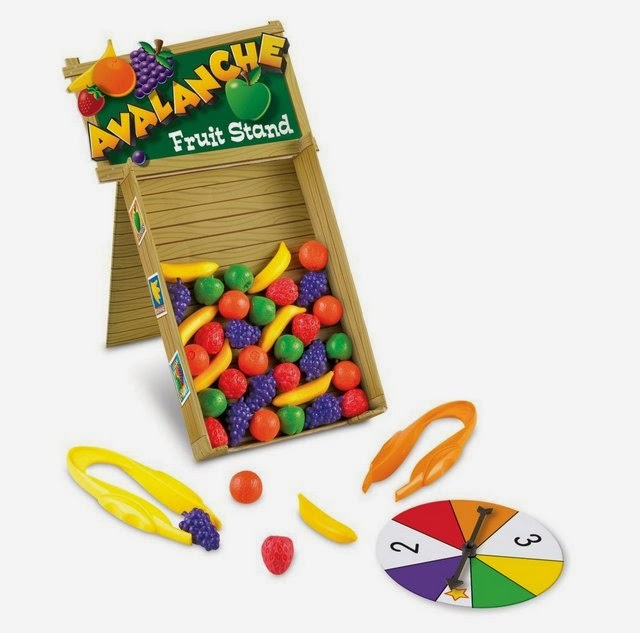
This Avalanche Fruit Stand from Learning Resources is a colorful way to encourage an open web space. The vertical surface is perfect for encouraging an extended wrist (see below).

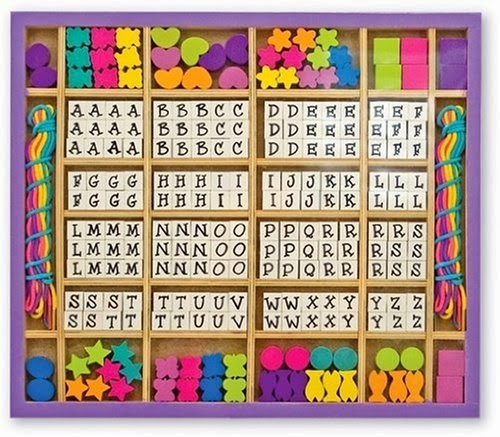
Bead Sets: Stringing beads is a good way to encourage an open web space. The child must hold the bead and string between their thumb and index fingers. Collapsing of the thumb web space will happen when the child demonstrates weakness in the muscles of the thumb. Beading is a repetitive activity and promotes strength. 

This Melissa & Doug Deluxe Wooden Stringing Beads with over 200 beads from Melissa & Doug has over 200 beads in different colors and shapes, and even letters! You could even form sentences for the child to copy and practice their improved pencil grasp!

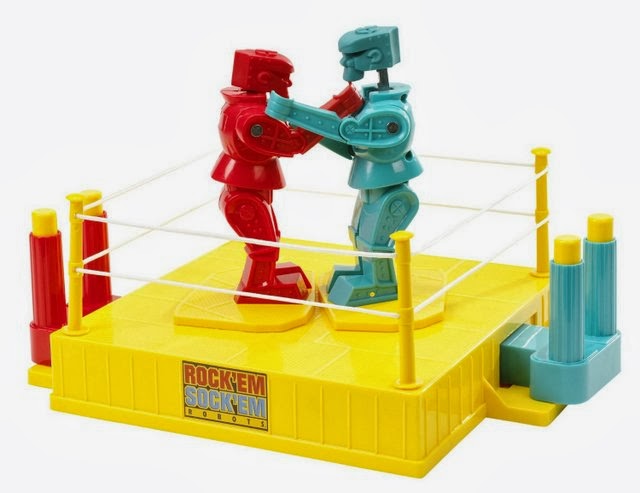
Rock ‘Em Sock ‘Em Robots: Often times, a child will wrap their thumb around the index finger when they are writing with a pencil. This indicates instability in the thumb and the muscles that allow for smooth pencil motions. Pushing down on the buttons of the Rock ‘Em Sock ‘Em ROBOTS Game from Mattel really strengthens the muscles of the thumb and allows for more stability leading to an open web space and ultimately more fluid motions of the pencil in letter formation. Plus, this game is just plain old FUN for kids of all ages!

Try these activities to improve open thumb web space needed for tasks like pencil grasp, in hand manipulation, and dexterity needed in fine motor activities.

More thumb web space hand activities

We’ve created many fine motor kits with lacing, pinch and crumbling paper activities, and tools to support fine motor development of the thumb web space:

Working on fine motor skills, visual perception, visual motor skills, sensory tolerance, handwriting, or scissor skills? Our Fine Motor Kits cover all of these areas and more.

Check out the seasonal Fine Motor Kits that kids love:

Or, grab one of our themed Fine Motor Kits to target skills with fun themes:

Want access to all of these kits…and more being added each month? Join The OT Toolbox Member’s Club!

Colleen Beck, OTR/L has been an occupational therapist since 2000, working in school-based, hand therapy, outpatient peds, EI, and SNF. Colleen created The OT Toolbox to inspire therapists, teachers, and parents with easy and fun tools to help children thrive. Read her story about going from an OT making $3/hour (after paying for kids’ childcare) to a full-time OT resource creator for millions of readers. Want to collaborate? Send an email to contact@theottoolbox.com.
Valentine’s Day Play Dough

Valentines day candy fine motor

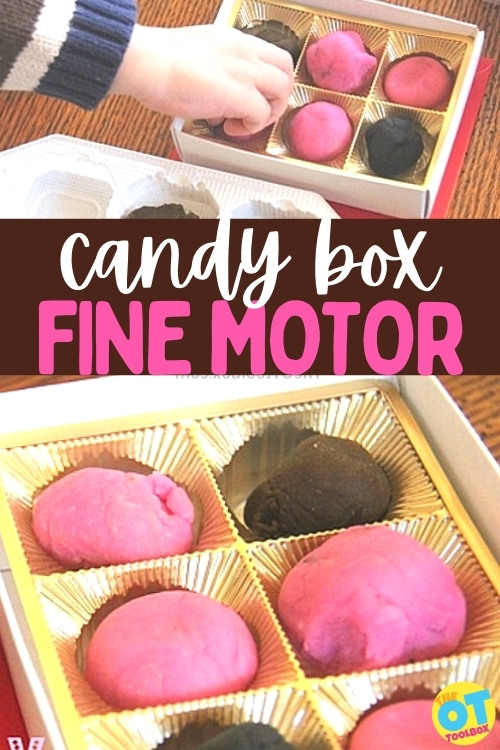
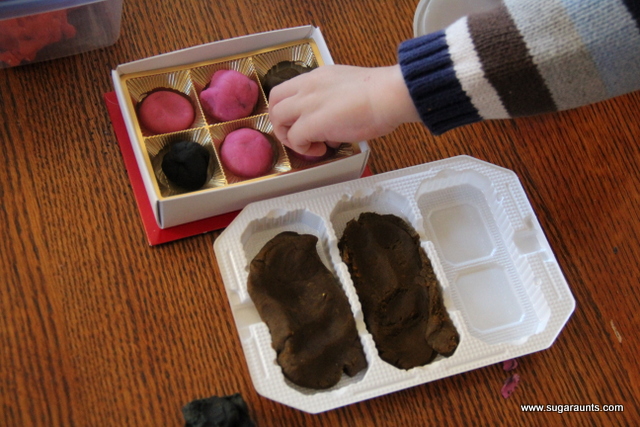
Have a candy box you are itching to use to develop fine motor skills? Here is a fun Valentines playdough activity that gets the hands moving and developing fine motor skills. This fun activity can be used in occupational therapy activities to develop a variety of skill areas, using a recycled candy box and Valentine’s Day play dough!

Be sure to grab these printable Valentine’s Day cards, for more holiday fun.

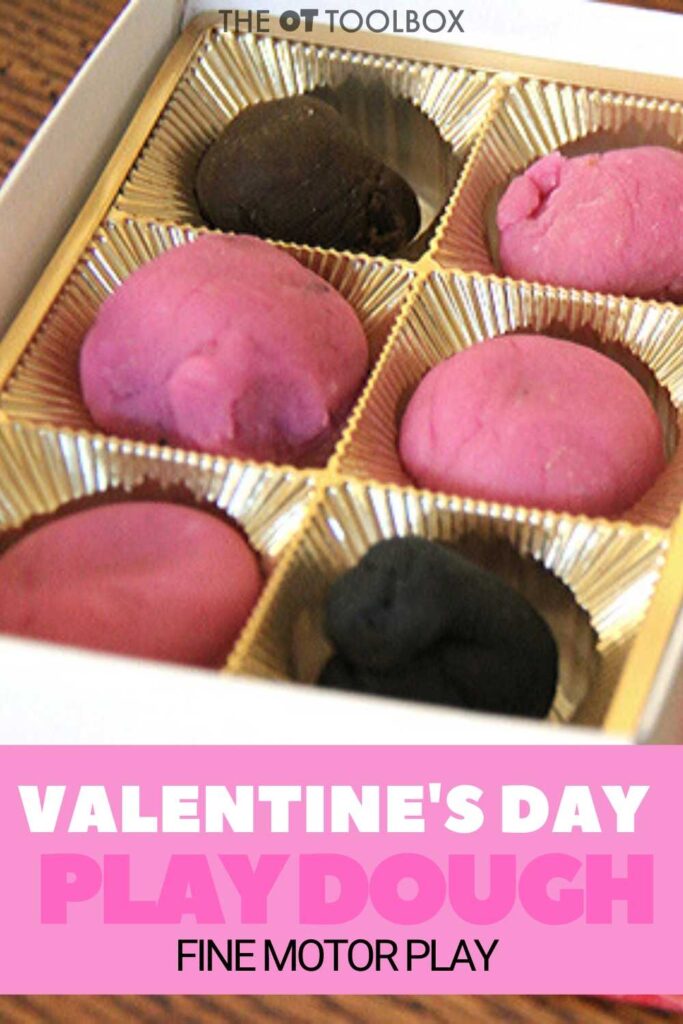
Have you ever had a candy tray, chocolate gift box, cupcake holder, or other container and wondered if you can use it in play? Incorporating Valentine’s Day activities into occupational therapy sessions is fun with interactive play ideas like this one. We used a chocolate gift box as a Valentine’s day play dough activity with a fine motor component. Pair this chocolate themed activity with our hot chocolate craft for more fine motor fun.

After you make this Valentines playdough, use the pink and red playdough with our new Valentine’s Day fine motor paths. Users can roll small balls of play dough and place them along the paths while working on in-hand manipulation, precision, hand strength, eye-hand coordination, and more. Simply print off the pages, slide them into a page protector sheet, and use your play dough.

It’s a LOVE-ly activity for building hand strength!

Valentines day playdough is a fun way to develop skills. Use a Valentine's Day candy box to develop fine motor skills.

Valentines Day PlayDough

Valentine’s day activities for kids can be a fun way to work on skills like fine motor strength or eye-hand coordination. Take this heart maze or instance. This is an easy prep activity that can be upgraded or downgraded for each child’s needs and levels while working on visual perceptual skills and eye-hand coordination with a heart theme.

One out of the box (candy heart box?) way to use this activity is along with our Valentines Day I Spy. Use balls of the Valentines Day playdough to place on objects on the worksheet.

Use a recycled chocolate tray for a Valentine's Day play dough activity.

Creating this play dough activity is easy. Make a set of colored play dough. Our crayon play dough recipe will get you set up with literally any color in the crayon box.

You could also use store-bought play dough, or make a flour dough recipe.

Valentine's Day Playdough activity to help kids strengthen fine motor skills.

Valentine’s Day Fine Motor Activity

Playing with play dough and rolling small balls of play dough is a great way to build fine motor strength, especially intrinsic hand strength.

The sky is the limit when it comes to this open-ended play activity. Encourage imagination and play in a fun, Valentine’s Day theme!

Kids can press the dough into the trays to strengthen the hands, work on finger isolation, separation of the sides of the hand, and more.

How to Make Valentines Play Dough

While this activity is low-prep, you’ll want to start with play dough in red, pink, white, and brown colors to make the playdough chocolates and heart decorations. To make the homemade playdough, you can start here with our best homemade playdough recipes.

Select a dough recipe and get the kids or clients involved in mixing up the playdough.

Most homemade dough recipes call for these ingredients:

  • Flour (typically all purpose flour works well, but gluten free flour options work, too)
  • Water (hot water or boiling water that has cooled)
  • Cream of Tarter
  • Vegetable Oil

Mix up the ingredients and start kneading. This is such a great calming activity for children, because when kids knead playdough, they are gaining heavy work through the joints of their hands. Coupled with warm playdough, it is a powerful calming activity to add to your built-in sensory diet.

Valentines Day play dough activities are a fun fine motor activity using play dough.

Invite your kiddos to use their imagination. Can they make teeny tiny sprinkles from the play dough? Hellloo, precision and fine motor work!

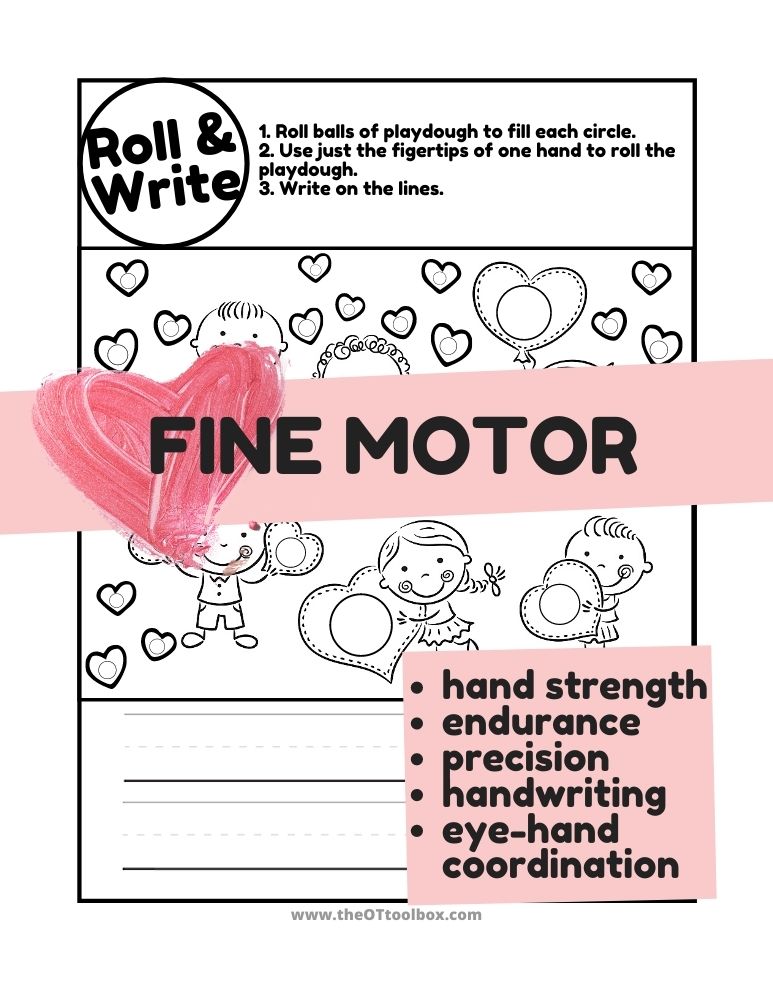
Valentines day play dough mat for fine motor skills and handwriting
Use the Valentine’s Day Play Dough Mat to help kids develop fine motor skills by rolling balls of play dough.

Kids can then roll the balls of play dough using just their fingertips to build intrinsic strength, eye-hand coordination, separation of the sides of the hand, and arch development. There are so many fine motor skills being refined and developed by using small balls of play dough and a play dough mat like the one found in our new Valentine’s Day Fine Motor Kit.

Use the play dough to make play dough chocolates, candies, chocolate bars, or other treats from play dough.

Use chocolate candy containers and play dough to work on fine motor skills and hand strength with a Valentine's Day theme activity.
This valentine's day activity for kids is a powerful fine motor play dough idea that works on skills like hand strength.

They look good enough to eat, right??? Use the dough to roll balls of “chocolates” using just the fingertips. It’s a great way to work on separation of the sides of the hands, intrinsic strength, and arch development.

Use a Valentine's day chocolate box in play dough activities for a Valentine's day theme activity.

More Valentine’s Day occupational therapy activities

More fine motor activities for building skills

To add more fine motor skill work to your Valentine playdough, try these ideas:

  • Mix in glitter
  • Freeze the dough and use scissors to cut hearts
  • Add manipulatives like ribbon, beads, or small objects to decorate the playdough cookies and candies.
  • Set up your own “Sweet Shop”! Write down ingredients to work on handwriting skills. Mix the playdough to make different colored candies, and sort the play dough balls into candy holders. You can work on so many skill areas this way!
  • Set up a dough invitation as an invitation to play and build skills. This is a great therapy activity for small groups or for morning centers.
  • Get kids involved in making the homemade playdough. There are many ways to develop executive functioning skills and fine motor skills by making play dough. Our crayon playdough recipe is very popular.

Want to add more Valentine’s Day activities and movement tools to your skill-building?

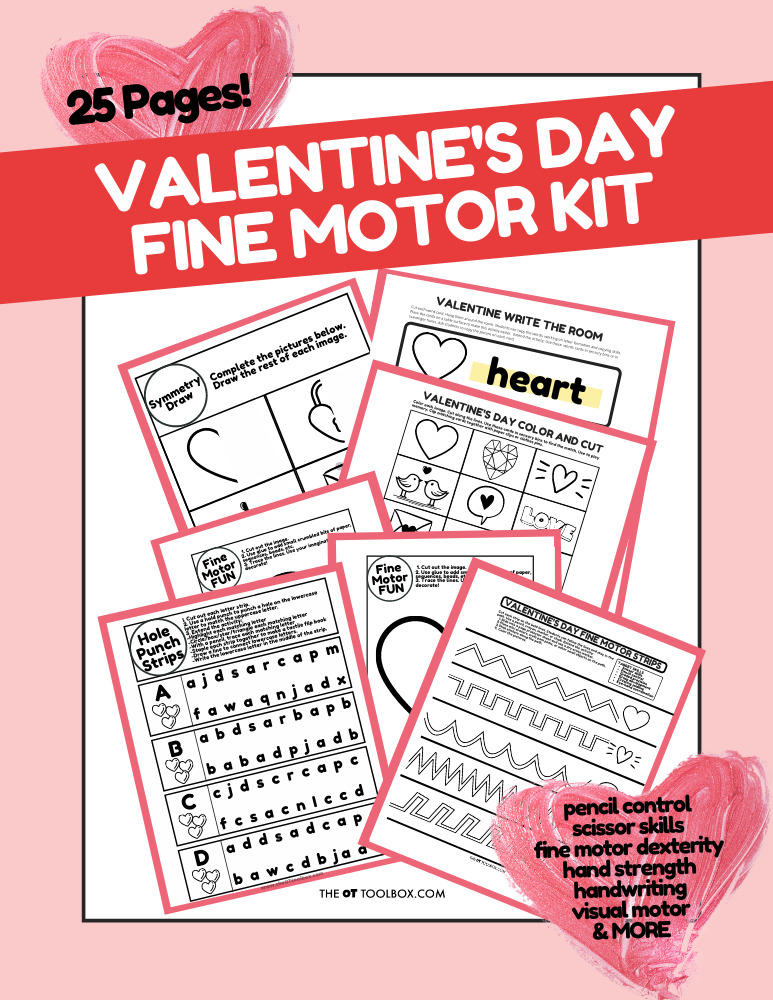
The Valentine’s Day Fine Motor Kit is here! This printable kit is 25 pages of hands-on activity sheets designed to build skills in pinch and grasp strength, endurance, eye-hand coordination, precision, dexterity, pencil control, handwriting, scissor skills, coloring, and more.

When you grab the Valentine’s Day Fine Motor Kit now, you’ll get a free BONUS activity: 1-10 clip cards so you can challenge hand strength and endurance with a counting eye-hand coordination activity.

Valentines Day fine motor kit

A final note on Valentines Playdough

This Valentine play dough activity is cheap and low-prep way to build skills. All you need is a recycled candy container to work on skill-building during the month of February. It’s easy, fun and only takes a few minutes, but kids will LOVE the activity. Paired with some scissors, beads, and heart shaped cookie cutters, it is absolutely adorable. This would make a great DIY Valentine’s Day gift for a therapy caseload because the activity can be easily adapted to meet a variety of needs. Use it in a class party, as a fun “home therapy” recommendation, or in a play group.

Add scented oils or essential oils to the play dough and you’re covering other senses, as well. Valentine’s Day Scented Playdough can be a motivating and fun therapy tool for clients.

Colleen Beck, OTR/L has been an occupational therapist since 2000, working in school-based, hand therapy, outpatient peds, EI, and SNF. Colleen created The OT Toolbox to inspire therapists, teachers, and parents with easy and fun tools to help children thrive. Read her story about going from an OT making $3/hour (after paying for kids’ childcare) to a full-time OT resource creator for millions of readers. Want to collaborate? Send an email to contact@theottoolbox.com.
Early Intervention and Autism

early intervention autism

When it comes to the early signs of autism spectrum disorder and potential interventions, early intervention for autism can cover a variety of areas. Here, you’ll discover strategies for parent advocates to add to their toolbox.

There are many different signs associated with autism, and research strongly shows the earlier a child receives intervention supports for autism, the more progress they make in all areas of their lives. Early intervention, a federally funded program, provides support for the youngest children, ages birth through three years old, who demonstrate developmental delays. This blog will talk about the early signs of ASD and interventions that support development in all areas. 

Early intervention and autism as well as early signs of autism and interventions to support development.

Early Intervention and Autism

Today, autism affects 1 in 44 children. According to the CDC, autism spectrum disorder is four times more likely to occur in boys. The best way to support children who are showing signs of a developmental delay is to get them therapy supports as early as possible. These supports are available from Early Intervention Programs, Health Insurance and private agencies. 

Every child is different and develops at different rates, so how are we supposed to determine if an Autism Evaluation is appropriate for a child under three years old?

The Early Intervention program is available to all children ages birth to three that live in the United States. The purpose of this program is to help identify and support children who have delays in all areas of development, with or without a diagnosis of autism.

One of the most commonly used questionnaires to determine if a child does have red flags for ASD is called “The Modified Checklist for Autism in Toddlers (MCHAT). This questionnaire can be filled out for free by a clinician or a parents. You can find the free online version here.

The five areas typically monitored when determining if a child should be referred for an autism evaluation are joint attention, social engagement, receptive language, expressive language and behaviors. If there are concerns in some or all of these five areas, completing the MCHAT assessment and talking to your child’s pediatrician is the first step to determining if more testing should be administered. 

  1. Joint Attention

Joint attention is a skill that affects a child’s ability to interact with others.

The definition of Joint Attention is when two people purposefully pay attention to the same thing and for the same reason.

For example, when an adult calls a child’s name, and the child responds by looking at the adult, they are engaging in the first step of joint attention. The adult would then ask the child a question and when the child responds, the adult and child are talking to each other about the same thing, in that very same moment. The same goes for when an adult points to an object and the child follows that point to see what object the adult is showing them. Together they are able to talk about the same item.

According to the UNC School of medicine, Children who are learning social and communication skills in a typical way will often show examples of joint attention from the time they are 12 months old. Joint attention is important in helping people communicate with each other all through life. Children with autism have a hard time with this kind of communication. For these children, delays in developing joint attention skills lead to delays in developing language.”

  1. Social Engagement

As soon as a baby is born, they are in awe of their mothers voices and eyes. Infants thrive off social interaction, from playing peek-a-boo, being sung to and engaging in simple play activities.

As they grow, social skills become the foundation for other areas of development. They learn spoken words through imitation of adults and peers, babies and toddlers model behaviors of those they see around them, they get the attention of others to share their wants and needs, and they imitate other children’s play and movement.

One component of autism is a lack of social engagement, such as when a child doesn’t show interest in playing near or playing with other children or using words to communicate with primary caregivers.

  1. Receptive Language

Understanding the meaning of words is the first step to language development. Without understanding the meaning of words, children won’t be able to use spoken words to communicate their wants and needs with adults.

Children start to show understanding of words as early as 4 months old, when they look towards objects and family members when they are named. As they get older, they start following points, imitating gestures and show interest in imitating sounds and words that adults use. 

Autistic children may have a harder time engaging in social reciprocity which impacts their receptive language development. This article from Raising Children describes how joint attention directly affects receptive language development in infants:

“Autistic children might have difficulty learning language because they tend to show less interest in other people in the first 12 months of life. They might be more focused on other things going on around them. Because they might not need or want to communicate with other people as much as typically developing children do, they don’t get as many chances to develop their language skills. For example, a three-month-old baby who is distracted by a ceiling fan is less likely to tune into a smiling and tickling game with their parents. By nine months, if the baby still isn’t tuning into parents, the baby is less likely to point at things they want to share with parents. The baby is less likely to listen to their parents as they name things. This means the baby misses these chances to build vocabulary.”

  1. Expressive Language

Expressive language is the key to communicating our wants and needs with others. This can be through visuals, verbal words or using gestures.

When infants start to use gestures (such as pointing, waving “hi”, and lifting their arms to signal wanting to be picked up,) adults are able to understand what their child is wanting and respond to their requests.

From there, expressive language develops quickly into babble, jargon, word imitation and then children using one, two and three word phrases to communicate with those around them.

Children that develop early signs of autism don’t typically follow this language progression. Children might be more quiet then others, babbling less, use rote phrases (lines they hear in movies), use language that isn’t functional in nature, or label a variety of objects. This article does a wonderful job explaining the differences between a language delay and language concerns that point to Autism. 

  1. Behaviors

Behaviors associated with children who may have Autism may also be an indicator of sensory differences. An autistic child may show repetitive movements (such as rocking consistently), showing aversions to being touched or sensitivity to sounds and lights in unpredictable environments (such as the grocery store.)

Children sometimes become upset for unknown reasons and are hard to calm down. Some autistic children become fixated on objects, only wanting to complete tasks in specific ways (such as lining up toys), always wanting to hold onto specific objects or getting upset when someone else changes the play sequence. Children who show signs of ASD also tend to need consistent daily routines and become upset when their routines change. 

The most common diagnostic tool for Autism in young children is called the ADOS (Autism Diagnostic Observation Tool), a play based assessment that is completed by a clinician with the child present. This assessment can be given to a child as early as toddlerhood. There are four different modules that can be administered to young children. Clinicians determine the correct module to use based on the skill level of the child. The ADOS assessment, along with the Diagnostic and Statistical Manual of Mental Disorders (DSM-5) results will determine if a child meets the criteria that pertains to autism spectrum disorder. 

The Diagnostic and Statistical Manual of Mental Disorders (DSM-5) is a completed diagnostic tool completed by the American Psychiatric Association that encompasses different psychiatric diagnostic criteria. The diagnostic criteria for Autism in the DSM-5 is described in this article. 

“A. Persistent deficits in social communication and social interaction across multiple contexts, as manifested by the following, currently or by history. 

B. Restricted, repetitive patterns of behavior, interests, or activities, as manifested by at least two of the following, currently or by history.

C. Symptoms must be present in the early developmental period (but may not become fully manifest until social demands exceed limited capacities or may be masked by learned strategies in later life).

D. Symptoms cause clinically significant impairment in social, occupational, or other important areas of current functioning.

E. These disturbances are not better explained by intellectual disability (intellectual developmental disorder) or global developmental delay. Intellectual disability and autism spectrum disorder frequently co-occur; to make comorbid diagnoses of autism spectrum disorder and intellectual disability, social communication should be below that expected for general developmental level.”

Interventions for children with a diagnosis of ASD:

  1. Early Intervention Services

The Early Intervention Program is a federally funded program that supports children in all areas of development, including language, cognition, motor skills, social skills and adaptive development.

The services available for children under the age of three are directly associated with every child’s individual needs. These could include feeding therapy, nutritional supports, speech and language therapy, occupational therapy, physical therapy, behavioral therapy, social language groups and more!

If a child is enrolled in the early intervention program, their parents or guardians play a key role in the implementation therapy services. Therapies usually occur at home, with parents involved. When a child turns three, their therapies are funded through the local school district Special Education Program to support school readiness, and medical insurance to support medical needs and behavior supports at home. 

  1. Visual, Tactile, and Auditory Supports

Children with low social reciprocity and joint attention skills benefit from other forms of communication. These communication strategies utilize other senses and break down communication to simple and direct forms. If a child is having trouble calming down, creating a calm down corner using Soothing Sammy Emotions Programsupports a positive calming experience with a golden retriever dog and sensory tools. 

Visual cue cards such as these First/Then choice boards and transition cards,  give children the ability to follow daily tasks and routines in a way that is easy for them to follow, without the need to look those who are talking to them.

Early intervention services can support with strategies:

  • To increase on-task behavior or social interactions
  • To teach new skills e.g., life skills, communication skills, or social skills
  • To maintain self control and self monitoring procedures to maintain and generalize job-related social skills
  • To generalize or to transfer skills from one situation or response to another (e.g., from completing assignments in the resource room to performing as well in the mainstream classroom)
  • To restrict or narrow conditions under which interfering behaviors occur (e.g., modifying the learning environment)
  • To reduce interfering behaviors e.g., self injury

As children become more comfortable with back and forth interactions with adults, first/then boards can be used as a back up option for communication. These visual schedules help children transition from one activity to the next. 

A final note on early intervention and autism

If you have  concerns about a child’s developmental progress, it is best to seek out professional assessments through a pediatrician or an Early Intervention team. If the child is over three, requesting a developmental evaluation through your local school district is also an option.

When children receive the intervention therapy they need at an early age, their skills in all areas of development improve. There are many different interventions we can do to support even our littlest family members. 

Jeana Kinne is a veteran preschool teacher and director. She has over 20 years of experience in the Early Childhood Education field. Her Bachelors Degree is in Child Development and her Masters Degree is in Early Childhood Education. She has spent over 10 years as a coach, working with Parents and Preschool Teachers, and another 10 years working with infants and toddlers with special needs. She is also the author of the “Sammy the Golden Dog” series, teaching children important skills through play.

Valentine’s Day Hat Craft

Valentines day hat craft

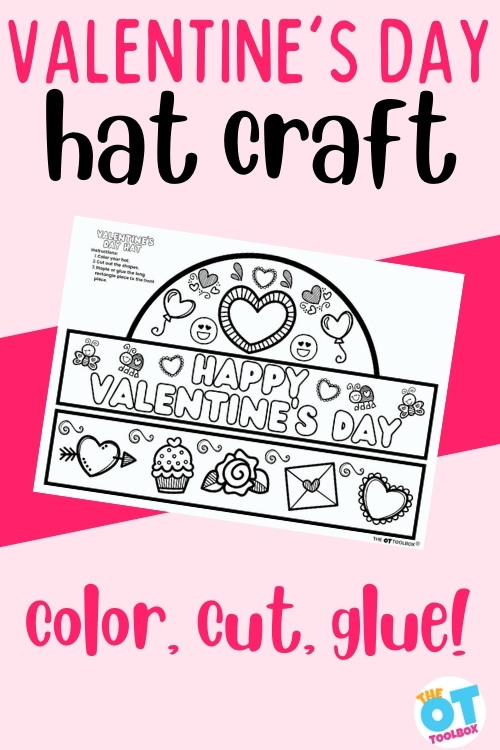
Ready for a fun valentines day hat craft? This paper craft is a great color, cut, and glue craft for kids that builds fine motor skills, coloring skills, and tool uses! Print off enough for your whole caseload or classroom because this printable party hat is great for a Valentine’s Day party activity or to use in the weeks leading up to Valentine’s Day. Add this paper hat craft to your toolbox of occupational therapy activities for Valentine’s day!

You’ll also want to grab these printable Valentine’s Day cards, too!

Valentines day hat craft

valentine hat craft

This Valentine’s day hat (I like to think of it as a crown), is an excellent catalyst not only for working on visual motor skills, but giving learners a chance to get much desired positive attention.  Of course not all people want attention, some shy away from being noticed.  That is a much deeper issue and can be addressed in another post. 

Today we are celebrating Valentine’s Day and feeling special.

What is it about hats and crowns that make children feel so special?  For that matter, adults who wear a crown feel mighty fine also!  Just look at the royal family.  I would gladly don a crown daily to be a princess or queen.

For children, it seems the added attention and smiles brought on by a lovely crown is all the draw they need.  Without going into the psychology of attention, extrinsic motivation, or whatever children are lacking, it is nice to be noticed for something positive.

While this is a Valentines day hat/crown activity, it could easily be about so much more. When asked what their favorite holiday is, most people love Christmas. Probably for the sheer joy and magnitude of it all.  For myself, my birthday ranks number one.  In my daily life I am  a therapist, mother, wife, chef, dog mom, daughter, friend, and all around giver.  But one day a year, it is all about me.  It is not about being showered with gifts,  but just a little special attention and notice for one day a year.

Valentine’s day can feel the same for many.  One day a year, to feel special by your “person”, can rejuvenate stagnant relationships.  Even though Valentine’s day is another obligation of sorts, it is just the motivation some people need to express their feelings to a loved one. While there are true givers who express gratitude and love on a daily basis, there are others who need a little nudge now and again.

Kennedy Worth wrote a blog for the Seattle Times about why she loves Valentine’s Day. And, Alex Alvarez came up with 17 reasons to love valentines day!

My favorites are:

  • Valentine’s day is a great excuse to douse everything in sparkles!
  • You can eat an entire heart shaped pizza because you are worth it.
  • Buy yourself some chocolates
  • Love isn’t always easy, so it’s nice to have a day dedicated to the fun, sweet, lovely parts of love.

Valentine’s day is more than romantic love.  It is the love for anyone, including your dog!

Show your love for the younger learners by making this adorable Valentine’s crown.  

Now, to the serious side of treatment planning; the why, what, and how of using this, or any other activity you choose to share with your learners.  

Why Use this Valentine’s Day Hat Craft in OT?

There are many reasons why this printable hat craft are a perfect tool to support skill development:

  • It’s fun, that is number one.  Fun things are motivating
  • It can put a smile on other people’s faces
  • It can make the wearer feel special
  • Kinesthetic awareness – This means learning by doing.
  • Hand strength and dexterity – staying inside the lines builds hand muscles and develops muscle control. 
  • Visual motor skills –Combining what is seen visually and what is written motorically.  This takes coordination to be able to translate information from visual input to motor output. Coloring, drawing, counting, cutting, and tracing are some visual motor skills.
  • Visual Perception – Developing figure ground to see where the borders to each item are, scanning to find all items to color, and visual closure to understand this flat paper will create something.
  • Strength – Core strength needed for sitting, shoulder/elbow/wrist stability, finger strength, and head control all play their role in writing.
  • Bilateral Coordination – Be sure your learner uses their helper hand for stabilizing the paper while using their dominant hand for writing.
  • Social/Executive Function – Following directions, turn taking, task completion, orienting to details, neatness, multi-tasking, attending to task, and impulse control can be addressed

Extend the Activity using this Paper Hat Printable

Print off a few copies and get ready to build skills! This printable party hat can be used in so many ways:

  • Laminate the page. This can be useful for reusability, if using wipe of markers, or sturdiness when coloring first.
  • Different colored paper may make it more or less challenging for your learner
  • Cardstock will be easier to handle than copier paper
  • Enlarging the font may be necessary to beginning writing students who need bigger space to write and color.
  • Create another page with all of the alphabet letters for copying or reference
  • Make changes to the type of writing utensil, paper used, or level of difficulty
  • Bingo markers are a fun tool for younger learners who can not color yet
  • Have students write on a slant board, lying prone on the floor with the page in front to build shoulder stability, or supine with the page taped under the table
  • More or less prompting may be needed depending on the level of the task and learner
  • Make this part of a larger lesson plan including gross motor, sensory, social, executive function, or other fine motor skills
  • GLITTER!  Don’t forget that everything is better with glitter!

The printable hat template is great to use as a valentine hats for preschoolers, but also older learners, too. So many skill areas can be covered with this one activity.

How? How do I document or write about this session or activity?

  • Determine what goals and skills you are addressing. Are you looking strictly at visual motor skills?  Or something else entirely such as executive function and behavior?
  • Focus your observations on the skills you are addressing.  It is alright to address one or ten skills at once, just be sure to watch for those skills during the activity.  This can take practice to watch everything all at once. Newer clinicians often videotape sessions to go back and review clinical observations they may have missed.
  • Use data to back up your documentation. Avoid or limit phrases such as min assist, fair, good, some, many, etc.  They are vague and do not contain the numbers and data critical to proficient documentation.  Instead use percentage of area colored, number of trials, number of errors, exact sizing, how many errors outside of the lines, number of reversals, number of prompts, minutes of attention.  You get the idea.
  • This type of documentation may feel foreign at first if this is not what you are used to, however insurance and governing agencies are becoming more strict on accurate documentation.

If you are a frequent reader of my posts, you may notice some patterns to my writing, or recurring lists.  This is done for two reasons.  One, so this post stands alone and does not need to be part of a larger workbook; and  two, this may be your first glimpse at the OT Toolbox, and you will be looking for information you can use right away.

If you are totally jazzed about Valentine’s Day, the OT Toolbox has a cool fine motor bundle for you! The Valentine’s Day Fine Motor Kit has resource and activities to support handwriting, scissor skills, fine motor development, coloring, and much more.

I encourage you to scroll through the archives if you are looking for a certain theme, skill, goal, or just to read my witty prose.  There are several contributing writers on the OT Toolbox with a wealth of knowledge to share.  Stick around a while and browse…..

Don’t be shy, make yourself a crown to don proudly with your young learners. If you can not have fun at work, then it is just work.  Don’t forget the glitter!

Free valentine paper hat craft

FREE Valentine’s Day Hat Craft

    We respect your privacy. Unsubscribe at anytime.

    Designing my crown now…

    Victoria Wood, OTR/L

    Victoria Wood, OTR/L is a contributor to The OT Toolbox and has been providing Occupational Therapy treatment in pediatrics for more than 25 years. She has practiced in hospital settings (inpatient, outpatient, NICU, PICU), school systems, and outpatient clinics in several states. She has treated hundreds of children with various sensory processing dysfunction in the areas of behavior, gross/fine motor skills, social skills and self-care. Ms. Wood has also been a featured speaker at seminars, webinars, and school staff development training. She is the author of Seeing your Home and Community with Sensory Eyes.

    Olympics Activities for therapy

    Olympics activities for therapy

    Ready to get your little athletes moving in therapy with some Olympics activities for therapy goals? Here, you’ll find fun Olympic crafts, games, and ideas to support development through play. Start my making an  Olympic Rings craft to develop fine motor skills, and then move onto gross motor ideas, medal activities, and more!

    Fun Olympics activities for occupational therapy sessions.

    Olympic Activities for Therapy

     I’ve tried to sort the Olympics activities below into skill area, so if you are looking for ideas to promote fine motor skills, check out the craft ideas. If you need gross motor activities, check out the Olympic games ideas. All of these ideas can be great for ceremony in your own therapy clinic! These are great to add to lesson plans this time of year.

    Olympic activities for therapy to develop skills.


    Fine Motor Olympic Crafts for Kids

    Are you looking for a few fun ideas for the kids to celebrate the Olympic Games?

    • Try making gold, silver, and bronze play dough with crayons for a bold color and smooth, glittery texture to the metallic play dough that will last for the length of the Olympic games.  Be sure to store the play dough in a plastic bag and you will be able to create play dough medals for weeks.
    • You could make an Olympic torch, olive leaf crown, and read a few Olympic books like Teach Beside Me did: Greek Olympics Lesson.  
    •  Cut foil to make medals. Use a craft stick to write names or numbers right onto the foil to work on pencil pressure.
    • Use foil to wrap around a plastic lid or cardboard circle.
    • Draw a soccer field on a large piece of paper. Use clothes pins to move a cotton ball or craft pom pom to different points on the field. Or, use a straw to blow the craft pom pom across the field to work on oral motor skills.
    • Or, you could make an Olympic Flag Craft using construction paper and a paper tube.

    Olympic Art for Kids

    If Olympic Art is more your style, use paints, stamps, or craft materials to make rings. 

    • Use a tissue box to make ice skates.
    • Use a toilet paper tube or paper towel tube to make an Olympic torch (just add tissue paper for the flame). This is a great tool to use in an obstacle course too!
    • Make a discus using a paper plate. Staple two plates together around the edges.
    • Create Olympic rings by tracing a cup, cookie cutter, paper bowl and creating the rings.
    • Stamp rings using a paper towel tube. 

    We love this Olympic Rings Art. made from a re-purposed canvas from Happy Hooligans.   


    Gross Motor Olympic Games for therapy

    The Olympics are a great theme to use in therapy sessions. Try these movement activities for gross motor skills, coordination, balance, endurance, and sensory input:

    • Crawling along an obstacle course
    • Balance beam activities
    • Indoor ice skating
    • Animal walks
    • Relay races
    • Create a paper plate discus and throw it at a target (a hula hoop works well)
    • Wheelbarrow walks
    • Throw a pool noodle like a javelin throw
    • Use balls or bean bags in a shot put activity
    • Use a scooter board and pretend it’s a bobsled or skies
    • Bounce a ball around a cone
    • Sled or ski down a therapy wedge
    • Use buckets or cones to create relay races
    • Create hurdles using pool noodles for jumping over and crawling under

    If getting active is on your agenda, KCEdventures shows us how to plan your own Olympic celebration for kids.

    Olympic Handwriting Activity

    Ask your therapy attendees to write a list of Olympic sports. Work on handwriting skills such as letter formation, margin use, line awareness, and legibility.

    • You can also follow the highlights reel online and keep track of the number of medals accumulated by each country, or write down the top countries according to medal count.
    • To work on number formation, use graph paper as a medal tracker. This is a motivating activity for learners!
    • Another fun therapy activity to use during the Olympics is to create a large venn diagram on paper, a wall chalkboard, or dry erase board. The learners can write out the similarities and differences between the Winter Games and the Summer Games. This handwriting task focuses on organizational skills, spatial awareness, and margin use.

    Write a list of winter sports being played during the Winter Olympic Games:

    • Bobsled
    • Skiing
    • Figure skating
    • Speed skating
    • Snowboarding
    • Ice hockey
    • Curling
    • Luge
    • Skeleton

    Olympic Visual Motor Activities

    Support visual motor skills by asking kids to copy the Olympic rings. Include colors to engage visual perceptual skills. 


    Olympic Food for Kids

    Getting the kids involved in a cooking activity is a great executive functioning activity. Try these Olympic themed foods:
    Make these rainbow snacks using colors of the Olympic rings.
    These Olympic foods for Kids has some great ideas.


    Olympic activities for kids including Olympic themed snacks, crafts, activities, and learning. This is great for summer or winter Olympics.


    Colleen Beck, OTR/L has been an occupational therapist since 2000, working in school-based, hand therapy, outpatient peds, EI, and SNF. Colleen created The OT Toolbox to inspire therapists, teachers, and parents with easy and fun tools to help children thrive. Read her story about going from an OT making $3/hour (after paying for kids’ childcare) to a full-time OT resource creator for millions of readers. Want to collaborate? Send an email to contact@theottoolbox.com.
    Cursive Handwriting Letter Families

    cursive letter families

    This post is a comprehensive resource on cursive handwriting letter families. Did you know that teaching cursive letters in a series of similar letters can be helpful for kids who are just learning letter formation? Using groups of letters that are formed similarly makes them a letter family. So, when we use the motor plan required to form a cursive letter, we can help learners retain and use that cursive formation appropriately for legible handwriting when completing cursive writing. Let’s break down cursive letter families!

    What are Letter Families

    Letter families are related letters. Just like a family, letter families contain similar traits. These similarities might include the same starting point when forming a letter, similar lines that make up the letter, or other traits that make the letters easy to group. Letter families might include these traits:

    • Same starting point
    • Same initial pencil movement
    • Same connecting lines or ending pencil strokes
    • Similar movements within the letter, like bumps, slants, re-trace, etc.

    When it comes to cursive letter families, this is a powerful teaching technique because we can break down the task of learning all uppercase and lower case cursive letters as we break down the task into chunks.

    Teaching cursive letters in chunks can be helpful because many cursive letters are similar in formation either in starting lines or with components. Consider a lower case cursive letter “i”. The way the beginning line curves up and stops is similar to the start of a lower case cursive letter “t”.  

    Letters like m, n, v, x, y, and z all start with a bump curve that starts from the baseline and curves up in an arch toward the middle line. 

    Letters like e, l, h, b, f, and k all start with a loop.   

    There are similarities in upper and lowercase cursive letters that indicate a need to teach letters in an order that takes cursive letter families into account.

    Why use letter families to teach cursive

    Cursive families and grouping letters by lines is an occupational therapy strategy that uses motor planning, muscle memory, and fine motor development to impact legible cursive writing.

    Tricks to help with teaching cursive handwriting can make all the difference when it comes to carryover and legibility. Below, you will find information about teaching cursive handwriting and letters that are similar and should be taught together in groups for ease of learning.

    You’ll discover more about cursive letter families below as well as more cursive writing strategies and tools here and in the How to Teach Cursive Writing series.

    We explain more information on grouping letters according to their pencil strokes in our post on Handwriting Without Tears letter order because the HWT program sorts letters into teaching groups like we are talking about here.

    You can find all of the tips and strategies for teaching cursive handwriting under the handwriting tab up above.

    Cursive letters fit into families because there are similarities in how letters are formed that can help kids learn to write in cursive.


    Lowercase Cursive Letter Families

    Lowercase cursive handwriting letter families are broken down by the writing strokes that start the letter. We’ve broken these letter groups into these types of starting strokes:
    1. Wave Letters
    2. Spike Letters
    3. Loop Letters
    4. Bump Letters
    5. Slant Letters
    6. Tow Truck Letters (based on the ending strokes or connecting strokes)

    You can see that when we break cursive letters down into groups, it makes it easier for learners to learn and carryover the motor plan to form the letter because the letters that start similarly use the same small muscle movements.

    Wave Letter Family

    Wave letters are lowercase cursive letters that curve up from the baseline with a curve that follows the outside and left side of a circle. The curve traces back on itself to create a curve shape. Read here about specific strategies to teach Wave Letters.

    Wave letters include lowercase cursive: c, a, d, g, q, and o.


    Spike Letter Family 

    Spike Letters are are lowercase cursive letters that curve up from the baseline with an inverted curve that follows the underside and right side of a circle. The curve traces back on itself for the strait portion of the letter, but then pulls away to either continue with additional components of the letter or to connect to subsequent letters. 
     
    Spike letters include lowercase cursive: i, t, u, w, p, and j.
     

    Loop Letter Family

    Loop letters are lowercase cursive letters that begin with a loop from the baseline. These can be easy to learn at first : cursive e and cursive f are simple motor plans. But, the remaining loop letters contain re-traced lines, inverted lines that move back toward the middle line and then in the opposite direction (cursive k), and multi-loops (cursive f). 
     
    Loop letters include: e, l, h b, k, and f.
     

    Bump Letter Family

     
    Bump letters are lowercase cursive letters that start from the baseline with a low curve on a 45 degree angle that peaks with a curved “bump” at the middle line.
     
    Bump letters include: n, m, v, x, y, and z.
     

    Slant Letter Family

    Slant letters are lowercase cursive letters that start from the baseline and slant at a 45 degree angle without a curved portion at the direction change. 
     
    Slant letters include: s and r.
     
    This resource covers how to teach cursive s.
     

    Tow Truck Letter Family

    Tow truck letters use terminology from the Handwriting Without Tears program and refers to the way the letter connects to another letter.
     
    Another way to distinguish cursive letters even further is to identify tow truck letters. This term uses a verbal prompt from the Learning Without Tears handwriting program which identifies letters with a high connection point. The “tow truck letters” connect to subsequent letters in a word with a connector at the middle line rather than the baseline.
     
    Tow Truck Letters include: o, v, w, and b.
     

    Uppercase Cursive Letter Families

    Upper case cursive letters can be hard to learn. Why? Because uppercase letters are not often used, especially as often as their lowercase relatives. An uppercase K may not be used often and it is easy to forget which way to make the starting lines or the mid-loops. 
     
    We’ll break down uppercase cursive letters into groups, just like we did with the lowercase letters. 
     
    Uppercase cursive letter families are broken down by starting point.
     

    Right Curve Start Upper Case Cursive Letters

    Right-Start Letters are uppercase cursive letters that start at the top line with a counter clockwise (or right curve) motion from the top line down to the baseline. 
     
    Right Curve Start Letters include: A, C, O, Q, and E (Uppercase cursive letter E starts with a right curve to the middle line.)
     

    Rocker Start Upper Case Cursive Letters

    Rocker-Start uppercase cursive letters are those upper case letters that start with a small rocker motion to the top line.
     
    Rocker start letters include: B, R, P, and L. 
     

    Down Stroke Start Letters

    Down-Stroke upper case cursive letters are uppercase cursive letters that start at the top line and move down.
     
    Down stroke start letters include: D, T, F, U, Y, V, and W.
     

    Left Loop Start Letters

    Left-Loop start letters are uppercase cursive letters that begin with a small loop start at the top left side of the letter. 
     
    Left loop start letters include: H, K, M, N, X, and W.
     

    Slant Start Upper Case Cursive Letters

    Slant start cursive are uppercase cursive letters that start at the baseline and slant up to the top line at a 45 degree angle. 
     
    Slant start letters include: G and S.
     

    Left Curve Up Start Cursive Upper Case

    Left Curve Up start letters are uppercase cursive letters start at the baseline and curve up to the left side. They start of the opposite side than the rest of the upper case cursives. This can be a difficult start for some learners, especially if these letters are not used often.
     
    Left curve up start letters include: I and J.
     

    Other Upper Case Cursive

    Uppercase cursive letter Z doesn’t seem to fit into any of these categories! That is to say: all of these cursive letter starts depend on the font. Occupational therapy practitioners tend to teach simple writing strokes to reduce the motor plan and to improve carryover. So, it is possible to group Z into another group, including the Slant Start Letters or Left Loop Start Letters.


    What order to teach cursive Letter families?

    When it comes down to it, having a specific order of uppercase and lowercase cursive letters doesn’t matter hugely. It is much more important to teach letters in their family chunks for ease. That being said, you do need to start somewhere when it comes to starting to teach cursive letters. So where to begin?

    It’s also a great idea to teach letters that are similar in look or formation to their printed counterpart.  

    There are so many different cursive letter curriculum out there without a clear letter sequence so it’s truly up to the instructor. Consider the benefits of teaching cursive letters in their letter family clusters. Here is one list of recommended cursive letter order for ease of instruction.    

    For explicit instruction, use the suggested order to teach cursive letters listed on this handout.

    How to Teach Cursive Families

    Teach Cursive Letter Families with Picture Frames!

    This post contains affiliate links.


    Use the cursive letter order descriptions to create family photos like we did. Use these in the classroom to teach kids about how the letters are related in formation. We used just a few items to create family photos for cursive letters:

    To make teaching cursive with a cursive letter family fun and “stick” try this memorable activity.

    Cut the cardstock to fit the frames. Add a small piece of tape to keep the cardstock in place. Write the groups of cursive letters on the cardstock. Fit the paper into the frames.

    Use these frames to teach common cursive letter families. Place them on desks or tables in the classroom or home and refer to cursive families during instruction.

    Cursive letters fit into families because there are similarities in how letters are formed that can help kids learn to write in cursive.

      Need help with the underlying skills needed for handwriting? Start here on our Handwriting resources page.  

    The Handwriting Book is a comprehensive resource created by experienced pediatric OTs and PTs.

    The Handwriting Book covers everything you need to know about handwriting, guided by development and focused on function. This digital resource is is the ultimate resource for tips, strategies, suggestions, and information to support handwriting development in kids.

    The Handwriting Book breaks down the functional skill of handwriting into developmental areas. These include developmental progression of pre-writing strokes, fine motor skills, gross motor development, sensory considerations, and visual perceptual skills. Each section includes strategies and tips to improve these underlying areas.

    • Strategies to address letter and number formation and reversals
    • Ideas for combining handwriting and play
    • Activities to practice handwriting skills at home
    • Tips and strategies for the reluctant writer
    • Tips to improve pencil grip
    • Tips for sizing, spacing, and alignment with overall improved legibility

    Click here to grab your copy of The Handwriting Book today.

    Colleen Beck, OTR/L has been an occupational therapist since 2000, working in school-based, hand therapy, outpatient peds, EI, and SNF. Colleen created The OT Toolbox to inspire therapists, teachers, and parents with easy and fun tools to help children thrive. Read her story about going from an OT making $3/hour (after paying for kids’ childcare) to a full-time OT resource creator for millions of readers. Want to collaborate? Send an email to contact@theottoolbox.com.
    Fingerplay songs for ot

    finger play songs

    This post is highlighting Fingerplay Songs as an excellent developmental tool. An important skill in child development, is the ability to use the fingers individually and together, and finger games are one way to just that! When holding a pencil, pick up cheerios, button, zip, or cut with scissors, you are using two or three fingers, and tucking the rest away! When typing on a keyboard, all of your fingers and thumbs must move individually, but at the same time, in order to type efficiently. Pay attention to what your hands and fingers do in a day, and you may be surprised!

    These fingerplay songs are perfect occupational therapy activities for developing fine motor skills.

    FINGERPLAY SONGS

    Finger skills development is essential to the preschool age, however play starts with babies! Check out this article on The OT Toolbox about Baby Play.

    There are many ways to encourage this fine motor development, but one of my favorites that doesn’t get enough attention (in my opinion, of course) is fingerplay songs! I do these silly finger plays all the time with my preschoolers during their OT time, or with any of my other students who wants to have fun.

    They won’t even know they are developing important motor skills while doing these finger play rhymes. Let’s break down the skills used in the most popular finger play song: Pat-A-Cake.

    Fingerplay Songs and Fine Motor Skills

    This is a classic finger play rhyming activity for thumb and index finger isolation! The term “finger isolation” will come up a few times in this article, so why is it important?

    When babies are born, their fingers all move together as one unit, and one hand tends to copy each other! The body of an infant can be seen as one moving piece, in comparison the movement as we develop, which is a complex system of moving pieces. In order to develop skills as we age, it is important to learn to isolate the movements of our hands and fingers from each other. 

    Activities that use the hands to complete motor tasks, sequencing of movements, and dexterous games include other fine motor skills too, including:

    You can see why fingerplay songs support child development!

    Pat-a-cake fingerplay song

    First, motor plan a pattern of movement. Add motor planning and bilateral coordination skills by alternating movements of patting hands on lap and clapping hands while chanting the words:

    • Pat-a-cake pat-a-cake baker’s man,   
    • Bake me a cake as fast as you can.  
    • Roll it. (rolling hands one over the other)
    • And pat it. (patting hands to lap)
    • And mark it with a B. (Index finger isolation to draw a B with your finger)
    • Put it in the oven for Baby and me! (reaching forwards with both arms)

    There are many ways to develop fine motor skills through play in addition to these fingerplay activity songs. Check out this post on Hands on Preschool Activities

    WHERE IS THUMBKIN Fingerplay song for preschoolers

    Where Is Thumbkin? | Songs For Kids | Sing Along With Tobee 

    This video does a great job of explaining the motions to this simple, easy to learn fingerplay rhyming song. The song starts at about marker one minute and thirty (1:30) seconds. 

    Fingerplay songs for fine motor

    Of course fine motor development comes from more than just fingerplay songs and rhymes, here is an article on developing Fine Motor Skills.

    FIVE LITTLE DUCKS interactive finger play song

    Here is a fingerplay song where the individual and cohesive movement of fingers really get to shine.  This video demonstrates the hand, finger, and arm movements to be used while singing. I find it best to sing to your child once you know the song, instead of playing the video for them. Make sure to show your child how it’s done by doing it with them! This is true for all of the preschool songs and fingerplays we share. 
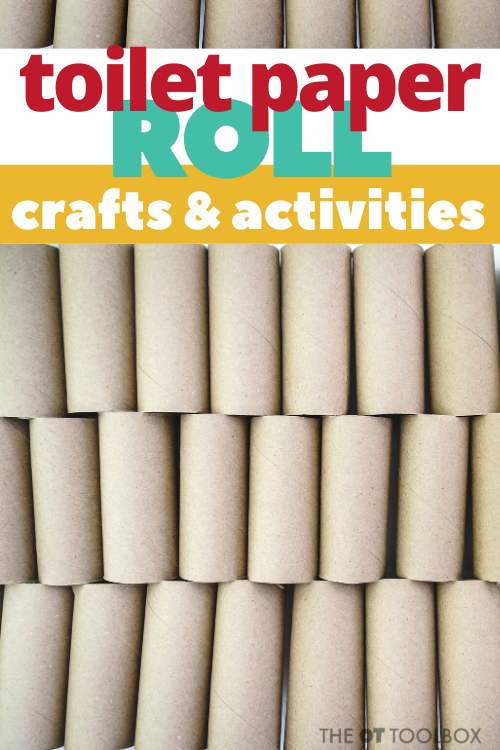
    Five Little Ducks | Kids Songs & Nursery Rhymes | Learn to Count the Little Ducks

    While you watch the video and learn the movements, notice:

    • Finger isolation while counting,
    • Cohesive movement for the “quack, quack, quack”
    • Wiggling of the fingers as the ducks waddle away

    There are many books written to correspond to this song. Here is one I tend to reach for: Five Little Ducks. This one is “interactive” with little doors on the page that require a pincer grasp to pull open. This is another way to encourage important fine motor skills! 

    More fine motor resources for preschool

    If you are looking for more interactive books, to develop fine motor skill development, the OT Toolbox has you covered!

    Exploring Books Through Play: 50 Activities for developing finger and hand development

    ITSY-BITSY SPIDER silly fingerplay for preschoolers

    This is preschool fingerplay activity is by-far my favorite way to increase finger isolation and motor patterns in reluctant kids. In the video below, check out the wrist movements, wiggling fingers, and more, while interacting with a well recognized song! 

    The Itsy Bitsy Spider | Nursery Rhymes from Caitie’s Classroom

    Many young children, especially those with delayed fine motor control, are not able to motor plan the spider moving up the spout as shown in the video. However, they will adapt and create their own way, using the movement of only two or three fingers, while the rest are tucked away. This pattern is the building block for mature grasps. Sometimes, I teach the spider as the index fingers and thumbs touching in a circular pattern, instead of the L shape in the video. This adaptation may be less confusing for some. See what makes your child most successful! 

    boosting childhood development with action rhymes:

    Boosting Child Development with Action Rhymes and Fingerplay Songs

    OPEN AND SHUT THEM fingerplay chanting rhyme

    “Open and Shut Them” is a song I have used for years to keep babies occupied while I change their diapers. I knew a kindergarten teacher who used it to help transition her students to carpet time. This fingerplay song is useful for many different purposes, not just fine motor development and rhyming. It is a perfect addition to this list. There are many different versions of this song you can find online, but here is a video that clearly demonstrates the many different actions the hands and fingers can do!

    Open Shut Them Song| Circle Time Songs for Kids | Jack Hartmann Nursery Rhymes

    Did you notice the pinky finger isolation? What about the movement of two fingers, with the rest tucked away? These are advanced movements that are motivating and fun! 

    You may have noticed all of these fingerplay preschool songs are repetitive. This is perfect for increasing opportunities to practice and learn a new skill. They integrate movement of both hands and fingers in a particular sequence, which teaches and enhances motor planning. Additionally, singing songs such as these familiar preschool finger play rhymes in a group, or one-on-one develops social skills, and can build rapport with one another. It’s a win-win method to teaching important skills.

    If you are interested in teaching more fine motor skills, check out these resources from the OT Toolbox:

    Working on fine motor skills, visual perception, visual motor skills, sensory tolerance, handwriting, or scissor skills? Our Fine Motor Kits cover all of these areas and more.

    Check out the seasonal Fine Motor Kits that kids love:

    Or, grab one of our themed Fine Motor Kits to target skills with fun themes:

    Want access to all of these kits…and more being added each month? Join The OT Toolbox Member’s Club!

    Sydney Thorson, OTR/L, is a new occupational therapist working in school-based therapy. Her
    background is in Human Development and Family Studies, and she is passionate about
    providing individualized and meaningful treatment for each child and their family. Sydney is also
    a children’s author and illustrator and is always working on new and exciting projects.